Rādhā-Madana-mohana Mandira (Vṛndāvana, old)
राधा-मदनमोहन मन्दिर (वृन्दावन, पुराना) Hindi name proposed
Also called Madan-mohana temple, Madana-mohana Mandir, Maḍan-mohana, Rādhā-Madanamohana Mandira
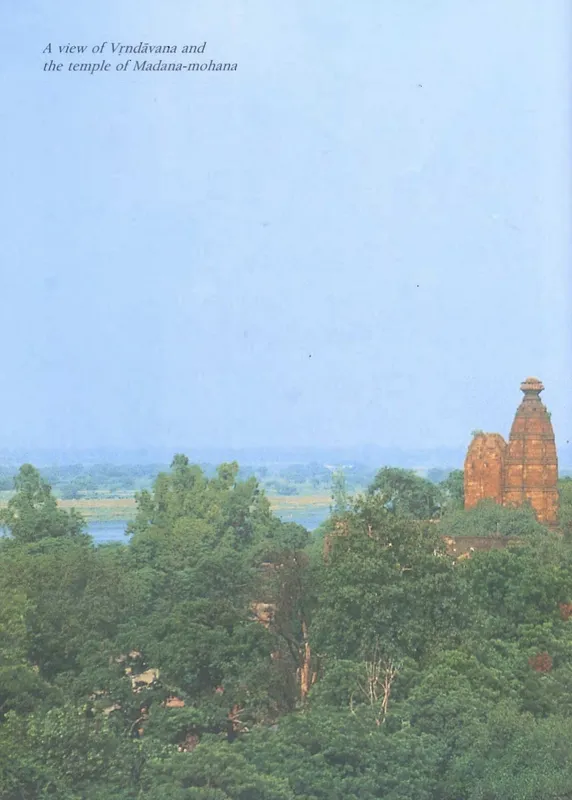
- What it is
- The old Rādhā-Madana-mohana Mandira is the temple of Madana-mohana, also called Madana-gopāla, the Deity whose service Śrīla Sanātana Gosvāmī began in Vṛndāvana.
- Visiting
- Vṛndāvana-Dhāma Ki Jaya! (c. 1986) says that the old temple is in the care of the Indian government as a historical site; this may have changed since.
- Places here
- Caitanya Mahāprabhu's temple (southern part of the old Madana-mohana temple), Sanātana Gosvāmī's bhajana-kuṭī (Vṛndāvana), Grantha-samādhi, Puṣpa-samādhis of Tapana Miśra and Candraśekhara Ācārya, Sanātana Gosvāmī's samādhi +2 more
In short
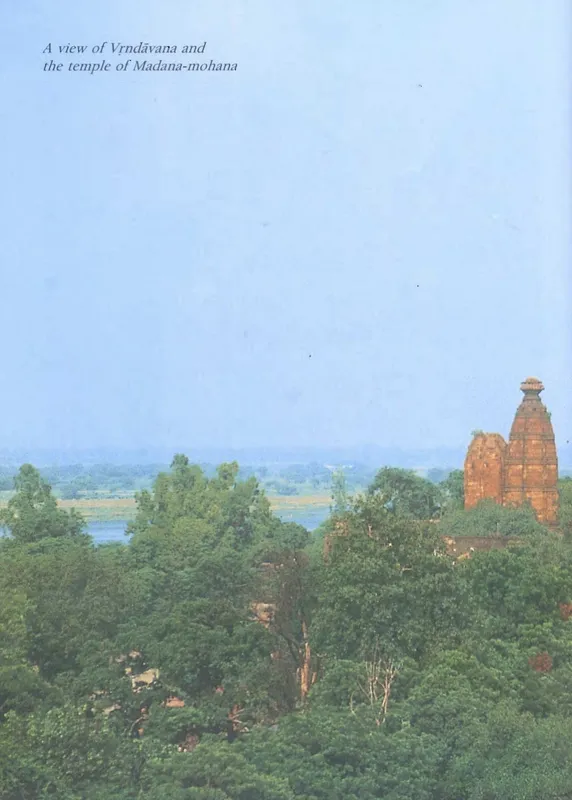
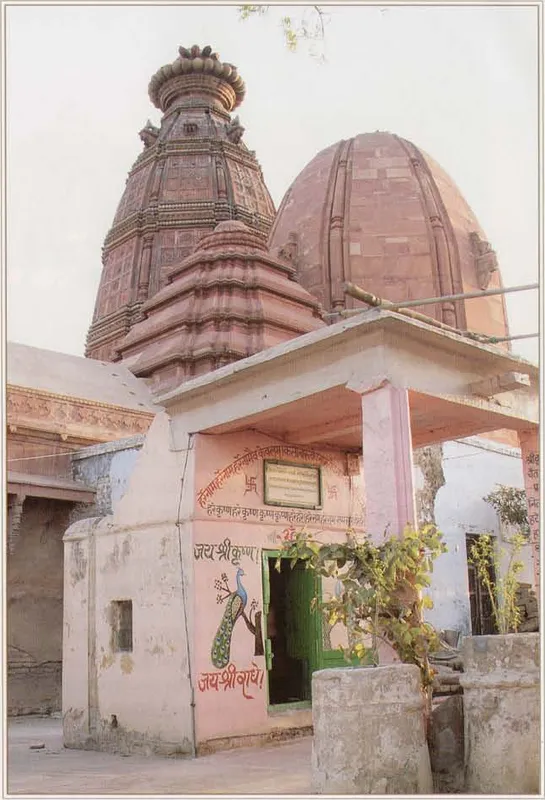
The old Rādhā-Madana-mohana Mandira is the temple of Madana-mohana, also called Madana-gopāla, the Deity whose service Śrīla Sanātana Gosvāmī began in Vṛndāvana.[1 +6] The guidebooks place it on Dvādaśāditya-ṭīlā, a hill above the Yamunā, and Śrīla Prabhupāda wrote that the original temple stood on high ground.[8 +5] He calls it the first and oldest temple of Vṛndāvana.[14 +5] Before this Deity Śrīla Kṛṣṇadāsa Kavirāja Gosvāmī received a garland as permission to write the Caitanya-caritāmṛta.[3 +4] The old temple was damaged in Aurangzeb's time, the original Deity was taken away to Karauli in Rājasthān, and Madana-mohana now resides in the new temple beside it.[9 +7]
Key facts
| Kind | temple |
|---|---|
| Region · area | Vṛndāvana |
| Also part of | Dvādaśāditya-ṭīlā |
| Ācāryas | Śrīla Sanātana Gosvāmī, Śrīla Kṛṣṇadāsa Kavirāja Gosvāmī, Śrī Advaita Ācārya, Śrīla Raghunātha dāsa Gosvāmī, Śrīla Viśvanātha Cakravartī Ṭhākura |
Why it is glorified
Śrīla Kṛṣṇadāsa Kavirāja Gosvāmī begins the Caitanya-caritāmṛta with a prayer to Rādhā and Madana-mohana: he calls himself lame …
Śrīla Kṛṣṇadāsa Kavirāja Gosvāmī begins the Caitanya-caritāmṛta with a prayer to Rādhā and Madana-mohana: he calls himself lame and ill advised, and Their lotus feet his everything.[20 +3]
জয়তাং সুরতৌ পঙ্গোর্মম মন্দমতের্গতী ।
মৎসর্বস্বপদাম্ভোজৌ রাধামদনমোহনৌ ॥ ১৫ ॥
jayatāṁ suratau paṅgor
mama manda-mater gatī
mat-sarvasva-padāmbhojau
rādhā-madana-mohanau
Glory to the all-merciful Rādhā and Madana-mohana! I am lame and ill advised, yet They are my directors, and Their lotus feet are everything to me.
Translation: Śrīla A.C. Bhaktivedanta Swami PrabhupādaŚrīla Prabhupāda explains that Madana-mohana is worshipped for sambandha, the re-establishing of one's forgotten relationship with the Lord, and that Śrīla Sanātana Gosvāmī is the ideal spiritual master because he gives the shelter of Madana-mohana's lotus feet.[29 +3] In the same book Madana-mohana, Govinda and Gopīnātha are the three Deities of Vṛndāvana who have absorbed the heart and soul of the Gauḍīya Vaiṣṇavas.[33]
General teaching (does not name the place)“Worship of Madana-mohana is on the platform of reestablishing our forgotten relationship with the Personality of Godhead.”
Śrīla Prabhupāda, Śrī Caitanya-caritāmṛta, Ādi-līlā 1.19, purport · vedabase.io
Śrīla Sanātana Gosvāmī opens his commentary on the Tenth Canto, the Bṛhad-vaiṣṇava-toṣaṇī, by taking shelter of Śrī Madana-gopāla, the chief of the Vṛndā forest, and of Śrī Govinda; Śrīla Jīva Gosvāmī's Laghu-vaiṣṇava-toṣaṇī opens with the same verse. The Caitanya-caritāmṛta says that all of Śrīla Sanātana Gosvāmī's books aim at the service of these two Deities.[2 +5]
Commenting on Śrīmad-Bhāgavatam 10.55.1, Śrīla Sanātana Gosvāmī explains the name. Kāma, the god of love, maddens the world only by one drop of Kṛṣṇa's power, so Kṛṣṇa Himself is the great Madana, and texts such as the Trailokya-sammohana-tantra call Him Madana-gopāla (summarised here, not translated).[36]
Śrīla Nārāyaṇa Bhaṭṭa Gosvāmī's Vraja-bhakti-vilāsa lists the darśana of Madana-gopāla as a station of the Vṛndāvana pilgrimage, just before the darśana of Govinda, with a prayer to be repeated seventeen times.[37]
Divine pastimes
The Cupid of Cupids
Śrīla Kṛṣṇadāsa Kavirāja Gosvāmī describes Madana-gopāla, whom he saw in Vṛndāvana, as the chief Deity of Vṛndāvana and the enjoyer of the rāsa dance. With Rādhā, Lalitā and others He enjoys the rāsa, and He shows Himself as the Cupid of Cupids.[35 +3]
বৃন্দাবন–পুরন্দর শ্রীমদনগোপাল ।
রাসবিলাসী সাক্ষাৎ ব্রজেন্দ্রকুমার ॥ ২১২ ॥
vṛndāvana-purandara śrī-madana-gopāla
rāsa-vilāsī sākṣāt vrajendra-kumāra
Lord Madana Gopāla, the chief Deity of Vṛndāvana, is the enjoyer of the rāsa dance and is directly the son of the King of Vraja.
Translation: Śrīla A.C. Bhaktivedanta Swami PrabhupādaFor this he quotes Śrīmad-Bhāgavatam 10.32.2. In the rāsa dance Kṛṣṇa had disappeared, and the gopīs, the cowherd girls, had searched for Him and wept; then He appeared before them again, smiling, with a garland and a yellow garment, "directly the bewilderer of the mind of Cupid". The verse names no place and no Deity, and Śrīla Kṛṣṇadāsa Kavirāja Gosvāmī does not say that the rāsa took place here.[35 +5] The card gives Śrīla Prabhupāda's own translation of the verse, from the Caitanya-caritāmṛta.[39]
তাসামাবিরভূচ্ছৌরিঃ স্ময়মানমুখাম্বুজঃ ।
পীতাম্বরধরঃ স্রগ্বী সাক্ষান্মন্মথমন্মথঃ ॥ ২১৪ ॥
tāsām āvirabhūc chauriḥ
smayamāna-mukhāmbujaḥ
pītāmbara-dharaḥ sragvī
sākṣān manmatha-manmathaḥ
“Wearing yellow garments and decorated with a flower garland, Lord Kṛṣṇa, appearing among the gopīs with His smiling lotus face, looked directly like the charmer of the heart of Cupid.”
Translation: Śrīla A.C. Bhaktivedanta Swami PrabhupādaTraditional accounts
The sources tell this in several ways (see below).
How Madana-gopāla came to Śrīla Sanātana Gosvāmī
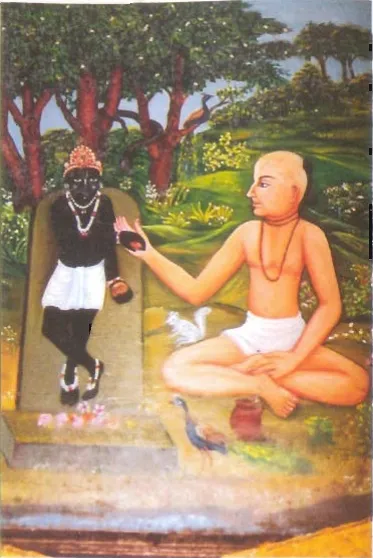
The sources tell this in several ways (see below). According to the Bhakti-ratnākara, Śrīla Sanātana Gosvāmī sometimes stayed at Mahāvana and saw Madana-gopāla play there with the boys on the sand of the Yamunā. In a dream the Deity told him that He liked his hut and would come to him from Mahāvana, and at dawn He came. Śrīla Sanātana Gosvāmī served Him in a hut of leaves and could offer Him only dry bread (summarised here, not translated).[43 +2]
The Caitanya-bhāgavata tells that Śrī Nityānanda Prabhu, on his pilgrimage before he met Śrī Caitanya Mahāprabhu, bowed to Madana-gopāla after seeing Nanda's home at Gokula; the Bhakti-ratnākara adds that he stayed at times at Gokula-Mahāvana to see Madana-gopāla. Neither says that this is the Deity later served by Śrīla Sanātana Gosvāmī.[12 +2]
The Prema-vilāsa tells a different story, which is not certain. According to it, Kṛṣṇa told Śrī Advaita Ācārya in a dream to dig Him out of the earth in a grove on the Yamunā bank, and Advaita raised and installed Madana-mohana. When invaders came the Deity hid in the form of Gopāla, so He was called Madana-gopāla; later Advaita gave Him to a Caube brāhmaṇa of Mathurā, from whom He was to go to Śrīla Rūpa Gosvāmī and Śrīla Sanātana Gosvāmī.[4 +1] The guidebooks tell a similar story at Advaitavaṭa, but the Bengali Vṛndāvana-kathā (1920), reporting it from the Advaita-prakāśa, adds that the Vrajavāsīs do not accept it, so this account is not certain.[4 +6]
Rādhā-kṛṣṇa Gosvāmī's Sādhana-dīpikā says only that Śrīla Sanātana Gosvāmī began Madana-gopāla's service on the ground beneath a kadamba tree, in a place cooled by the water of the Yamunā (summarised here, not translated).[55] Read more: How Madana-mohana came to Śrīla Sanātana Gosvāmī →
The merchant and the temple
According to the Bhakti-ratnākara, Madana-gopāla wished His service to grow. A very wealthy man from Multan named Kṛṣṇadāsa, a Kapūra and an eminent kṣatriya, came down from his boat, fell at Śrīla Sanātana Gosvāmī's feet and was given to Madana-mohana's feet. That same day he began the temple, adorned the Deity with jewels and arranged His offerings.[9 +5] Śrīla Prabhupāda says that the merchant offered his service and that Śrīla Sanātana Gosvāmī asked him to build a temple for Madana-mohana:[9 +5]
Names this placeJust like this Madana-mohana temple was constructed by a big merchant. He approached Sanātana Gosvāmī = "Sir, what can I do for you? I want to serve you." So Sanātana Gosvāmī said, "My Madana-mohana... I am living underneath the tree, and my Madana-mohana is hanging. So if you can, you can construct a temple for Madana-mohana."
Śrīla Prabhupāda, Lecture on Śrīmad-Bhāgavatam 1.8.26, Māyāpur, 6 October 1974 · vedabase.io
The Prema-vilāsa tells that the merchant's boat stuck on a sandbank and moved again when he promised a temple from his profit. The sources give the merchant different names, and they tell differently where his boat stuck and how it was freed.[9 +6]
Rādhikā and Lalitā
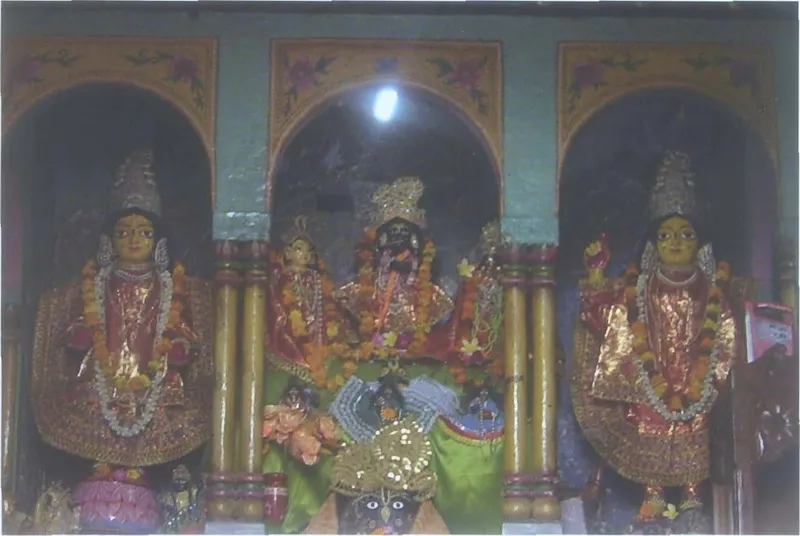
According to the Bhakti-ratnākara, Śrī Rādhikā was not with Govinda and Madana-mohana when They appeared. Puruṣottama Jānā of Orissa sent two goddess Deities to Vṛndāvana, and in a dream Madana-mohana told His servant to place the smaller one, Rādhikā, on His left and the larger one, Lalitā, on His right; the servant did so (summarised here, not translated).[24 +2] The Sādhana-dīpikā says that the beloved of the three Deities was installed by Śrī Haridāsa Gosvāmī, Śrī Kṛṣṇadāsa Brahmacārī and Śrī Madhu Paṇḍita (summarised here, not translated).[61]
The Caitanya-caritāmṛta names Śrī Madana-mohana together with Śrī Rādhā among the Lords of the Gauḍīya Vaiṣṇavas, without saying whether it describes Deities on the altar; Śrīla Prabhupāda wrote in 1973 that in Śrīla Kṛṣṇadāsa Kavirāja Gosvāmī's time the Deity of Madana-mohana stood alone and the Deity of Rādhārāṇī was introduced later.[62 +1]
Other accounts
- Two guidebooks say that Mahārāja Vajranābha first installed Madana-mohana, together with Govinda and Gopīnātha. The Skanda Purāṇa tells that Vajranābha installed Govinda, Harideva and other forms but does not name Madana-mohana, so this is not certain.[64 +2]
- According to Śrī Priyādāsa's verses in the Hindi Bhaktamāla of Śrī Nābhā dāsa (1904), when the poet Śrī Tulasī dāsa had darśana of Madana-gopāla and said that Rāma was his worshipful Lord, the Deity showed him that form (a tradition, not certain); Śrī Rūpakalā's commentary (1904) sets this in Madana-gopāla's temple.[67]
- The same Bhaktamāla tells of the poet Śrī Sūradāsa Madana-mohana, who sent jaggery for Madana-gopāla's offerings, guarded the shoes of sādhus at the door of the temple and was given service there; this tradition is not certain.[68]
The Gosvāmīs and ācāryas
The Caitanya-caritāmṛta says that in Vṛndāvana Śrīla Rūpa Gosvāmī and Śrīla Sanātana Gosvāmī preached devotional service …
Śrīla Sanātana Gosvāmī
The Caitanya-caritāmṛta says that in Vṛndāvana Śrīla Rūpa Gosvāmī and Śrīla Sanātana Gosvāmī preached devotional service, uncovered the holy places and began the service of Madana-gopāla and Govinda.[2 +7] Śrīla Prabhupāda adds that only by Śrīla Sanātana Gosvāmī's endeavour were the lost holy places of the Vṛndāvana area uncovered, and that he established Madana-mohana, the first Deity of that area.[91] Two guidebooks print, on this temple's page, the charge that Śrī Caitanya Mahāprabhu gave him at Purī; it is Caitanya-caritāmṛta Antya 4.78–80.[51 +3]
কৃষ্ণভক্তি, কৃষ্ণপ্রেমসেবা-প্রবর্তন ।
লুপ্ততীর্থ-উদ্ধার আর বৈরাগ্য-শিক্ষণ ॥ ৮০ ॥
kṛṣṇa-bhakti, kṛṣṇaprema-sevā-pravartana
lupta-tīrtha-uddhāra, āra vairāgya-śikṣaṇa
“You will also have to explain Kṛṣṇa’s devotional service, establish centers for cultivation of love of Kṛṣṇa, excavate lost places of pilgrimage and teach people how to adopt the renounced order.
Translation: Śrīla A.C. Bhaktivedanta Swami PrabhupādaAccording to the Sādhana-dīpikā, Śrīla Sanātana Gosvāmī entrusted Madana-gopāla's service to Śrī Kṛṣṇadāsa Brahmacārī, who was very close to him. The Bhakti-ratnākara names Śrī Kṛṣṇadāsa Brahmacārī as the servitor in charge of Madana-gopāla when Śrīla Vīracandra Prabhu came to Vṛndāvana, and Śrī Priyādāsa's verses on the Bhaktamāla say the same.[61 +5]
Śrīla Kṛṣṇadāsa Kavirāja Gosvāmī
Having received the order of the Vaiṣṇavas to write the life of Śrī Caitanya Mahāprabhu, Śrīla Kṛṣṇadāsa Kavirāja Gosvāmī went to Madana-gopāla to ask His permission too. While the priest Gosāñi dāsa served the Deity's feet, a garland slipped from the Deity's neck; Gosāñi dāsa put it on him, and he began the Caitanya-caritāmṛta then and there.[3 +5]
প্রভুর চরণে যদি আজ্ঞা মাগিল ।
প্রভুকণ্ঠ হৈতে মালা খসিয়া পড়িল ॥ ৭৫ ॥
prabhura caraṇe yadi ājñā māgila
prabhu-kaṇṭha haite mālā khasiyā paḍila
When I prayed to the Lord for permission, a garland from His neck immediately slipped down.
Translation: Śrīla A.C. Bhaktivedanta Swami PrabhupādaHe calls Madana-mohana his family Deity, whose servants are Śrīla Raghunātha dāsa Gosvāmī, Śrīla Rūpa Gosvāmī and Śrīla Sanātana Gosvāmī.[90 +1]
Other ācāryas who came here
- Śrīla Jīva Gosvāmī took Śrīla Śrīnivāsa Ācārya and Śrīla Narottama dāsa Ṭhākura to Madana-mohana's darśana; according to the Narottama-vilāsa they saw the utthāpana ārati (the afternoon waking ceremony), Śrī Kṛṣṇadāsa Brahmacārī welcomed them, and the pūjārī gave Narottama the Deity's garland.[95 +2]
- According to the Bhakti-ratnākara, Śrīla Śrīnivāsa Ācārya wept at his first sight of Madana-mohana, and before he left Vṛndāvana with the Gosvāmīs' books he took leave of Madana-gopāla and received the Deity's garland.[95 +2]
- The same work tells that Śrīla Rāmacandra Kavirāja had darśana of Madana-mohana among the Deities of Vṛndāvana and then of Śrīla Sanātana Gosvāmī's samādhi.[100]
- Śrīla Jāhnavā-devī saw Govinda and Madana-mohana with Śrī Rādhikā on her visit to Vṛndāvana, and Śrīla Vīracandra Prabhu had darśana of Govinda, Gopīnātha and Madana-mohana with the temple servitors.[63 +1]
- According to Manohara Rāya, quoted in the Bhakti-ratnākara, Śrī Gopāla Bhaṭṭa Gosvāmī served the darśana of Madana-gopāla with Śrī Rādhikā, and of Govinda and Gopīnātha, before Rādhā-Ramaṇa appeared to him.[101]
Śrīla Prabhupāda
Speaking in Vṛndāvana in 1972, Śrīla Prabhupāda said that Śrīla Sanātana Gosvāmī lived under a tree at the place of this old …
Speaking in Vṛndāvana in 1972, Śrīla Prabhupāda said that Śrīla Sanātana Gosvāmī lived under a tree at the place of this old temple, before there was any temple, with his Madana-mohana hanging in the tree.[9 +5]
Names this place“And Madana Gopāla's temple you have seen, old. He was living there underneath a tree. There was no temple at that time. The temple was constructed later on.”
Śrīla Prabhupāda, Lecture, Kṛṣṇadāsa Kavirāja Gosvāmī's Appearance Day, Vṛndāvana, 19 October 1972 · vedabase.io
He also told how Madana-mohana asked for salt with the dry bread that Śrīla Sanātana Gosvāmī offered, and how Sanātana answered that he could not go to ask for salt and offered whatever he had.[9 +4] In a letter of 1973, answering questions for paintings in the Caitanya-caritāmṛta, he described the old temple:[9 +5]
Names this place“During Krsnadasa' time there was no Radharani deity, Madan Mohan was alone. Radharani was later introduced. The temple of Madan Mohan was formerly on high level, that is, the original old temple. It is still existent and can be seen side by side with the new Madan Mohan temple.”
Śrīla Prabhupāda, Letter to Jadurani, letter 73-06-28, 28 June 1973 · vedabase.io
His biographer reports that while Śrīla Prabhupāda lived at the Rādhā-Dāmodara temple, before he went to the West, he sometimes walked to the nearby Rādhā-Madana-mohana temple and was always back by eleven to cook his meal.[105]
Songs
Śrīla Raghunātha dāsa Gosvāmī's Madana-gopāla-stotra places Madana-gopāla on an altar of gold and jewels in the grove of the …
Śrīla Raghunātha dāsa Gosvāmī's Madana-gopāla-stotra places Madana-gopāla on an altar of gold and jewels in the grove of the Dvādaśāditya tīrtha by the Yamunā; it speaks of a grove and an altar, not of a temple.[90 +1]
Śrīla Narottama dāsa Ṭhākura's prayer to Madana-gopāla, Govinda and Gopīnātha, the three Deities of Vṛndāvana, asking for their mercy.[106]
mora prabhu madana gopāla
śrī govinda gopīnātha tumi anāthera nātha
dayā kara muñi adhamera
Visiting today
The temple today
Vṛndāvana-Dhāma Ki Jaya! (c. 1986) says that the old temple is in the care of the Indian government as a historical site; this may have changed since.[11 +2] Madana-mohana is worshipped in the new temple immediately beside it.[9 +5] The Color Guide to Vṛndāvana (2000) draws the compound with the two joined shrines, a kīrtana hall, Śrīla Sanātana Gosvāmī's bhajana-kuṭī, a well and an annex reached by a stairway.[108]
Smaller places described here
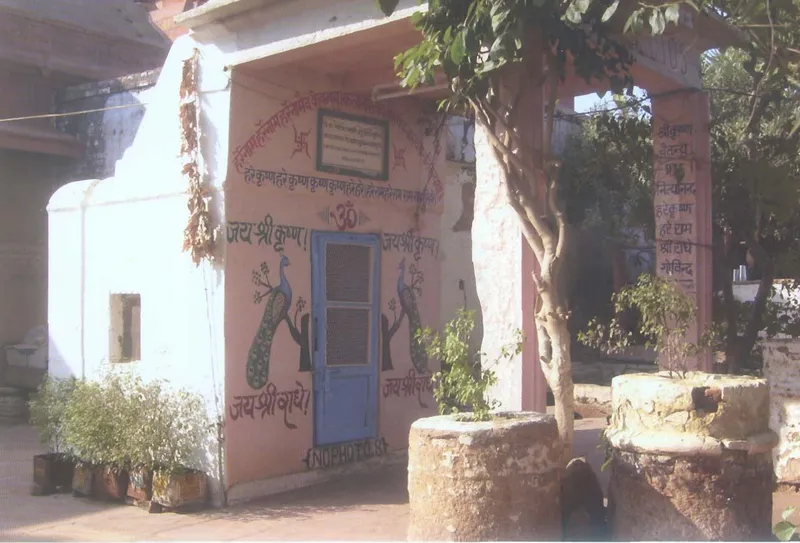
- Śrīla Sanātana Gosvāmī's bhajana-kuṭī, a hut for chanting and prayer: the guidebooks place it just next to the old temple, at the back, looking over the Yamunā, and show it in photographs that do not agree with each other.[60 +4] The Caitanya-caritāmṛta says that Śrīla Sanātana Gosvāmī put up a small hut on Dvādaśāditya-ṭīlā, and the Bhakti-ratnākara that he served Madana-gopāla in a hut of leaves, but no text says that the present building is that hut.[43 +2] The Vṛndāvana-kathā (1920) records the local tradition, not certain, that he served Madana-gopāla in a hut where a small brick room stood beside a deep well, north of the temple's nāṭa-mandira.[43 +6]
- The well made by Madana-mohana's flute: according to the local tradition recorded in The Color Guide to Vṛndāvana (2000) and the undated parikramā notes Vṛndāvana, Madana-mohana made this well beside the bhajana-kuṭī with His flute, so that Śrīla Sanātana Gosvāmī need not go far for water in his old age. No older source is known, so this is not certain.[109 +2] Vṛndāvana-Dhāma Ki Jaya! (c. 1986) prints a photograph of a square stone well captioned as Śrīla Sanātana Gosvāmī's well, without saying where it is; it may or may not be the same well.[11 +4]
- Yogapīṭha: a label on the 2000 guidebook's plan of the compound, for an annex reached by a stairway; the book does not describe it.[108] Vṛndāvana, the Playground of God (2010) describes a shrine of the twelve suns behind the old temple, but neither book says that the two are the same, though they may be.[32 +2]
- Within the grounds of Śrīla Sanātana Gosvāmī's samādhi, according to the 2010 guidebook, are the puṣpa-samādhis, memorials, of Śrīla Tapana Miśra and Śrīla Candraśekhara Ācārya.[108 +3]
Places at Rādhā-Madana-mohana Mandira (Vṛndāvana, old)
9 places
- ↳Caitanya Mahāprabhu's temple (southern part of the old Madana-mohana temple)temple›
- ↳Sanātana Gosvāmī's bhajana-kuṭī (Vṛndāvana)bhajana-kuṭīra›
- ↳Sanātana Gosvāmī's bhajana-kuṭī (Vṛndāvana)bhajana-kuṭīra›
- ↳Grantha-samādhigrantha-samādhi›
- ↳Puṣpa-samādhis of Tapana Miśra and Candraśekhara Ācāryapuṣpa-samādhi›
- ↳Sanātana Gosvāmī's samādhisamādhi›
- ↳Well made by the flute of Madana-mohanawell›
- ↳Yogapīṭha (Dvādaśāditya-ṭīlā)›
Also described on this page
Nearby places
Advaitavaṭa · Madana-mohana Mandira (Vṛndāvana, new) · Yamunā · Aṣṭa-sakhī Mandira (Vṛndāvana)
Pictures
8 pictures
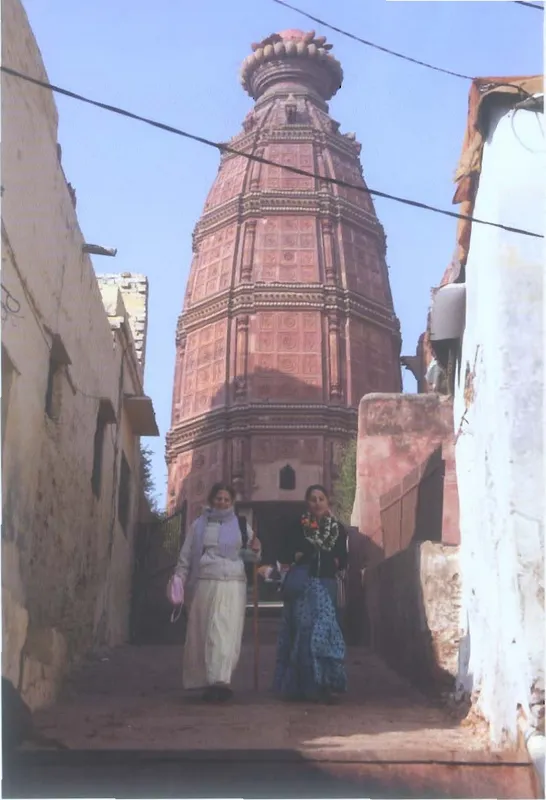
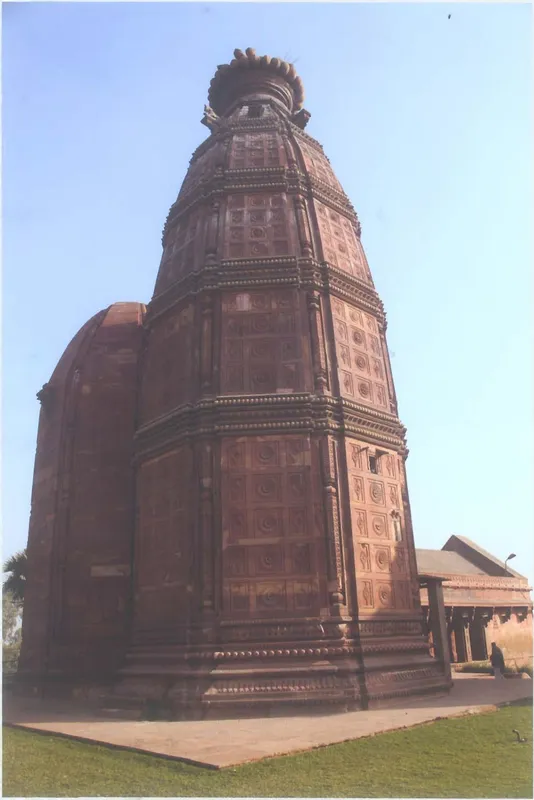
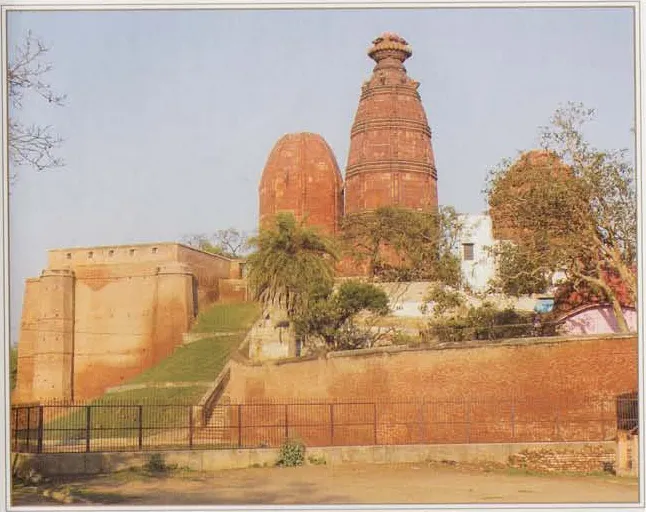
History
The first temple of Vṛndāvana
Śrīla Prabhupāda says again and again that Śrīla Sanātana Gosvāmī established the Madana-mohana temple first and that Śrīla Rūpa Gosvāmī then established the temple of Govindajī, and he names it first among the seven original Gauḍīya temples of Vṛndāvana.[14 +6]
Names this place“Śrīla Sanātana Gosvāmī first of all established this Madana-mohana temple, then Govindajī.”
Śrīla Prabhupāda, Lecture, Vṛndāvana, 14 March 1974 · vedabase.io
The year it was built is not known. The guidebooks give different years (see below). The historian A. W. Entwistle (1987) gives none: he says it was built at about the time work was going on at the Govindadeva temple, whose inscription gives 1590. Prabhudayāl Mītal (1966) counts the old Madana-mohana temple among the temples built in Vṛndāvana in Akbar's reign.[70 +2]
Śrī Vraja-maṇḍala Parikramā (2007), citing the manuscripts Sevā-prākaṭya and Iṣṭalābha, says that Śrīla Sanātana Gosvāmī received Madana-gopāla from Paraśurāma Caube of Mahāvana in Saṁvat 1590 (1534), began His worship again on the second day of the bright half of Māgha and entrusted it to Śrī Kṛṣṇadāsa Brahmacārī. The Vṛndāvana-kathā (1920) reports the same from a manuscript. The manuscripts are not available, so the date is not certain.[12 +3]
Entwistle reports a record that Todar Mal, Akbar's finance minister, on behalf of Śrīla Jīva Gosvāmī, persuaded Akbar to give official recognition to the custodians of the Govindadeva and Madana-mohana temples; the document itself has not been independently examined. No year is given, but Todar Mal died in 1589.[75] The undated parikramā notes Vṛndāvana, in two copies, say that Akbar allowed four great temples to be built after his visit in 1570 and gave sandstone for them; no document for this is known, so it is not certain.[76 +2]
The two shrines
The Vṛndāvana-kathā (1920) describes two temples joined together on the site. The north temple, with its jagamohana and nāṭa-mandira (the halls in front of the shrine), was built by Kṛṣṇadāsa Karpūra. A Sanskrit verse carved around the south temple, in Nāgarī and Bengali letters, names Śrī Guṇānanda as its builder, and the author could not say whether Guṇānanda was another name of Kṛṣṇadāsa.[27 +2] The only dated writing reported on the old temple, Saṁvat 1684 (1627 CE) on a door, does not date the building: F. S. Growse (1883) says that it records a pilgrimage.[80 +1]
According to the local tradition recorded in the same book, the two temples stand there because Śrī Caitanya Mahāprabhu had asked Śrīla Rūpa Gosvāmī and Śrīla Sanātana Gosvāmī to keep a secret place for Him, and the other temple is for Madana-mohana; this is not certain. In 1920 the south temple held images of Śrī Nityānanda and Śrī Caitanya, and the north temple stood empty.[79] The Muttra district gazetteer (1911) describes a chapel with its own tower on the south side of the sanctuary, its outside covered with carved panels, and names no Deity or builder for it. Whether it is the temple of Śrī Caitanya Mahāprabhu that one guidebook places in the southern part of the temple is not certain.[82]
Damage, the journey to Karauli and the new temple
Śrīla Prabhupāda said in 1967 that the temple was desecrated by Emperor Aurangzeb and that Madana-mohana now resides in a new temple; in 1973 he wrote that the original old temple still stands beside the new one.[9 +5]
Names this place“This temple was first constructed by Sanātana Gosvāmī. That is the oldest temple in Vṛndāvana, not less than five hundred years old. And it was desecrated by the Aurangzeb, Emperor Aurangzeb. Then another new temple is now constructed where Madana-mohana is residing.”
Śrīla Prabhupāda, Lecture on Śrī Caitanya-caritāmṛta, Ādi-līlā 7.149-171, San Francisco, 18 March 1967 · vedabase.io
Neither historian gives a year for an attack. Entwistle says that no temple of Vṛndāvana was pulled down and that the ruined state of the original temples is put down to attacks made on Aurangzeb's orders; Mītal says that the temple was ruined under Aurangzeb's order to destroy the temples of Braj.[28 +2]
Entwistle writes that the Deity was taken to Jaipur, where Savāī Jai Singh gave Him a mansion, and that in 1728 Rājā Gopāla Singh of Karauli took Him there and built a temple for Him opposite his palace, where, Entwistle wrote in 1987, He was still worshipped.[27 +1] Mītal says that the Gauḍīya devotees of Vṛndāvana installed a pratibhū, a representative Deity, in Saṁvat 1805 (about 1748–49), and that the Bengali devotee Nandakumāra Vasu built a new temple near the old one in Saṁvat 1877 (about 1820–21); Entwistle also names Nand Kumar Bose, early in the nineteenth century.[27 +3] The guidebooks give other years and builders; the new temple has its own page.[27 +3]
The ghāṭa below the Madana-mohana Mandira
Two texts place a ghāṭa (bathing steps on the river) below the old temple. The Color Guide to Vṛndāvana (2000) and the undated parikramā notes Vṛndāvana, in the same words, say that the merchant who built the temple at Śrīla Sanātana Gosvāmī's request also built a ghāṭa below it, all of fine red sandstone.[26 +1] No other source found mentions this ghāṭa. Neither text gives its name or its date, so which ghāṭa they mean is not certain.[26 +2]
The same two texts add that Aurangzeb's soldiers desecrated the temple about a hundred years later, in 1670 by their reckoning; they give no source, so the date is not certain.[26 +1] Śrīla Prabhupāda, speaking in Bombay in 1972, tells of the temple's builder but says nothing of a ghāṭa:[57]
General teaching (does not name the place)“So one salt merchant came, Sindhi salt merchant, he was passing from Vṛndāvana to Delhi side, and he offered his service, and Sanātana Goswāmī asked him to construct the temple of Madana-mohana.”
Śrīla Prabhupāda, Lecture on Śrīmad-Bhāgavatam 1.2.8, Bombay, 26 December 1972 · vedabase.io
The Bengali Vṛndāvana-kathā (1920) lists the builders of Vṛndāvana's ghāṭas. It names Gopāla-ghāṭa, built by Madanapāla, the Rājā of Karaulī, and Praskandana-ghāṭa, built by the Gosvāmīs of Madana-mohana, and it says that the builder of Sūrya-ghāṭa is unknown. It does not say where any of them lies (summarised here, not translated).[89]
Where the sources differ
How the Deity Madana-gopāla came to Śrīla Sanātana Gosvāmī.
Accounts differ How the Deity Madana-gopāla came to Śrīla Sanātana Gosvāmī.
- Bhakti-ratnākara, Fifth Wave (pp. 283-284)At Mahāvana Sanātana saw a cowherd boy playing on the Yamunā sand, followed Him into a temple and saw Madana-mohana there. The same page says that Śrī Caitanya, at Mahāvana, was overwhelmed on seeing Madana-gopāla.
- Bhakti-ratnākara, Second Wave (p. 93)Madana-gopāla, who played at Mahāvana, told Sanātana in a dream that He liked his hut and would come from Mahāvana; He came at dawn.
- Śrī Vraja-maṇḍala Parikramā (2007)Sanātana saw the boy Madana playing gullī-ḍaṇḍā at a Caube's house in Mathurā; after three visits the boy followed him on foot to his bhajana-kuṭī and became the Deity.
- Śrī Vraja-maṇḍala Parikramā (2007) citing Sevā-prākaṭya and Iṣṭalābha; the undated parikramā notes MahāvanaObtained from Paraśurāma Caube of Mahāvana in 1534 (saṁvat 1590).
Accounts differ Name and origin of the merchant who built the temple.
- Bhakti-ratnākara, Second Wave (1912 ed. p. 93)Kṛṣṇadāsa, a Kapūra and an eminent kṣatriya ('kapūra kṣatriya-śreṣṭha'), a very rich man from Multān.
- Śrī Vraja-maṇḍala Parikramā (2007)Kṛṣṇadāsa Kapūra, a rich merchant from the Multāna province.
- Vṛndāvana, the Playground of God (2010) and Vṛndāvana-Dhāma Ki Jaya! (c. 1986)Kṛṣṇadāsa Kapoor, owner of a salt boat (barge).
- The Color Guide to Vṛndāvana (2000) and the undated parikramā notes VṛndāvanaRāmdāsa Kapoor, a wealthy merchant from Multan in Punjab.
The merchant's name was recorded once more, for the ghāṭa below the temple that two sources say he also built; that record gives the same accounts as above.[9 +5]
The sources do not agree which ghāṭa lies below the temple and who built it. The guidebooks name three ghāṭas below or beside the hill of the temple, Sūrya-ghāṭa, Praskandana-ghāṭa and Gopāla-ghāṭa (also called Karauli-ghāṭa), and none of them says which of these, if any, is the merchant's ghāṭa.[8 +3]
Accounts differ The merchant's boat: where it was, which way it was going, and how it was freed.
- Bhakti-ratnākara, Second WaveKṛṣṇadāsa came down from his boat to the Gosvāmī; no stranding is told in the lines read.
- Śrī Vraja-maṇḍala Parikramā (2007)Large boats on the Yamunā stuck in the sand as they came near Śrīla Sanātana's bhajana-kuṭī; they floated free the moment the merchant vowed to build a temple.
- Vṛndāvana, the Playground of God (2010)A salt boat going down the Yamunā to Agra stuck 'immediately beneath Dvādaṣāditya-ṭilā'; Sanātana sent the merchant to pray to Madana-mohana, and the boat was found freed.
- The Color Guide to Vṛndāvana (2000)Three boats of salt going to Agra stuck on a sandbank when passing Kāliyā-ghāṭa; Madana-mohana as a cowherd boy sent the merchant to Sanātana; a storm and heavy rain swelled the river and freed them.
Accounts differ Whether Rādhā (with Lalitā) stood with Madana-gopāla in Śrīla Kṛṣṇadāsa Kavirāja's time.
- Śrī Caitanya-caritāmṛta, Ādi-līlā 5.213 and 5.215 (Śrīla Kṛṣṇadāsa Kavirāja Gosvāmī)Madana-gopāla, whom he saw (5.211), enjoys the rāsa dance with Rādhā, Lalitā and others, and attracts the hearts of all 'with Rādhā and Lalitā serving Him on His two sides'; the verses do not say whether Deities on the altar or the Lord's eternal pastime are described.
- Śrī Caitanya-caritāmṛta, Ādi-līlā 1.15 and 5.216 (Śrīla Kṛṣṇadāsa Kavirāja Gosvāmī)He prays to 'rādhā-madana-mohanau', Rādhā and Madana-mohana (1.15), and says that Lord Nityānanda's mercy gave him 'śrī-rādhā-madana-mohana' as his Lord (5.216; the English translation there says 'Śrī Madana-mohana'); neither verse says whether Deities on the altar are meant.
- Śrīla Prabhupāda, letter to Jadurani, 28 June 1973 (answering questions about illustrations for the Caitanya-caritāmṛta)'During Krsnadasa' time there was no Radharani deity, Madan Mohan was alone. Radharani was later introduced.'
- Bhakti-ratnākara, Sixth Wave (1912 ed. pp. 458–459)When Govinda and Madana-mohana appeared, Śrīmatī Rādhikā was not with Them; two Ṭhākurāṇīs sent by Puruṣottama Jānā were placed, by Madana-mohana's instruction in a dream, as Rādhikā on His left and Lalitā on His right; no date is given.
How Puruṣottama Jānā, who sent the Deities of Rādhikā and Lalitā, was related to King Pratāparudra.
Accounts differ Puruṣottama Jānā's relation to King Pratāparudra of Orissa.
- Bhakti-ratnākara, Sixth Wave (p. 458)'mahārāja śrī-pratāparudrera kumāra': the son of Mahārāja Pratāparudra.
- Śrī Vraja-maṇḍala Parikramā (2007)'the father of King Pratāparudra of Orissa'.
Accounts differ Whose disciple Śrīla Kṛṣṇadāsa Brahmacārī, the servitor in charge of Madana-gopāla, was.
- Bhakti-ratnākara, Thirteenth Wave (1912 ed. p. 1021)'The sevā-adhikārī of Śrī Madana-gopāla, Gadādhara's disciple Kṛṣṇadāsa Brahmacārī' (gadādhara-śiṣya).
- Rūpakalā's prose tilaka on the Hindi Bhaktamāla (1904)The loving Śrī Kṛṣṇadāsa Brahmacārī was a disciple of Gosāīṁ Śrī Sanātana; Sanātana gave him the charge of the Deity Śrī Madana-mohana.
- Sādhana-dīpikā (Rādhā-kṛṣṇa Gosvāmī)Śrīla Sanātana Gosvāmī entrusted Madana-gopāla's service to Śrīla Kṛṣṇadāsa Brahmacārī, who was very close to him (svasyātīvāntaraṅgāya); disciple is not said.
- Priyādāsa's kavitta on the Hindi Bhaktamāla (1904)Sanātana entrusted 'Madamohana' to him and he became the adhikārī; his guru is not named.
The wording of these accounts is our summary of the sources, not a published translation.
Accounts differ When the temple was opened.
- Vṛndāvana, the Playground of God (2010)Opened in 1581, the first temple in the town of Vṛndāvana.
- The Color Guide to Vṛndāvana (2000), Govardhana Hill: India's Most Sacred Mountain (2001), The Colour Guide to Rādhā-kuṇḍa (1999), the undated parikramā notes VṛndāvanaChronology: 1580, Madana-mohana temple opens.
- Śrīla Prabhupāda, lecture 18 March 1967The oldest temple in Vṛndāvana, 'not less than five hundred years old' (an approximate figure).
- Entwistle (1987), pp. 166 and 159-160No year: the red sandstone temple was built at about the same time that work was in progress on the Govinda-deva temple, whose inscription gives the year of its construction as 1590.
Accounts differ Who Guṇānanda, named as builder in the inscription of the old temple's south shrine (the second, more ornate spire), was.
- Vṛndāvana-kathā (1920), p. 64The verse carved around the south temple names Śrī Guṇānanda, whose father was Rāmacandra and whose son was Rādhāvasanta, as its builder; Who is this Guṇānanda? Whether it is another name of Kṛṣṇadāsa Karpūra, no one can say. Because of the name Rādhāvasanta some call the builder Vasanta Rāya, but the author found no record that Vasanta Rāya, uncle of Pratāpāditya, built a temple in Vṛndāvana.
- F. S. Growse, Mathurá (1883), a historianGrowse reads the inscription over the door of the chapel with a tower on the south side, written first in Bengali and then in Nāgarī script; it names Śrī Guṇānanda as the founder. It has no date, but Growse holds that it is certainly later than the main building, the work of Rāmadāsa.
- A. W. Entwistle (1987), a historianEntwistle says that the second, more ornate tower was added later by a donor whom an inscription names as Guṇānanda, father of Basanta Rāya, founder of the principality of Jessore.
The wording of these accounts is our summary of the sources, not a published translation.
Accounts differ Where the original Deity was taken at the time of Aurangzeb.
- The Color Guide to Vṛndāvana (2000) and the undated parikramā notes VṛndāvanaTaken to Karauli in Rajasthan for safety during the attack of Aurangzeb's soldiers.
- Vṛndāvana, the Playground of God (2010)In 1670 the king of Jaipur, Jai Singh, had the Deities taken to his capital; some years later Gopāla Singh of Karauli obtained Madana-mohana.
- Vṛndāvana-Dhāma Ki Jaya! (c. 1986)Moved to Jaipur in 1670 and later to Karoli at the request of a Jaipur princess married into Karoli.
- Śrī Vraja-maṇḍala Parikramā (2007)Already moved to Jaipura before the desecration; now resides in Karaulī.
Who built the new temple beside the old one, and when, the sources tell differently, and some of them may rest on no record; the accounts are set side by side on the page of the new Madana-mohana temple.[14 +5]
On which side of the temple Śrīla Sanātana Gosvāmī's samādhi lies: the guidebooks and the Vṛndāvana-kathā (1920) differ, as set out on the page of his samādhi.[13 +5]
More on this place
How Madana-mohana came to Śrīla Sanātana Gosvāmī
References
125 references
- Śrīla Narahari Cakravartī, Bhakti-ratnākara, Fifth Wave, 1912 ed. p. 297, 2nd ed., 1912
- Śrīla Kṛṣṇadāsa Kavirāja Gosvāmī, Śrī Caitanya-caritāmṛta, Madhya-līlā 1.32, online edition · vedabase.io
- Śrīla Prabhupāda, Śrī Caitanya-caritāmṛta, Ādi-līlā 8.73, purport · vedabase.io
- Prema-vilāsa, 24th vilāsa (caturviṁśa vilāsa), 1913 ed. pp. 230–231, Kolkata, 1913
- Śrīla Kṛṣṇadāsa Kavirāja Gosvāmī, Śrī Caitanya-caritāmṛta, Antya-līlā 4.222, online edition · vedabase.io
- Śrīla Prabhupāda, Śrī Caitanya-caritāmṛta, Antya-līlā 4.222, purport · vedabase.io
- Śrīla Rādhā-kṛṣṇa Gosvāmī, Sādhana-dīpikā, first section (prathama-kakṣā), prose after v.16
- Śrī Vraja-maṇḍala Parikramā (2007), PDF p. 342
- Vṛndāvana, the Playground of God (2010), Bhakti Caitanya Svāmī, PDF p. 16
- The Color Guide to Vṛndāvana (2000), Written and Photographed by Rājaśekhara dāsa Brahmacārī, PDF p. 56
- Vṛndāvana-Dhāma Ki Jaya! (c. 1986), by Dhruva Mahārāja dāsa, PDF p. 64
- the undated parikramā notes Mahāvana, ¶59
- Govardhana Hill: India's Most Sacred Mountain (2001), Rajasekhara dasa Brahmacari, PDF p. 84
- Śrīla Prabhupāda, Lecture on Śrī Caitanya-caritāmṛta, Ādi-līlā 7.149-171, San Francisco, 18 March 1967 · vedabase.io
- Śrīla Prabhupāda, Lecture on Śrīmad-Bhāgavatam 4.14.14, Delhi, 16 November 1971 · vedabase.io
- Śrīla Prabhupāda, Lecture on Śrī Caitanya-caritāmṛta, Madhya-līlā 20.101, Washington, D.C., 6 July 1976 · vedabase.io
- Śrīla Prabhupāda, Lecture, Vṛndāvana, 14 March 1974 · vedabase.io
- Śrīla Prabhupāda, Sunday Feast Lecture, London, 25 July 1976 · vedabase.io
- Śrīla Prabhupāda, Śrī Caitanya-caritāmṛta, Ādi-līlā 7.164, purport · vedabase.io
- Śrīla Kṛṣṇadāsa Kavirāja Gosvāmī, Śrī Caitanya-caritāmṛta, Ādi-līlā 8.73, online edition · vedabase.io
Show all 125 references
- Śrīla Kṛṣṇadāsa Kavirāja Gosvāmī, Śrī Caitanya-caritāmṛta, Ādi-līlā 8.74, online edition · vedabase.io
- Śrīla Kṛṣṇadāsa Kavirāja Gosvāmī, Śrī Caitanya-caritāmṛta, Ādi-līlā 8.75, online edition · vedabase.io
- Śrīla Kṛṣṇadāsa Kavirāja Gosvāmī, Śrī Caitanya-caritāmṛta, Ādi-līlā 8.77, online edition · vedabase.io
- Śrīla Prabhupāda, Letter to Jadurani, letter 73-06-28, 28 June 1973 · vedabase.io
- Śrī Vraja-maṇḍala Parikramā (2007), PDF p. 327
- The Color Guide to Vṛndāvana (2000), Written and Photographed by Rājaśekhara dāsa Brahmacārī, PDF p. 60
- A. W. Entwistle, ch. 8 §66.3 'Madanmohan', printed p. 402, Egbert Forsten, Groningen, 1987
- A. W. Entwistle, ch. 5 §25 'The exodus of deities from Braj', printed p. 185, Egbert Forsten, Groningen, 1987
- Śrīla Kṛṣṇadāsa Kavirāja Gosvāmī, Śrī Caitanya-caritāmṛta, Ādi-līlā 1.15, online edition · vedabase.io
- Śrīla Prabhupāda, Śrī Caitanya-caritāmṛta, Ādi-līlā 1.19, purport · vedabase.io
- Śrīla Prabhupāda, Śrī Caitanya-caritāmṛta, Ādi-līlā 1.47, purport · vedabase.io
- Vṛndāvana, the Playground of God (2010), Bhakti Caitanya Svāmī, PDF p. 17
- Śrīla Kṛṣṇadāsa Kavirāja Gosvāmī, Śrī Caitanya-caritāmṛta, Ādi-līlā 1.19, online edition · vedabase.io
- Śrīla Sanātana Gosvāmī: commentary opening verses (maṅgalācaraṇa) v.1, printed before the comment on ŚB 10.1.1, Bhagavata Vidya Pith edition, ed. Bhagavata Rishi and Krishna Shankar Shastri, 1996
- Śrīla Kṛṣṇadāsa Kavirāja Gosvāmī, Śrī Caitanya-caritāmṛta, Ādi-līlā 5.212, online edition · vedabase.io
- Śrīla Sanātana Gosvāmī: commentary on ŚB 10.55.1, Bhagavata Vidya Pith edition, ed. Bhagavata Rishi and Krishna Shankar Shastri, 1996
- Śrīla Nārāyaṇa Bhaṭṭa Gosvāmī, Vraja-bhakti-vilāsa, chapter 10, v.75, 1st ed., publ. Bābā Kṛṣṇadāsa, Kusuma-sarovara, Saṁvat 2008
- Śrīla Kṛṣṇadāsa Kavirāja Gosvāmī, Śrī Caitanya-caritāmṛta, Ādi-līlā 5.213, online edition · vedabase.io
- Śrīla Kṛṣṇadāsa Kavirāja Gosvāmī, Śrī Caitanya-caritāmṛta, Ādi-līlā 5.214 (quoting ŚB 10.32.2), online edition · vedabase.io
- Śrīla Kṛṣṇadāsa Kavirāja Gosvāmī, Śrī Caitanya-caritāmṛta, Ādi-līlā 5.215, online edition · vedabase.io
- Śrīmad-Bhāgavatam 10.32.2, GRETIL
- Śrīla Prabhupāda, Kṛṣṇa, the Supreme Personality of Godhead (Kṛṣṇa book), Chapter 32, 'Kṛṣṇa Returns to the Gopīs' (opening) · vedabase.io
- Śrīla Narahari Cakravartī, Bhakti-ratnākara, Second Wave (dvitīya taraṅga), 1912 ed. p. 93, 2nd ed., 1912
- Śrīla Narahari Cakravartī, Bhakti-ratnākara, Fifth Wave, 1912 ed. p. 303, 2nd ed., 1912
- Śrīla Kṛṣṇadāsa Kavirāja Gosvāmī, Śrī Caitanya-caritāmṛta, Antya-līlā 13.70, online edition · vedabase.io
- Śrīla Vṛndāvana dāsa Ṭhākura, Caitanya-bhāgavata, Ādi-khaṇḍa (running head '৮ম', chapter 8 in this edition), 1931 ed. p. 54, right column, lines 5–8
- Śrīla Narahari Cakravartī, Bhakti-ratnākara, Fifth Wave (pañcama taraṅga), 1912 ed. p. 324, 2nd ed., 1912
- Prema-vilāsa, 23rd vilāsa (trayoviṁśa vilāsa), 1913 ed. pp. 224–225, Kolkata, 1913
- Śrī Vraja-maṇḍala Parikramā (2007), PDF p. 302
- Vṛndāvana, the Playground of God (2010), Bhakti Caitanya Svāmī, PDF p. 139
- The Color Guide to Vṛndāvana (2000), Written and Photographed by Rājaśekhara dāsa Brahmacārī, PDF p. 57
- the undated parikramā notes Vṛndāvana, ¶61
- Vṛndāvana-kathā, ch. 3, printed pp. 67–68
- Vṛndāvana-kathā, ch. on Advaita Prabhu, printed pp. 184–186
- Śrīla Rādhā-kṛṣṇa Gosvāmī, Sādhana-dīpikā, first section (prathama-kakṣā), vv.18–19
- Śrīla Narahari Cakravartī, Bhakti-ratnākara, Second Wave, 1912 ed. p. 94, 2nd ed., 1912
- Śrīla Prabhupāda, Lecture on Śrīmad-Bhāgavatam 1.2.8, Bombay, 26 December 1972 · vedabase.io
- Śrīla Prabhupāda, Lecture on Śrīmad-Bhāgavatam 1.8.26, Māyāpur, 6 October 1974 · vedabase.io
- Śrīla Narahari Cakravartī, Bhakti-ratnākara, Sixth Wave (ṣaṣṭha taraṅga), 1912 ed. pp. 458-459, 2nd ed., 1912
- Śrī Vraja-maṇḍala Parikramā (2007), PDF p. 328
- Śrīla Rādhā-kṛṣṇa Gosvāmī, Sādhana-dīpikā, first section (prathama-kakṣā), prose after v.21
- Śrīla Kṛṣṇadāsa Kavirāja Gosvāmī, Śrī Caitanya-caritāmṛta, Antya-līlā 20.142–143, online edition · vedabase.io
- Śrīla Narahari Cakravartī, Bhakti-ratnākara, Thirteenth Wave (trayodaśa taraṅga), 1912 ed. p. 1018, 2nd ed., 1912
- Śrī Vraja-maṇḍala Parikramā (2007), PDF p. 325
- Vṛndāvana, the Playground of God (2010), Bhakti Caitanya Svāmī, PDF p. 14
- Śrīmad-Bhāgavata-māhātmya, Skanda version, adhyāya 2, verses 4-6, Sanskrit Wikisource
- Bhaktamāla of Nābhā dāsa with Priyādāsa's kavittas and Rūpakalā's prose tilaka, kavitta 518 (ṭīkā 647), in the account of Gosvāmī Tulasīdāsa, 1904 ed. p. 1110
- Bhaktamāla of Nābhā dāsa with Priyādāsa's kavittas and Rūpakalā's prose tilaka, kavitta 499 (ṭīkā 625), in the account of Śrī Sūradāsa Madana-mohana (Nābhā dāsa's chappaya 126), 1904 ed. p. 1079
- Śrīla Prabhupāda, Śrī Caitanya-caritāmṛta, Ādi-līlā 10.90, purport · vedabase.io
- A. W. Entwistle, ch. 5 §15 'Some Gaudiya devotees of the late sixteenth century', printed p. 166, Egbert Forsten, Groningen, 1987
- A. W. Entwistle, ch. 5 §12 (Akbar's reign), printed pp. 159-160, Egbert Forsten, Groningen, 1987
- Prabhudayāl Mītal, part 2 ('ब्रज का इतिहास'), Mughal period, Akbar, printed p. 183
- Vṛndāvana-kathā, ch. 2, printed p. 30 and the next page, numbered '32'
- Vṛndāvana-kathā, ch. 3, printed pp. 68–69
- A. W. Entwistle, ch. 5 §12 (Akbar's reign), printed p. 160, Egbert Forsten, Groningen, 1987
- the undated parikramā notes Vṛndāvana, ¶9
- the undated parikramā notes Vṛndāvana, ¶9
- Mathurá (1883), F. S. Growse, B.C.S., M.A. Oxon., C.I.E. (as the title page gives him, p. 241
- Vṛndāvana-kathā, ch. 3, printed pp. 63–64
- Vṛndāvana-kathā, ch. 3, printed p. 64
- Mathurá (1883), F. S. Growse, B.C.S., M.A. Oxon., C.I.E. (as the title page gives him, p. 252
- D. L. Drake-Brockman, Muttra: A Gazetteer
- A. W. Entwistle, ch. 5 §24 (Aurangzeb's time), printed p. 181, Egbert Forsten, Groningen, 1987
- Prabhudayāl Mītal, part 2 ('ब्रज का इतिहास'), Aurangzeb: 'ब्रज के मदिरो का ध्वस' (the destruction of Braj's temples), printed p. 221
- A. W. Entwistle, ch. 5 §36 'The Gaudiya Sampraday in modern times', printed p. 219, Egbert Forsten, Groningen, 1987
- Prabhudayāl Mītal, part 1 ('ब्रज-संस्कृति की भूमिका'), 'Braj-yātrā', Vṛndāvana: end of the Madanamohana entry, printed p. 136
- Prabhudayāl Mītal, part 2 ('ब्रज का इतिहास'), modern period, entry 'Nandakumāra Vasu', printed p. 277
- the undated parikramā notes Vṛndāvana, ¶72
- Pulinbihārī Datta, ch. 23 (upasaṁhāra, 'conclusion'), list of Vṛndāvana's ghāṭas and their builders, nos. 4-7, printed p. 274
- Śrīla Kṛṣṇadāsa Kavirāja Gosvāmī, Śrī Caitanya-caritāmṛta, Ādi-līlā 8.80, online edition · vedabase.io
- Śrīla Prabhupāda, Śrī Caitanya-caritāmṛta, Antya-līlā 4.81, purport · vedabase.io
- Śrīla Kṛṣṇadāsa Kavirāja Gosvāmī, Śrī Caitanya-caritāmṛta, Antya-līlā 4.80, online edition · vedabase.io
- the undated parikramā notes Vṛndāvana, ¶58
- Śrīla Narahari Cakravartī, Bhakti-ratnākara, Thirteenth Wave (trayodaśa taraṅga), 1912 ed. p. 1021, 2nd ed., 1912
- Śrīla Narahari Cakravartī, Bhakti-ratnākara, Fourth Wave (caturtha taraṅga), 1912 ed. p. 144, 2nd ed., 1912
- Śrīla Narahari Cakravartī, Narottama-vilāsa, Second vilāsa (dvitīya vilāsa), vv. 292–297, 1st ed. p. 17, 1st ed., Baṅgābda 1314
- Bhaktamāla of Nābhā dāsa with Priyādāsa's kavittas and Rūpakalā's prose tilaka, kavitta 381 (ṭīkā 475), 'Śrī Kṛṣṇadāsa Brahmacārī jī', 1904 ed. p. 901
- Śrīla Raghunātha dāsa Gosvāmī, Śrī Madana-gopāla-stotra, verse 1
- Śrīla Narahari Cakravartī, Bhakti-ratnākara, Sixth Wave, 1912 ed. p. 470, 2nd ed., 1912
- Śrīla Narahari Cakravartī, Bhakti-ratnākara, Ninth Wave (navama taraṅga), 1912 ed. p. 576, 2nd ed., 1912
- Śrīla Narahari Cakravartī, Bhakti-ratnākara, Fourth Wave (caturtha taraṅga), 1912 ed. p. 141, 2nd ed., 1912
- Śrīla Prabhupāda, Lecture, Kṛṣṇadāsa Kavirāja Gosvāmī's Appearance Day, Vṛndāvana, 19 October 1972 · vedabase.io
- the undated parikramā notes Vṛndāvana, ¶50
- Śrī Vraja-maṇḍala Parikramā (2007), PDF p. 326
- Satsvarūpa dāsa Gosvāmī, Śrīla Prabhupāda-līlāmṛta, vol. 1, ch. 10 · vedabase.io
- Mora Prabhu Madana Gopāla (Narottama dāsa Ṭhākura (as the song book credits it)) · song book
- the undated parikramā notes Vṛndāvana, ¶73
- The Color Guide to Vṛndāvana (2000), Written and Photographed by Rājaśekhara dāsa Brahmacārī, PDF p. 165
- The Color Guide to Vṛndāvana (2000), Written and Photographed by Rājaśekhara dāsa Brahmacārī, PDF p. 61
- Vṛndāvana, the Playground of God (2010), Bhakti Caitanya Svāmī, PDF p. 18
- Vṛndāvana-Dhāma Ki Jaya! (c. 1986), by Dhruva Mahārāja dāsa, PDF p. 65
- the undated parikramā notes Vṛndāvana, ¶77
- the undated parikramā notes Vṛndāvana, ¶80
- Vṛndāvana, the Playground of God (2010), Bhakti Caitanya Svāmī, PDF p. 25
- the undated parikramā notes Vṛndāvana, ¶83
- The Color Guide to Vṛndāvana (2000), Written and Photographed by Rājaśekhara dāsa Brahmacārī, PDF p. 11
- the undated parikramā notes Vṛndāvana, ¶70
- Vṛndāvana, the Playground of God (2010), Bhakti Caitanya Svāmī, PDF p. 137
- The Color Guide to Vṛndāvana (2000), Written and Photographed by Rājaśekhara dāsa Brahmacārī, PDF p. 31
- The Color Guide to Vṛndāvana (2000), Written and Photographed by Rājaśekhara dāsa Brahmacārī, PDF p. 10
- the undated parikramā notes Vṛndāvana, ¶56
- Vṛndāvana-kathā, ch. 3, printed p. 65
- Śrī Vraja-maṇḍala Parikramā (2007), PDF p. 345
- Śrī Vraja-maṇḍala Parikramā (2007), p. 624-625
- Vṛndāvana, the Playground of God (2010), Bhakti Caitanya Svāmī