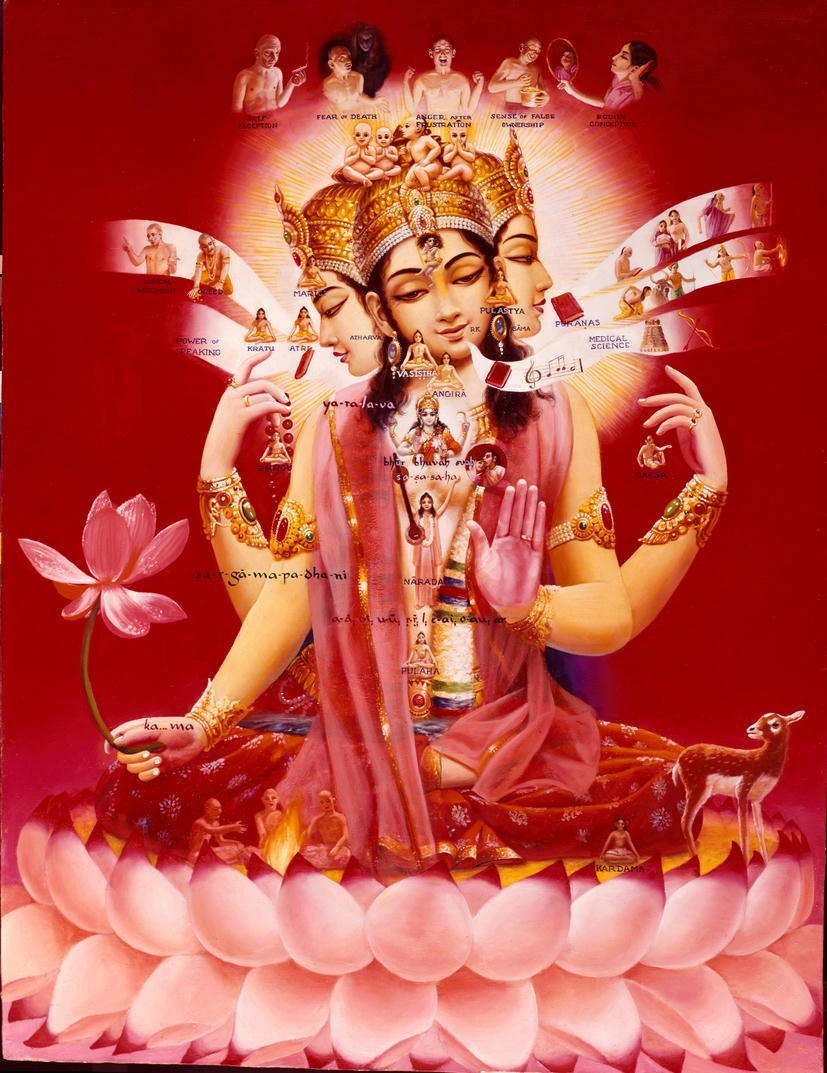
भगवान ब्रह्मा
आदि-गुरु: ब्रह्माण्ड के प्रथम गुरु एवं द्वितीयक स्रष्टा
अन्य नाम ब्रह्माजी, स्वयम्भू, प्रजापति, विरंचि, चतुर्मुख, पितामह, अज, हिरण्यगर्भ, आदि-कवि
“गोविन्द नाम से विख्यात श्रीकृष्ण ही परम ईश्वर हैं। उनका शरीर सच्चिदानन्दमय एवं नित्य है। वे समस्त उत्पत्ति के मूल हैं। उनका कोई अन्य उद्गम नहीं है, और वे ही समस्त कारणों के आदि कारण हैं।”
ब्रह्म-संहिता 5.1: उस स्तोत्र का पहला श्लोक, जिसके बारे में माना जाता है कि ब्रह्मा ने इसे सृष्टि के आरम्भ में कहा था। श्री चैतन्य महाप्रभु ने यह स्तोत्र दक्षिण भारत में फिर से खोजा।
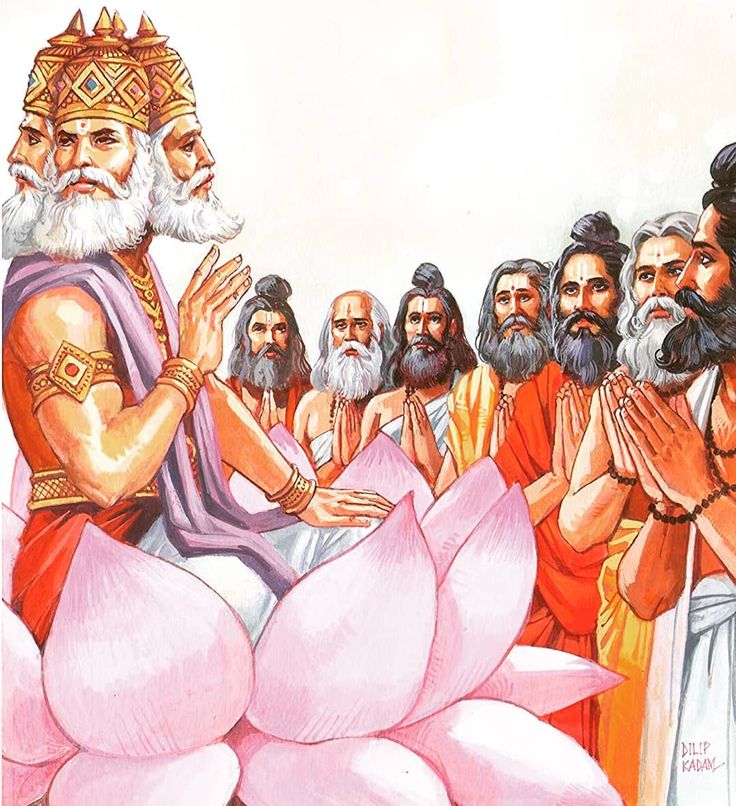
इस वैष्णव परम्परा के सभी आचार्य अन्त में एक ही आरम्भ-बिन्दु तक पहुँचते हैं। वह एक ऐसा जीव है, जिसने सृष्टि के आरम्भ में स्वयं भगवान से सीधे दिव्य ज्ञान पाया और फिर उसे आगे दिया। वह जीव ब्रह्मा हैं। वे स्वयं भगवान नहीं हैं, बल्कि इस ब्रह्माण्ड के पहले जीव हैं, जिन्हें द्वितीयक सृष्टि का कार्य सौंपा गया। इसी भूमिका में वे उस अटूट परम्परा के पहले गुरु (आदि-गुरु) भी बने, जिसे आज ब्रह्म-सम्प्रदाय कहा जाता है। इस मन्दिर की अपनी परम्परा, अर्थात् श्री चैतन्य महाप्रभु की गौड़ीय वैष्णव धारा, औपचारिक रूप से "ब्रह्म-माध्व-गौड़ीय सम्प्रदाय" के नाम से जानी जाती है। यह नाम केवल सजावट के लिए नहीं है, इसका वास्तविक अर्थ है। गौड़ीय वैष्णव अपनी गुरु-परम्परा को पीढ़ी-दर-पीढ़ी मध्वाचार्य के माध्यम से स्वयं ब्रह्मा तक ले जाते हैं। श्रील प्रभुपाद ने अपने प्रवचनों और तात्पर्यों में यह बात अनेक बार समझाई है।
वैदिक साहित्य में ब्रह्मा के बारे में बहुत कुछ कहा गया है, जैसे चार कुमार, ब्रह्माण्ड का शासन और ब्रह्माण्डीय समय की गणना। यह पृष्ठ इन विषयों की चर्चा नहीं करता। यहाँ केवल एक भक्ति-सम्बन्धी प्रश्न पूछा गया है: ब्रह्मा पहले गुरु कैसे बने, और उन्होंने ठीक-ठीक कौन-सा ज्ञान आगे दिया?
| विवरण | वर्णन |
|---|---|
| अन्य नाम | ब्रह्माजी, स्वयम्भू ("स्वयं जन्मे"), प्रजापति, विरंचि, चतुर्मुख ("चार मुखों वाले"), अज, हिरण्यगर्भ |
| पद | ब्रह्माण्ड के द्वितीयक स्रष्टा; इस सृष्टि के सर्वोच्च पद पर स्थापित एक जीव, स्वयं भगवान नहीं |
| उद्गम | वर्तमान सृष्टि के प्रारम्भ में गर्भोदकशायी विष्णु की नाभि से उत्पन्न कमल पुष्प से जन्म |
| प्रथम शिक्षा | चतुःश्लोकी, श्रीमद्भागवतम् के चार बीज-श्लोक (श्रीमद्भागवतम् 2.9.32-35), जो स्वयं भगवान द्वारा कहे गए |
| शिष्य | नारद मुनि, जिन्होंने आगे व्यासदेव को शिक्षा दी |
| सम्प्रदाय | ब्रह्म-सम्प्रदाय के संस्थापक, जो चार वैष्णव गुरु-परम्पराओं में से एक है और ब्रह्म-माध्व-गौड़ीय सम्प्रदाय का मूल है |
| रचना | श्री ब्रह्म-संहिता, जिसका बचा हुआ पंचम अध्याय श्री चैतन्य महाप्रभु द्वारा दक्षिण भारत में पुनः खोजा गया |
एक दृष्टि में
- भगवान नहीं, बल्कि पहले जीव। श्रीकृष्ण की ओर से उन्हें ब्रह्माण्ड की सृष्टि का कार्य सौंपा गया। उन्हें गुरु के रूप में केवल इसलिए सम्मान मिलता है, क्योंकि उन्होंने पहले वास्तविक ज्ञान पाया और फिर उसे आगे दिया।
- समय के आरम्भ में वे अकेले और उलझन में जागे। उन्होंने अपने अस्तित्व के स्रोत को खोजा, और स्वयं भगवान ने उन्हें तपस्या करने का निर्देश दिया।
- उन्होंने भगवान से ऐसे चार श्लोक पाए, जिनमें पूरे श्रीमद्भागवतम् का दर्शन बीज रूप में है। फिर उन्होंने यह ज्ञान अपने शिष्य नारद मुनि को दिया।
- एक बार वृन्दावन में उन्होंने श्रीकृष्ण की दिव्यता की परीक्षा लेने के लिए उनके ग्वालबाल मित्रों और बछड़ों को चुरा लिया। इससे उनका अभिमान टूटा, और विनम्र होकर उन्होंने ऐसी प्रार्थनाओं की रचना की, जो वैष्णव साहित्य में सबसे अधिक उद्धृत प्रार्थनाओं में गिनी जाती हैं।
- उनका अपना समर्पण-स्तोत्र, ब्रह्म-संहिता, शताब्दियों तक लुप्त रहा। फिर श्री चैतन्य महाप्रभु ने अपनी दक्षिण भारत यात्रा में उसका एक अंश खोजा और उसकी प्रतिलिपि करवाई।
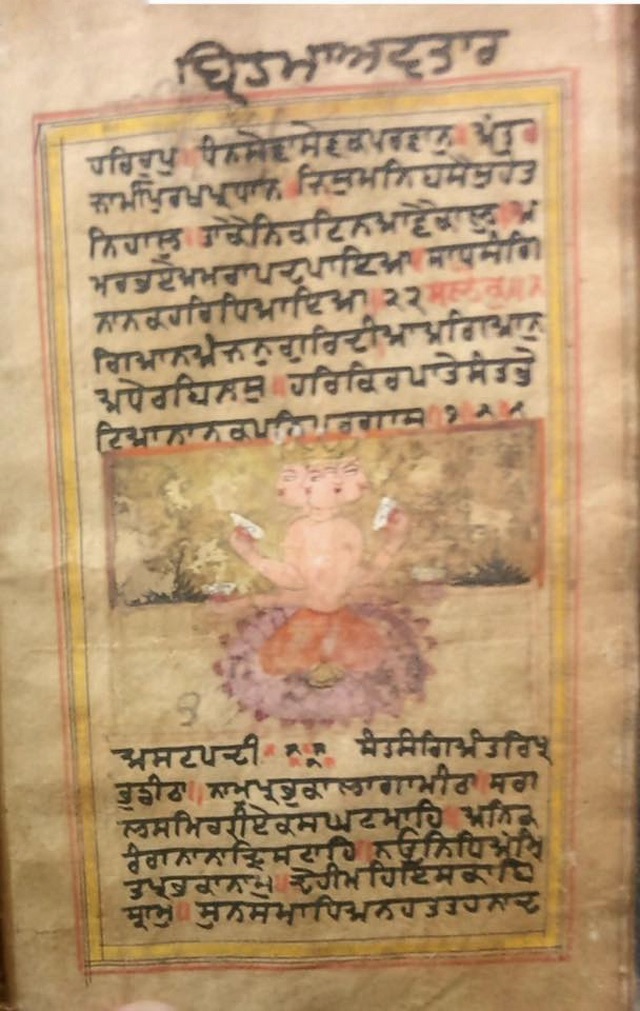
विष्णु के नाभि-कमल से जन्म #
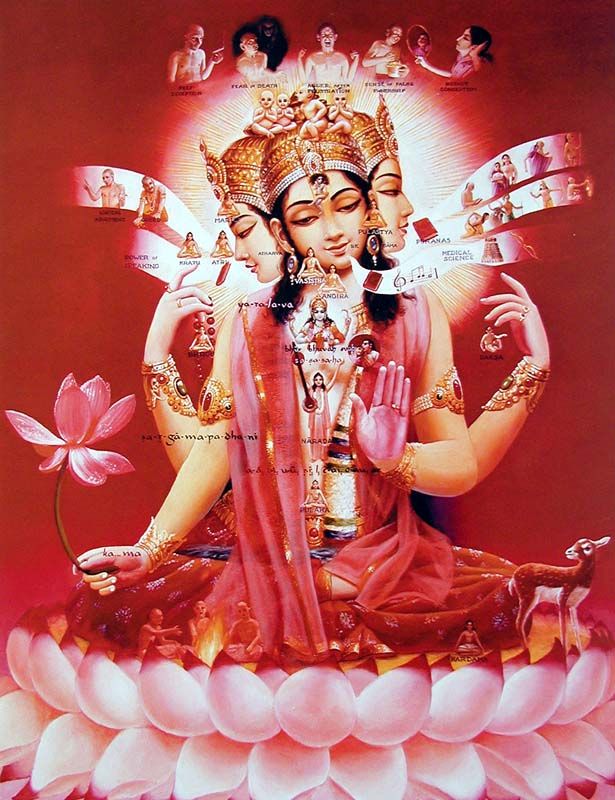
वैष्णव सृष्टि-विज्ञान ब्रह्मा के जन्म का एक बहुत निश्चित स्थान बताता है। हर ब्रह्माण्ड के भीतर भगवान विष्णु अपने गर्भोदकशायी विष्णु रूप में गर्भोदक सागर पर शयन करते हैं। उनकी नाभि से एक कमल-नाल निकलती है, जो खिलकर एक विशाल कमल पुष्प बन जाती है। ब्रह्मा उसी पुष्प के भीतर प्रकट होते हैं। वे स्वयं जन्मे हैं, उनका कोई भौतिक पिता नहीं है। इसीलिए उनका एक नाम स्वयम्भू है। श्रीमद्भागवतम् स्पष्ट रूप से कहता है कि यही "प्रथम जीव" का उद्गम है। वे किसी दूसरे प्राणी से नहीं, बल्कि स्वयं भगवान की शक्ति से उत्पन्न हुए।
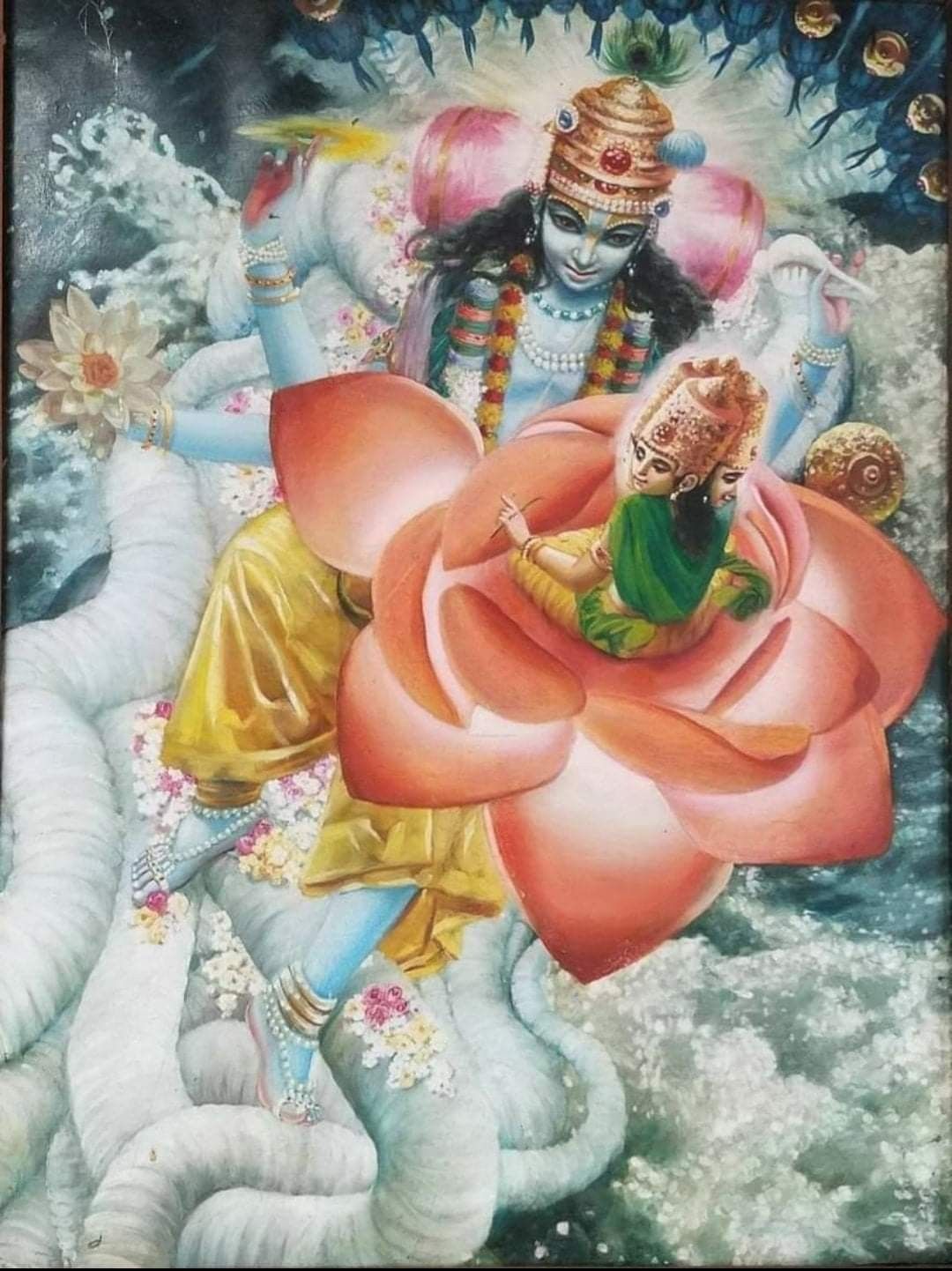
यह बात स्पष्ट रूप से कहनी आवश्यक है: ब्रह्मा एक जीव हैं, स्वयं परम भगवान नहीं। श्रील प्रभुपाद ने 1973 में लॉस एंजिल्स के एक प्रवचन में यह बात बहुत दृढ़ता से कही। उन्होंने चैतन्य-चरितामृत की वह चेतावनी उद्धृत की, जिसके अनुसार जो कोई ब्रह्मा या भगवान शिव को विष्णु के बराबर मानता है, वह पाषण्डी अर्थात् अविश्वासी है: "ब्रह्मा और रुद्र को भी कोई समान नहीं मान सकता। अन्य की तो बात ही क्या।" इस ब्रह्माण्ड में कोई भी जीव जो सबसे शक्तिशाली पद पा सकता है, ब्रह्मा उसी पद पर हैं। लेकिन वह फिर भी केवल एक पद ही है। वैष्णव परम्परा मानती है कि कल्प-दर-कल्प अलग-अलग योग्य आत्माएँ ब्रह्मा का पद सँभालती हैं। व्यक्ति बदल जाता है, लेकिन द्वितीयक सृष्टि का कार्य चलता रहता है। उनके जन्म का विस्तृत वृत्तान्त ब्रह्माण्ड के द्वितीयक स्रष्टा पृष्ठ पर दिया गया है।
एक वाणी के स्रोत की खोज #
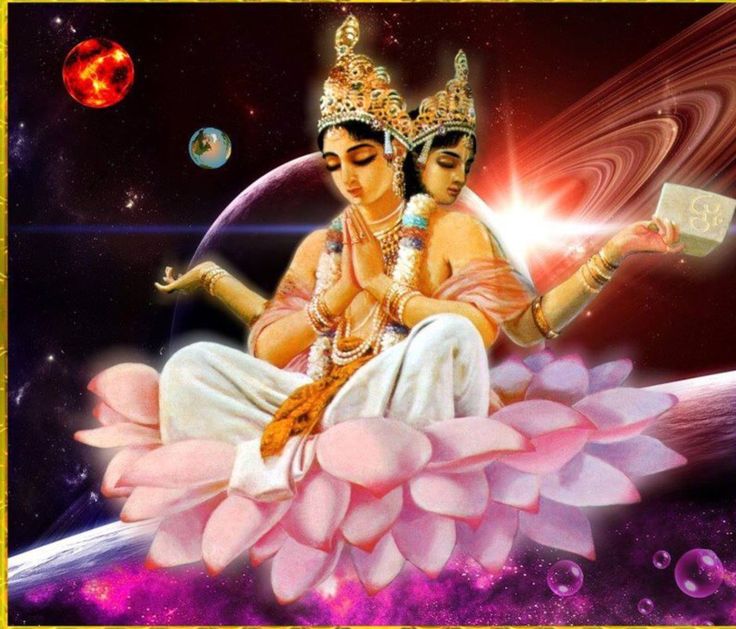
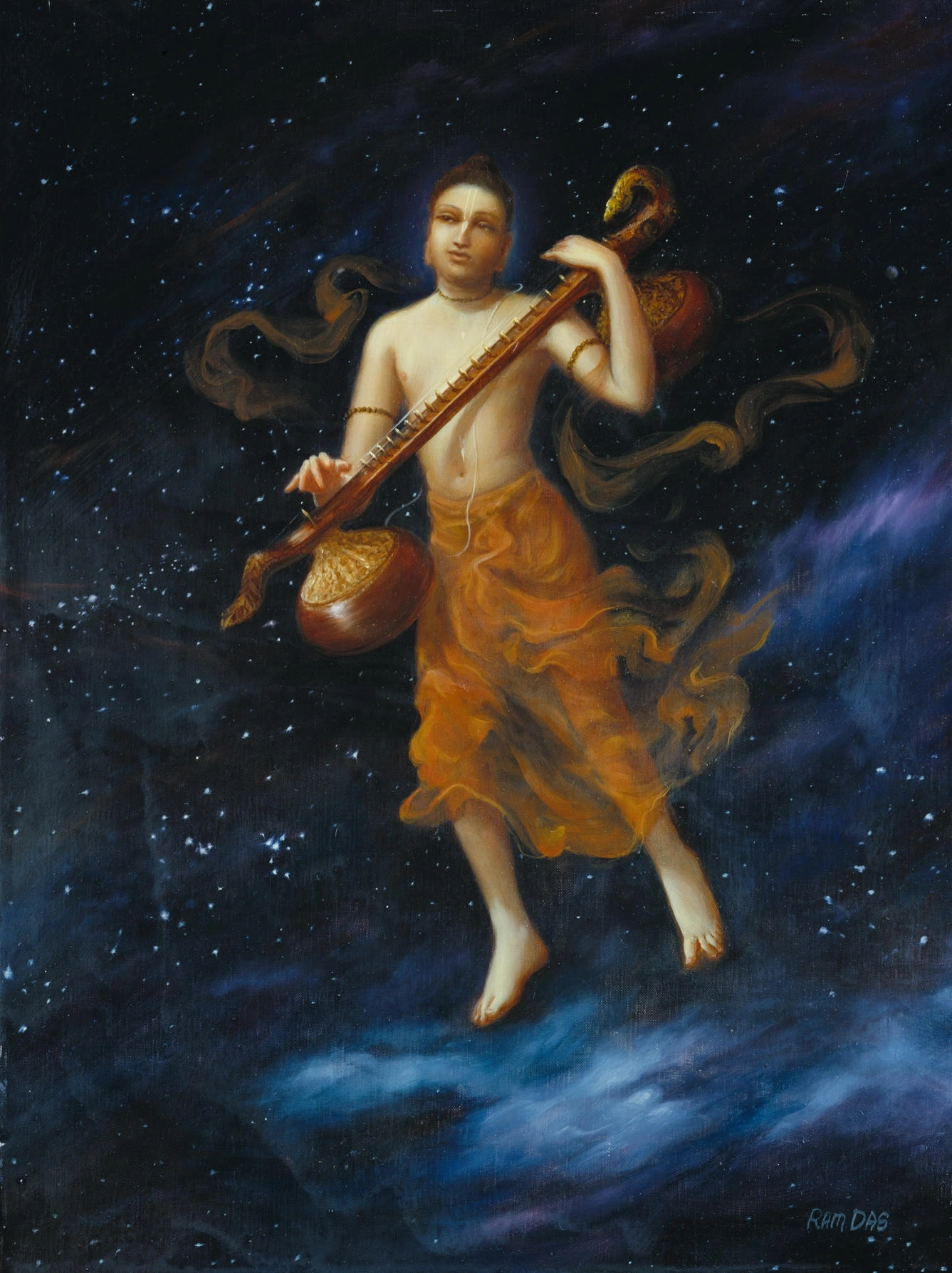
ब्रह्मा अभी-अभी प्रकट हुए थे और वे बिलकुल अकेले थे। उन्हें अपने चारों ओर जल और अन्धकार के सिवा कुछ नहीं दिखा। कोई ऐसा भी नहीं था, जिससे वे पूछ सकें कि वे कौन हैं या उनका अस्तित्व क्यों है। श्रीमद्भागवतम् बताता है कि जब वे विचार कर रहे थे, तब उन्होंने पास से दो बार दो अक्षर सुने: "त-प"। यही तपस्या शब्द का मूल है। उन्होंने बोलने वाले को हर दिशा में खोजा, लेकिन अपने सिवा किसी को नहीं पाया। तब वे अपने कमल-आसन पर दृढ़ता से बैठ गए और उन्होंने इस ध्वनि को एक निर्देश माना। लम्बी और निरन्तर तपस्या के बाद ही भगवान उनके सामने प्रकट हुए। फिर भगवान ने चार श्लोक कहे, जिन्हें चतुःश्लोकी कहा जाता है। इन श्लोकों में संक्षेप में पूरे भागवत का सार है। इनमें से एक श्लोक पर श्रील प्रभुपाद का तात्पर्य यह बात बहुत सीधे ढंग से कहता है: ब्रह्मा ने यही ज्ञान नारद मुनि को समझाया, नारद ने व्यासदेव को समझाया, और "वही ज्ञान गुरु-परम्परा की अखण्ड शृंखला में नीचे आ रहा है।" खोज, तपस्या और उन चार श्लोकों की पूरी कथा ब्रह्मा की ज्ञान-खोज और चतुःश्लोकी भागवत पृष्ठ पर दी गई है।
प्रथम गुरु बनना #
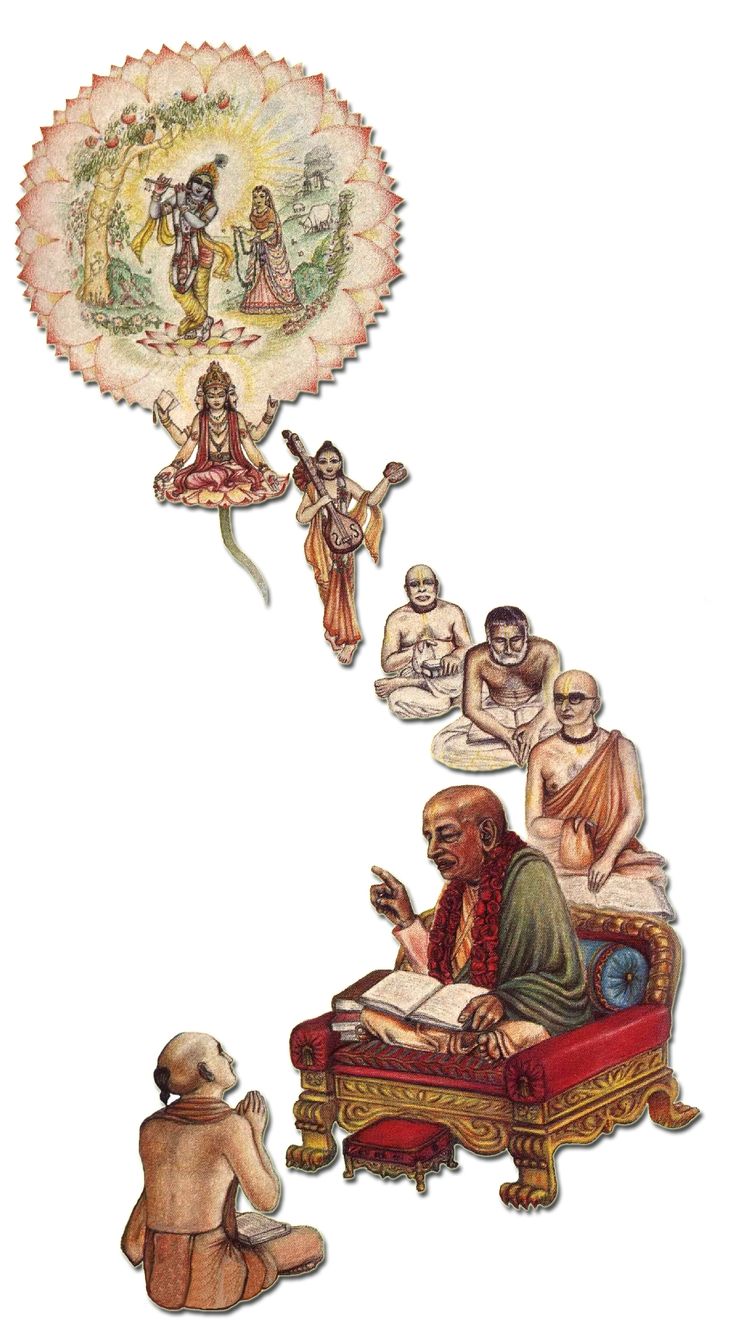
ब्रह्मा का अपना कोई जीवित शिक्षक नहीं था। ज्ञान सीधे भगवान से उनके हृदय के भीतर आया। इसलिए वैष्णव परम्परा सामान्य अर्थ में उनका कोई मानवीय गुरु नहीं बताती। परम्परा में उनके ज्ञान का सीधा स्रोत स्वयं श्रीकृष्ण को ही माना गया है। वह कोई ऐसी मानवीय कड़ी नहीं जोड़ती, जो कभी थी ही नहीं। इसके बाद वह बताती है कि ब्रह्मा आगे क्या बने। वे उस शृंखला की पहली कड़ी बने, जिसका वर्णन श्रील प्रभुपाद ने प्रवचन-दर-प्रवचन, श्लोक-दर-श्लोक किया। "ब्रह्मा ने नारद को शिक्षा दी... अब आप देखें, नारद व्यासदेव को शिक्षा दे रहे हैं। इसी प्रकार, व्यासदेव ने माध्व मुनि को शिक्षा दी," उन्होंने 1969 में समझाया। इसके बाद उन्होंने यह शृंखला माधवेन्द्र पुरी और ईश्वर पुरी के माध्यम से श्री चैतन्य महाप्रभु तक, और फिर उनसे आगे श्रील प्रभुपाद की अपनी पीढ़ी तक बताई। यही वह विशेष शृंखला है, जो "ब्रह्म-माध्व-गौड़ीय सम्प्रदाय" में "ब्रह्म" शब्द को अर्थ देती है। नामों की पूरी सूची, और इसके कुछ हिस्सों के बारे में विद्वानों द्वारा उठाए गए प्रश्न, परम्परा की प्रथम कड़ी पृष्ठ पर दिए गए हैं।
अपनी ही सृष्टि से चकित #
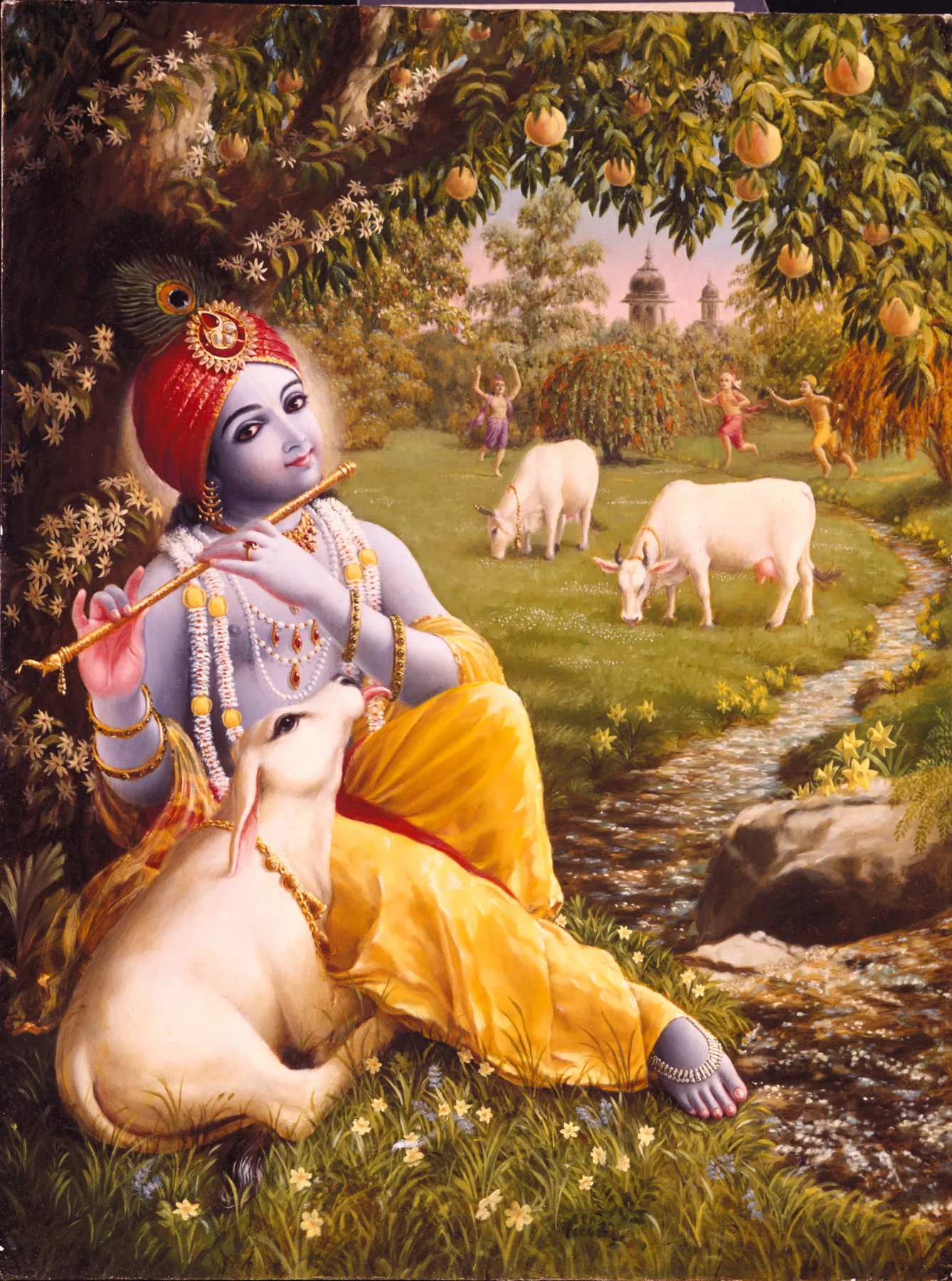
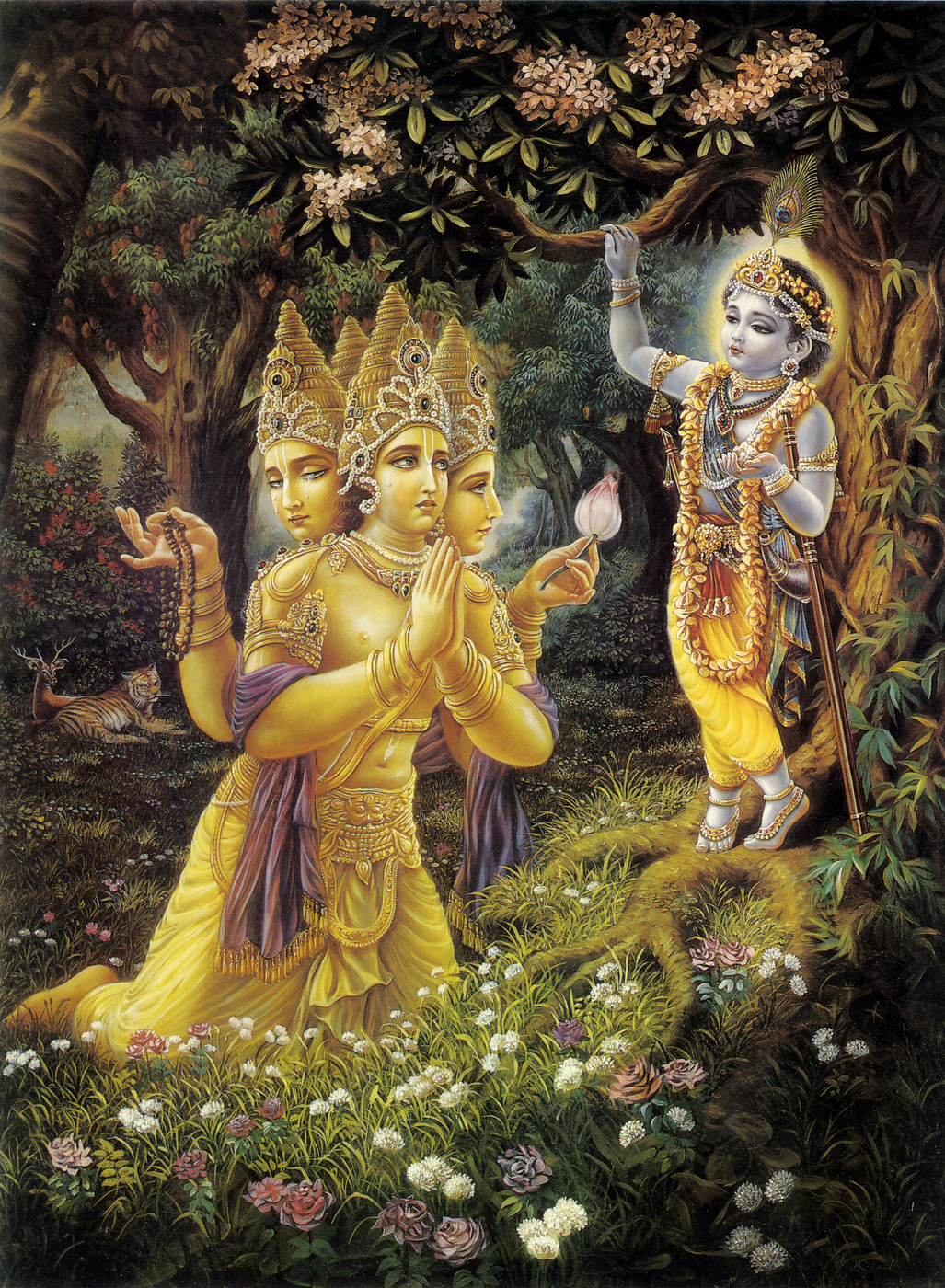
ब्रह्मा के बारे में यह सब जानने के बाद, वृन्दावन में आगे जो हुआ, वह और भी आश्चर्यजनक लगता है। बालक रूप में श्रीकृष्ण ने एक बार अपने ग्वालबाल मित्रों और बछड़ों को वन में चरते हुए छोड़ दिया। ब्रह्मा यह परखना चाहते थे कि क्या यह बालक सचमुच भगवान है, इसलिए उन्होंने उन सबको चुरा लिया। इसके उत्तर में श्रीकृष्ण ने स्वयं को हर खोए हुए मित्र और बछड़े के ठीक वैसे ही रूपों में प्रकट कर लिया। इसलिए वृन्दावन में किसी को पता ही नहीं चला कि कुछ हुआ है। जब ब्रह्मा यह सोचकर लौटे कि वहाँ उलझन फैली होगी, तो उन्हें कोई उलझन नहीं मिली। अपनी योग-दृष्टि से फिर देखने पर उन्होंने पाया कि हर बालक और हर बछड़ा विष्णु का चतुर्भुज रूप बन गया है। ये वही ब्रह्मा थे, जिन्होंने स्वयं भगवान से सीधे चतुःश्लोकी पाई थी, और जिन्हें इस पूरी परम्परा में आदि-गुरु के रूप में सम्मान दिया जाता है। फिर भी वे आश्चर्य से भरकर श्रीकृष्ण के चरणों में गिर पड़े। उन्होंने स्वीकार किया कि भगवान की कृपा के एक अंश के बिना वे भगवान की महिमा को समझ ही नहीं सकते। वह स्वीकारोक्ति और उसके बाद की गई प्रार्थनाएँ वृन्दावन में ब्रह्मा का मानमर्दन पृष्ठ पर पूरी तरह वर्णित हैं।
दक्षिण में पुनः खोजा गया स्तोत्र #
श्रीकृष्ण की स्तुति में ब्रह्मा का अपना स्तोत्र ब्रह्म-संहिता है। यह उस श्लोक से आरम्भ होता है, जिसे गौड़ीय वैष्णव लगभग किसी भी दूसरे श्लोक से अधिक उद्धृत करते हैं। वह श्लोक कहता है कि गोविन्द नाम से प्रसिद्ध श्रीकृष्ण ही परम ईश्वर हैं। वे सबके मूल हैं, और उनका अपना कोई मूल नहीं है। शताब्दियों तक इस ग्रन्थ के केवल कुछ खण्डित अंशों के ही कहीं मौजूद होने की जानकारी थी। फिर दक्षिण भारत की यात्रा करते समय श्री चैतन्य महाप्रभु को सुदूर दक्षिणी तट के एक मन्दिर में इसका एक बचा हुआ अध्याय मिला। उन्होंने उसकी हाथ से प्रतिलिपि करवाई। जो पाण्डुलिपि वे अपने साथ वापस लाए, वह उनकी पूरी दक्षिण भारत यात्रा की दो सबसे बहुमूल्य साहित्यिक खोजों में से एक बन गई। उस खोज की कथा, और ग्रन्थ कितना पुराना है इस बारे में विद्वान और परम्परा क्या कहते हैं, इसकी ईमानदार चर्चा ब्रह्म-संहिता और उसकी पुनः खोज पृष्ठ पर दी गई है।
शिक्षाएँ जो आज भी भक्तों का मार्गदर्शन करती हैं #
इन सब बातों को एक साथ रखने पर एक ऐसा व्यक्तित्व सामने आता है, जो इतना विनम्र है कि वृन्दावन में कृष्ण द्वारा पूरी तरह सुधारा जा सका, और फिर भी इतना महान है कि पूरी गुरु-परम्परा के शीर्ष पर खड़ा है। इसी कारण आज एक गौड़ीय वैष्णव के लिए ब्रह्मा का महत्त्व है। वे किसी दूर के ब्रह्माण्डीय पदाधिकारी के रूप में महत्त्वपूर्ण नहीं हैं, बल्कि इस बात के जीवित प्रमाण के रूप में महत्त्वपूर्ण हैं कि सच्चा आध्यात्मिक अधिकार पद से नहीं, भगवान के प्रति समर्पण से आता है। भक्तिसिद्धान्त सरस्वती ठाकुर ने ब्रह्मा के अपने वचनों को इतना महत्त्वपूर्ण माना कि 1932 में उन्होंने पहली बार उनका अंग्रेज़ी में अनुवाद किया। आज भी विश्वभर में भक्त मन्दिर-पूजा में ब्रह्म-संहिता के श्लोकों का पाठ करते हैं। ये शिक्षाएँ वास्तव में क्या कहती हैं, और यह परम्परा बार-बार उनकी ओर क्यों लौटती है, यह सब शिक्षाएँ एवं विरासत पृष्ठ पर एक साथ दिया गया है।
शास्त्र प्रमाण
ॐ नमो भगवते वासुदेवाय जन्माद्यस्य यतोऽन्वयादितरतश्चार्थेष्वभिज्ञः स्वराट् तेने ब्रह्म हृदा य आदिकवये मुह्यन्ति यत्सूरयः । तेजोवारिमृदां यथा विनिमयो यत्र त्रिसर्गोऽमृषाधाम्ना स्वेन सदा निरस्तकुहकं सत्यं परं धीमहि ॥ १ ॥
om namo bhagavate vasudevaya
janmady asya yato 'nvayad itaratas carthesv abhijnah svarat
tene brahma hrda ya adi-kavaye muhyanti yat surayah
tejo-vari-mrdam yatha vinimayo yatra tri-sargo 'mrsa
dhamna svena sada nirasta-kuhakam satyam param dhimahi
शब्दार्थ
om: O my Lord; namah: offering my obeisances; bhagavate: unto the Personality of Godhead; vasudevaya: unto Vasudeva (Lord Sri Krishna); janma-adi: creation, sustenance and destruction; asya: of the manifested universes; yatah: from whom; abhijnah: fully cognizant; svarat: fully independent; tene: imparted; brahma: Vedic knowledge; hrda: through the heart; ya: who; adi-kavaye: unto the original created being; muhyanti: are illusioned; yat: about whom; surayah: great sages and demigods.
हे मेरे प्रभु, वसुदेव-नन्दन श्रीकृष्ण, हे सर्वव्यापी भगवान, मैं आपको सादर प्रणाम करता हूँ। मैं भगवान श्रीकृष्ण का ध्यान करता हूँ क्योंकि वे परम सत्य हैं और प्रकट ब्रह्माण्डों की सृष्टि, पालन तथा संहार के समस्त कारणों के आदि कारण हैं। वे ही हैं जिन्होंने सर्वप्रथम आदि जीव ब्रह्माजी के हृदय में वैदिक ज्ञान का संचार किया।
तात्पर्य से: तात्पर्य अंश: "और ब्रह्मा, आदि जीव, ने श्रीकृष्ण विषय की व्याख्या अपने ब्रह्म-संहिता नामक ग्रन्थ में विस्तारपूर्वक की है।"
भागवत का अपना पहला श्लोक: श्रीकृष्ण सीधे ब्रह्मा के हृदय में ज्ञान देते हैं। इसीलिए ब्रह्मा को आदि-कवि, अर्थात् पहले कवि-ऋषि, कहा जाता है, और इसीलिए उनका अपना कोई गुरु नहीं बताया गया है।
- Srimad-Bhagavatam 2.9.6-36 (catur-shloki and Brahma's austerity), vedabase.io
- Srimad-Bhagavatam 3.8.15-20 (Brahma's birth from the lotus), vedabase.io
- Srimad-Bhagavatam 1.1.1 (tene brahma hrida), vedabase.io
- Srimad-Bhagavatam 10.13-14 (Brahma-vimohana-lila), vedabase.io
- Brahma-samhita 5.1, vedabase.io
- Srila Prabhupada lecture, Srimad-Bhagavatam 1.5.12-13, New Vrindaban, 11 June 1969
- Srila Prabhupada lecture, Srimad-Bhagavatam 1.1.1-2, Bombay, 22 March 1972
- Srila Prabhupada lecture, Srimad-Bhagavatam 1.8.34, Los Angeles, 26 April 1973
- This website's own biography of Madhvacharya
- This website's own account of Sri Chaitanya Mahaprabhu's South India Tour
शिष्य
अक्सर पूछे जाने वाले प्रश्न
भगवान ब्रह्मा का जन्म कब हुआ था?
भगवान ब्रह्मा का प्राकट्य वर्तमान सृष्टि (कल्प) के प्रारम्भ में, मानव कैलेण्डर की किसी तिथि पर नहीं में, इस ब्रह्माण्ड के भीतर गर्भोदकशायी विष्णु की नाभि से उत्पन्न कमल पुष्प में हुआ।
भगवान ब्रह्मा के गुरु कौन थे?
भगवान ब्रह्मा के गुरु भगवान श्री कृष्ण थे।
भगवान ब्रह्मा का तिरोभाव कब और कहाँ हुआ?
भगवान ब्रह्मा का तिरोभाव परम्परा के अपने कथन के अनुसार अभी तक कोई नहीं। ब्रह्मा को अभी भी जीवित माना जाता है; उनका एक दिन 4.32 अरब मानव वर्षों के बराबर है हुआ।
भगवान ब्रह्मा की प्रमुख लीलाएँ कौन-सी हैं?
यहाँ इन लीलाओं पर पृष्ठ उपलब्ध हैं: ब्रह्माण्ड के द्वितीयक स्रष्टा, ब्रह्मा की ज्ञान-खोज और चतुःश्लोकी भागवत, वृन्दावन में ब्रह्मा का मानमर्दन, ब्रह्म-संहिता और उसकी पुनः खोज, परम्परा की प्रथम कड़ी, शिक्षाएँ एवं विरासत।