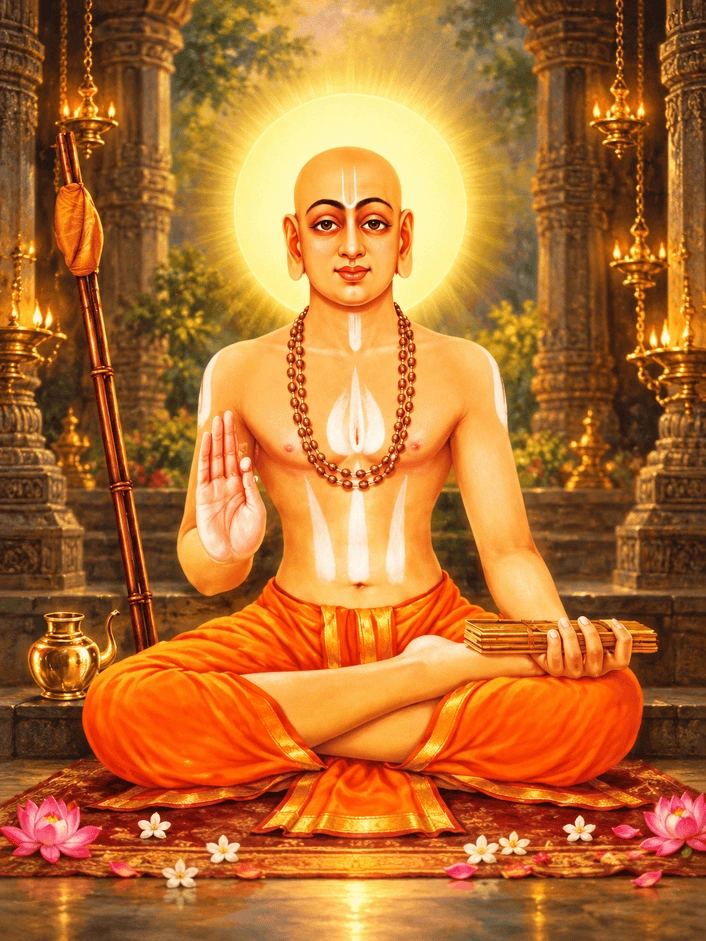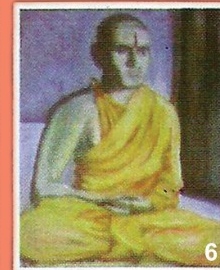
श्री पद्मनाभ तीर्थ
मध्वाचार्य के पश्चात प्रथम पीठाधिपति
अन्य नाम शोभन भट्ट, सोभन भट्ट (पूर्वाश्रम नाम), पद्मनाभाचार्य, पद्मनाभ तीर्थ
पद्मनाभ तीर्थ का स्थान गौड़ीय वैष्णव गुरु-परंपरा में मध्वाचार्य के ठीक बाद आता है। द्वैत वेदांत संप्रदाय के अपने लिखित इतिहास में भी उनका स्थान मध्व के ठीक बाद है। यही दूसरी बात उन्हें इस परंपरा-सूची के अन्य नामों से अलग बनाती है। परंपरा की कुछ अन्य कड़ियों का पता केवल गौड़ीय स्रोतों से ही चलता है। लेकिन पद्मनाभ तीर्थ मध्व के अपने शिष्य और प्रथम उत्तराधिकारी थे, इसकी पुष्टि द्वैत परंपरा के अपने ग्रंथ भी करते हैं। विद्वानों ने इन ग्रंथों का आधी शताब्दी से अधिक समय तक स्वतंत्र अध्ययन किया है, और उससे भी इसकी पुष्टि होती है। विद्वानों के इन अध्ययनों में सबसे प्रमुख है बी. एन. के. शर्मा का लिखा इस संप्रदाय का मानक इतिहास। मध्व से भेंट होने से पहले ही पद्मनाभ तीर्थ एक गंभीर विद्वान थे। बाद में वे शीघ्र ही मध्व के सबसे विश्वसनीय आरंभिक शिष्यों में से एक बने। परंपरा उन्हें वह पहला व्यक्ति मानती है, जिन्होंने मध्व के इस संसार से विदा होने के बाद उनके छोड़े हुए पीठ को सँभाला।
| विवरण | जानकारी |
|---|---|
| पूर्वाश्रम नाम | शोभन भट्ट |
| गुरु | मध्वाचार्य |
| मूल निवास | उत्तर-कर्नाटक, गोदावरी के निकट (विवादित; नीचे देखें) |
| शिष्यत्व ग्रहण | लगभग 1265 ईस्वी, गोदावरी के तट पर, संभवतः पुंतांबा या पैठण के निकट |
| पद | परंपरा अनुसार मध्वाचार्य के पश्चात पीठ पर बैठने वाले प्रथम; उत्तरादि मठ द्वारा गिने जाने वाले प्रथम पीठाधिपति |
| प्रमुख रचनाएँ | लगभग 15 ग्रंथ, जिनमें सत्तर्कदीपावली, न्यायरत्नावली और सन्न्यायरत्नावली, तथा गीता-भाष्य एवं दस प्रकरणों पर भाष्य सम्मिलित हैं |
| तिरोभाव | 1324 ईस्वी, हम्पी के निकट नव वृंदावन में |
शोभन भट्ट नामक विद्वान #
सन्न्यास ग्रहण करने से पहले पद्मनाभ तीर्थ को शोभन भट्ट कहा जाता था। सभी स्रोत इस बात पर सहमत हैं कि वे पहले से ही एक महत्त्वपूर्ण व्यक्ति थे। मध्वाचार्य की सबसे प्राचीन जीवनी, संस्कृत काव्य मध्व-विजय, उन्हें अनेक विद्याओं में निपुण और एक कुशल तार्किक बताती है। वे ठीक कहाँ से आए थे, इस पर सचमुच मतभेद है। कुछ प्रारंभिक लेखकों ने मान लिया कि वे आंध्र प्रदेश के एक तेलुगु ब्राह्मण थे। उन्होंने यह बात मध्व-विजय की उस पंक्ति से निकाली, जो उन्हें "गोदावरी के क्षेत्र में" बताती है। बी. एन. के. शर्मा इससे असहमत थे। उन्होंने द्वैत परंपरा के अन्य प्रारंभिक ग्रंथों की ओर संकेत किया, जो शोभन भट्ट को "कर्नाटक के सज्जनों" का आचार्य बताते हैं। उन्होंने यह भी बताया कि अलग अभिलेखों के अनुसार तेरहवीं शताब्दी में भी काफ़ी समय तक ऊपरी गोदावरी के किनारे कन्नड़-भाषी बस्तियाँ थीं। इन्हीं कारणों से शर्मा का मानना था कि शोभन भट्ट आंध्र प्रदेश के नहीं, बल्कि अधिक संभवतः उत्तर-कर्नाटक, अर्थात् कन्नड़-भाषी क्षेत्र के उत्तरी छोर, के थे। उपलब्ध स्रोतों से किसी भी पक्ष को बिना संदेह के सिद्ध नहीं किया जा सकता। स्रोत स्वयं इस पर सहमत नहीं हैं, इसलिए यहाँ दोनों मत दिए गए हैं।
शास्त्रार्थ में परास्त, द्वैत सिद्धांत के अनुयायी बने #
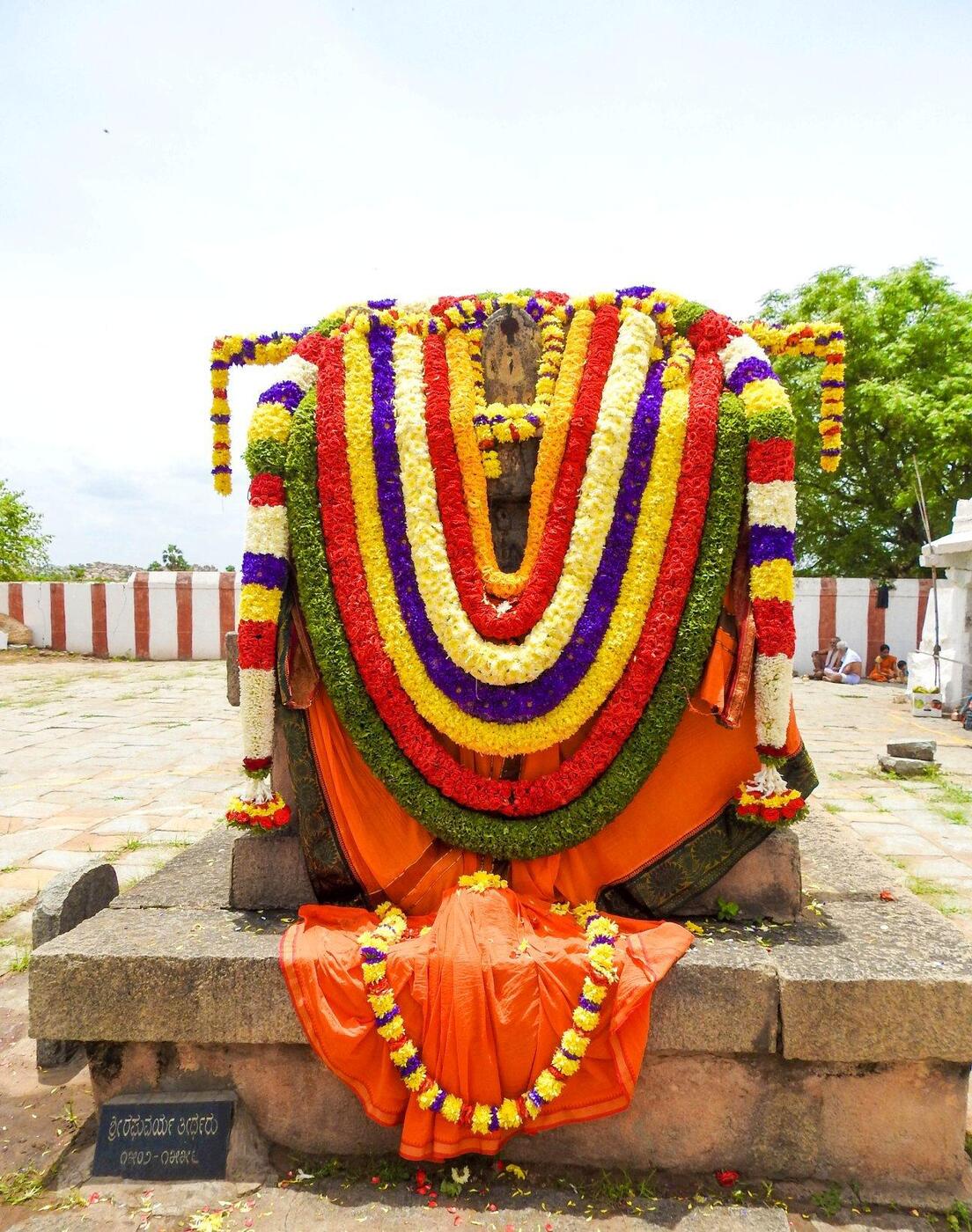
शोभन भट्ट और मध्वाचार्य की भेंट गोदावरी के तट पर कहीं हुई। सबसे अधिक संभावना है कि यह भेंट पुंतांबा या पैठण के निकट हुई। उस समय मध्वाचार्य अपनी पहली उत्तर भारत यात्रा से उडुपी लौट रहे थे। यह संभवतः लगभग 1265 ईस्वी की बात है। आगे चलकर गौड़ीय और द्वैत परंपराएँ अलग हो गईं, लेकिन दोनों ही इसके बाद की घटना को लगभग एक जैसे शब्दों में याद करती हैं। एक औपचारिक शास्त्रार्थ हुआ, और उसमें शोभन भट्ट हार गए। शर्मा के मध्व-विजय के पाठ के अनुसार वे "मध्व से शास्त्रार्थ करने" गए और "वाद-विवाद में उनसे परास्त हो गए।" इसके बाद उन्होंने नई शिक्षा को अपनाने का अनुरोध किया, और उन्हें पद्मनाभ तीर्थ के नाम से दीक्षा दी गई। उस यात्रा में केवल वे ही इस प्रकार शिष्य नहीं बने। लगभग उसी समय मध्व एक दूसरे विद्वान, स्वामी शास्त्री, से भी मिले। स्वामी शास्त्री नरहरि तीर्थ के नाम से शिष्य बने, और बाद में पद्मनाभ तीर्थ के उत्तराधिकारी भी बने। उनका अपना पृष्ठ नरहरि तीर्थ पर है।
पीठ पर बैठने वाले प्रथम आचार्य #
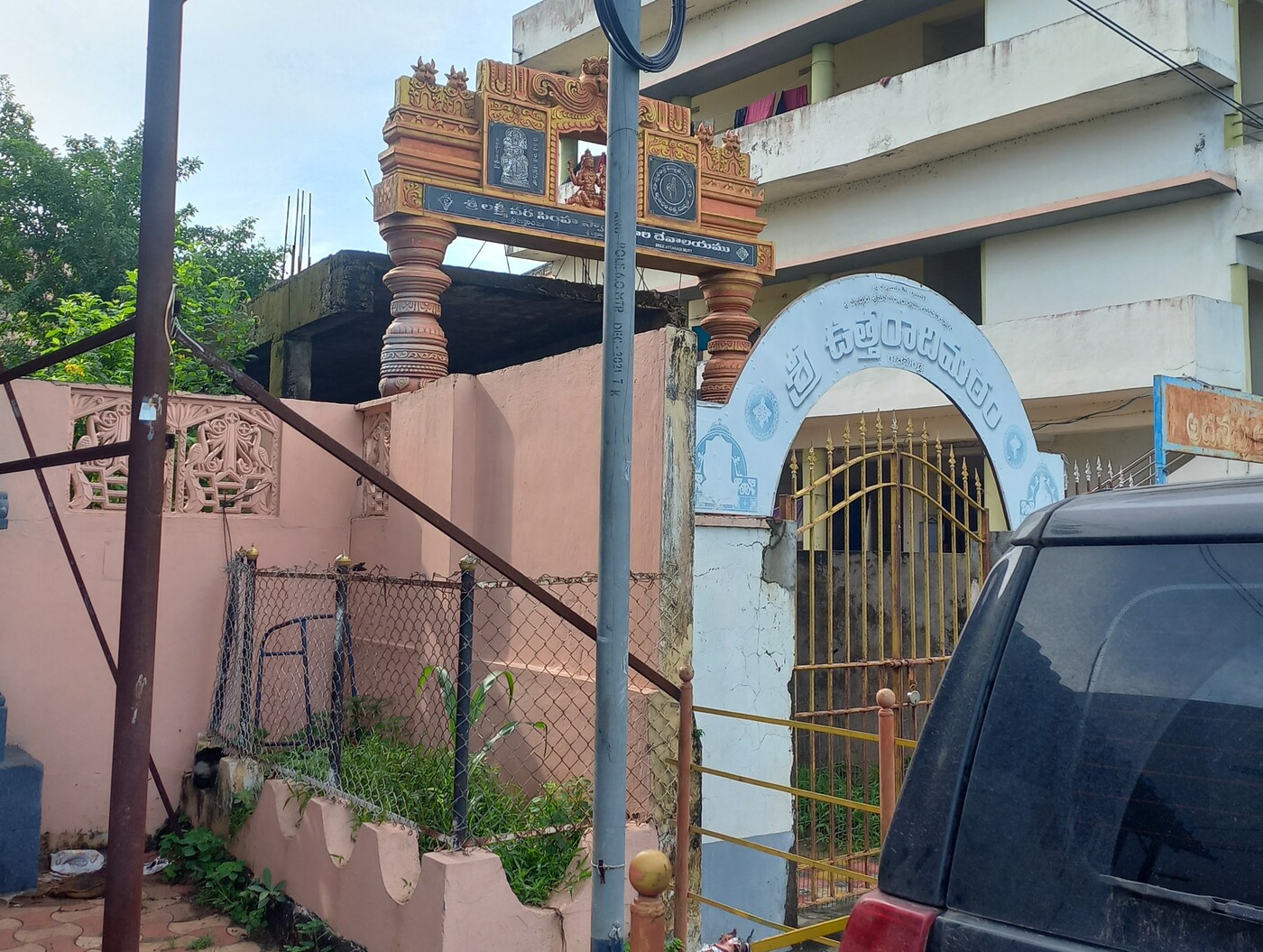
मध्व-विजय पद्मनाभ तीर्थ की विशेष रूप से प्रशंसा करता है। द्वैत परंपरा उन्हें उडुपी के आसपास के तुलु-भाषी मुख्य क्षेत्र के बाहर से आए मध्व के शिष्यों में संभवतः सबसे वरिष्ठ मानती है। इसी स्थान के कारण मध्व के प्रस्थान के बाद समुदाय का नेतृत्व करने के लिए वे स्वाभाविक चुनाव बने। उत्तरादि मठ आज उन्हें अपना प्रथम पीठाधिपति मानता है। बाद की परंपरा मध्व के चार प्रत्यक्ष शिष्यों की बात करती है, जिन्होंने मध्व की शिक्षा को उडुपी के बाहर तक पहुँचाया: पद्मनाभ तीर्थ, नरहरि तीर्थ, माधव तीर्थ और अक्षोभ्य तीर्थ। शर्मा का अकादमिक इतिहास-ग्रंथ इनमें पद्मनाभ तीर्थ को पहला स्थान देता है। लेकिन इसे पहले से तय मान लेने के बजाय हमें गंभीरता से पूछना चाहिए कि क्या इतिहास सचमुच चार शिष्यों के इस सुव्यवस्थित क्रम के अनुसार चला। आगे इस प्रश्न पर विचार किया गया है।
पंद्रह ग्रंथ, अधिकांश विस्मृत #
द्वैत साहित्य में पद्मनाभ तीर्थ का महत्त्व संदेह से परे है। शर्मा उनके नाम से लगभग पंद्रह ग्रंथ गिनाते हैं। इनमें से अधिकांश भाष्य हैं, जो मध्व की अपनी संस्कृत को समझाते हैं। मध्व की संस्कृत बहुत संक्षिप्त और कठिन होने के लिए प्रसिद्ध है। इन ग्रंथों में ब्रह्म-सूत्र-भाष्य पर सत्तर्कदीपावली, अनुव्याख्यान पर सन्न्यायरत्नावली, विष्णु-तत्त्व-विनिर्णय पर न्यायरत्नावली, गीता-भाष्य पर गीताभाष्य-भावदीपिका, और मध्व के दसों लघु दार्शनिक ग्रंथों, दश-प्रकरणों, पर भाष्य सम्मिलित हैं। शर्मा के अनुसार, इनमें से कई ग्रंथों पर वे सबसे पहले ज्ञात भाष्यकार थे। एक पीढ़ी बाद महान भाष्यकार जयतीर्थ आए। समय के साथ उनके भाष्यों ने लगभग सभी पुराने भाष्यों का स्थान ले लिया। फिर भी जयतीर्थ ने पद्मनाभ तीर्थ को विशेष रूप से श्रद्धांजलि दी। उन्होंने उन्हें वह अग्रदूत कहा, जिनके मार्गदर्शन के बिना मध्व के ग्रंथ "परवर्ती पीढ़ियों के लिए गंभीर कठिनाइयाँ प्रस्तुत करते," और उन्हें "टीकाकार" की उपाधि दी। उनके विशेष ग्रंथों और जयतीर्थ की श्रद्धांजलि के बारे में अधिक जानकारी आरंभिक द्वैत को आकार देने वाले भाष्य पर उपलब्ध है।
एक पंक्ति, दो व्याख्याएँ #
चैतन्य-चरितामृत पर श्रील प्रभुपाद के तात्पर्य से पता चलता है कि गौड़ीय गुरु-परंपरा की सूची की पुष्टि मध्व संप्रदाय के अपने अलग उत्तराधिकार-अभिलेखों से नहीं होती। इस विषय पर मध्व संप्रदाय में जीवन पृष्ठ पर विस्तार से चर्चा की गई है। पद्मनाभ तीर्थ का विषय इन दोनों के बीच में आता है। मध्व के शिष्य और प्रथम उत्तराधिकारी के रूप में उनका स्थान द्वैत परंपरा के अपने स्रोतों में सचमुच लिखा हुआ है। चैतन्य-चरितामृत, मध्य 9.245 पर श्रील प्रभुपाद का तात्पर्य भी गौड़ीय पक्ष से लगभग यही कथा बताता है। गौड़ीय परंपरा इस शृंखला को स्पष्ट शब्दों में बताती है, जैसे गौर-गणोद्देश-दीपिका में:
मध्वाचार्य ने व्यास से कृष्ण-मंत्र में दीक्षा ग्रहण की। मध्व के शिष्य पद्मनाभाचार्य थे, एक तेजस्वी व्यक्ति, जिनके शिष्य नरहरि थे, जिनके पश्चात द्विज माधव आए। माधव के शिष्य अक्षोभ्य थे, जिनके पश्चात जयतीर्थ आए।
किंतु मध्व के पश्चात जो हुआ, द्वैत परंपरा स्वयं उसका वर्णन ठीक इस प्रकार नहीं करती। मध्व संप्रदाय के अपने अभिलेखों पर हुआ स्वतंत्र शोध पद्मनाभ, नरहरि, माधव और अक्षोभ्य तीर्थ को मध्वाचार्य के चार अलग-अलग, प्रत्यक्ष शिष्य मानता है। परंपरा के अनुसार उन्हें लगभग एक ही समय के आसपास दीक्षा दी गई थी। ऐसा नहीं था कि एक के बाद एक, हर शिष्य को उससे पहले वाले ने दीक्षा दी हो, और यह एक ही शृंखला जयतीर्थ तक और अंत में ज्ञानसिंधु तक पहुँचती हो। तिथियों के एक वास्तविक विवाद सहित पूरा चित्र एक गुरु, या चार शिष्य? पर उपलब्ध है।
नव वृंदावन में समाधि #
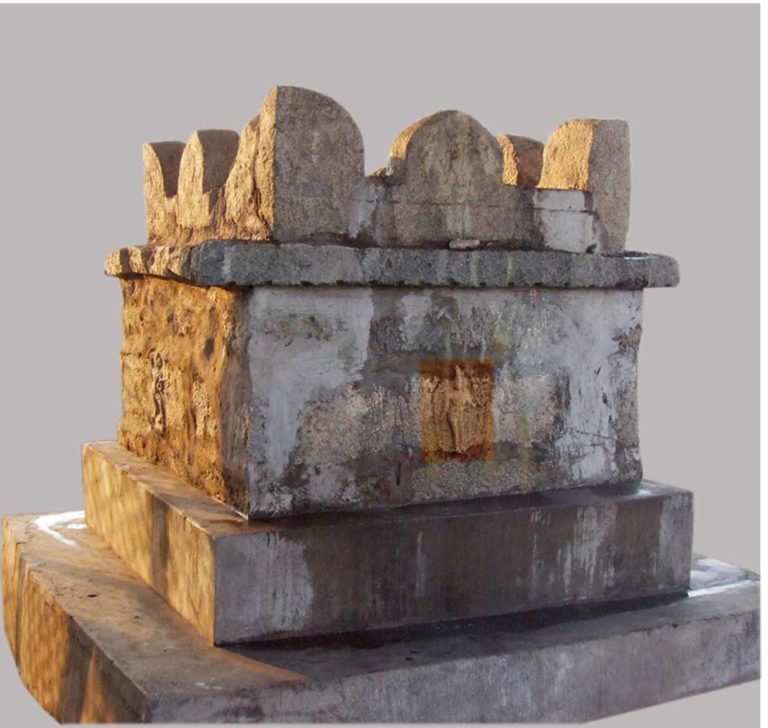
याद किया जाता है कि पद्मनाभ तीर्थ ने लगभग सात वर्षों तक समुदाय का नेतृत्व किया। इसके बाद 1324 ईस्वी में उनका देहावसान हुआ। उन्हें नव वृंदावन में समाधि दी गई। यह आधुनिक कर्नाटक में हम्पी के निकट, अनेगुंदी के पास तुंगभद्रा नदी में एक द्वीप है। अगली तीन शताब्दियों में इसी स्थान पर द्वैत परंपरा के आठ और पीठाधिपतियों की समाधियाँ बनीं। इनमें प्रसिद्ध व्यास तीर्थ भी हैं। वहाँ पद्मनाभ तीर्थ की अपनी समाधि इन नौ में सबसे पुरानी है। आज भी यह स्थान उत्तरादि मठ, व्यासराज मठ और राघवेंद्र मठ के लिए एक जीवंत तीर्थ है। ये तीनों संस्थाएँ अंत में अपनी स्थापना को पद्मनाभ तीर्थ के माध्यम से मध्वाचार्य तक जोड़ती हैं।
शास्त्र प्रमाण
ऊपर पाठ में उद्धृत:
- verse 21 (Kavi Karnapura, 1576 CE) Gaura-ganoddesha-dipika
- Sri Padmanabha Tirtha - Sri Uttaradi Math
- Padmanabha Tirtha - Gaudiya History (ISKCON Desire Tree)
- Sri Madhvacarya - Disappearance (reproduces Srila Prabhupada's purport to CC Madhya 9.245) - ISKCON Desire Tree
- B. N. K. Sharma, History of the Dvaita School of Vedanta and Its Literature (1961/1981) - Internet Archive
- Is the Gaudiya Vaishnava sampradaya connected to the Madhva line? by Jagadananda Das
शिष्य
अक्सर पूछे जाने वाले प्रश्न
श्री पद्मनाभ तीर्थ का जन्म कब हुआ था?
श्री पद्मनाभ तीर्थ का प्राकट्य स्पष्ट रूप से दर्ज नहीं है। स्रोत केवल इतना बताते हैं कि सन्न्यास लेने से पहले उनका पूर्वाश्रम नाम शोभन भट्ट था; उनके जन्म का सही वर्ष किसी भी उपलब्ध स्रोत में नहीं मिलता। में, उत्तर-कर्नाटक, गोदावरी नदी के ऊपरी क्षेत्र के निकट (कुछ प्रारंभिक लेखकों ने मध्व-विजय की एक पंक्ति के आधार पर यह मान लिया था कि वे आंध्र प्रदेश से थे; उनका वास्तविक गाँव अभिलिखित नहीं है) में हुआ।
श्री पद्मनाभ तीर्थ के गुरु कौन थे?
श्री पद्मनाभ तीर्थ के गुरु श्रील मध्वाचार्य थे।
श्री पद्मनाभ तीर्थ का तिरोभाव कब और कहाँ हुआ?
श्री पद्मनाभ तीर्थ का तिरोभाव 1324 ईस्वी में, समुदाय का नेतृत्व लगभग सात वर्षों तक करने के बाद। शक संवत् पर आधारित परंपरागत मठ-तालिकाएँ उनके नेतृत्व का आरंभ एक शताब्दी पहले, लगभग 1199-1200 ईस्वी में बताती हैं। बी. एन. के. शर्मा ने पुराने शिलालेखों के प्रमाण के आधार पर यह तिथि लगभग 1317-1324 ईस्वी मानी है। यहाँ शर्मा की तिथियाँ अपनाई गई हैं, जो परंपरागत तिथियों से पूरी एक शताब्दी बाद की हैं।, नव वृंदावन, कर्नाटक के हम्पी के निकट अनेगुंदी के पास तुंगभद्रा नदी में स्थित एक द्वीप में हुआ।
श्री पद्मनाभ तीर्थ की प्रमुख लीलाएँ कौन-सी हैं?
यहाँ इन लीलाओं पर पृष्ठ उपलब्ध हैं: गोदावरी के तट पर मध्वाचार्य से भेंट, आरंभिक द्वैत को आकार देने वाले भाष्य, एक गुरु, या चार शिष्य?।