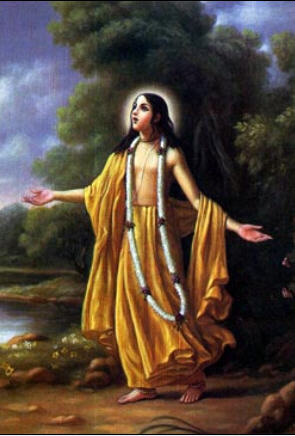
Sri Kurma Vipra
The Brahmana Mahaprabhu Told to Become a Guru
Also known as Kurma Brahmana, the brahmana Kurma, Kurma Bipra
“Instruct everyone to follow the orders of Lord Sri Krishna as they are given in the Bhagavad-gita and Srimad-Bhagavatam. In this way become a spiritual master and try to liberate everyone in this land.”
Sri Chaitanya Mahaprabhu's instruction to the brahmana Kurma at Kurma-kshetra, during the South India tour (Sri Chaitanya-charitamrita, Madhya-lila 7.128).
Kurma Vipra was a poor householder brahmana of Kurma-kshetra on the Andhra coast, a man with no recorded ancestry, no known family name, and no life story beyond a single afternoon. Gaudiya Vaishnavas remember him for one reason. He begged Sri Chaitanya Mahaprabhu to let him renounce home and follow Him, but the Lord refused. The sentence the Lord spoke instead has become the single most quoted verse in the Chaitanya-charitamrita on what it really means to be a guru. The meeting is recorded in full within the South India tour, where it appears as the key episode of the tour.
| Detail | Description |
|---|---|
| Also known as | Kurma Brahmana, the brahmana Kurma, Kurma Bipra |
| Where he lived | A village at Kurma-kshetra, identified with present-day Srikurmam, Srikakulam district, Andhra Pradesh |
| Met Mahaprabhu | During the South India tour, in the month of Vaishakha, c. 1510 |
| Occupation | Vedic brahmana householder |
| Famous for | Receiving the "become a guru" instruction of Chaitanya-charitamrita, Madhya-lila 7.128 |
| Primary source | Sri Chaitanya-charitamrita, Madhya-lila, Chapter 7, verses 121-135 |
| Life after the tour | Not recorded |
A Brahmana on the Pilgrim's Road #
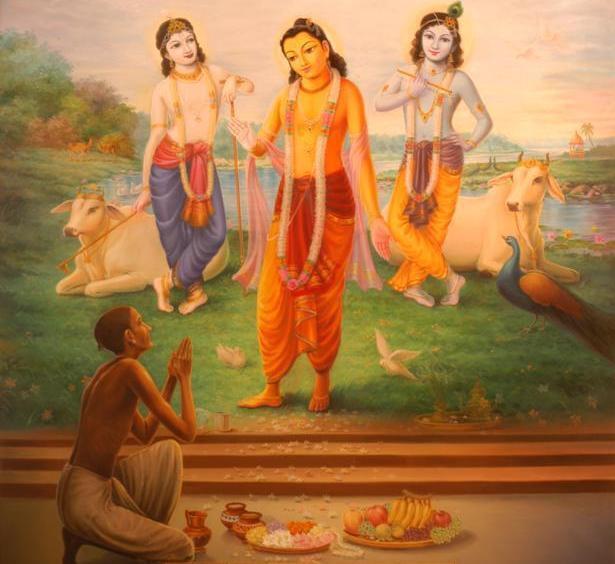
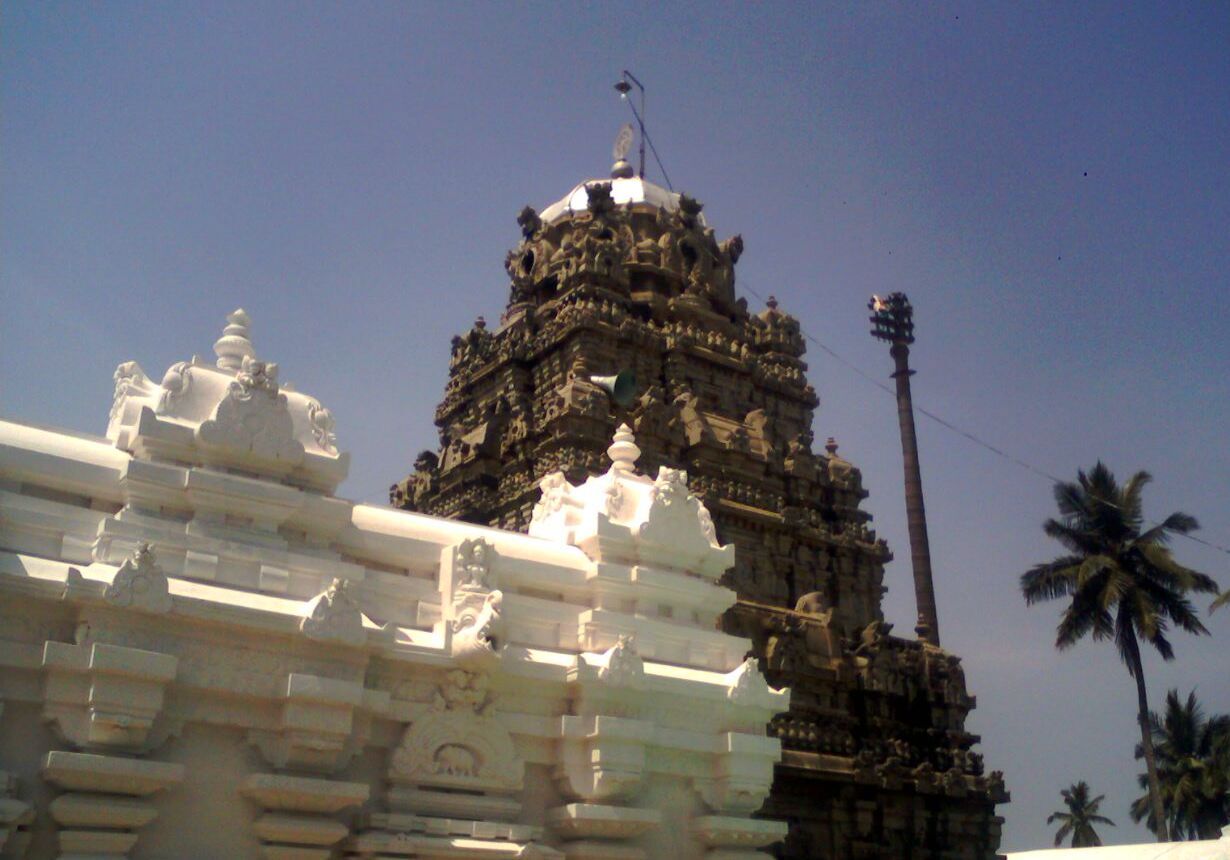
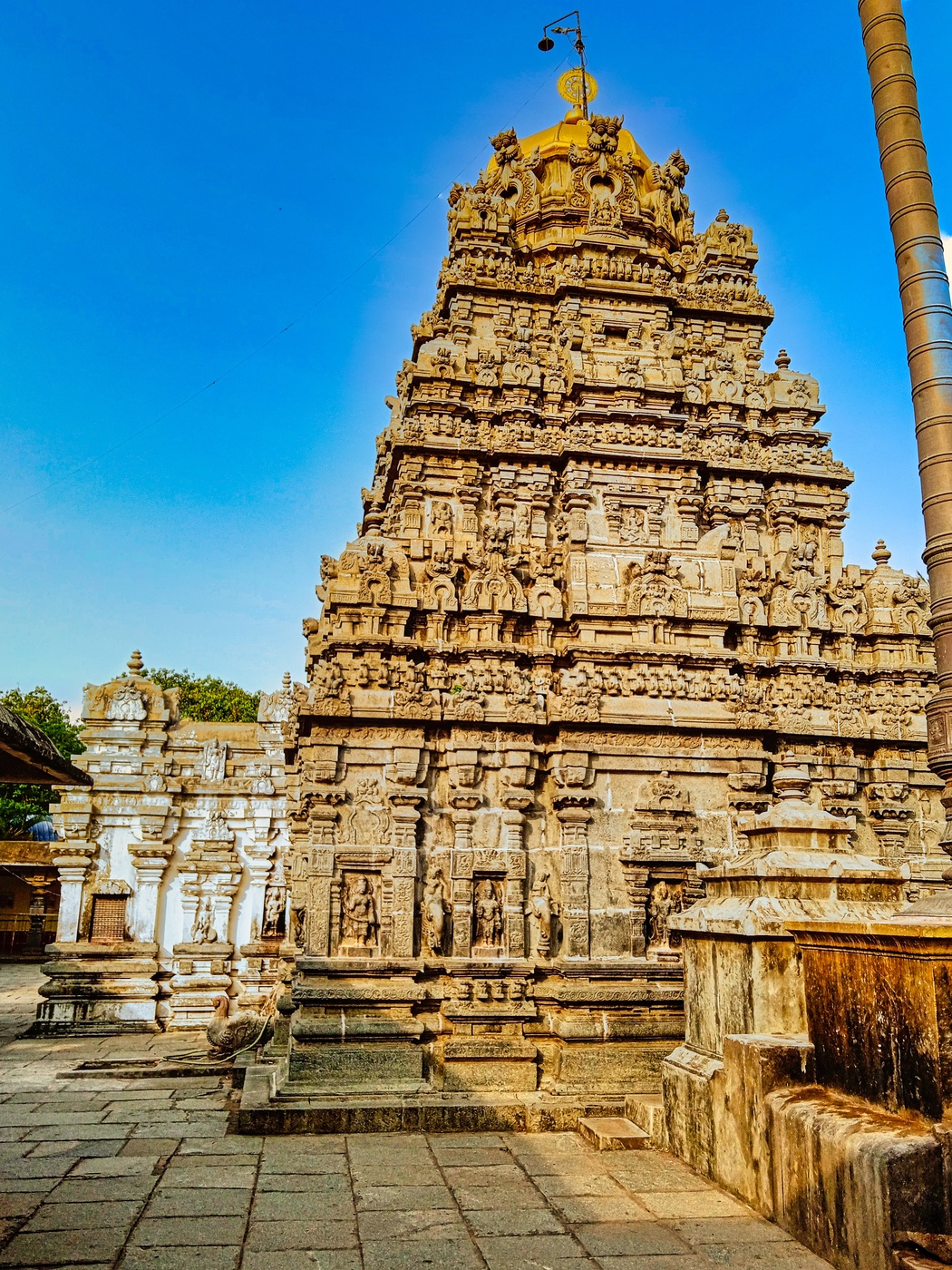
Mahaprabhu reached Kurma-kshetra early in His two-year tour of the south, soon after leaving Ramananda Raya at the Godavari. Krishnadasa Kaviraja Goswami, the author of the Chaitanya-charitamrita, first describes the temple town itself. There was the Deity of Kurma, the tortoise incarnation. The Lord was so absorbed in ecstatic love that He danced and wept before the Deity. In the end the whole village and the villages around it were swept into the same chanting. Only after this description does the text name one person: "a Vedic brahmana named Kurma," who invited the Lord to his own home with what the text calls great faith and devotion. Everything that follows happens inside that one house, on that one visit. The full story of the welcome he gave is told on Hospitality at Kurma-kshetra.
Refused, Then Given Something Rarer #
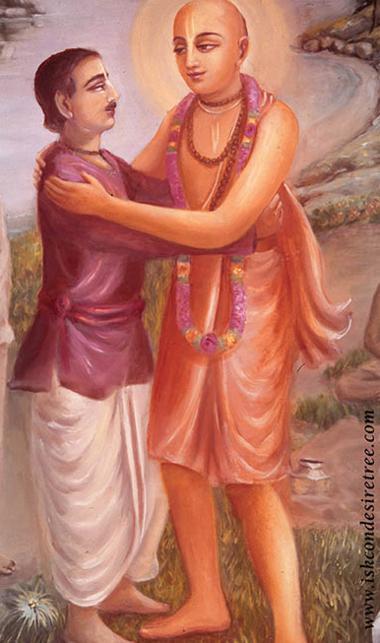
Kurma's hospitality was not the point of the story Krishnadasa Kaviraja wanted to tell. What mattered was what happened when the meal ended and the Lord rose to leave. Kurma asked permission to give up his household and go with Him. This is the ordinary response of a devotee overwhelmed by direct contact with the Lord. Mahaprabhu said no. What He said next is the reason this brahmana's name survived at all: stay home, keep chanting, and instruct every single person you meet in what Krishna Himself taught in the Bhagavad-gita and Srimad-Bhagavatam. Do that, He said, and you become a guru by His own order. The full exchange, verse by verse, is told on Become a Guru in This Land.
The Sentence Every Later Preacher Repeats #
Krishnadasa Kaviraja does not present this as a one-time exception made for one hospitable brahmana. In the very next verses of the same chapter, he states that this was the Lord's regular method. At whatever house He accepted alms during the entire tour, He gave the householder this same order before moving on. On the South India tour, the effect spread even faster than the Lord Himself could travel. Village converted village faster than He could walk between them. Kurma's house is simply the one place in that chain where the instruction itself was written down in full, and not only its effect. The same journey brought Paramananda Puri into the Lord's company at Rishabha Hill, Venkata Bhatta and the boy who became Gopala Bhatta Goswami into it at Srirangam, and Ramananda Raya into it at the Godavari. Kurma's meeting had far smaller results for any one person's life. Even so, it produced the tour's most quoted line.
What We Do Not Know #
We must say plainly what the sources do not tell us. Krishnadasa Kaviraja never states Kurma's family name, his age, or anything about his life before or after this one afternoon. The text says only that his family drank the water that had washed the Lord's feet and shared His remnants of food. A few verses later the Chaitanya-charitamrita records that when the Lord finally left the district, Kurma followed Him some distance before being sent back home. That is the last the text ever says of him. Shortly afterward, a brahmana named Vasudeva, who suffered from leprosy, came to Kurma's own house looking for the Lord and was healed. Whether Kurma himself saw the healing is not stated. No independent biography of Kurma exists. Srila Bhaktisiddhanta Sarasvati Thakura did comment at length on the instruction itself in his Anubhashya. But even his commentary adds nothing about the man who received it. It explains only what the instruction means for everyone who reads it after him. The record is short, but it is honest.
An Instruction Still Being Preached #
More than five hundred years on, Kurma's afternoon still matters because of what became of the sentence, more than because of the man. Srila Prabhupada quoted this exact verse again and again across nearly a decade of lectures on three continents. He used it to explain, in his own words, why joining his movement never required anyone to abandon home, job or family. Three of Srila Prabhupada's own explanations of the verse, from his lectures, are gathered on The Instruction That Outlived the Man.

At a Glance #
- Met personally by Sri Chaitanya Mahaprabhu at Kurma-kshetra during the South India tour, c. 1510.
- Received the Chaitanya-charitamrita's clearest single verse on what it means to become a guru: repeat Krishna's own teaching to whomever you meet.
- Krishnadasa Kaviraja states this instruction was the pattern for the entire tour, not a one-time exception.
- Nothing about his life is recorded before or after this one encounter.
- The verse given to him remains among Srila Prabhupada's most quoted in describing ISKCON's own preaching mission.
Scriptural evidence
ei mata yanra ghare kare prabhu bhiksha
sei aiche kahe, tanre karaya ei shiksha
At whosever house Sri Chaitanya accepted His alms by taking prasadam, He would convert the dwellers to His sankirtana movement and advise them just as He advised the brahmana named Kurma.
Krishnadasa Kaviraja Goswami's own statement that the instruction given to Kurma was not a one-time exception but the Lord's standing method throughout the South India tour.
Frequently asked
When was Sri Kurma Vipra born?
Sri Kurma Vipra appeared Date not recorded (a householder brahmana of Kurma-kshetra, met by Sri Chaitanya Mahaprabhu during His South India tour, c. 1510) in Kurma-kshetra, identified with present-day Srikurmam, Srikakulam district, Andhra Pradesh.
When and where did Sri Kurma Vipra disappear?
Sri Kurma Vipra disappeared Not recorded at Not recorded.
What are the main pastimes of Sri Kurma Vipra?
The pastimes covered here include: Hospitality at Kurma-kshetra, Become a Guru in This Land, The Instruction That Outlived the Man.