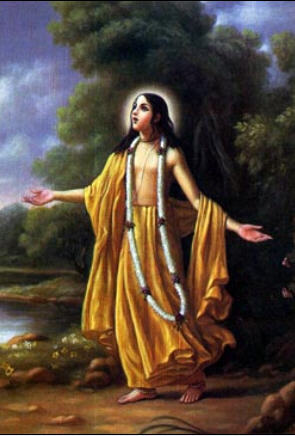
श्री कूर्म विप्र
वह ब्राह्मण जिन्हें महाप्रभु ने गुरु बनने का आदेश दिया
अन्य नाम कूर्म ब्राह्मण, ब्राह्मण कूर्म, कूर्म बिप्र
“जिससे भी मिलो, उसे भगवान श्री कृष्ण की उन आज्ञाओं का पालन करने की शिक्षा दो, जो भगवद्गीता और श्रीमद्भागवत में दी गई हैं। इस प्रकार गुरु बनो और इस सम्पूर्ण देश को मुक्त करने का प्रयास करो।”
श्री चैतन्य महाप्रभु का कूर्म-क्षेत्र में ब्राह्मण कूर्म को दिया गया उपदेश, दक्षिण भारत यात्रा के दौरान (श्री चैतन्य चरितामृत, मध्य-लीला 7.128)।
कूर्म विप्र आंध्र तट पर स्थित कूर्म-क्षेत्र के एक निर्धन गृहस्थ ब्राह्मण थे। उनके वंश या कुल-नाम का कोई अभिलेख नहीं मिलता, और एक दोपहर की घटना के अतिरिक्त उनके जीवन की कोई कथा दर्ज नहीं है। गौड़ीय वैष्णव उन्हें एक ही कारण से याद करते हैं। उन्होंने श्री चैतन्य महाप्रभु से विनती की कि वे घर छोड़कर उनके पीछे चलना चाहते हैं, लेकिन भगवान ने मना कर दिया। इसके स्थान पर भगवान ने जो वाक्य कहा, वह चैतन्य चरितामृत का वह श्लोक बन गया, जो गुरु होने का सच्चा अर्थ बताने के लिए सबसे अधिक उद्धृत किया जाता है। यह भेंट दक्षिण भारत यात्रा के विवरण में पूरी तरह दर्ज है, जहाँ यह पूरी यात्रा की सबसे महत्त्वपूर्ण घटना के रूप में सामने आती है।
| विवरण | वर्णन |
|---|---|
| अन्य नाम | कूर्म ब्राह्मण, ब्राह्मण कूर्म, कूर्म बिप्र |
| निवास स्थान | कूर्म-क्षेत्र का एक गाँव, जिसकी पहचान वर्तमान श्रीकूर्मम, श्रीकाकुलम जिला, आंध्र प्रदेश से की जाती है |
| महाप्रभु से भेंट | दक्षिण भारत यात्रा के दौरान, वैशाख मास में, लगभग 1510 |
| व्यवसाय | वैदिक ब्राह्मण गृहस्थ |
| किसलिए प्रसिद्ध | चैतन्य चरितामृत, मध्य-लीला 7.128 का "गुरु बनो" उपदेश प्राप्त करने के लिए |
| मुख्य स्रोत | श्री चैतन्य चरितामृत, मध्य-लीला, अध्याय 7, श्लोक 121-135 |
| यात्रा के बाद का जीवन | दर्ज नहीं |
तीर्थयात्रा के मार्ग पर एक ब्राह्मण #
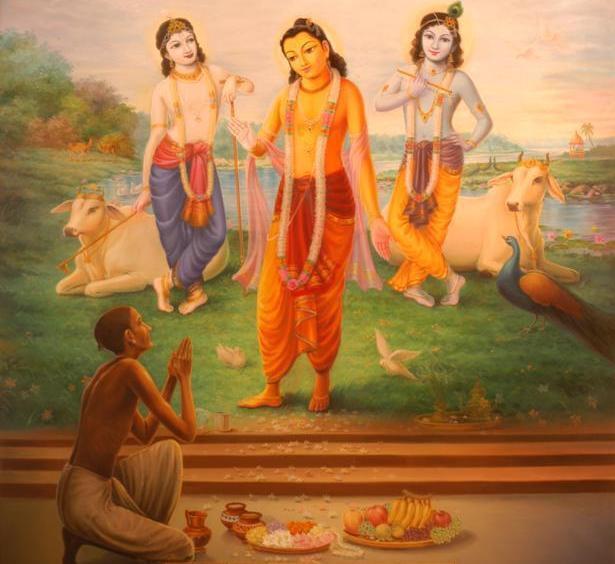
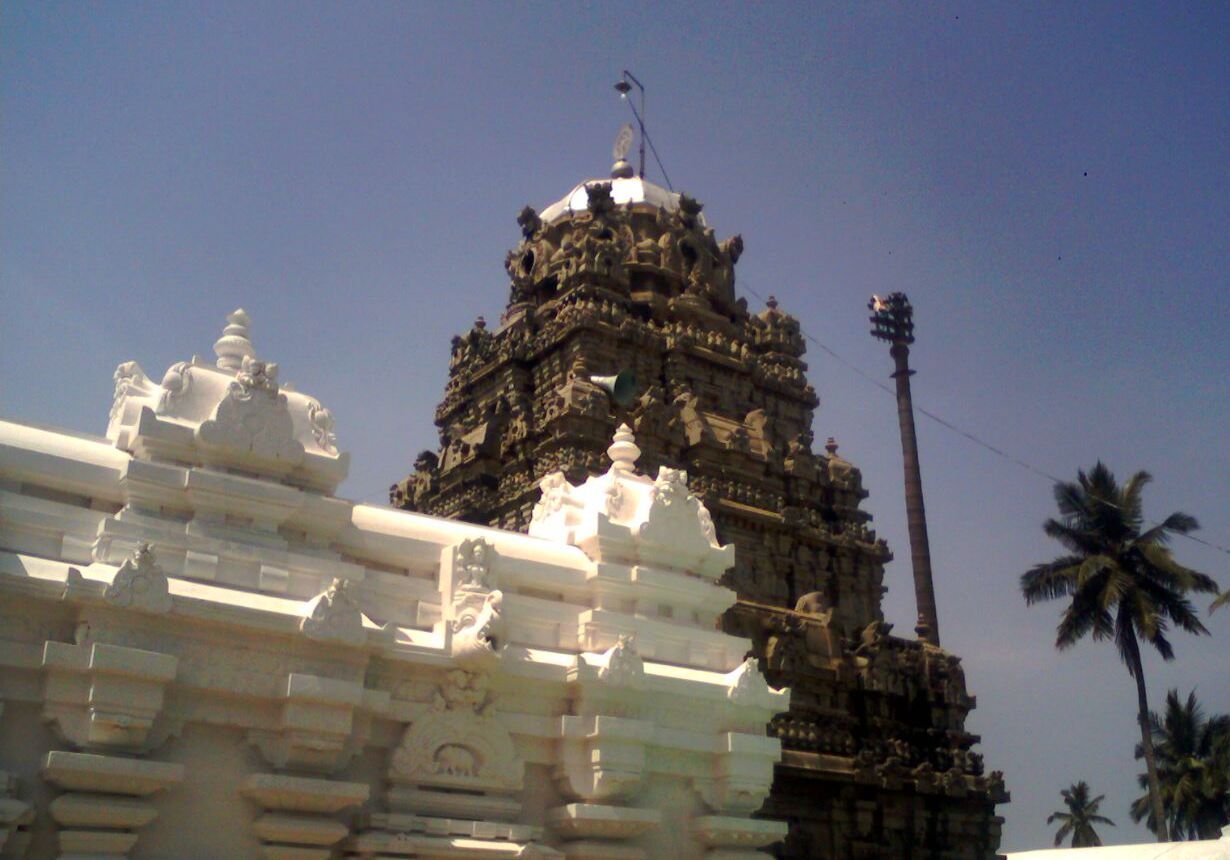
महाप्रभु अपनी दो वर्ष की दक्षिण यात्रा के आरम्भ में ही कूर्म-क्षेत्र पहुँचे। इससे कुछ ही समय पहले वे गोदावरी तट पर रामानन्द राय से विदा हुए थे। चैतन्य चरितामृत के लेखक कृष्णदास कविराज गोस्वामी पहले इस मन्दिर-नगर का ही वर्णन करते हैं। वहाँ कूर्म, अर्थात् कच्छप अवतार, का विग्रह था। भगवान प्रेम में इतने डूब गए कि वे विग्रह के सामने नाचे और रोए। अन्त में पूरा गाँव और आस-पास के गाँव भी उसी कीर्तन में बह गए। इस वर्णन के बाद ही ग्रन्थ किसी एक व्यक्ति का नाम लेता है: "कूर्म नाम का एक वैदिक ब्राह्मण," जिन्होंने ग्रन्थ के अनुसार बड़ी श्रद्धा और भक्ति के साथ भगवान को अपने घर बुलाया। इसके बाद जो कुछ होता है, वह इसी एक घर में और इसी एक भेंट में होता है। उन्होंने भगवान का जो स्वागत किया, उसकी पूरी कथा कूर्म-क्षेत्र में आतिथ्य-सत्कार पर बताई गई है।
अस्वीकृति, फिर उससे भी दुर्लभ वरदान #
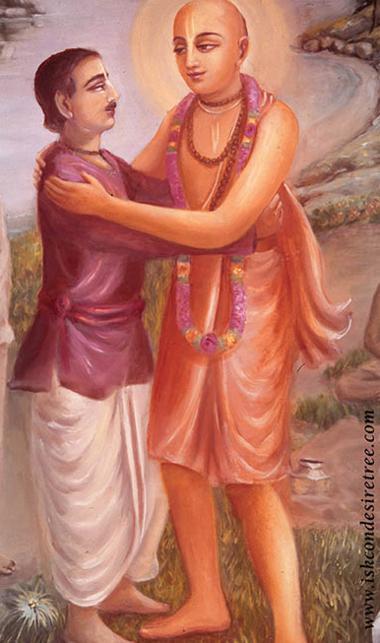
कृष्णदास कविराज जो कथा सुनाना चाहते थे, उसकी मुख्य बात कूर्म का आतिथ्य नहीं था। मुख्य बात यह थी कि भोजन के बाद जब भगवान उठकर जाने लगे, तब क्या हुआ। कूर्म ने अपना घर छोड़कर उनके साथ चलने की अनुमति माँगी। भगवान के प्रत्यक्ष सान्निध्य से अभिभूत भक्त का ऐसा कहना स्वाभाविक है। महाप्रभु ने मना कर दिया। इसके बाद उन्होंने जो कहा, उसी के कारण आज तक इस ब्राह्मण का नाम बचा हुआ है: घर पर रहो, कीर्तन करते रहो, और जिससे भी मिलो, उसे वह शिक्षा दो जो स्वयं कृष्ण ने भगवद्गीता और श्रीमद्भागवत में दी है। उन्होंने कहा कि ऐसा करो, तो मेरी आज्ञा से तुम गुरु बन जाओगे। यह पूरी बातचीत, श्लोक-दर-श्लोक, इस भूमि में गुरु बनो पर बताई गई है।
वह वाक्य जिसे हर बाद का प्रचारक दोहराता है #
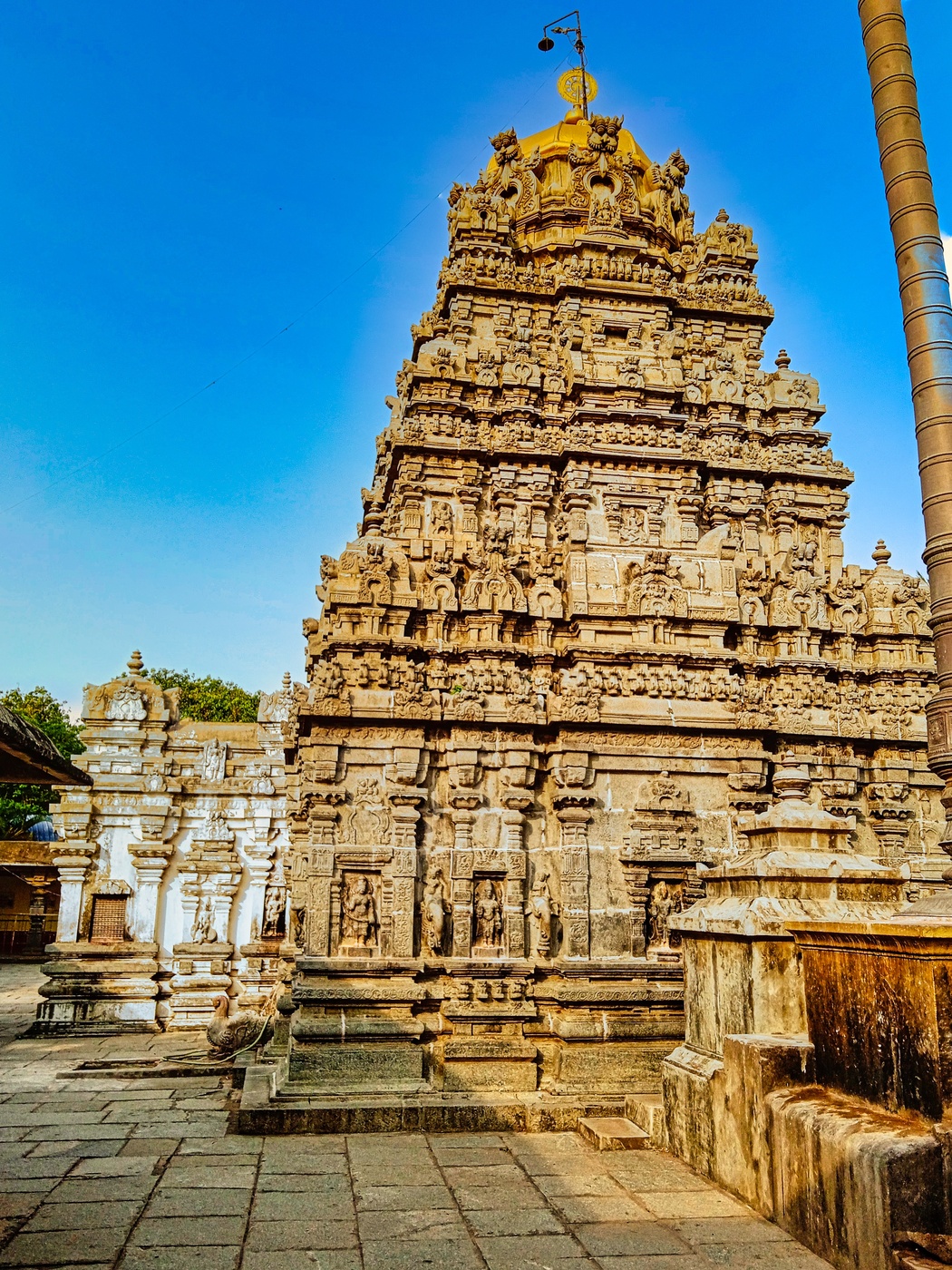
कृष्णदास कविराज इसे किसी एक सत्कार करने वाले ब्राह्मण के लिए किया गया एक बार का अपवाद नहीं बताते। उसी अध्याय के अगले ही श्लोकों में वे साफ़ कहते हैं कि यह भगवान का नियमित ढंग था। पूरी यात्रा में जिस भी घर में उन्होंने भिक्षा ली, आगे बढ़ने से पहले उन्होंने उस गृहस्थ को यही आज्ञा दी। दक्षिण भारत यात्रा में इसका प्रभाव भगवान के चलने से भी तेज़ फैला। भगवान एक गाँव से दूसरे गाँव तक पहुँचें, उससे पहले ही एक गाँव के लोग दूसरे गाँव को भक्ति में ले आते थे। उस शृंखला में कूर्म का घर बस वह एक स्थान है, जहाँ केवल उपदेश का परिणाम ही नहीं, बल्कि स्वयं उपदेश भी पूरा लिखा हुआ मिलता है। इसी यात्रा में परमानन्द पुरी ऋषभ पर्वत पर भगवान की संगति में आए। श्रीरंगम में वेंकट भट्ट और वह बालक, जो आगे चलकर गोपाल भट्ट गोस्वामी बने, भगवान की संगति में आए। गोदावरी के तट पर रामानन्द राय भगवान की संगति में आए। किसी एक व्यक्ति के जीवन पर कूर्म की भेंट का प्रभाव इनसे कहीं कम था। फिर भी इसी भेंट से इस यात्रा की सबसे अधिक उद्धृत पंक्ति निकली।
जो हम नहीं जानते #
जो बातें स्रोत हमें नहीं बताते, उन्हें साफ़ कह देना चाहिए। कृष्णदास कविराज कहीं भी कूर्म का कुल-नाम, उनकी आयु, या इस एक दोपहर से पहले या बाद के उनके जीवन के बारे में कुछ नहीं बताते। ग्रन्थ केवल इतना कहता है कि उनके परिवार ने भगवान के चरण धोने वाला जल पिया और उनका प्रसाद आपस में बाँटकर ग्रहण किया। कुछ ही श्लोक बाद चैतन्य चरितामृत बताता है कि जब भगवान अन्त में उस क्षेत्र से आगे बढ़े, तो कूर्म कुछ दूर तक उनके पीछे-पीछे गए। फिर उन्हें घर वापस भेज दिया गया। इसके बाद ग्रन्थ उनका नाम फिर कभी नहीं लेता। कुछ ही समय बाद वासुदेव नाम के एक ब्राह्मण, जो कुष्ठ रोग से पीड़ित थे, भगवान को खोजते हुए कूर्म के ही घर आए और रोग से मुक्त हो गए। कूर्म ने स्वयं यह देखा या नहीं, यह नहीं बताया गया। कूर्म की कोई अलग जीवनी मौजूद नहीं है। श्रील भक्तिसिद्धान्त सरस्वती ठाकुर ने अपने अनुभाष्य में इस उपदेश पर विस्तार से टीका लिखी है। लेकिन उनकी टीका भी उस व्यक्ति के बारे में कुछ नहीं जोड़ती, जिन्हें यह उपदेश मिला था। वह केवल यह समझाती है कि बाद में इसे पढ़ने वाले हर व्यक्ति के लिए इस उपदेश का क्या अर्थ है। अभिलेख छोटा है, लेकिन ईमानदार है।
एक उपदेश जो आज भी प्रचारित हो रहा है #
पाँच सौ से अधिक वर्ष बाद भी कूर्म की वह दोपहर महत्त्वपूर्ण है। इसका कारण वह व्यक्ति उतना नहीं, जितना यह कि आगे चलकर उस वाक्य का क्या हुआ। श्रील प्रभुपाद ने लगभग एक दशक तक तीन महाद्वीपों में अपने प्रवचनों में ठीक इसी श्लोक को बार-बार उद्धृत किया। अपने शब्दों में वे इससे समझाते थे कि उनके आन्दोलन से जुड़ने के लिए किसी को कभी घर, नौकरी या परिवार छोड़ने की आवश्यकता क्यों नहीं थी। इस श्लोक पर श्रील प्रभुपाद के प्रवचनों से ली गई उनकी तीन व्याख्याएँ वह उपदेश जो उस मनुष्य से अधिक जीवित रहा पर संकलित हैं।

एक दृष्टि में #
- दक्षिण भारत यात्रा के दौरान, लगभग 1510 में, कूर्म-क्षेत्र में स्वयं श्री चैतन्य महाप्रभु से व्यक्तिगत भेंट हुई।
- चैतन्य चरितामृत का गुरु बनने के सच्चे अर्थ पर सबसे स्पष्ट श्लोक प्राप्त हुआ: जिससे भी मिलो, उसे कृष्ण की अपनी शिक्षा सुनाओ।
- कृष्णदास कविराज कहते हैं कि यह उपदेश पूरी यात्रा का ढंग था, किसी एक बार का अपवाद नहीं।
- इस एक भेंट से पहले या बाद के उनके जीवन के बारे में कुछ भी दर्ज नहीं है।
- उन्हें दिया गया श्लोक आज भी इस्कॉन के अपने प्रचार-मिशन का वर्णन करते समय श्रील प्रभुपाद द्वारा सबसे अधिक उद्धृत किए जाने वाले श्लोकों में से एक है।
शास्त्र प्रमाण
ei mata yanra ghare kare prabhu bhiksha
sei aiche kahe, tanre karaya ei shiksha
जिस भी घर में श्री चैतन्य प्रसाद ग्रहण करके भिक्षा स्वीकार करते थे, वे वहाँ के निवासियों को अपने संकीर्तन आंदोलन में सम्मिलित कर लेते और उन्हें भी वही उपदेश देते जो उन्होंने कूर्म नाम के ब्राह्मण को दिया था।
कृष्णदास कविराज गोस्वामी का अपना कथन कि कूर्म को दिया गया उपदेश कोई एक बार का अपवाद नहीं था, बल्कि पूरी दक्षिण भारत यात्रा में भगवान का नियमित ढंग था।
अक्सर पूछे जाने वाले प्रश्न
श्री कूर्म विप्र का जन्म कब हुआ था?
श्री कूर्म विप्र का प्राकट्य तिथि दर्ज नहीं है (कूर्म-क्षेत्र के एक गृहस्थ ब्राह्मण, जिनसे श्री चैतन्य महाप्रभु अपनी दक्षिण भारत यात्रा के दौरान, लगभग 1510 में, मिले थे) में, कूर्म-क्षेत्र, जिसकी पहचान वर्तमान श्रीकूर्मम, श्रीकाकुलम जिला, आंध्र प्रदेश से की जाती है में हुआ।
श्री कूर्म विप्र का तिरोभाव कब और कहाँ हुआ?
श्री कूर्म विप्र का तिरोभाव दर्ज नहीं, अभिलिखित नहीं में हुआ।
श्री कूर्म विप्र की प्रमुख लीलाएँ कौन-सी हैं?
यहाँ इन लीलाओं पर पृष्ठ उपलब्ध हैं: कूर्म-क्षेत्र में आतिथ्य-सत्कार, इस भूमि में गुरु बनो, वह उपदेश जो उस मनुष्य से अधिक जीवित रहा।