Śrī Caitanya Mahāprabhu in Gokula-Mahāvana
गोकुल-महावन में श्री चैतन्य महाप्रभु
In short
Śrī Caitanya Mahāprabhu visited Gokula-Mahāvana on His tour of Vraja's forests. According to the Caitanya-caritāmṛta, He went to Mahāvana after Śrīvana and Lohavana. There He saw Gokula and the place of the twin arjuna trees in ecstatic love, and then returned to Mathurā. Three other books add how He first saw Gokula and what His guide showed Him.[1–4]
On this page
At a glance
- According to the Caitanya-caritāmṛta, Madhya 18.67-69, He came to Mahāvana and Gokula near the end of His forest tour, and then went to Mathurā.[1–3]
- Śrīla Prabhupāda's purport (explanation) to Madhya 18.67 quotes the Bhakti-ratnākara: Mahāvana and Gokula are one.[5, 6]
- According to the Bhakti-ratnākara, He danced and sang at the place of Kṛṣṇa's birth festival, and people said He was Kṛṣṇa Himself.[7–9]
- Śrīla Murāri Gupta and Śrīla Locana dāsa Ṭhākura say that the brāhmaṇa Kṛṣṇadāsa showed Him the pastime places at Nanda's house, one by one.[10–12]
- According to the Caitanya-caritāmṛta, He left Vṛndāvana by way of Mahāvana, because Balabhadra Bhaṭṭācārya proposed it.[13]
- The books say He came at different times. They differ on when He came, and how often.[1–4]
What does the Caitanya-caritāmṛta say?
Śrīla Kṛṣṇadāsa Kavirāja Gosvāmī tells of the visit in three verses. They come near the end of Śrī Caitanya's tour of the forests of Vraja. After Śrīvana and Lohavana, the Lord went to Mahāvana and saw the birthplace. Śrīla Prabhupāda's translation says that He saw Gokula, the place of Kṛṣṇa's early childhood pastimes.[1]
‘śrīvana’ dekhi’ punaḥ gelā ‘loha-vana’
‘mahāvana’ giyā kailā janma-sthāna-daraśana
Śrī Caitanya Mahāprabhu then visited Śrīvana and Lohavana. He then went to Mahāvana and saw Gokula, the place of Lord Kṛṣṇa’s early childhood pastimes.
Translation: Śrīla A.C. Bhaktivedanta Swami PrabhupādaIn the purport, Śrīla Prabhupāda explains the place with three lines of the Bhakti-ratnākara. The house of Nanda and Yaśodā is in Mahāvana. Kṛṣṇa's birthplace is there. And Mahāvana and Gokula are one and the same.[5, 6]
Names this placeMahāvana is described as follows in the Bhakti-ratnākara (Fifth Wave): … “Behold the house of Nanda and Yaśodā in Mahāvana. See the birthplace of Lord Kṛṣṇa. Mahāvana and the birthplace of Lord Kṛṣṇa, Gokula, are one and the same.”
Śrīla Prabhupāda, Śrī Caitanya-caritāmṛta, CC Madhya-līlā 18.67, purport · vedabase.io
The next verse gives the one scene that the book describes. Śrī Caitanya saw the place where Kṛṣṇa had broken the twin arjuna trees, and He was moved to great ecstatic love.[2]
yamalārjuna-bhaṅgādi dekhila sei sthala
premāveśe prabhura mana haila ṭalamala
Upon seeing the place where the twin arjuna trees had been broken by Śrī Kṛṣṇa, Śrī Caitanya Mahāprabhu was moved to great ecstatic love.
Translation: Śrīla A.C. Bhaktivedanta Swami PrabhupādaThe third verse says that after seeing Gokula He returned to Mathurā. There He saw the birthplace of the Lord and stayed at the house of the Sanoḍiyā brāhmaṇa.[3] Śrīla Prabhupāda's summary of the chapter gives the same order. The forests end with Mahāvana, then come Gokula and Mathurā.[14]
Śrīla Rūpa Gosvāmī quotes verses that name the holy places of Mahāvana. They are the Yamalārjuna-tīrtha (a holy bathing place) with its kuṇḍa (sacred pond), Gopīśvara, and the Sapta-sāmudrika kuṇḍa.[15–19] The pastimes He remembered there are told in their own articles. Read more: Dāmodara and the twin arjuna trees → “The original Gokula: Mahāvana and the later village of Gokula”
The ecstasy at the place of the birth festival
The Bhakti-ratnākara of Śrīla Narahari Cakravartī Ṭhākura was written later. It fills in the scene through the words of Śrīla Rāghava Paṇḍita to Śrīla Śrīnivāsa Ācārya (summarised here, not translated). Here, he says, Śrī Kṛṣṇa Caitanya saw the place of the birth festival and was overjoyed. Lost in ecstasy, He danced and sang, and by His mercy He drew everyone's heart. People ran from all sides. They wept and rolled on the ground, saying that He was no sannyāsī (renounced monk) but Kṛṣṇa.[7–9]
অহে শ্রীনিবাস কৃষ্ণচৈতন্য এথায়। জন্মোৎসব স্থান দেখি উল্লাস হিয়ায় ॥ ভাবাবেশে প্রভু নৃত্যগীতে মগ্ন হৈলা। কৃপা করি সর্ব্বচিত্ত আকর্ষণ কৈলা ॥ চতুর্দ্দিকে ধায় লোক দেখিয়া প্রভুরে। হইয়া অধৈর্য্য হরি হরি ধ্বনি করে ॥ সবার নেত্রেতে অশ্রু ঝরে অনিবার। সবে কহে ন্যাসী নহে কৃষ্ণ এ নির্দ্ধার ॥ প্রভুপ্রেমে লোক সব উন্মত্ত হইয়া। ঐছে কত কহে ভূমে পড়ে লোটাইয়া ॥ শ্রীগৌরচন্দ্রের ভঙ্গি বুঝে শক্তি কার। মহাবনে হৈল মহা আনন্দ পাথার ॥ মদনগোপালে দেখি অধৈর্য্য হইলা। কে বর্ণিব প্রভুর এ অলৌকিক লীলা ॥
ahe śrīnibāsa kṛṣṇacaitanya ethāẏa| janmotsaba sthāna dekhi ullāsa hiẏāẏa
bhābābeśe prabhu nṛtyagīte magna hailā| kṛpā kari sarbbacitta ākarṣaṇa kailā
caturddike dhāẏa loka dekhiẏā prabhure| haiẏā adhairyya hari hari dhbani kare
sabāra netrete aśru jhare anibāra| sabe kahe nyāsī nahe kṛṣṇa e nirddhāra
prabhupreme loka saba unmatta haiẏā| aiche kata kahe bhūme paṛe loṭāiẏā
śrīgauracandrera bhaṅgi bujhe śakti kāra| mahābane haila mahā ānanda pāthāra
madanagopāle dekhi adhairyya hailā| ke barṇiba prabhura e alaukika līlā ||
The same passage says that in Mahāvana there was an ocean of great bliss. On seeing the Deity of Madana-gopāla, it says, the Lord became restless with love.[7 +2] The Caitanya-caritāmṛta's own account of the visit does not mention Madana-gopāla.[7 +2] The other places that Śrīla Rāghava Paṇḍita showed on that tour are given in order in another article. Read more: Rāghava Paṇḍita's tour of Gokula-Mahāvana in the Bhakti-ratnākara →
The first sight of Gokula, on the way from Prayāga
Śrīla Murāri Gupta wrote a Sanskrit life of the Lord, the Kṛṣṇa-caitanya-caritāmṛta. It tells of an earlier sight of Gokula, when the Lord arrived in Vraja (summarised here, not translated). From Reṇukā, He saw the Yamunā always turned towards Vṛndāvana. He went on to Rājagrāma, and when He saw Gokula, He was overwhelmed. Then, looking at the great forest, He saw the capital, Mathurā.[4 +4]
The Bhakti-ratnākara quotes this verse of Śrīla Murāri Gupta in full and goes on in Bengali. Here, it says, mad with joy in the saṅkīrtana of the holy name (singing God's names together), He went with many people to Kṛṣṇa's birthplace.[24]
It also shows an old tree in Gokula, where the people of the village find comfort. It says that Gaurāṅga sat under it when He came from Prayāga. He had come by way of Agravana, Jamadagni's hermitage at Reṇukā, and Rājagrāma.[8]
অহে শ্রীনিবাস এই বৃক্ষ পুরাতন। দেখ এ বৃক্ষের শোভা না হয় বর্ণন গোকুল নিবাসী লোক এথা স্নিগ্ধ হয়। গৌরঙ্গ গোকুলে আসি এথাই বৈসয় ॥ যে রূপে হইল এথা প্রভুর গমন। তাহা বিস্তারিয়া বর্ণিবেক কোন জন ॥ প্রয়াগ হইতে ক্রমে আসি অগ্রবনে। আইলেন শীঘ্র জমদগ্নির আশ্রমে ॥ তাঁর ভার্য্যা রেণুকা রেণুকা নামে গ্রাম। যথা জন্ম লভিলেন শ্রীপরশুরাম ॥ রেণুকা হইতে শীঘ্র রাজগ্রাম দিয়া। এই বৃক্ষ তলে রহে গোকুলে আসিয়া ॥
ahe śrīnibāsa ei bṛkṣa purātana| dekha e bṛkṣera śobhā nā haẏa barṇana gokula nibāsī loka ethā snigdha haẏa| gauraṅga gokule āsi ethāi baisaẏa
ye rūpe haila ethā prabhura gamana| tāhā bistāriẏā barṇibeka kona jana
praẏāga haite krame āsi agrabane| āilena śīghra jamadagnira āśrame
tām̐ra bhāryyā reṇukā reṇukā nāme grāma| yathā janma labhilena śrīparaśurāma
reṇukā haite śīghra rājagrāma diẏā| ei bṛkṣa tale rahe gokule āsiẏā ||
Śrīla Locana dāsa Ṭhākura's Caitanya-maṅgala follows Śrīla Murāri Gupta (summarised here, not translated). Going to Rājagrāma, the Lord sees Gokula across the river and cannot calm His heart. Then He sees Mahāvana across the river and goes on to Madhupura, that is, Mathurā.[12 +3]
Kṛṣṇadāsa's tour of Nanda's house
Śrīla Murāri Gupta and Śrīla Locana dāsa Ṭhākura both tell of a second visit, with a guide. Śrīla Murāri Gupta's sixth chapter is headed the seeing of Mahāvana and other places. In it the brāhmaṇa Kṛṣṇadāsa, the Lord's guide in Mathurā-maṇḍala, crosses the Yamunā with Him. He shows Him Nanda's house, Mahāvana.[10]
Then Kṛṣṇadāsa points to each place with the word "here". Here Pūtanā was liberated and the cart was broken. Here Hari killed the wicked Tṛṇāvarta. Here the yawning child showed His mother the universe, and here Garga gave the names. Here He ate earth and showed the universal form. And so it goes on, through the churning rod, the butter, the binding that made Him Dāmodara, the twin arjuna trees and the fruit-seller.[10 +3] Read more: The deliverance of Pūtanā: the Bhāgavatam and the other accounts →
Locana dāsa gives the same tour in Bengali. This, Kṛṣṇadāsa says, is Mahāvana, the home of Nanda Ghoṣa. He lists the infant pastimes there with ages that the Bhāgavatam does not give. For example, Pūtanā is killed when Kṛṣṇa is seven days old, and the naming comes after six months.[12, 30]
Then the guide turns south. In Śrīla Murāri Gupta's account, Kṛṣṇadāsa says that on the southern side of this place is Gokula, called Goloka. There Hari played His childhood pastimes with His mother. He shows Gopeśvara, the Sapta-sāmudraka kuṇḍa, Āyāna's house to the west of the village, and Upananda's house in its middle. In Locana dāsa's book, too, the Lord is told to see the town of Gokula south of Mahāvana.[19 +2]
This website follows Śrīla Prabhupāda, who presents Mahāvana as the Gokula of Nanda and Yaśodā. It gives the direction found in the two Caitanya biographies with their own attribution.[5 +3] At the end of the tour, both books show the place where Upananda held council with the cowherds before they left.[23, 27]
Leaving Vṛndāvana by way of Mahāvana
The Caitanya-caritāmṛta names Mahāvana once more, at the end of the Lord's stay. On the morning He had to leave Vṛndāvana, His mind was full of ecstatic love, though He showed no outward sign. Balabhadra Bhaṭṭācārya proposed that they go to Mahāvana. He seated the Lord in a boat and took Him across the river.[13]
bāhya vikāra nāhi, premāviṣṭa mana
bhaṭṭācārya kahe, — cala, yāi mahāvana
Although the Lord did not exhibit any external symptoms, His mind was filled with ecstatic love. At that time, Balabhadra Bhaṭṭācārya said, “Let us go to Mahāvana [Gokula].”
Translation: Śrīla A.C. Bhaktivedanta Swami PrabhupādaŚrīla Prabhupāda's translation adds "[Gokula]" after Mahāvana, as in Madhya 18.67.[32] His Introduction to the Bhāgavatam tells the Lord's life. There he lists Mahāvana and Gokula among the important places Śrī Caitanya visited in Vṛndāvana.[33]
Others who came after Him
The Lord's associates followed Him to the same place. According to the Caitanya-bhāgavata, Śrī Nityānanda Prabhu saw Nanda's house and home in Gokula on His pilgrimage. He wept there for a long time, then bowed to Madana-gopāla and went on to Hastināpura. The Bhakti-ratnākara adds that He went to Śrī Gokula-Mahāvana from time to time and stayed there to see Madana-gopāla.[21 +2]
According to the Caitanya-caritāmṛta, Śrīla Sanātana Gosvāmī took Śrīla Jagadānanda Paṇḍita through the twelve forests, ending with Mahāvana. The two stayed in Gokula, in Sanātana's cave, while he begged food for both of them in Mahāvana.[36, 37]
sanātana karāilā tāṅre dvādaśa vana daraśana
gokule rahilā duṅhe dekhi’ mahāvana
After Sanātana Gosvāmī had taken Jagadānanda to see all twelve forests of Vṛndāvana, concluding with Mahāvana, the two of them remained in Gokula.
Translation: Śrīla A.C. Bhaktivedanta Swami PrabhupādaThe Bhakti-ratnākara says that Śrīla Sanātana Gosvāmī lived in Mahāvana from time to time. It says that the fortunate people there felt alive on seeing him.[38, 39] It adds that he stayed there in great happiness, seeing Madana-gopāla. It also tells a story (summarised here, not translated). Madana-gopāla, in the form of a cowherd boy, played with the boys of Mahāvana on the Ramaṇaka sand by the Yamunā. Śrīla Sanātana Gosvāmī followed Him into the temple and saw only the Deity.[36 +3]
Later still, according to the same book, Śrī Vīracandra Prabhu went with his party to Gokula-Mahāvana. There he saw Kṛṣṇa's birthplace with joy.[41]
Where the sources differ
The four books do not tell the visit in the same way. The Caitanya-caritāmṛta puts Gokula-Mahāvana at the end of the forest tour, before the return to Mathurā. Śrīla Murāri Gupta, the Caitanya-maṅgala and the Bhakti-ratnākara add a first sight of Gokula, before Mathurā, when the Lord arrived from Reṇukā and Rājagrāma. The two biographies also add a later visit, guided by Kṛṣṇadāsa. The parikramā notes Mahāvana conclude that He may have come two or three times.[3 +5]
Accounts differ When, and how often, Śrī Caitanya Mahāprabhu came to Gokula-Mahāvana.
- Śrī Caitanya-caritāmṛta, Madhya 18.67-69At the end of His tour of the forests (after Śrīvana and Lohavana) He went to Mahāvana and saw Gokula and the place of the twin arjuna trees, then returned to Mathurā.
- Śrīla Murāri Gupta, Kṛṣṇa-caitanya-caritāmṛta 4.2.5-6 and 4.6.1On His arrival from Reṇukā He went to Rājagrāma and, beholding Gokula, was overwhelmed; seeing the great forest, He then saw Mathurā. Later Kṛṣṇadāsa crossed the Yamunā with Him and showed Him Nanda's house in Mahāvana.
- Bhakti-ratnākara 5.1790-1801Coming from Prayāga by Agravana, Reṇukā and Rājagrāma, He came to Gokula, sat under an ancient tree, and went with many people to Kṛṣṇa's birthplace, before Mathurā.
- Caitanya-maṅgala (Śrīla Locana dāsa), Śeṣa-khaṇḍa pp. 169 and 172From Rājagrāma He sees Gokula and Mahāvana across the river, then Mathurā; later, guided by Kṛṣṇadāsa, He is shown Mahāvana and Gokula-nagara.
The two biographies also say that after Upananda's council, the cowherds stayed two months at Bhadra and Bhāṇḍīra before settling in Vṛndāvana. The Bhāgavatam names no stop. The Bhakti-ratnākara has them cross the Yamunā beside Bhāṇḍīravana.[23 +3]
Accounts differ Where the cowherds went when they left Gokula.
- Śrīmad-Bhāgavatam 10.11.28-35Upananda proposed the forest named Vṛndāvana; they entered Vṛndāvana and camped with their carts in a half-moon (Śrīla Prabhupāda's translation of 10.11.28 places it 'between Nandeśvara and Mahāvana').
- Bhakti-ratnākara 5.1805-1807 (Śrīla Narahari Cakravartī)Seeing disturbances from time to time, all decided to live in Vṛndāvana; by this path the cowherds of Gokula, Rāval and other places went to Vṛndāvana, crossing the Yamunā beside Bhāṇḍīravana with great festivity; no stay on the way is mentioned.
- Śrīla Murāri Gupta, Kṛṣṇa-caitanya-caritāmṛta 4.6.22-4.7.1They went with Rāma and Kṛṣṇa to Bhadraka and Bhāṇḍīra and lived there two months; then, across the Yamunā, they settled in Vṛndāvana.
- Caitanya-maṅgala (Śrīla Locana dāsa), Śeṣa-khaṇḍa p. 172After Upananda's counsel at Mahāvana the cowherds set out at daybreak with their carts and stayed two months in the Bhadra-Bhāṇḍīra forest.
They differ too on whether Gokula and Mahāvana are one place, or whether Gokula lay to the south.[5 +5]
Accounts differ Whether Gokula and Mahāvana are one place, or Gokula lay to the south of Mahāvana.
- Bhakti-ratnākara 5.1787; quoted by Śrīla Prabhupāda in the purport to CC Madhya 18.67'Śrī Gokula and Mahāvana are one' (Śrīla Prabhupāda: 'Mahāvana and the birthplace of Lord Kṛṣṇa, Gokula, are one and the same').
- Śrī Vraja-maṇḍala Parikramā (2007) p. 533 (2007)Mahāvana and Gokula are one and the same place; the present village of Gokula is a recent settlement founded by Viṭṭhalācārya.
- the undated parikramā notes MahāvanaThe ancient village of Gokula is the place presently known as Mahāvana.
- Śrīmad-Bhāgavatam 10.5.26, 10.5.31, 10.7.33, 10.11.21, 10.11.23Calls Nanda's settlement of this time both Bṛhadvana ('the great forest') and Gokula.
Places in this article
Mahāvana (village)
महावन (गाँव)Mahāvana, the great forest, is the village where, according to the Gauḍīya tradition, Nanda and Yaśodā lived and Kṛṣṇa spent His infancy: the Gokula of Śrīmad-Bhāgavatam' …
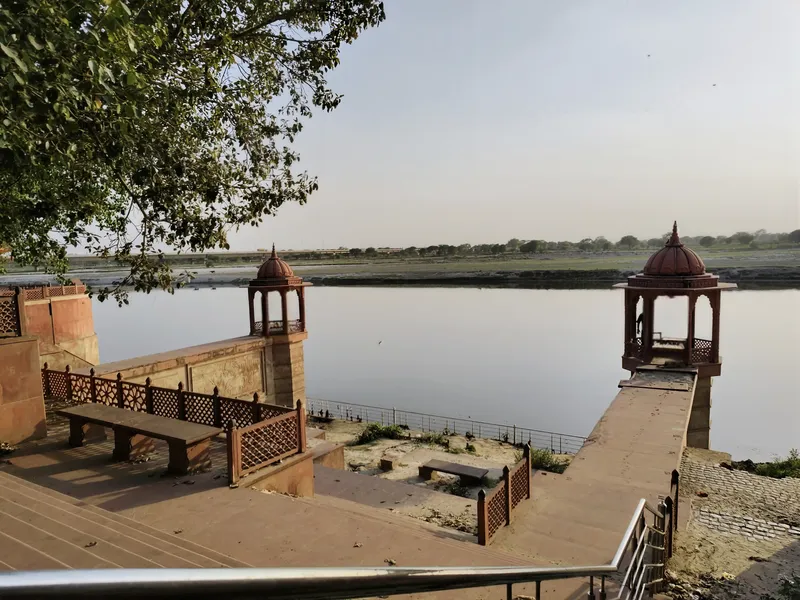
Mahāvana
महावनMahāvana, "the great forest", also called Bṛhadvana, is the forest on the eastern bank of the Yamunā where Kṛṣṇa spent His infancy.
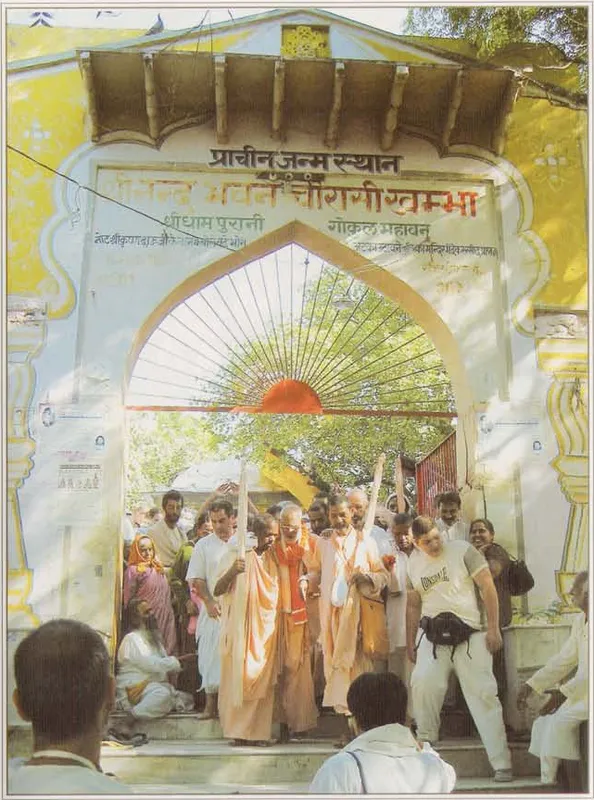
Nanda-bhavana (Mahāvana)
नन्द-भवन (महावन)The Bhakti-ratnākara and the guidebooks show Nanda-bhavana in Mahāvana as the house of Nanda Mahārāja and Mother Yaśodā, where Vasudeva left the newborn Kṛṣṇa, where Nand …
Yamalārjuna-uddhāra-sthala
यमलार्जुन-उद्धार-स्थलYamalārjuna-uddhāra-sthala is the place in Mahāvana that the Bhakti-ratnākara and the guidebooks show as where Kṛṣṇa, tied to a wooden mortar, pulled down the twin arjuna …
Pūtanā-uddhāra-sthala
पूतना-उद्धार-स्थलThe Pūtanā-uddhāra-sthala, the place of Pūtanā's deliverance, is a spot within Nanda-bhavana in Mahāvana.
Gokula (present village)
गोकुल (वर्तमान गाँव)Gokula is a village on the bank of the Yamunā near Mahāvana, the seat of the gosvāmīs of the Vallabha-sampradāya, called the Gokula gosvāmīs according to the guidebook Śr …
Madana-gopāla Mandira (Mahāvana)
मदन-गोपाल मन्दिर (महावन)The temple of Śrī Madana-gopāla in Mahāvana is known from the lives of the Gauḍīya saints.
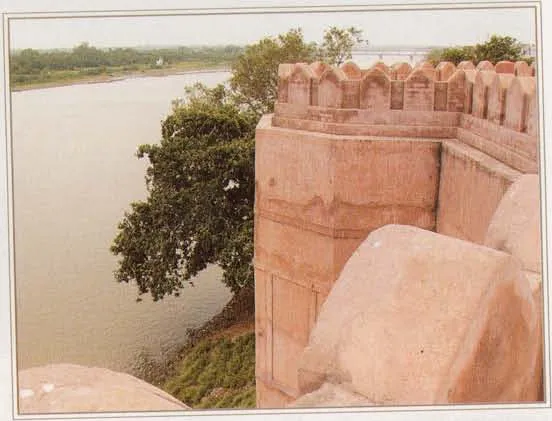
Mathurā
मथुराMathurā is the city on the Yamunā where Śrī Kṛṣṇa appeared from Devakī in the prison of King Kaṁsa.
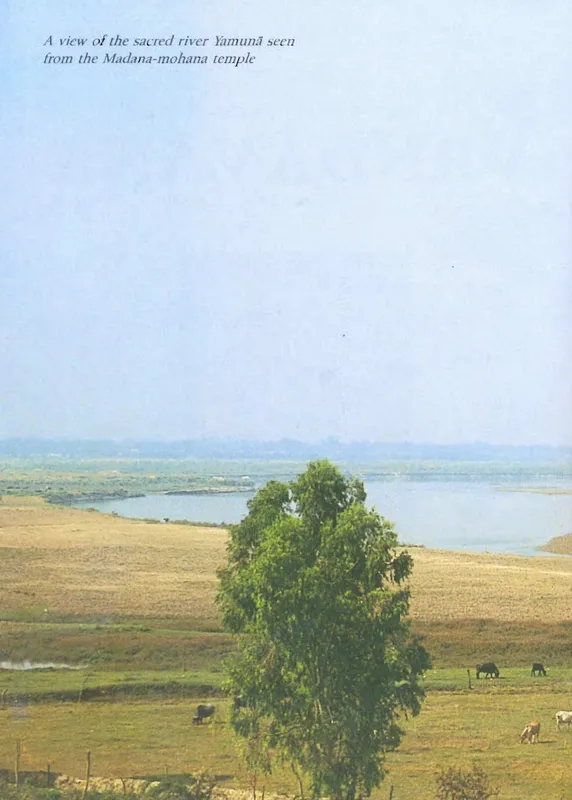
Yamunā
यमुनाThe Yamunā, also called the Kālindī, is the river that runs through Vraja-maṇḍala.
Questions and answers
On His tour of Vraja's forests. According to the Caitanya-caritāmṛta, the visit came after Śrīvana and Lohavana, near the end of the tour. After it He returned to Mathurā.[1–3]
The books differ. The Caitanya-caritāmṛta tells of one visit. According to Śrīla Murāri Gupta and Śrīla Locana dāsa Ṭhākura, there was a first sight of Gokula on His arrival and a later guided visit. One set of parikramā notes counts two or three visits.[1 +5]
According to Śrīla Murāri Gupta, His guide showed Him the places at Nanda's house. They included the places of Pūtanā's liberation, the cart, Tṛṇāvarta, the naming, the binding and the twin arjuna trees.[10–12]
In the accounts of Śrīla Murāri Gupta and Śrīla Locana dāsa Ṭhākura, it was the brāhmaṇa Kṛṣṇadāsa, His guide in Mathurā-maṇḍala. He crossed the Yamunā with Him and showed Him Mahāvana.[10, 12]
The Caitanya-caritāmṛta says that Śrī Caitanya Mahāprabhu saw the place where Kṛṣṇa had broken the twin arjuna trees. He was moved to great ecstatic love.[2]
Of the books cited here, four tell it. They are the Caitanya-caritāmṛta of Śrīla Kṛṣṇadāsa Kavirāja Gosvāmī, the Kṛṣṇa-caitanya-caritāmṛta of Śrīla Murāri Gupta, the Caitanya-maṅgala of Śrīla Locana dāsa Ṭhākura and the Bhakti-ratnākara of Śrīla Narahari Cakravartī Ṭhākura.[1 +5]
Sources
- Śrīla Kṛṣṇadāsa Kavirāja Gosvāmī, Śrī Caitanya-caritāmṛta, Madhya-līlā 18.67, online edition · vedabase.io
- Śrīla Kṛṣṇadāsa Kavirāja Gosvāmī, Śrī Caitanya-caritāmṛta, CC Madhya-līlā 18.68, online edition · vedabase.io
- Śrīla Kṛṣṇadāsa Kavirāja Gosvāmī, Śrī Caitanya-caritāmṛta, Madhya-līlā 18.69, online edition · vedabase.io
- Kṛṣṇa-caitanya-caritāmṛta, prakrama 4, sarga 2, vv.5-6
- Śrīla Narahari Cakravartī, Bhakti-ratnākara, Fifth Wave vv.1787-1789, 1912 ed. p. 284, 2nd ed., 1912
- Śrīla Prabhupāda, Śrī Caitanya-caritāmṛta, CC Madhya-līlā 18.67, purport · vedabase.io
- Śrīla Narahari Cakravartī, Bhakti-ratnākara, Fifth Wave (pañcama taraṅga) vv.1770-1776, 1912 ed. p. 283, 2nd ed., 1912
- Śrīla Narahari Cakravartī, Bhakti-ratnākara, Fifth Wave vv.1790-1795, 1912 ed. p. 284, 2nd ed., 1912
- Śrī Vraja-maṇḍala Parikramā (2007), PDF p. 279
- Kṛṣṇa-caitanya-caritāmṛta, prakrama 4, sarga 6, v.1
- Kṛṣṇa-caitanya-caritāmṛta of Murāri Gupta, 4.6.2 (prakrama 4, sarga 6), PDF page 558
- Śrīla Locana dāsa Ṭhākura, Caitanya-maṅgala, Śeṣa-khaṇḍa, 1903 ed. p. 172: left column (Kṛṣṇadāsa's speech) and the head of the right column
- Śrīla Kṛṣṇadāsa Kavirāja Gosvāmī, Śrī Caitanya-caritāmṛta, CC Madhya-līlā 18.156, online edition · vedabase.io
- Śrīla Prabhupāda, Śrī Caitanya-caritāmṛta, Madhya-līlā chapter 18, summary · vedabase.io
- Śrīla Rūpa Gosvāmī, Mathurā-māhātmya v.347-351, quoting the Ādi-vārāha
- Varāha Purāṇa, adhyāya 157, verses 21-23, Sanskrit Wikisource
- Varāha Purāṇa, chapter 157, verses 1-2, Sanskrit Wikisource
- Śrīla Narahari Cakravartī, Bhakti-ratnākara, Fifth Wave (pañcama taraṅga), at Mahāvana, 1912 ed. p. 282, 2nd ed., 1912
- Kṛṣṇa-caitanya-caritāmṛta, prakrama 4, sarga 6, vv.11-12
- Śrīla Narahari Cakravartī, Bhakti-ratnākara, Fifth Wave (pañcama taraṅga) vv.1770-1776, 1912 ed. p. 283, 2nd ed., 1912
Show all 44 references
- the undated parikramā notes Mahāvana, ¶59
- Kṛṣṇa-caitanya-caritāmṛta of Murāri Gupta, 4.6.11 (prakrama 4, sarga 6), PDF page 561
- Kṛṣṇa-caitanya-caritāmṛta of Murāri Gupta, 4.6.22 and 4.7.1 (prakrama 4, end of sarga 6 and start of sarga 7), PDF page 565
- Śrīla Narahari Cakravartī, Bhakti-ratnākara, Fifth Wave vv.1800-1801, 1912 ed. p. 285, 2nd ed., 1912
- Śrīla Narahari Cakravartī, Bhakti-ratnākara, Fifth Wave vv.1790-1795, 1912 ed. p. 284, 2nd ed., 1912
- Śrīla Locana dāsa Ṭhākura, Caitanya-maṅgala, Śeṣa-khaṇḍa (running head 'শেষখণ্ড'), 1903 ed. p. 169, left column
- Śrīla Locana dāsa Ṭhākura, Caitanya-maṅgala, Śeṣa-khaṇḍa, 1903 ed. p. 172, right column, lower half
- the undated parikramā notes Mahāvana, ¶89
- Kṛṣṇa-caitanya-caritāmṛta, prakrama 4, sarga 6, vv.2-4
- Caitanya-maṅgala, Śeṣa-khaṇḍa, 1903 ed. printed p. 172, left column
- Caitanya-maṅgala, Śeṣa-khaṇḍa, 1903 ed. printed p. 172, right column, first couplet
- Śrīla Prabhupāda, Śrī Caitanya-caritāmṛta, Madhya-līlā 18.156, translation · vedabase.io
- Śrīla Prabhupāda, Śrīmad-Bhāgavatam, Canto 1, Introduction, Introduction (life of Śrī Caitanya Mahāprabhu) · vedabase.io
- Śrīla Vṛndāvana dāsa Ṭhākura, Caitanya-bhāgavata, Ādi-khaṇḍa, chapter 8 as numbered in the 1931 edition (header '৮ম'), printed p. 54, right column
- Śrīla Narahari Cakravartī, Bhakti-ratnākara, Fifth Wave vv.2344-2348, 1912 ed. p. 324, 2nd ed., 1912
- Śrīla Kṛṣṇadāsa Kavirāja Gosvāmī, Śrī Caitanya-caritāmṛta, Antya-līlā 13.45, online edition · vedabase.io
- Śrīla Kṛṣṇadāsa Kavirāja Gosvāmī, Śrī Caitanya-caritāmṛta, Antya-līlā 13.47 (with 13.48 in the notes), online edition · vedabase.io
- Śrīla Narahari Cakravartī, Bhakti-ratnākara, Second Wave (dvitīya taraṅga) vv.455-460, 1912 ed. p. 93, 2nd ed., 1912
- Śrīla Narahari Cakravartī, Bhakti-ratnākara, Fifth Wave, 1912 ed. p. 283; Grantha Mandira text v.1777-1779, 2nd ed., 1912
- Śrī Vraja-maṇḍala Parikramā (2007), PDF p. 276
- Śrīla Narahari Cakravartī, Bhakti-ratnākara, Thirteenth Wave (trayodaśa taraṅga), 1912 ed. p. 1025; verses 381-384 in the Grantha Mandira text numbering, 2nd ed., 1912
- Śrīmad-Bhāgavatam 10.11.35, GRETIL
- Śrīla Narahari Cakravartī, Bhakti-ratnākara, Fifth Wave, printed p. 285: the cowherds' move from Gokula to Vṛndāvana, 2nd ed., 1912
- the undated parikramā notes Mahāvana, ¶3
Further sources
- Śrī Caitanya-caritāmṛta, Madhya-līlā 18.67-69 and 18.155-157, Antya-līlā 13.45-48, with Śrīla Prabhupāda's translation and purports (BBT).
- Śrīla Murāri Gupta, Kṛṣṇa-caitanya-caritāmṛta, prakrama 4 (modern edition); Śrīla Locana dāsa Ṭhākura, Caitanya-maṅgala, Śeṣa-khaṇḍa (1903 edition): summarised, not translated.
- Bhakti-ratnākara, Fifth Wave (1912 edition); Caitanya-bhāgavata, Ādi-khaṇḍa (1931 edition): summarised, not translated.