The appearance of Śrī Rādhā: the traditions of Rāvala and Varṣāṇā
श्री राधा का प्राकट्य: रावल और बरसाना की परम्पराएँ
In short
Śrī Rādhā appeared as the daughter of King Vṛṣabhānu and Kīrtidā. Śrīla Raghunātha dāsa Gosvāmī and the Bhakti-ratnākara place Her birth at Rāvala, Vṛṣabhānu's town near Mahāvana. Śrīla Prabhupāda, at Varṣāṇā in 1971, pointed to a spot there as Her birthplace. This page gives both traditions, each with its source.[1–6]
On this page
At a glance
- Her parents: Vṛṣabhānu and Kīrtidā, according to Śrīla Raghunātha dāsa Gosvāmī's Vraja-vilāsa-stava.[1, 2]
- Rāval: according to the Bhakti-ratnākara, this is Vṛṣabhānu's home, where Śrī Rādhikā appeared.[2–4]
- Varṣāṇā: Śrīla Prabhupāda said there in 1971 that this was the spot where Rādhārāṇī was born.[5, 6]
- Rādhāṣṭamī: the eighth day of the bright half of the month of Bhādra (August–September), the Padma Purāṇa, an old scripture, says.[7]
- The Bhāgavatam does not tell of Her birth, and it does not name Vṛṣabhānu.[8]
- Several popular stories told at Rāval, such as the lotus in the Yamunā, have no known source in scripture.[9–13]
Who is Śrī Rādhā?
Before the question of a village comes the question of who She is. The Gosvāmīs' texts and Śrīla Prabhupāda speak of this. In his purports (explanations) to the Caitanya-caritāmṛta, Śrīla Prabhupāda explains Kṛṣṇa's pleasure potency, the hlādinī-śakti. Its pure action is seen in the dealings of the damsels of Vraja and of Śrīmatī Rādhārāṇī, the topmost of them.[14]
General teaching (does not name the place)“The unadulterated action of the hlādinī-śakti is displayed in the dealings of the damsels of Vraja and Śrīmatī Rādhārāṇī, who is the topmost participant in that transcendental group.”
Śrīla Prabhupāda, Śrī Caitanya-caritāmṛta, Ādi-līlā 4.69, purport · vedabase.io
According to Śrīla Rūpa Gosvāmī's song Jaya jaya Rādhe Mādhava-dayite, She is the beloved of Mādhava (Kṛṣṇa). The young girls of Gokula honour Her. She is a new crescent moon risen from the ocean of Vṛṣabhānu (summarised here, not translated).[9, 15]
The Tenth Canto of the Bhāgavatam does not tell of Her birth and does not name Vṛṣabhānu. So the accounts below come from the Gosvāmīs, the later Vaiṣṇava books and the Purāṇas.[8]
The tradition of Rāvala
A verse of Śrīla Raghunātha dāsa Gosvāmī names the place (summarised here, not translated). In his Vraja-vilāsa-stava he prays that his love may rest on the town of Vṛṣabhānu called Rāvala. The town is full of gopīs and gopas (cowherd women and men) and cows. There the jewel Śrī Rādhā, also called Gāndharvā, came forth from the jewel-mine of Kīrtidā's womb. Gods, sages and men praise Her birth.[1, 2]
The Bhakti-ratnākara of Śrīla Narahari Cakravartī Ṭhākura follows him. On the tour told in its Fifth Wave (chapter), Śrīla Rāghava Paṇḍita tells Śrīla Śrīnivāsa Ācārya to see the village of Rāval, the matchless home of Vṛṣabhānu. Śrī Rādhikā appeared here, he says, and by Her appearance happiness spread through the world.[2–4]
অহে শ্রীনিবাস দেখ এ রাবল গ্রাম। এথা বৃষভানুর বসতি অনুপম ॥ শ্রীরাধিকা প্রকট হইলা এই খানে। যাহার প্রকটে সুখ ব্যাপিল ভুবনে ॥
ahe śrīnibāsa dekha e rābala grāma| ethā bṛṣabhānura basati anupama
śrīrādhikā prakaṭa hailā ei khāne| yāhāra prakaṭe sukha byāpila bhubane ||
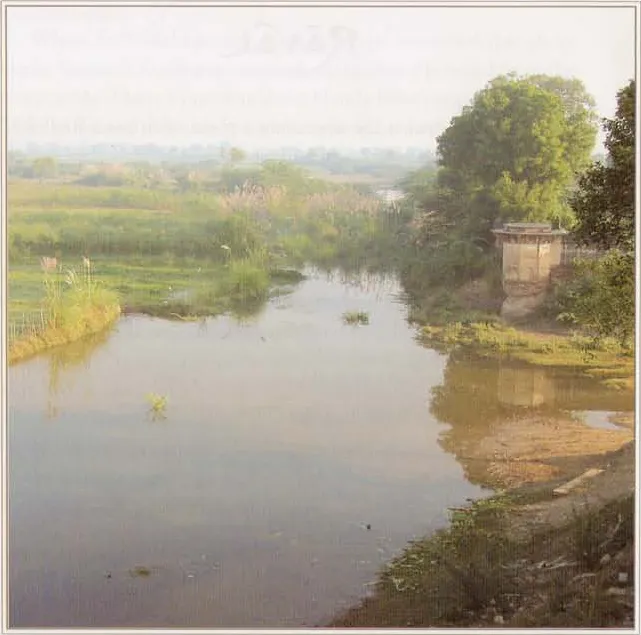
There the book quotes the verse of the Vraja-vilāsa-stava and a Bengali song. The song begins with the joy in Vṛṣabhānu's mansion on the day Rādhikā was born from the womb of Kīrtidā. The song calls her Kṛttikā.[2] The party spends the night at Rāval and crosses the Yamunā to Mathurā in the morning.[2–4]
According to the book's Thirteenth Wave, Śrī Vīracandra Prabhu tours Vraja with his party. He sees Kṛṣṇa's birthplace at Gokula-Mahāvana, and then Śrī Rādhikā's birthplace at Rāval.[17]
The Aiśvarya-kādambinī is attributed to Śrīla Baladeva Vidyābhūṣaṇa. It does not name Rāval, but it points to the same area (summarised here, not translated). It places the palace of King Vṛṣabhānu, where Rādhikā appeared, near the city of Nanda in Bṛhadvana, where Hari was born.[18]
According to the Bhakti-ratnākara, Śrī Caitanya Mahāprabhu Himself came with His companions from Gokula to Rāval. He stayed there in deep ecstasy, while people gathered calling "Hari". Then He went on to Mathurā with the Sanoḍiyā brāhmaṇa. The book calls Rāval a secluded place of Śrī Rādhā's childhood pastimes.[19] Read more: Śrī Caitanya Mahāprabhu in Gokula-Mahāvana →
The tradition of Varṣāṇā
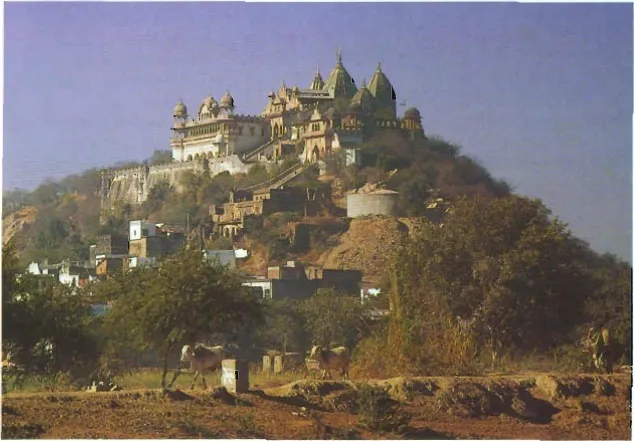
Other sources link Her appearance with Varṣāṇā, the hill town of Vṛṣabhānu. On 28 November 1971, during his parikramā (pilgrimage tour) of Vraja, Śrīla Prabhupāda was carried up the steps of the hill temple. He said that this was Rādhārāṇī's father's place. Of a spot with fine marble work, he said that this was where Rādhārāṇī was born.[5 +3]
Names this place“Rādhārāṇī was born there. … This is the spot … where Rādhārāṇī was born. … Rādhāṣṭamī. Fifteen days younger than Kṛṣṇa.”
Śrīla Prabhupāda, Parikramā on the Way to Gokula, Vṛndāvana, 28 November 1971 · vedabase.io
The transcript itself names neither the temple nor the spot.[5, 6] His biography, the Śrīla Prabhupāda-līlāmṛta, calls the place Varṣāṇā, the birthplace of Rādhārāṇī. It tells how the devotees carried him there on a palanquin.[6]
From his biography“At Varṣāṇā, the birthplace of Rādhārāṇī, the devotees carried Prabhupāda on a palanquin up the many steep steps to the temple. … Kṛṣṇa used to come down that hill. Rādhā would come down this hill, and They would meet in the middle.”
Satsvarūpa dāsa Gosvāmī, Śrīla Prabhupāda-līlāmṛta, vol. 2, ch. 37 · vedabase.io
Śrīla Murāri Gupta wrote a Sanskrit life of Śrī Caitanya. In it, the Lord's guide Kṛṣṇadāsa points out Vṛṣabhānu-pura to Him and says that Rādhā, the queen of Vṛndāvana, appeared there. The verse names the town, not a house.[22]
In the Thirteenth Wave of the Bhakti-ratnākara, Rādhā's birthday festival is held at Vṛṣabhānu's house at Vṛṣabhānupura, and the household of Nanda is invited. But the book does not say there that She was born there.[23, 24] The Śrījī temple on the hill is told in its own article. Read more: The Śrījī (Lāḍilījī) temple of Varṣāṇā →
The texts that name no village
Several Purāṇas tell of Her appearance without naming Rāval or Varṣāṇā (each summarised here). The Garga-saṁhitā says that Śrī Rādhā placed Her form in the womb of Vṛṣabhānu's wife. She appeared in a fine mansion in a grove by the Yamunā. At that time, it says, Vṛṣabhānu's town lay on the bank of the Kālindī, another name of the Yamunā.[25, 26]
अथैव राधां वृषभानुपत्न्या- मावेश्य रूपं महसः पराख्यम् । कलिन्दजाकूलनिकुञ्जदेशे सुमन्दिरे सावततार राजन्
athaiva rādhāṁ vṛṣabhānupatnyā- māveśya rūpaṁ mahasaḥ parākhyam
kalindajākūlanikuñjadeśe sumandire sāvatatāra rājan
The Brahma-vaivarta Purāṇa says that Rādhā came to earth with Hari and took birth in Vṛṣabhānu's house in Gokula.[27] The Brahma-khaṇḍa of the Padma Purāṇa says that She appeared by day on Vṛṣabhānu's sacrificial ground, on the eighth day of the bright half of Bhādra. The delighted king took Her home to his queen.[7]
Śrīla Rūpa Gosvāmī's drama Lalita-mādhava has its own plot. At Brahmā's request, Hari's Māyā draws Rādhā and Candrāvalī from the wombs of the wives of Vṛṣabhānu and Candrabhānu. This is the story of a play, and it is given here as such.[28]
When is Rādhāṣṭamī?
Rādhāṣṭamī, Śrī Rādhā's appearance day, is the eighth day of the bright fortnight of Bhādra. According to the Padma Purāṇa, on this day She appeared on Vṛṣabhānu's sacrificial ground.[7] Śrīla Prabhupāda named the day at Varṣāṇā in 1971. He said that She is fifteen days younger than Kṛṣṇa.[5] The historian A. W. Entwistle reported that in 1987 Rādhāṣṭamī was among the most popular festivals of Varṣāṇā, together with Holī.[29]
Rāval in the other books and in history
Śrīla Nārāyaṇa Bhaṭṭa Gosvāmī's Vraja-bhakti-vilāsa counts Rāvala-vana as the sixth of the twelve siddha-vanas, the forests of perfection. It names Śrīnivāsa as its presiding Deity. It does not mention Rādhā's birth there.[30, 31] The Bhakti-ratnākara adds that when Nanda's people left Gokula for Vṛndāvana, the cowherds of Rāval went with them by the same path.[32]
Only historians tell the history of the temple, and none of them cites a document. According to Prabhudayāl Mītal (1966), the temple of Rāval was very important before the temple of Śrī Lāḍilī jī at Varṣāṇā was built. In the seventeenth century, he says, a flood of the Yamunā damaged it, and the old image of Śrī Rādhā was moved to Varṣāṇā.[33] A. W. Entwistle (1987) writes that Kushal Seth built the present temple of Rādhā at Rāval in the early nineteenth century. It replaced an earlier one that the river had washed away.[34, 35]
Accounts differ When Śrī Rādhā's chief image or shrine was moved from Rāval to Barsānā.
- Mītal (1966, p. 148)In the seventeenth century, after a Yamunā flood damaged the old Rāval temple; he gives no year and does not say which era his century counts by.
- Growse (1883, p. 325)"In the 15th or 16th century A.D." (an inference about the date of the Mān Mandir).
- Entwistle (1987, pp. 427-428)The present temple of Rādhā (Lāḍilījī) at Rāval was built by Kushal Seth in the early nineteenth century, replacing an earlier one washed away by the Yamunā (no date for the earlier temple or for any move of the image).
The stories told at Rāval
Pilgrims at Rāval hear stories that the guidebooks tell. Each is set here beside the older texts. According to the guidebook Śrī Vraja-maṇḍala Parikramā (2007) and the parikramā notes Mahāvana, Vṛṣabhānu found the newborn Rādhikā early one morning. She lay on a hundred-petalled lotus in the Yamunā at Rāval. In other ages, they say, She was found on a lotus in Vṛṣabhānu-kuṇḍa (pond) at Varṣāṇā. No known scripture tells this. Śrīla Raghunātha dāsa Gosvāmī and the song in the Bhakti-ratnākara speak of birth from Kīrtidā's womb.[1 +6]
Accounts differ How Śrī Rādhā appeared to Vṛṣabhānu and Kīrtidā.
- Śrī Vraja-maṇḍala Parikramā (2007); the undated parikramā notes MahāvanaVṛṣabhānu found Her early in the morning on a hundred-petalled lotus in the Yamunā at Rāval (in other eras on a lotus in Vṛṣabhānu-kuṇḍa at Varṣāṇā).
- the undated parikramā notes Mahāvana ("the Purāṇas"); Vṛndāvana-Dhāma Ki Jaya! (c. 1986)A golden lotus at noon; Brahmā appeared and entrusted Her to Vṛṣabhānu.
- Vraja-vilāsa-stava 90; the Bengali song quoted by the Bhakti-ratnākaraBorn from Kīrtidā's (Kṛttikā's) womb.
- Garga-saṁhitā 1.8.6Rādhā placed Her form in Vṛṣabhānu's wife and appeared in the palace.
The same two books tell that the sage Nārada came to Rāval to see Vṛṣabhānu's daughter.[10 +3] The Padma Purāṇa does tell of such a visit, but it sets it in Nanda's Gokula. After seeing the child Kṛṣṇa, Nārada enters the house of the cowherd Bhānu, Nanda's friend. Bhānu's little daughter seems dull, blind and deaf. Alone with Her, Nārada praises Her, until She shows a divine form of fourteen years among girls of Vraja.[39–42]
The guidebooks give Nārada a prayer. It is the refrain of the Rādhā-kṛpā-kaṭākṣa-stava-rāja, a hymn that the Sādhana-dīpikā quotes from another work.[36, 43]
Accounts differ Nārada's visit to the infant Rādhā: where, and what he prayed.
- Padma Purāṇa, Pātāla-khaṇḍa 71.17-69In the house of the cowherd Bhānu in Nanda's Gokula; the girl seemed dull, blind and deaf; Nārada sends Bhānu away, praises Her as mistress of Yoga-māyā, and She shows a divine form of fourteen years among girls of Vraja; his prayers do not include the line below.
- Śrī Vraja-maṇḍala Parikramā (2007); the undated parikramā notes MahāvanaAt Rāval: Nārada sends Vṛṣabhānu to fetch things, prays "kadā kariṣyasīha māṁ kṛpā-kaṭākṣa-bhājanam", and Rādhā with Lalitā, Viśākhā and other sakhīs shows him Her youthful form.
- Sādhana-dīpikā (quoting the Ūrdhvāmnāya)That line is the refrain of the Rādhā-kṛpā-kaṭākṣa-stava-rāja; the song book credits the stava to Lord Śiva.
- the undated parikramā notes Mahāvana; Vṛndāvana-Dhāma Ki Jaya! (c. 1986)Nārada advised the parents of the blind baby to go on with the birth feast.
A guidebook and the parikramā notes also tell of a birth feast. At it the baby, thought to be blind, first opened Her eyes when the child Kṛṣṇa came near. This is a local tradition and not certain. No known text tells of the feast.[13 +2]
Where the sources differ
The sources do not agree on the place of Śrī Rādhā's birth, and this website does not choose between them. Śrīla Raghunātha dāsa Gosvāmī, the Bhakti-ratnākara and the Gauḍīya guidebooks say Rāval. The Aiśvarya-kādambinī says a palace near Nanda's city in Bṛhadvana, and the Garga-saṁhitā a palace on the Yamunā. The Brahma-vaivarta says Vṛṣabhānu's house in Gokula, and the Padma his sacrificial ground. Śrīla Prabhupāda, at Varṣāṇā, pointed to a spot there.[1 +5]
Accounts differ Where Śrī Rādhā was born.
- Śrīla Raghunātha dāsa Gosvāmī, Vraja-vilāsa-stava 90At Rāvala, Vṛṣabhānu's town, from Kīrtidā's womb.
- Bhakti-ratnākara, Fifth and Thirteenth WavesAt Rāval, in Vṛṣabhānu's residence; Vīracandra saw Her birthplace at Rāval.
- Aiśvarya-kādambinī 4.2In Vṛṣabhānu's palace near Nanda's city in Bṛhadvana (Rāval not named).
- Garga-saṁhitā 1.8.6, 1.15.40In a palace in a grove on the Yamunā's bank; Vṛṣabhānupura on the Kālindī (no village named).
The sources also differ on how much younger She is than Kṛṣṇa. Śrīla Prabhupāda said fifteen days, by Rādhāṣṭamī. The parikramā notes, in their birth-feast story, have Kṛṣṇa already past His first birthday.[45, 46]
Accounts differ How much younger Śrī Rādhā is than Kṛṣṇa (bearing on the birth-feast story told at Rāval).
- Śrīla Prabhupāda, 28 November 1971"Rādhāṣṭamī. Fifteen days younger than Kṛṣṇa."
- the undated parikramā notes MahāvanaAt Her birth feast Kṛṣṇa "had just passed His first birthday" and was crawling.
- Vṛndāvana-Dhāma Ki Jaya! (c. 1986)At the feast Kṛṣṇa crawled near Her (no age given).
Places in this article
Rāval
रावलRāval (Rāvala) is a village of the Mahāvana region, across the Yamunā from Mathurā.
Varṣāṇā
बरसानाVarṣāṇā is the town of Vṛṣabhānu, Śrī Rādhā's father, on and around the hill of Brahma-parvata.
Śrījī Mandira (Varṣāṇā)
श्रीजी मन्दिर (बरसाना)The Śrījī temple, also called the Lāḍilījī or Larily-Lāl temple, is the temple of Śrī Rādhā on top of the hill of Varṣāṇā, Brahma-parvata.
Palace of Mahārāja Vṛṣabhānu (Varṣāṇā)
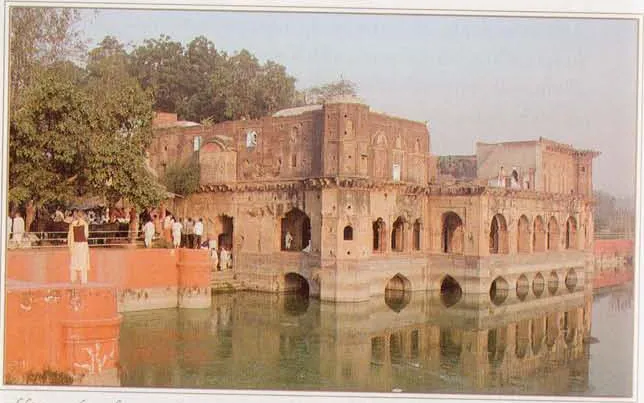
महाराज वृषभानु का महल (बरसाना)The palace of Mahārāja Vṛṣabhānu, Śrī Rādhā's father, is remembered at Varṣāṇā, but the sources place it differently.
Vṛṣabhānu-kuṇḍa (Varṣāṇā)
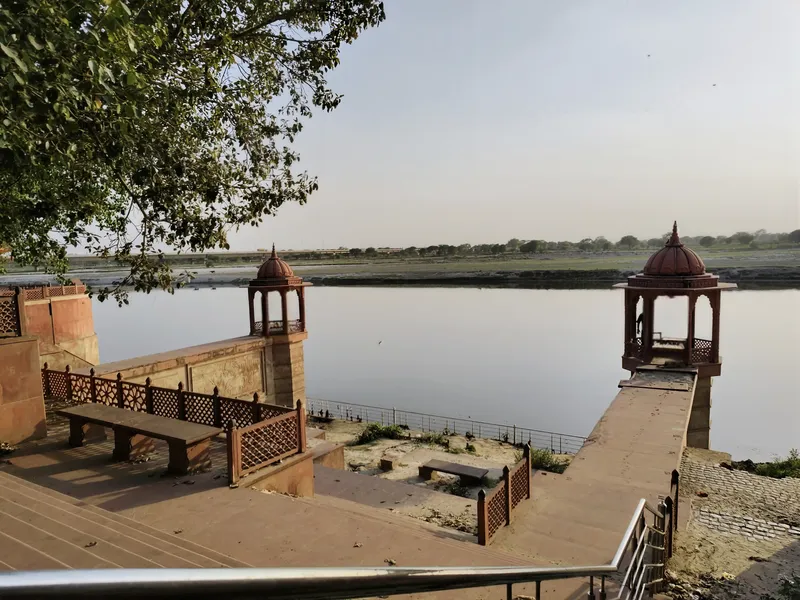
वृषभानु-कुण्ड (बरसाना)Vṛṣabhānu-kuṇḍa is a pond on the east side of Varṣāṇā.
Mahāvana
महावनMahāvana, "the great forest", also called Bṛhadvana, is the forest on the eastern bank of the Yamunā where Kṛṣṇa spent His infancy.
Yamunā
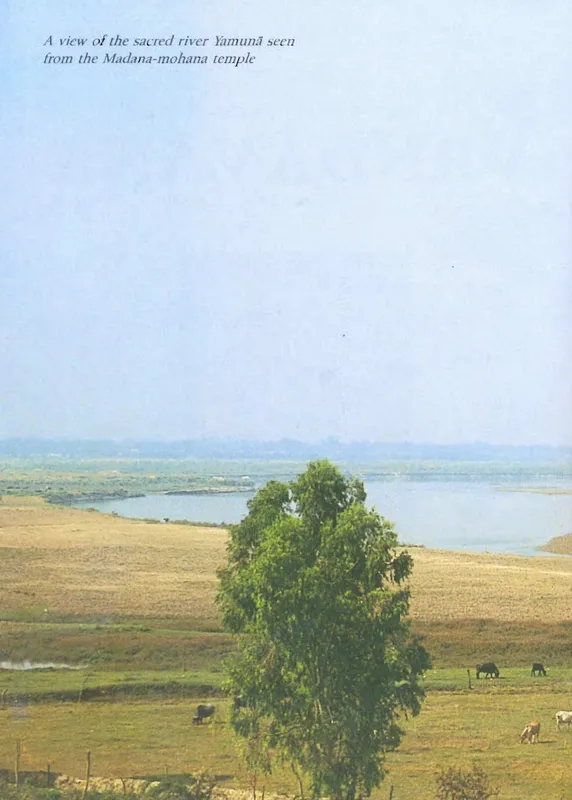
यमुनाThe Yamunā, also called the Kālindī, is the river that runs through Vraja-maṇḍala.
Mathurā
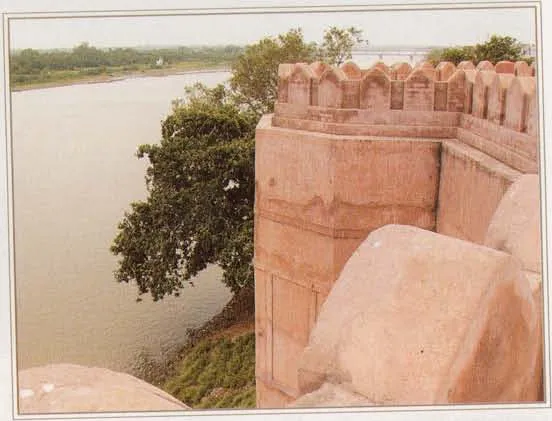
मथुराMathurā is the city on the Yamunā where Śrī Kṛṣṇa appeared from Devakī in the prison of King Kaṁsa.
Questions and answers
According to Śrīla Raghunātha dāsa Gosvāmī and the Bhakti-ratnākara, at Rāvala, Vṛṣabhānu's town near Mahāvana. Śrīla Prabhupāda, at Varṣāṇā in 1971, pointed to a spot there as Her birthplace. Both traditions are given here with their sources.[1 +3]
Because the texts say different things. The Vraja-vilāsa-stava and the Bhakti-ratnākara name Rāval. Varṣāṇā is Vṛṣabhānu's hill town. There Śrīla Prabhupāda spoke of Her birth, and there the Bhakti-ratnākara sets Her birthday festival.[2 +4]
On the eighth day of the bright half of Bhādra. The Padma Purāṇa says that She appeared on that day. Śrīla Prabhupāda said that by Rādhāṣṭamī She is fifteen days younger than Kṛṣṇa.[5, 7]
On 28 November 1971 he said that the hill temple was Rādhārāṇī's father's place. Of one spot there, he said that this was where Rādhārāṇī was born.[5, 6]
No known scripture tells it. The guidebooks say that Vṛṣabhānu found the newborn Rādhikā on a lotus. Śrīla Raghunātha dāsa Gosvāmī speaks of Her birth from Kīrtidā's womb.[1 +6]
King Vṛṣabhānu and his queen Kīrtidā. Śrīla Raghunātha dāsa Gosvāmī calls Rāvala Vṛṣabhānu's town. He says that Rādhā came forth from Kīrtidā's womb.[1, 2]
According to the Bhakti-ratnākara, yes. He came with His companions from Gokula, stayed there in ecstasy and went on to Mathurā. The Caitanya-caritāmṛta does not mention Rāval.[19]
Sources
- Śrīla Raghunātha dāsa Gosvāmī, Vraja-vilāsa-stava, Stavāvalī (9) Vraja-vilāsa-stava v.90
- Śrīla Narahari Cakravartī, Bhakti-ratnākara, Fifth Wave, 1912 ed. pp. 285-286; Grantha Mandira text v.1811-1812, 2nd ed., 1912
- Śrīla Narahari Cakravartī, Bhakti-ratnākara, Fifth Wave, 1912 ed. p. 285; Grantha Mandira text v.1809–1810, 2nd ed., 1912
- Śrīla Narahari Cakravartī, Bhakti-ratnākara, Fifth Wave (pañcama taraṅga), printed p. 287 (1912 ed.), 2nd ed., 1912
- Śrīla Prabhupāda, Parikramā on the Way to Gokula, Vṛndāvana, 28 November 1971 · vedabase.io
- Satsvarūpa dāsa Gosvāmī, Śrīla Prabhupāda-līlāmṛta, vol. 2, ch. 37 · vedabase.io
- Padma Purāṇa, Brahma-khaṇḍa 7.40–42, Sanskrit Wikisource
- Śrīmad-Bhāgavatam 10.11.35, GRETIL
- Śrī Vraja-maṇḍala Parikramā (2007), PDF p. 280
- Śrī Vraja-maṇḍala Parikramā (2007), PDF p. 281
- the undated parikramā notes Mahāvana, ¶106
- the undated parikramā notes Mahāvana, ¶118
- Vṛndāvana-Dhāma Ki Jaya! (c. 1986), by Dhruva Mahārāja dāsa, PDF p. 88
- Śrīla Prabhupāda, Śrī Caitanya-caritāmṛta, Ādi-līlā 4.69, purport · vedabase.io
- Śrīla Rūpa Gosvāmī, Gītāvalī, Stava-mālā, Gītāvalī: song "jaya jaya rādhe mādhava-dayite" v.1, after the edition of Bhakti Saranga Goswami and Purushottam Das, Vrindavan, 1959
- Śrīla Narahari Cakravartī, Bhakti-ratnākara, Fifth Wave, 1912 ed. p. 285; Grantha Mandira text v.1809–1810, 2nd ed., 1912
- Śrīla Narahari Cakravartī, Bhakti-ratnākara, Thirteenth Wave (trayodaśa taraṅga), 1912 ed. p. 1025; verses 381-384 in the Grantha Mandira text numbering, 2nd ed., 1912
- Aiśvarya-kādambinī, Fourth Shower (caturthī vṛṣṭiḥ) vv.1-3, after Haridas Shastri's undated edition
- Śrīla Narahari Cakravartī, Bhakti-ratnākara, Fifth Wave (pañcama taraṅga), 1912 ed. printed p. 287) vv.1828-1829, 1835-1836, 2nd ed., 1912
- Śrīla Prabhupāda, Letter to Gurudāsa, Honolulu, 17 January 1974 · vedabase.io
Show all 46 references
- Śrīla Prabhupāda, Room Conversation, Vṛndāvana, 26 October 1977 · vedabase.io
- Kṛṣṇa-caitanya-caritāmṛta of Śrīla Murāri Gupta, prakrama 4, sarga 10, v.11
- Śrīla Narahari Cakravartī, Bhakti-ratnākara, Thirteenth Wave, 1912 ed. p. 1022; Grantha Mandira text v.344–346, 2nd ed., 1912
- Śrīla Narahari Cakravartī, Bhakti-ratnākara, Thirteenth Wave, 1912 ed. p. 1023; Grantha Mandira text v.347–349 and v.356, 2nd ed., 1912
- Garga-saṁhitā, Goloka-khaṇḍa (1) 8.6, Sanskrit Wikisource
- Garga-saṁhitā, Goloka-khaṇḍa (1) 15.40, Sanskrit Wikisource
- Brahma-vaivarta Purāṇa, Kṛṣṇa-janma-khaṇḍa (4) 3.116, Sanskrit Wikisource
- Śrīla Rūpa Gosvāmī, Lalita-mādhava, Act 1, the prose before v.20 (text '(1) … v.20', speech 39)
- A. W. Entwistle, §37 'Barsana', printed p. 371, Egbert Forsten, Groningen, 1987
- Śrīla Nārāyaṇa Bhaṭṭa Gosvāmī, Vraja-bhakti-vilāsa, chapter 2 v.6, printed p. 31; Grantha Mandira text (2) v.6, 1st ed., publ. Bābā Kṛṣṇadāsa, Kusuma-sarovara, Saṁvat 2008
- Śrīla Nārāyaṇa Bhaṭṭa Gosvāmī, Vraja-bhakti-vilāsa, chapter 2 v.14, printed p. 34; Grantha Mandira text (2) v.14, 1st ed., publ. Bābā Kṛṣṇadāsa, Kusuma-sarovara, Saṁvat 2008
- Śrīla Narahari Cakravartī, Bhakti-ratnākara, Fifth Wave, printed p. 285: the cowherds' move from Gokula to Vṛndāvana, 2nd ed., 1912
- Prabhudayāl Mītal, 'Rāvala', printed p. 148
- A. W. Entwistle, §73 "Rawal", printed pp. 427-428, Egbert Forsten, Groningen, 1987
- Mathurá (1883), F. S. Growse, B.C.S., M.A. Oxon., C.I.E. (as the title page gives him, p. 89
- Śrī Vraja-maṇḍala Parikramā (2007), PDF p. 282
- the undated parikramā notes Mahāvana, ¶113
- the undated parikramā notes Mahāvana, ¶114
- Padma Purāṇa, Vṛndāvana-māhātmya (3) vv.17-21 = Padma Pātāla-khaṇḍa 71.17-21
- Padma Purāṇa, Vṛndāvana-māhātmya (3) vv.29-30 = Padma Pātāla-khaṇḍa 71.29-30
- Padma Purāṇa, Vṛndāvana-māhātmya (3) vv.46b-47 = Padma Pātāla-khaṇḍa 71.46b-47
- Padma Purāṇa, Vṛndāvana-māhātmya (3) vv.67-69 = Padma Pātāla-khaṇḍa 71.67-69
- Śrīla Rādhā-kṛṣṇa Gosvāmī, Sādhana-dīpikā (4) [part 11] v.1
- the undated parikramā notes Mahāvana, ¶120
- the undated parikramā notes Mahāvana, ¶121
- Śrīla Prabhupāda, Parikramā on the Way to Gokula, Vṛndāvana, 28 November 1971 · vedabase.io
Further sources
- Śrīla Raghunātha dāsa Gosvāmī, Vraja-vilāsa-stava 90 (Stavāvalī, Sanskrit); Bhakti-ratnākara, Fifth and Thirteenth Waves (1912 edition): summarised, not translated.
- Śrīla Prabhupāda: Caitanya-caritāmṛta purports (BBT); the conversation of 28 November 1971 (vedabase transcript); Śrīla Prabhupāda-līlāmṛta, vol. 2, ch. 37.
- Garga-saṁhitā, Goloka-khaṇḍa 8 and 15; Brahma-vaivarta, Padma Purāṇas; Aiśvarya-kādambinī; Lalita-mādhava: summarised unless a published translation is shown.