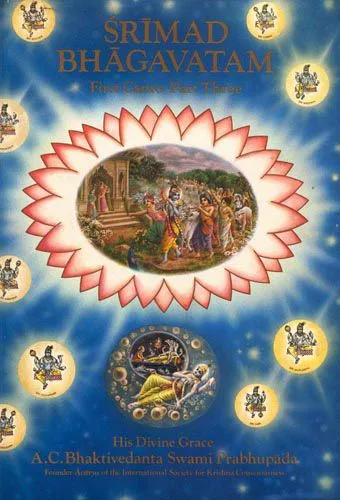
दूसरे पृष्ठों पर श्रीमद्भागवतम् एक स्रोत के रूप में आया है। वहाँ इस ग्रन्थ को खोलकर इसके श्लोक एक-एक करके कृष्ण की सर्वोच्चता के प्रमाण के रूप में दिए गए हैं। यहाँ स्वयं भागवत ही विषय है। गौड़ीय वैष्णव परम्परा इसे कृष्ण के विषय में केवल एक बहुत प्रामाणिक पुस्तक नहीं मानती। ऐसी पुस्तक दूसरे शास्त्रों से अधिक विश्वसनीय हो सकती है, फिर भी अन्त में वह एक पुस्तक ही रहती। यह परम्परा श्रीमद्भागवतम् को कृष्ण का अपना अवतार मानती है। यहाँ वे वृन्दावन या कुरुक्षेत्र की तरह मांस के शरीर में नहीं, बल्कि दिव्य शब्द के रूप में प्रकट होते हैं। यह कोई भक्तिपूर्ण अतिशयोक्ति या काव्य का अलंकार नहीं है। यह भागवत के अपने शब्दों में एक शाब्दिक सिद्धान्त के रूप में कहा गया है, और यह पृष्ठ ठीक-ठीक दिखाता है कि कहाँ।
वही अध्याय, बारह श्लोक बाद #
भागवत का प्रत्यक्ष कथन पहले ही प्रथम स्कन्ध के तीसरे अध्याय पर विस्तार से विचार करता है। उस अध्याय में एक के बाद एक अवतारों की सूची दी गई है। यह सूची श्रीमद्भागवतम् 1.3.28 के इस निर्णय तक पहुँचती है कि केवल कृष्ण ही भगवान् स्वयम्, अर्थात् भगवान की मूल पूर्ण सत्ता, हैं। वहाँ बताए गए बाकी सभी अवतार अंश या अंश के अंश हैं। लेकिन अध्याय वहीं समाप्त नहीं होता। बारह श्लोक बाद, अवतारों की सूची पूरी करके, वह उसी ग्रन्थ का वर्णन करने लगता है, जो अब तक यह सब बता रहा था। वह सीधे बताता है कि यह ग्रन्थ क्या है: "यह श्रीमद्भागवतम् भगवान का साहित्यिक अवतार है, और इसे भगवान के अवतार श्रील व्यासदेव द्वारा संकलित किया गया है। यह समस्त लोगों के परम कल्याण के लिए है, और यह सर्व-सफल, सर्व-आनन्दमय तथा सर्व-पूर्ण है" (श्रीमद्भागवतम् 1.3.40)।
| विवरण | वर्णन |
|---|---|
| सन्दर्भ | श्रीमद्भागवतम् 1.3.40 |
| केन्द्रीय दावा | श्रीमद्भागवतम् कृष्ण का अपना साहित्यिक अवतार है, जिसे व्यासदेव ने संकलित किया, जो स्वयं एक अवतार हैं |
| पुष्टिकारक श्लोक | श्रीभा. 1.3.43: भागवत "भगवान कृष्ण के अपने धाम को प्रस्थान करने के तुरन्त पश्चात्" प्रकट हुआ |
| सिद्धान्त | शब्द-अवतार: दिव्य शब्द के रूप में सर्वोच्च भगवान का अवतार |
| व्यवहार में इसका अर्थ | किसी प्रामाणिक स्रोत से भागवत को सुनना तथा अध्ययन करना कृष्ण के साथ प्रत्यक्ष संग माना जाता है |
इस श्लोक पर श्रील प्रभुपाद का अपना तात्पर्य साफ़ शब्दों में बताता है कि इसका अर्थ क्या है: "श्रीमद्भागवतम् भगवान श्रीकृष्ण का साहित्यिक अवतार है और इसलिए उनसे अभिन्न है... श्रीमद्भागवतम् की उतनी ही श्रद्धा से पूजा की जानी चाहिए जितनी हम भगवान की करते हैं।" इस परम्परा की समझ में अवतार कृष्ण का कोई प्रतीक नहीं है, और न ही कोई ऐसी वस्तु जो उनकी अनुपस्थिति में उनकी जगह ले। अवतार स्वयं कृष्ण हैं, जो किसी विशेष प्रयोजन के लिए एक अलग रूप में प्रकट होते हैं। यहाँ वह रूप एक पुस्तक है। और प्रयोजन वही है, जो स्वयं श्लोक बताता है: ऐसे युग में सब लोगों का परम कल्याण, जब वृन्दावन और द्वारका में कृष्ण की अपनी व्यक्तिगत, शारीरिक उपस्थिति समाप्त हो चुकी है।
भागवत के अपने अंग #
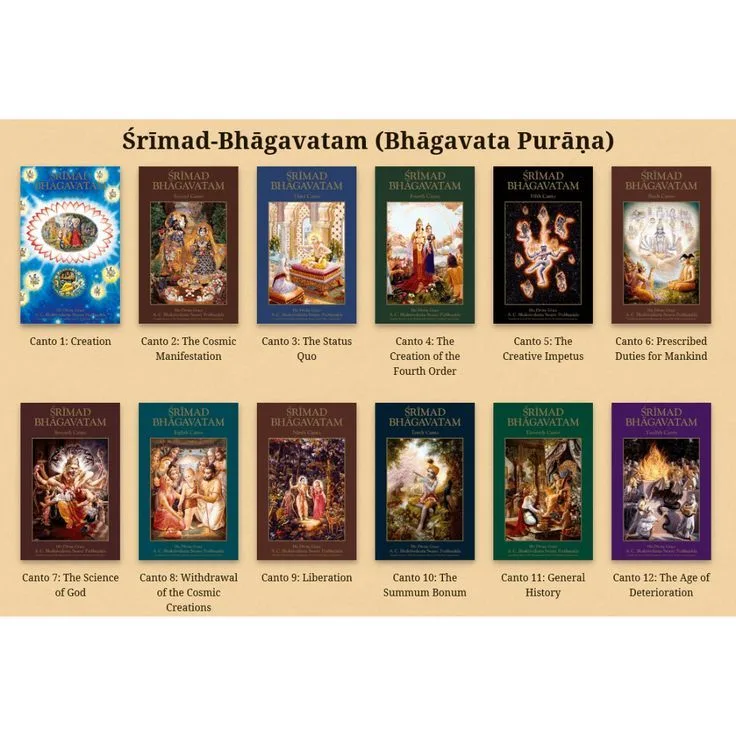
पद्म पुराण से उद्धृत एक अलग श्लोक इसी दावे को और भी अधिक स्पष्ट, शारीरिक ढंग से करता है। यह केवल यह नहीं कहता कि भागवत कृष्ण का प्रतिनिधित्व करता है, बल्कि बारह स्कन्धों को एक-एक करके सीधे कृष्ण के अपने दिव्य शरीर के अंगों से मिलाता है:
pādau yadīyau prathama-dvitīyau
tṛtīya-turyau kathitau yad-ūrū
nābhis tathā pañcama eva ṣaṣṭho
bhujāntaraṁ dor-yugalaṁ tathānyau
kaṇṭhas tu rājan navamo yadīyo
mukhāravindaṁ daśamaṁ praphullam
ekādaśo yasya lalāṭa-paṭṭaṁ
śiro 'pi tu dvādaśa eva bhāti
"भागवत का प्रथम और द्वितीय स्कन्ध श्री कृष्ण के चरण-कमल हैं। तृतीय और चतुर्थ स्कन्ध उनकी जंघाएँ हैं। पंचम स्कन्ध उनकी नाभि है। षष्ठ स्कन्ध उनका वक्षस्थल है। सप्तम और अष्टम स्कन्ध उनकी भुजाएँ हैं। नवम स्कन्ध उनका कण्ठ है। दशम स्कन्ध उनका सुन्दर मुखारविन्द है। एकादश स्कन्ध उनका ललाट है। द्वादश स्कन्ध उनका शिर है।"
यही अंश एक और श्लोक के साथ समाप्त होता है, जिसमें इस ग्रन्थ को स्वयं एक व्यक्ति मानकर सीधे प्रार्थना की गई है:
tam ādi-devaṁ karuṇā-nidhānaṁ
tamāla-varṇaṁ suhitāvatāram
apāra-saṁsāra-samudra-setuṁ
bhajāmahe bhāgavata-svarūpam
"मैं उन आदि भगवान को नमन करता हूँ, जो करुणा के सागर हैं, जिनका वर्ण तमाल वृक्ष के समान है, जो समस्त लोगों के कल्याण के लिए इस संसार में प्रकट होते हैं। मैं उनकी उपासना उस सेतु के रूप में करता हूँ जो भवसागर को पार करने के लिए है। भागवत स्वयं उन्हीं का साकार रूप है।"
यह कोई अलंकार मात्र नहीं है। यदि श्रीमद्भागवतम् कृष्ण का अपना साहित्यिक अवतार है, जैसा श्रीभा. 1.3.40 सीधे कहता है, तो यह श्लोक उसी दावे को उसके स्वाभाविक निष्कर्ष तक ले जाता है। इस ग्रन्थ का एक शरीर है, और वह शरीर स्वयं कृष्ण का है।
दो श्लोक जो इस दावे की पुष्टि करते हैं #
अध्याय के ठीक अगले श्लोक स्पष्ट रूप से बताते हैं कि यह अवतार कब प्रकट हुआ। "यह भागवत पुराण सूर्य के समान देदीप्यमान है, तथा यह भगवान कृष्ण के अपने धाम को प्रस्थान करने के तुरन्त पश्चात् ही धर्म, ज्ञान इत्यादि के साथ प्रकट हुआ है। जिन व्यक्तियों ने कलियुग के अज्ञान के घने अन्धकार के कारण अपनी दृष्टि खो दी है वे इस पुराण से प्रकाश प्राप्त करेंगे" (श्रीमद्भागवतम् 1.3.43)। श्रील प्रभुपाद का तात्पर्य भी श्लोक जितनी ही सीधी बात कहता है: "इसलिए हमें श्रीमद्भागवतम् को भगवान श्रीकृष्ण का प्रत्यक्ष प्रतिनिधित्व मानना चाहिए। जो श्रीमद्भागवतम् को देख सकता है वह साक्षात् भगवान श्रीकृष्ण को भी देख सकता है। वे अभिन्न हैं।" घटनाओं का यह क्रम महत्त्वपूर्ण है। कृष्ण अपने धाम लौटते हैं, और ठीक उसी समय भागवत "प्रकट होता है," किसी चले गए व्यक्ति के स्मारक के रूप में नहीं, बल्कि एक अलग रूप में उनकी अपनी निरन्तर उपस्थिति के रूप में।
प्रथम स्कन्ध के पहले अध्याय का एक और श्लोक बताता है कि यह उपस्थिति किस प्रकार की है। श्रीमद्भागवतम् को "वैदिक साहित्यों के इच्छा-वृक्ष का पका हुआ फल" कहा गया है, जो "श्री शुकदेव गोस्वामी के मुख से निकलने" के कारण और भी मधुर हो गया है (श्रीमद्भागवतम् 1.1.3)। यह फल अपने आप भूमि पर नहीं गिरा। इसे वक्ताओं की एक अखण्ड शृंखला के द्वारा सावधानी से नीचे लाया गया: नारद से व्यासदेव तक, व्यासदेव से शुकदेव गोस्वामी तक, शुकदेव गोस्वामी से महाराज परीक्षित तक, और फिर परीक्षित की सभा से लेकर तब से चली आ रही हर शिष्य-परम्परा तक। श्लोक जो चित्र देता है, उसे गम्भीरता से लेना चाहिए। सुनने वाला जो चखता है, वह किसी ग्रन्थ से निकाली गई जानकारी नहीं है। वह एक विशेष मुख से प्राप्त हुआ फल है, जो अब भी पूरा और अक्षुण्ण है।
श्रवण साक्षात् सम्पर्क के रूप में #
यदि भागवत कृष्ण का अपना साहित्यिक अवतार है, तो इसे सुनना केवल बाद में कभी कृष्ण से अधिक प्रत्यक्ष रूप में मिलने की तैयारी नहीं है। इसे सुनना ही वह मिलन है। श्रीमद्भागवतम् सामान्य रूप से कृष्ण की अपनी कथाओं के विषय में यह कहता है: "श्री कृष्ण, भगवान की पूर्ण सत्ता, जो प्रत्येक हृदय में परमात्मा हैं तथा सत्यनिष्ठ भक्त के हितैषी हैं, उस भक्त के हृदय से भौतिक भोग की इच्छा शुद्ध कर देते हैं जिसमें उनके सन्देश सुनने की उत्कण्ठा उत्पन्न हो गई है" (श्रीमद्भागवतम् 1.2.17)। श्रील प्रभुपाद का तात्पर्य साफ़-साफ़ समझाता है कि यह कैसे होता है: "भगवान की पूर्ण सत्ता, श्री कृष्ण के सन्देश, उनसे अभिन्न हैं। इसलिए, जब भी भगवान का निरपराध श्रवण तथा कीर्तन किया जाता है, तो यह समझा जाना चाहिए कि भगवान कृष्ण वहाँ दिव्य शब्द के रूप में उपस्थित हैं, जो साक्षात् भगवान के समान ही शक्तिशाली है।" उसी तात्पर्य में वे तुरन्त श्री चैतन्य महाप्रभु की शिक्षाष्टक उद्धृत करते हैं, ताकि विशेष रूप से कृष्ण के पवित्र नामों के विषय में भी यही बात दिखा सकें। यह एक ही सिद्धान्त है, शब्द को अवतार मानना, जो शब्द के दो अलग रूपों पर लागू होता है। इस विषय पर पूरा विचार पवित्र नाम: इस युग के लिए कृष्ण का अवतार वाले पृष्ठ पर किया गया है।
व्यवहार में इसका क्या अर्थ है #
इसी कारण गौड़ीय वैष्णव मन्दिरों में, और इस परम्परा के मन्दिरों में भी, भागवत-कक्षा को सामान्य अध्ययन जैसा नहीं माना जाता। वह लगभग विग्रह-पूजा जैसे आदर और विधि-विधान से होती है। पुस्तक को लापरवाही से नहीं खोला जाता। उसे आदर के साथ सम्भाला जाता है। उसे केवल चुपचाप पढ़ा नहीं जाता, बल्कि उसका श्रवण किया जाता है। श्रीभा. 1.3.40 के अपने तात्पर्य में श्रील प्रभुपाद वह मानक बताते हैं, जो यह परम्परा इस श्रवण के लिए रखती है। वे श्री चैतन्य महाप्रभु के निजी सचिव के वचन उद्धृत करते हैं: "श्रील स्वरूप दामोदर गोस्वामी ने पुरी में भगवान को देखने आने वाले समस्त इच्छुक आगन्तुकों को यह सलाह दी कि वे भागवत का अध्ययन 'व्यक्ति-भागवत' से करें," अर्थात् शिष्य-परम्परा के किसी जीवित, आत्म-साक्षात्कारी प्रतिनिधि से, केवल एक छपे हुए पृष्ठ से नहीं। यह वही सिद्धान्त है, जिससे पाठक व्यासदेव के अपने पृष्ठ पर पहले ही परिचित हो चुके हैं। इस परम्परा में शास्त्र कभी भी उन वक्ताओं की शृंखला से अलग होकर प्राप्त नहीं होता, जो उसे आगे ले जाते हैं। यह शृंखला स्वयं उस बात का भाग है, जो इस मिलन को वास्तविक बनाती है, केवल जानकारी का लेन-देन नहीं। इस परम्परा का उद्गम इसी शृंखला को उसके वास्तविक मूल तक ले जाता है।
स्वयं कृष्ण पृष्ठ पर श्री चैतन्य महाप्रभु के विषय में विस्तार से विचार किया गया है। लिखा मिलता है कि महाप्रभु ने इस ग्रन्थ की यही स्थिति घोषित की। उन्होंने कहा कि श्रीमद्भागवतम् "समस्त वैदिक ज्ञान तथा इतिहास का निर्मल शब्द-प्रतिनिधित्व" है। लेकिन यह पृष्ठ इस दावे के विशेष शास्त्रीय आधार से जुड़ा है। बात केवल इतनी नहीं कि महाप्रभु ने ऐसा कहा। इससे भी बढ़कर, स्वयं भागवत अपने विषय में यह कहता है। वह यह बात उसी अध्याय में कहता है, जिसने कृष्ण कौन हैं, इस विषय पर सबसे महत्त्वपूर्ण श्लोक दिया है, जिस पर दूसरे पृष्ठ पर विचार किया गया है। श्रील प्रभुपाद का अपना जीवन-कार्य इस ग्रन्थ का अनुवाद करना और इसे विश्व भर में वितरित करना था। यह कार्य इस दावे को ठीक वैसा ही स्वीकार करने पर टिका है, जैसा वह कहा गया है। किसी को भागवत देना केवल उसे कृष्ण के विषय में जानकारी देना नहीं है। यह उसे कृष्ण देना है।
