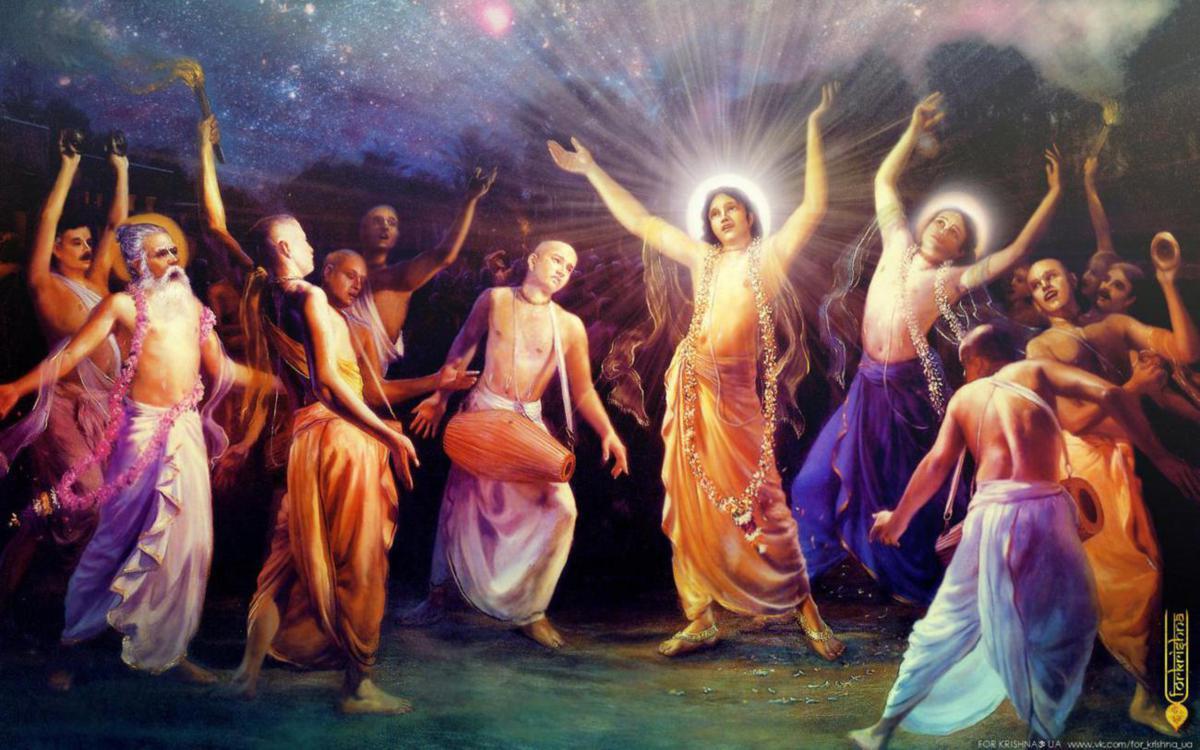
श्री शुभानन्द द्विज
वह गायक जिन्होंने महाप्रभु का फेन पिया
अन्य नाम सुभानन्द द्विज, सुभानन्द, शुभानन्द
“श्री चैतन्य महाप्रभु के मुख से गिरा हुआ फेन शुभानन्द ने ले कर पी लिया, क्योंकि वे कृष्ण-प्रेम के रस का आस्वादन करने में अत्यन्त निपुण और परम सौभाग्यशाली थे।”
कृष्णदास कविराज गोस्वामी द्वारा जगन्नाथ पुरी के रथ-यात्रा उत्सव में शुभानन्द का वर्णन (श्री चैतन्य-चरितामृत, मध्य-लीला 13.110)
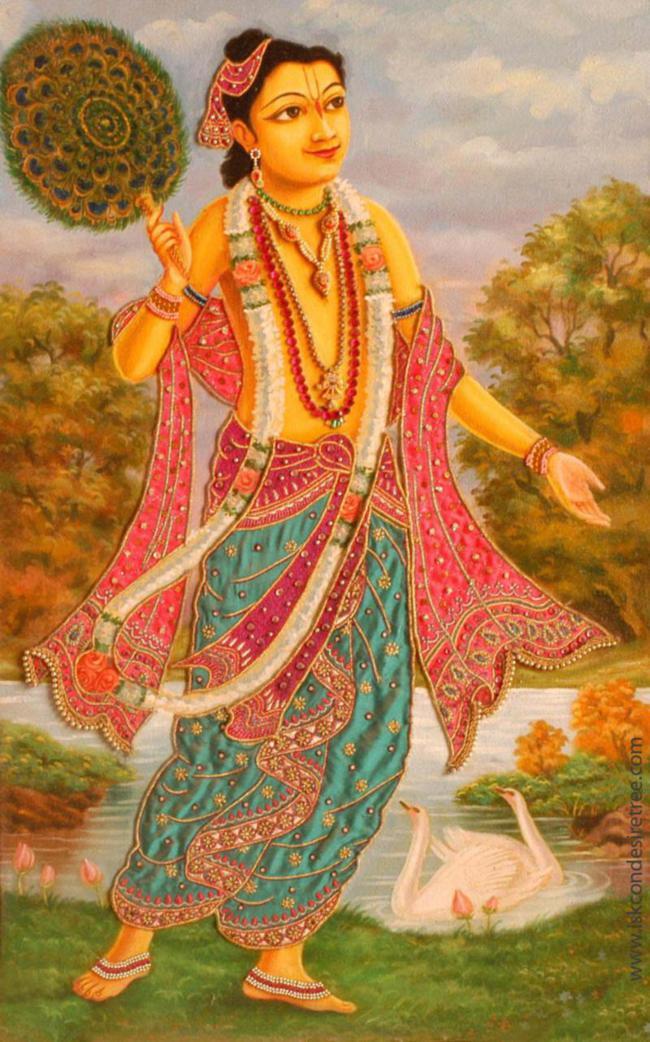
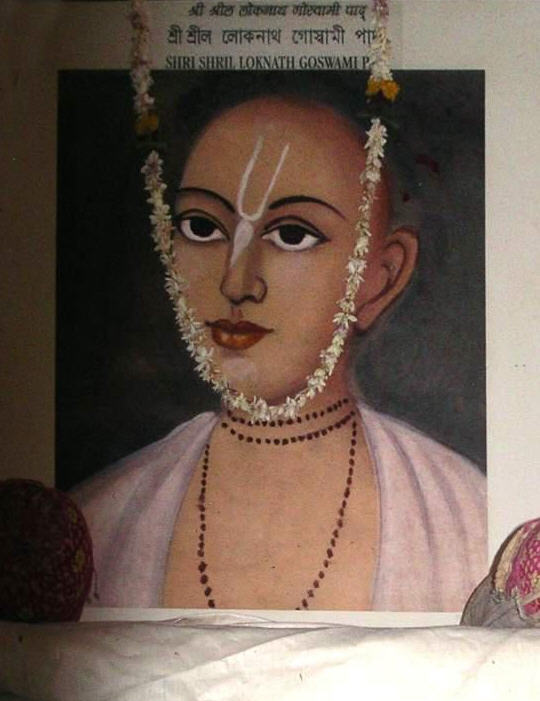
शुभानन्द द्विज, जिनका नाम सुभानन्द भी लिखा जाता है, श्री चैतन्य-चरितामृत की भक्त-सूचियों में आते हैं। वे उन अनेक ब्राह्मणों और गायकों में से एक थे, जो सोलहवीं शताब्दी के आरम्भ में श्री चैतन्य महाप्रभु के चारों ओर एकत्र हुए थे। परम्परा जिन भक्तों की पूरी जीवन-कथा बताती है, उनकी तुलना में वे एक गौण व्यक्ति हैं। उनका कोई अलग जीवन-वृत्तान्त नहीं बचा है, और न ही केवल उन पर कोई शोध-अध्ययन लिखा गया है। लेकिन उनके बारे में जो थोड़ा-सा लिखा मिलता है, वह स्पष्ट और सजीव है। जगन्नाथ पुरी के वार्षिक रथ-यात्रा उत्सव में उन्हें श्रीवास ठाकुर के अपने कीर्तन-मण्डल के गायकों में गिना गया है। वहीं उनके साथ एक ऐसी अद्भुत घटना जुड़ी है, जिसे कृष्णदास कविराज गोस्वामी ने एक अलग पद्य में लिखने योग्य समझा।
| विषय | विवरण |
|---|---|
| उल्लेख | चैतन्य-चरितामृत (आदि-लीला 10.110; मध्य-लीला 13.39, 13.110), गौर-गणोद्देश-दीपिका (श्लोक 194-207) |
| उपाधि | द्विज, अर्थात "दो बार जन्म लेने वाला"; यह उपाधि बताती है कि वे जन्म से ब्राह्मण थे |
| दर्ज भूमिका | रथ-यात्रा में श्रीवास ठाकुर के मण्डल में कीर्तन-गायक |
| पहचान | श्रीमती राधारानी की दासी मालती (गौर-गणोद्देश-दीपिका 194-199; चैतन्य-चरितामृत आदि 10.110 तात्पर्य) |
| सम्बद्ध स्थान | जगन्नाथ पुरी, ओडिशा |
| जन्म / तिरोभाव | दर्ज नहीं |
चैतन्य-वृक्ष की छप्पनवीं शाखा #
महाप्रभु के कम प्रसिद्ध सहयोगियों के बारे में हम जो कुछ जानते हैं, उसका अधिकांश भाग लेखन की एक ही सोची-समझी शैली से आता है। आदि-लीला के दसवें अध्याय में कृष्णदास कविराज गोस्वामी चैतन्य के चारों ओर एकत्र पूरे भक्त-समाज का वर्णन एक विशाल वृक्ष के रूप में करते हैं। सबसे प्रमुख भक्त इसकी शाखाएँ हैं, और उनके अपने अनुयायी उनसे निकलने वाली उप-शाखाएँ हैं। यह एक लम्बा अध्याय है, जिसमें थोड़े-थोड़े करके अनेक नाम गिनाए गए हैं। शुभानन्द का नाम भी उन्हीं में से एक है: "55वीं शाखा श्रीनाथ मिश्र थे, 56वीं शुभानन्द थे, 57वीं श्रीराम थे..." (आदि 10.110)। वृक्ष की शाखा के रूप में नाम आना ही दिखाता है कि उस भक्त का कुछ स्थान था। कृष्णदास कविराज भक्तों की एक ऐसी सूची के आधार पर लिख रहे थे, जो पहले से मौजूद थी और लगता है कि प्रसिद्ध भी थी। उन्होंने यह सूची स्वयं नहीं गढ़ी। लेकिन यह पद्य सूची में शुभानन्द के स्थान के अलावा उनके बारे में और कुछ नहीं बताता। उनके बारे में और जानकारी केवल इसी पद्य पर श्रील प्रभुपाद के तात्पर्य से, और एक अलग ग्रन्थ से मिलती है।
गौर-लीला से पूर्व एक मंजरी #
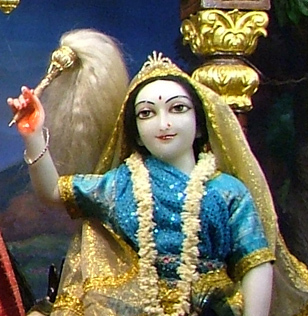
गौड़ीय वैष्णव परम्परा मानती है कि चैतन्य के अनेक पुरुष सहयोगी, कृष्ण की वृन्दावन-लीला में, मंजरियाँ थे। मंजरियाँ श्रीमती राधारानी की युवा सखियाँ या सेविकाएँ हैं। परम्परा के अनुसार उन्होंने इस युग में चैतन्य के संकीर्तन-आन्दोलन में सहायता के लिए पुरुष रूप धारण किया। यह बात गौर-गणोद्देश-दीपिका में क्रम से दी गई है। यह कवि कर्णपुर का एक छोटा पद्य-ग्रन्थ है, जो 1576 में लिखा गया। इसमें राधारानी की दासियों की सूची है, जैसे मालती, चन्द्रलतिका, मंजुमेधा और अन्य। ग्रन्थ कहता है कि उन्होंने चैतन्य के सहयोगियों के बीच पुरुष रूप धारण किया। यह हर गोपी के नाम को क्रम से एक भक्त के नाम से मिलाता है (श्लोक 194-207)। इस सूची का पहला नाम मालती है, और यह भक्तों की सूची के पहले नाम से मेल खाता है: सुभानन्द द्विज। श्री चैतन्य-चरितामृत आदि 10.110 पर श्रील प्रभुपाद का तात्पर्य भी अलग से, लगभग उन्हीं शब्दों में, इसी पहचान की पुष्टि करता है। वे लिखते हैं कि शुभानन्द "पूर्वकाल में वृन्दावन में मालती के रूप में निवास करते थे।" इस तरह दो स्रोत, एक सोलहवीं शताब्दी का और दूसरा बीसवीं शताब्दी का, इस एक बात पर सहमत हैं। लेकिन दोनों में से कोई यह नहीं बताता कि इस पहचान का शुभानन्द के जीवन या उनकी सेवा के ढंग पर क्या प्रभाव पड़ा।
कवि कर्णपुर की दासियों की सूची मालती से आरम्भ होती है, और उससे मेल खाती भक्तों की सूची शुभानन्द से:
मलती चन्द्रलतिका मञ्जुमेधा वराङ्गदा
...
गौरेण तत्प्रियैः सार्धं धृतपुरुषविग्रहः
खेलन्ति स्म स्वभावानुसारात्ताः क्रमशो यथा
शुभानन्दो द्विजो ब्रह्मचारी श्रीधर नामकः ॥
"मालती, चन्द्रलतिका, मंजुमेधा, ... श्रीमती राधारानी की दासियों में से थीं। पुरुष-रूप धारण करके वे भगवान चैतन्य के पार्षदों में प्रकट हुईं, और प्रत्येक ने भगवान के प्रति अपना विशेष प्रेम-भाव प्रकट किया। ये गोपियाँ क्रमशः शुभानन्द द्विज, श्रीधर ब्रह्मचारी, ... बनीं।" (गौर-गणोद्देश-दीपिका 194-199)
श्रीवास ठाकुर के मण्डल में गायन #
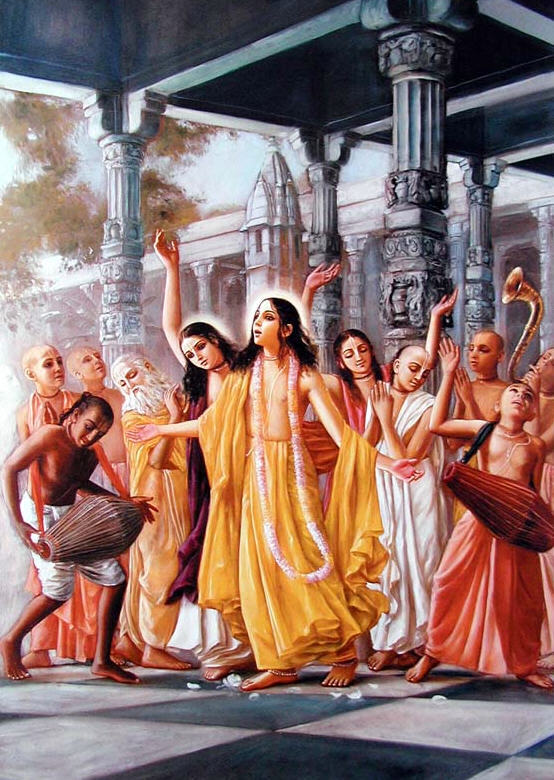
केवल एक दृश्य ऐसा है, जिसमें शुभानन्द सूची के एक नाम भर नहीं, बल्कि घटनाओं में भाग लेते हुए दिखाई देते हैं। यह जगन्नाथ पुरी का रथ-यात्रा उत्सव है, जिसका विस्तार से वर्णन चैतन्य-चरितामृत की मध्य-लीला के तेरहवें अध्याय में मिलता है। हर वर्ष जब भगवान जगन्नाथ का रथ धीरे-धीरे गुण्डिचा मन्दिर की ओर बढ़ता था, तब महाप्रभु अपने संकीर्तन-दल को सात अलग-अलग मण्डलों में बाँट देते थे। हर मण्डल में दो मृदंग होते थे, इसलिए मार्ग में एक साथ चौदह मृदंग बजते थे। इनमें से एक मण्डल में प्रभु ने अद्वैत आचार्य को नर्तक बनाया, और दामोदर स्वरूप को मुख्य गायक बनाया। फिर उन्होंने एक और मण्डल बनाया और श्रीवास ठाकुर को उसका मुख्य गायक बनाया (मध्य 13.38)। ग्रन्थ में उन गायकों के नाम भी दिए गए हैं, जिन्होंने श्रीवास ठाकुर के पीछे प्रत्युत्तर में गाया: "गंगादास, हरिदास, श्रीमान, शुभानन्द और श्री रामपण्डित," और स्वयं नित्यानन्द प्रभु को उसी मण्डल में नर्तक बनाया गया (मध्य 13.39)। गौड़ीय परम्परा के मान्य ग्रन्थों में यही एकमात्र स्थान है, जहाँ शुभानन्द को केवल सूची में नहीं गिनाया गया, बल्कि अन्य नामित भक्तों के साथ कुछ करते हुए दिखाया गया है। यह प्रसंग उन्हें श्रीवास ठाकुर के अपने कीर्तन-दल में स्थान देता है।
आनन्दमय प्रेम का फेन #
इसी रथ-यात्रा के दृश्य में शुभानन्द का अपना एक विशेष क्षण आता है, जिसके कारण परम्परा उन्हें याद करती है। महाप्रभु जगन्नाथ के रथ के आगे आनन्द में डूबकर नृत्य कर रहे थे। तब उनके मुख के कोने पर फेन प्रकट हुआ, और शुभानन्द ने वह फेन लेकर पी लिया। कृष्णदास कविराज गोस्वामी इस क्षण को एक ही पद्य में लिखते हैं। वे शुभानन्द को महा-भाग्यवान्, अर्थात् "परम सौभाग्यशाली," कहते हैं, क्योंकि वे कृष्ण-प्रेम-रसिक थे, अर्थात् कृष्ण-प्रेम के आनन्दमय रस का गहराई से आस्वादन करने वाले (मध्य 13.110)। पूरा दृश्य, और यह पद्य वास्तव में क्या बताता है, यह महाप्रभु के नृत्य का फेन पृष्ठ पर बताया गया है।
जो अभिलेख में अनुत्तरित रह गया #
इन थोड़े-से उल्लेखों के अलावा, एक व्यक्ति के रूप में शुभानन्द द्विज के बारे में लगभग कुछ भी दर्ज नहीं है। न उनकी जन्म-तिथि मिलती है, न जन्म-स्थान। यह भी नहीं बताया गया कि वे कब या कैसे महाप्रभु के पास आए। उनकी मृत्यु-तिथि भी नहीं मिलती, और न ही उन पर कोई अलग जीवनी या शोध-अध्ययन मिलता है। विकिपीडिया पर भी उनकी कोई प्रविष्टि नहीं है। एक और दावे के बारे में सावधानी आवश्यक है, और उसे सीधे तथ्य मानकर दोहराना उचित नहीं है। इस्कॉन से जुड़ी जीवनी-वेबसाइट gaudiyahistory.iskcondesiretree.com कहती है कि शुभानन्द दशकों बाद नरोत्तम दास ठाकुर द्वारा आयोजित खेतुरी महोत्सव में भी उपस्थित थे। लेकिन इस बात के लिए वह कोई पद्य या लिखित स्रोत नहीं देती। उनके बारे में उसकी बाकी सभी बातें ऊपर दिए गए चैतन्य-चरितामृत के अंशों में मिल जाती हैं। यदि यह दावा सही हो, तो इसका अर्थ होगा कि शुभानन्द महाप्रभु के तिरोभाव के बाद भी लम्बे समय तक जीवित रहे। लेकिन इसके लिए किसी प्रारम्भिक स्रोत का उद्धरण नहीं मिलता। इसलिए इसे सिद्ध तथ्य नहीं, बल्कि भक्ति-परम्परा की एक कथा मानना ही उचित है।
शास्त्र प्रमाण
ऊपर पाठ में उद्धृत:
- Verses 194-199 Gaura-ganoddesha-dipika
अन्य शास्त्र प्रमाण:
śrīnātha miśra, śubhānanda, śrīrāma, īśāna
śrīnidhi, śrīgopīkānta, miśra bhagavān
शब्दार्थ
śrīnātha miśra: Śrīnātha Miśra; śubhānanda: Śubhānanda; śrīrāma: Śrīrāma; īśāna: Īśāna; śrīnidhi: Śrīnidhi; śrī-gopīkānta: Śrī Gopīkānta; miśra bhagavān: Miśra Bhagavān.
55वीं शाखा श्रीनाथ मिश्र थे, 56वीं शुभानन्द थे, 57वीं श्रीराम थे, 58वीं ईशान थे, 59वीं श्रीनिधि थे, 60वीं श्री गोपीकान्त थे, और 61वीं मिश्र भगवान थे।
तात्पर्य से: शुभानन्द, जो पहले वृन्दावन में मालती के रूप में रहते थे, जगन्नाथ-उत्सव में रथयात्रा के रथ के आगे नृत्य करने वाले कीर्तनकारों में से एक थे।
यह पद्य कृष्णदास कविराज गोस्वामी की अपनी सूची में शुभानन्द को चैतन्य-वृक्ष की 56वीं शाखा बताता है। इस पर श्रील प्रभुपाद का तात्पर्य अलग से इस बात की पुष्टि करता है कि कृष्ण-लीला में वे मालती थे।
- Sri Chaitanya-charitamrita, Adi-lila 10.110 (vedabase.io)
- Sri Chaitanya-charitamrita, Madhya-lila 13.38-39 (vedabase.io)
- Sri Chaitanya-charitamrita, Madhya-lila 13.110 (vedabase.io)
- Sri Gaura-ganoddesha-dipika, verses 187-212 (English translation)
- Shubhananada Dvija — Gaudiya History (ISKCON Desire Tree)
अक्सर पूछे जाने वाले प्रश्न
श्री शुभानन्द द्विज का जन्म कब हुआ था?
श्री शुभानन्द द्विज का प्राकट्य दर्ज नहीं में, अभिलेखित नहीं में हुआ।
श्री शुभानन्द द्विज का तिरोभाव कब और कहाँ हुआ?
श्री शुभानन्द द्विज का तिरोभाव दर्ज नहीं, अभिलेखित नहीं में हुआ।
श्री शुभानन्द द्विज की प्रमुख लीलाएँ कौन-सी हैं?
यहाँ इन लीलाओं पर पृष्ठ उपलब्ध हैं: महाप्रभु के नृत्य का फेन।