Srila Vasudeva Datta Thakura
Mahaprabhu's Most Confidential Servant
The complete life, on one page: The main biography and every pastime page, in order, in one place
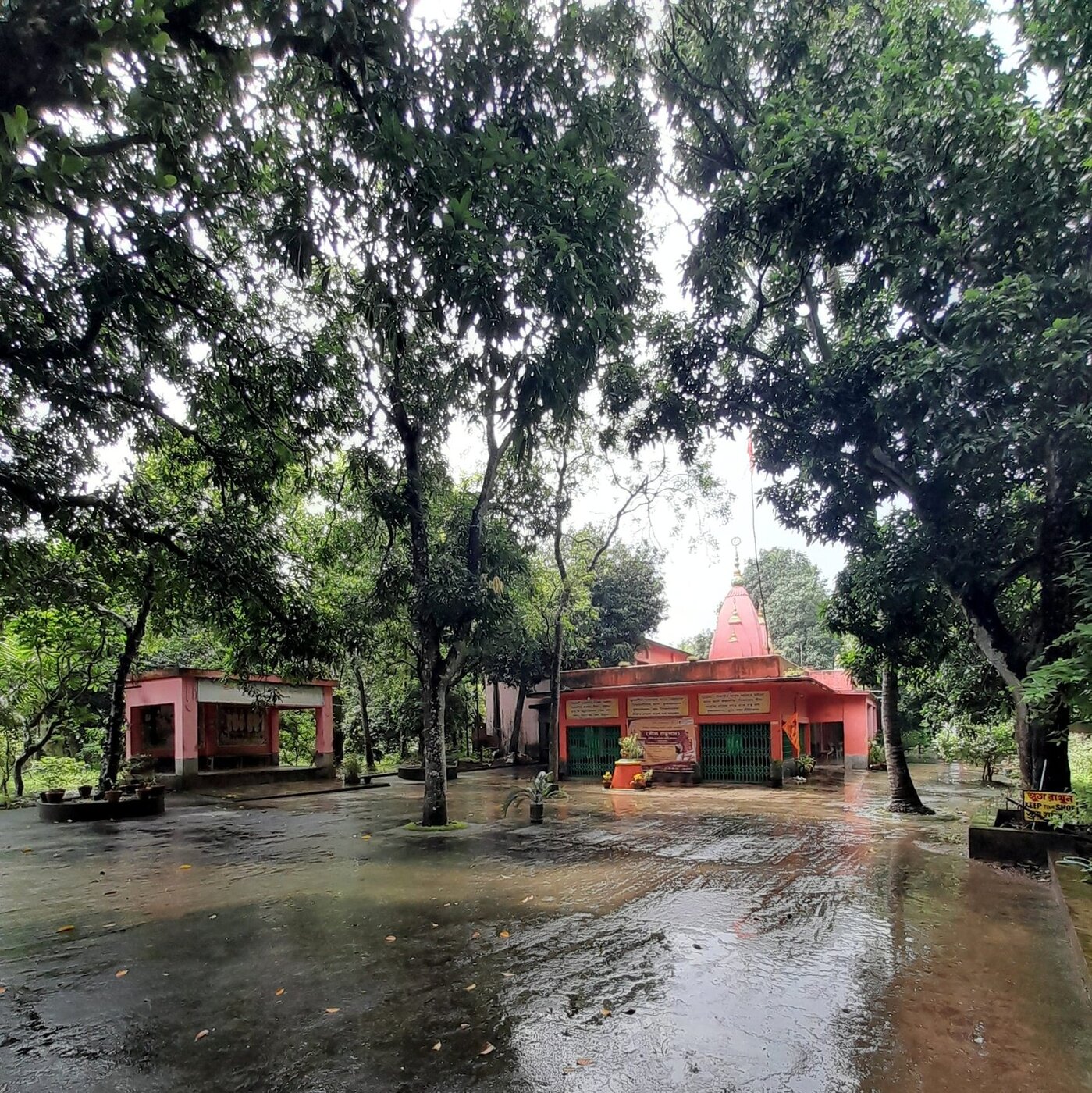
Introduction
Two brothers from a family of Ambastha physicians in Chittagong, at the eastern edge of Bengal, came to stand very close to the heart of Sri Chaitanya Mahaprabhu's own life. One of them, Mukunda Datta, was the Lord's childhood classmate and one of His earliest singers. The elder brother, Vasudeva Datta, is remembered for something with no real parallel anywhere else in the whole of Sri Chaitanya-charitamrita. Three separate times, in front of His own assembled devotees, Mahaprabhu declared that His body belonged to Vasudeva Datta and to no one else. Krishnadasa Kaviraja Goswami calls him the nineteenth branch of the Chaitanya tree and says that a thousand mouths could not finish praising his good qualities.
| Detail | Description |
|---|---|
| Native district | Chittagong, Bengal (exact village disputed between sources) |
| Family | Ambastha physicians, surname Datta |
| Younger brother | Mukunda Datta, Mahaprabhu's childhood classmate and singer |
| Identity | Madhuvrata, a singer of Vraja (Gaura-ganoddesha-dipika 140; Chaitanya-charitamrita Adi 10.40 and 12.57 purports) |
| Remembered for | Praying to bear the sins of every living being; Mahaprabhu's three-fold vow over his body |
| Temple founded | Madana-gopala temple, Mamagachi, near Navadvipa |
| Guru | Not recorded in any source |
Scriptural evidence for the introduction (3)
vāsudeva datta — prabhura bhṛtya mahāśaya
sahasra-mukhe yāṅra guṇa kahile nā haya
Word for word
vasudeva datta: Vasudeva Datta; prabhura: of the Lord; bhrtya: the servant; mahasaya: great personality; sahasra-mukhe: with a thousand mouths; yanra: whose; guna: qualities; kahile: if described; na haya: is not possible
Vasudeva Datta, the nineteenth branch of the Sri Caitanya tree, was a great personality and a most confidential devotee of the Lord. One could not describe his qualities even with thousands of mouths.
From the purport: Purport excerpt: "Vasudeva Datta initiated Sri Yadunandana Acarya, the spiritual master of Raghunatha dasa, who later became Raghunatha dasa Gosvami."
The introductory verse naming Vasudeva Datta among the branches of the Chaitanya tree; its purport is the main source for the three-fold vow, the Mamagachi temple, and the Yadunandana Acharya connection discussed across this acharya's pastime pages.
व्रजे स्थितौ गायकौ यौ मधुकण्ठ मधुव्रतौ ।
मुकुन्द वासुदेवौ तौ दत्तौ गौराङ्ग गायकौ ॥
vraje sthitau gāyakau yau madhukaṇṭha madhuvratau
mukunda vāsudevau tau dattau gaurāṅga gāyakau
In Vraja there were two very nice singers named Madhukaṇṭha and Madhuvrata. They appeared in caitanya-līlā as Mukunda and Vāsudeva Datta, who were singers in the society of Lord Caitanya Mahāprabhu.
From the purport: The Gaura-gaṇoddeśa-dīpikā (140) describes that Vāsudeva Datta was formerly Madhuvrata, a singer in Vṛndāvana.
Kavi Karnapura names the Vraja singers Madhukantha and Madhuvrata as Mukunda Datta and Vasudeva Datta. Sanskrit: diacritic edition of the Gaura-ganoddesha-dipika; translation: Srila Prabhupada, CC Adi 10.40 purport.
বাসুদেব দত্তের তেঁহো কৃপার ভাজন ।
সর্বভাবে আশ্রিয়াছে চৈতন্য–চরণ ॥ ৫৭ ॥
vāsudeva dattera teṅho kṛpāra bhājana
sarva-bhāve āśriyāche caitanya-caraṇa
Śrī Yadunandana Ācārya was a student of Vāsudeva Datta, and he received all his mercy. Therefore he could accept Lord Caitanya’s lotus feet, from all angles of vision, as the supreme shelter.
From the purport: The Gaura-gaṇoddeśa-dīpikā (140) describes that Vāsudeva Datta was formerly Madhuvrata, a singer in Vṛndāvana.
On Yadunandana Acharya as Vasudeva Datta's student; Srila Prabhupada's purport restates Vasudeva Datta's Vraja identity as the singer Madhuvrata.
Chapter 1
Birth and Family in Chittagong
The elder of two physicians' sons from Chittagong. The records tell us his family and its trade, but almost nothing else.
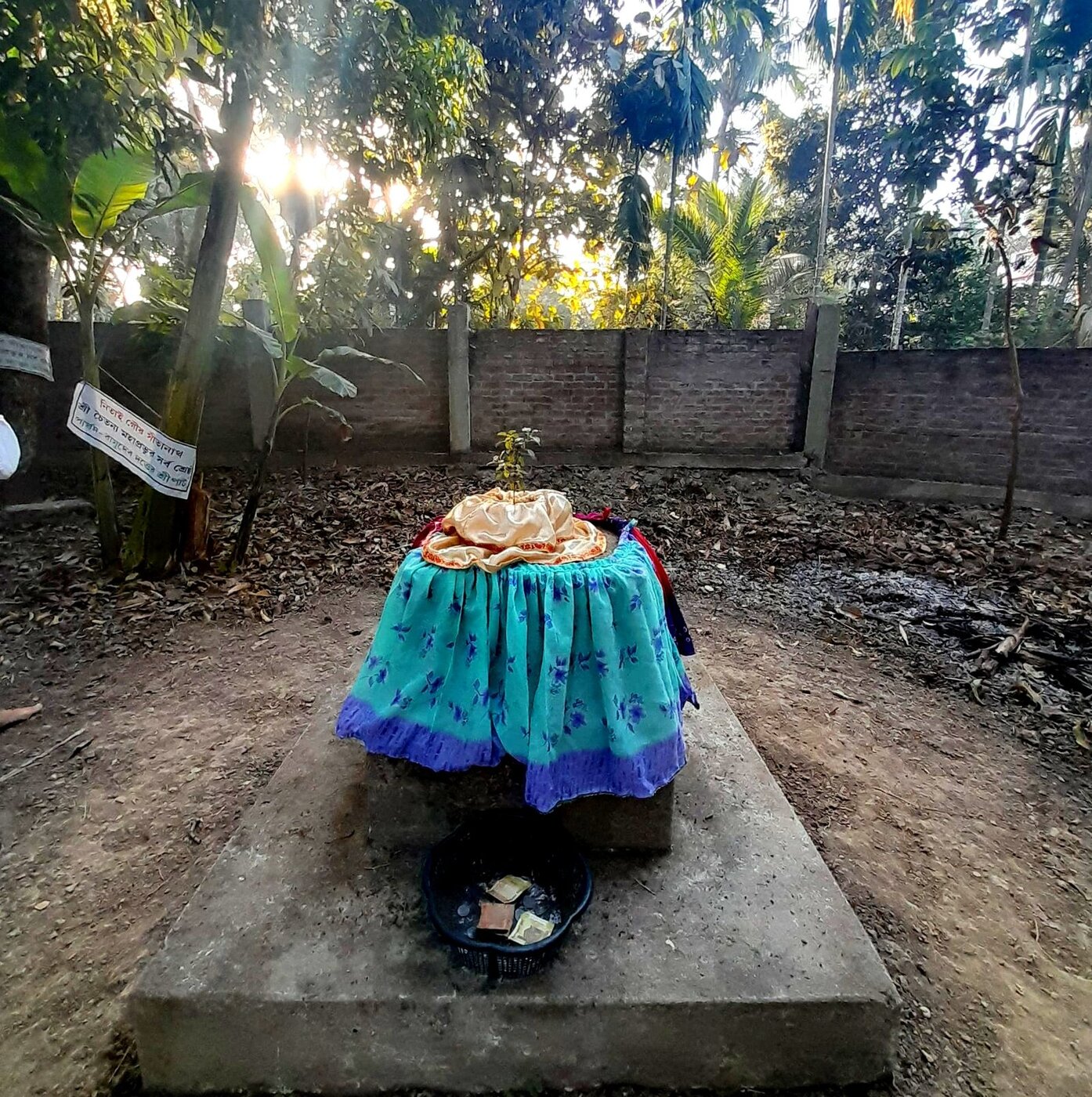
Two brothers left a family of physicians in Chittagong, at the eastern edge of Bengal, and walked into the very center of Sri Chaitanya Mahaprabhu's own life. The younger, Mukunda Datta, has his own detailed birth story told on his own page. The elder brother, Vasudeva Datta, is a different matter. Very little is recorded about his own earliest years. Sri Chaitanya-charitamrita introduces him without a single childhood story, unlike the schoolyard debates recorded for Mukunda. What survives is a family, a trade, and a place.
| Detail | Description |
|---|---|
| District | Chittagong, Bengal |
| Village (per a later compiled biography) | Chakrashala |
| Village (per Srila Prabhupada's purport on Mukunda Datta's verse) | Chanhara, Patiya police station |
| Family trade | Ambastha physicians, surname Datta |
| Birth order | Elder of two brothers |
| Younger brother | Mukunda Datta |
Two Sources, Two Village Names #
Sri Chaitanya-charitamrita's own verse on Vasudeva Datta gives no village at all. It says only that he was "the brother of Mukunda Datta" and "a resident of Chattagrama," the Sanskritized form of Chittagong. The specific village name comes from two later sources, and they disagree with each other. A compiled biography drawing on the older text Prema-vilasa names the ancestral village as Chakrashala and describes the Datta family as respected Ambastha physicians. Srila Prabhupada's own purport gives a different place. It was written for Mukunda Datta's neighboring verse in the same chapter, and it places the family's home in Chanhara, under the Patiya police station, about twenty miles from the home of Pundarika Vidyanidhi. Neither source responds to the other's claim, and nothing in either one decides which is right. Both brothers were born into the same household, so this disagreement over the village name applies to Vasudeva too. It is only a detail that neither tradition has settled. There is no real dispute over which family raised him.
The Elder of the Two #
Sri Chaitanya-charitamrita almost always identifies Vasudeva Datta through his relationship to his brother: "the brother of Mukunda Datta," "the older brother of Mukunda Datta." It does this even in passages written well after Vasudeva Datta had clearly become the more famous of the two. This is a strange habit of the text, because Krishnadasa Kaviraja Goswami elsewhere calls Vasudeva "the nineteenth branch of the Chaitanya tree" and says a thousand mouths could not finish praising him. The most likely reason is simply the order of events. Mukunda Datta was Mahaprabhu's own childhood classmate, so that friendship came before anything recorded of Vasudeva. The habit of naming Vasudeva through that older relationship remained, even after his own devotion had outshone it in every other way.
Ambastha Physicians Named Datta #
The Ambastha community that the Prema-vilasa tradition assigns to the Datta family was, in Bengal, known specifically for the practice of medicine. This places Vasudeva Datta in interesting company. Murari Gupta, another of Mahaprabhu's close associates from this same generation, was also a practicing physician by trade, though from a completely separate family. Whether Vasudeva Datta himself ever practiced medicine is not recorded. What the tradition preserves is only the family's professional identity, not any detail of a medical career for either brother. Both brothers, in any case, left Chittagong for Navadvipa, where a large community of Vaishnava families from the Chittagong region had already settled to live near the Ganges and study.
A Household That Produced No Ordinary Sons #
Beyond the family trade and the disputed village name, nothing else is recorded of Vasudeva Datta's life before he appears, already an adult, as one of Sri Chaitanya Mahaprabhu's intimate associates. He was extremely generous and close to Srivasa Thakura. He was eventually placed under the informal financial care of Shivananda Sena, because he could not stop giving his own wealth away. No source records who initiated him, or whether he received diksha at all before joining Mahaprabhu's circle. Several of his contemporaries have a named guru, but Vasudeva Datta's guru is simply never named. The record does preserve what came next, in remarkable and specific detail. There was a prayer so compassionate that it made Mahaprabhu weep, and a vow the Lord Himself made three times over. Both are told in The Vow to Take on the World's Sins and Mahaprabhu's Three-Fold Vow.
Chapter 2
The Vow to Take on the World's Sins
A prayer at Jagannatha Puri that Srila Prabhupada's own purport calls millions of times more compassionate than any other example in religious literature of suffering for others.
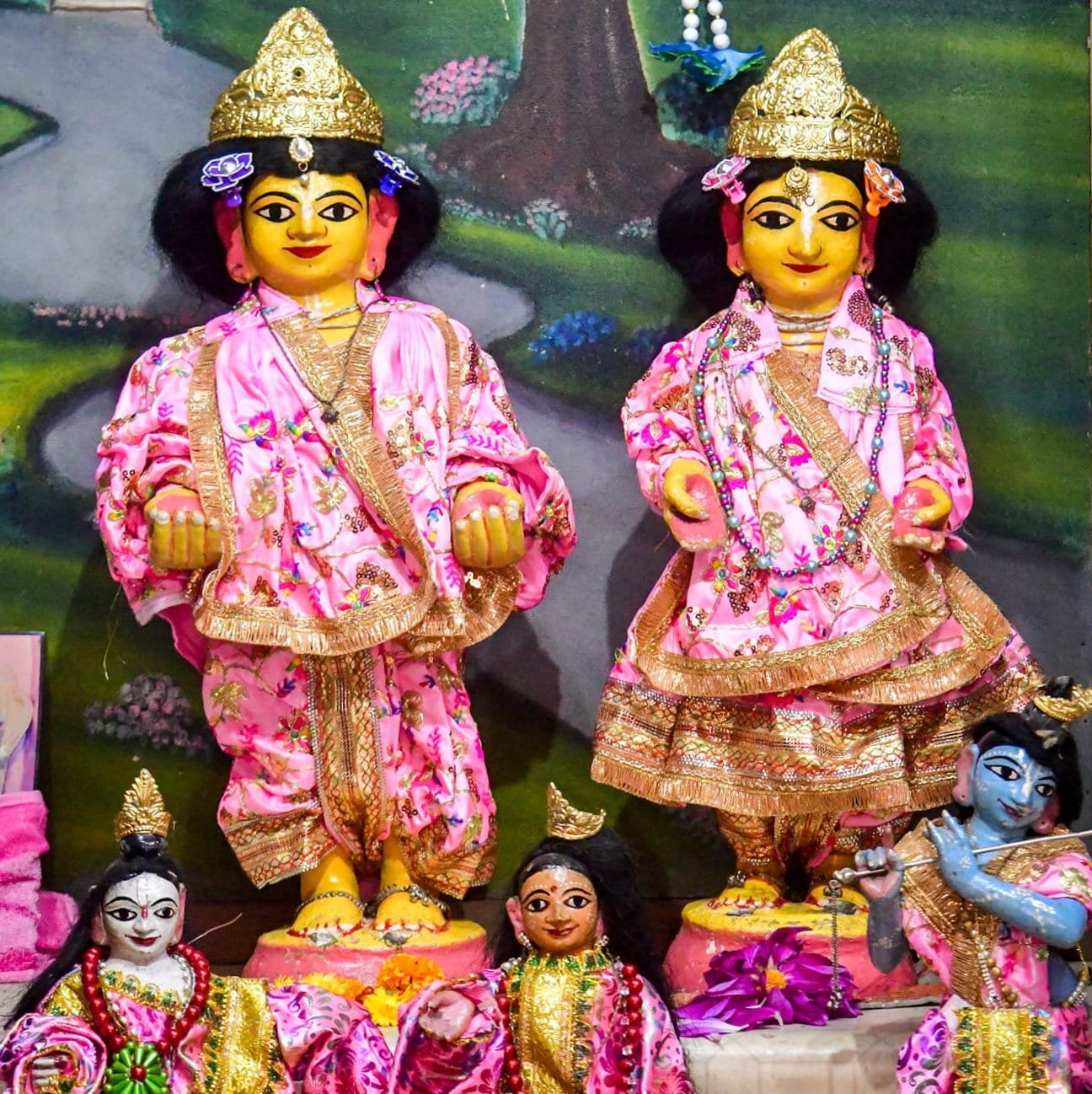
Of all that Sri Chaitanya-charitamrita records about Mahaprabhu's associates, Srila Prabhupada treats one prayer of Vasudeva Datta's as standing alone. It happened during the Bengali devotees' annual visit to Jagannatha Puri. Sri Chaitanya-charitamrita tells it in Madhya-lila, chapter fifteen. At that time Mahaprabhu was bidding the year's pilgrims farewell before they went home. He had just finished praising Raghava Pandita, the residents of Kulina-grama, and several other devotees, one after another, for their individual qualities. When Vasudeva Datta's turn came, something different happened. Instead of praise, there came a request.
| Detail | Description |
|---|---|
| Setting | Jagannatha Puri, during the annual farewell to visiting Bengali devotees |
| Textual source | Sri Chaitanya-charitamrita, Madhya-lila, chapter 15, verses 160-172 |
| The request | To take on the sinful reactions of every living being in the universe |
| Mahaprabhu's reply | Vasudeva Datta's prayer alone was sufficient; no suffering was required of him |
| Comparison drawn in the purport | Srila Bhaktisiddhanta Sarasvati Thakura's commentary, comparing him to Jesus Christ |
A Heart That Could Not Bear the World's Suffering #
Vasudeva Datta told the Lord plainly that he could no longer bear to see the suffering of conditioned souls. He asked Mahaprabhu to place the karma of every sinful living being in the universe onto his own head. He asked to suffer forever in hell as a result, so long as it meant every other living being could be freed from material existence. This was not a request made lightly, or just for effect. Sri Chaitanya-charitamrita says that on hearing it, the Lord's heart grew soft, tears began to flow from His eyes, and He answered in a voice that faltered.
"You Are the Incarnation of Prahlada Maharaja" #
Mahaprabhu's reply gave the whole request a new meaning. Such a prayer, He told Vasudeva Datta, was no surprise at all, because he was himself an incarnation of Prahlada Maharaja (Chaitanya-charitamrita, Madhya-lila 15.165), the great devotee-son of Hiranyakashipu, whose own compassion for suffering souls is well known throughout the Bhagavatam. A pure devotee's sincere desire, the Lord explained, is something Krishna never refuses. Simply by Vasudeva Datta's wish that every living being be delivered, all of them could be liberated, without his having to suffer even a moment of what he had offered to take on. Whoever received his compassion, Mahaprabhu said, would immediately become a Vaishnava, and Krishna removes every past sinful reaction from a Vaishnava's account without exception.
Millions of Times Beyond Any Other Example #
In the purport to this section, Srila Prabhupada directly quotes Srila Bhaktisiddhanta Sarasvati Thakura's own commentary. The comparison he draws is unusually bold for a Vaishnava text. Vasudeva Datta and Haridasa Thakura are described as many millions of times more advanced than even Lord Jesus Christ. The reason given is that Christ relieved only his own followers of their sins. But Vasudeva Datta offered to take on the sinful reactions of every living being in the universe, without exception. He asked for nothing in return and expected no honor or reputation from the offer. Bhaktisiddhanta Sarasvati is not trying to compare religions here. He wants to show how great this compassion was. It was for every living being, it had no conditions, and it had no trace of self-interest.
Remembered Long After, by Haridasa Thakura Himself #
Even within Mahaprabhu's own lifetime, other devotees would point back to this episode. Later, in Sri Chaitanya-charitamrita's Antya-lila, Haridasa Thakura has a separate philosophical exchange with Mahaprabhu. It is about how the chanting of the holy name delivers even those who chant it improperly. There Haridasa Thakura himself brings up Vasudeva Datta's plea as proof that the Lord accepts and fulfills a devotee's prayer for the world's deliverance. So a story from one chapter came up again, unprompted, in an entirely different conversation years later. This alone shows how deeply this single prayer had entered the devotional memory of Mahaprabhu's own associates, long before any book was written down to preserve it.
Not a Philanthropist, Not a Mystic #
Srila Bhaktisiddhanta Sarasvati Thakura's commentary makes one more distinction. It helps us understand what kind of act this really was. He writes that Vasudeva Datta's prayer should not be mistaken for ordinary philanthropy or social work. It should also not be mistaken for the impersonal longing of a mystic to merge into the Brahman effulgence, or for any wish for material honor or a reputation for saintliness. Fruitive workers and speculative philosophers, in his account, cannot become pure through their own efforts, exactly because some form of self-interest still clings to them. Vasudeva Datta's prayer had no trace of this. It was offered, in the purport's own words, without any duplicity at all. This is part of why Sri Chaitanya-charitamrita treats it as one of the purest examples of Vaishnava compassion ever recorded.
Scriptural evidence for this chapter (4)
jagate yateka jiva, tara papa lana\nnaraka bhunjite cahe jiva chadaiya
Word for word
jagate: in the world; yateka: as many as; jiva: living entities; tara: their; papa: sinful reactions; lana: taking; naraka: hell; bhunjite: to suffer; cahe: wants; jiva: the living entities; chadaiya: releasing
Srila Vasudeva Datta Thakura wanted to suffer for the sinful activities of all the people of the world so that Lord Caitanya Mahaprabhu might deliver them.
The summary verse for the episode told in full on the "The Vow to Take on the World's Sins" page.
jivera papa lana muni karon naraka bhoga\nsakala jivera, prabhu, ghucaha bhava-roga
Word for word
jivera: of the living entities; papa: the sinful reactions; lana: taking; muni: I; karon: do; naraka: of hell; bhoga: the experience; sakala: of all; jivera: the living entities; prabhu: O my Lord; ghucaha: please finish; bhava-roga: the disease of material existence
"My dear Lord, let me suffer perpetually in a hellish condition, accepting all the sinful reactions of all living entities. Please finish their diseased material life."
From the purport: Purport excerpt: "Vasudeva Datta wanted to completely relieve the conditioned souls from material existence so that they would no longer have an opportunity to commit sinful acts. This is the significant difference between Srila Vasudeva Datta and Lord Jesus Christ."
Vasudeva Datta's own words asking to bear the sins of every living being, the pull-quote for this acharya's main biography record.
Word for word
vasudeva-dattere: unto Vasudeva Datta; prabhu kahe: the Lord said; ei kathara: of this statement; nahi camatkara: there is no wonder; prahlada: of Prahlada Maharaja; avatara: the incarnation; tumi: you; krsnera: of Lord Krsna; sampurna: complete; prasada: mercy
Accepting Vasudeva Datta as a great devotee, the Lord said, "Such a statement is not at all astonishing because you are the incarnation of Prahlada Maharaja. It appears that Lord Krsna has bestowed complete mercy upon you."
Mahaprabhu's identification of Vasudeva Datta as an incarnation of Prahlada Maharaja, given as the reason his prayer for the world's deliverance could be trusted and granted.
"When Your devotee Vasudeva Datta submitted his plea at Your lotus feet for the deliverance of all living entities, You accepted that request."
Haridasa Thakura recalling Vasudeva Datta's prayer years later, in an entirely separate conversation with Mahaprabhu about the power of the holy name, evidence of how quickly the episode entered the devotional memory of Mahaprabhu's own circle.
Chapter 3
Mahaprabhu's Three-Fold Vow
Three separate times, at Srivasa Pandita's house, Mahaprabhu declared that His own body belonged to Vasudeva Datta and to no one else.
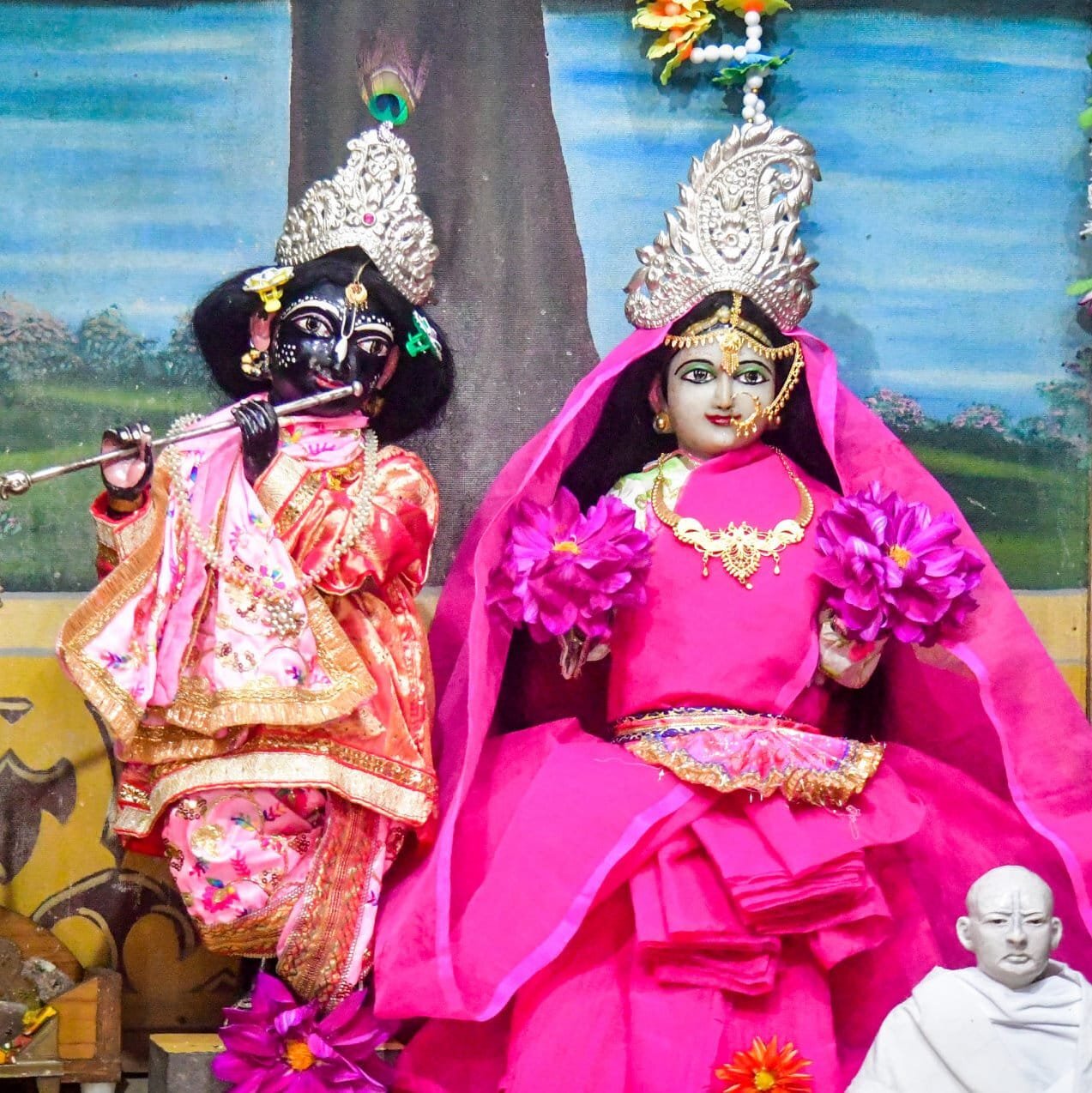
Sri Chaitanya-charitamrita preserves the story of Vasudeva Datta's prayer to bear the sins of the whole world in careful, verse-by-verse detail. A second, equally famous episode involving Vasudeva Datta is not told in Krishnadasa Kaviraja Goswami's own text at all. It comes down through Sri Chaitanya-bhagavata, Vrindavana Dasa Thakura's earlier biography of Mahaprabhu. Most readers today know it through Srila Prabhupada's own purport, which quotes and summarizes it directly. This page follows that purport closely, and it shows clearly where the story actually comes from.
| Detail | Description |
|---|---|
| Setting | Srivasa Pandita's house |
| Original textual source | Sri Chaitanya-bhagavata (Vrindavana Dasa Thakura) |
| How it reaches most readers | Quoted and summarized in Srila Prabhupada's purport to Chaitanya-charitamrita, Adi-lila 10.41 |
| The statement | That Mahaprabhu's body existed only to please Vasudeva Datta, who could sell it as he wished |
| Number of times spoken | Three |
"He Can Sell Me Anywhere" #
While staying at Srivasa Pandita's house, Mahaprabhu is recorded to have said, in front of the devotees gathered there, "I am only Vasudeva Datta's man. My body is only meant to please Vasudeva Datta, and he can sell Me anywhere. I will not do otherwise." He did not say it once and move on. Sri Chaitanya-bhagavata records that He repeated this vow three separate times, and added an instruction that no one present should ever disbelieve it. "All My dear devotees," He is recorded as saying, "I tell you the truth. My body is especially meant for Vasudeva Datta."
Why Three Times #
In Vedic and devotional literature, this kind of repetition is not accidental. A statement made three times over becomes the strongest form of emphasis there is, closer to an oath than an ordinary remark. Mahaprabhu was not simply expressing affection. He was making sure, in advance, that no devotee could later read the statement as poetic exaggeration or a passing mood. The word "anywhere" in "sell Me anywhere" makes the point even stronger. In the language of the vow, Vasudeva Datta's ownership is complete and without conditions. It even includes the possibility that Vasudeva Datta could give that ownership to someone else entirely, as he chose.
Not Ownership, But Intimacy #
No Gaudiya Vaishnava teacher reads this vow as a literal claim about property. Instead, it shows a teaching at the very heart of the tradition, in its fullest form. The Supreme Personality of Godhead is the owner of everything that exists. Yet He willingly submits Himself to the love of His pure devotees. He even goes so far as to call His own body theirs, not His. Krishna says as much Himself in the Bhagavad-gita: "A person in full consciousness of Me, knowing Me to be the ultimate beneficiary of all sacrifices and austerities, the Supreme Lord of all planets and demigods, and the benefactor and well-wisher of all living entities, attains peace from the pangs of material miseries" (Bhagavad-gita 5.29). The same Lord who is every being's true well-wisher is the one who, out of love, calls Himself the property of one devotee. The same principle is seen in Vasudeva Datta's prayer to bear the world's sins. There, too, a devotee's love drew an almost unthinkable response from Sri Chaitanya Mahaprabhu. Both the love and the response were given freely, without any calculation on either side.
A Smaller Echo of the Same Affection #
Sri Chaitanya-charitamrita records a second, quieter moment that points to the same depth of feeling. The Bengali Vaishnavas arrived at Jagannatha Puri for their annual visit and were greeted one by one at Kashi Mishra's house. As soon as Mahaprabhu saw Vasudeva Datta, He placed His hand on his body. He told him directly that although Mukunda Datta had been His friend since childhood, seeing Vasudeva gave Him even greater happiness. Srila Prabhupada's purport notes plainly that here Vasudeva Datta, the older brother of Mukunda Datta, was being honoured above the very friend whose company Mahaprabhu had shared since boyhood. Together with the three-fold vow at Srivasa Pandita's house, these two episodes suggest a pattern, not a single outburst of feeling. Something in Vasudeva Datta's devotion moved Mahaprabhu this openly, and it moved Him more than once, in more than one setting.
A Purport That Carries Two Stories at Once #
Srila Prabhupada's purport to Chaitanya-charitamrita, Adi-lila 10.41 also deserves attention for a different reason. In a single paragraph, it tells of this three-fold vow. Then it moves directly to the statement that Vasudeva Datta later initiated Yadunandana Acharya, the priest who would go on to become Raghunatha Dasa Goswami's own spiritual master. A reader who sees only the purport's summary could easily take that line as the complete account. But Krishnadasa Kaviraja Goswami's own account of the episode, much later in the Antya-lila (6.161-162), tells the story with more carefully chosen words. Disappearance and Legacy shows exactly what those words say.
Scriptural evidence for this chapter (3)
Quoted in the text above:
- Adi 10.41 (purport) Sri Chaitanya-charitamrita
- 5.29 Bhagavad-gita As It Is
Further verses:
mukunda more sange sisu haite, tanha haite adhika sukha tomare dekhite
Word for word
mukunda: Mukunda Datta; more: My; sange: companion; sisu haite: from childhood; tanha haite: than him; adhika: still more; sukha: happiness; tomare dekhite: to see you
"Although Mukunda is My friend from childhood, I nonetheless take greater pleasure in seeing you than in seeing him."
From the purport: Purport excerpt: "It is naturally a great pleasure to see a friend, but Sri Caitanya Mahaprabhu informed Vasudeva Datta that although it was His pleasure to see His friend, His pleasure was increased by seeing the older brother."
Spoken when the Bengali devotees arrived at Jagannatha Puri for their annual visit, Mahaprabhu telling Vasudeva Datta directly that seeing him gave the Lord even greater happiness than seeing his own childhood friend, Mukunda Datta.
Chapter 4
The Madana-gopala Temple at Mamagachi
A Deity established by Vasudeva Datta near Navadvipa. Bhaktisiddhanta Sarasvati Thakura made it part of the annual Navadvipa-parikrama, and Gaudiya Matha devotees still maintain it.
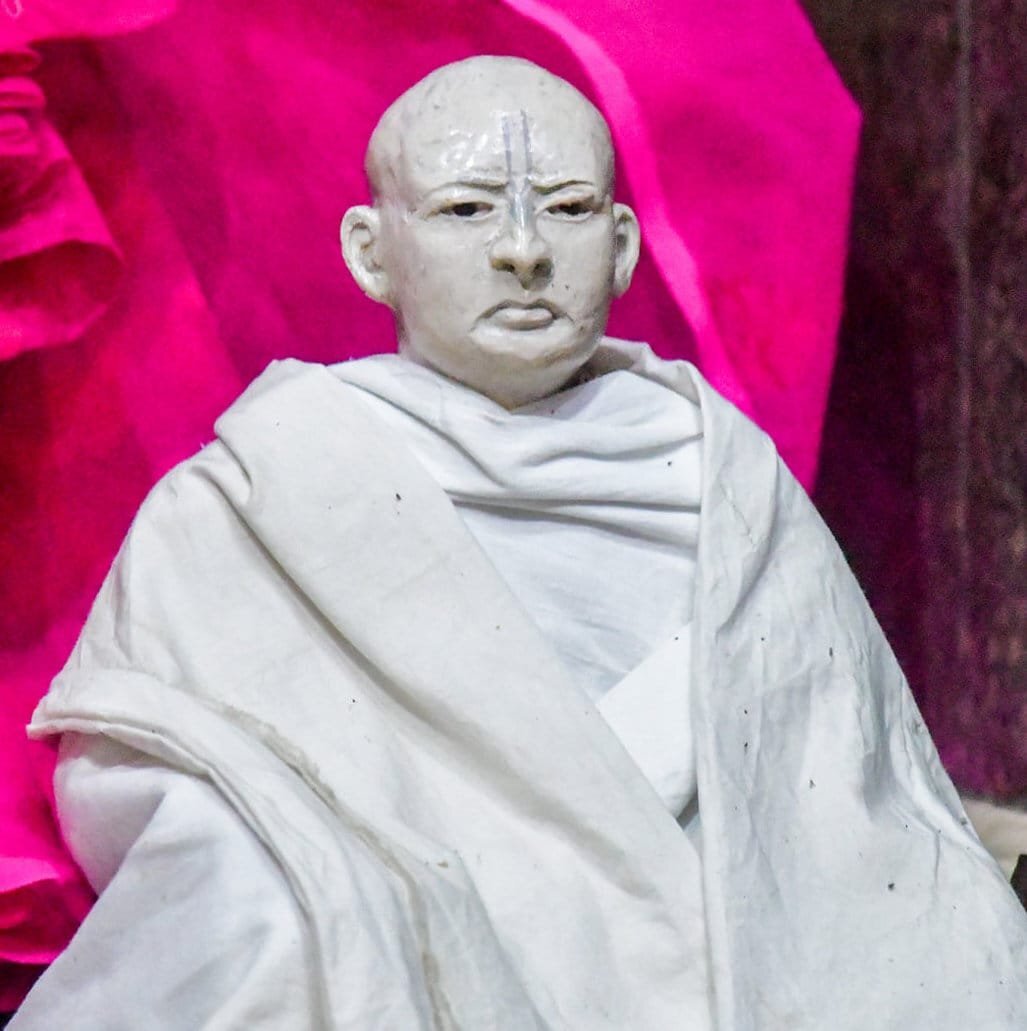
Vasudeva Datta's devotion left behind more than words and prayers. At some point in his life he established a Deity of Madana-gopala in the village of Mamagachi, near Navadvipa. Unlike almost everything else recorded about him, this act of devotion can still be visited today.
| Detail | Description |
|---|---|
| Location | Mamagachi, Modadrumadvipa, about one mile from Purvasthali railway station near Navadvipa |
| Founded by | Vasudeva Datta |
| Deity established | Sri Madana-gopala |
| Present caretakers | Gaudiya Matha devotees |
| Pilgrimage status | Regular stop on the annual Navadvipa-parikrama |
| Parikrama inaugurated by | Srila Bhaktisiddhanta Sarasvati Thakura |
A Temple Beside Vrindavana Dasa Thakura's Birthplace #
Mamagachi is not a place Vasudeva Datta chose at random. Srila Bhaktisiddhanta Sarasvati Thakura's own Anubhashya commentary is quoted directly in Srila Prabhupada's purport. It identifies Mamagachi as the birthplace of Vrindavana Dasa Thakura, the author of Sri Chaitanya-bhagavata. That book is one of the very sources behind the account of Mahaprabhu's three-fold vow over Vasudeva Datta's own body. The temple Vasudeva Datta founded stands very close to the birthplace of the devotee who first wrote down some of the pastimes involving him. The Gaudiya Vaishnava holy places of Bengal seem to hold many quiet coincidences like this. There, the events told in scripture and the places devotees still visit today are only a short walk apart.
What Bhaktisiddhanta Sarasvati Recorded #
Srila Prabhupada's purport preserves Bhaktisiddhanta Sarasvati Thakura's own description of the site almost word for word. It mentions a railway station named Purvasthali near the Navadvipa station. About a mile away, in the village of Mamagachi, there is "a temple of Madana-gopala that was established by Vasudeva Datta." It is a plain, factual description, the kind a pilgrimage guide gives, not a poem of praise. That plainness itself tells us something. By the time Bhaktisiddhanta Sarasvati Thakura was writing, the temple did not need grand words. It had simply continued, generation after generation, doing what Vasudeva Datta had established it to do.
A Stop on Pilgrimage Ever Since #
The same purport records that Gaudiya Matha devotees took charge of the temple and that its seva-puja, the daily worship of the Deity, was continuing very nicely under their care. It also records something that Mukunda Datta's own page mentions. Every year, pilgrims walking the Navadvipa-parikrama visit Mamagachi, and the temple has been well managed ever since Bhaktisiddhanta Sarasvati Thakura began that annual parikrama. So, five centuries later, devotees still walk on foot to a place connected with a pastime from the earliest years of the sankirtana movement. One devotee founded this one temple as a private act of worship. It became part of a pilgrimage route that did not even exist in his own lifetime.
Shared Ground With Other Devotees #
The Mamagachi temple complex today is not devoted to Vasudeva Datta's Deity alone. Other accounts of the site describe Deities of Radha-Gopinatha connected to Saranga Thakura, another of Mahaprabhu's associates. They are worshiped within the same temple grounds alongside Vasudeva Datta's own Madana-gopala. This fits a common pattern in Navadvipa. Its holy places often bring the memory of many devotees together on one stretch of ground, instead of keeping each memorial separate. A single visit to Mamagachi today touches the memory of several of Mahaprabhu's associates at once, not Vasudeva Datta's alone.
Why This Temple Matters #
The name of his birth village is disputed, and there is no recorded date at all for his disappearance. Beside these, the Madana-gopala temple at Mamagachi is the one part of Vasudeva Datta's story that is free from all uncertainty. It is a real place, not a claim. People can walk to it, not only read about it. His most famous moments are a prayer offered once at Jagannatha Puri and a vow spoken three times at Srivasa Pandita's house. Both are preserved only in text. So a temple still standing and still worshiped is its own kind of evidence. It is proof, of a kind no verse can give, that what Vasudeva Datta built outlasted him.
Chapter 5
Disappearance and Legacy
No year or place survives for his passing, but a temple, a priest he blessed, and a Vraja name make sure Vasudeva Datta is never actually forgotten.
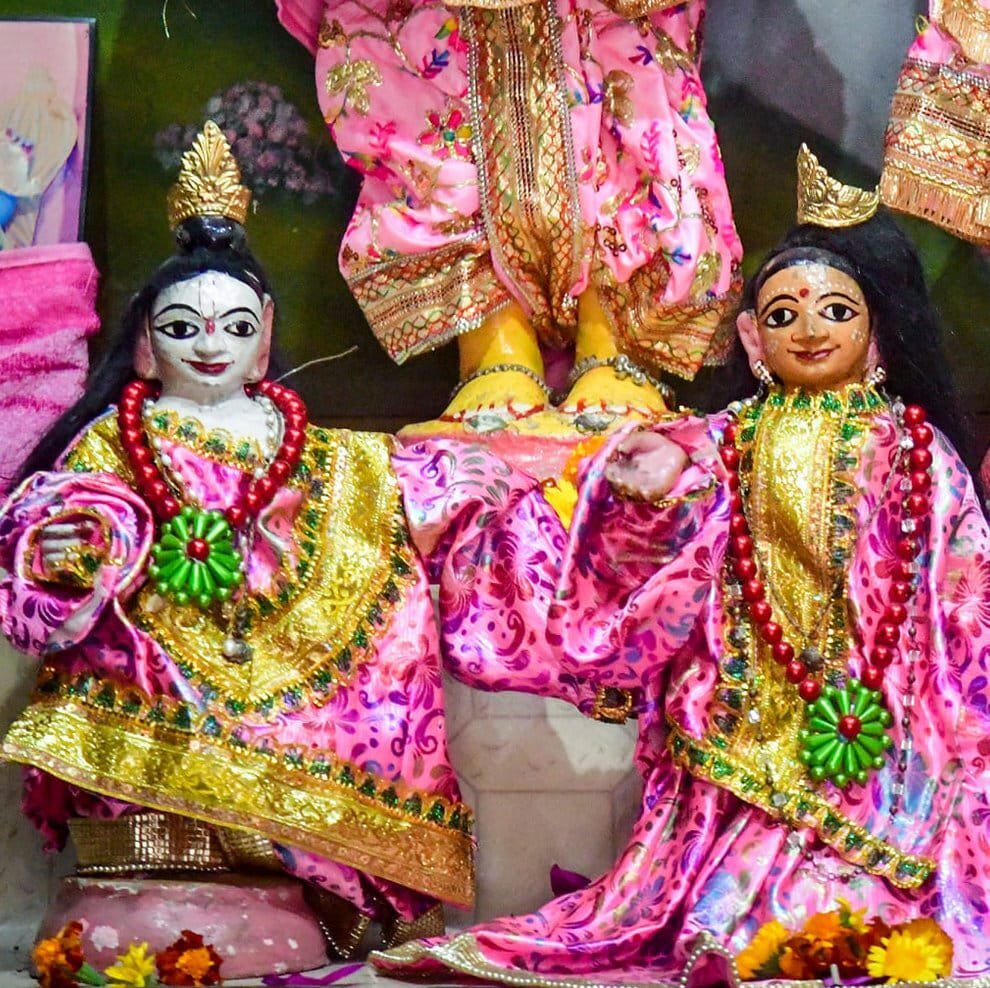
No source records the year Vasudeva Datta was born. None records the year, the place, or even the rough circumstances of his disappearance. In this, his story is very close to his brother's. Mukunda Datta's own page notes the same absence for him. But Mukunda Datta's tradition at least places a disappearance day on the calendar, and a samadhi among the Sixty-Four Samadhis at Puri. For Vasudeva Datta, even that much is missing. What remains instead is a temple still standing, his name in Krishna's pastimes beyond this lifetime, and one relationship that needs a closer look than a single summary sentence usually gives it.
| Detail | Description |
|---|---|
| Disappearance year | Not recorded |
| Disappearance place | Not recorded |
| Vraja identity | Madhuvrata, per Gaura-ganoddesha-dipika 140 |
| Paired identity | Mukunda Datta as Madhukantha |
| Enduring legacy | The Madana-gopala temple at Mamagachi |
| Documented spiritual connection | Yadunandana Acharya, priest and guru of Raghunatha Dasa Goswami |
The Priest He Sent Toward Vrindavana #
One of Vasudeva Datta's most important connections, probably more important than he ever expected, was his relationship with Yadunandana Acharya, the family priest of Raghunatha Dasa Goswami. Sri Chaitanya-charitamrita's Antya-lila tells of the night Raghunatha Dasa finally escaped his father's household for Jagannatha Puri. On that night, it was Yadunandana Acharya who made the escape possible. He arrived at the house with the excuse that he needed help to persuade a brahmana to resume temple service. He walked Raghunatha out past the sleeping guards, and then let him go the rest of the way alone.
A Question of Two Wordings #
At exactly this point in the story, Krishnadasa Kaviraja Goswami introduces Yadunandana Acharya with two statements, one right after the other. Both need to be read carefully. The first says that Yadunandana Acharya, "although born in a brahmana family, had accepted the mercy of Vasudeva Datta." The very next verse says that Yadunandana Acharya "had been officially initiated by Advaita Acharya." When read together, these two verses make a real distinction. Advaita Acharya gave Yadunandana Acharya his formal diksha. Vasudeva Datta gave him something the text calls mercy, not initiation.
Srila Prabhupada's own purport to an earlier verse, Adi-lila 10.41, sums up the same relationship more briefly. It says simply that "Vasudeva Datta initiated Sri Yadunandana Acharya, the spiritual master of Raghunatha dasa." Taken alone, that sentence seems to be a plain statement of diksha. But the fuller story comes much later, in Antya-lila 6.161-162. Read beside it, the purport looks instead like a short summary of the more specific relationship that Krishnadasa Kaviraja Goswami's own verses describe. Those verses speak of mercy from Vasudeva Datta and formal initiation from Advaita Acharya. The page on Raghunatha Dasa Goswami already follows this more specific wording. It describes Yadunandana Acharya as "himself a disciple of Advaita Acharya," and nothing here contradicts that. The other half of the same two verses still matters. Whatever the exact nature of their relationship, Krishnadasa Kaviraja Goswami himself records that Yadunandana Acharya had accepted Vasudeva Datta's mercy before he ever met Raghunatha Dasa at all. The sources really do use different words here, so we show both verses instead of quietly choosing one.
Madhuvrata of Vraja #
Kavi Karnapura's Gaura-ganoddesha-dipika, the traditional key to the Vraja identities of Mahaprabhu's associates, gives Vasudeva Datta a place in Krishna's own pastimes. It says that he and Mukunda Datta were two singers in Vraja named Madhuvrata and Madhukantha. They appeared in Chaitanya-lila as the Datta brothers who sang in Mahaprabhu's own company. It is a fitting identity for him. His most remembered moments are a prayer that moved the Lord to tears, and a vow the Lord repeated three times so no one could doubt it. Both rest entirely on the depth of a devotee's feeling, not on anything he did or built.
A Brother Remembered Beside Him #
Vasudeva Datta's story keeps returning, again and again, to his brother, and this is not by chance. The record itself presents him that way. Krishnadasa Kaviraja Goswami calls him "the nineteenth branch of the Chaitanya tree" in the very same chapter where Mukunda Datta appears as an earlier branch on the same tree. So two names from one Chittagong household stand only a few verses apart in the text that has preserved them both. They were two brothers from one wealthy family of physicians, with a friendship with the Lord that neither ever seems to have needed to explain or justify to anyone. Five hundred years later, this is what the record gives us, instead of any date for when either of their lives actually ended.
Scriptural evidence for this chapter (3)
vasudeva-dattera tenha haya 'anugrhita'\nraghunathera 'guru' tenho haya 'purohita'
Word for word
vasudeva-dattera: of Vasudeva Datta; tenha: he; haya anugrhita: was given the mercy; raghunathera: of Raghunatha dasa; guru: the spiritual master; tenho haya: was; purohita: the priest
Yadunandana Acarya was the priest and spiritual master of Raghunatha dasa. Although born in a brahmana family, he had accepted the mercy of Vasudeva Datta.
The verse establishing Yadunandana Acharya's bond with Vasudeva Datta as one of accepted mercy, not stated here as formal initiation. Read together with the next verse (Antya 6.162) for the fuller picture.
advaita-acaryera tenha 'sisya antaranga'\nacarya-ajnate mane — caitanya 'prana-dhana'
Word for word
advaita-acaryera: of Advaita Acarya; tenha: he; sisya antaranga: confidential disciple; acarya-ajnate: by the order of Advaita Acarya; mane: considers; caitanya: Lord Caitanya; prana-dhana: his life and soul
Yadunandana Acarya had been officially initiated by Advaita Acarya. Thus he considered Lord Caitanya his life and soul.
Krishnadasa Kaviraja Goswami's own verse specifying that Yadunandana Acharya's official (diksha) initiation came from Advaita Acharya, not Vasudeva Datta, the precise wording behind the Raghunatha Dasa Goswami page.
vraje sthitau gayakau yau madhukantha-madhuvratau\nmukunda-vasudevau tau dattau gauranga-gayakau
Word for word
vraje: in Vraja; sthitau: situated; gayakau: two singers; yau: who; madhukantha-madhuvratau: named Madhukantha and Madhuvrata; mukunda-vasudevau: Mukunda and Vasudeva; tau: they; dattau: the two Dattas; gauranga-gayakau: singers of Lord Gauranga
"In Vraja there were two very nice singers named Madhukantha and Madhuvrata. They appeared in Caitanya-lila as Mukunda and Vasudeva Datta, who were singers in the society of Lord Caitanya Mahaprabhu."
Vasudeva Datta's identity in Krishna's Vraja pastimes as the singer Madhuvrata, paired with Mukunda Datta's own identity as Madhukantha.
