Srila Raghava Pandit
Keeper of the Yearly Bhandara Carried to Jagannatha Puri
Also known as Raghava Pandita, Sri Raghava Pandit
“Just hear about the pure devotional service rendered to Krishna by Raghava Pandita. Indeed, Raghava Pandita's service is supremely pure and highly accomplished.”
Sri Chaitanya Mahaprabhu, speaking of Raghava Pandit to His assembled devotees (Sri Chaitanya-charitamrita, Madhya-lila 15.69)
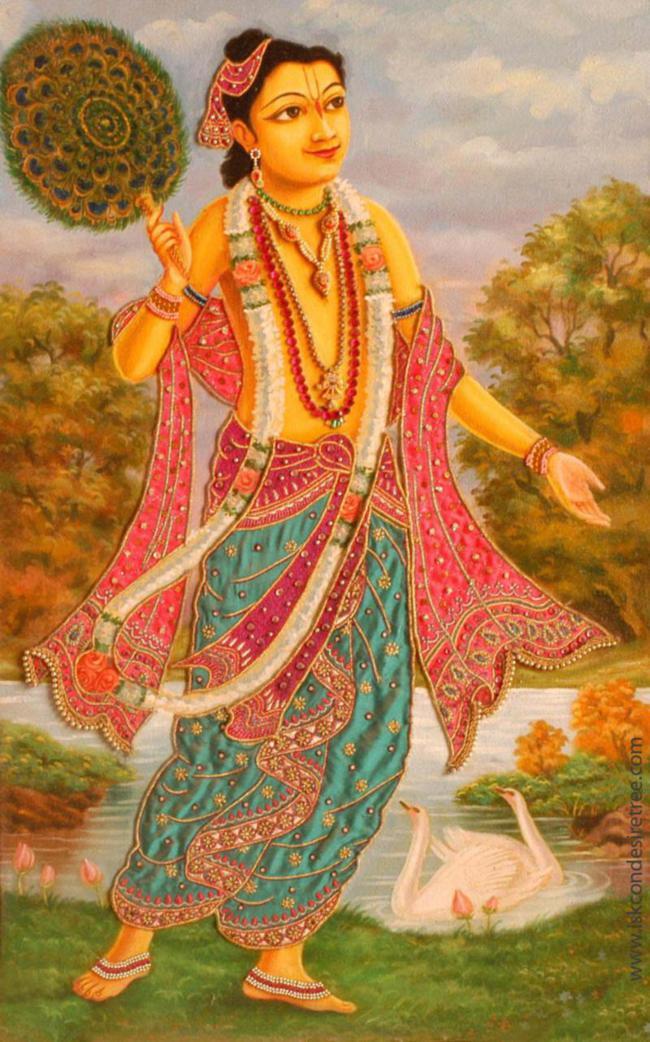
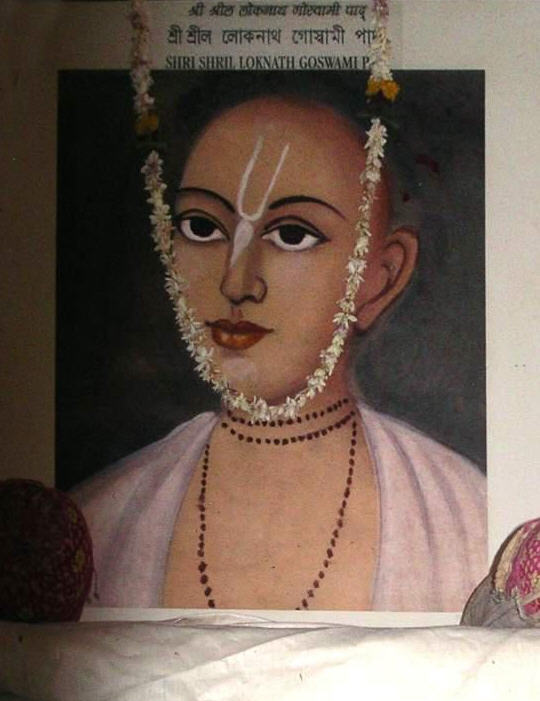
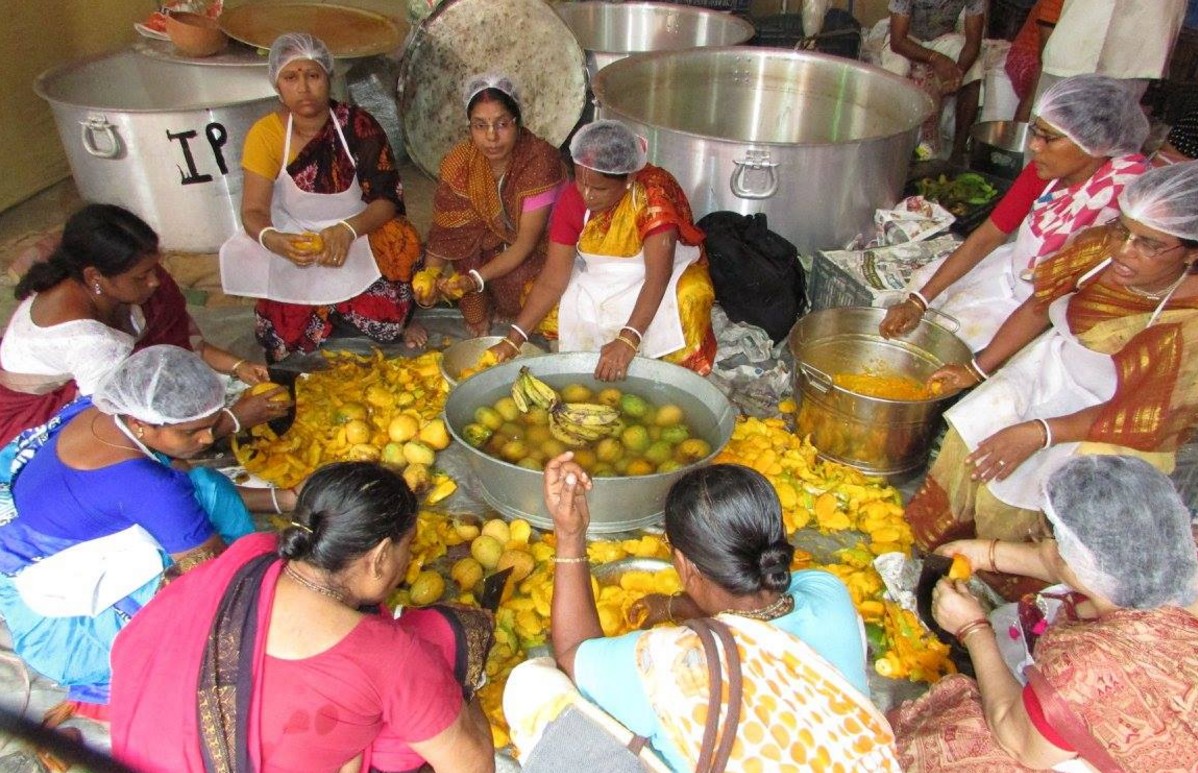
Srila Raghava Pandit lived at Panihati, a village on the Ganges a day's journey from Navadvipa. Sri Chaitanya-charitamrita names him as the seventh branch of the great tree of Mahaprabhu's associates: His "original follower." He is remembered most of all for one extraordinary act of devotion that he repeated every year of his life. Through his sister Damayanti's cooking, he gathered an entire year's worth of bhoga for Sri Chaitanya Mahaprabhu and sent it in sealed bags to Jagannatha Puri, hundreds of miles away. Those bags became so famous in Gaudiya Vaishnava memory that they still carry his name: raghavera jhali, "the bags of Raghava."
| Detail | Description |
|---|---|
| Home | Panihati, on the Ganges near Sodpur, a day's journey from Navadvipa |
| Position among the Lord's associates | Seventh branch of the tree of devotees (Chaitanya-charitamrita, Adi-lila 10.24) |
| Sister | Damayanti, who cooked the yearly bhandara sent to Puri |
| Disciple / sub-branch | Makaradhvaja Kara, superintendent of the bags |
| Identity | The gopi Dhanishtha, who cooked for Krishna in Vraja (Gaura-ganoddesha-dipika 166; Chaitanya-charitamrita Adi 10.24 purport) |
| Best known for | Raghavera jhali, the bags of bhoga carried yearly to Jagannatha Puri |
| Samadhi | Panihati, beside a Deity of Madana-mohana |
Panihati And The Seventh Branch #
Krishnadasa Kaviraja Goswami organizes the hundreds of devotees around Sri Chaitanya Mahaprabhu as branches of a single great tree, and he places Raghava Pandit high on that list: "Raghava Pandita, Lord Sri Chaitanya Mahaprabhu's original follower, is understood to have been the seventh branch. From him proceeded another subbranch, headed by Makaradhvaja Kara." Panihati itself is a village on the Ganges, close to what is now Sodpur station north of Calcutta. The tradition remembers it as one of Mahaprabhu's own places of residence during His years in Bengal. It was not just a devotee's home that He visited now and then. It was a place He was drawn back to. Raghava Pandit's own household there was centered on the daily worship of a Deity. He became famous among the Vaishnavas of his generation for the careful, loving standard of that worship, more than for anything he said or wrote. The fuller picture of his village, his family and what the tradition preserves about his early years is at birth and early life.
A Former Gopi Of Vraja #
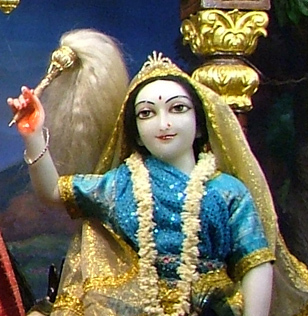
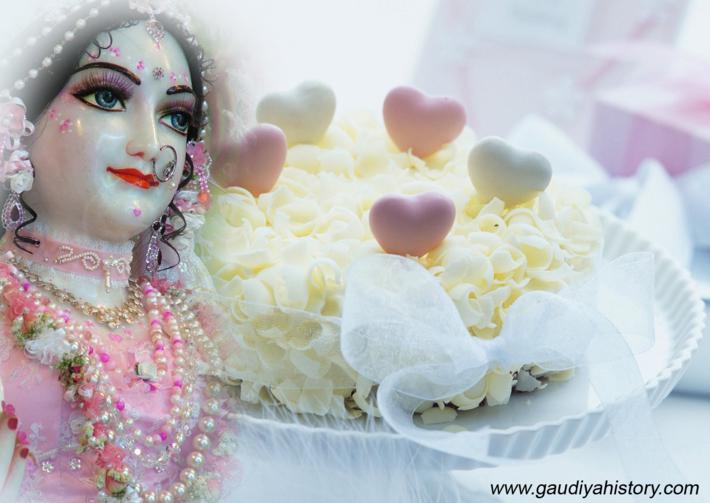
In his purport to this same verse, Srila Prabhupada quotes what the Gaura-ganoddesha-dipika (verse 166) says about Raghava Pandit's spiritual identity. He was formerly Dhanishtha, a confidential gopi of Vraja who "always engaged in preparing foods for Krishna." In the purport to the next verse (Adi 10.25), Srila Prabhupada quotes Srila Bhaktisiddhanta Sarasvati Thakura's Anubhasya, which cites the same text (verse 167) to say that his sister Damayanti was the gopi Gunamala. The connection is striking. In Krishna's pastimes, this gopi's service was cooking for Him. In Mahaprabhu's own pastimes, the same gopi appears again as the devotee whose household became famous for exactly that same service. This time the service was carried out by his own sister, at his direction.
In that purport to Chaitanya-charitamrita Adi 10.24 Srila Prabhupada quotes the Sanskrit of Gaura-ganoddesha-dipika 166 and explains it:
dhaniṣṭhā bhakṣya-sāmagrīṁ kṛṣṇāyādād vraje’mitām
saiva samprati gaurāṅga-priyo rāghava-paṇḍitaḥ
"Rāghava Paṇḍita was formerly a confidential gopī in Vraja during the time of Lord Kṛṣṇa’s pastimes, and his former name was Dhaniṣṭhā. This gopī, Dhaniṣṭhā, always engaged in preparing foods for Kṛṣṇa." (Chaitanya-charitamrita Adi 10.24 purport)
Four verses earlier, in verse 162, the same book speaks of a different devotee with almost the same name: Srila Raghava Pandita Goswami of Govardhana, the gopi Campakalata, who guided Shrinivasa Acharya and Narottama Dasa Thakura through Vraja. Modern books often mix the two up, but they are two different people.
The Bhandara Of Raghava Pandit #
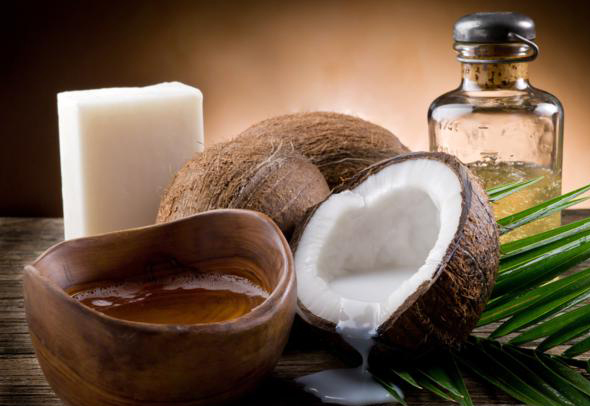
When Sri Chaitanya Mahaprabhu toured Bengal after taking sannyasa, He stopped at Raghava Pandit's home. There He personally described to His assembled devotees the purity of Raghava Pandit's Deity worship. He told of the coconuts fetched from twenty miles away at four times the usual price, and of the fruit trimmed and cleaned with extraordinary care. He also told of one particular day when Raghava Pandit rejected an entire tray of coconuts, because a servant's hand had brushed a dusty doorway before touching them. "Just hear about the pure devotional service rendered to Krishna by Raghava Pandita," Mahaprabhu told them. "Indeed, Raghava Pandita's service is supremely pure and highly accomplished." The full account of that visit, verse by verse, is at the bhandara of Raghava Pandit.
Nityananda Prabhu's Kirtan At Panihati #
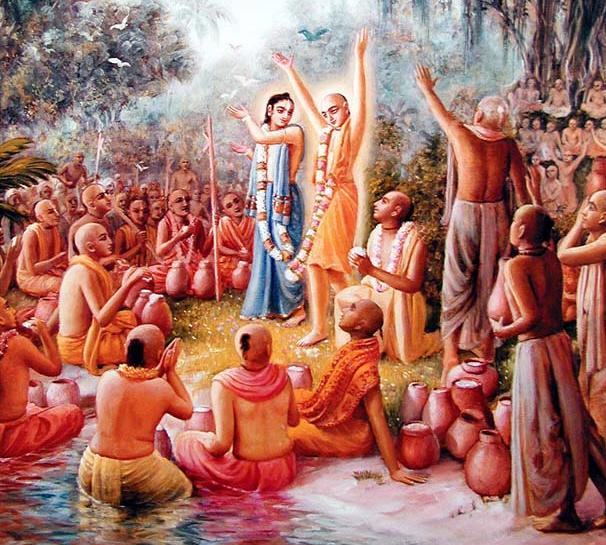
Panihati was also the site of one of Gaudiya Vaishnavism's best-loved festivals. When Nityananda Prabhu came there with Govinda Ghosh and his brothers, His dancing in Raghava Pandit's own house is remembered as ecstatic almost beyond description. On that same visit to Panihati, Nityananda Prabhu ordered a young runaway named Raghunatha Dasa Goswami to hold the chida-dadhi-mahotsava. This is the chipped-rice-and-yogurt festival still celebrated there every year. Raghava Pandit himself was present throughout. He hosted the Lord's associates in his own home once the public feast had ended. The story of that evening, and of the small miracle that is remembered alongside it, is told at Nityananda Prabhu at Panihati.
The Annual Pilgrimage To Puri #
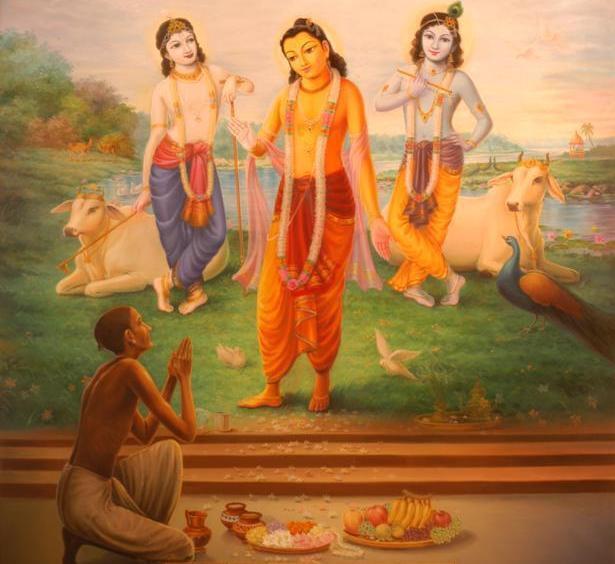
Every year a party of Bengali devotees traveled to Jagannatha Puri for the Ratha-yatra festival. The pilgrimage was organized and funded by Shivananda Sena, and it is described in full at Shivananda Sena's own page on leading it. Raghava Pandit's bags traveled with that same party each year, carried by porters under the supervision of his disciple Makaradhvaja Kara. What made them different from every other devotee's gift was how Mahaprabhu treated them. The food from other devotees was eaten and named aloud the same day. But Raghava's bags were set aside and opened alone the following afternoon. They were tasted item by item, and then kept to be served to Him little by little across the entire year that followed. The complete story is at the annual pilgrimage to Puri. That page tells what the bags held, how Damayanti prepared their contents, and more about this special sign of regard.
Disappearance And A Village Still Remembered #
No source records when Raghava Pandit was born or when he passed from this world. What survives is his samadhi at Panihati, described by Srila Bhaktisiddhanta Sarasvati Thakura in the 1930s as a tomb overgrown with vines beside a neglected Deity of Madana-mohana. In the century since, interest in the village as a Gaudiya Vaishnava pilgrimage site has revived. This includes efforts connected to Srila Prabhupada's own wish to see a temple established there. The fuller story of his samadhi and Panihati's continuing life as a place of pilgrimage is at disappearance and legacy.
No diksha-guru is recorded for Raghava Pandit in Chaitanya-charitamrita or in Srila Bhaktisiddhanta Sarasvati Thakura's Anubhasya notes on him. Like many of Mahaprabhu's closest Bengali associates, he is remembered simply as the Lord's own original follower: someone whose entire spiritual life took the shape of feeding his Lord with everything he had.
Scriptural evidence
Quoted in the text above:
- Adi 10.24 Sri Chaitanya-charitamrita quoted above ↑
- Verse 166 Gaura-ganoddesha-dipika quoted above ↑
Frequently asked
When was Srila Raghava Pandit born?
Srila Raghava Pandit appeared Not recorded (a contemporary of Sri Chaitanya Mahaprabhu) in Panihati, on the Ganges near present-day Sodpur, north of Calcutta.
When and where did Srila Raghava Pandit disappear?
Srila Raghava Pandit disappeared Not recorded at Panihati (samadhi site).
What are the main pastimes of Srila Raghava Pandit?
The pastimes covered here include: Birth And Early Life, The Bhandara Of Raghava Pandit, Nityananda Prabhu At Panihati, The Annual Pilgrimage To Puri, Disappearance And Legacy.