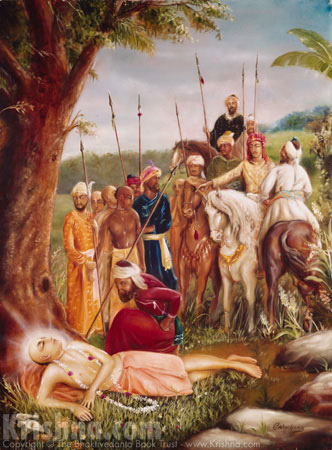
बिजली खान
वह युवा पठान राजकुमार जिनके मस्तक पर भगवान का चरण रखा गया
अन्य नाम विजुली खान, विजुलीखान, बिजुली खान
“कृष्ण!”
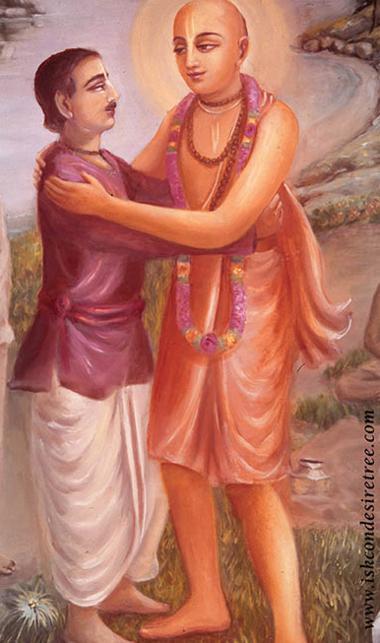
बिजली खान की पुकार, जब वे श्री चैतन्य महाप्रभु के चरणों में गिरे। इसके कुछ ही क्षण बाद भगवान ने आशीर्वाद के रूप में अपना चरण उनके मस्तक पर रखा (चैतन्य-चरितामृत, मध्य-लीला 18.209)
बिजली खान एक युवा पठान कुलीन थे। वे एक स्थानीय मुस्लिम शासक के पुत्र थे। कृष्णदास कविराज गोस्वामी ने उनका नाम विजुली खान लिखा है। जब श्री चैतन्य महाप्रभु वृन्दावन से प्रयाग की ओर लौट रहे थे, तब गंगा के तट पर बिजली खान की सशस्त्र टुकड़ी का उनसे सामना हुआ। यह घटना डकैती की एक गलत आशंका से शुरू हुई, लेकिन इसका अन्त इस बात से हुआ कि स्वयं बिजली खान भगवान के चरणों में गिर पड़े। बाद में, कृष्णदास कविराज गोस्वामी के चैतन्य-चरितामृत के शब्दों में, वे एक महा-भागवत बने, जिनकी ख्याति हर तीर्थ-स्थान में फैली थी। ध्यान रहे, बिजली खान उन दो अन्य बंगाली भक्तों से अलग व्यक्ति हैं, जिनके नाम के साथ भी 'खान' की उपाधि जुड़ी है। सत्यराज खान कुलीन-ग्राम के एक हिन्दू कायस्थ गृहस्थ थे। उनके परिवार को यह राजकीय उपाधि महाप्रभु के जन्म से कई पीढ़ियाँ पहले मिली थी। सेर खान बाद की पीढ़ी के एक पठान अधिकारी थे, जिन्हें ओड़िशा में श्यामानन्द पण्डित ने भक्ति में दीक्षित किया। बिजली खान की अपनी कथा इन दोनों में से किसी के परिवार या काल से नहीं जुड़ी है। यह मार्ग पर हुई एक अकेली, विशेष भेंट है। यह सेर खान के धर्मान्तरण से दशकों पहले हुई, और सत्यराज खान के पैतृक गाँव से देश के बिल्कुल अलग भाग में हुई।
| विवरण | वर्णन |
|---|---|
| चैतन्य-चरितामृत में नाम | विजुली खान (लोकप्रिय रूप से बिजली खान लिखा जाता है) |
| पृष्ठभूमि | पठान; एक स्थानीय मुस्लिम शासक के पुत्र (राजार कुमार) |
| घटनास्थल | गंगा तट पर, महाप्रभु के वृन्दावन से प्रयाग लौटने के मार्ग पर |
| समूह में साथी | रामदास, उसी अश्वारोही टुकड़ी के एक वृद्ध सूफी साधक, जिन्हें कुछ ही क्षण पहले दीक्षा मिली थी |
| ग्रंथ-स्रोत | श्री चैतन्य-चरितामृत, मध्य-लीला 18.163-212 |
| अनुमानित काल | महाप्रभु की वृन्दावन से प्रयाग लौटने की यात्रा के दौरान, उनके सन्न्यास के कुछ वर्ष बाद (सोलहवीं शताब्दी का प्रारम्भ) |
| विरासत | पठान वैष्णवों में स्मरण किए जाते हैं, यानी उन मुस्लिम धर्मान्तरित भक्तों में, जिन्होंने पूरे भारत में महाप्रभु की महिमा का गान करते हुए भ्रमण किया |
गंगा तट पर एक भेंट #
वृन्दावन और उसके आसपास के तीर्थों की यात्रा के बाद महाप्रभु प्रयाग जाने की तैयारी करने लगे। उन्होंने ऐसा बलभद्र भट्टाचार्य और मथुरा के एक सनोढ़िया ब्राह्मण की सलाह पर किया। ये ब्राह्मण सनोरिया विप्र के नाम से जाने जाते हैं और गंगा-तट के मार्ग को अच्छी तरह जानते थे। केवल इन दोनों और राजपूत भक्त कृष्णदास को साथ लेकर महाप्रभु ने नाव से नदी पार की और गंगा के किनारे-किनारे पैदल चल पड़े। चलते-चलते थक जाने पर वे चरती हुई गायों के एक झुण्ड के पास एक वृक्ष के नीचे बैठ गये। एक ग्वाल-बालक की बाँसुरी की ध्वनि सुनकर वे ऐसे दिव्य प्रेम से भर गये कि मूर्च्छित हो गये। उनकी साँस थम गयी और मुख से फेन निकलने लगा। ठीक इसी क्षण दस पठान घुड़सवार सैनिक वहाँ आ पहुँचे। उनके बीच उनके स्थानीय शासक के पुत्र बिजली खान भी सवार थे, जो अभी बहुत युवा थे। सैनिकों ने महाप्रभु के चार साथियों को इस आशंका में बन्दी बना लिया कि उन्होंने एक धनी सन्न्यासी को विष देकर लूटा है। फिर साथियों ने निडर होकर सैनिकों को समझाया और उन्हें इस विचार से हटा दिया। यह पूरी कथा गंगा-तट मार्ग पर पठान सैनिक पर बतायी गयी है। वह अध्याय वास्तव में सनोरिया विप्र और कृष्णदास का है। इन्हीं दोनों ने धैर्य बनाये रखा और चारों के प्राण बचाये। बिजली खान की अपनी भूमिका कथा में तभी शुरू होती है, जब महाप्रभु को होश आया और चकित सैनिकों ने अपने बन्दियों को छोड़ दिया।
युवा पठान राजकुमार #
चैतन्य-चरितामृत स्पष्ट बताता है कि उन दस सैनिकों में बिजली खान कौन थे। वे बहुत युवा थे और राजा के पुत्र थे, अर्थात् किसी स्थानीय मुस्लिम शासक के पुत्र। ग्रंथ में उस शासक के राज्य का नाम कहीं नहीं दिया गया। वहाँ उपस्थित बाकी पठान बिजली खान के ही सेवक थे। उनके अगुआ काले वस्त्र पहने एक गम्भीर वृद्ध पुरुष थे, जिन्हें लोग पहले से ही एक सन्त सूफी साधक मानते थे। वही वृद्ध सूफी सबसे पहले आगे आये। उन्होंने जो देखा था, उससे वे प्रभावित थे। उन्होंने कुरान के आधार पर यह सिद्ध करने का प्रयास किया कि ईश्वर निराकार है, उसका कोई रूप या व्यक्तित्व नहीं है। बिजली खान अपने ही सेवकों के बीच एक युवक थे। वे इस वाद-विवाद को देखते रहे, उन्होंने इसका नेतृत्व नहीं किया।
रामदास की शरणागति, और फिर बिजली खान की #
महाप्रभु ने सूफी के तर्कों का एक-एक करके खण्डन किया। उन्होंने दिखाया कि यदि कुरान को उसके निष्कर्ष तक पढ़ा जाए, तो वह स्वयं एक सगुण, दिव्य ईश्वर को स्थापित करता है, जिसे केवल प्रेममयी भक्ति से ही पाया जा सकता है। सूफी के पास कोई उत्तर नहीं बचा। वे महाप्रभु के चरणों में गिर पड़े। उनकी जिह्वा पहले से ही हरे कृष्ण महामन्त्र का उच्चारण करने लगी थी। उन्होंने महाप्रभु से जीवन के वास्तविक लक्ष्य की शिक्षा माँगी। महाप्रभु ने उसी क्षण उन्हें दीक्षा दी और उनका नया नाम रामदास रखा। इसके बाद ग्रंथ में केवल एक छोटा-सा श्लोक आता है: 'कृष्ण!' ऐसा कहकर वे महाप्रभु के चरणों में गिर पड़े, और महाप्रभु ने अपना चरण उनके मस्तक पर रख दिया। चरणों में गिरने वाले ये भक्त स्वयं बिजली खान थे। ये वही युवक थे, जो थोड़ी देर पहले चार अनजान लोगों को मार डालने के इरादे से घोड़े पर सवार होकर आये थे।
पठान वैष्णव #
इसके बाद महाप्रभु ने वहाँ उपस्थित सभी पठानों से कृष्ण का नाम जपने को कहा। ग्रंथ के अनुसार, नाम जपते हुए वे दिव्य प्रेम से अभिभूत हो गये। जब भगवान अन्त में वहाँ से चले गये, तब तक उन दसों सैनिकों में से हर एक वैरागी, अर्थात् संसार का त्याग करने वाला, बन चुका था। समय के साथ वे बंगाल और उससे आगे भी पठान वैष्णव के नाम से प्रसिद्ध हुए। वे देश भर में घूमकर महाप्रभु की महिमा का गान करते थे। वे मुस्लिम परिवारों में जन्मे पुरुष थे, जो घूमने वाले भक्त बन गये थे। उनका जीवन इस बात का जीवित प्रमाण था कि जन्म या पृष्ठभूमि किसी को भी भक्ति से कभी नहीं रोक सकती। प्रसंग के अन्त में ग्रंथ इन सबमें से केवल बिजली खान का नाम लेकर विशेष रूप से उल्लेख करता है। वह बताता है कि वे एक महा-भागवत, अर्थात् अत्यन्त उन्नत भक्त, बने और जिस भी तीर्थ में गये, वहाँ उनका सम्मान हुआ। इसके बाद महाप्रभु, सनोरिया विप्र और कृष्णदास सोरो-क्षेत्र और प्रयाग की ओर आगे बढ़े। उसी दोपहर की यात्रा के ये अन्तिम चरण प्रयाग की ओर आगे पर बताये गये हैं।
कुछ ही श्लोकों में समायी एक जीवन-गाथा #
मध्य-लीला के अठारहवें अध्याय के इन पचास श्लोकों के बाहर बिजली खान के बारे में कुछ भी नहीं बचा है। न उनका जन्म-वर्ष मिलता है, न उनके पिता के राज्य का नाम। इसका भी कोई विवरण नहीं है कि पठान वैष्णव के रूप में उनका बाद का जीवन उन्हें कहाँ ले गया। ग्रंथ में लिखी उस एक पुकार 'कृष्ण!' के अलावा उनके अपने कोई शब्द भी नहीं मिलते। यहाँ तक कि उनके नाम की वर्तनी भी अलग-अलग स्रोतों में बदल जाती है। कृष्णदास कविराज गोस्वामी स्वयं विजुली खान लिखते हैं। बाद की भक्ति-कथाओं ने बिजली खान नाम को लोकप्रिय बनाया, और आज उन्हें सामान्यतः इसी नाम से याद किया जाता है। दोनों नाम एक ही युवक और एक ही भेंट की ओर संकेत करते हैं। पाठक यह भी ध्यान रखें कि कबीर की अलग परम्परा की भक्ति-लोककथाओं में, जो गोरखपुर के निकट मगहर पर केन्द्रित है, एक बिल्कुल असम्बद्ध 'बिजली खान पठान' का उल्लेख भी मिलता है। वे एक अलग वंश-परम्परा के अलग व्यक्ति हैं, जिनसे केवल नाम की समानता है। चैतन्य-चरितामृत में वास्तविक विजुली खान के बारे में जो कुछ सुरक्षित है, वह थोड़ा है, लेकिन सटीक है: एक स्थान, एक पारिवारिक विवरण, एक पुकार, और एक आशीर्वाद।
शास्त्र प्रमाण
‘রামদাস’ বলি’ প্রভু তাঁর কৈল নাম । আর এক পাঠান, তাঁর নাম — ‘বিজুলী-খাঁন’ ॥
'rāmadāsa' bali' prabhu tāṅra kaila nāma
āra eka pāṭhāna, tāṅra nāma — 'vijulī-khāṅna'
शब्दार्थ
rāmadāsa bali': of the name Rāmadāsa; prabhu: Sri Chaitanya Mahaprabhu; tāṅra: his; kaila: made; nāma: name; āra eka pāṭhāna: another Muslim; tāṅra nāma: his name; vijulī-khāṅna: Vijuli Khan.
इस प्रकार श्री चैतन्य महाप्रभु ने कृष्ण के पवित्र नाम का जप करने की सलाह देकर उस साधु मुसलमान को साक्षात् दीक्षा दी। उस मुसलमान का नाम बदलकर रामदास रख दिया गया। वहाँ उपस्थित एक अन्य पठान मुसलमान का नाम विजुली खान था।
यह वह श्लोक है जहाँ विजुली खान (बिजली खान) का नाम ग्रंथ में पहली बार आता है, उनके साथी की रामदास के रूप में दीक्षा के तुरन्त बाद।
অল্প বয়স তাঁর, রাজার কুমার । ‘রামদাস’ আদি পাঠান — চাকর তাঁহার ॥
alpa vayasa tāṅra, rājāra kumāra
'rāmadāsa' ādi pāṭhāna — cākara tāṅhāra
शब्दार्थ
alpa vayasa tāṅra: his age is very young; rājāra kumāra: son of the king; rāmadāsa: Ramadasa; ādi: heading the list; pāṭhāna: the Muslims; cākara tāṅhāra: servants of him.
विजुली खान अत्यन्त युवा थे, और वे राजा के पुत्र थे। रामदास के नेतृत्व में शेष सभी मुसलमान, अर्थात् पठान, उनके सेवक थे।
बिजली खान की पारिवारिक पृष्ठभूमि पर ग्रंथ में यही एकमात्र विवरण है: वे युवा थे, और उनके पिता एक स्थानीय शासक थे, जिनका नाम ग्रंथ में नहीं दिया गया।
‘কৃষ্ণ’ বলি’ পড়ে সেই মহাপ্রভুর পায় । প্রভু শ্রীচরণ দিল তাঁহার মাথায় ॥
'kṛṣṇa' bali' paḍe sei mahāprabhura pāya
prabhu śrī-caraṇa dila tāṅhāra māthāya
शब्दार्थ
kṛṣṇa bali': chanting the holy name of Krishna; paḍe: falls down; sei: that Vijuli Khan; mahāprabhura pāya: at the lotus feet of Sri Chaitanya Mahaprabhu; prabhu: Sri Chaitanya Mahaprabhu; śrī-caraṇa dila: placed His foot; tāṅhāra māthāya: on his head.
विजुली खान भी श्री चैतन्य महाप्रभु के चरण-कमलों में गिर पड़े, और भगवान ने अपना चरण उनके मस्तक पर रख दिया।
बिजली खान की अपनी कथा का केन्द्रीय श्लोक: उनके अपने शब्द भगवन्नाम की एक ही पुकार तक सिमट जाते हैं, जिसका उत्तर भगवान ने आशीर्वाद स्वरूप अपना चरण उनके मस्तक पर रखकर दिया।
সেই বিজুলী-খাঁন হৈল ‘মহাভাগবত’ । সর্বতীর্থে হৈল তাঁর পরম-মহত্ত্ব ॥
sei vijulī-khāṅna haila 'mahā-bhāgavata'
sarva-tīrthe haila tāṅra parama-mahattva
शब्दार्थ
sei: that; vijulī-khāṅna: Vijuli Khan; haila: became; mahā-bhāgavata: most advanced devotee; sarva-tīrthe: in all places of pilgrimage; haila: became; tāṅra: his; parama: great; mahattva: importance.
विजुली खान एक अत्यन्त उन्नत भक्त बने, और उनका महत्त्व प्रत्येक तीर्थ-स्थान में समादृत हुआ।
बिजली खान के विषय में ग्रंथ का अन्तिम वचन। यही एकमात्र पंक्ति है जो बताती है कि इस एक प्रसंग के बाद उनका क्या हुआ।
তাঁ-সবারে কৃপা করি' প্রভু ত' চলিলা ।
সেইত পাঠান সব 'বৈরাগী' হইলা ॥
tāṅ-sabāre kṛpā kari' prabhu ta' calilā
seita pāṭhāna saba 'vairāgī' ha-ilā
शब्दार्थ
tāṅ-sabāre: to all of them; kṛpā kari': bestowing mercy; prabhu: Sri Chaitanya Mahaprabhu; ta': indeed; calilā: departed; seita: they; pāṭhāna: the Muslims of the Pathana community; saba: all; vairāgī ha-ilā: became mendicants.
इस प्रकार उन सब पर कृपा करके श्री चैतन्य महाप्रभु वहाँ से चले गये। वे सभी पठान मुसलमान तब वैरागी बन गये।
यह श्लोक सामूहिक धर्मान्तरण का वर्णन करता है: महाप्रभु के प्रस्थान तक केवल बिजली खान और वृद्ध सूफी ही नहीं, बल्कि सभी दस पठान सैनिक वैरागी बन गये।
अक्सर पूछे जाने वाले प्रश्न
बिजली खान का जन्म कब हुआ था?
बिजली खान का प्राकट्य दर्ज नहीं में, अभिलिखित नहीं में हुआ।
बिजली खान का तिरोभाव कब और कहाँ हुआ?
बिजली खान का तिरोभाव दर्ज नहीं, अभिलिखित नहीं में हुआ।
बिजली खान की प्रमुख लीलाएँ कौन-सी हैं?
यहाँ इन लीलाओं पर पृष्ठ उपलब्ध हैं: वह वाद-विवाद जिसे युवा पठान ने देखा।