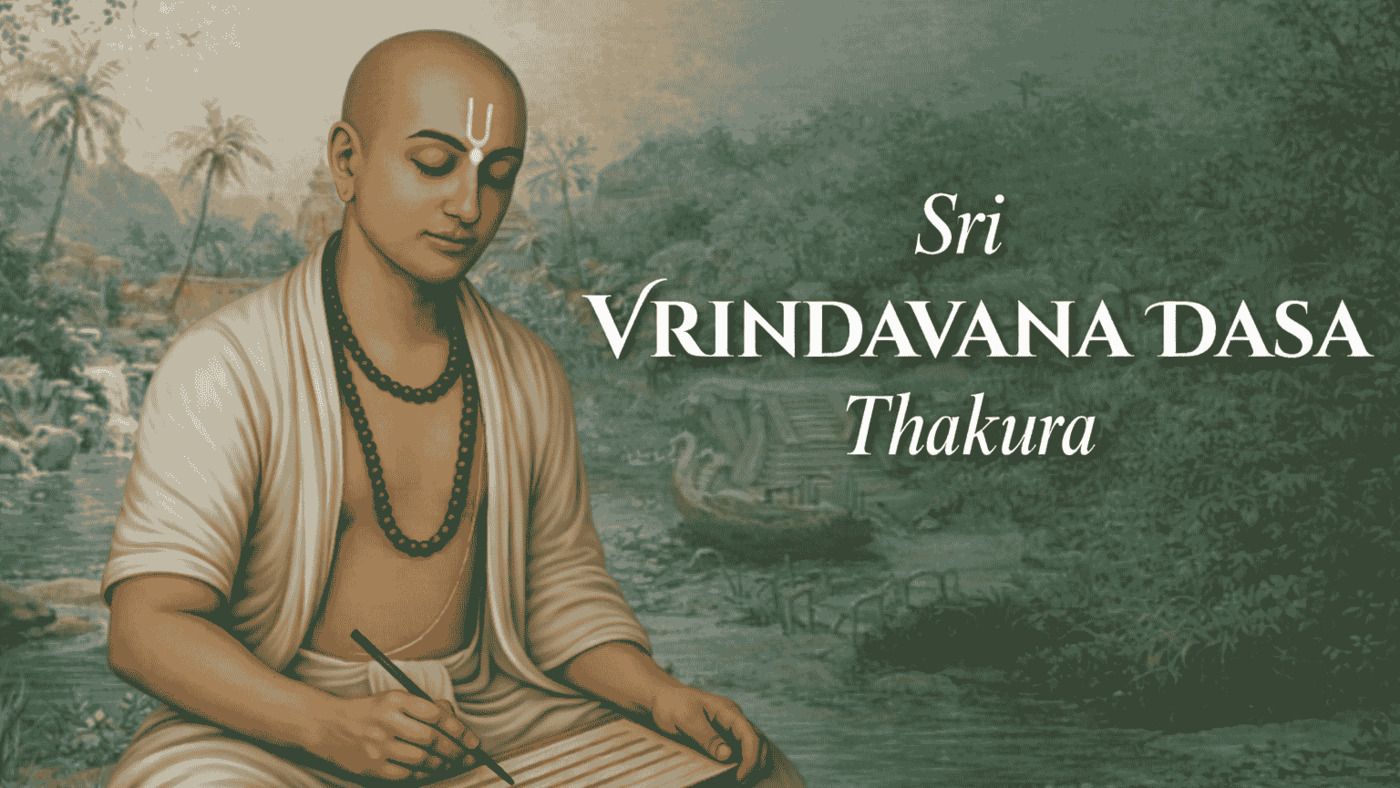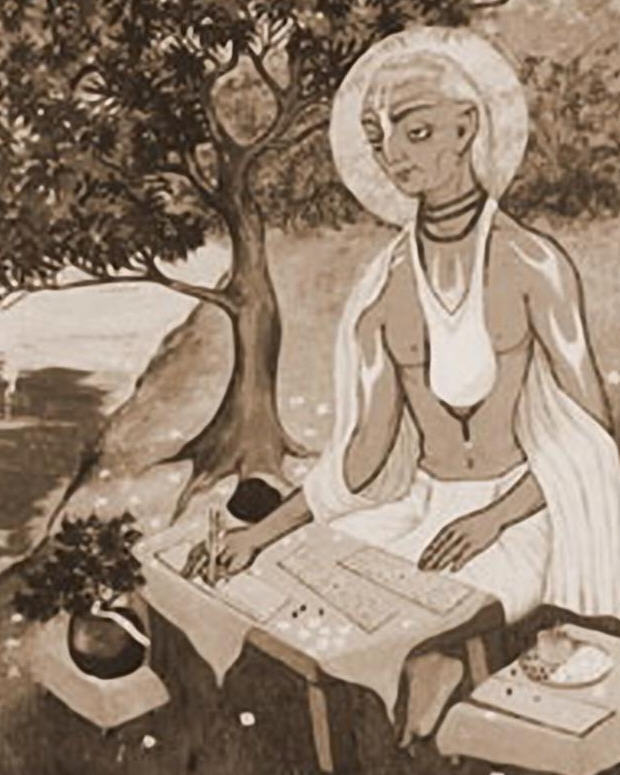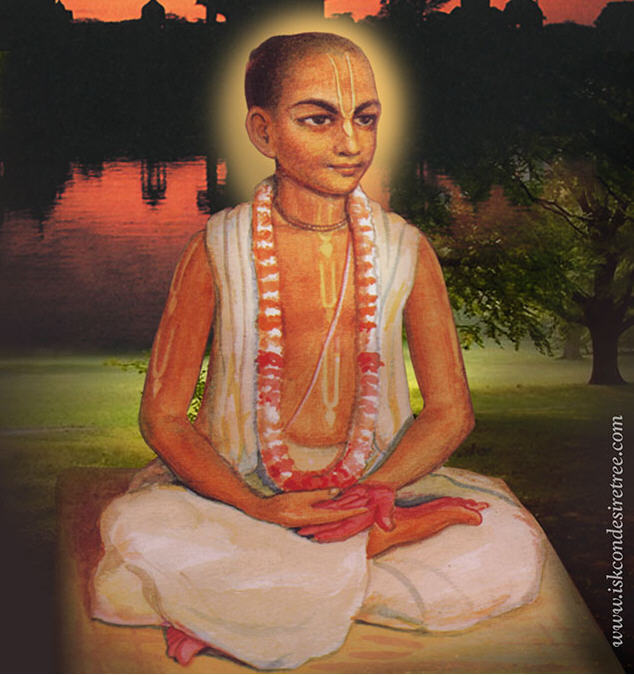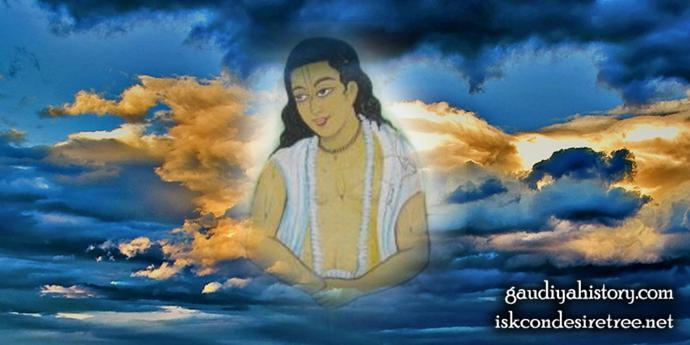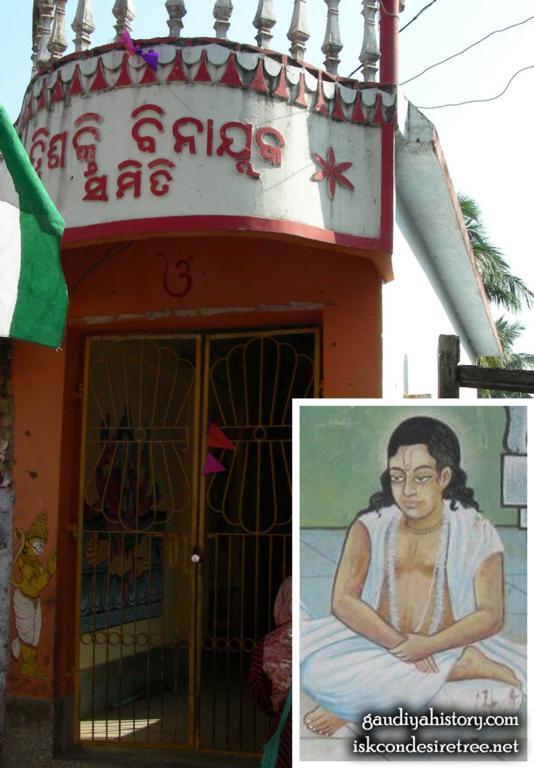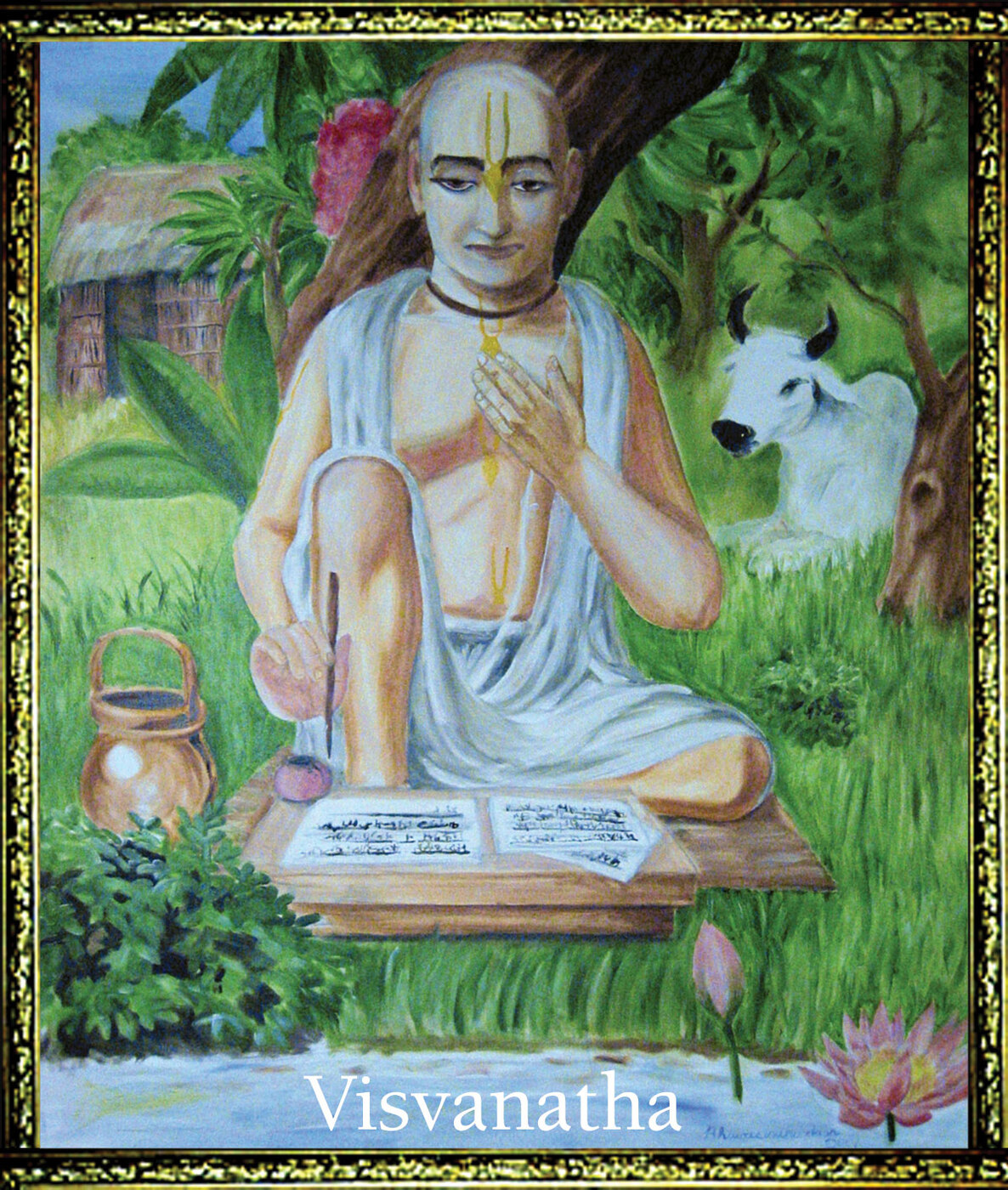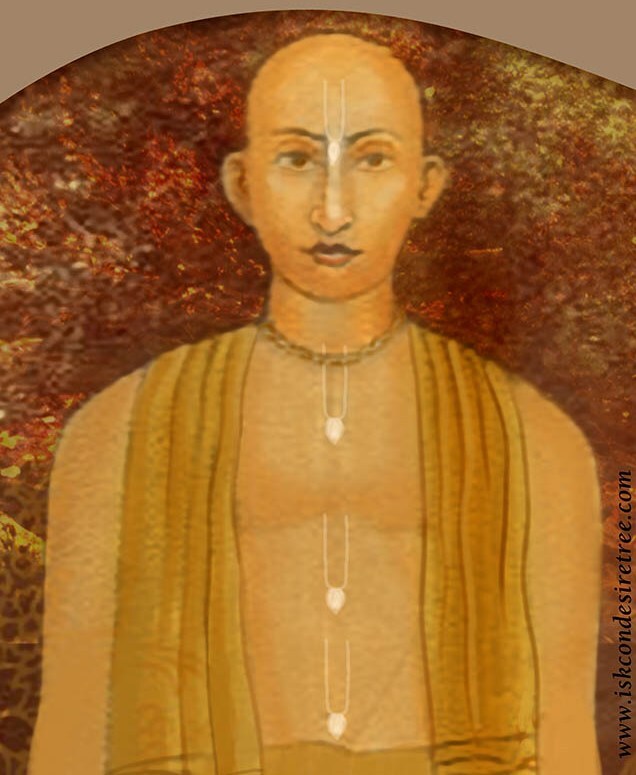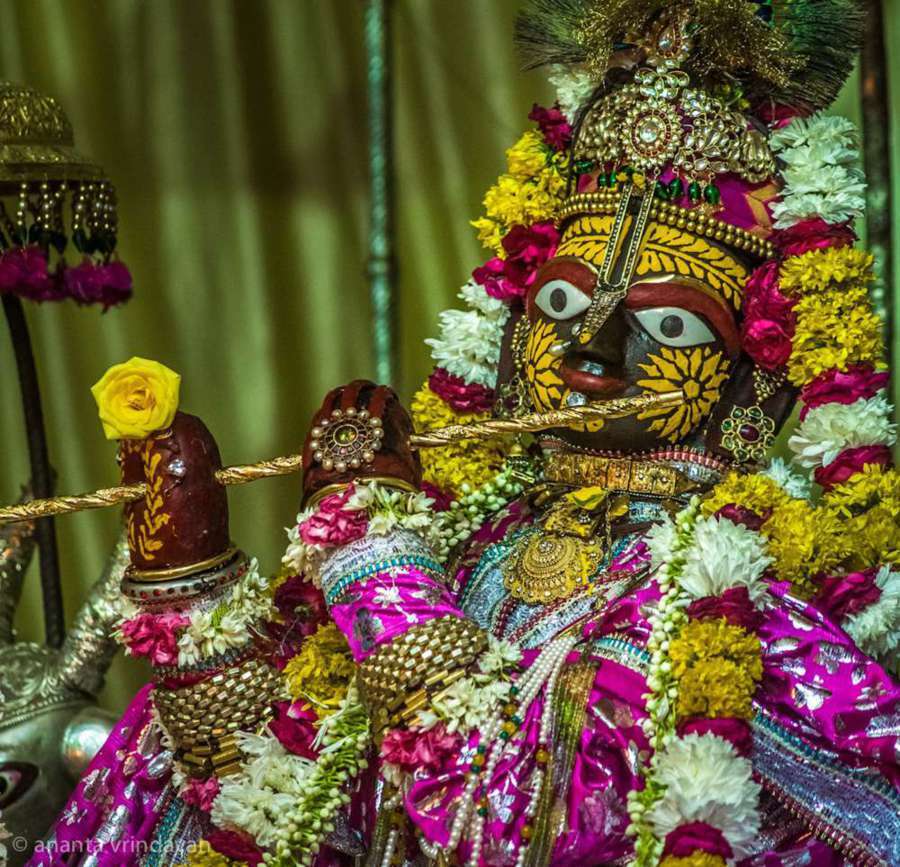
श्रील नरहरि चक्रवर्ती ठाकुर
भक्ति-रत्नाकर एवं नरोत्तम-विलास के रचयिता
अन्य नाम घनश्याम दास, नरहरि दास, नरहरि चक्रवर्ती
“मैं एक अनपढ़ मूर्ख हूँ जो उचित-अनुचित कुछ भी नहीं जानता, फिर भी सन्त-जनों ने मुझे आदेश दिया है कि मैं यह सुन्दर ग्रंथ नरोत्तम-विलास कहूँ, जिसका आस्वादन पाठकगण निश्चय ही करेंगे।”
नरहरि चक्रवर्ती ठाकुर द्वारा रचित नरोत्तम-विलास (प्रथम विलास) के प्रारम्भ से
श्रील नरहरि चक्रवर्ती ठाकुर ने अपनी कई पुस्तकों में अपना नाम घनश्याम दास लिखा। उन्होंने अपने जीवन के बारे में लगभग कुछ भी दर्ज नहीं किया। फिर भी आज दर्जनों दूसरे गौड़ीय वैष्णवों को मुख्य रूप से इसीलिए जाना जाता है, क्योंकि नरहरि चक्रवर्ती ने उनके जीवन-चरित्र लिखे। वे भक्ति-रत्नाकर और नरोत्तम-विलास के रचयिता हैं। इसी कारण वे उस पीढ़ी के बारे में सबसे महत्त्वपूर्ण स्रोत हैं, जो वृन्दावन के षड्-गोस्वामियों और चैतन्य महाप्रभु के प्रत्यक्ष पार्षदों के बाद आई। उनकी पुस्तकें बताती हैं कि गोस्वामियों की शिक्षाएँ बंगाल में कैसे लौटीं, नरोत्तम दास ठाकुर और श्रीनिवास आचार्य ने कैसे प्रचार किया, और खेतुरी महोत्सव ने बिखरे हुए गौड़ीय वैष्णव समुदाय को पहली बार कैसे एकत्र किया। उन्हें मिलते-जुलते नाम वाले पहले के एक अधिक प्रसिद्ध वैष्णव के साथ भ्रमित नहीं करना चाहिए। इसकी चर्चा आगे की गई है।
| Detail | Description |
|---|---|
| अन्य नाम | घनश्याम दास (अनेक ग्रंथों में स्वयं का हस्ताक्षर); नरहरि दास |
| काल | सन् 1600 के उत्तरार्ध से आगे; विश्वनाथ चक्रवर्ती ठाकुर के लगभग एक पीढ़ी बाद |
| जन्मस्थान | पश्चिम बंगाल; उपलब्ध स्रोतों में ग्राम का नाम ज्ञात नहीं |
| पिता | जगन्नाथ विप्र, विश्वनाथ चक्रवर्ती ठाकुर के शिष्य |
| दीक्षा गुरु | नरसिंह चक्रवर्ती, श्रीनिवास आचार्य से चली आ रही शिष्य-परम्परा में |
| प्रमुख रचनाएँ | भक्ति-रत्नाकर, नरोत्तम-विलास, श्रीनिवास-चरित, गौर-चरित्र-समुद्र, नामामृत-समुद्र, संगीत-सार-संग्रह, नवद्वीप-धाम-परिक्रमा |
| सेवा | वृन्दावन में राधा-गोविन्दजी विग्रह के रसोइया और व्यक्तिगत सेवक, सत्तर वर्ष से अधिक की आयु तक |
एक भिन्न नरहरि #
गौड़ीय वैष्णव इतिहास में नरहरि नाम के दो महत्त्वपूर्ण भक्त हुए हैं। दोनों के समय में एक शताब्दी से भी अधिक का अन्तर है। उनके लगभग एक जैसे नामों ने पाठकों को हमेशा भ्रमित किया है। नरहरि सरकार ठाकुर का जन्म लगभग 1479-80 में बंगाल के श्रीखण्ड में एक वैद्य परिवार में हुआ। वे महाप्रभु के प्रत्यक्ष पार्षदों में से एक बने। परम्परा के अनुसार उन्होंने स्वयं भगवान् को चामर से हवा की थी। उन्होंने रघुनन्दन ठाकुर और दूसरे भक्तों के साथ श्रीखण्ड के भक्त-कवियों के मण्डल का नेतृत्व किया। उन्होंने बंगाली भक्ति-काव्य की अपनी छोटी रचनाएँ लिखीं, लेकिन उनमें से कोई भी वह ग्रंथ नहीं है, जो नरहरि चक्रवर्ती ठाकुर से जुड़ा है। नरहरि चक्रवर्ती ठाकुर एक अलग परिवार और बिल्कुल अलग शताब्दी के थे। उनका जन्म तब हुआ, जब नरहरि सरकार के अपने शिष्य भी संसार से जा चुके थे। महाप्रभु की अपनी पीढ़ी से उनका सम्बन्ध केवल दूसरे या तीसरे हाथ से मिली जानकारी का है। यह सम्बन्ध उन्हीं ग्रंथों के माध्यम से बनता है, जो उन्होंने उस पीढ़ी के बारे में लिखे।
विद्वानों का परिवार, स्वयं चुने गए गुरु #
नरहरि चक्रवर्ती के परिवार के बारे में जो थोड़ी-सी जानकारी दर्ज है, उससे पता चलता है कि वे एक सम्मानित ब्राह्मण परिवार से थे। उनके पिता जगन्नाथ विप्र विश्वनाथ चक्रवर्ती ठाकुर के शिष्य के रूप में जाने जाते थे। विश्वनाथ चक्रवर्ती वृन्दावन के वही भाष्यकार थे, जिनकी सारार्थ-दर्शिनी ने बाद के गौड़ीय वैष्णव सिद्धान्त को बहुत गहराई से आकार दिया। लेकिन नरहरि ने स्वयं अपने पिता की परम्परा में दीक्षा नहीं ली। उनके दीक्षा गुरु नरसिंह चक्रवर्ती थे, जो श्रीनिवास आचार्य की शिष्य-परम्परा में थे। इसलिए नरहरि की गुरु-परम्परा की शाखा श्रीनिवास आचार्य तक जाती है, जो नरोत्तम दास ठाकुर के प्रचार-साथी थे। यह शाखा विश्वनाथ चक्रवर्ती की परम्परा से होकर नहीं जाती, जिसका अनुसरण उनके पिता करते थे। स्रोतों के अनुसार वे युवावस्था से ही आजीवन ब्रह्मचारी थे। वे शास्त्रीय संगीत, नृत्य और वाद्य बजाने में असाधारण रूप से निपुण थे, और भक्ति-शास्त्रों में भी अच्छी तरह प्रशिक्षित थे। आगे चलकर उनकी पुस्तकों में इन प्रतिभाओं का विशेष उपयोग हुआ, क्योंकि भक्ति-रत्नाकर स्वयं गाए जाने वाले भक्ति-काव्य के रूप में रचा गया है।
राधा-गोविन्दजी की रसोई में व्यतीत जीवन #
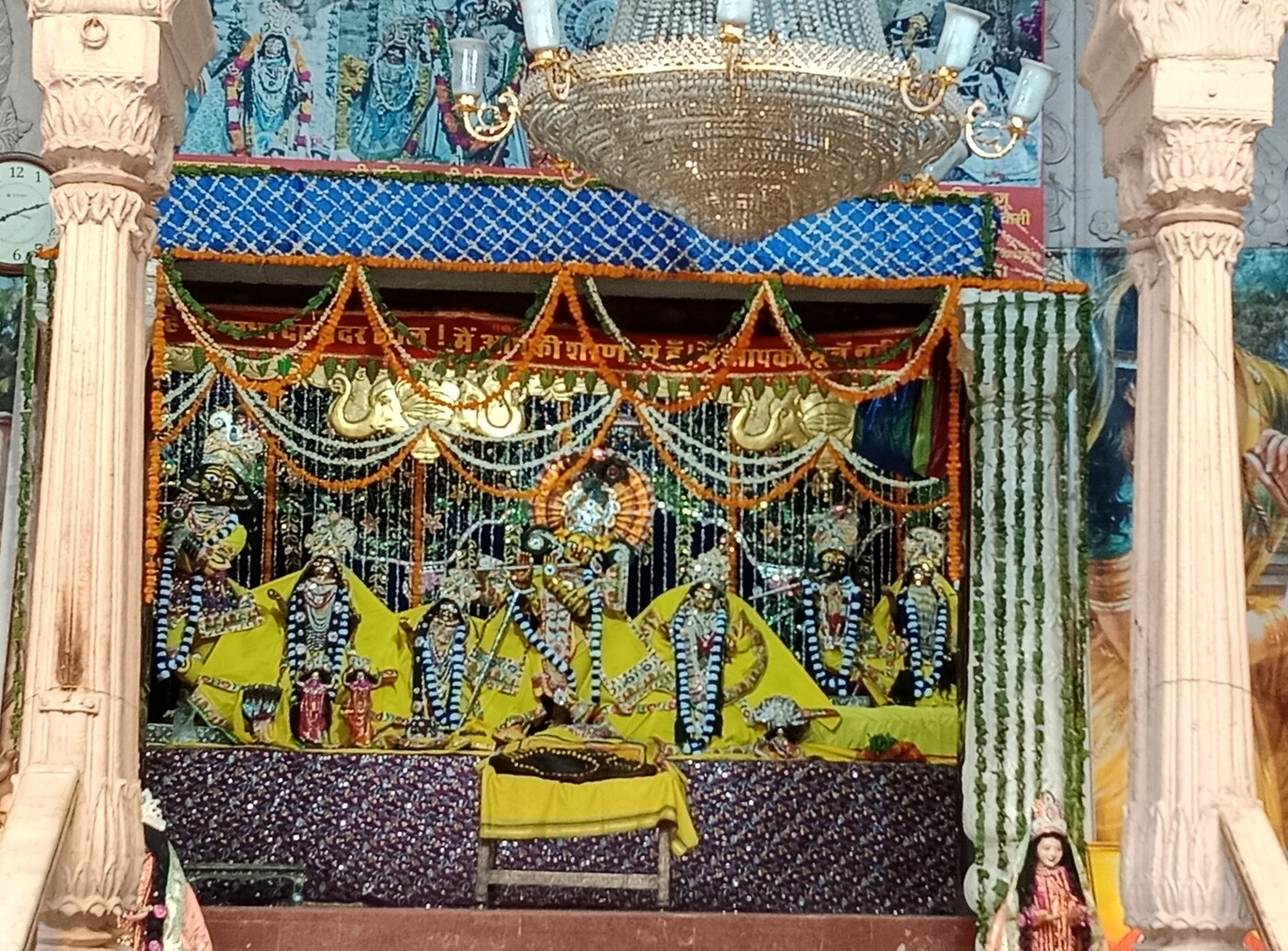
नरहरि चक्रवर्ती सार्वजनिक प्रचारक या मन्दिर के अधिकारी नहीं बने। उन्होंने वृन्दावन की सबसे कम दिखाई देने वाली सेवाओं में से एक को चुना, या उस सेवा के लिए उन्हें चुना गया: राधा-गोविन्दजी विग्रह के लिए भोजन बनाना। उन्हें *रसोई पुजारी* के रूप में स्मरण किया जाता है। वे भगवान् को प्रसन्न करने वाले भोग बनाने में निपुण थे। यह सेवा उन्होंने सत्तर वर्ष से अधिक की आयु तक जारी रखी। इसके साथ वे चन्दन घिसते, ईंधन की लकड़ी इकट्ठा करते, मन्दिर का आँगन साफ करते और तुलसी-पत्र चुनते थे। ये काम सामान्यतः छोटे सेवकों के लिए छोड़े जाते थे। परम्परा बताती है कि जब मन्दिर के पुजारियों ने आपत्ति की कि इतना छोटा काम उनके योग्य नहीं है, तो उन्होंने सदा की तरह विनम्रता से उत्तर दिया कि वे स्वयं को किसी भी ऊँची सेवा के योग्य नहीं मानते। दशकों तक चली इस सेवा की पूरी कथा गोविन्दजी की रसोई में उनके वर्षों के विवरण में बताई गई है। वह पृष्ठ यह भी दिखाता है कि इस सेवा से उस व्यक्ति के स्वभाव का क्या पता चलता है, जिसने दूसरों के बारे में इतना कुछ लिखा, लेकिन अपने बारे में लगभग कुछ नहीं।
भक्ति-रत्नाकर और जीवन-चरित्रों की एक पुस्तकशाला #
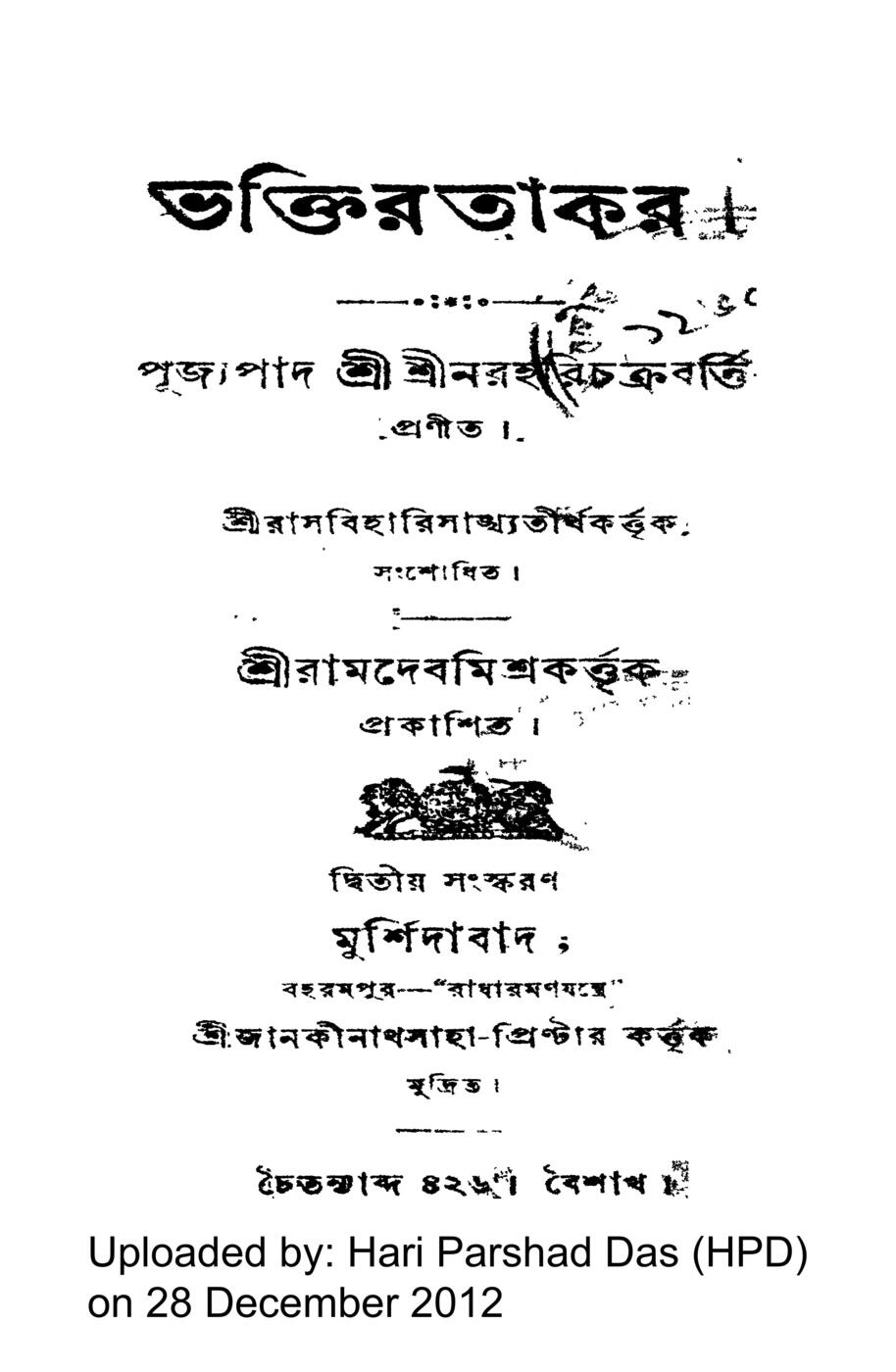
गौड़ीय वैष्णव धर्म के लिए नरहरि चक्रवर्ती का स्थायी महत्त्व लगभग पूरी तरह उनकी रचनाओं पर टिका है, सार्वजनिक कार्यों पर नहीं। भक्ति-रत्नाकर कई अध्यायों में रचा गया है, जिन्हें ग्रंथ स्वयं *तरंग* (लहरें) कहता है। महाप्रभु के अपने पार्षदों के बाद की दो-तीन पीढ़ियों के गौड़ीय वैष्णव धर्म का इससे अधिक पूरा और जुड़ा हुआ वृत्तान्त कहीं नहीं मिलता। इसमें सबसे अधिक नरोत्तम दास ठाकुर और श्रीनिवास आचार्य के जीवन, यात्राओं और प्रचार का वर्णन है, और उस खेतुरी महोत्सव का भी, जिसने उनके बिखरे हुए अनुयायियों को एक किया। उनकी साथी रचना नरोत्तम-विलास विशेष रूप से नरोत्तम दास ठाकुर के जीवन के बारे में है। इनके साथ उन्हें श्रीनिवास-चरित, गौर-चरित्र-समुद्र और नामामृत-समुद्र का भी श्रेय दिया जाता है। नवद्वीप-धाम-परिक्रमा नदिया जिले के पवित्र स्थानों की मार्गदर्शिका है। संगीत-सार-संग्रह एक संकलन है, जिसमें फिर से उनके संगीत-प्रशिक्षण का उपयोग दिखता है। इन पुस्तकों के कारण वे एक प्रकार से उस पीढ़ी के इतिहासकार बन जाते हैं। उनके बिना उस पीढ़ी का लगभग कोई जुड़ा हुआ लिखित वृत्तान्त शेष न रहता। इन रचनाओं को उनकी प्रमुख रचनाओं के विवरण में विस्तार से देखा गया है।
एक स्रोत जिस पर पहले से ही निर्भरता रही है #
भक्ति-रत्नाकर ने बाद की गौड़ीय वैष्णव स्मृति को इतनी गहराई से आकार दिया है कि स्वयं श्री चैतन्य-चरितामृत के भीतर इसे नाम लेकर उद्धृत किया गया है। यह कृष्णदास कविराज गोस्वामी के अपने श्लोकों में उद्धृत नहीं है, क्योंकि वे श्लोक इससे बहुत पहले लिखे गए थे। यह श्रील प्रभुपाद के तात्पर्यों में उद्धृत है, जो वृन्दावन के पवित्र स्थानों के विवरण के लिए इसका सहारा लेते हैं। चैतन्य-चरितामृत मध्य-लीला 16.207 पर श्रील प्रभुपाद का तात्पर्य नरहरि चक्रवर्ती को सीधे इसका रचयिता बताता है। इस वेबसाइट पर भी नरोत्तम दास ठाकुर के अन्तिम दिनों का विवरण और महाप्रभु के तिरोभाव के बाद गदाधर पण्डित के शोक का वर्णन, दोनों भक्ति-रत्नाकर को स्रोत के रूप में लेते हैं। लेकिन अब तक उनमें उस वैष्णव का नाम नहीं लिया गया था, जिसने वास्तव में यह ग्रंथ लिखा। सनातन गोस्वामी के पृष्ठों और श्रीनिवास आचार्य के आसपास के कई पार्षदों के पृष्ठों के बारे में भी यही बात सच है। यह कमी दूर की जानी चाहिए।
जो ज्ञात नहीं है #
नरहरि चक्रवर्ती ठाकुर के बारे में लिखने की असली कठिनाई इस बात से आती है कि वे किस प्रकार के लेखक थे। वे जीवनी-लेखक थे, जीवनी के विषय नहीं। स्रोत उन भक्तों के बारे में बहुत-सी छोटी-छोटी बातें सुरक्षित रखते हैं, जिनके बारे में उन्होंने लिखा। लेकिन उनके अपने बारे में वैसी लगभग कोई बात सुरक्षित नहीं है। किसी भी उपलब्ध स्रोत में उनके जन्म या तिरोभाव का वर्ष नहीं दिया गया है, और किसी में उस ग्राम का नाम नहीं है जहाँ उनका जन्म हुआ। इसके बजाय जो बचा है, वह समयक्रम नहीं, बल्कि एक सामान्य चित्र है। वे एक ब्राह्मण परिवार से थे। उन्होंने अपने पिता की परम्परा से बाहर एक गुरु चुना। उन्होंने गोविन्दजी के मन्दिर में दशकों तक विनम्र भाव से रसोई की सेवा की। और उन्होंने पुस्तकों की एक पूरी अलमारी छोड़ी। इन्हीं पुस्तकों के कारण आज गौड़ीय वैष्णव धर्म की दूसरी और तीसरी पीढ़ी का इतना बड़ा भाग स्मरण किया जाता है।
- Narahari Chakravarti Thakura - Gaudiya History
- Narahari Cakravarti Thakura - Stephen Knapp
- Narahari Sarakara Thakura - Biography - Gaudiya History
- Sri Caitanya-caritamrita, Madhya-lila 16.207, purport
- Narottama-vilasa, by Narahari Chakravarti Thakura, tr. Dravida Dasa
- Bhakti Ratnakar (Bengali) - Internet Archive
अक्सर पूछे जाने वाले प्रश्न
श्रील नरहरि चक्रवर्ती ठाकुर का जन्म कब हुआ था?
श्रील नरहरि चक्रवर्ती ठाकुर का प्राकट्य सन् 1600 के उत्तरार्ध में (सटीक वर्ष अनिश्चित) में, पश्चिम बंगाल (परामर्शित स्रोतों में विशिष्ट ग्राम अज्ञात) में हुआ।
श्रील नरहरि चक्रवर्ती ठाकुर का तिरोभाव कब और कहाँ हुआ?
श्रील नरहरि चक्रवर्ती ठाकुर का तिरोभाव अज्ञात, अज्ञात; परम्परा के अनुसार उनके अन्तिम वर्ष वृन्दावन में व्यतीत हुए में हुआ।
श्रील नरहरि चक्रवर्ती ठाकुर की प्रमुख लीलाएँ कौन-सी हैं?
यहाँ इन लीलाओं पर पृष्ठ उपलब्ध हैं: राधा-गोविन्दजी के रसोइया एवं सेवक, भक्ति-रत्नाकर और जीवन-चरित्रों की एक पुस्तकशाला।