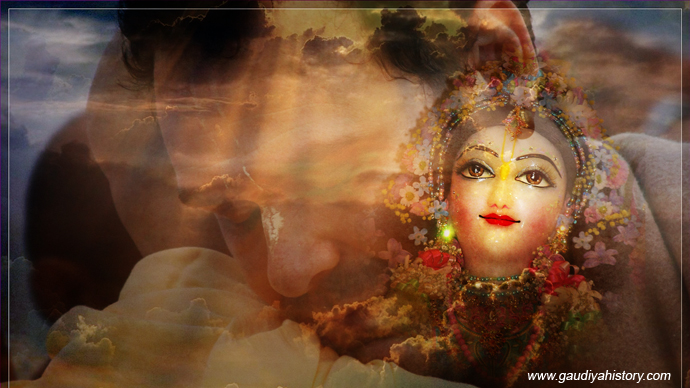
श्रील पुरन्दर आचार्य
जिन्हें महाप्रभु ने पिता कहा
अन्य नाम पुरन्दर आचार्य, श्री आचार्य पुरन्दर, आचार्य पुरन्दर
“श्री आचार्य पुरन्दर, नौवीं शाखा, भगवान चैतन्य के नित्य संगी थे। भगवान ने उन्हें अपने पिता के रूप में स्वीकार किया।”
कृष्णदास कविराज गोस्वामी द्वारा पुरन्दर आचार्य का वर्णन, श्री चैतन्य-चरितामृत, आदि-लीला 10.30
पुरन्दर आचार्य के बारे में जो कुछ भी ज्ञात है, वह लगभग सब केवल गिनी-चुनी पंक्तियों से मिलता है। वे नवद्वीप के एक गृहस्थ ब्राह्मण थे। श्रील कृष्णदास कविराज गोस्वामी उन्हें उन अनेक भक्तों में गिनते हैं, जिनमें से हर एक श्री चैतन्य महाप्रभु के संकीर्तन आन्दोलन रूपी विशाल वृक्ष की एक "शाखा" है। पुरन्दर आचार्य इस वृक्ष की नौवीं शाखा हैं। उनके बाहरी जीवन के बारे में बहुत कम जानकारी बची है। लेकिन श्री चैतन्य-चरितामृत में एक अनोखा विवरण सुरक्षित है, जो उन्हें स्मरणीय बनाता है: महाप्रभु उन्हें "पिता" कहकर सम्बोधित करते थे।
| विवरण | वर्णन |
|---|---|
| निवास | नवद्वीप, बंगाल |
| सूची में स्थान | कृष्णदास कविराज गोस्वामी की भक्त-सूची में चैतन्य वृक्ष की नौवीं शाखा |
| मुख्यतः इनसे ज्ञात | श्री चैतन्य-चरितामृत, आदि-लीला 10.30 तथा मध्य-लीला 11.159-160; श्री चैतन्य-भागवत 3.8.31 (एक प्रभुपाद-टीका के माध्यम से उद्धृत) |
| विशिष्ट पहचान | महाप्रभु द्वारा "पिता" कहकर सम्बोधित, क्योंकि "पुरन्दर" नाम महाप्रभु के वास्तविक पिता जगन्नाथ मिश्र का भी था |
| गुरु | उपलब्ध स्रोतों में दर्ज नहीं |
| जन्म/तिरोभाव | उपलब्ध स्रोतों में दर्ज नहीं |
भगवान के अपने पिता से उधार लिया गया नाम #
"पिता" शब्द से यह समझ लेना आसान है कि पुरन्दर आचार्य ने किसी प्रकार महाप्रभु का पालन-पोषण किया था या वे उनके जन्मदाता थे। लेकिन ऐसा नहीं था। श्री चैतन्य-चरितामृत इसका सही कारण साफ बताता है: महाप्रभु के जन्मदाता पिता जगन्नाथ मिश्र का पारिवारिक उपनाम भी "पुरन्दर" था। बाद में पुरी में गोपीनाथ आचार्य ने सार्वभौम भट्टाचार्य को भगवान के वंश का परिचय दिया। तब उन्होंने भगवान का परिचय इस प्रकार दिया: "नवद्वीप में जगन्नाथ नामक एक व्यक्ति निवास करते थे, जिनका उपनाम मिश्र पुरन्दर था।" नवद्वीप के ब्राह्मण पुरन्दर आचार्य का नाम भी यही था। इसलिए महाप्रभु उन्हें उसी शब्द से पुकारते थे, जिससे वे अपने पिता को पुकारते। यह एक जैसे नाम पर आधारित स्नेह भरा सम्बोधन था। इसका अर्थ यह नहीं था कि पुरन्दर आचार्य उनके दूसरे पिता थे।
श्रील कृष्णदास कविराज गोस्वामी इस बात को सीधे उसी अध्याय में दर्ज करते हैं, जिसमें वे नवद्वीप में भगवान के प्रमुख सहयोगियों के नाम एक-एक करके गिनाते हैं:
"श्री आचार्य पुरन्दर, नौवीं शाखा, भगवान चैतन्य के नित्य संगी थे। भगवान ने उन्हें अपने पिता के रूप में स्वीकार किया।"
इस श्लोक से जुड़ी टीका आगे कहती है कि पुरन्दर आचार्य को "अत्यन्त भाग्यशाली माना जाना चाहिए, क्योंकि भगवान उन्हें अपने पिता के रूप में सम्बोधित कर तथा अत्यधिक प्रेम से आलिंगन कर उनका अभिवादन किया करते थे।" यह सम्मान पूरी तरह एक जैसे नाम पर आधारित था। लेकिन सच्चे स्नेह ने इस सम्मान को सच्चा महत्त्व दिया।
महाप्रभु की नित्य चर्या में बुना हुआ सम्बन्ध #
वही टीका श्री चैतन्य-भागवत से लिया गया एक और ठोस विवरण सुरक्षित रखती है। जब भी महाप्रभु राघव पण्डित के घर जाते थे, वे निमन्त्रण मिलते ही पुरन्दर आचार्य के घर भी जाते थे। श्री चैतन्य-भागवत यह नहीं बताता कि इन दोनों परिवारों का आपस में क्या सम्बन्ध था, और ऐसा कोई विवरण अपनी ओर से गढ़ना उचित नहीं है। जो बचा है, वह बस यह क्रम है: भगवान इन दोनों भेंटों को प्रेम का एक ही कार्य मानते थे। इससे महाप्रभु के सन्न्यास से पहले नवद्वीप के साधारण जीवन की एक छोटी-सी झलक मिलती है। उस समय वे एक युवा गृहस्थ विद्वान् थे, जो नियम से कुछ वरिष्ठ भक्तों के घर जाया करते थे। हर भेंट इसलिए स्मरण की जाती है कि वह भेंट किसने की, इसलिए नहीं कि वहाँ कुछ नाटकीय हुआ।
पुरन्दर आचार्य अकेले ऐसे नवद्वीप-वरिष्ठ नहीं थे, जिन्हें महाप्रभु ने इस प्रकार अपने परिवार में सम्मिलित किया। चन्द्रशेखर आचार्य पास ही रहते थे और उनकी अपनी कोई सन्तान नहीं थी। उनके बारे में अलग से यह स्मरण किया जाता है कि उन्होंने बालक निमाई को दत्तक पुत्र की तरह अपनाया था। यह एक अलग उदाहरण है, और इसके बारे में अधिक जानकारी दर्ज है, लेकिन इसमें भी वही बात दिखाई देती है। एक साधारण गृहस्थ को भगवान के निजी स्नेह में स्थायी स्थान मिला।
पुरी के भक्तों में सम्मिलित नाम #
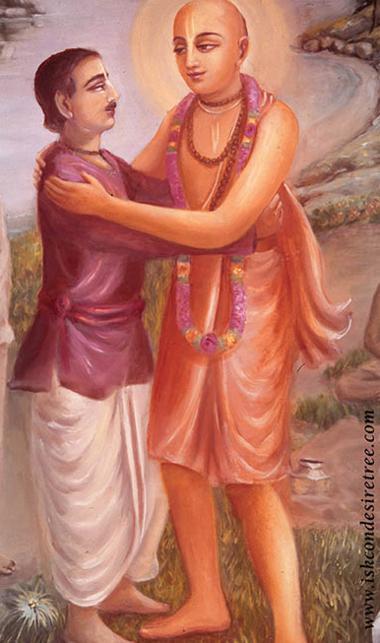
वर्षों बाद, जब महाप्रभु सन्न्यास लेकर जगन्नाथ पुरी में रहने लगे थे, तब पुरन्दर आचार्य का नाम एक बार फिर सामने आता है। श्री चैतन्य-चरितामृत में महाप्रभु की पुरी वापसी के वृत्तान्त में बंगाल से आए भक्तों का वर्णन है, जो उन्हें फिर से देखने आए थे। भगवान ने उनका एक-एक करके स्वागत किया और उन्हें आलिंगन किया: सबसे पहले अद्वैत आचार्य को, फिर बाकी सभी को बारी-बारी से। श्रील कृष्णदास कविराज गोस्वामी पुरन्दर आचार्य का नाम वरिष्ठ भक्तों के उस समूह में लेते हैं, जिन्हें भगवान ने एक साथ आलिंगन किया: "इसके पश्चात् भगवान श्री चैतन्य महाप्रभु ने आचार्यरत्न, विद्यानिधि, पण्डित गदाधर, गंगादास, हरि भट्ट तथा आचार्य पुरन्दर सहित सभी भक्तों को बार-बार आलिंगन किया। भगवान ने बार-बार उनके सद्गुणों का वर्णन कर उनकी महिमा गाई।" आचार्यरत्न चन्द्रशेखर आचार्य की सम्मान-उपाधि थी, और विद्यानिधि पुण्डरीक विद्यानिधि थे। इसलिए यह नवद्वीप के वरिष्ठ भक्तों का वही मण्डल है, जो अब पुरी में फिर से मिल रहा था। इस बार वे मेज़बान नहीं, बल्कि अतिथि थे। यह दृश्य इस बात के साथ समाप्त होता है कि भगवान भीड़ में उस एक भक्त को खोजते हैं, जो कभी दिखने के लिए आगे नहीं आते थे: "हरिदास कहाँ हैं?"
राम-लीला में उनकी पहचान, और एक जैसे नामों में सावधानी से भेद #
गौर-गणोद्देश-दीपिका कवि कर्णपुर की रचना है। यह एक पारम्परिक सूची है, जो बताती है कि महाप्रभु के सहयोगी पहले की लीलाओं में कौन थे। यह ग्रन्थ एक भक्त की एक और पहचान बताता है, जिसे वह केवल "श्री पुरन्दर" कहता है। एक श्लोक उन्हें मुरारि गुप्त (जो पहले हनुमान थे) और गोविन्दानन्द (जो पहले सुग्रीव थे) के साथ रखता है। उसमें कहा गया है कि "श्री पुरन्दर पूर्वकाल में अंगदम् थे"। अंगद रामायण में प्रसिद्ध वानर-सेनापति थे, जो वालि के पुत्र थे। मुरारि गुप्त और गोविन्दानन्द दोनों नवद्वीप के गृहस्थ भक्त थे, महाप्रभु के अपने पिता नहीं। यह श्लोक श्री पुरन्दर को इन्हीं के साथ रखता है, इसलिए इस उल्लेख को सामान्यतः पुरन्दर आचार्य के बारे में ही माना जाता है।
यहाँ कुछ सावधानी आवश्यक है, क्योंकि गौड़ीय स्रोतों में यह नाम कई व्यक्तियों के लिए आया है। वही गौर-गणोद्देश-दीपिका अलग से जगन्नाथ मिश्र की भी पहचान बताती है। वहाँ उनका पूरा नाम "जगन्नाथ पुरन्दर" दिया गया है, और शची-देवी के साथ उनकी अपनी अलग कृष्ण-लीला पृष्ठभूमि बताई गई है। इसके अलावा श्री चैतन्य-चरितामृत नित्यानन्द प्रभु के अपने मण्डल में तेरहवें भक्त के रूप में एक तीसरे, बिल्कुल अलग "पण्डित पुरन्दर" का नाम लेता है। इस प्रकार एक ही नाम वाले तीन अलग व्यक्ति हैं, और परम्परा में तीनों का अलग-अलग स्थान है। इन ग्रन्थों में "पुरन्दर" नाम को खोजने वाले पाठक को इन तीनों को अलग-अलग ही समझना चाहिए।
स्वयं श्रील कृष्णदास कविराज गोस्वामी ने जो बात निश्चित रूप से दर्ज की है, वह इन सबसे कहीं अधिक सरल और स्नेह भरी है। पुरन्दर आचार्य नवद्वीप के एक वृद्ध ब्राह्मण थे, जिनका नाम संयोग से महाप्रभु के पिता जैसा था। भगवान उनसे मिलने जाते थे, उन्हें आलिंगन करते थे, और बदले में उन्हें "पिता" कहकर पुकारते थे। आज भी उन्हें ठीक इसी कारण स्मरण किया जाता है, और इसके अलावा बहुत कम बातों के लिए।
शास्त्र प्रमाण
ऊपर पाठ में उद्धृत:
- Adi 10.30 Sri Chaitanya-charitamrita
अन्य शास्त्र प्रमाण:
"भगवान चैतन्य की लीलाओं में मुरारि गुप्त नामक भक्त पूर्वकाल में हनुमान थे। इसी प्रकार श्री पुरन्दर पूर्वकाल में अंगदम् थे और गोविन्दानन्द सुग्रीव थे।"
परम्परा पुरन्दर आचार्य की राम-लीला पहचान अंगद के रूप में स्वीकार करती है। यहाँ इसे केवल एक द्वितीयक स्रोत के आधार पर दिया गया है, क्योंकि इसका कोई संस्कृत मूल या स्वतन्त्र रूप से पुष्ट श्लोक-क्रमांक नहीं मिला। ध्यान रहे कि इन "श्री पुरन्दर" को जगन्नाथ मिश्र न समझ लिया जाए। यही ग्रन्थ दूसरी जगह जगन्नाथ मिश्र को "जगन्नाथ पुरन्दर" कहता है और उनकी एक अलग पहचान बताता है।
- Sri Chaitanya-charitamrita, Adi-lila 10.30 (verse, translation and purport)
- Sri Chaitanya-charitamrita, Adi-lila 10.29 (Gangadasa Pandita, eighth branch, for context)
- Sri Chaitanya-charitamrita, Madhya-lila 6.51 (Jagannatha Mishra's surname 'Misra Purandara')
- Sri Chaitanya-charitamrita, Madhya-lila 11.159-160 (embraced among the devotees at Puri)
- Sri Chaitanya-charitamrita, Adi-lila 11.185 (Pandita Purandara, a distinct devotee of Nityananda Prabhu)
- Purandara Acharya - biography, Gaudiya History (ISKCON Desire Tree)
- Sri Gaura-ganoddesha-dipika (Kavi Karnapura), rendered on Gaudiya History
- Chandrashekhara Acharya - biography, Gaudiya History (for comparison)
अक्सर पूछे जाने वाले प्रश्न
श्रील पुरन्दर आचार्य का जन्म कब हुआ था?
श्रील पुरन्दर आचार्य का प्राकट्य उपलब्ध स्रोतों में दर्ज नहीं में, उपलब्ध स्रोतों में अभिलिखित नहीं; नवद्वीप, बंगाल के निवासी बताए जाते हैं में हुआ।
श्रील पुरन्दर आचार्य का तिरोभाव कब और कहाँ हुआ?
श्रील पुरन्दर आचार्य का तिरोभाव उपलब्ध स्रोतों में दर्ज नहीं, उपलब्ध स्रोतों में अभिलिखित नहीं में हुआ।
श्रील पुरन्दर आचार्य की प्रमुख लीलाएँ कौन-सी हैं?
यहाँ इन लीलाओं पर पृष्ठ उपलब्ध हैं: वह पिता जिन्हें महाप्रभु ने चुना, बेड़ा-कीर्तन का आलिंगन।