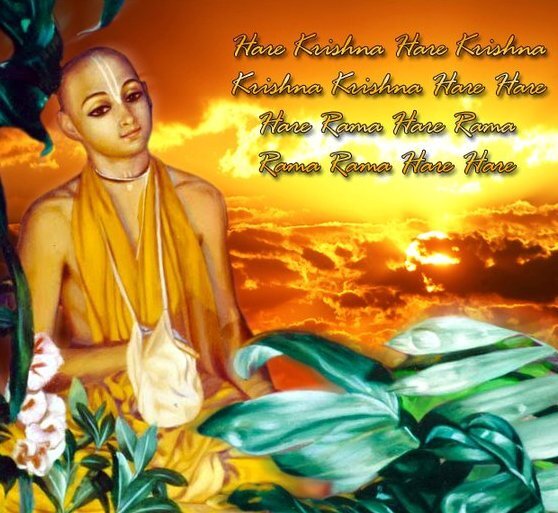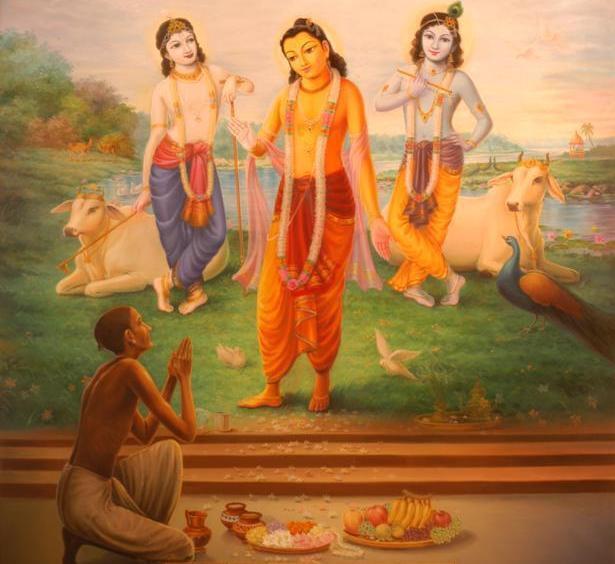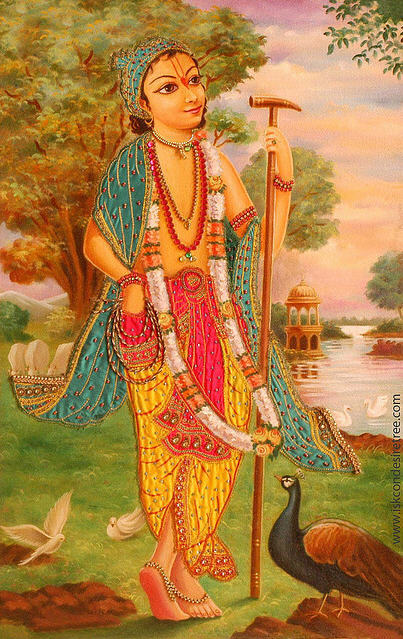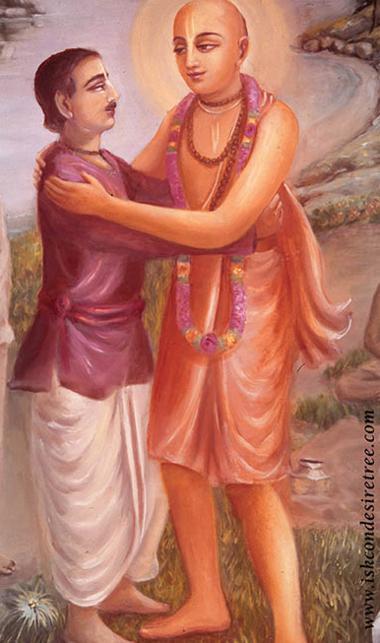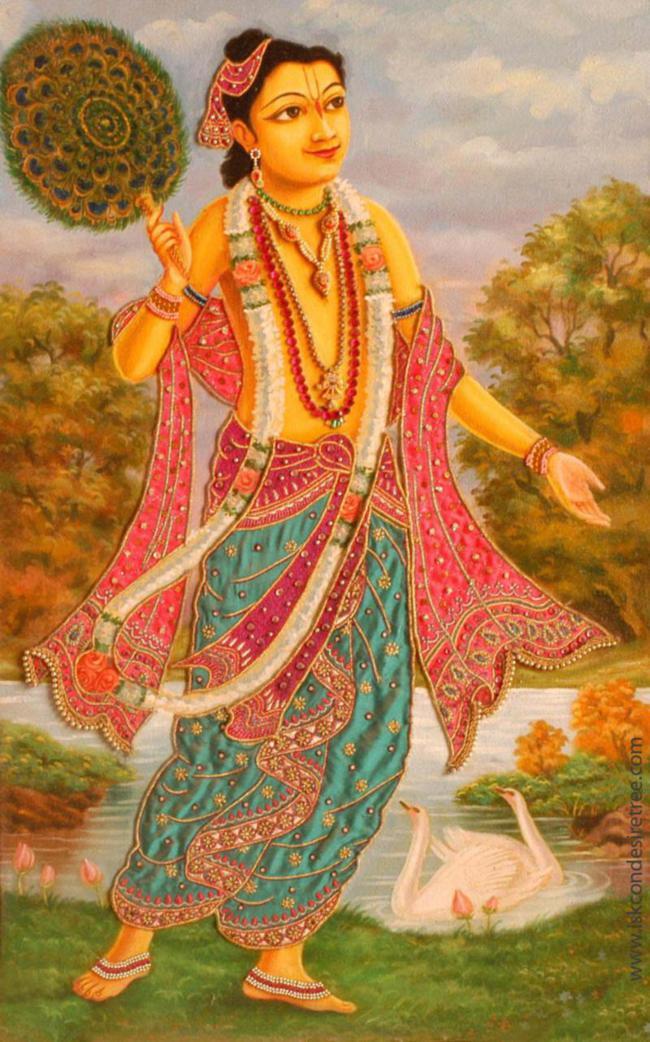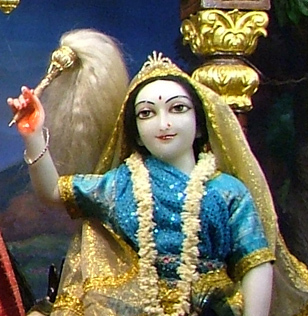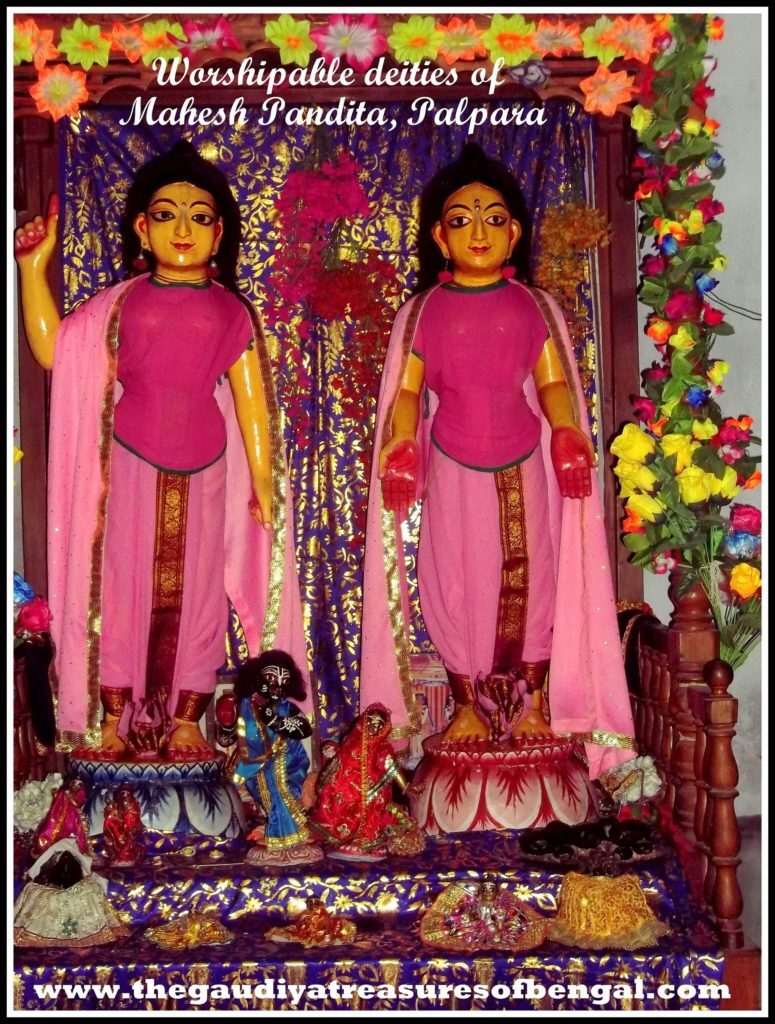
Srila Mahesh Pandit
One of the Twelve Gopalas, Beloved Companion of Nityananda Prabhu
Also known as Mahesa Pandita, Sri Mahesh Pandita, Mahesh Pandita Thakura
“Mahesa Pandita, the seventh of the twelve gopalas, was very liberal. In great love of Krishna he danced to the beating of a kettledrum like a madman.”
Sri Chaitanya-charitamrita, Adi-lila 11.32
Mahesh Pandit is remembered in Gaudiya Vaishnava tradition as one of Nityananda Prabhu's closest gopala companions in Bengal. His ecstatic dancing to the kettledrum became well known. His Sripat has moved twice in four hundred years to escape a shifting river. His name survives mainly in short, specific mentions, not in a full life story. What we can say about him comes from a handful of verses and a few sentences of commentary, not from a connected biography. This page tells only what those sources actually say.
| Detail | Description |
|---|---|
| Identity | Mahabahu, a cowherd friend of Krishna in Vraja (Gaura-ganoddesha-dipika 129) |
| Standing among the associates | The seventh of the Dvadasha-gopala, the twelve gopala associates of Nityananda Prabhu, named in Sri Chaitanya-charitamrita, Adi-lila 11.32 |
| Closest tie | Described as especially dear to Nityananda Prabhu; recorded at festivals with Him at Panihati (also spelled Paninati in one source) and Saptagram |
| Sripat (seat of worship) | Founded at Masipur, near Jirat; moved to Beledanga near Sukhasagar, then to its present site at Palpara near Chakdaha, Nadia district, in 1927 |
| Family | By one account the youngest of three brothers, with Jagadish Pandit and Hiranya; Bhaktivinoda Thakura himself calls the evidence inconclusive |
| Disappearance day | Krishna-trayodashi, the thirteenth day of the dark fortnight of the month of Pausha; year not recorded |
Identity in the Gaura-ganoddesha-dipika #
The clearest single fact about Mahesh Pandit's identity does not come from a story at all. It comes from a genealogy. Kavi Karnapura Goswami's Gaura-ganoddesha-dipika sets out to answer, associate by associate, who each companion of Sri Chaitanya Mahaprabhu had been earlier, in Krishna's own pastimes in Vraja. Its 129th verse states plainly that Krishna's cowherd friend Mahabahu appeared in Mahaprabhu's own pastimes as Shriman Mahesha Pandita. The verse tells us nothing more about who Mahabahu was in Vraja; it gives only the name. No source claims more than this simple statement in the verse. This is the normal, expected form of an entry in this book. It does not mean that something has been left out.
The verse pairs him with Uddharana Datta Thakura, another of the twelve gopalas:
subāhur yo vraje gopo datta uddhāraṇākhyakaḥ
maheśa paṇḍitaḥ śrīman mahābāhur vraje sakhā
"The devotee who had been the cowherd boy Subahu in Vrajabhumi appeared in Lord Caitanya's pastimes as Uddharana Datta. Lord Krsna's cowherd friend Mahabahu appeared in Lord Caitanya's pastimes as Sriman Mahesa Pandita." (Gaura-ganoddesha-dipika 129)
Named Among the Twelve Gopalas #
Mahesh Pandit belongs to a specific, named group called the Dvadasha-gopala. These are twelve cowherd-boy associates whom the tradition places especially around Nityananda Prabhu, not directly around Mahaprabhu. This is like the way Gadadhara Pandit and Srivasa Thakura are placed close to the Lord Himself. Sri Chaitanya-charitamrita, Adi-lila 11.32 names him the seventh of the twelve and gives the single line by which he is most often remembered: a very liberal soul who danced to the beat of a kettledrum like a madman, lost in love of Krishna. Chaitanya-charitamrita's eleventh chapter describes Nityananda Prabhu's associates as branches growing from a single tree. Some sources count Mahesh Pandit as the seventeenth of those branches. This fits the text: the verse just before his, Adi-lila 11.31, names Dhananjaya Pandita as Nityananda Prabhu's sixteenth dear servant.
A Family Dispute and an Uncertain Birthplace #
Some accounts describe Mahesh Pandit as the youngest of three brothers, alongside Jagadish Pandit and a third named Hiranya, with Jagadish Pandit's own Sripat recorded at nearby Jashra. Other sources say nothing about this claim. Bhaktivinoda Thakura discusses the question directly, but he says only that the evidence does not settle it. He neither confirms nor denies that they were brothers. His birthplace is uncertain in the same way. It is sometimes given simply as the area now called Chakdaha. But that may tell us no more than where his Sripat later settled. No source gives an independent, dated record of his birth. Both points are best treated as open questions, not settled ones.
The Sripat That the Ganges Moved Twice #
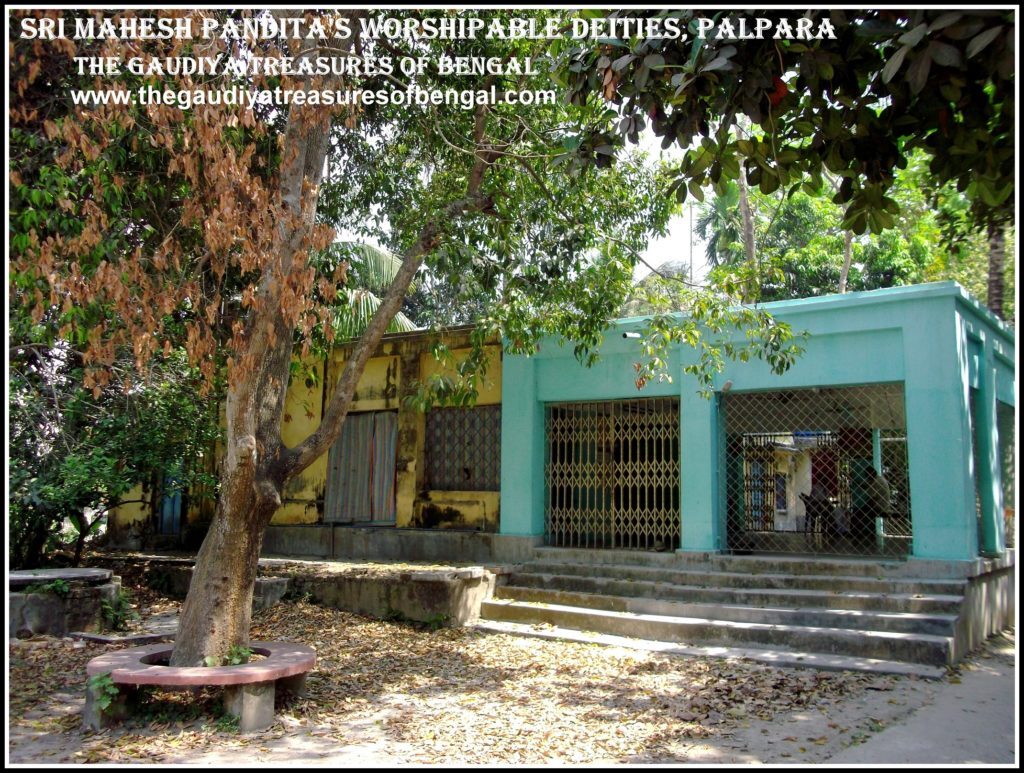
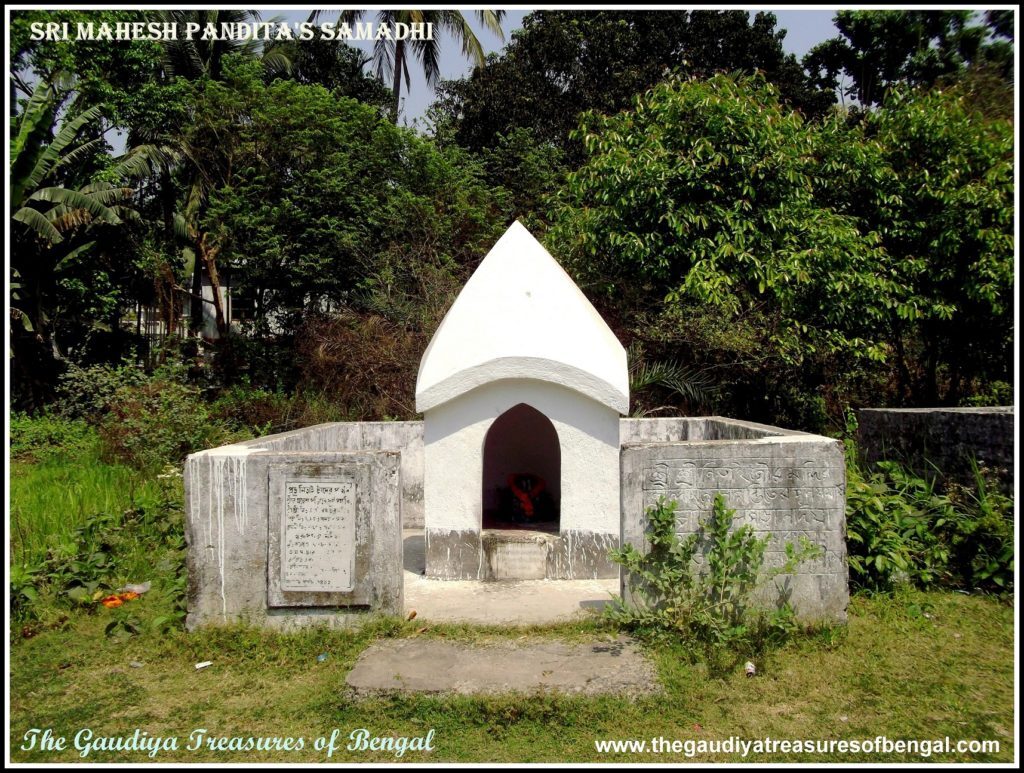
A Sripat is a devotee's own seat of worship, usually the site of his home and the place where Deities he installed continue to be served long after his disappearance. Mahesh Pandit's Sripat was founded at Masipur, on the eastern bank of the Ganges opposite Jirat. It did not stay there. The river's shifting course at last swallowed Masipur itself, so the Deities were carried to Beledanga near Sukhasagar. Later the river began to wear away that site too. So the Deities were moved a second time, in the Bengali year 1334 (1927 CE), to Palpara near Chakdaha, where they remain today. Srila Bhaktisiddhanta Sarasvati Thakura's own commentary on Chaitanya-charitamrita notes this final resting place by the local name Kanghal Puli. The temple at Palpara today houses Deities of Gaura-Nitai, Radha-Govinda and Sri Gopinatha-Madanamohana, along with a worshipped Shalagram-shila, and a pushpa-samadhi to Mahesh Pandit himself stands in front of the building.
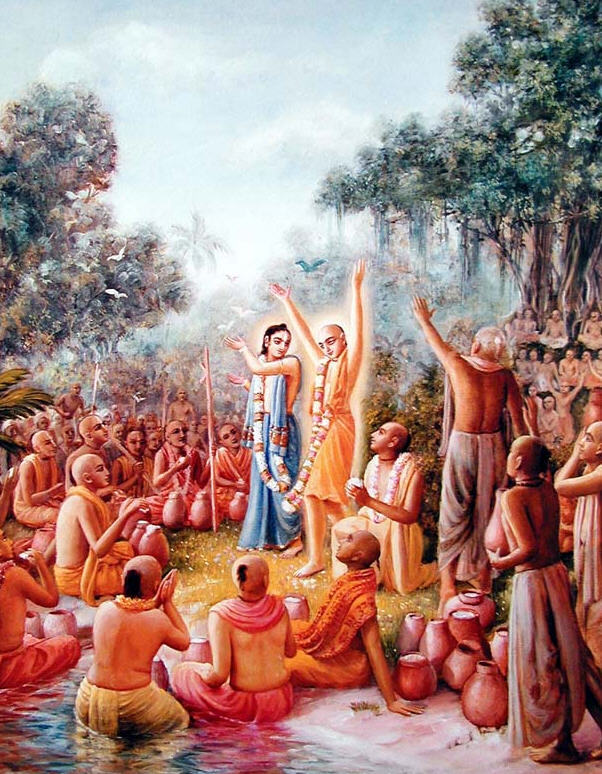
Mahesh Pandit's presence is separately recorded on two specific occasions. One is a festival of chipped rice and yogurt that Nityananda Prabhu held at Panihati. The other is a visit he received decades later from Narottama Dasa Thakura at Khardaha. Both are told in more detail on the Panihati festival and the journey to Saptagram and received by Narottama Dasa Thakura at Khardaha.
Disappearance #
Mahesh Pandit's disappearance day is kept on Krishna-trayodashi, the thirteenth day of the dark fortnight, in the month of Pausha (December-January). No available source gives the year. What every account records in the same way is not the date but the kind of man he was. Both his grief and his joy came out as movement. He danced before the assembled Vaishnavas to the sound of a kettledrum, in a state the tradition simply calls being matoyala, intoxicated, with prema, love of Krishna.
Scriptural evidence
Quoted in the text above:
- Verse 129 Gaura-ganoddesha-dipika
Further verses:
mahesa pandita -- vrajera udara gopala
dhakka-vadye nritya kare preme matoyala
Mahesa Pandita, the seventh of the twelve gopalas, was very liberal. In great love of Krishna he danced to the beating of a kettledrum like a madman.
From the purport: Purport excerpt: "The village of Mahesa Pandita, which is known as Palapada, is situated in the district of Nadia within a forest about one mile south of the Cakadaha railway station."
The verse that names Mahesh Pandit as the seventh of the twelve gopalas and records the ecstatic, kettledrum-driven dancing he is chiefly remembered for. Verified directly against vedabase.io (Sri Chaitanya-charitamrita, Adi 11.32) during this Hindi write-up; the translation given here matches exactly.
- Sri Chaitanya-charitamrita, Adi-lila 11.32 (Bhaktivedanta translation)
- Mahesh Pandit – Biography, Gaudiya History
- Mahesh Pandit – Biography (alternate entry), Gaudiya History
- Sri Gaura-ganoddesha-dipika (verse 129), Gaudiya History
- Mahesh Pandit, Stephen Knapp (quoting Srila Prabhupada's purport to Sri Chaitanya-charitamrita)
- Sri Mahesh Pandita Disappearance, Ramai Swami
- Sri Mahesh Pandit, Shyam Das Baba (excerpted from Sri Chaitanya: His Life & Associates by Srila Bhakti Ballabh Tirtha Maharaj)
- Mahesh Pandita – Biography, Sripat Palpara, Chakdaha, Nadia — The Gaudiya Treasures of Bengal
Frequently asked
When was Srila Mahesh Pandit born?
Srila Mahesh Pandit appeared Not recorded (birthplace itself disputed) in Possibly the Chakdaha area, Nadia district, Bengal — disputed; Bhaktivinoda Thakura calls the evidence inconclusive.
When and where did Srila Mahesh Pandit disappear?
Srila Mahesh Pandit disappeared Krishna-trayodashi (13th day of the dark fortnight), month of Pausha; year not recorded at Palpara, near Chakdaha, Nadia district, Bengal (site of his samadhi).
What are the main pastimes of Srila Mahesh Pandit?
The pastimes covered here include: The Panihati Festival and the Journey to Saptagram, Received by Narottama Dasa Thakura at Khardaha.