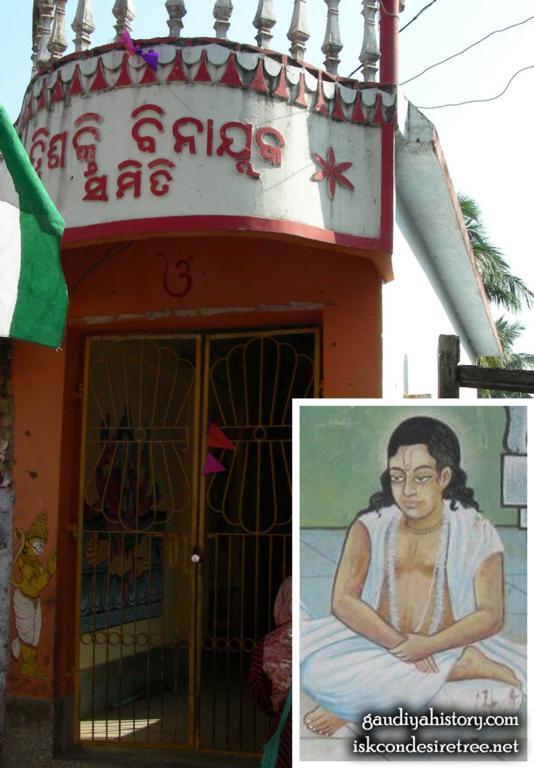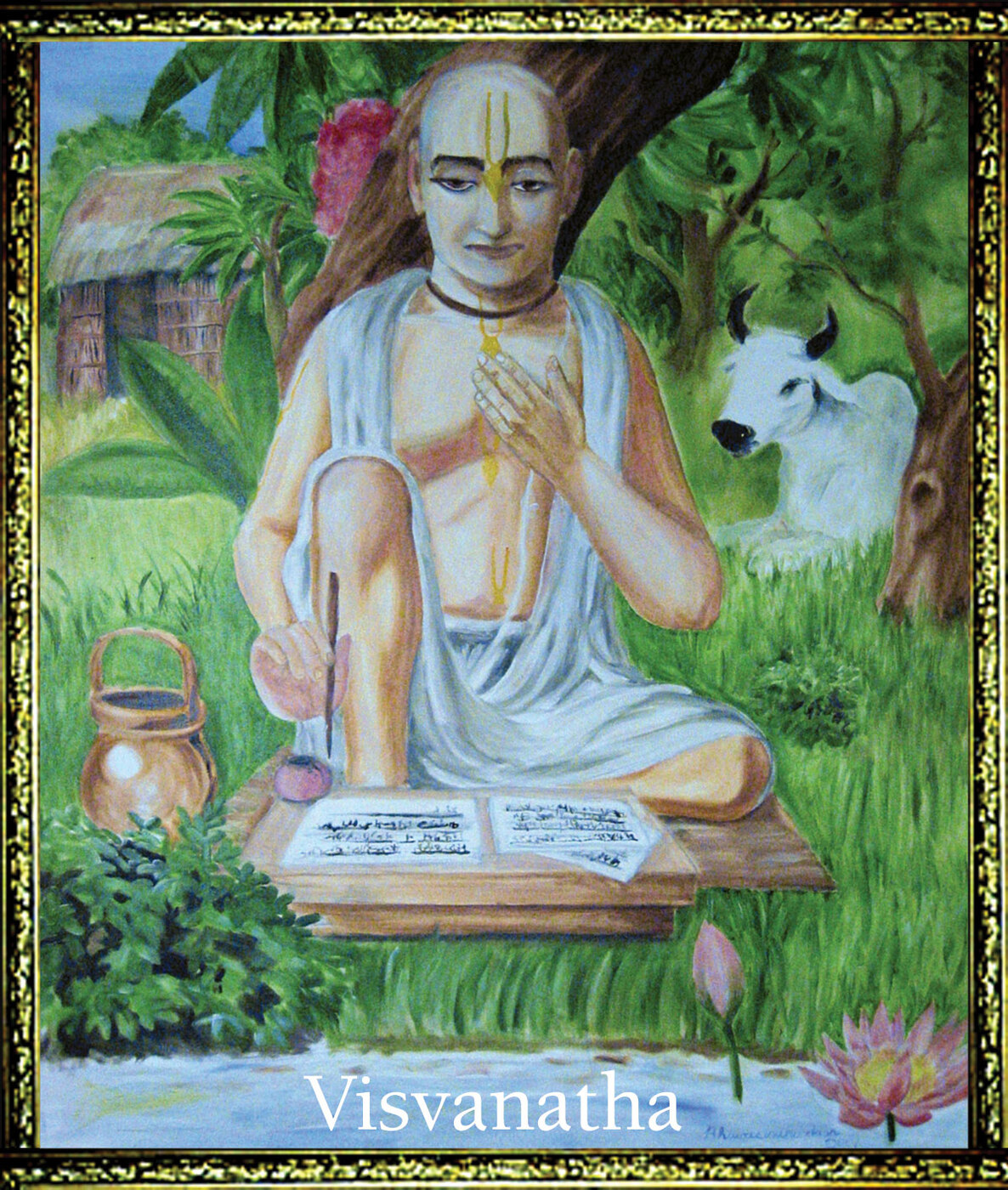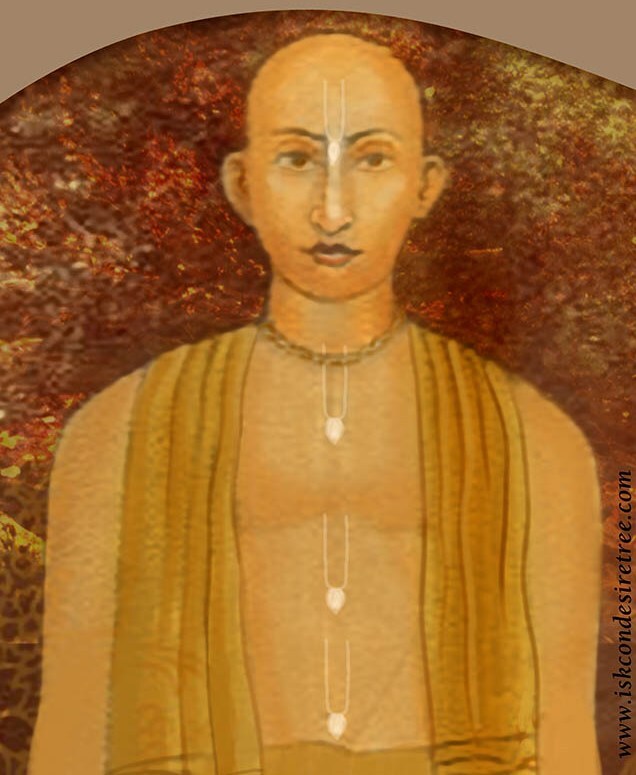
Srila Hridaya Chaitanya
The Guru Who Discovered Shyamananda Pandit
Also known as Hriday Chaitanya, Hridaya Caitanya, Hridayananda
“Yes, of course, you shall see it. You shall go to Braj-dhama.”
This was Hridaya Chaitanya's reply, as recorded in the traditional life stories. The boy he had just initiated as Krishnadasa, soon to be known as Shyamananda Pandit, told him that he had bathed in the Ganges at Ambika Kalna and now wished to see the Yamuna as well.
Srila Hridaya Chaitanya's place in Gaudiya Vaishnava history rests on one act, more than on anything he wrote or built himself. He was the disciple of Gauridasa Pandit at Ambika Kalna. There he first recognized, trained, and sent onward the milkman's son who became Shyamananda Pandit. Along with Narottama Dasa Thakura and Shrinivasa Acharya, Shyamananda Pandit was one of the three great preachers who carried the Vrindavana Goswamis' teachings back into Bengal and Orissa. One point should be made clear at the start. Hridaya Chaitanya's own life was spent at Ambika Kalna, a temple town on the Ganges in Bengal, not in Orissa. It was his disciple, not Hridaya Chaitanya himself, who was later sent to preach in Utkal.
| Detail | Description |
|---|---|
| Guru | Gauridasa Pandit of Ambika Kalna |
| Other names | Hriday Chaitanya, Hridaya Caitanya; some sources give his name before this title as Hridayananda |
| Base of activity | Ambika Kalna, on the Ganges in Bengal (Gauda-desh) |
| Most important disciple | Shyamananda Pandit, born Duhkhi Krishnadasa |
| Birth / disappearance | Not recorded in any available source |
| Primary textual source | Bhakti-ratnakara of Narahari Chakravarti Thakura (via secondary accounts; the full text is not on vedabase) |
Servant of the Gaura-Nitai Deities at Ambika Kalna #
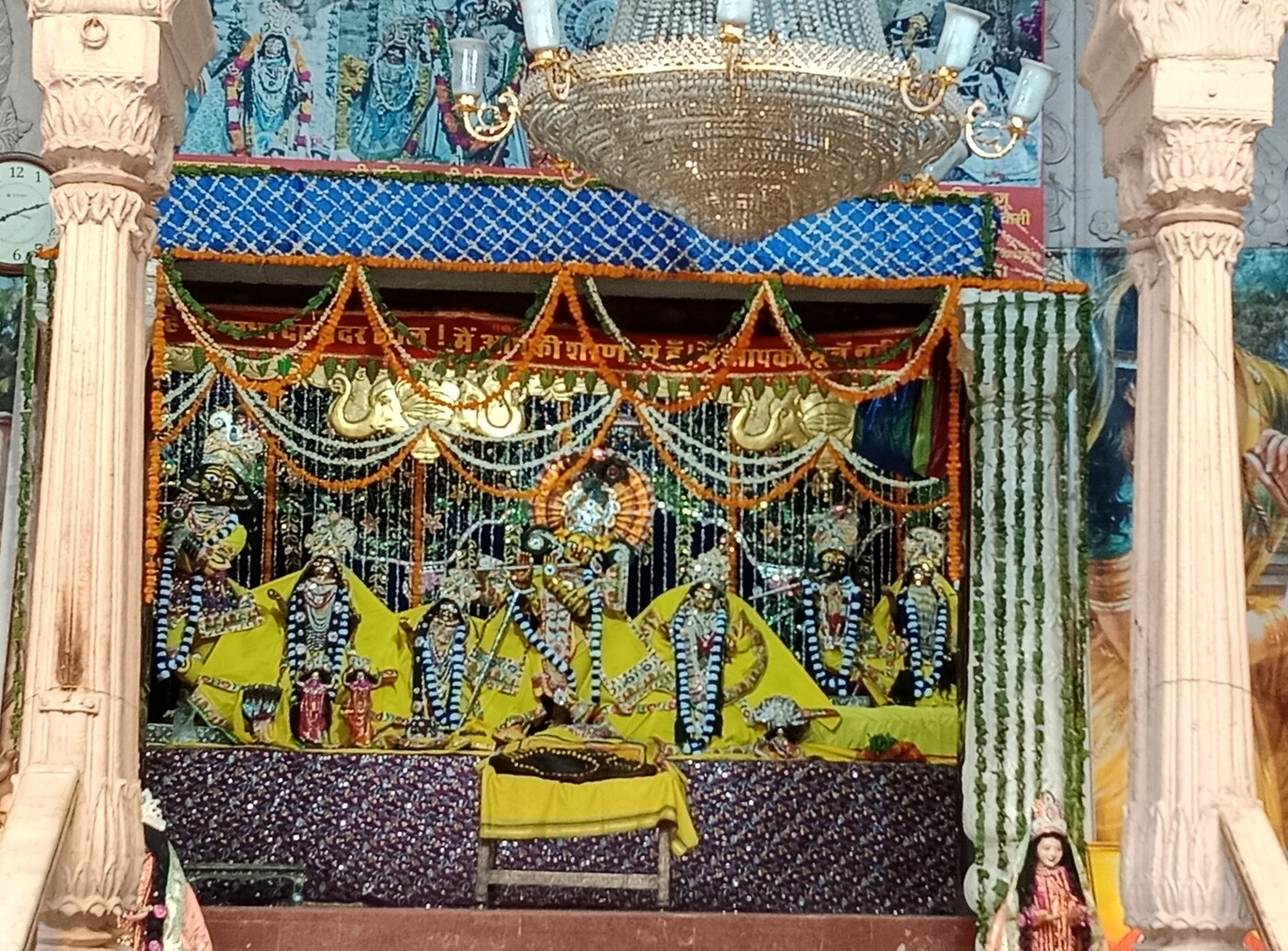
Gauridasa Pandit was among the householder devotees who gathered around Sri Chaitanya Mahaprabhu and Nityananda Prabhu in Bengal. Krishnadasa Kaviraja Goswami praises him by name in Sri Chaitanya-charitamrita. He installed neem-wood Deities of Gaura-Nitai at his home in Ambika Kalna and, tradition says, would not let the two Lords out of his sight. The disciple who came to serve those Deities most intimately was Hridaya Chaitanya. During this seva he received the name by which he is remembered today.
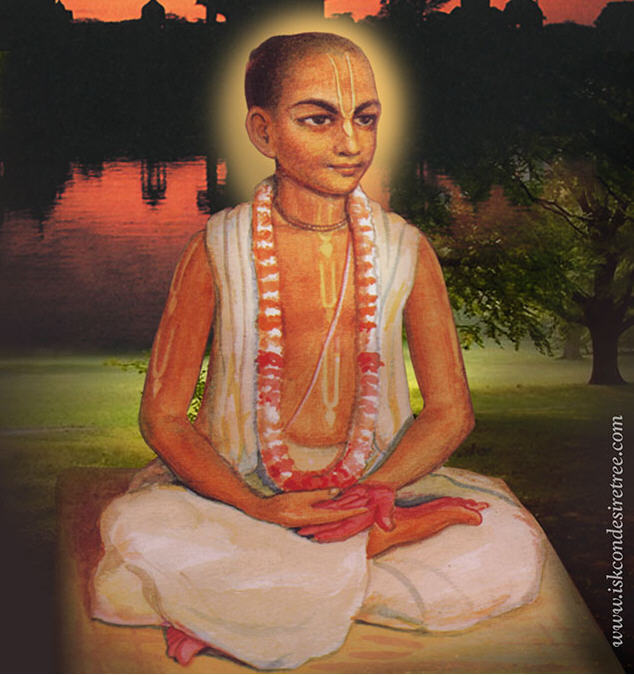
This story is recorded in Narahari Chakravarti Thakura's Bhakti-ratnakara, and Gauridasa Pandit's own page also tells it. Before Chaitanya Mahaprabhu's appearance-day festival, Gauridasa Pandit went away to collect alms and left his disciple in sole charge of the Deities. The disciple did not want to risk the date being missed, so he sent out the festival invitations on his own initiative. Gauridasa Pandit, testing him, showed anger at this independence and sent him away. The banished disciple then held the festival kirtana on the riverbank. During that kirtana the Deities themselves slipped out of the temple and danced among the devotees there. When Gauridasa Pandit, stick in hand, went to bring them back, he saw Gaura and Nityananda vanish into his disciple's own heart. Overcome, he embraced him and gave him a new name on the spot: Hridaya Chaitanya, "one who carries Chaitanya within his heart."
Sources do not agree on what he was called before that day. Gauridasa Pandit's own page, following Bhaktisiddhanta Sarasvati Thakura's Anubhasya, calls him Chaitanya Dasa. The Gaudiya History website's own biography of Hridaya Chaitanya calls him Hridayananda before the renaming, and so does a verse from the devotional poem Shyamananda-shataka quoted on that same page. A third account, found in a compiled "Life of Shyamananda Pandit," says that he was born a nephew of Gadadhara Pandit, as the son of Gadadhara's brother Kashinath. It adds that Gadadhara raised and educated him before handing him over to Gauridasa Pandit. All three versions are given here, instead of quietly choosing one. Every version agrees on the main event itself, and on the name that came from it.
Finding the Boy Who Became Shyamananda Pandit #
Some years later, a boy named Duhkhi (also spelled Dukhi or Dukhia) arrived at Ambika Kalna. He was born to a family of milkmen at Dharenda Bahadurpur, near present-day Midnapur. He had shown signs of renunciation from childhood. By most accounts, he had come to Bengal with a group of Ganga pilgrims, in search of spiritual life. When Hridaya Chaitanya met him, he was struck by the boy's sincerity, even though Duhkhi was of humble, non-brahmana birth. Hridaya Chaitanya gave him the name Krishnadasa, and in time initiated him with the Krishna mantra. The full story is told on Discovering Duhkhi Krishnadasa. It includes a real disagreement between sources over whether Duhkhi had already heard of Hridaya Chaitanya by name before leaving home.
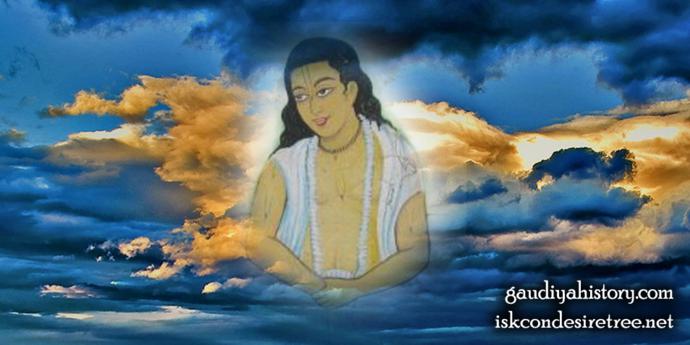
Training Him and Sending Him to Vrindavana #
Krishnadasa served his guru with complete devotion. His restlessness for Vrindavana grew. First the Ganga, he told his guru, and now he wished to see the Yamuna. Hridaya Chaitanya understood this longing and sent him onward, with his own messages of respect for the Six Goswamis. In Vrindavana, under Jiva Goswami, Krishnadasa received the name Shyamananda after an intimate vision connected to Srimati Radharani. That event caused a short but well-known strain in Krishnadasa's relationship with his guru, Hridaya Chaitanya, who traveled to Vrindavana to look into the matter himself. Training and Sending Him to Vrindavana tells the full episode, and Hridaya Chaitanya's own change of heart.
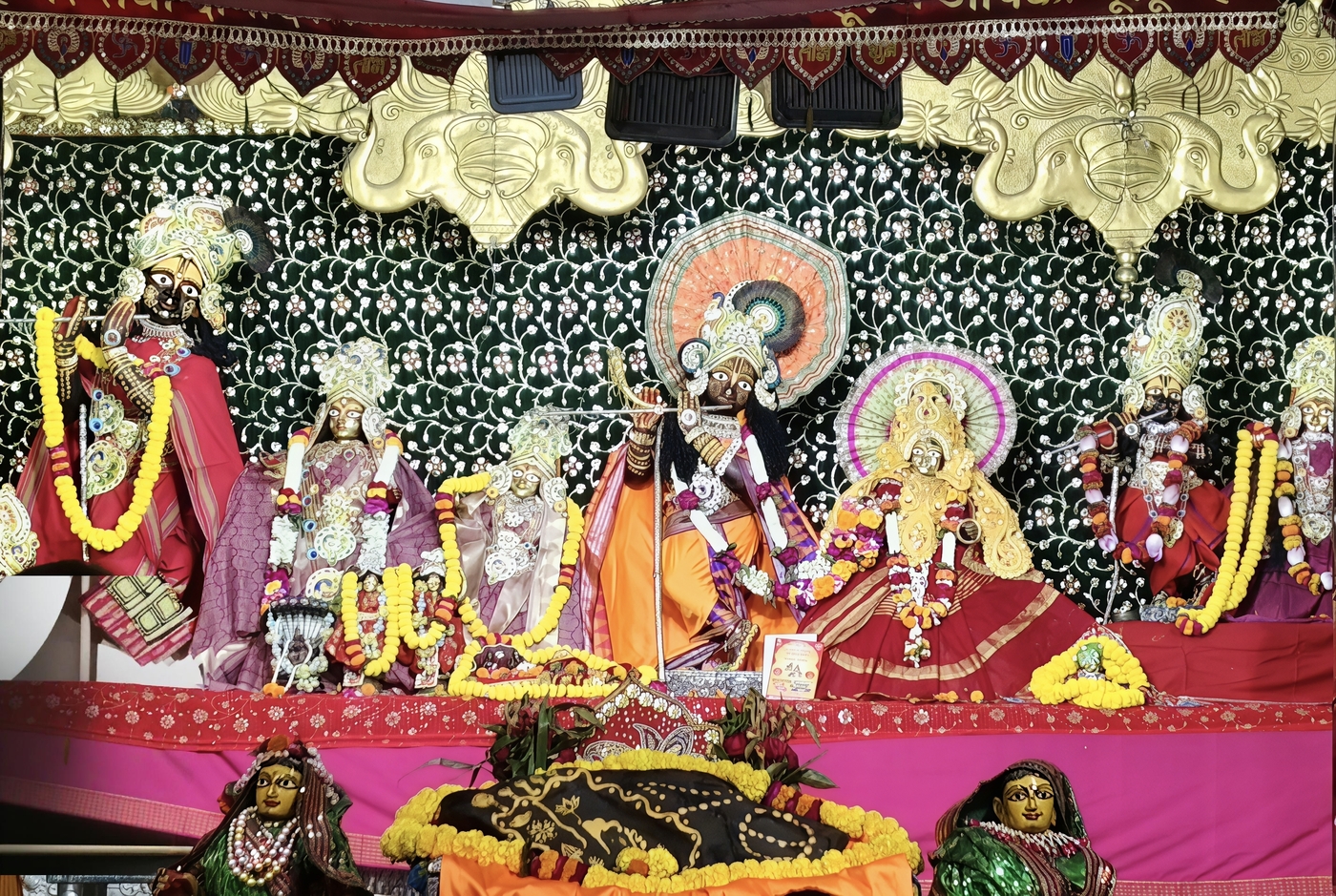
A Guru Remembered Through His Disciple's Line #
Hridaya Chaitanya eventually ordered Shyamananda Pandit to preach in Utkal, because he was worried that Chaitanya Mahaprabhu's own associates there were passing on one by one. Through Shyamananda's mission there and his own chief disciple, Rasikananda Prabhu, the line Hridaya Chaitanya had received from his guru, Gauridasa Pandit, was carried forward for centuries. It eventually reached the philosopher Baladeva Vidyabhusana. No record survives of exactly when or where Hridaya Chaitanya himself passed away. Word of his disappearance reached Shyamananda while he was still preaching in Utkal. But the principle that his own life first put into practice is clearly remembered. Sincere devotion, not birth, is what qualifies a person for spiritual life. This principle is carried forward in Legacy.
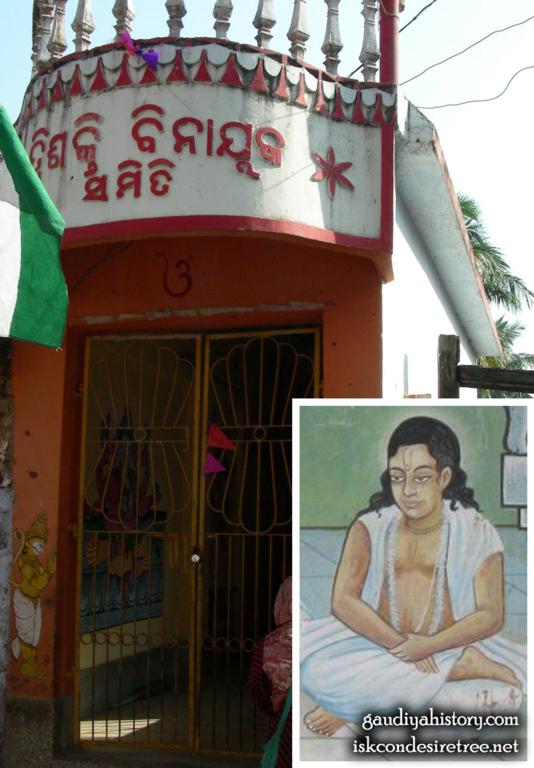
Scriptural evidence
কিবা বিপ্র, কিবা ন্যাসী, শূদ্র কেনে নয় ।
যেই কৃষ্ণতত্ত্ববেত্তা, সেই ‘গুরু’ হয় ॥ ১২৮ ॥
kibā vipra, kibā nyāsī, śūdra kene naya
yei kṛṣṇa-tattva-vettā, sei 'guru' haya
Word for word
kibā: whether; vipra: a brāhmaṇa; kibā: whether; nyāsī: a sannyāsī; śūdra: a śūdra; kene naya: why not; yei: anyone who; kṛṣṇa-tattva-vettā: a knower of the science of Kṛṣṇa; sei: that person; guru haya: becomes the spiritual master.
"Whether one is a brahmana, a sannyasi or a shudra — regardless of what he is — he can become a spiritual master if he knows the science of Krishna."
From the purport: Purport excerpt: "Srila Bhaktisiddhanta Sarasvati Thakura also states that... if he is conversant in the science of Krsna he can become a spiritual master."
Placed on the main biography page because this verse's principle is the single idea Hridaya Chaitanya's own life is remembered for putting into practice, a generation before it was formally stated in these terms in the tradition's own literature.
- Hridaya Chaitanya - Gaudiya History
- SHYAMANANDA PRABHU - Biography - Gaudiya History
- Sri Shyamananda Pandit (Life of Shyamananda Pandit) - ISKCON ebooks
- Shyamananda Prabhu - Stephen Knapp
- Gauridasa Pandit - Disappearance and Legacy (this site)
- Gauridasa Pandit - Establishing Deity Worship at Kalna (this site)
- Rasikananda Prabhu - Discipleship Under Shyamananda Pandit (this site)
- Sri Chaitanya-caritamrita, Madhya-lila 8.128, purport
- Sri Chaitanya-caritamrita, Adi-lila 7.45, purport
Disciples
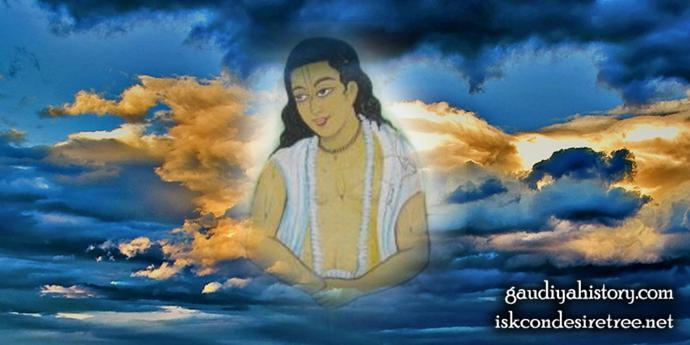
Frequently asked
When was Srila Hridaya Chaitanya born?
Srila Hridaya Chaitanya appeared Not recorded (flourished in the generation after Chaitanya Mahaprabhu, mid-16th century) in Not recorded.
Who was the guru of Srila Hridaya Chaitanya?
The spiritual master of Srila Hridaya Chaitanya was Srila Gauridasa Pandit.
When and where did Srila Hridaya Chaitanya disappear?
Srila Hridaya Chaitanya disappeared Not recorded (before 1630 AD, during Shyamananda Pandit's later years preaching in Utkal) at Not recorded; his household and deity seva were based at Ambika Kalna, Bengal.
What are the main pastimes of Srila Hridaya Chaitanya?
The pastimes covered here include: Life and Guru at Ambika Kalna, Discovering Duhkhi Krishnadasa, Training and Sending Him to Vrindavana, Legacy.