Gokarṇa Mahādeva
गोकर्ण महादेव
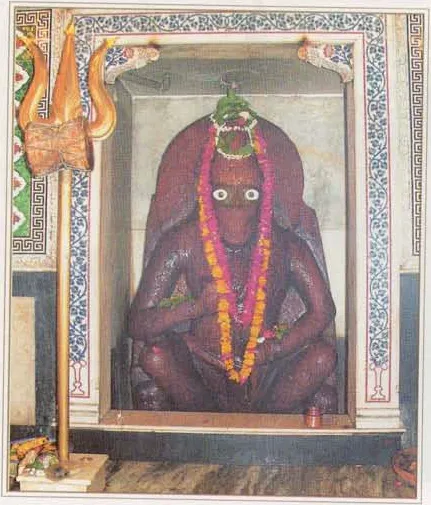
- What it is
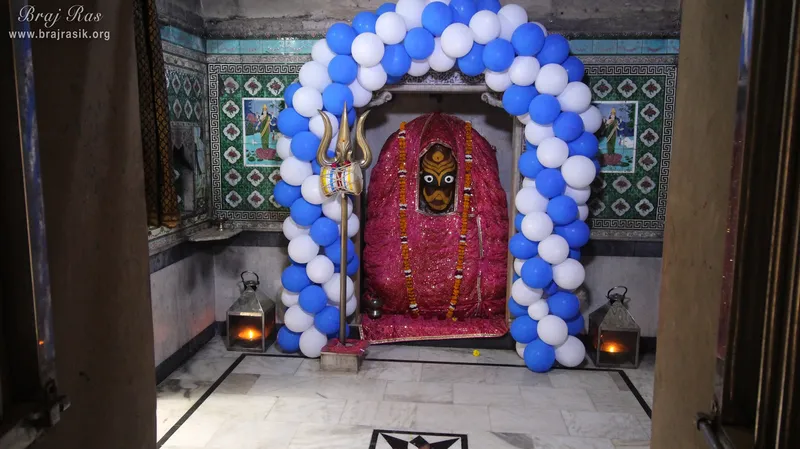
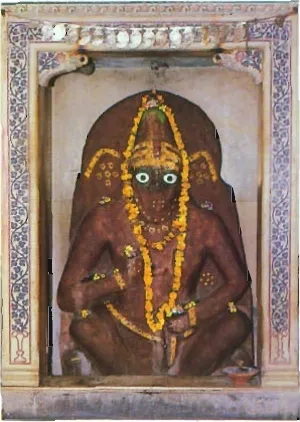
- Gokarṇa Mahādeva, also called Gokarṇeśvara, is a temple of Lord Śiva at the northern end of Mathurā, on the west bank of the Yamunā.
- Visiting
- The guidebook Śrī Vraja-maṇḍala Parikramā (2007) marks Gokarṇa-tīrtha and Gokarṇa Mahādeva with one number on its map of Mathurā, on the west bank at the northern end, but describes them in separate …
In short
Gokarṇa Mahādeva, also called Gokarṇeśvara, is a temple of Lord Śiva at the northern end of Mathurā, on the west bank of the Yamunā.[1 +1] The Varāha Purāṇa includes the darśana of the Mahādeva named Gokarṇeśvara in the walk around Mathurā and tells the story of a merchant's son, born after his parents worshipped this Śiva, who was named Gokarṇa.[3 +4] The Caitanya-caritāmṛta names Gokarṇa among the holy places of Mathurā that Śrī Caitanya Mahāprabhu saw, and Śrīla Rūpa Gosvāmī lists the Śiva called Gokarṇa among Mathurā's great tīrthas.[8 +2] The bathing place of the same name, Gokarṇa-tīrtha, shares its number on the guidebook's map of Mathurā.[1 +1]
Key facts
| Kind | temple |
|---|---|
| Region · area | Mathurā |
| Ācāryas | Śrī Caitanya Mahāprabhu, Śrīla Narahari Cakravartī Ṭhākura, Śrīla Śrīnivāsa Ācārya, Śrīla Narottama dāsa Ṭhākura, Śrīla Rūpa Gosvāmī |
Why it is glorified
In its account of the walk around Mathurā the Varāha Purāṇa says that, after the goddess Saṅketakeśvarī and a pool of clear …
In the Varāha Purāṇa
In its account of the walk around Mathurā the Varāha Purāṇa says that, after the goddess Saṅketakeśvarī and a pool of clear water, one sees the Mahādeva named Gokarṇeśvara, and that by His sight alone one is freed from all sins; the Sarasvatī river comes next (summarised here, not translated).[3]
संकेतकेश्वरीं चैव दृष्ट्वा सिद्धिमवाप्नुयात् ॥ 46 ॥
तत्र कुण्डं स्वच्छजलं महापातकनाशनम् ।। ततो दृष्ट्वा महादेवं गोकर्णेश्वरनामतः ॥ 47 ॥
यस्य दर्शनमात्रेण सर्वपापैः प्रमुच्यते ।। सरस्वतीं नदीं दृष्ट्वा ततो भद्राणि पश्यति
saṁketakeśvarīṁ caiva dṛṣṭvā siddhimavāpnuyāt
tatra kuṇḍaṁ svacchajalaṁ mahāpātakanāśanam
tato dṛṣṭvā mahādevaṁ gokarṇeśvaranāmataḥ
yasya darśanamātreṇa sarvapāpaiḥ pramucyate
sarasvatīṁ nadīṁ dṛṣṭvā tato bhadrāṇi paśyati
Several chapters of the Varāha Purāṇa tell what happened long ago in Mathurā to Gokarṇa. A sage told Suśīlā, the childless wife of the wealthy merchant Vasukarṇa, to worship a holy shrine of Śiva "famed as Gokarṇa". She and her husband bathed at the confluence of the Sarasvatī and worshipped Gokarṇa every day for ten years. Śiva, pleased, promised them a son, and at his naming the father called the boy Gokarṇa. In this story the Śiva already bears the name before the boy is born.[4 +3]
उवाच मुनिशार्दूलस्तां स्त्रियं पुत्रगर्द्धिनीम् ॥ 7 ॥
देवतायाः प्रसादेन तव पुत्रो भविष्यति ।। शिवस्यायतनं पुण्यं गोकर्णेति च विश्रुतम् ॥ 8 ॥
तमाराधय देवेशं पत्या सह यशस्विनि ।। स्नानदीपोपहारेण स्तोत्रैर्नानाविधैर्जपैः
uvāca muniśārdūlastāṁ striyaṁ putragarddhinīm
devatāyāḥ prasādena tava putro bhaviṣyati
śivasyāyatanaṁ puṇyaṁ gokarṇeti ca viśrutam
tamārādhaya deveśaṁ patyā saha yaśasvini
snānadīpopahāreṇa stotrairnānāvidhairjapaiḥ
The same chapters say that one who sees the Lord Gokarṇa gets the fruit of the confluence of the Sarasvatī, does not go to the city of Yama, the lord of death, and goes to Viṣṇu's world.[13 +1] The Garga-saṁhitā, in its chapter on the glories of Mathurā, also knows a "Gokarṇa the vaiśya" who gained a great treasure there by austerity.[15]
In Śrīla Rūpa Gosvāmī's list
Near the end of his Mathurā-māhātmya Śrīla Rūpa Gosvāmī lists the great tīrthas of Mathurā: Viśrānti, Asi-kuṇḍa, Vaikuṇṭha, Dhruva, Kṛṣṇa-gaṅgā, Cakra-tīrtha, the confluence of the Sarasvatī, the well Catuḥsāmudrika, the Śiva called Gokarṇa, Govardhana, Nanda's home and the twelve forests (summarised here, not translated).[10 +1]
Divine pastimes
Ambikāvana and the snake
Śrīmad-Bhāgavatam (10.34) tells how the cowherds of Vraja went by bullock cart to the Ambikā forest, bathed in the Sarasvatī and worshipped Lord Paśupati (Śiva) and the goddess Ambikā. That night a huge snake began to swallow the sleeping Nanda, and Kṛṣṇa touched it with His foot, so that it gave up its snake body and became a Vidyādhara. The Bhāgavatam does not say where the forest was, and it does not name Gokarṇa.[17 +6]
tatra snātvā sarasvatyāṃ devaṃ paśu-patiṃ vibhum / ānarcur arhaṇair bhaktyā devīṃ ca ṇṛpate 'mbikām
O King, after arriving there, they bathed in the Sarasvatī and then devotedly worshiped with various paraphernalia the powerful Lord Paśupati and his consort, goddess Ambikā.
Translation: Śrīla Prabhupāda's disciples (BBT)The commentators differ on the place (summarised here, not translated). Śrīla Sanātana Gosvāmī places the Ambikā forest in the western part of Mathurā city, on the Sarasvatī, with images of Śiva and Umā; Śrīla Jīva Gosvāmī gives the same place, north-west of the city, as his first explanation, and Śrīla Viśvanātha Cakravartī Ṭhākura reports it as the view of some.[24 +2] Śrīla Jīva Gosvāmī's Krama-sandarbha says that it is the well-known Ambikā forest near Siddhapura in Gujarat, and the others give this as the second view.[24 +3] Śrīla Prabhupāda, in his Kṛṣṇa book, also places it in Gujarat; this is general and does not name Gokarṇa:[23]
General teaching (does not name the place)“Ambikāvana is somewhere in Gujarat Province, and it is said to be situated on the river Sarasvatī. Yet we do not find any Sarasvatī River in Gujarat Province, although there is a river named Savarmatī.”
Śrīla Prabhupāda, Kṛṣṇa, the Supreme Personality of Godhead, Chapter 34 · vedabase.io
The Bhakti-ratnākara sets the pastime in Mathurā and calls the Paśupati whom Nanda worshipped the Mahādeva called Gokarṇa; the modern guidebook sets it at Mahāvidyā-devī. The pastime is told in full on the page of Ambikāvana.[28]
Accounts differ Where Ambikāvana was, where Nanda worshipped Paśupati and was seized by the snake (SB 10.34), and whether that Paśupati is Gokarṇa Mahādeva of Mathurā.
- Bhakti-ratnākara, printed p. 288The Ambikā-kānana is on the Kṛṣṇa-gaṅgā bank in Mathurā; Nanda worshipped the Mahādeva called Gokarṇa and Ambikā there.
- Śrī Vraja-maṇḍala Parikramā (2007)The pastime took place at Ambikāvana, at Mahāvidyā-devī in Mathurā; the Paśupati was Gokarṇa Mahādeva.
- Śrīla Prabhupāda, Kṛṣṇa ch. 34'Ambikāvana is somewhere in Gujarat Province, and it is said to be situated on the river Sarasvatī.'
- SB 10.34.1 purport on vedabase (by Śrīla Prabhupāda's disciples), reporting the commentatorsŚrīla Jīva Gosvāmī: Ambikāvana is in Gujarat, near Siddhapura; Śrīla Viśvanātha Cakravartī quotes authorities who place it on the Sarasvatī, north-west of Mathurā.
The wording of these accounts is our summary of the sources, not a published translation.
Traditional accounts
The sources do not agree on who gave the Śiva his name.
Who was Gokarṇa?
The sources do not agree on who gave the Śiva his name. In the Varāha Purāṇa the shrine is already called Gokarṇa when the merchant's son is born. Śrīla Nārāyaṇa Bhaṭṭa Gosvāmī's Vraja-bhakti-vilāsa speaks of a Gokarṇa-saṁsthāna where a ṛṣi named Gokarṇa performed great austerity, and gives prayers to the image of that ṛṣi and to his wife Gārgī (summarised here, not translated).[4 +5] The modern guidebooks connect the name with Gokarṇa, the reciter of Śrīmad-Bhāgavatam who freed his brother Dhundhukārī. The Padma Purāṇa's Bhāgavata-māhātmya, which tells that Gokarṇa's story, sets it in a town on the bank of the Tuṅgabhadrā and does not mention Mathurā.[31 +1]
Accounts differ Who the Gokarṇa of Mathurā was, and why the Śiva there is called Gokarṇa.
- Śrī Vraja-maṇḍala Parikramā (2007)Gokarṇa, 'the famous speaker of Śrīmad-Bhāgavatam' who freed his brother Dhuṅdhukārī, worshipped this Śiva, hence the name; Gokarṇa-tīrtha is his place of worship.
- Vṛndāvana-Dhāma Ki Jaya! (c. 1986)The temple has a mūrti of the sage Gokarṇa of the Padma's Bhāgavata-māhātmya beside the śiva-liṅga.
- Varāha Purāṇa 170.1-20A Śiva shrine in Mathurā was already famed as Gokarṇa when the merchant Vasukarṇa's wife was told to worship it; the son born by its grace was named Gokarṇa.
- Garga-saṁhitā, Mathurā-khaṇḍa 25.21Gokarṇa the vaiśya gained a great treasure in Mathurā.
The wording of these accounts is our summary of the sources, not a published translation.
The Gosvāmīs and ācāryas
The Caitanya-caritāmṛta (Madhya 17.191) names Gokarṇa among the holy places on the Yamunā that Śrī Caitanya Mahāprabhu visited …
The Caitanya-caritāmṛta (Madhya 17.191) names Gokarṇa among the holy places on the Yamunā that Śrī Caitanya Mahāprabhu visited; it does not say whether the Śiva or the bathing place is meant.[8 +1]
স্বয়ম্ভু, বিশ্রাম, দীর্ঘবিষ্ণু, ভূতেশ্বর ।
মহাবিদ্যা, গোকর্ণাদি দেখিলা বিস্তর ॥ ১৯১ ॥
svayambhu, viśrāma, dīrgha-viṣṇu, bhūteśvara
mahāvidyā, gokarṇādi dekhilā vistara
Śrī Caitanya Mahāprabhu visited all the holy places on the banks of the Yamunā, including Svayambhu, Viśrāma-ghāṭa, Dīrgha Viṣṇu, Bhūteśvara, Mahāvidyā and Gokarṇa.
Translation: Śrīla A.C. Bhaktivedanta Swami PrabhupādaAccording to the Bhakti-ratnākara of Śrīla Narahari Cakravartī Ṭhākura, Śrīla Rāghava Paṇḍita Gosvāmī of Govardhana, back in Mathurā after a bath at Viśrāma-tīrtha, brought Śrīla Śrīnivāsa Ācārya and Śrīla Narottama dāsa Ṭhākura to the Ambikā forest on the bank of the Kṛṣṇa-gaṅgā. There they saw Śrī Ambikā-devī and the Śiva called Gokarṇa, and he told them how Nanda and the cowherds had worshipped them (summarised here, not translated).[28]
শ্রীনিবাসে সে সকল-স্থান দেখাইয়া। রাঘবপণ্ডিত কত কহে বিবরিয়া ॥ বিশ্রাম তীর্থেতে স্নান করি হর্ষ মনে। কৃষ্ণগঙ্গা তীরে আইলা অম্বিকাকাননে ॥ শ্রীঅম্বিকাদেবী গোকর্ণাখ্য শিবে দেখি। শ্রীনিবাস নরোত্তম হৈলা মহাসুখী ॥ রাঘবপণ্ডিত দোঁহে কহে ধীরে ধীরে। দেখহ অপূর্ব্ব স্থান কৃষ্ণগঙ্গাতীরে ॥ এথা নন্দাদিক গোপ সুসজ্জ হইয়া। আইলেন দেবযাত্রা দর্শন লাগিয়া ॥ গোকর্ণাখ্য মহাদেব অম্বিকা দোঁহারে। পূজিলেন নন্দরায় বিবিধ প্রকারে ॥ এই রম্যস্থানে নন্দ শয়নেতে ছিলা। অকস্মাৎ মহাকাল সর্পে গ্রস্ত হৈলা ॥
śrīnibāse se sakala-sthāna dekhāiẏā| rāghabapaṇḍita kata kahe bibariẏā
biśrāma tīrthete snāna kari harṣa mane| kṛṣṇagaṅgā tīre āilā ambikākānane
śrīambikādebī gokarṇākhya śibe dekhi| śrīnibāsa narottama hailā mahāsukhī
rāghabapaṇḍita dom̐he kahe dhīre dhīre| dekhaha apūrbba sthāna kṛṣṇagaṅgātīre
ethā nandādika gopa susajja haiẏā| āilena debayātrā darśana lāgiẏā
gokarṇākhya mahādeba ambikā dom̐hāre| pūjilena nandarāẏa bibidha prakāre
ei ramyasthāne nanda śaẏanete chilā| akasmāt mahākāla sarpe grasta hailā ||
The same book tells that Śrīla Vīracandra Prabhu, on his tour of Vraja, bathed at Viśrānti-ghāṭa in Mathurā, saw the Śiva called Gokarṇa and went on to Akrūra and the Govinda temple of Vṛndāvana.[33]
Visiting today
The guidebook Śrī Vraja-maṇḍala Parikramā (2007) marks Gokarṇa-tīrtha and Gokarṇa Mahādeva with one number on its map of Mathurā, on the west bank at the northern end, but describes them in separate sections.[1 +1]
Nearby places
Rajaka-badha-ṭīlā · Nīlakaṇṭheśvara Mahādeva
Pictures
2 pictures
References
- Śrī Vraja-maṇḍala Parikramā (2007), PDF p. 31
- Śrī Vraja-maṇḍala Parikramā (2007), PDF p. 51
- Varāha Purāṇa, adhyāya 160, vv. 46-48, Sanskrit Wikisource
- Varāha Purāṇa, adhyāya 170, v. 1, Sanskrit Wikisource
- Varāha Purāṇa, adhyāya 170, vv. 7-9, Sanskrit Wikisource
- Varāha Purāṇa, adhyāya 170, vv. 13-14, Sanskrit Wikisource
- Varāha Purāṇa, adhyāya 170, v. 20, Sanskrit Wikisource
- Śrīla Kṛṣṇadāsa Kavirāja Gosvāmī, Śrī Caitanya-caritāmṛta, Madhya-līlā 17.191, online edition · vedabase.io
- Śrīla Prabhupāda, Śrī Caitanya-caritāmṛta, Madhya-līlā 17.191, translation · vedabase.io
- Śrīla Rūpa Gosvāmī, Mathurā-māhātmya v.442-443, 'mathurā-mahā-tīrthāni'
- Varāha Purāṇa, adhyāya 160, vv. 46-48, Sanskrit Wikisource
- Varāha Purāṇa, adhyāya 170, vv. 7-9, Sanskrit Wikisource
- Varāha Purāṇa, adhyāya 170, vv. 95-96, Sanskrit Wikisource
- Varāha Purāṇa, adhyāya 173, v. 13, Sanskrit Wikisource
- Garga-saṁhitā, Mathurā-khaṇḍa (5) 25.21 ('mathurā-māhātmya'), Sanskrit Wikisource
- Śrīla Rūpa Gosvāmī, Mathurā-māhātmya, v. 275, quoting the Saura Purāṇa
- Śrīmad-Bhāgavatam 10.34.1, GRETIL
- Śrīmad-Bhāgavatam 10.34.2, GRETIL
- Śrīmad-Bhāgavatam 10.34.4, GRETIL
- Śrīmad-Bhāgavatam 10.34.5, GRETIL
Show all 35 references
- Śrīmad-Bhāgavatam 10.34.8, GRETIL
- Śrīmad-Bhāgavatam 10.34.9, GRETIL
- Śrīla Prabhupāda, Kṛṣṇa, the Supreme Personality of Godhead, Chapter 34 · vedabase.io
- Bṛhad-vaiṣṇava-toṣaṇī (Śrīla Sanātana Gosvāmī): commentary SB 10.34.1-2, Sanātana Gosvāmī's Bṛhad-vaiṣṇava-toṣaṇī, Bhagavata Vidya Pith edition, ed. Bhagavata Rishi and Krishna Shankar Shastri, 1996
- Laghu-vaiṣṇava-toṣaṇī (Śrīla Jīva Gosvāmī): commentary SB 10.34.1-2, Jīva Gosvāmī's Laghu-vaiṣṇava-toṣaṇī, Bhagavata Vidya Pith edition, ed. Bhagavata Rishi and Krishna Shankar Shastri, 1996
- Sārārtha-darśinī (Śrīla Viśvanātha Cakravartī Ṭhākura) on Śrīmad-Bhāgavatam: commentary on ŚB 10.34.1'), Bhagavata Vidya Pith edition, ed. Bhagavata Rishi and Krishna Shankar Shastri, 1996
- Krama-sandarbha (Śrīla Jīva Gosvāmī) on Śrīmad-Bhāgavatam: commentary on ŚB 10.34.1'), Bhagavata Vidya Pith edition, ed. Bhagavata Rishi and Krishna Shankar Shastri, 1996
- Śrīla Narahari Cakravartī, Bhakti-ratnākara, Fifth Wave (pañcama taraṅga), printed p. 288 (1912 ed.), 2nd ed., 1912
- Śrīla Nārāyaṇa Bhaṭṭa, Vraja-bhakti-vilāsa, Mathurā circuit, verses numbered 53-54, 1st ed., publ. Bābā Kṛṣṇadāsa, Kusuma-sarovara, Saṁvat 2008
- Śrīla Nārāyaṇa Bhaṭṭa, Vraja-bhakti-vilāsa, Mathurā circuit, after verse 56, 1st ed., publ. Bābā Kṛṣṇadāsa, Kusuma-sarovara, Saṁvat 2008
- Bhāgavata-māhātmya, Padma Bhāgavata-māhātmya 4.16, Sanskrit Wikisource
- Bhāgavata-māhātmya, Padma Bhāgavata-māhātmya 4.64-65, Sanskrit Wikisource
- Śrīla Narahari Cakravartī, Bhakti-ratnākara, Thirteenth Wave (trayodaśa taraṅga), printed p. 1025 (1912 ed.), 2nd ed., 1912
- Śrī Vraja-maṇḍala Parikramā (2007), p. 76-77
- Vṛndāvana-Dhāma Ki Jaya! (c. 1986), by Dhruva Mahārāja dāsa, p. 5