Lalitā-kuṇḍa (Rādhā-kuṇḍa)
ललिता-कुण्ड (राधा-कुण्ड)
Also called LALITĀ-KUṆḌA
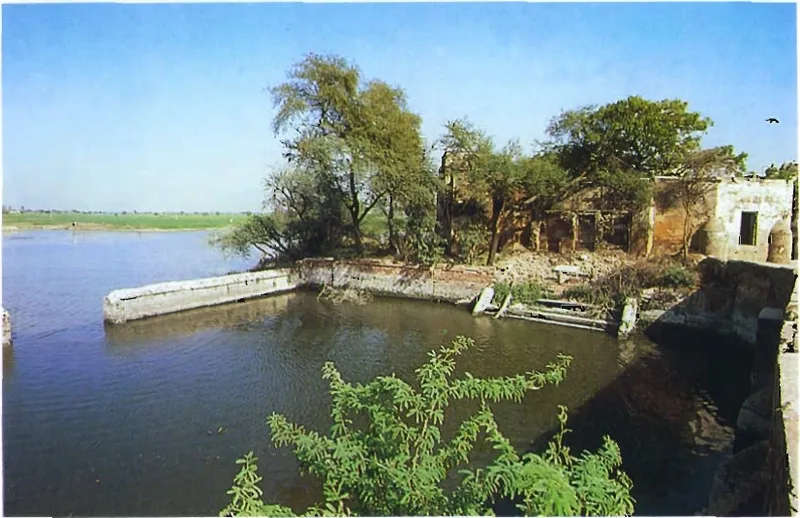
- What it is
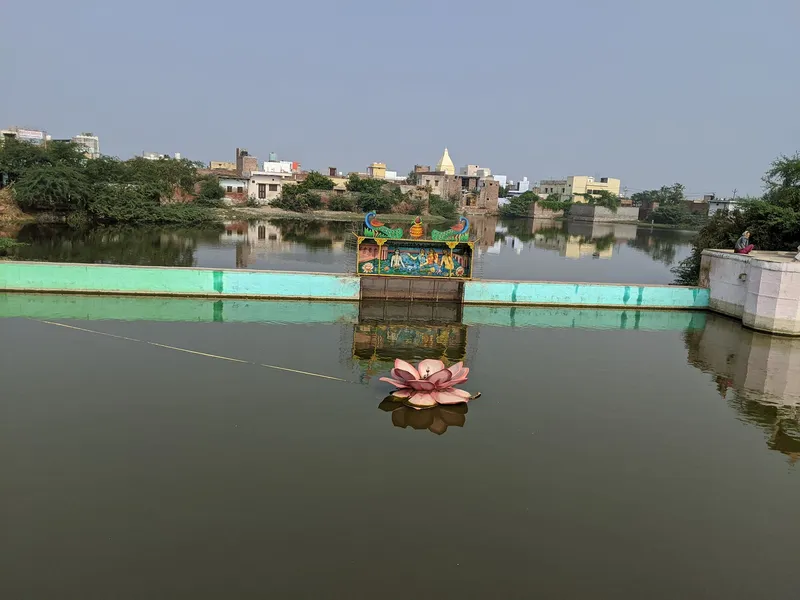
- Lalitā-kuṇḍa is the kuṇḍa of Lalitā, Śrī Rādhā's sakhī (companion), north of Rādhā-kuṇḍa and Śyāma-kuṇḍa.
- Visiting
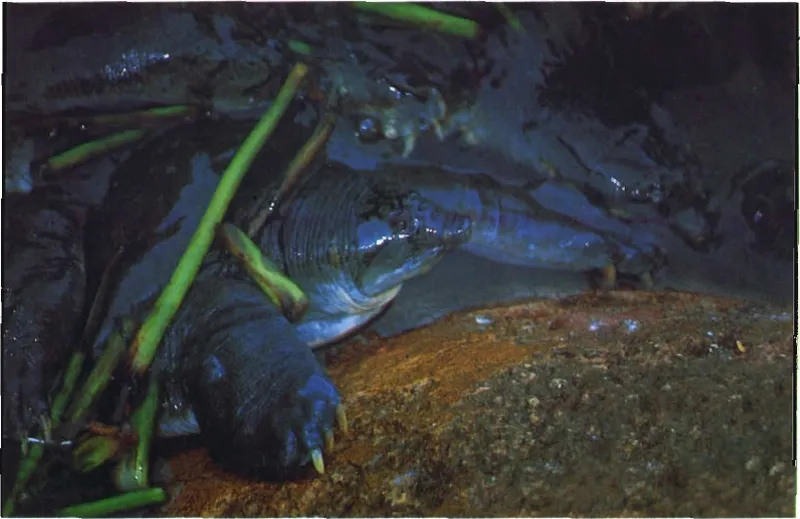
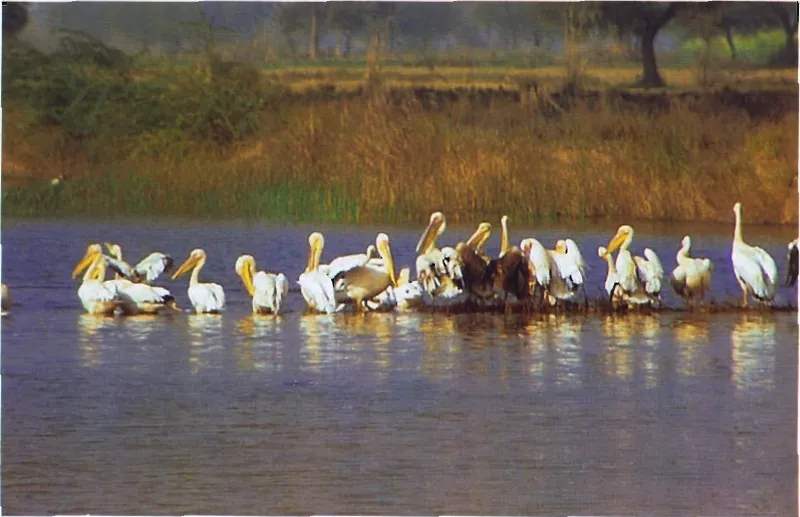
- The Colour Guide to Rādhā-kuṇḍa (1999) describes Lalitā-kuṇḍa as full of large turtles and visited by water birds in winter.
- Places here
- New well on the eastern bank of Lalitā-kuṇḍa, Viśākhā-kuṇḍa (Rādhā-kuṇḍa), Vṛṣabhānu-kuṇḍa (Rādhā-kuṇḍa), Vaiṣṇava samādhis (Lalitā-kuṇḍa)
In short
Lalitā-kuṇḍa is the kuṇḍa of Lalitā, Śrī Rādhā's sakhī (companion), north of Rādhā-kuṇḍa and Śyāma-kuṇḍa. The Colour Guide to Rādhā-kuṇḍa (1999) records a local tradition that kuṇḍas of the sakhīs surround the two main kuṇḍas, and says that this is the only one of them that can be seen outside the monsoon.[1 +3] The Garga-saṁhitā names it among the holy places of Govardhana, next to Rādhā-kuṇḍa and Kṛṣṇa-kuṇḍa.[5 +1] According to Śrīla Nārāyaṇa Bhaṭṭa Gosvāmī's Vraja-bhakti-vilāsa, Kṛṣṇa, as Lalitā-mohana, called the sixty-eight tīrthas (holy waters) here and bathed after He killed the bull-demon. The Bhāgavatam tells the killing but no such bath, and its commentators place Kṛṣṇa's bath at His own kuṇḍa.[7 +10]
Key facts
| Kind | kuṇḍa |
|---|---|
| Region · area | Rādhā-kuṇḍa |
| Also part of | Rādhā-kuṇḍa (village) |
| Ācāryas | Śrīla Nārāyaṇa Bhaṭṭa Gosvāmī |
Why it is glorified
The Garga-saṁhitā names Lalitā-kuṇḍa in Nārada's account of the holy places of Girirāja, directly after Rādhā-kuṇḍa and …
The Garga-saṁhitā names Lalitā-kuṇḍa in Nārada's account of the holy places of Girirāja, directly after Rādhā-kuṇḍa and Kṛṣṇa-kuṇḍa. The verse gives only the name.[5 +1]
राधाकुण्डः कृष्णकुण्डो ललिताकुण्ड एव च । गोपालकुंडस्तत्रैव कुसुमाकर एव च ॥ 8 ॥
rādhākuṇḍaḥ kṛṣṇakuṇḍo lalitākuṇḍa eva ca
gopālakuṁḍastatraiva kusumākara eva ca
Among the thousand names of the Yamunā, the same work calls her lalitā-kuṇḍa-gā, she who stays at Lalitā-kuṇḍa, and the one adorned with a Viśākhā-kuṇḍa. The hymn does not say where either kuṇḍa lies, and Vraja has other kuṇḍas of these names, at Kāmyavana and near Nandīśvara, so no source ties these epithets to this kuṇḍa.[5 +1]
Divine pastimes
Lalitā's kuñja in the eternal pastimes
Śrīla Kṛṣṇadāsa Kavirāja Gosvāmī's Govinda-līlāmṛta and Śrīla Viśvanātha Cakravartī Ṭhākura's Kṛṣṇa-bhāvanāmṛta give each of the eight chief sakhīs a kuñja (grove) named after her on the banks of Rādhā-kuṇḍa, and put Lalitā's on the north side. The Govinda-līlāmṛta (7.31–34) describes there a platform called Anaṅga-raṅgāmbuja, set with eight bowers like the petals of a lotus, kept by Lalitā's disciple Kalāvatī and called lalitānandada, "giving joy to Lalitā". Neither work names a Lalitā-kuṇḍa (both summarised here, not translated).[18 +2] Śrī Vraja-maṇḍala Parikramā (2007) says that Lalitā-kuṇḍa lies on the site of that grove, Lalitānandada-kuñja.[20 +1] Read more: The kuñjas of the sakhīs around Rādhā-kuṇḍa →
Ariṣṭa and Dhenuka in the Bhāgavatam
Śrīmad-Bhāgavatam (10.36) tells how Kṛṣṇa killed the bull-demon Ariṣṭa and then entered the cowherd village with Balarāma. It tells of no bath, no calling of tīrthas and no kuṇḍa after the killing, and it does not name Lalitā-kuṇḍa.[9 +4] Śrīla Prabhupāda's Kṛṣṇa book tells it the same way and speaks of no sin and no atonement:[13]
General teaching (does not name the place)“Kṛṣṇa again caught his horns and immediately threw him to the ground, breaking his horns. Kṛṣṇa then began to kick his body, just as one squeezes a wet cloth on the ground. … With Balarāma, He triumphantly entered Vṛndāvana village, and the inhabitants glorified Him and Balarāma with great jubilation.”
Śrīla Prabhupāda, Kṛṣṇa, the Supreme Personality of Godhead (Kṛṣṇa book), Chapter 36, 'Kaṁsa Sends Akrūra for Kṛṣṇa' · vedabase.io
Śrīla Prabhupāda also writes that Śrī Caitanya Mahāprabhu understood Āriṭ-grāma, the village of the two main kuṇḍas, to be the place where Kṛṣṇa killed Ariṣṭāsura.[9 +3]
The Canto 10 commentators connect the killing with the kuṇḍa that Kṛṣṇa made by striking the earth with His heel (summarised here, not translated). Śrīla Sanātana Gosvāmī calls it Ariṣṭa-kuṇḍa; in the Ādi-varāha that Śrīla Jīva Gosvāmī quotes, Kṛṣṇa bathed there with the cowherds; and in the twenty verses of Śrīla Viśvanātha Cakravartī Ṭhākura's commentary He calls all the tīrthas into that pond and bathes in it. None of them names Lalitā or a Lalitā-kuṇḍa.[14 +3] Read more: How Rādhā-kuṇḍa appeared: the accounts side by side →
The Bhāgavatam sets the killing of the ass-demon Dhenuka by Balarāma in the Tālavana, a great forest of palm trees, and the commentators and the Harivaṁśa place that forest near Govardhana or near Mathurā. None of them puts it by the kuṇḍas of Rādhā-kuṇḍa.[23 +5]
Traditional accounts
Śrīla Nārāyaṇa Bhaṭṭa Gosvāmī's Vraja-bhakti-vilāsa lists Lalitā-kuṇḍa and Mohana-kuṇḍa among the marks of Śrī-kuṇḍa-vana, the …
The account of the Vraja-bhakti-vilāsa
Śrīla Nārāyaṇa Bhaṭṭa Gosvāmī's Vraja-bhakti-vilāsa lists Lalitā-kuṇḍa and Mohana-kuṇḍa among the marks of Śrī-kuṇḍa-vana, the forest of the kuṇḍas, beside the place where Dhenukāsura was killed, with the kuṇḍas of Rādhā and Kṛṣṇa to their south.[4 +2] In verses that it ascribes to the Skanda Purāṇa, it says that Kṛṣṇa killed Dhenukāsura at that place, and it gives a prayer to be said there before bowing down to the spot; these verses have not been found in the available text of the Skanda Purāṇa.[4 +2]
Killing Ariṣṭa brought Kṛṣṇa no sin at all, as the Canto 10 commentators explain. Śrīla Jīva Gosvāmī and Śrīla Sanātana Gosvāmī say that Ariṣṭa was in truth a wicked demon, and Śrīla Viśvanātha Cakravartī Ṭhākura that killing one in a bull's form brought no sin of killing a cow. Śrīla Jīva Gosvāmī adds that Kṛṣṇa's bath only imitated a purification, to show the glory of His own tīrtha, and Śrīla Viśvanātha Cakravartī Ṭhākura calls the gopīs' demand for atonement in the twenty verses joking talk.[10 +4]
The Vraja-bhakti-vilāsa tells the story of Lalitā-kuṇḍa within this loving exchange after the killing. It says that here Kṛṣṇa, as Lalitā-mohana, called the sixty-eight well-known tīrthas and bathed to be rid of the sin of killing the bull (vṛṣa-hatyā, the book's own word), and that the two kuṇḍas called Lalitā and Mohana then became well known. One should bathe first in Lalitā-kuṇḍa and then in Mohana-kuṇḍa, which frees one from six kinds of killing.[7 +1] This wording belongs to the līlā after the killing and does not mean that Kṛṣṇa ever incurred sin or needed purification: as the commentators above explain, the killing brought Him no sin at all, and in the twenty verses that the BBT edition prints with the purport to Śrīmad-Bhāgavatam 10.36.16, the gopīs' demand for atonement is loving, joking talk.[10 +6] The book goes on to tell that the kuṇḍas of Rādhā and Kṛṣṇa appeared after Lalitā's; Lalitā takes water from both, into her own kuṇḍa as the edition's Hindi renders it.[2 +1] Read more: How Lalitā-kuṇḍa and Mohana-kuṇḍa became known →
Viśākhā-kuṇḍa and the kuṇḍas of the sakhīs
According to the local tradition recorded in The Colour Guide to Rādhā-kuṇḍa (1999), each of the eight chief sakhīs has her kuṇḍa around Rādhā-kuṇḍa and Śyāma-kuṇḍa, and outside the monsoon only Lalitā's can be seen.[1 +2] Śrī Vraja-maṇḍala Parikramā (2007) says that Viśākhā-kuṇḍa and many other kuṇḍas are included within Lalitā-kuṇḍa, and that many of them have disappeared.[20 +1] The Bhakti-ratnākara's account of Rādhā-kuṇḍa names no Viśākhā-kuṇḍa; it names a Lalitā-kuṇḍa and a Viśākhā-kuṇḍa together at Kāmyavana and again near Nandīśvara.[33 +2]
The Gosvāmīs and ācāryas
According to Śrī Vraja-maṇḍala Parikramā (2007), after Śrīla Raghunātha dāsa Gosvāmī drew the Jihvā-śilā out of Gopī-kūpa and …
According to Śrī Vraja-maṇḍala Parikramā (2007), after Śrīla Raghunātha dāsa Gosvāmī drew the Jihvā-śilā out of Gopī-kūpa and learned in a dream that it was Girirāja's tongue, he stopped bathing with that well's water and had a new well built for his bath on the eastern bank of Lalitā-kuṇḍa; the book says that it remains there today.[20] The book is the only source for the well and does not describe it further, so it is not certain which well is meant.[20]
Visiting today
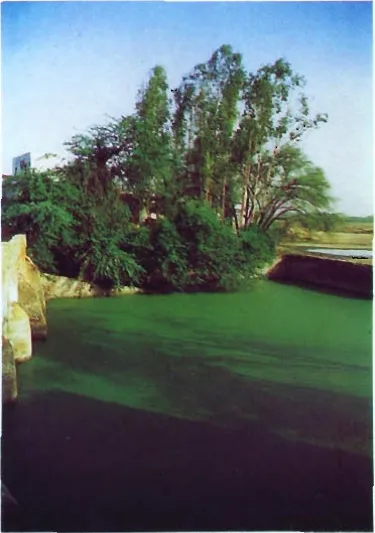
The Colour Guide to Rādhā-kuṇḍa (1999) describes Lalitā-kuṇḍa as full of large turtles and visited by water birds in winter. It reports that, as local devotees say, the kuṇḍas of the sakhīs, Mohana-kuṇḍa, Balarāma-kuṇḍa and Vṛṣabhānu-kuṇḍa can be seen in the flooded area after the monsoon. The undated parikramā notes Rādhā-kuṇḍa and the guidebook Vṛndāvana-Dhāma Ki Jaya! (c. 1986) put Śrīla Jīva Gosvāmī's bhajana-kuṭī across the road, near the kuṇḍa.[2 +2]
Location
| Where it is | Text: on the location of Lalitānandada-kuñja; map key 10: a small square tank east of the ring road, beside an unlabelled water area north-east of Śyāma-kuṇḍa[39] Linked to Śyāma-kuṇḍa by a canal; Mohana-kuṇḍa just next to it; Lalitā Bihārī Maṇḍira just past it.[40] |
|---|---|
| On the numbered Govardhana chart | 3 (printed as “Lalita Kunda”)[41] |
Places at Lalitā-kuṇḍa (Rādhā-kuṇḍa)
4 places
Nearby places
Śyāma-kuṇḍa (Rādhā-kuṇḍa) · Mohana-kuṇḍa (Rādhā-kuṇḍa) · Lalitānandada-kuñja · Jīva Gosvāmī's bhajana-kuṭī (Rādhā-kuṇḍa)
Pictures
6 pictures
History
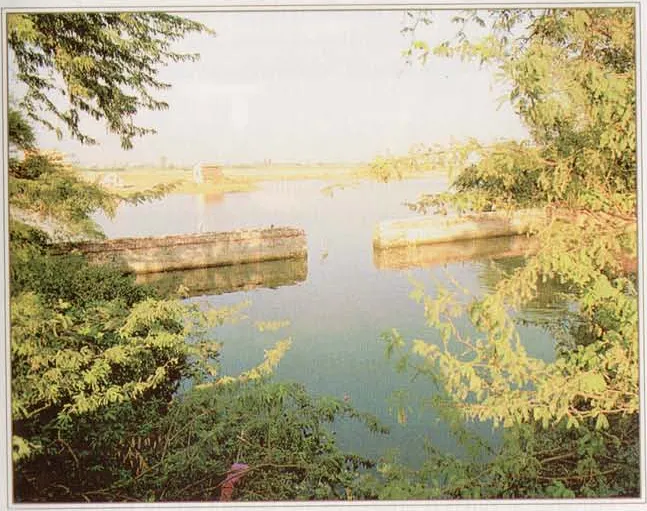
The Colour Guide to Rādhā-kuṇḍa (1999) says that in 1591 Rājā Mān Singh of Jaipur, after building the Govindajī temple in Vṛndāvana, added steps at Rādhā-kuṇḍa and built a canal linking Śyāma-kuṇḍa with Lalitā-kuṇḍa to keep up the water level, and that Lāl Bābu added more steps in 1817. The book cites no inscription or document, so these dates are not certain.[2 +2]
Where the sources differ
Where Lalitā-kuṇḍa lies: on the site of Lalitā's kuñja north of Rādhā-kuṇḍa in the text of Śrī Vraja-maṇḍala Parikramā …
Where Lalitā-kuṇḍa lies: on the site of Lalitā's kuñja north of Rādhā-kuṇḍa in the text of Śrī Vraja-maṇḍala Parikramā, north-east of Śyāma-kuṇḍa on the same book's map.
Accounts differ Where Lalitā-kuṇḍa lies relative to Rādhā-kuṇḍa (Śrī Vraja-maṇḍala Parikramā (2007)'s text and map disagree; the Vraja-bhakti-vilāsa says only that Rādhā- and Kṛṣṇa-kuṇḍa lie to its south)
- Śrī Vraja-maṇḍala Parikramā (2007) text with its kuñja descriptionLalitā-kuṇḍa is on the site of Lalitānandada-kuñja, which the kuñja text and map place north of Rādhā-kuṇḍa
- Śrī Vraja-maṇḍala Parikramā (2007) town mapLalitā-kuṇḍa is a small tank north-east of Śyāma-kuṇḍa, east of the ring road
- Vraja-bhakti-vilāsa, list of the marks of Śrī-kuṇḍa-vana (§ 43, printed p. 45)the two kuṇḍas Lalitā and Mohana lie beside the place where Dhenukāsura was killed, and the kuṇḍas Rādhā and Kṛṣṇa lie to their south (no closer position; it does not decide between the two Śrī Vraja-maṇḍala Parikramā (2007) positions)
- Govinda-līlāmṛta 7.31-34 (Śrīla Kṛṣṇadāsa Kavirāja Gosvāmī) and Kṛṣṇa-bhāvanāmṛta 14.10 with the ṭīkā printed with it (Śrīla Viśvanātha Cakravartī Ṭhākura)Lalitā's bower is on the north side of Rādhā-kuṇḍa (Govinda-līlāmṛta: the Anaṅga-raṅgāmbuja platform, 'lalitānandada', kept by Lalitā's disciple Kalāvatī; ṭīkā: 'uttarasyāṁ diśi lalitākuñjaḥ'); neither names a Lalitā-kuṇḍa, so they give the bower's position in the eternal pastimes, not the kuṇḍa's
How the kuṇḍa came to be. The Colour Guide to Rādhā-kuṇḍa (1999) reports a legend that Lalitā, together with Kṛṣṇa, called eighty-four holy places to make a kuṇḍa that washes away six kinds of killing, and that Lalitā-kuṇḍa and Mohana-kuṇḍa appeared before Śyāma-kuṇḍa and Rādhā-kuṇḍa; the Vraja-bhakti-vilāsa tells it otherwise.[2 +2]
Accounts differ The legend of how Lalitā-kuṇḍa (with Mohana-kuṇḍa) came to be and what bathing in it removes
- Vraja-bhakti-vilāsa, chapter 4, verses 4-5 (printed pp. 84-85)Lalitā-mohana (Kṛṣṇa), to be rid of the sin of killing the bull, called the sixty-eight famous tīrthas and bathed; the two kuṇḍas Lalitā and Mohana became famous; bathing in them frees from six killings: embryo, insects, cow, brāhmaṇa, 'svāna' (so printed) and oneself; afterwards Rādhikā turns from Lalitā-mohana and Rādhā- and Kṛṣṇa-kuṇḍa appear
- The Colour Guide to Rādhā-kuṇḍa (1999)'The legend goes that Lalitā, who along with Kṛṣṇa (Mohan), called eighty four holy places to appear and create a kuṇḍa where the sins of six kinds of murders could be washed off': killing a brāhmaṇa, a cow, a baby (abortion), suicide, killing a man or woman, and killing insects or worms; Lalitā- and Mohana-kuṇḍa manifested before Śyāma- and Rādhā-kuṇḍa
What the texts say of Kṛṣṇa's bath after Ariṣṭa's killing: the Bhāgavatam mentions none, the commentators explain that the killing brought Him no sin and that the bath only showed the glory of His tīrtha, and the gopīs' charge belongs to their joking talk; the Vraja-bhakti-vilāsa and a Varāha Purāṇa verse speak of it as a purification.[7 +10]
Accounts differ Whether killing the bull Ariṣṭa brought Kṛṣṇa a sin that needed atonement
- Śrīmad-Bhāgavatam 10.36.7 and 10.36.15Kṛṣṇa calls Ariṣṭa most wicked and Himself the punisher of such miscreants; after the killing He is praised and enters the village; no sin and no atonement are mentioned
- Śrīla Jīva Gosvāmī (with Śrīla Sanātana Gosvāmī and Vaṁśīdhara) and Śrīla Viśvanātha Cakravartī on ŚB 10.36.7Ariṣṭa was in truth a wicked demon (Vaṁśīdhara: his bull-form was artificial); Viśvanātha: killing one in a bull's form brought no sin of killing a cow
- Śrīla Jīva Gosvāmī (and Vaṁśīdhara) on ŚB 10.36.15, reading the Ādi-varāhaKṛṣṇa was sinless (vipāpmā); His bath imitated a purification, on a pretext, to show the glory of His own tīrtha; His words to Rādhā mean no sin at all arose for Me
- The twenty verses in Śrīla Viśvanātha Cakravartī's comment on ŚB 10.36.15, introduced as joking talkthe gopīs say He must atone, like Indra after killing Vṛtra; Rādhā calls the water of His pond tainted by the great sin of killing a cow
The wording of these accounts is our summary of the sources, not a published translation.
Accounts differ Where Dhenukāsura was killed, and by whom
- Śrīmad-Bhāgavatam 10.15.21–40in the Tālavana, a very great palm forest 'not far from here'; Balarāma killed Dhenuka, and both brothers killed his kinsmen
- Śrīmad-Bhāgavatam 10.43.25 and 10.46.26 (the citizens of Mathurā; Nanda Mahārāja)the citizens say that Kṛṣṇa ('by Him', anena; Vaṁśīdhara: 'by Kṛṣṇa') killed Dhenuka and similar demons; Nanda counts Dhenuka and Ariṣṭa among the demons killed 'here' (BBT: in Vṛndāvana) 'by Him' (yena), which the BBT translation renders 'Kṛṣṇa and Balarāma' and Śrīla Jīva Gosvāmī explains as 'by whichever one'; no closer place
- Canto 10 commentators on ŚB 10.15.21, with the Varāha Purāṇawithin four krośas east of Govardhana, in the place called Tārapharā or Tālasī (Viśvanātha), one yojana west or south-west of Mathurā
- Harivaṁśa 57.3–21 (critical edition)the Tālavana lies north of Govardhana, on the bank of the Yamunā; Balarāma (Rauhiṇeya) kills Dhenuka and throws his kinsmen into the palm trees
Accounts differ Where the kuṇḍas of the sakhīs (Viśākhā-kuṇḍa among them) are, and whether they can still be seen.
- Śrī Vraja-maṇḍala Parikramā (2007)'Viśākhā-kuṇḍa and many other kuṇḍas are included within Lalitā-kuṇḍa but many of them have disappeared.'
- The Colour Guide to Rādhā-kuṇḍa (1999)It is said that each of the aṣṭa-sakhīs has her kuṇḍa around Rādhā-kuṇḍa; except in the monsoon only Lalitā's kuṇḍa is visible; after the monsoon (local devotees say) the sakhīs' kuṇḍas can be seen in the flooded area outside Lalitā-kuṇḍa.
- Vṛndāvana-Dhāma Ki Jaya! (c. 1986)The kuṇḍas of the eight main assistants surround Rādhā-kuṇḍa and Śyāma-kuṇḍa; the only one manifest now is Lalitā-kuṇḍa.
How the Jihvā-śilā was found, and what Śrīla Raghunātha dāsa Gosvāmī did afterwards about water, the guidebooks tell differently, and the new well is not certain; their accounts are set side by side on the page of Gopī-kūpa.[20]
More on this place
How Lalitā-kuṇḍa and Mohana-kuṇḍa became known · The kuñjas of the sakhīs around Rādhā-kuṇḍa · How Rādhā-kuṇḍa appeared: the accounts side by side
References
41 references
- The Colour Guide to Rādhā-kuṇḍa (1999), Rājaśekhara dāsa Brahmacārī, PDF p. 128
- The Colour Guide to Rādhā-kuṇḍa (1999), Rājaśekhara dāsa Brahmacārī, PDF p. 129
- Vṛndāvana-Dhāma Ki Jaya! (c. 1986), by Dhruva Mahārāja dāsa, PDF p. 33
- Śrīla Nārāyaṇa Bhaṭṭa Gosvāmī, Vraja-bhakti-vilāsa, list of the marks of Śrī-kuṇḍa-vana, § 43, 1st ed., publ. Bābā Kṛṣṇadāsa, Kusuma-sarovara, Saṁvat 2008
- Garga-saṁhitā, Girirāja-khaṇḍa (3), adhyāya 7, verse 8, Sanskrit Wikisource
- Garga-saṁhitā, Mādhurya-khaṇḍa (4), adhyāya 19, verse 42, Sanskrit Wikisource
- Śrīla Nārāyaṇa Bhaṭṭa Gosvāmī, Vraja-bhakti-vilāsa, chapter 4 (Śrī-kuṇḍa-vana), verses numbered 4, 1st ed., publ. Bābā Kṛṣṇadāsa, Kusuma-sarovara, Saṁvat 2008
- Śrīla Nārāyaṇa Bhaṭṭa Gosvāmī, Vraja-bhakti-vilāsa, chapter 4 (Śrī-kuṇḍa-vana), verses numbered 5, 1st ed., publ. Bābā Kṛṣṇadāsa, Kusuma-sarovara, Saṁvat 2008
- Śrīmad-Bhāgavatam 10.36.1, GRETIL
- Śrīmad-Bhāgavatam 10.36.7, GRETIL
- Śrīmad-Bhāgavatam 10.36.13, GRETIL
- Śrīmad-Bhāgavatam 10.36.15, GRETIL
- Śrīla Prabhupāda, Kṛṣṇa, the Supreme Personality of Godhead (Kṛṣṇa book), Chapter 36, 'Kaṁsa Sends Akrūra for Kṛṣṇa' · vedabase.io
- Śrīla Sanātana Gosvāmī: commentary on ŚB 10.36.15, Bhagavata Vidya Pith edition, ed. Bhagavata Rishi and Krishna Shankar Shastri, 1996
- Śrīla Viśvanātha Cakravartī Ṭhākura: commentary on ŚB 10.36.15: the introduction and verses i–ii of the twenty verses he quotes, Bhagavata Vidya Pith edition, ed. Bhagavata Rishi and Krishna Shankar Shastri, 1996
- Śrīla Viśvanātha Cakravartī Ṭhākura: commentary on ŚB 10.36.15: verses vi and ix of the twenty verses he quotes, Bhagavata Vidya Pith edition, ed. Bhagavata Rishi and Krishna Shankar Shastri, 1996
- Varāha Purāṇa, adhyāya 164, verses 31-36, Sanskrit Wikisource
- Śrīla Kṛṣṇadāsa Kavirāja Gosvāmī, Govinda-līlāmṛta, sarga 7, vv.31, 33-34: Govinda-līlāmṛta, mūla, 275871, 275872; v.27 (Govinda-līlāmṛta, mūla) summarised, after the editions of Haridas Das and Haridas Shastri
- Śrīla Viśvanātha Cakravartī Ṭhākura, Kṛṣṇa-bhāvanāmṛta, sarga 14 (caturdaśaḥ sargaḥ, jala-vihāra-līlāsvādana), v.10, verse (Kṛṣṇa-bhāvanāmṛta with ṭīkā) and ṭīkā; the index labels the chapter '(14) trayodaśaḥ sargaḥ', after the edition of Radhikanath Goswami, Vrindavan, 1906
- Śrī Vraja-maṇḍala Parikramā (2007), PDF p. 94
Show all 41 references
- Śrī Vraja-maṇḍala Parikramā (2007), PDF p. 95
- Śrīla Prabhupāda, Śrī Caitanya-caritāmṛta, Madhya-līlā 18.3, purport · vedabase.io
- Śrīmad-Bhāgavatam 10.15.27, GRETIL
- Śrīmad-Bhāgavatam 10.15.32, GRETIL
- Śrīla Prabhupāda, Kṛṣṇa, the Supreme Personality of Godhead, Chapter 15, 'The Killing of Dhenukāsura' · vedabase.io
- Śrīla Jīva Gosvāmī, Śrīla Viśvanātha Cakravartī Ṭhākura: commentary on ŚB 10.15.21: Sanātana Śrīmad-Bhāgavatam canto 10, part 2, with ten commentaries, Jīva 299387, Viśvanātha 299389, Bhagavata Vidya Pith edition, ed. Bhagavata Rishi and Krishna Shankar Shastri, 1996
- Varāha Purāṇa, adhyāya 157, verse 39, Sanskrit Wikisource
- Harivaṁśa, 57.3, GRETIL
- Śrīla Nārāyaṇa Bhaṭṭa Gosvāmī, Vraja-bhakti-vilāsa, chapter 4 (Śrī-kuṇḍa-vana), end of the verses numbered 3 and beginning of those numbered 4, 1st ed., publ. Bābā Kṛṣṇadāsa, Kusuma-sarovara, Saṁvat 2008
- Śrīla Jīva Gosvāmī, Śrīla Viśvanātha Cakravartī Ṭhākura: commentary on ŚB 10.36.7: Jīva Gosvāmī Śrīmad-Bhāgavatam canto 10, part 5, with ten commentaries, Viśvanātha Cakravartī Śrīmad-Bhāgavatam canto 10, part 5, with ten commentaries, Bhagavata Vidya Pith edition, ed. Bhagavata Rishi and Krishna Shankar Shastri, 1996
- Purāṇic verses quoted by Viśvanātha Cakravartī Ṭhākura, ŚB 10.36.16, purport, online edition · vedabase.io
- Rādhā-kuṇḍotpatti-varṇana, part 1 v.1, with the text's heading (Rādhā-kuṇḍotpatti-varṇana)
- Śrīla Narahari Cakravartī, Bhakti-ratnākara, Fifth Wave, 1912 ed. p. 216, lower third of the page, 2nd ed., 1912
- Śrīla Narahari Cakravartī, Bhakti-ratnākara, Fifth Wave, 1912 ed. p. 223, paragraph after the Vraja-vilāsa-stava verse 60, 2nd ed., 1912
- Śrīla Narahari Cakravartī, Bhakti-ratnākara, Fifth Wave, 1912 ed. p. 191, after the quotation of Vraja-vilāsa-stava 52, 2nd ed., 1912
- The Colour Guide to Rādhā-kuṇḍa (1999), Rājaśekhara dāsa Brahmacārī, PDF p. 43
- Muttra (1911), D. L. Drake-Brockman, I.C.S. (edited and compiled)
- the undated parikramā notes Rādhā-kuṇḍa, ¶106
- Śrī Vraja-maṇḍala Parikramā (2007), p. 162-163
- The Colour Guide to Rādhā-kuṇḍa (1999), Rājaśekhara dāsa Brahmacārī, p. 124
- Numbered list of the Govardhana sites (key of the Govardhana chart)