The pratibhū Deities of Rādhā-kuṇḍa
राधा-कुण्ड के प्रतिभू विग्रह
In short
According to the guidebooks, several small temples in the village of Rādhā-kuṇḍa (Radha Kund) hold pratibhū Deities. These are representative forms of the Deities that the Gosvāmīs, Śrī Caitanya's leading followers, set up in Vṛndāvana: Govinda, Madana-mohana, Gopīnātha, Rādhā-Dāmodara, Rādhāramaṇa and others. The Colour Guide to Rādhā-kuṇḍa (1999) lists them. No dated record of their installation is known.[1–5]
On this page
At a glance
- A pratibhū is a representative form of a first Deity (the sacred form of the Lord first worshipped). The Colour Guide (1999) gives a table of those at Rādhā-kuṇḍa with the devotees who first served them.[1–3]
- Śrīla Prabhupāda says that the king of Jaipur took Govinda, Gopīnātha and Madana-mohana from Vṛndāvana to Jaipur in Aurangzeb's time; he does not speak of Rādhā-kuṇḍa.[6]
- Śrīla Prabhupāda names the Gosvāmīs who founded the principal temples of Vṛndāvana whose Deities these pratibhū represent.[7]
- No source gives a builder or a date for any of these temples, except a guidebook's hearsay of 1591 for the Rādhā-Govinda temple, which may not be right.[2]
- For Gokulānanda, Gopīnātha and Rādhā-Kānta the sources differ on who first established the Deity, or where.[7–12]
What is a pratibhū Deity?
The Colour Guide to Rādhā-kuṇḍa (1999) calls the Deities of these temples pratibhū. The word means a representative: a form that stands for one of the first Deities that the Gosvāmīs set up in Vṛndāvana. The book describes each temple. It also gives a table of the pratibhū Deities with the names of the devotees who first served them.[1–3]
The book also gives a reason that the Vrajavāsīs, the people of Vraja, are said to give. The temples are there so that the people of Rādhā-kuṇḍa need not leave the kuṇḍa to have darśana, a sacred sight, of the Gosvāmīs' Deities.[1]
Śrī Vraja-maṇḍala Parikramā (2007) says only that the Deities of Vṛndāvana had been moved to Jaipur before the temples there were damaged. It does not mention Rādhā-kuṇḍa. No dated record of the pratibhū is known, so their date is not certain.[1]
What does Śrīla Prabhupāda say about the first Deities?
Śrīla Prabhupāda spoke of the Deities taken from Vṛndāvana in Aurangzeb's time. He names three, and he does not speak of Rādhā-kuṇḍa:[6]
General teaching (does not name the place)“In the Jaipur there is Govinda-seva temple of Govindaji. The king of Jaipur took away, when Aurangzeb was harassing Hindus and he was breaking some of the Hindu temple, at that time from Vṛndāvana the Govinda mūrti—not only Govinda, but Govinda Gopinatha and Madana-mohana—these mūrtis were taken from Vṛndāvana to Jaipur.”
Śrīla Prabhupāda, Śrīla Baladeva Vidyābhūṣaṇa Appearance lecture, Los Angeles, 14 June 1970 · vedabase.io
In his purports, his explanations of the verses, he names the Gosvāmīs who founded the main temples of Vṛndāvana. When Śrīla Rūpa Gosvāmī and Śrīla Sanātana Gosvāmī came to Vṛndāvana, he writes, there was not a single temple. By their preaching temples were built, first Śrīla Sanātana Gosvāmī's Madana-mohana temple and Śrīla Rūpa Gosvāmī's Govindajī temple.[7] The passage goes on, so their nephew is the nephew of these two brothers:
General teaching (does not name the place)“Similarly, their nephew Jīva Gosvāmī constructed the Rādhā-Dāmodara temple, Śrī Gopāla Bhaṭṭa Gosvāmī constructed the Rādhā-ramaṇa temple, Śrī Lokanātha Gosvāmī constructed the Gokulānanda temple, and Śyāmānanda Gosvāmī constructed the Śyāmasundara temple.”
Śrīla Prabhupāda, Śrī Caitanya-caritāmṛta, Ādi-līlā 7.164, purport · vedabase.io
These words are about Vṛndāvana, not the temples at Rādhā-kuṇḍa. But they tell us whose Deities the pratibhū are said to represent.[7–10]
Which temples of Rādhā-kuṇḍa hold pratibhū Deities?
The Colour Guide describes each temple. Beside each one, what the other sources say about the first Deity is given here.[1]
Rādhā-Govinda
The Rādhā-Govinda temple holds representative forms of the Govinda whom Śrīla Rūpa Gosvāmī set up in Vṛndāvana. The guidebook says that He is now worshipped in Jaipur. Undated pilgrim notes count it among seven Gosvāmī temples of the place.[2, 3]
The same guidebook reports, as hearsay, that Rājā Mān Singh of Jaipur built the temple in 1591. It does not explain how that fits with copies made at a later time, and no inscription is known, so the year may not be right.[2] A small temple near its entrance holds the Jihvā-śilā, the stone of Govardhana's tongue found by Śrīla Raghunātha dāsa Gosvāmī, according to the guidebooks.[13–17]
Madana-mohana
The Madana-mohana temple holds representative forms of the Madana-mohana of Śrīla Sanātana Gosvāmī. Both the 1999 and the 2007 guidebooks say that His first Deity is now at Karauli in Rājasthān.[1, 4, 5] The Colour Guide says that the temple stands where Śrīla Sanātana Gosvāmī sat for bhajana, chanting and prayer. It adds that the temple has its own ghāṭa, a bathing place, on Śyāma-kuṇḍa, the Madana-mohana-ghāṭa.[4 +3]
Two historians, Prabhudayāl Mītal (1966) and A. W. Entwistle (1987), list a Madana-mohana temple at Rādhā-kuṇḍa. Entwistle counts it among the temples there that match larger Gauḍīya temples (temples of Śrī Caitanya's followers) in Vṛndāvana. Neither gives a builder or a date.[21, 22] Śrīla Prabhupāda lists the Madana-mohana temple of Vṛndāvana among the seven important Gauḍīya temples established through the Gosvāmīs' endeavour.[23]
Rādhā-Gopīnātha
In the table, the Rādhā-Gopīnātha temple holds the Deity of Śrī Madhu Paṇḍita Gosvāmī. The Caitanya-caritāmṛta opens with a prayer to Gopīnātha standing on the shore at Vaṁśīvaṭa in Vṛndāvana. Śrīla Prabhupāda writes that Śrī Madhu Paṇḍita built Gopīnātha's temple in Vṛndāvana.[11, 24]
The Bhakti-ratnākara, a Bengali book of pilgrimage, quotes the Sādhana-dīpikā. It says that Gopīnātha appeared at Vaṁśīvaṭa on the bank of the Yamunā and that Śrī Madhu Paṇḍita received His service. The Sādhana-dīpikā itself names Paramānanda, a student of Śrī Gadādhara Paṇḍita, as the one who brought Him to light (summarised here, not translated). Neither mentions Rādhā-kuṇḍa.[25, 26]
Rādhā-Dāmodara
The Rādhā-Dāmodara temple holds representative forms of the Deity of Śrīla Jīva Gosvāmī. Śrīla Prabhupāda writes that Śrīla Jīva Gosvāmī built the Rādhā-Dāmodara temple of Vṛndāvana. In 1999 the small temple at the kuṇḍa belonged to the priests of that Vṛndāvana temple.[7 +3] The 2007 guidebook places it in the north-western part of Śyāma-kuṇḍa, north of the Śyāmasundara temple.[20, 28]
Rādhā-Ramaṇa
The Rādhā-Ramaṇa temple holds representative forms of the Rādhāramaṇa of Śrī Gopāla Bhaṭṭa Gosvāmī. Śrīla Prabhupāda writes that, under the instruction of Śrīla Rūpa and Śrīla Sanātana Gosvāmī, he installed the Rādhāramaṇa Deity, one of the seven main Deities of Vṛndāvana. The Bhakti-ratnākara calls Rādhāramaṇa the life of Bhaṭṭa-Gopāla.[29–31]
The Colour Guide says that the first Rādhāramaṇa did not leave Vṛndāvana. Even so, it says, a pratibhū was installed at Rādhā-kuṇḍa because all the devotees wished it. No other source confirms this; it is said only by that book.[2, 31] Entwistle (1987) reports a document of 1637, copied by N. C. Bansal, that names a temple of Rādhāramaṇa at Rādhā-kuṇḍa. The original document has not been independently examined, and Entwistle does not say whether it is the present temple.[32]
Rādhā-Gokulānanda
In the table, the Rādhā-Gokulānanda temple holds the Deity of Śrīla Viśvanātha Cakravartī Ṭhākura. Śrīla Prabhupāda writes that Śrīla Lokanātha Gosvāmī established the Gokulānanda temple of Vṛndāvana, one of its seven important temples.[7–10] The appendix of the Narottama-vilāsa tells how Gokulānanda came to Śrīla Viśvanātha Cakravartī Ṭhākura through a pilgrim's dream, without saying where (summarised here, not translated).[33, 34]
The Colour Guide adds that visitors could see the puṣpa-samādhi of Śrīla Lokanātha Gosvāmī at this temple. This is a memorial holding flowers from his funeral. The book also shows an underground cave where he stayed for bhajana.[35, 36] Whether the temple holds a replica or once held the first Deity is told differently, as set out below.[7 +5]
Rādhā-Vinoda
The Rādhā-Vinoda temple, a small roadside temple, holds representative forms of the Deity of Śrīla Lokanātha Gosvāmī.[1 +4] The Bhakti-ratnākara tells that he received the Deity Śrī Rādhā-vinoda at Kiśorī-kuṇḍa in the village of Umarao, where Rādhā-vinoda said He lived. He made a cloth bag as His temple, and after some days came to Vṛndāvana (summarised here, not translated).[38]
Śrīla Prabhupāda says that Śrīla Lokanātha Gosvāmī constructed the temple of Rādhāvinoda.[24] The Colour Guide and the Vṛndāvana-kathā (1920) both say that the first Rādhā-vinoda is in Jaipur. The Vṛndāvana-kathā puts His pratibhū in a temple of Vṛndāvana beside Rādhāramaṇa's, and does not mention Rādhā-kuṇḍa.[35, 39]
Rādhā-Kānta
The Rādhā-Kānta temple holds representative forms of the Rādhā-Kānta of Jagannātha Purī. The Colour Guide describes Lalitā-sakhī and Śrī Caitanya on the altar, and a flower-memorial and image of Śrī Vakreśvara Paṇḍita in the temple.[1 +2] Śrīla Prabhupāda, citing the Gaura-gaṇoddeśa-dīpikā, writes that Śrī Vakreśvara Paṇḍita was an incarnation of Aniruddha.[42]
Rādhā-Mādhava
The Rādhā-Mādhava temple is run by Vaiṣṇavas (devotees of Viṣṇu) from Maṇipur. It holds representative forms of the Deities of Śrīla Jayadeva Gosvāmī, the author of the Gīta-govinda. His first Deities, according to the guidebook, are in Jaipur.[1 +3] Śrī Caitanya Mahāprabhu, the Caitanya-caritāmṛta says, passed His days at Purī with Svarūpa Dāmodara and Rāya Rāmānanda hearing the Gīta-govinda among other works.[43, 46]
Other guidebooks place representative Deities of Śrīla Jayadeva Gosvāmī's Rādhā-Mādhava on the altar of the Rādhā-Dāmodara temple in Vṛndāvana. None of them mentions Rādhā-kuṇḍa.[47–51]
The kuṇḍa itself, and how its story began, is told in “How Rādhā-kuṇḍa appeared: the accounts side by side”; how Śrī Caitanya Mahāprabhu found it again is told in “How Rādhā-kuṇḍa was found and dug out again”.[23] The life of Śrīla Viśvanātha Cakravartī Ṭhākura, whose name the guidebook gives to the first Gokulānanda, is told in “Śrīla Viśvanātha Cakravartī Ṭhākura at Rādhā-kuṇḍa”.[33, 34]
Where the sources differ
For three of the temples the sources differ on who first established the Deity, or where. Each position is given here as its source tells it.[1 +6]
For Gokulānanda, The Colour Guide's table credits the first Deity to Śrīla Viśvanātha Cakravartī Ṭhākura, while elsewhere it says that Śrīla Lokanātha Gosvāmī established the temple, as Śrīla Prabhupāda writes.[1, 36] The Vṛndāvana-kathā (1920) says that Śrīla Viśvanātha Cakravartī Ṭhākura installed Gokulānanda on the bank of Rādhā-kuṇḍa. The image, it says, was later taken to Vṛndāvana. Mītal (1966) says that the first image is in Jaipur. Both are uncertain reports and may rest on local tradition.[55, 56]
Accounts differ Where Śrīla Viśvanātha Cakravartī first installed the Deity Gokulānanda, whether the Deities of the Rādhā-kuṇḍa temple are a pratibhū, and where the original image is now
- The Colour Guide to Rādhā-kuṇḍa (1999), entry 54 and table of pratibhū Deities (1999)The Deity of Gokulānanda was originally worshipped by Śrīla Viśvanātha Cakravartī, who installed Him in the Gokulānanda temple in Vṛndāvana, where the original Deity can still be seen; the Rādhā-kuṇḍa temple has pratibhū Deities of Rādhā-Gokulānanda.
- Vṛndāvana-kathā (Pulinbihārī Datta, 1920), printed p. 101Viśvanātha installed and worshipped the Rādhā-Kṛṣṇa image named Gokulānanda on the bank of Rādhā-kuṇḍa; that image has been brought to the temple beside Rādhāramaṇa's in Vṛndāvana, with the pratibhū of Rādhāvinoda.
- Narottama-vilāsa, appendix (the author's introduction of himself), printed pp. 123-126Viśvanātha, having wandered through Vraja, settled at Rādhā-kuṇḍa and, after a visit to Gauḍa, lived near it and wrote many books; the Deity Gokulānanda was brought to him by a pilgrim brahmacārī at the Deity's command in a dream; the place of service is not named.
- Prabhudayāl Mītal (1966), printed p. 137Rādhāvinoda and Gokulānanda, served by Lokanātha and Viśvanātha, have their temple near Rādhāramaṇa's in Vṛndāvana; both original images are in Jaipur, pratibhū images in that temple.
The wording of these accounts is our summary of the sources, not a published translation.
For Gopīnātha, The Colour Guide says that Śrī Madhu Paṇḍita established the Deities at this spot, against the Caitanya-caritāmṛta and Śrīla Prabhupāda, who place Gopīnātha and His temple in Vṛndāvana.[11, 52]
Accounts differ Where did Śrī Madhu Paṇḍita establish the Rādhā-Gopīnātha Deities?
- The Colour Guide to Rādhā-kuṇḍa (1999), entry 52Discovered at Vaṁśīvaṭa and 'later established by Madhu Paṇḍita Gosvāmī at this spot' (the Rādhā-kuṇḍa temple).
- Bhakti-ratnākara 2 (quoting the Sādhana-dīpikā)Gopīnātha appeared at Vaṁśīvaṭa on the Yamunā bank and Śrī Madhu Paṇḍita received His service; Gopīnātha is seen by crowds in Vṛndāvana.
- Śrīla Prabhupāda, CC Ādi 12.88 purport (and CC Ādi 1.17: Gopīnātha stands at Vaṁśīvaṭa)Śrī Madhu Paṇḍita constructed the temple of Gopīnāthajī in Vṛndāvana.
- Śrī Vraja-maṇḍala Parikramā (2007) and Vṛndāvana, the Playground of God (2010)First near Vaṁśīvaṭa, later in a new temple built 'elsewhere' (Śrī Vraja-maṇḍala Parikramā (2007), Vṛndāvana chapter); found by Śrī Madhu Paṇḍita and Paramānanda, temple built by Śrī Madhu Paṇḍita about 1 km north of Govindajī in 1589 (Vṛndāvana, the Playground of God (2010)).
For Rādhā-Kānta, The Colour Guide says that Śrī Vakreśvara Paṇḍita established the first Deity beside the Gambhīrā, Śrī Caitanya's room at Purī. Śrīla Prabhupāda writes that Kāśī Miśra's house, where Śrī Caitanya Mahāprabhu lived, passed to Śrī Vakreśvara Paṇḍita. It then passed to his disciple Śrī Gopālaguru Gosvāmī, who established a Deity of Rādhākānta there.[1 +4]
Accounts differ Whose Deities Rādhā-Rādhākānta are and who established them (the original Rādhā-Kānta of Jagannātha Purī, of which this temple is said to hold a pratibhū).
- The Colour Guide to Rādhā-kuṇḍa (1999)Śrī Vakreśvara Paṇḍita established the original Rādhā-Kānta in Jagannātha Purī next to the Gambhīrā; its table lists Rādhā Kānta as established by 'Vakreśvara Paṇḍita Gosvāmī'.
- Śrīla Prabhupāda, CC Ādi 10.131 purportKāśī Miśra's house, where Lord Caitanya lived, was inherited by Śrī Vakreśvara Paṇḍita and then by his disciple Gopālaguru Gosvāmī, who established a Deity of Rādhākānta there.
- Vṛndāvana, the Playground of God (2010)After Lord Caitanya's departure Vakreśvara took over the worship and maintenance of the Gambhīrā in Purī; after him Śrī Gopāla Guru Gosvāmī took charge of the temple and of worshipping 'Vakreśvara's Deities, Rādhā-Rādhākānta' (its photo caption calls the Vṛndāvana Deities 'pratibhū forms of the Deities of Gopāla Guru Gosvāmī').
- The Color Guide to Vṛndāvana (2000); the undated parikramā notes VṛndāvanaOf the Rādhā-Kānta temple in Vṛndāvana: 'These are the Deities of Gopāla Guru Gosvāmī. This temple was established by Gopāla Guru Gosvāmī who was a disciple of Vakreśvara Paṇḍita.'
Places in this article
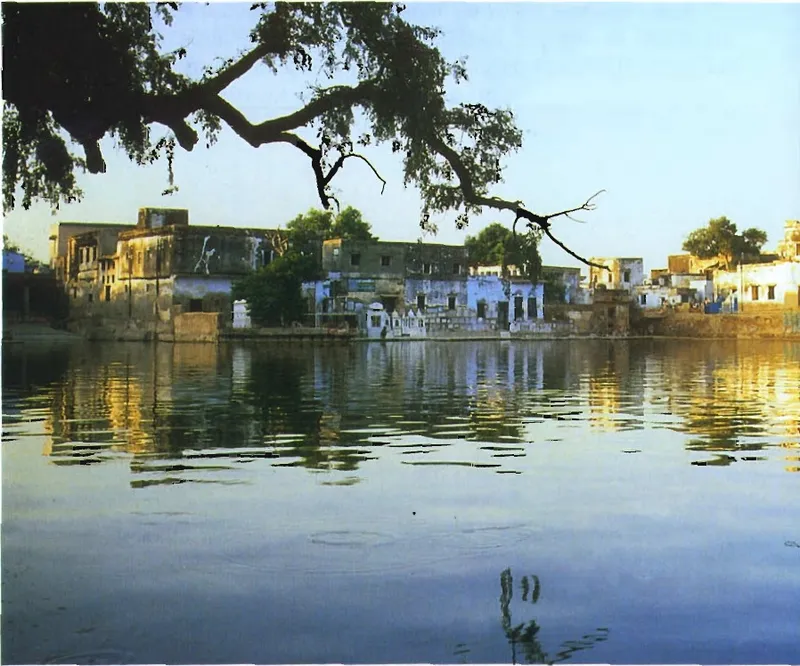
Rādhā-kuṇḍa
राधा-कुण्डRādhā-kuṇḍa is the lake of Śrī Rādhā at the foot of Govardhana Hill, in the village of Āriṭa.
Rādhā-kuṇḍa (village)
राधा-कुण्ड (गाँव)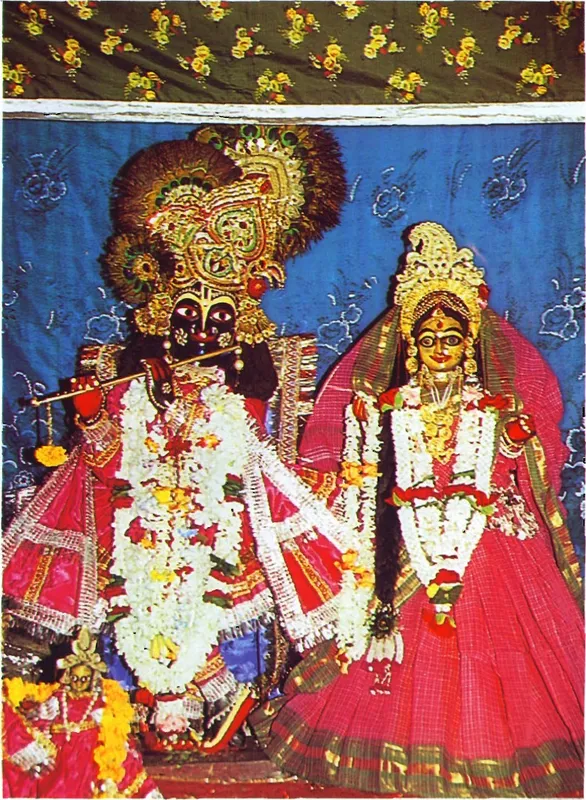
Rādhā-Govinda Mandira (Rādhā-kuṇḍa)
राधा-गोविन्द मन्दिर (राधा-कुण्ड)The Rādhā-Govinda Mandira, also called the Govindadeva temple, is a temple of Śrī Śrī Rādhā-Govinda in the village of Rādhā-kuṇḍa.
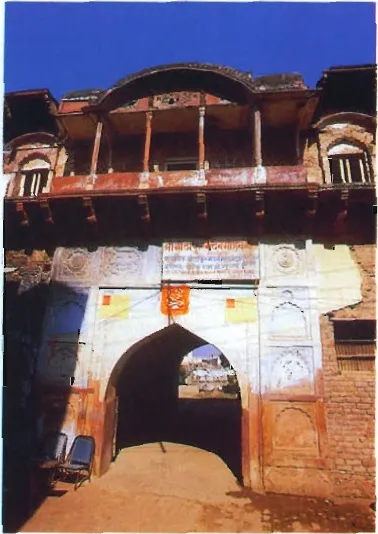
Madana-mohana Mandira (Rādhā-kuṇḍa)
मदनमोहन मन्दिर (राधा-कुण्ड)The Madana-mohana Mandira of Rādhā-kuṇḍa village stands on the south-west side of Śyāma-kuṇḍa and has its own ghāṭa on the kuṇḍa.
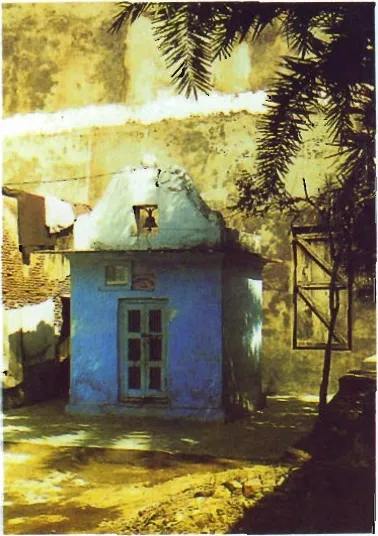
Rādhā-Gopīnātha Mandira (Rādhā-kuṇḍa, Madhu Paṇḍita's pratibhū)
राधा-गोपीनाथ मन्दिर (राधा-कुण्ड, मधु पण्डित के प्रतिभू)This Rādhā-Gopīnātha Mandira in the village of Rādhā-kuṇḍa is one of the temples that The Colour Guide to Rādhā-kuṇḍa (1999) says house pratibhū Deities, representative f …
Rādhā-Dāmodara Mandira (Rādhā-kuṇḍa)
राधा-दामोदर मन्दिर (राधा-कुण्ड)The Rādhā-Dāmodara Mandira of Rādhā-kuṇḍa village is a small temple of Śrī Śrī Rādhā-Dāmodara with Lalitā Sakhī.
Rādhā-Ramaṇa Mandira (Rādhā-kuṇḍa)
राधारमण मन्दिर (राधा-कुण्ड)The Rādhā-Ramaṇa Mandira is a temple in the village of Rādhā-kuṇḍa.
Rādhā-Gokulānanda Mandira (Rādhā-kuṇḍa)
राधा-गोकुलानन्द मन्दिर (राधा-कुण्ड)The Rādhā-Gokulānanda Mandira is a temple of Śrī Śrī Rādhā-Gokulānanda in the village of Rādhā-kuṇḍa.
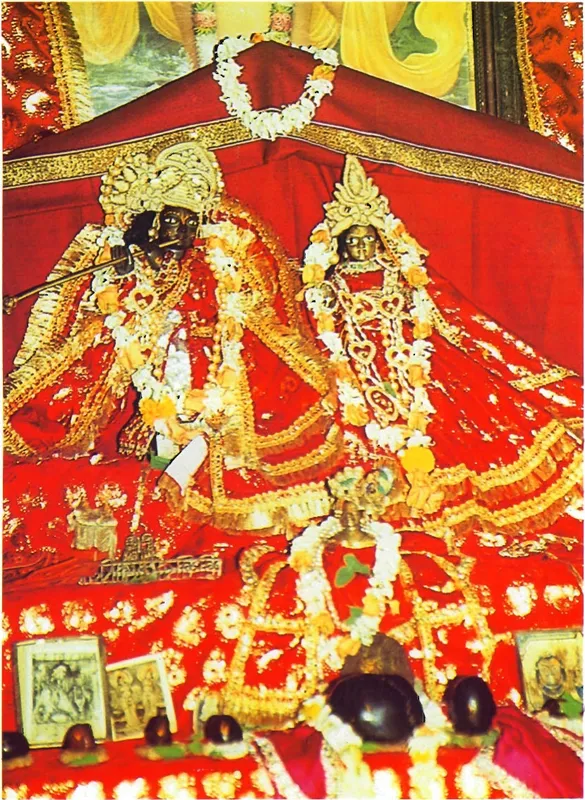
Rādhā-vinoda Mandira (Rādhā-kuṇḍa)
राधा-विनोद मन्दिर (राधा-कुण्ड)The Rādhā-vinoda Mandira is a small roadside temple in the village of Rādhā-kuṇḍa.
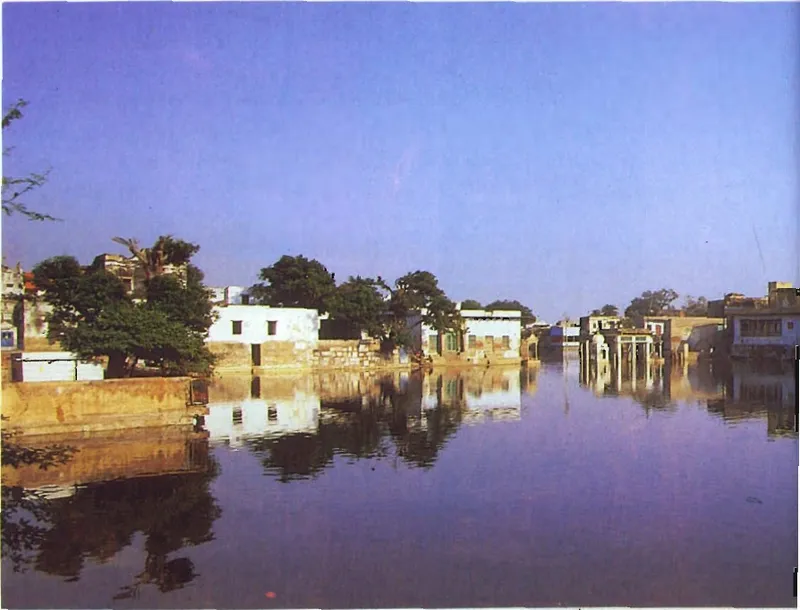
Rādhā-Kānta Mandira (Rādhā-kuṇḍa)
राधा-कान्त मन्दिर (राधा-कुण्ड)The Rādhā-Kānta Mandira is a temple in the village of Rādhā-kuṇḍa, just opposite the Gopāla Maṇipura Mandira.
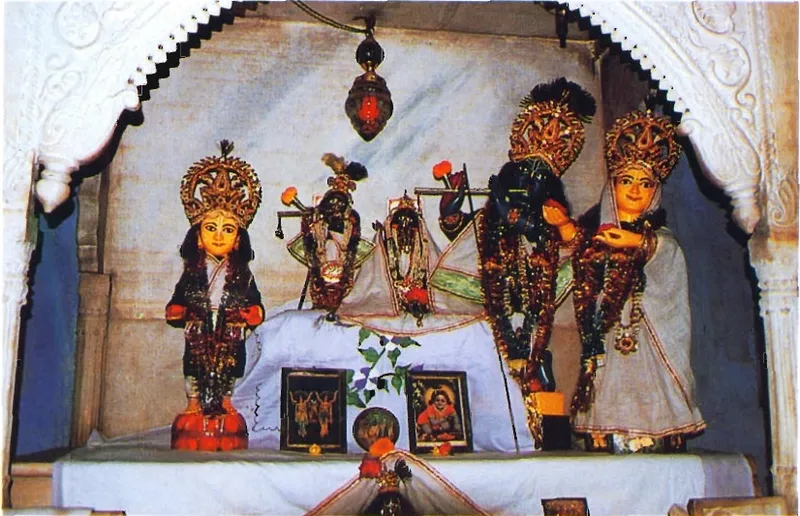
Rādhā-Mādhava Mandira (Rādhā-kuṇḍa)
राधा-माधव मन्दिर (राधा-कुण्ड)The Rādhā-Mādhava Mandira is a temple in the village of Rādhā-kuṇḍa.
Questions and answers
A representative form of a first Deity. The Colour Guide to Rādhā-kuṇḍa (1999), as it says, uses the word for the Deities in temples of Rādhā-kuṇḍa that represent the Gosvāmīs' Deities of Vṛndāvana.[1–3]
The guidebook lists pratibhū of Rādhā-Govinda, Madana-mohana, Rādhā-Gopīnātha, Rādhā-Dāmodara, Rādhā-Ramaṇa, Rādhā-Gokulānanda and Rādhā-Vinoda, besides Rādhā-Kānta of Purī and Śrīla Jayadeva Gosvāmī's Rādhā-Mādhava.[1 +2]
No dated record is known; only The Colour Guide (1999) tells how they came to be installed.[1]
Govinda, Gopīnātha and Madana-mohana: he said that the king of Jaipur took them from Vṛndāvana when Aurangzeb was breaking temples. He does not mention Rādhā-kuṇḍa.[6]
No source gives a builder or a date for any of them. The one exception is a guidebook's hearsay that Rājā Mān Singh built the Rādhā-Govinda temple in 1591, which may not be right.[2]
According to The Colour Guide, they are said to be there so that the residents of Rādhā-kuṇḍa need not leave the kuṇḍa to have darśana of the Gosvāmīs' Deities.[1]
Sources
- The Colour Guide to Rādhā-kuṇḍa (1999), Rājaśekhara dāsa Brahmacārī, PDF p. 63
- The Colour Guide to Rādhā-kuṇḍa (1999), Rājaśekhara dāsa Brahmacārī, PDF p. 95
- the undated parikramā notes Rādhā-kuṇḍa, ¶38
- The Colour Guide to Rādhā-kuṇḍa (1999), Rājaśekhara dāsa Brahmacārī, PDF p. 156
- Śrī Vraja-maṇḍala Parikramā (2007), PDF p. 327
- Śrīla Prabhupāda, Śrīla Baladeva Vidyābhūṣaṇa Appearance lecture, Los Angeles, 14 June 1970 · vedabase.io
- Śrīla Prabhupāda, Śrī Caitanya-caritāmṛta, Ādi-līlā 7.164, purport · vedabase.io
- Śrīla Prabhupāda, Śrī Caitanya-caritāmṛta, Ādi-līlā 1.19, purport · vedabase.io
- Śrīla Prabhupāda, Śrī Caitanya-caritāmṛta, Madhya-līlā 18.49, purport · vedabase.io
- Śrīla Prabhupāda, Śrī Caitanya-caritāmṛta, Ādi-līlā 12.82, purport · vedabase.io
- Śrīla Kṛṣṇadāsa Kavirāja Gosvāmī, Śrī Caitanya-caritāmṛta, Ādi-līlā 1.17, online edition · vedabase.io
- Śrīla Prabhupāda, Śrī Caitanya-caritāmṛta, Ādi-līlā 10.131, purport · vedabase.io
- Śrī Vraja-maṇḍala Parikramā (2007), PDF p. 92
- Śrī Vraja-maṇḍala Parikramā (2007), PDF p. 94
- Vṛndāvana-Dhāma Ki Jaya! (c. 1986), by Dhruva Mahārāja dāsa, PDF p. 31
- the undated parikramā notes Rādhā-kuṇḍa, ¶47
- the undated parikramā notes Rādhā-kuṇḍa, ¶110
- the undated parikramā notes Rādhā-kuṇḍa, ¶116-117
- Śrī Vraja-maṇḍala Parikramā (2007), PDF p. 100
- Śrī Vraja-maṇḍala Parikramā (2007), PDF p. 101
Show all 56 references
- Prabhudayāl Mītal, 'Braj-yātrā', fourth halt (Rādhā-kuṇḍa and Kusuma-sarovara): 'Rādhā-kuṇḍa', printed p. 104
- A. W. Entwistle, ch. 8, §'12 Radhakund' (Govardhana area), printed p. 340, Egbert Forsten, Groningen, 1987
- Śrīla Prabhupāda, Śrī Caitanya-caritāmṛta, Ādi-līlā 10.90, purport · vedabase.io
- Śrīla Prabhupāda, Śrī Caitanya-caritāmṛta, Ādi-līlā 12.88, purport · vedabase.io
- Śrīla Narahari Cakravartī, Bhakti-ratnākara, taraṅga 2, printed p. 94, 2nd ed., 1912
- Śrīla Rādhā-kṛṣṇa Gosvāmī, Sādhana-dīpikā, kakṣā 1: v.20 and the prose after v.21
- The Colour Guide to Rādhā-kuṇḍa (1999), Rājaśekhara dāsa Brahmacārī, PDF p. 82
- Śrī Vraja-maṇḍala Parikramā (2007), PDF p. 90
- Śrīla Prabhupāda, Śrī Caitanya-caritāmṛta, Ādi-līlā 10.105, purport · vedabase.io
- Śrīla Narahari Cakravartī, Bhakti-ratnākara, Caturtha-taraṅga (4th wave), printed page 142, 2nd ed., 1912
- The Colour Guide to Rādhā-kuṇḍa (1999), Rājaśekhara dāsa Brahmacārī, PDF p. 94
- A. W. Entwistle, gazetteer entry '12 Radhakund', printed p. 340, Egbert Forsten, Groningen, 1987
- Śrīla Narahari Cakravartī, Narottama-vilāsa, appendix, printed p. 124, 1st ed., Baṅgābda 1314
- Śrīla Narahari Cakravartī, Narottama-vilāsa, appendix, printed p. 125; continued on printed p. 126, 1st ed., Baṅgābda 1314
- The Colour Guide to Rādhā-kuṇḍa (1999), Rājaśekhara dāsa Brahmacārī, PDF p. 139
- The Colour Guide to Rādhā-kuṇḍa (1999), Rājaśekhara dāsa Brahmacārī, PDF p. 169
- The Colour Guide to Rādhā-kuṇḍa (1999), Rājaśekhara dāsa Brahmacārī, PDF p. 138
- Śrīla Narahari Cakravartī, Bhakti-ratnākara, Prathama-taraṅga (1st wave), printed page 23, 2nd ed., 1912
- Vṛndāvana-kathā, chapter 7 (সপ্তম পরিচ্ছেদ: Rādhāvinoda and Gokulānanda), printed p. 101
- The Colour Guide to Rādhā-kuṇḍa (1999), Rājaśekhara dāsa Brahmacārī, PDF p. 78
- The Colour Guide to Rādhā-kuṇḍa (1999), Rājaśekhara dāsa Brahmacārī, PDF p. 79
- Śrīla Prabhupāda, Śrī Caitanya-caritāmṛta, Ādi-līlā 10.17, purport · vedabase.io
- The Colour Guide to Rādhā-kuṇḍa (1999), Rājaśekhara dāsa Brahmacārī, PDF p. 144
- The Colour Guide to Rādhā-kuṇḍa (1999), Rājaśekhara dāsa Brahmacārī, PDF p. 145
- Śrīla Prabhupāda, Lord Varāha's Appearance Day Lecture, Daśāvatāra-stotra purport, Los Angeles, 18 February 1970 · vedabase.io
- Śrīla Prabhupāda, Śrī Caitanya-caritāmṛta, Madhya-līlā 2.77, translation · vedabase.io
- Vṛndāvana, the Playground of God (2010), Bhakti Caitanya Svāmī, PDF p. 52
- The Color Guide to Vṛndāvana (2000), Written and Photographed by Rājaśekhara dāsa Brahmacārī, PDF p. 77
- Vṛndāvana-Dhāma Ki Jaya! (c. 1986), by Dhruva Mahārāja dāsa, PDF p. 66
- Śrī Vraja-maṇḍala Parikramā (2007), PDF p. 334
- the undated parikramā notes Vṛndāvana, ¶140
- The Colour Guide to Rādhā-kuṇḍa (1999), Rājaśekhara dāsa Brahmacārī, PDF p. 167
- Vṛndāvana, the Playground of God (2010), Bhakti Caitanya Svāmī, PDF p. 209
- The Color Guide to Vṛndāvana (2000), Written and Photographed by Rājaśekhara dāsa Brahmacārī, PDF p. 128
- Vṛndāvana-kathā, chapter 7 (Rādhāvinoda and Gokulānanda), printed p. 101
- Prabhudayāl Mītal, printed p. 137, in the survey of Vṛndāvana's temples
Further sources
- Śrīla Prabhupāda, lecture on the appearance day of Śrīla Baladeva Vidyābhūṣaṇa, Los Angeles, 14 June 1970; Śrī Caitanya-caritāmṛta, Ādi-līlā 1.17, 7.164, 10.105, 10.131, 10.17, 12.88 and Madhya-līlā 2.77, 18.49, with purports (BBT).
- Bhakti-ratnākara, First, Second and Fourth Waves (Bengali, 1912 edition); Sādhana-dīpikā (Sanskrit); Narottama-vilāsa, appendix (c. 1907): summarised here, not translated.
- The Colour Guide to Rādhā-kuṇḍa (1999), the table of pratibhū Deities and the temple entries; Śrī Vraja-maṇḍala Parikramā (2007); undated parikramā notes Rādhā-kuṇḍa; Pulinbihārī Datta, Vṛndāvana-kathā (1920).
- Historians cited by name for dated history only: A. W. Entwistle, Braj: Centre of Krishna Pilgrimage (1987); Prabhudayāl Mītal, Braj kā sāṁskṛtik itihās (1966).