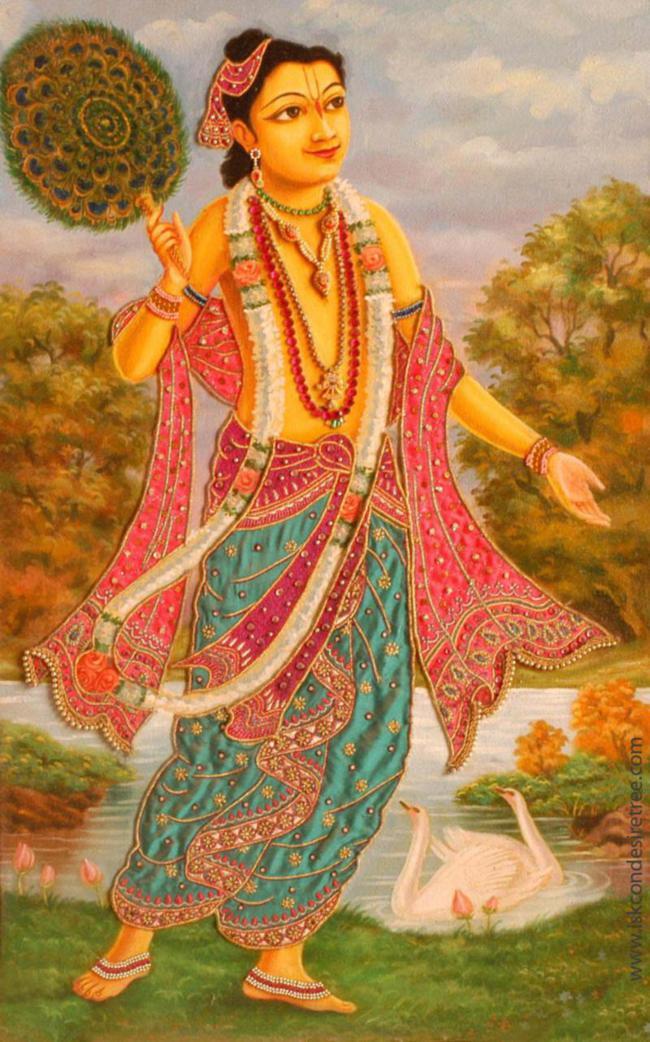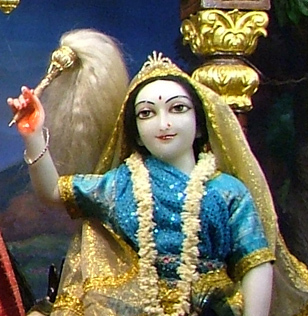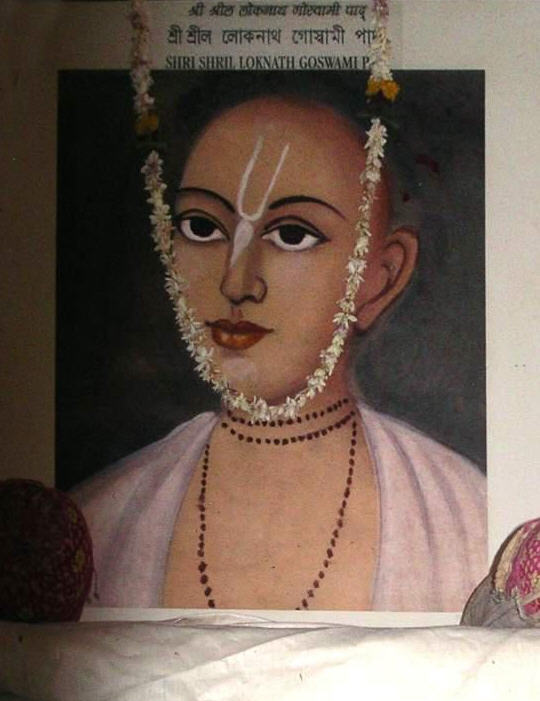
सुन्दरानन्द ठाकुर
बारह गोपालों में नित्यानन्द प्रभु के सबसे घनिष्ठ सेवक
अन्य नाम सुन्दरानन्द, श्री सुन्दरानन्द ठाकुर, सुदामा (कृष्ण-लीला में पहचान)
“बड़ी आशा के साथ, मैं सुन्दरानन्द ठाकुर की वन्दना करता हूँ, जिन्होंने नीम्बू के वृक्ष पर कदम्ब पुष्प खिलाया।”
सुन्दरानन्द ठाकुर के तिरोभाव के बाद उनकी स्तुति में रचा गया एक पारम्परिक बंगाली वैष्णव-वन्दना छन्द
सुन्दरानन्द ठाकुर बारह गोपालों में से एक थे। ये बारह गोपाल कृष्ण के अपने ग्वालबाल मित्र थे। गौड़ीय वैष्णव परम्परा के अनुसार, जब बलराम इस युग में नित्यानन्द प्रभु के रूप में प्रकट हुए, तब ये भी उनके साथ अवतरित हुए। वे बंगाल भर में श्री चैतन्य महाप्रभु के संकीर्तन मिशन को आगे बढ़ाने में नित्यानन्द प्रभु की सहायता करने आए थे। श्री चैतन्य-चरितामृत सुन्दरानन्द को नित्यानन्द प्रभु के अपने भक्ति-परिवार की एक शाखा और उनका सबसे घनिष्ठ सेवक कहता है। श्री चैतन्य-भागवत उन्हें प्रेम-रस का सागर और नित्यानन्द प्रभु के सहयोगियों में प्रमुख बताता है। दोनों ग्रन्थ इस बात पर सहमत हैं कि वे नित्यानन्द प्रभु के कितने निकट थे। लेकिन उनके जीवन की लगभग कोई और बात इतनी स्पष्ट रूप से दर्ज नहीं है। कम-से-कम एक बात पर, यानी उनके तिरोभाव की तिथि पर, स्रोत एक-दूसरे से सहमत नहीं हैं।
| विशेष | विवरण |
|---|---|
| जन्म स्थान | माहेशपुर गाँव, जेसोर जिला, बंगाल (अब बांग्लादेश), वेत्रवती नदी के तट पर |
| स्थिति | नैष्ठिक ब्रह्मचारी, आजीवन ब्रह्मचर्य व्रतधारी, कोई सन्तान नहीं |
| पहचान | सुदामा, व्रज में कृष्ण के ग्वाल मित्र; बारह गोपालों में से एक (गौर-गणोद्देश-दीपिका 127; चैतन्य-चरितामृत आदि 11.23 तात्पर्य) |
| भूमिका | बारह गोपालों में से एक, नित्यानन्द प्रभु के सबसे घनिष्ठ सेवक के रूप में स्मरण किए जाते हैं |
| तिरोभाव | माघ पूर्णिमा (अनुभाष्य के अनुसार) अथवा कार्तिक पूर्णिमा (एक पृथक विवरण के अनुसार), स्रोतों में मतभेद है |
बारह गोपालों में वृन्दावन के सुदामा #
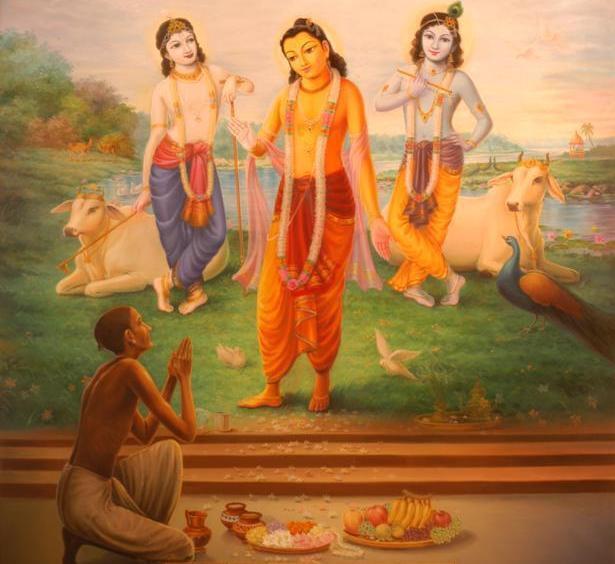
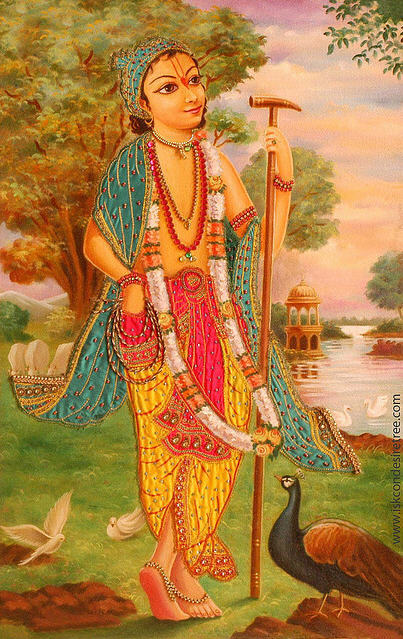
कवि कर्णपूर की गौर-गणोद्देश-दीपिका (श्लोक 127) सुन्दरानन्द को सुदामा के रूप में पहचानती है। सुदामा वृन्दावन में कृष्ण के ग्वाल मित्रों में से एक थे। सुदामा और श्रीदामा दो अलग व्यक्ति हैं। श्रीदामा भी कृष्ण के ग्वाल मित्र हैं, और उसी ग्रन्थ में उन्हें अभिराम गोपाल ठाकुर के रूप में पहचाना गया है। गौड़ीय परम्परा इन दोनों को द्वादश-गोपाल, यानी बारह गोपालों में गिनती है। इन बारह गोपालों ने बंगाल में नित्यानन्द प्रभु के मिशन को आगे बढ़ाया, लगभग उसी प्रकार जैसे पञ्च-तत्त्व के सहयोगियों ने श्री चैतन्य महाप्रभु के मिशन को आगे बढ़ाया। अभिराम गोपाल ठाकुर के अलावा इसी मण्डल के कई अन्य सदस्यों के भी यहाँ अपने पृष्ठ हैं। इनमें उद्धारण दत्त ठाकुर, खोलावेचा श्रीधर, धनञ्जय पण्डित, गौरीदास पण्डित और पुरुषोत्तम दास ठाकुर शामिल हैं। इनमें से हर एक को उसी साझा मिशन में किसी अलग विशेषता के लिए याद किया जाता है।
श्लोक उन्हें सुन्दर ठाकुर कहता है, जो उनके नाम का छोटा रूप है:
पुरा सुदामनामासीदद्य सुन्दरठक्कुरः ॥
"भगवान कृष्ण के ग्वाल मित्र सुदामा श्री चैतन्य महाप्रभु की लीला में सुन्दर ठाकुर के रूप में प्रकट हुए।" (गौर-गणोद्देश-दीपिका 127)
श्रील प्रभुपाद चैतन्य-चरितामृत आदि 11.23 के तात्पर्य में श्रील भक्तिसिद्धान्त सरस्वती ठाकुर के अनुभाष्य के आधार पर इसकी पुष्टि करते हैं: "गौर-गणोद्देश-दीपिका (127) में कहा गया है कि कृष्ण-लीला में वे सुदामा थे। इस प्रकार वे उन बारह ग्वालबालों में से एक थे, जो बलराम के साथ तब अवतरित हुए, जब वे श्री नित्यानन्द प्रभु के रूप में प्रकट हुए।"
नित्यानन्द प्रभु के सबसे घनिष्ठ सेवक #
श्री चैतन्य-चरितामृत (आदि 11.23) सुन्दरानन्द का नाम सीधे लेता है। वे नित्यानन्द प्रभु के अपने परिवार की एक शाखा थे और उनके भृत्य-मर्म थे, यानी हृदय के सबसे घनिष्ठ सेवक। वे इतने निकट थे कि उनकी संगति में नित्यानन्द प्रभु को ऐसा लगता था, मानो वे फिर से व्रज के अपने मित्रों के बीच लौट आए हों। उनके आपसी व्यवहार में वही सहज हँसी-मज़ाक था, जो कृष्ण की ग्वाल-लीलाओं में होता है। जैसा श्लोक स्वयं कहता है: "सुन्दरानन्द, नित्यानन्द प्रभु की एक और शाखा, नित्यानन्द प्रभु के सबसे घनिष्ठ सेवक थे। नित्यानन्द प्रभु उनकी संगति में व्रजभूमि के जीवन का अनुभव करते थे।" श्री चैतन्य-भागवत अपने अन्त्य-खण्ड में इससे भी अधिक स्पष्ट है। वह उन्हें प्रेम-रस का सागर और नित्यानन्द प्रभु के अपने स्वरूप का प्रमुख सहयोगी कहता है। इस चैतन्य-चरितामृत श्लोक पर श्रील प्रभुपाद की टीका भक्तिसिद्धान्त सरस्वती ठाकुर के अनुभाष्य पर आधारित है। वह यह भी बताती है कि सुन्दरानन्द जेसोर जिले के माहेशपुर गाँव से थे, जो वेत्रवती नदी के तट पर है। यह गाँव कलकत्ता से बर्धमान जाने वाली रेल-लाइन पर मजदिया रेलवे स्टेशन से लगभग 14 मील पूर्व में है। यह स्थान अब बांग्लादेश में है।
कदम्ब पुष्प और नदी से बचाया गया एक जीवन #
इस अभिलेख में उनकी दो विशेष घटनाएँ सुरक्षित हैं, और दोनों में एक ही रहस्यमय शक्ति दिखाई देती है। सुन्दरानन्द को इसके लिए याद किया जाता है कि उन्होंने एक साधारण नींबू के वृक्ष पर कदम्ब का पुष्प खिला दिया। कदम्ब वृन्दावन के वनों का पुष्प है, किसी साधारण बंगाली वृक्ष का नहीं। फिर उन्होंने वही पुष्प अपने आराध्य विग्रह की पूजा में अर्पित किया। उन्हें इसके लिए भी याद किया जाता है कि उन्होंने नदी में कूदकर एक व्यक्ति को मगरमच्छ के जबड़ों से बचाया। उनके सम्मान में आज भी गाया जाने वाला एक छोटा भक्ति-छन्द इसी पुष्प वाले चमत्कार को उनकी पूजा का कारण बताता है। दोनों घटनाओं का पूरा विवरण कदम्ब पुष्प और मगरमच्छ में दिया गया है।
माहेशपुर में एक ब्रह्मचारी की विरासत #
सुन्दरानन्द ठाकुर नैष्ठिक ब्रह्मचारी थे, यानी उन्होंने आजीवन ब्रह्मचर्य का व्रत रखा। उनकी कोई सन्तान नहीं थी। उन्होंने माहेशपुर में राधा-वल्लभ और राधा-रमण विग्रहों की स्थापना की थी। बाद में जिन गोस्वामियों ने इन विग्रहों की सेवा सँभाली, वे उन्हें बरहमपुर के निकट सैदाबाद ले गए। उनके स्थान पर माहेशपुर में एक काष्ठ-विग्रह स्थापित किया गया। तब से मन्दिर की देखभाल पहले सुन्दरानन्द के अपने शिष्यों के वंशजों ने की, और बाद में एक स्थानीय जमींदार परिवार ने। उनके किसी रक्त-सम्बन्धी ने यह देखभाल नहीं की। दर्ज विवरणों के अनुसार उनके कुछ सम्बन्धी बीरभूम जिले के मंगलडीही में बस गए थे। वहाँ बलराम का एक विग्रह आज भी नियमित रूप से पूजा जाता है। यह उचित ही है, क्योंकि बलराम नित्यानन्द प्रभु के मूल स्वरूप हैं। एक अलग और बहुत छोटा आधुनिक विवरण यह भी कहता है कि उनका एक व्यक्तिगत विग्रह आज वृन्दावन के राधा-गोविन्द मन्दिर में पूजा जाता है। उसके अनुसार वहाँ उनकी एक समाधि भी है, जो उस तीर्थ स्थान की "64 समाधियों" में से एक है। अधिक पूरे और बेहतर प्रमाणों वाले किसी भी विवरण से इस दावे की पुष्टि नहीं होती। इसलिए इसे यहाँ बताया गया है, लेकिन निश्चित तथ्य के रूप में नहीं।
पानिहाटी में नित्यानन्द प्रभु के पास आसीन #
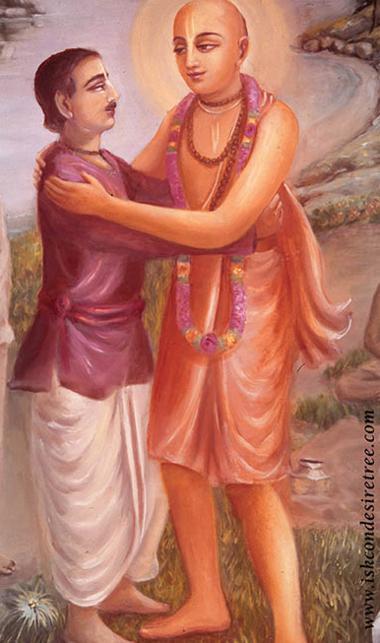
नित्यानन्द प्रभु के बंगाल-प्रचार के समय, सुन्दरानन्द ठाकुर श्री चैतन्य-चरितामृत में एक बार फिर दिखाई देते हैं। कृष्णदास कविराज गोस्वामी उन्हें उन भक्तों में गिनते हैं, जो पानिहाटी में एक ऊँचे मंच पर नित्यानन्द प्रभु के साथ बैठे थे। यह वह दिन था, जब रघुनाथ दास गोस्वामी वहाँ नित्यानन्द प्रभु से मिलने आए थे। यह उनके अन्तिम बार घर छोड़कर जाने से पहले की बात है। इसी सभा में उद्धारण दत्त ठाकुर का नाम भी लिया गया है। पूरे ग्रन्थ में सुन्दरानन्द ठाकुर की यह अन्तिम दिनांकित उपस्थिति है। इसका पूरा विवरण पानिहाटी में नित्यानन्द प्रभु के पास आसीन में दिया गया है।
तिरोभाव और एक ईमानदार मतभेद #
सुन्दरानन्द ठाकुर का तिरोभाव-दिवस कब मनाया जाता है, इस पर स्रोत सहमत नहीं हैं। भक्तिसिद्धान्त सरस्वती ठाकुर का अनुभाष्य, जिसे श्रील प्रभुपाद अपनी टीका में उद्धृत करते हैं, कहता है कि यह उत्सव हर वर्ष माघ मास (जनवरी-फरवरी) की पूर्णिमा को माहेशपुर में मनाया जाता है। एक अलग विवरण, भक्ति बल्लभ तीर्थ महाराज की "श्री चैतन्य: हिज़ लाइफ एण्ड एसोसिएट्स", इसके बजाय कार्तिक मास (अक्तूबर-नवम्बर) की पूर्णिमा बताता है। कोई भी स्रोत तिरोभाव का कोई विशेष वर्ष नहीं बताता, और इन दोनों मासों में मेल नहीं बैठाया जा सकता। इसलिए यहाँ चुपचाप किसी एक को चुनने के बजाय दोनों को बताया गया है। लेकिन एक अधिक महत्त्वपूर्ण बात पर दोनों परम्पराएँ सहमत हैं। उनके लिए आज भी उत्सव मनाया जाता है। और शताब्दियों बाद भी सुन्दरानन्द ठाकुर को ठीक वैसे ही याद किया जाता है, जैसे श्री चैतन्य-चरितामृत और श्री चैतन्य-भागवत ने उनका वर्णन किया था: नित्यानन्द प्रभु के पास रहने वाले घनिष्ठ, हँसी-मज़ाक करने वाले और प्रेम से भरे साथी।
शास्त्र प्रमाण
ऊपर पाठ में उद्धृत:
- Adi 11.23 Sri Chaitanya-charitamrita ऊपर देखें ↑
- Verse 127 Gaura-ganoddesha-dipika
अन्य शास्त्र प्रमाण:
prema-rasa samudra sundarananda nama
nityananda svarupera parsada pradhana
शब्दार्थ
prema-rasa -- the mellow of loving devotion; samudra -- an ocean; sundarananda nama -- named Sundarananda; nityananda svarupera -- of Nityananda Prabhu's own personal form; parsada pradhana -- the chief associate.
सुन्दरानन्द, प्रेम-रस का सागर, नित्यानन्द प्रभु के अपने स्वरूप के प्रमुख सहयोगी हैं।
यह चैतन्य-भागवत का अपना विवरण है, जो सुन्दरानन्द को नित्यानन्द प्रभु के सहयोगियों में प्रमुख बताता है। यह श्लोक vedabase.io पर उपलब्ध नहीं है, क्योंकि वहाँ चैतन्य-भागवत का अलग संग्रह नहीं है। इसलिए इसे यहाँ दो स्वतन्त्र द्वितीयक स्रोतों से उद्धृत किया गया है। ये दोनों स्रोत वृन्दावन दास ठाकुर के ग्रन्थ का हवाला देते हैं। ये भक्तिसिद्धान्त सरस्वती ठाकुर के अनुभाष्य (सी.सी. आदि 11.23) में दिए गए सन्दर्भ "चैतन्य-भागवत, अन्त्य-खण्ड, अध्याय पाँच" से भी मेल खाते हैं।
- Sri Chaitanya-charitamrita, Adi-lila 11.23 (translation and purport)
- Sri Chaitanya-charitamrita, Antya-lila 6.61-6.63 (Raghunatha Dasa Goswami's arrival at Puri)
- Sundarananda Thakura - Gaudiya History (ISKCON Desire Tree)
- Sundarananda Thakura - Biography 2 (excerpted from Sri Chaitanya: His Life & Associates, Srila Bhakti Ballabh Tirtha Maharaj) - Gaudiya History
- Glories of Sundarananda Thakur (Srila Bhakti Ballabh Tirtha Goswami Maharaj)
- Dwadash Gopal - Twelve Cowherd Boys, Associates of Lord Nityananda - The Gaudiya Treasures of Bengal
अक्सर पूछे जाने वाले प्रश्न
सुन्दरानन्द ठाकुर का जन्म कब हुआ था?
सुन्दरानन्द ठाकुर का प्राकट्य उपलब्ध स्रोतों में दर्ज नहीं में, माहेशपुर गाँव, जेसोर जिला, बंगाल (अब बांग्लादेश) में हुआ।
सुन्दरानन्द ठाकुर के गुरु कौन थे?
सुन्दरानन्द ठाकुर के गुरु श्री नित्यानन्द प्रभु थे।
सुन्दरानन्द ठाकुर का तिरोभाव कब और कहाँ हुआ?
सुन्दरानन्द ठाकुर का तिरोभाव भक्तिसिद्धान्त सरस्वती ठाकुर की अनुभाष्य के अनुसार माघ पूर्णिमा; एक पृथक विवरण के अनुसार कार्तिक पूर्णिमा (स्रोतों में मतभेद है, वर्ष किसी में भी दर्ज नहीं), माहेशपुर, जेसोर जिला, बंगाल (उनके उत्सव का पारम्परिक स्थान); एक पृथक आधुनिक स्रोत इसके स्थान पर वृन्दावन में समाधि होने की बात कहता है, जो अपुष्ट है में हुआ।
सुन्दरानन्द ठाकुर की प्रमुख लीलाएँ कौन-सी हैं?
यहाँ इन लीलाओं पर पृष्ठ उपलब्ध हैं: कदम्ब पुष्प और मगरमच्छ, पानिहाटी में नित्यानन्द प्रभु के पास आसीन।