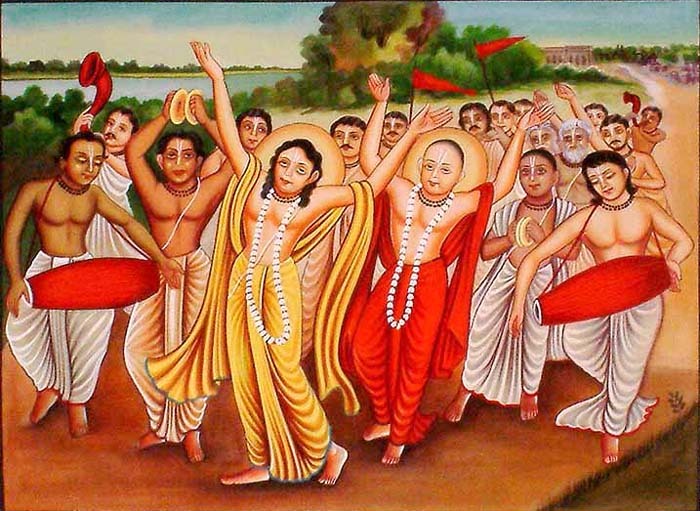
बुद्धिमन्त खान
नवद्वीप के वह गृहस्थ भक्त जिन्होंने प्रभु के विवाह का व्यय वहन किया
अन्य नाम बुद्धिमन्त ख़ान
“36वीं शाखा, बुद्धिमन्त खान, श्री चैतन्य महाप्रभु को अत्यन्त प्रिय थे। वे सदैव प्रभु की आज्ञा का पालन करने के लिए तत्पर रहते थे, इसीलिए उन्हें प्रभु का प्रमुख सेवक माना जाता था।”
महाप्रभु के भक्ति-वृक्ष की शाखाओं में बुद्धिमन्त खान के विषय में कृष्णदास कविराज गोस्वामी का वर्णन (चैतन्य-चरितामृत, आदि-लीला 10.74)। ये स्वयं बुद्धिमन्त खान के शब्द नहीं हैं। यह ग्रन्थ द्वारा दिया गया उनका संक्षिप्त परिचय है।
बुद्धिमन्त खान नवद्वीप के एक धनी गृहस्थ थे। श्रील कृष्णदास कविराज गोस्वामी ने श्री चैतन्य-चरितामृत में उन्हें श्री चैतन्य महाप्रभु के भक्ति-वृक्ष की 36वीं शाखा कहा है। ग्रन्थ बताता है कि वे प्रभु को अत्यन्त प्रिय थे और जीवन के आरम्भ से ही उनकी आज्ञा का पालन करते रहे। वे पूरी तरह महाप्रभु के नवद्वीप-काल से जुड़े हैं, अर्थात् प्रभु के सन्न्यास से पहले के गृहस्थ-जीवन के समय से। बंगाल के दो अन्य भक्तों के नाम के साथ भी 'खान' की उपाधि लगती है, लेकिन वे बुद्धिमन्त खान से अलग व्यक्ति थे। सत्यराज खान कुलीन-ग्राम के एक हिन्दू कायस्थ थे। उनके परिवार के पास यह उपाधि महाप्रभु के जन्म से दो पीढ़ी पहले से थी। सेर खान एक पठान अधिकारी थे, जिनका धर्म-परिवर्तन दशकों बाद उड़ीसा में श्यामानन्द पण्डित ने कराया। एक चौथे 'खान', बिजली खान, एक कुलीन युवा पठान थे, जिनसे महाप्रभु वृन्दावन से लौटते समय मार्ग में मिले थे। वे भी एक भिन्न परिवार, भिन्न काल और देश के बिल्कुल भिन्न भाग से थे। बुद्धिमन्त खान की अपनी कथा नवद्वीप और जगन्नाथ पुरी से बाहर कभी नहीं जाती।
| विवरण | वर्णन |
|---|---|
| भक्तों में स्थान | महाप्रभु के भक्ति-वृक्ष की 36वीं शाखा (चैतन्य-चरितामृत, आदि-लीला 10.74) |
| निवास | नवद्वीप, बंगाल |
| सम्पत्ति | नवद्वीप के सबसे धनी व्यक्तियों में से एक, अपने घनिष्ठ मित्र मुकुन्द सञ्जय के साथ |
| प्रसिद्ध सेवा | विष्णुप्रिया देवी के साथ महाप्रभु के विवाह का सम्पूर्ण व्यय व्यक्तिगत रूप से वहन किया |
| ग्रन्थ स्रोत | चैतन्य-चरितामृत, चैतन्य-भागवत, भक्ति-रत्नाकर |
| भक्ति-परम्परा | श्रील भक्तिविनोद ठाकुर द्वारा सत्ययुग के राजा सुवर्ण सेन के पुनर्जन्म के रूप में पहचाने गए |
नवद्वीप के सबसे धनी भक्त #
अपने मित्र मुकुन्द सञ्जय के साथ बुद्धिमन्त खान महाप्रभु के समय में नवद्वीप के सबसे धनी लोगों में गिने जाते थे। ये दोनों अपने धन से साधारण दान-पुण्य करते थे और नगर के निर्धनों के लिए औषधि और उपचार की व्यवस्था करते थे। यह सेवा वे बहुत पहले से करते आ रहे थे, महाप्रभु से जुड़ी किसी भी घटना में उनका नाम आने से बहुत पहले से। इसी व्यावहारिक सहायता के कारण बुद्धिमन्त खान का नाम जीवनी-ग्रन्थों में आता है। युवा निमाई पण्डित को वायु-व्याधि की शारीरिक पीड़ा होने लगी थी। यह शरीर की वायु का एक विकार था, जो उनके अपने गहरे होते प्रेम-भाव के कारण उत्पन्न हुआ था। उस समय अन्य भक्तों ने उपचार और औषधि की व्यवस्था के लिए बुद्धिमन्त खान को ही बुलाया। इस प्रकार महाप्रभु के भक्त-मण्डल के लिए वे सबसे पहले ऐसे व्यक्ति के रूप में उपयोगी हुए, जो काम को सचमुच पूरा करवा सकते थे और उसका खर्च भी उठा सकते थे। यह एक गृहस्थ की भक्ति-सेवा थी, और अपने ढंग से यह किसी विद्वान की टीका जितनी ही सच्ची थी। स्वयं भगवान श्रीकृष्ण भगवद्गीता में कहते हैं, "तुम जो कुछ भी करो, जो कुछ भी खाओ, जो कुछ भी अर्पण या दान करो, और जो भी तप करो, हे कुन्तीपुत्र, वह सब मुझे अर्पित करके करो" (भगवद्गीता 9.27)। इसी भाव से बुद्धिमन्त खान की धन और परिश्रम से की गई सेवा भी भक्ति ही थी।
प्रभु के विष्णुप्रिया के साथ विवाह का व्यय वहन करना #
बुद्धिमन्त खान का नाम सबसे अधिक एक ही सेवा से जुड़ा है। उन्होंने श्री चैतन्य महाप्रभु के दूसरे विवाह का सम्पूर्ण व्यय स्वयं उठाया। यह विवाह नवद्वीप के पुरोहित सनातन मिश्र की पुत्री विष्णुप्रिया के साथ हुआ था। चैतन्य-चरितामृत के जिस श्लोक में उन्हें 36वीं शाखा कहा गया है (आदि-लीला 10.74), उस पर श्रील प्रभुपाद के तात्पर्य में यह बात साफ़ कही गई है। बाद के बंगाली ग्रन्थ, जैसे भक्ति-रत्नाकर, इसे परम्परा में सबकी जानी हुई बात के रूप में दोहराते हैं। उन्होंने कितनी राशि दी या किस-किस चीज़ का खर्च उठाया, यह कहीं लिखा नहीं मिलता। केवल इतना ज्ञात है कि पूरा व्यय उन्होंने ही वहन किया। लेकिन इसी विवाह से विष्णुप्रिया देवी महाप्रभु के शेष गृहस्थ-जीवन में उनके साथ रहीं। ऐसे विवाह का अकेले पूरा खर्च उठाना कोई छोटी सेवा नहीं थी।
चन्द्रशेखर के घर में व्रज-लीला के वस्त्र #
बुद्धिमन्त खान का सबसे जीवन्त रूप से याद किया जाने वाला दृश्य एक दूसरे अवसर का है। वृन्दावन दास ठाकुर की चैतन्य-भागवत और बाद में भक्ति-रत्नाकर बताते हैं कि वे उस दिन चन्द्रशेखर आचार्य के घर में उपस्थित थे। उसी दिन महाप्रभु ने अपने भक्तों के बीच कृष्ण की व्रज-लीलाओं का एक नाटक करने का निश्चय किया। उसमें उन्होंने स्वयं दुर्गा, लक्ष्मी और अन्य दिव्य नारी-रूपों की भूमिका निभाई। महाप्रभु ने सीधे उन्हें पुकारा: 'बुद्धिमन्त खान! शीघ्र जाओ और वस्त्रों की व्यवस्था करो, क्योंकि आज मैं नृत्य करूँगा।' ग्रन्थ के अनुसार, बुद्धिमन्त खान और सदाशिव पण्डित नाम के एक भक्त तुरन्त यह काम करने दौड़ पड़े। केवल बुलाए जाने से ही उन्हें असीम आनन्द हुआ। वे वस्त्र और सजावट की सामग्री लेकर लौटे, जिससे यह नाटक हो सका। यह एक छोटी, घरेलू-सी लीला है। इसमें न कोई दर्शन है, न कोई चमत्कार। इसी कारण यह पाँच शताब्दियों से उनके नाम से जुड़ी हुई है। यह एक ऐसे भक्त को दिखाती है, जिनकी पूरी सेवा यही थी कि बुलाए जाते ही वे तैयार रहें।
प्रभु के साथ पुरी की यात्रा #
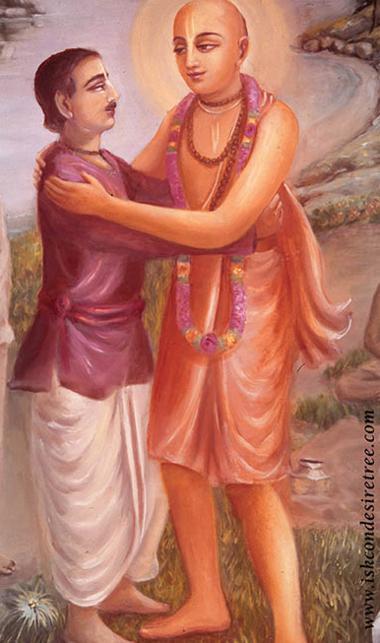
जब महाप्रभु ने कटवा में सन्न्यास लिया और सबसे पहले शान्तिपुर गए, तब बुद्धिमन्त खान भी उन नवद्वीप-वासी भक्तों में थे जो उन्हें वहाँ देखने आए। चैतन्य-चरितामृत बाद में उन 'नवद्वीप के समस्त निवासियों' में उनका नाम लेता है, जो उस अवसर पर प्रभु से आनन्दपूर्वक मिले। उनकी सेवा यहीं नहीं रुकी। चैतन्य-भागवत बताती है कि महाप्रभु के सन्न्यास के बाद वे बंगाली भक्तों की वार्षिक जगन्नाथ पुरी यात्रा में भी शामिल हुए। चैतन्य-चरितामृत बहुत बाद की एक पुरी-यात्रा का भी वर्णन करता है, जो रघुनाथ दास गोस्वामी के स्वयं पुरी पहुँचने के प्रसंग से जुड़ी है। उस वर्णन में बुद्धिमन्त खान का नाम उन भक्तों में आता है, जो वासुदेव दत्त ठाकुर और मुरारि गुप्त के साथ प्रभु के लिए तरह-तरह के भोजन लाए थे। इस प्रकार उनकी दशकों की भक्ति केवल इसी से दिखाई देती है कि हर अवसर पर उन्होंने किस चीज़ का खर्च उठाया, क्या व्यवस्था की या क्या लेकर गए। स्रोतों में एक बार भी उनके अपने शब्द उद्धृत नहीं हैं।
पूर्वजन्म में राजा सुवर्ण सेन #
एक अलग परम्परा भी है, जो पूरी तरह भक्ति-भाव से जुड़ी है। वह बुद्धिमन्त खान के महाप्रभु के मण्डल में होने का कारण उनके पूर्वजन्म में बताती है। अपने नवद्वीप-धाम-माहात्म्य में श्रील भक्तिविनोद ठाकुर लिखते हैं कि सत्ययुग में सुवर्ण सेन नाम के एक धर्मपरायण राजा थे। वे गोद्रुमद्वीप के उस गाँव पर शासन करते थे, जो बाद में सुवर्ण बिहार कहलाया। ठाकुर यह भी लिखते हैं कि नारद मुनि की कृपा से इस राजा को श्री गौरांग के प्रति गहरा प्रेम प्राप्त हुआ, जो राधा और कृष्ण का संयुक्त स्वरूप हैं। एक बार राजा ने स्वप्न में गौर और गदाधर के दर्शन किए। जागने पर वह दर्शन खो जाने से वे बहुत दुखी हुए। तब आकाशवाणी ने उन्हें बताया कि जब महाप्रभु स्वयं कलियुग में प्रकट होंगे, तब वे बुद्धिमन्त खान के रूप में फिर जन्म लेंगे और प्रभु की लीलाओं के विस्तार में सहायता करेंगे। भक्ति-भाव से की गई यह पहचान महाप्रभु के समय के कई पीढ़ियों बाद लिखी गई। यह बात चैतन्य-चरितामृत या चैतन्य-भागवत में स्वयं नहीं कही गई है। यह कथा पढ़ने योग्य है। साथ ही, ईमानदारी से यह बताना उचित है कि यह बाद में लिखी गई एक भक्ति-परम्परा है। भगवद्गीता में भगवान श्रीकृष्ण स्वयं कहते हैं कि योग-मार्ग में अधूरे रह गए व्यक्ति को भी अगले जन्म में "अपने पूर्वजन्म की दिव्य चेतना का पुनः स्मरण हो आता है, और वह पूर्ण सिद्धि प्राप्त करने के लिए पुनः आगे बढ़ने का प्रयत्न करता है" (भगवद्गीता 6.43)। सुवर्ण सेन से बुद्धिमन्त खान तक की यह भक्ति-परम्परा की कथा भी उसी सिद्धान्त की एक प्रतिध्वनि मानी जाती है।
केवल श्रील प्रभुपाद द्वारा कही गई एक कथा #
बुद्धिमन्त खान के नाम से जुड़ा एक और प्रसंग बिल्कुल अलग स्रोत से हम तक पहुँचता है। यह चैतन्य-भागवत, भक्ति-रत्नाकर या किसी अन्य जीवनी-ग्रन्थ से नहीं, बल्कि स्वयं श्रील प्रभुपाद के प्रवचनों से आता है। प्रभुपाद ने एक से अधिक श्रीमद्भागवत कक्षाओं में यह कथा सुनाई। बुद्धिमन्त खान का एक पुराना सेवक बालक था, जो बड़ा होकर नवाब हुसैन शाह बना। बाद में इसी नवाब की पत्नी ने अपने पति के पुराने स्वामी, बुद्धिमन्त खान, का बलपूर्वक इस्लाम में धर्म-परिवर्तन करवा दिया। यह धर्म-परिवर्तन केवल नाम का था। प्रभुपाद ने यह भी बताया कि इसके बाद बंगाली पुरोहितों ने बुद्धिमन्त खान के लिए कितने कठोर, लगभग असम्भव प्रायश्चित्त तय किए। पूरी कथा, और जब बुद्धिमन्त खान अन्त में यह समस्या महाप्रभु के पास लेकर गए तब महाप्रभु का उत्तर, एक मुसलमान के जल से छिड़काव में बताया गया है।
अभिलेखों में जो अनुत्तरित रह गया #
बुद्धिमन्त खान का जन्म-वर्ष, तिरोभाव-वर्ष या वंश किसी उपलब्ध स्रोत में दर्ज नहीं है। हमें केवल उनका नगर, उनकी सम्पत्ति, और महाप्रभु के जीवन के कई दशकों में बिखरी हुई उनकी कुछ सेवाएँ ही ज्ञात हैं। हुसैन शाह वाले प्रसंग का विवरण भी निश्चित नहीं है। प्रभुपाद ने यह कथा दो बार सुनाई, और दोनों बार के बीच पाँच वर्ष का अन्तर था। दोनों प्रस्तुतियाँ इस बात पर पूरी तरह सहमत नहीं हैं कि पुरोहितों ने क्या प्रायश्चित्त बताया या कथा का अन्त कैसे हुआ। यह प्रसंग उन जीवनी-ग्रन्थों (चैतन्य-भागवत, भक्ति-रत्नाकर) में भी बिल्कुल नहीं मिलता, जिनका उल्लेख बुद्धिमन्त खान के नवद्वीप-जीवन के लिए अन्य स्थानों पर किया गया है। इसलिए इसे वैसा ही समझना चाहिए जैसा यह है: श्रील प्रभुपाद द्वारा स्मृति से सुनाई गई एक कथा, न कि स्वयं चैतन्य-चरितामृत का कोई श्लोक। फिर भी यह सहेजकर रखने योग्य है, और इससे इसका महत्त्व कम नहीं होता।
शास्त्र प्रमाण
ऊपर पाठ में उद्धृत:
- 9.27 Bhagavad-gita As It Is
अन्य शास्त्र प्रमाण:
শ্রীচৈতন্যের অতি প্রিয় বুদ্ধিমন্ত খান্ । আজন্ম আজ্ঞাকারী তেঁহো সেবক–প্রধান ॥
śrī-caitanyera ati priya buddhimanta khān
ājanma ājñākārī teṅho sevaka-pradhāna
शब्दार्थ
śrī-caitanyera: of Lord Sri Chaitanya Mahaprabhu; ati priya: very dear; buddhimanta khān: Buddhimanta Khan; ājanma: from the very beginning of his life; ājñā-kārī: follower of the orders; teṅho: he; sevaka-pradhāna: chief servant.
36वीं शाखा, बुद्धिमन्त खान, श्री चैतन्य महाप्रभु को अत्यन्त प्रिय थे। वे सदैव प्रभु की आज्ञा का पालन करने के लिए तत्पर रहते थे, इसीलिए उन्हें प्रभु का प्रमुख सेवक माना जाता था।
तात्पर्य से: उन्होंने विवाह-समारोह का सम्पूर्ण व्यय व्यक्तिगत रूप से वहन किया। जब भगवान चैतन्य महाप्रभु वायु-व्याधि से पीड़ित हुए, तब बुद्धिमन्त खान ने प्रभु को स्वस्थ करने के लिए आवश्यक सभी औषधियों और उपचार का व्यय वहन किया।
यही वह मुख्य श्लोक है, जो महाप्रभु के पार्षदों में बुद्धिमन्त खान का स्थान बताता है। इस पर प्रभुपाद का तात्पर्य ग्रन्थ में उनके जीवन का सबसे विस्तृत, एक अनुच्छेद का परिचय है।
শ্রীবাস, রামাই, বিদ্যানিধি, গদাধর । গঙ্গাদাস, বক্রেশ্বর, মুরারি, শুক্লাম্বর ॥ বুদ্ধিমন্ত খাঁন, নন্দন, শ্রীধর, বিজয় । বাসুদেব, দামোদর, মুকুন্দ, সঞ্জয় ॥ কত নাম লইব যত নবদ্বীপবাসী । সবারে মিলিলা প্রভু কৃপাদৃষ্ট্যে হাসি’॥
śrīvāsa, rāmāi, vidyānidhi, gadādhara
gaṅgādāsa, vakreśvara, murāri, śuklāmbara
buddhimanta khāṅ, nandana, śrīdhara, vijaya
vāsudeva, dāmodara, mukunda, sañjaya
kata nāma la-iba yata navadvīpa-vāsī
sabāre mililā prabhu kṛpā-dṛṣṭye hāsi'
शब्दार्थ
buddhimanta khāṅ: Buddhimanta Khan; kata nāma la-iba: how many names shall I mention; yata navadvīpa-vāsī: as many as are the inhabitants of Navadvipa; sabāre mililā: met with all of them; prabhu: the Lord; kṛpā-dṛṣṭye hāsi': smiling with a merciful glance.
श्रीवास, रामाई, विद्यानिधि, गदाधर, गंगादास, वक्रेश्वर, मुरारि, शुक्लाम्बर, बुद्धिमन्त खान, नन्दन, श्रीधर, विजय, वासुदेव, दामोदर, मुकुन्द, सञ्जय और अन्य सभी, जितने भी मैं नाम ले सकूँ, अर्थात् नवद्वीप के समस्त निवासी, वहाँ पहुँचे, और प्रभु ने उन सबसे मुस्कराते हुए, कृपादृष्टि से मिलकर स्वागत किया।
बुद्धिमन्त खान को उन नवद्वीप-भक्तों में नाम से गिनाया गया है जो महाप्रभु के सन्न्यास के पश्चात् उन्हें शान्तिपुर और पुरी में देखने आए थे।
বাসুদেব-দত্তের এই মুরারি-গুপ্তের আর । বুদ্ধিমন্ত-খাঁনের এই বিবিধ প্রকার ॥
vāsudeva-dattera ei murāri-guptera āra
buddhimanta-khāṅnera ei vividha prakāra
शब्दार्थ
vāsudeva-dattera: of Vasudeva Datta; ei: these; murāri-guptera: of Murari Gupta; āra: and; buddhimanta-khāṅnera: of Buddhimanta Khan; ei: these; vividha prakāra: of different varieties.
और ये सभी प्रकार के भोजन वासुदेव दत्त, मुरारि गुप्त और बुद्धिमन्त खान द्वारा दिए गए थे।
वृत्तान्त के बहुत बाद, रघुनाथ दास गोस्वामी के स्वयं पुरी पहुँचने के प्रसंग में, बुद्धिमन्त खान को अब भी प्रभु के लिए भोजन लाने वाले बंगाली भक्तों में गिना गया है, यह उनकी दशकों तक चलने वाली सेवा का प्रमाण है।
तत्र तं बुद्धिसंयोगं लभते पौर्वदेहिकम् ।
यतते च ततो भूयः संसिद्धौ कुरुनन्दन ॥ ४३ ॥
tatra taṁ buddhi-saṁyogaṁ
labhate paurva-dehikam
yatate ca tato bhūyaḥ
saṁsiddhau kuru-nandana
शब्दार्थ
tatra: thereupon; tam: that; buddhi-saṁyogam: revival of consciousness; labhate: gains; paurva-dehikam: from the previous body; yatate: endeavors; ca: also; tataḥ: thereafter; bhūyaḥ: again; saṁsiddhau: for perfection; kuru-nandana: O son of Kuru.
ऐसा जन्म पाकर वह अपने पूर्वजन्म की दिव्य चेतना का पुनः स्मरण करता है, और हे कुरुनन्दन, वह पूर्ण सिद्धि प्राप्त करने के लिए पुनः आगे बढ़ने का प्रयत्न करता है।
तात्पर्य से: राजा भरत, जिन्होंने अपने तीसरे जन्म में एक सद्गुणी ब्राह्मण के परिवार में जन्म लिया, पूर्व दिव्य चेतना के पुनर्जागरण के लिए उत्तम जन्म का एक उदाहरण हैं। उनके जीवन से यह ज्ञात होता है कि दिव्य साधना अथवा योगाभ्यास कभी व्यर्थ नहीं जाता।
यह भक्तिविनोद ठाकुर द्वारा वर्णित राजा सुवर्ण सेन के बुद्धिमन्त खान के रूप में पुनर्जन्म की कथा के सन्दर्भ में उद्धृत किया गया है। यह स्वयं चैतन्य-चरितामृत की कोई घोषणा नहीं, बल्कि एक भक्ति-परम्परा है, किन्तु यह गीता के इसी सिद्धान्त को प्रतिबिम्बित करती है कि भक्त की साधना एक जन्म से दूसरे जन्म तक आगे बढ़ती रहती है।
- Sri Chaitanya-charitamrita, Adi-lila 10.74 and purport (vedabase.io)
- Sri Chaitanya-charitamrita, Madhya-lila 3.153-155 (vedabase.io)
- Sri Chaitanya-charitamrita, Antya-lila 10.9-11 and 10.121 (vedabase.io)
- Buddhimanta Khan — Gaudiya History (ISKCON Desire Tree)
- Sri Buddhimanta Khan — Shyam Das Baba (excerpted from Sri Chaitanya: His Life & Associates by Srila Bhakti Ballabh Tirtha Maharaja)
- Srimad-Bhagavatam 6.1.6 lecture, Bombay, November 6 1970 (vedabase.io)
- Srimad-Bhagavatam 6.1.6 lecture, Nellore, January 5 1976 (vedabase.io)
अक्सर पूछे जाने वाले प्रश्न
बुद्धिमन्त खान का जन्म कब हुआ था?
बुद्धिमन्त खान का प्राकट्य दर्ज नहीं में, नवद्वीप, बंगाल में हुआ।
बुद्धिमन्त खान का तिरोभाव कब और कहाँ हुआ?
बुद्धिमन्त खान का तिरोभाव दर्ज नहीं, अभिलिखित नहीं में हुआ।
बुद्धिमन्त खान की प्रमुख लीलाएँ कौन-सी हैं?
यहाँ इन लीलाओं पर पृष्ठ उपलब्ध हैं: व्रज-लीला के लिए वस्त्र, एक मुसलमान के जल से छिड़काव।