Gopīśvara Mahādeva Mandira (Vṛndāvana)
गोपीश्वर महादेव मन्दिर (वृन्दावन) Hindi name proposed
Also called Gopeśvara Mahādeva Temple, Gopeśvara Temple, Gopeśvara Śiva temple, Gopiswāra Mahādeva
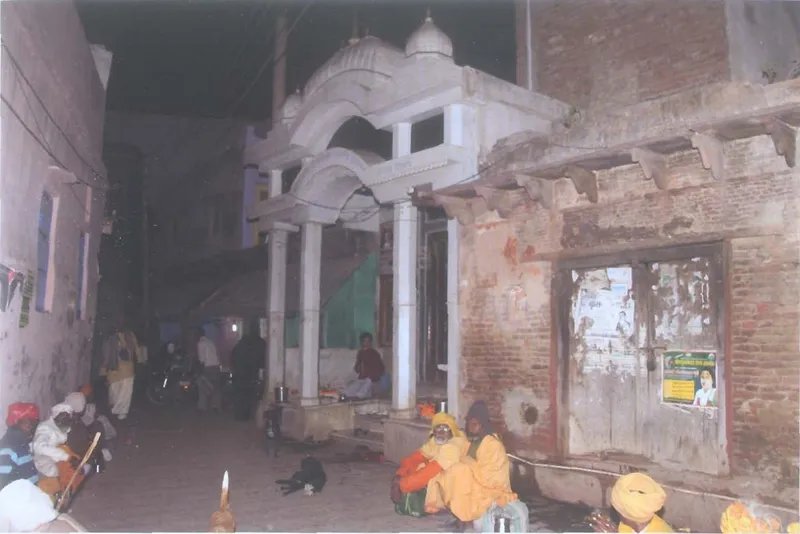
- What it is
- The Gopīśvara Mahādeva temple is the shrine of Lord Śiva as Gopīśvara, "the lord of the gopīs", near Vaṁśīvaṭa in Vṛndāvana.
- Visiting
- Śrī Vraja-maṇḍala Parikramā (2007) places the temple near Vaṁśīvaṭa, to its north-east, and Vṛndāvana, the Playground of God (2010) between the Rādhā-Gopāla temple and Vaṁśīvaṭa.
- Places here
- Annapūrṇā-devī Mandira (Gopīśvara Mahādeva)
In short
The Gopīśvara Mahādeva temple is the shrine of Lord Śiva as Gopīśvara, "the lord of the gopīs", near Vaṁśīvaṭa in Vṛndāvana.[1 +3] The Padma Purāṇa names a Śiva-liṅga called Gopīśvara in Vṛndāvana, and Śrīla Rūpa Gosvāmī, Śrīla Kṛṣṇadāsa Kavirāja Gosvāmī and Śrīla Viśvanātha Cakravartī Ṭhākura place him by Brahma-kuṇḍa.[5 +7] Śrīla Raghunātha dāsa Gosvāmī and Śrīla Prabhupāda say that the gopīs worshipped him to obtain Kṛṣṇa, and the Bhakti-ratnākara calls him the protector of Vṛndāvana.[4 +9] The story that Śiva became a gopī to see the rāsa dance is told differently in each guidebook and is not in the Bhāgavatam.[22 +1]
Key facts
| Kind | temple |
|---|---|
| Region · area | Vṛndāvana |
| Ācāryas | Śrīla Raghunātha dāsa Gosvāmī, Śrīla Viśvanātha Cakravartī Ṭhākura, Śrīla Sanātana Gosvāmī, Śrīla Narahari Cakravartī Ṭhākura, Śrīla Rūpa Gosvāmī |
Why it is glorified
The Padma Purāṇa, describing Vraja as a lotus, says that Śrī Vṛndāvana lies south of the Yamunā and that the seat of a Śiva-liṅga …
In the Purāṇas
The Padma Purāṇa, describing Vraja as a lotus, says that Śrī Vṛndāvana lies south of the Yamunā and that the seat of a Śiva-liṅga called Gopīśvara is seen there.[5 +1]
श्रीमद्वृंदावनं रम्यं यमुनायाः प्रदक्षिणम् । शिवलिंगमधिष्ठानं दृष्टं गोपीश्वराभिधम् ॥ 36 ॥
śrīmadvṛṁdāvanaṁ ramyaṁ yamunāyāḥ pradakṣiṇam
śivaliṁgamadhiṣṭhānaṁ dṛṣṭaṁ gopīśvarābhidham || 36 ||
In the books of the Gosvāmīs
In the prologue of his drama Lalita-mādhava, Śrīla Rūpa Gosvāmī has the stage-manager act on a dream-order from the moon-crested Lord known as Gopīśvara, the great lord of the land at the edge of Brahma-kuṇḍa. Śrīla Viśvanātha Cakravartī Ṭhākura explains the Śaṅkara of the prologue of the Vidagdha-mādhava in the same way, as the Gopīśvara who dwells on the bank of Brahma-kuṇḍa (summarised here, not translated).[24 +2]
Describing the eternal pastimes, Śrīla Kṛṣṇadāsa Kavirāja Gosvāmī's Govinda-līlāmṛta (21.86) says that the Śiva named Gopīśvara always stays north-east of Brahma-kuṇḍa, which lies north-east of Govinda's Yogapīṭha, with Vaṁśīvaṭa to his north.[7] Śrīla Viśvanātha Cakravartī Ṭhākura's Vraja-rīti-cintāmaṇi (2.73–74) puts him in the same corner and says that the gopīs worship him as the giver of boons, who like a messenger delights their minds so that they may meet Śrī Kṛṣṇa.[27]
According to the Bhakti-ratnākara, Gopīśvara is the Sadāśiva who protects the forest of Vṛndā; worshipping him fulfils every aim, and by his mercy love for Vṛndāvana grows. Three guidebooks count him among the five Śivas who guard Vraja, with Bhūteśvara of Mathurā, Nandīśvara of Nandagrāma, Kāmeśvara of Kāmyavana and Cakaleśvara of Govardhana.[4 +4]
Divine pastimes
The gopīs' worship
Śrīla Raghunātha dāsa Gosvāmī writes in his Vraja-vilāsa-stava (87) that the gopīs, longing to attain Kṛṣṇa, worshipped this Lord here and quickly gained their wish, and that he worships Gopīśvara on the bank of the Yamunā every day (summarised here, not translated). The Bhakti-ratnākara says that he is called Gopīśvara because the gopīs worshipped him.[13 +6]
मुदा गोपेन्द्रस्यात्मजभुजपरिष्वङ्गनिधये
स्फुरद्गोपीवृन्दैर्यमिह भगवन्तं प्रणयिभिः ।
भजद्भिस्तैर्भक्त्या स्वमभिलषितं प्राप्तमचिरा-
द्यमीतीरे गोपीश्वरमनुदिनं तं किल भजे ॥ ८७॥
mudā gopendrasyātmajabhujapariṣvaṅganidhaye sphuradgopīvṛndairyamiha bhagavantaṁ praṇayibhiḥ
bhajadbhistairbhaktyā svamabhilaṣitaṁ prāptamacirā- dyamītīre gopīśvaramanudinaṁ taṁ kila bhaje || 87 ||
Śrīmad-Bhāgavatam (10.22) tells of the unmarried girls of Vraja keeping a month-long vow in early winter to the goddess Kātyāyanī, praying that the son of Nanda become their husband; it names only the goddess, not Śiva.[29 +2] Writing of this temple, Śrīla Prabhupāda says that the gopīs worshipped both Lord Śiva and Kātyāyanī, but only to win Kṛṣṇa's favour.[13 +5] Read more: The Kātyāyanī vow and the gopīs' clothes: the pastime and its places →
Śiva and the rāsa
The Bhāgavatam says that when the rāsa dance began, the demigods and their wives crowded the sky in their airplanes to watch, but it does not name Śiva there or say that he came as a gopī.[22 +1] Elsewhere the gopīs tell mother Yaśodā that when Kṛṣṇa plays His flute even Indra, Śiva and Brahmā are bewildered and bow their heads.[32 +1]
vividha-gopa-caraṇeṣu vidagdho veṇu-vādya urudhā nija-śikṣāḥ
tava sutaḥ sati yadādhara-bimbe datta-veṇur anayat svara-jātīḥ
savanaśas tad upadhārya sureśāḥ śakra-śarva-parameṣṭhi-purogāḥ
kavaya ānata-kandhara-cittāḥ kaśmalaṁ yayur aniścita-tattvāḥ ||
O pious mother Yaśodā, your son, who is expert in all the arts of herding cows, has invented many new styles of flute-playing. When He takes His flute to His bimba-red lips and sends forth the tones of the harmonic scale in variegated melodies, Brahmā, Śiva, Indra and other chief demigods become confused upon hearing the sound. Although they are the most learned authorities, they cannot ascertain the essence of that music, and thus they bow down their heads and hearts.
Translation: Śrīla Prabhupāda's disciples (BBT)Śrīla Viśvanātha Cakravartī Ṭhākura, explaining the plants by the Yamunā that the gopīs ask about Kṛṣṇa, says that the humble arka plant always grows near Gopīśvara because it is dear to him.[34] Of the commentators on Canto 10, only Vaṁśīdhara, whom the editor of the text places in the nineteenth century, tells that Śiva and others, enchanted by the flute, took women's dress and joined the gopīs, and that it is well known that Śiva became Gopīśvara at that time (summarised here, not translated). He names no lake, no helper and no place.[35 +2] The guidebooks tell the story in several different ways (see below). Read more: Lakṣmī, Lord Śiva and the rāsa dance: who could enter it →
The Gosvāmīs and ācāryas
Śrīla Raghunātha dāsa Gosvāmī's Muktā-carita also speaks of "Śrī Gopīśvara who dwells in Vṛndāvana", whose dream-instruction …
Śrīla Raghunātha dāsa Gosvāmī's Muktā-carita also speaks of "Śrī Gopīśvara who dwells in Vṛndāvana", whose dream-instruction calls the rivers and goddesses to a festival of Rādhā and Kṛṣṇa.[13 +1] Śrīla Viśvanātha Cakravartī Ṭhākura prays to Gopīśvara, lord of the land of Vṛndāvana, for pure love for the feet of the Divine Couple of Vraja.[16 +4]
वृन्दावनावनिपते जय सोम सोम
मौले सनन्दनसनातननारदेड्य ।
गोपीश्वर व्रजविलासि युगाङ्घ्रिपद्मे
प्रीतिं प्रयच्छ निरुपाधि नमो नमस्ते ॥ १०३॥
vṛndāvanāvanipate jaya soma soma maule sanandanasanātananāradeḍya
gopīśvara vrajavilāsi yugāṅghripadme prītiṁ prayaccha nirupādhi namo namaste || 103 ||
According to the Bhakti-ratnākara, on the day before Śrīla Śrīnivāsa Ācārya, Śrīla Narottama dāsa Ṭhākura and Śrīla Śyāmānanda Paṇḍita left Vraja with the Gosvāmīs' books, Śrīla Jīva Gosvāmī sent them to Gopīśvara. Śrīnivāsa took his darśana and prayed, and Gopīśvara, pleased, bade him farewell unseen, in the guise of a brāhmaṇa.[39]
The Bengali Vṛndāvana-kathā (1920) reports that, as the Vrajavāsīs say, when Śrīla Sanātana Gosvāmī grew too old to walk as far as Gopīśvara for Śiva worship, Mahādeva mercifully gave him darśana nearer, at the place of Bankhaṇḍī Mahādeva.[40] Two later guidebooks tell it as a dream in which, according to the local tradition they record, Gopīśvara promised to appear there; this is not certain.[41 +3]
Śrīla Prabhupāda
Śrīla Prabhupāda speaks of this temple in two purports to the Fourth Canto of Śrīmad-Bhāgavatam.
Śrīla Prabhupāda speaks of this temple in two purports to the Fourth Canto of Śrīmad-Bhāgavatam. He writes that Lord Śiva still stays in Vṛndāvana as Gopīśvara, and that the gopīs prayed to him only for Kṛṣṇa as their husband.[13 +5]
Names this place“The gopīs also worshiped Lord Śiva in Vṛndāvana, and the lord is still staying there as Gopīśvara. The gopīs, however, prayed that Lord Śiva bless them by giving them Lord Kṛṣṇa as their husband.”
Śrīla Prabhupāda, Śrīmad-Bhāgavatam, 4.30.38, purport · vedabase.io
General teaching (does not name the place)“In Vṛndāvana there is Lord Śiva’s temple called Gopīśvara. The gopīs used to worship not only Lord Śiva but Kātyāyanī, or Durgā, as well, but their aim was to attain the favor of Lord Kṛṣṇa.”
Śrīla Prabhupāda, Śrīmad-Bhāgavatam, 4.24.30, purport · vedabase.io
Songs
The song Jaya Rādhe Jaya Kṛṣṇa Jaya Vṛndāvana names Gopīśvara in the midst of Vṛndāvana.
The song Jaya Rādhe Jaya Kṛṣṇa Jaya Vṛndāvana names Gopīśvara in the midst of Vṛndāvana.[4 +4]
jaya jaya gopīśwara vṛndāvana-mājh
jaya jaya kṛṣṇa-sakhā baṭu dwija-rāj
Visiting today
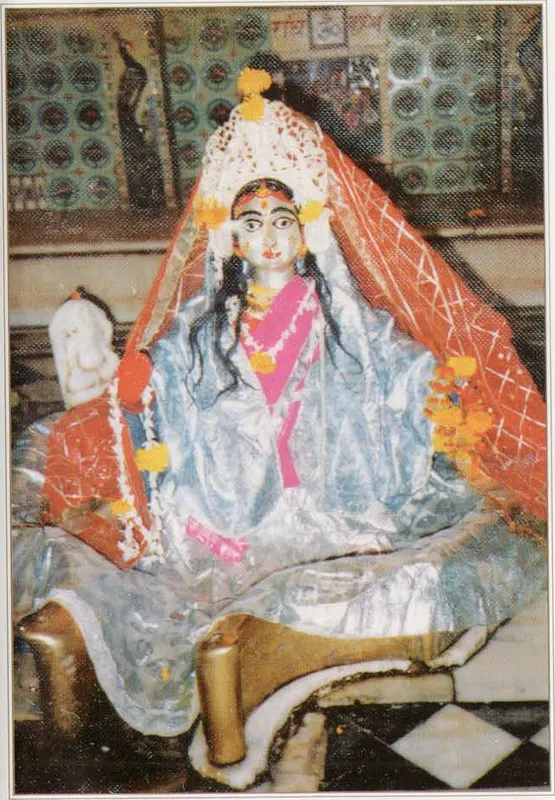
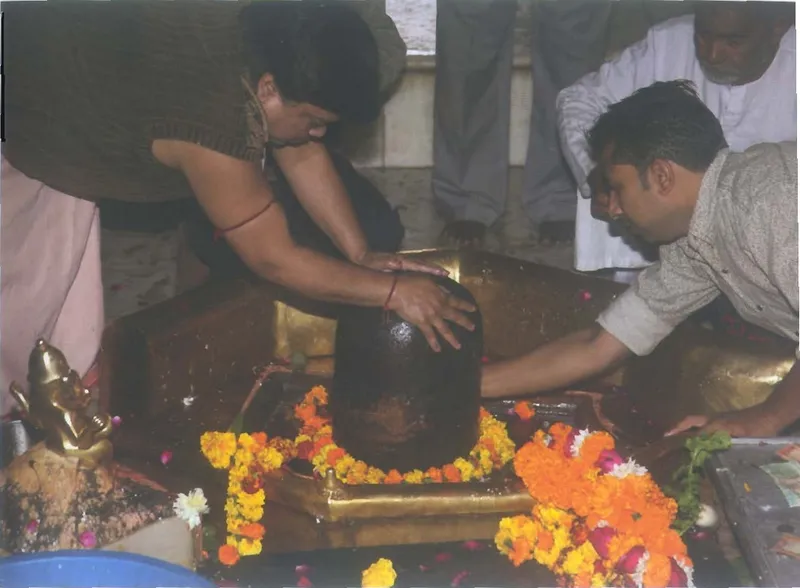
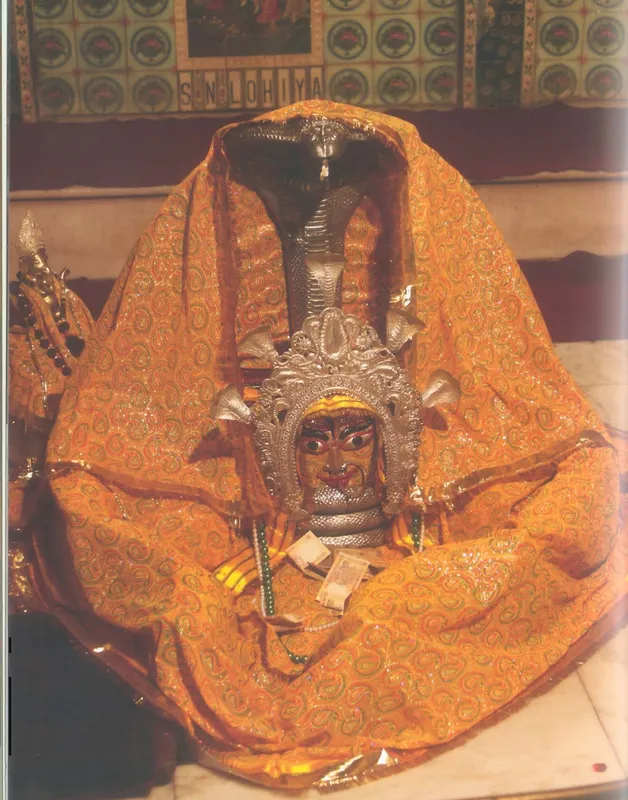
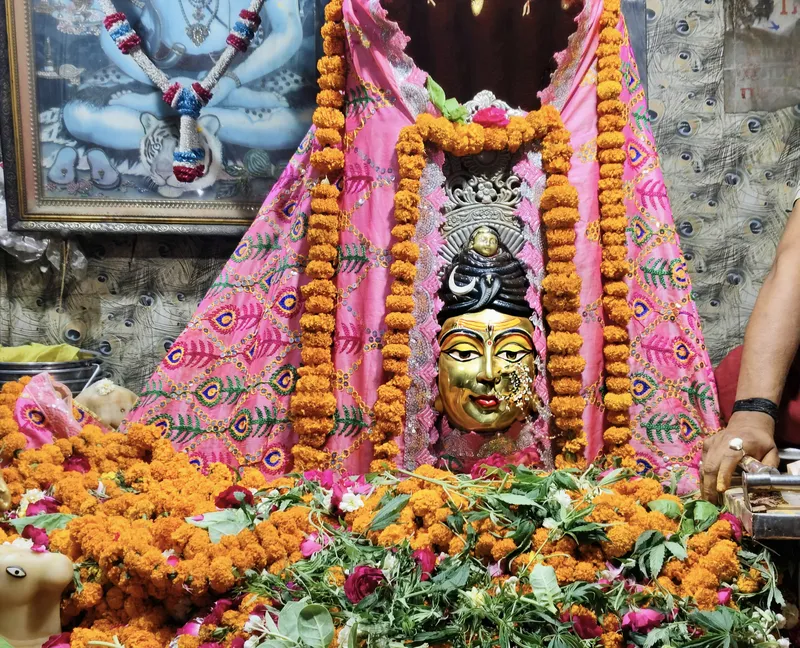
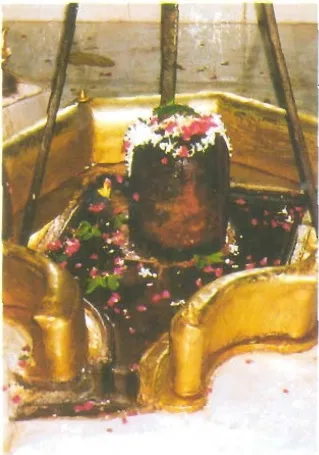
Śrī Vraja-maṇḍala Parikramā (2007) places the temple near Vaṁśīvaṭa, to its north-east, and Vṛndāvana, the Playground of God (2010) between the Rādhā-Gopāla temple and Vaṁśīvaṭa.[1 +3] Photograph captions in the 2010 book, partly cut off, say that the liṅga is seen in its usual form in the morning and dressed as a gopī in the evening; this may have changed.[17 +2]
Vṛndāvana, the Playground of God (2010) describes a separate Deity of Gopīśvara as a gopī in a corner of the Vaṁśīvaṭa compound; it is not the liṅga of this temple.[3 +1] The 2010 guidebook also records a local saying, which is not certain, that five persons in Vṛndāvana are especially merciful in giving love for the Lord: Govardhana, Vṛndā-devī, the Yamunā, the dust of Vṛndāvana and Gopīśvara.[2]
The Annapūrṇā-devī Mandira
The Annapūrṇā-devī Mandira is a small shrine of the goddess Annapūrṇā at this temple. It is known only from the guidebook Vṛndāvana, the Playground of God (2010), which says that its goddess is Paurṇamāsī and that she first met Lord Śiva here, an account that is not certain.[3 +1] In the scriptures the one who arranges the rāsa dance is Yogamāyā, whom Śrīla Jīva Gosvāmī calls Paurṇamāsī; no text found calls Annapūrṇā by that name, and the sources differ on who she is.[48 +5]
Śrīmad-Bhāgavatam opens the rāsa-līlā, Kṛṣṇa's dance with the gopīs, by saying that He relied on yoga-māyā, His internal potency:[48 +3]
śrī-bādarāyaṇir uvāca bhagavān api tā rātṛīḥ śāradotphulla-mallikāḥ / vīkṣya rantuṃ manaś cakre yoga-māyām upāśritaḥ
Śrī Bādarāyaṇi said: Śrī Kṛṣṇa is the Supreme Personality of Godhead, full in all opulences, yet upon seeing those autumn nights scented with blossoming jasmine flowers, He turned His mind toward loving affairs. To fulfill His purposes He employed His internal potency.
Translation: Śrīla Prabhupāda's disciples (BBT)In his Gopāla-campū Śrīla Jīva Gosvāmī says that this Yogamāyā, who has charge of the Lord's pastimes, appeared as an ascetic woman and was commonly called Paurṇamāsī; Paurṇamāsī herself says there that she is the Yogamāyā of the rāsa verse (summarised here, not translated).[48 +3] Commentators on the verse describe yoga-māyā as a person who serves the rāsa, without naming her: Śrīla Śrīnātha Cakravartī lists her works there, and in one reading Śrīla Nārāyaṇa Bhaṭṭa Gosvāmī calls her an elderly female ascetic.[48 +1] Śrīla Prabhupāda's Kṛṣṇa book says that the gopīs, hearing the flute, rushed toward the place known as Vaṁśīvaṭa; neither it nor the Bhāgavatam mentions a goddess there.[55 +1] On yogamāyā and the rāsa he writes, in general:[48 +3]
General teaching (does not name the place)“The specific words used in Śrīmad-Bhāgavatam are yogamāyām upāśritaḥ, which mean that this dancing with the gopīs is on the platform of yogamāyā, not mahāmāyā. … The rāsa dance of Kṛṣṇa with the gopīs is on the platform of yogamāyā.”
Śrīla Prabhupāda, Kṛṣṇa, the Supreme Personality of Godhead, Chapter 29, 'The Rāsa Dance: Introduction' · vedabase.io
Vṛndāvana, the Playground of God tells the story of Śiva at the rāsa its own way, which may not come from any older text: Śiva and Āsuri Muni, stopped at the rāsa, prayed to Paurṇamāsī, who dipped them in Māna-sarovara so that they became gopīs, and she later persuaded the gopīs to let Śiva guard the dance. No scripture or Gosvāmī work with this story was found; the guidebooks tell it differently (see below).[3 +1]
In the Purāṇas found, Annapūrṇā is the goddess of Kāśī and Bhavānī, Śiva's consort: in the Padma Purāṇa Rāma says that Annapūrṇā is Bhavānī herself, and the Brahma-vaivarta Purāṇa speaks of seeing Annapūrṇā at Kāśī. Neither mentions Vṛndāvana or Paurṇamāsī.[52 +1] In his translation and purport of Śrīmad-Bhāgavatam 10.4.13, Śrīla Prabhupāda writes that the goddess Durgā, Yogamāyā, became known in different places by different names, Annapūrṇā at Vārāṇasī among them.[57] The Sanskrit verse and its commentators give no such name.[57 +2]
The Sapta-sāmudrika-kūpa
Sapta-sāmudrika-kūpa means "the well of the seven oceans". Śrī Vraja-maṇḍala Parikramā (2007) lists a well of this name among the well-known wells of Vṛndāvana town, near this temple, with no description. No other source places such a well in Vṛndāvana, so it is not certain whether it is a second well or the well of the old texts listed in the wrong place (see below).[60 +3]
The old texts place a well of this name beside the god Gopīśvara at the place where the child Kṛṣṇa broke the twin arjuna trees, that is, at Mahāvana-Gokula across the Yamunā, and say that offerings to the ancestors made there bring great merit.[60 +3] The Varāha Purāṇa says that at the holy place of Gopīśvara, where the child Kṛṣṇa broke the twin arjuna trees and the cart, Mātali, Indra's charioteer, installed the god Gopīśvara. In front of him he set up, with auspicious water pots, a well of clear water called Sapta-sāmudrika. The ancestors rejoice in its water and in the piṇḍa, the rice balls offered to them there, and a śrāddha rite performed at the well delivers seventy-seven generations (summarised here, not translated).[60 +1] The Purāṇa does not name Mahāvana in these verses; the place is known from the pastimes it names, which are those of Mahāvana-Gokula, and from the two books below. No source identifies this well with the one listed in Vṛndāvana town.[60 +1]
According to the Bhakti-ratnākara, a guide at Mahāvana, after showing the place where the twin arjuna trees were broken, points out the Gopīśvara of Mahāvana and the Sapta-sāmudrika well in the same place, and says that the Purāṇa tells the fruit of offering piṇḍa there.[62 +1] Śrīla Nārāyaṇa Bhaṭṭa Gosvāmī's Vraja-bhakti-vilāsa, in its Gokula and Mahāvana section, says instead that Nanda had the well made, that the seven oceans were brought into it to remove the fault of uprooting the trees, and that bathing there frees one from sin (summarised here, not translated).[62 +1] No verse of Śrīmad-Bhāgavatam Canto 10 or its commentaries mentions such a well or a rite of atonement after the trees fell.[60 +1]
Location
| Where it is | near Brahma-kuṇḍa; map key 13[72] |
|---|
Places at Gopīśvara Mahādeva Mandira (Vṛndāvana)
2 places
Also described on this page
Nearby places
Vaṁśīvaṭa (Vṛndāvana) · Yamunā · Rādhā-Gopāla Mandira · Dvādaśāditya-ṭīlā
Pictures
5 pictures
Where the sources differ
How and where Śiva became a gopī to enter the rāsa: the Garga-saṁhitā, four guidebooks and a Bengali book of 1920 each tell it differently, and none of their accounts is in the Bhāgavatam, so the details are not certain.[2 +7]
Accounts differ How and where Śiva became a gopī to enter the rāsa (origin of the name Gopīśvara).
- Garga-saṁhitā, Vṛndāvana-khaṇḍa 25.3-8Śiva came with Āsuri Muni; the women of Goloka guarding the rāsa stopped them and told them to bathe in the Māna-sarovara; they bathed there, became gopīs and entered the rāsa circle. The chapter does not use the name Gopīśvara.
- Śrī Vraja-maṇḍala Parikramā (2007)Pūrṇimā (Yogamāyā Paurṇamāsī) dipped Śiva in the nearby Brahma-kuṇḍa; he came out a gopī and watched the rāsa from a kuñja north-east of the rāsa-sthalī.
- Vṛndāvana, the Playground of God (2010)Paurṇamāsī took Śiva and Āsuri Muni to the Māna-sarovara on the eastern side of the Yamunā.
- The Color Guide to Vṛndāvana (2000)Lalitā (with Viśākhā) stopped Śiva and told him to bathe in 'the Rādhārāṇī Manasorovar lake'; Kṛṣṇa then named him Gopīśvara.
Two more records ask the same question and add only this: the Bhāgavatam has the demigods watch the rāsa from the sky without naming Śiva, Vaṁśīdhara says that Śiva became Gopīśvara at that time, and Vṛndāvana, the Playground of God (2010) adds that Paurṇamāsī first met Śiva near Vaṁśīvaṭa, at the Annapūrṇā shrine described above, an account that is not certain.[3 +5]
Whom the gopīs worshipped to obtain Kṛṣṇa: the Bhāgavatam names Kātyāyanī; Śrīla Raghunātha dāsa Gosvāmī and the Bhakti-ratnākara name Gopīśvara; Śrīla Prabhupāda names both.[13 +8]
Accounts differ Whom the gopīs worshipped to obtain Kṛṣṇa: the Bhāgavatam names only the goddess Kātyāyanī; Śrīla Raghunātha dāsa Gosvāmī and the Bhakti-ratnākara name Gopīśvara (Śiva); Śrīla Prabhupāda names both.
- Śrīmad-Bhāgavatam 10.22.1–5, 10.22.27In the first month of Hemanta the unmarried girls of Vraja worshipped the goddess Kātyāyanī (Bhadrakālī, 10.22.5) in an image on the Yamunā's bank, praying that Nanda's son become their husband; Kṛṣṇa then told them that their desire was fulfilled, the purpose of their vow (10.22.27). Śiva is not named.
- Śrīla Raghunātha dāsa Gosvāmī, Vraja-vilāsa-stava 87The gopīs, longing to attain Kṛṣṇa, the son of the king of the gopas, worshipped Gopīśvara here on the Yamunā's bank and quickly attained their desire.
- Bhakti-ratnākara, Fifth Wave, 1912 ed. p. 447The gopīs constantly worshipped Gopīśvara with many offerings to gain Kṛṣṇa's company, hence his name.
- Śrīla Prabhupāda, SB 4.30.38 and 4.24.30 purports; Kṛṣṇa book ch. 22The gopīs worshipped Lord Śiva in Vṛndāvana, where he stays as Gopīśvara, praying for Kṛṣṇa as their husband (4.30.38); they worshipped 'not only Lord Śiva but Kātyāyanī, or Durgā, as well' (4.24.30); unmarried girls customarily worship Lord Śiva or Goddess Durgā for a husband, and the gopīs worshipped Goddess Durgā (Kṛṣṇa book ch. 22).
Who installed the liṅga: the guidebooks say Vajranābha, but differ on how he was related to Kṛṣṇa, and no old text says so, so this is not certain.[2 +3]
Accounts differ How Vajranābha, said to have installed the liṅga, was related to Kṛṣṇa.
- Vṛndāvana, the Playground of God (2010); Śrī Vraja-maṇḍala Parikramā (2007)Kṛṣṇa's great-grandson.
- The Color Guide to Vṛndāvana (2000)Kṛṣṇa's grandson.
- Śrīmad-Bhāgavatam 1.15.39 with Śrīla Prabhupāda's purportVajra is the son of Aniruddha; the purport calls him Kṛṣṇa's great-grandson (installation of Gopīśvara not mentioned).
Where the Sapta-sāmudrika well stands: one guidebook lists one near this temple, while the Varāha Purāṇa and the Bhakti-ratnākara may mean the Gopīśvara of Mahāvana, which is also named in those books. It may be a separate well of the same name; only a visit can show whether such a well exists in Vṛndāvana.[1 +6]
Accounts differ Where the Sapta-sāmudrika well beside Gopīśvara is.
- Varāha Purāṇa 157.21-29at the tīrtha of Gopīśvara where the twin arjunas and the cart were broken (Mahāvana pastimes), before the deity Mātali installed.
- Bhakti-ratnākara, Fifth Wave p. 282at Mahāvana: Gopīśvara, and the Sapta-sāmudrika well 'here'.
- Vraja-bhakti-vilāsa, p. 107in the Gokula/Mahāvana sequence, before Gopīśvara.
- Śrī Vraja-maṇḍala Parikramā (2007)among the wells of Vṛndāvana town, 'near Gopīśvara Mahādeva' (the Gopīśvara near Vaṁśīvaṭa).
Who made the well: the Varāha Purāṇa names Mātali, and the Vraja-bhakti-vilāsa names Nanda; the accounts are set side by side on the page of the Gopīśvara of Mahāvana.[60 +3]
Accounts differ Who the Annapūrṇā worshipped in this shrine is.
- Vṛndāvana, the Playground of God (2010)Annapūrṇā devī 'is actually Paurṇamāsī, the presiding Deity of the Vṛndāvana pastimes'; caption: 'a form of Paurṇamāsī, overseeing the rāsa dance'.
- Śrī Vraja-maṇḍala Parikramā (2007)Annapūrṇa-devī, Paurṇamāsī-devī and Pātāla-devī or Yogamāyā are three goddesses of Vṛndāvana, each listed with her own place.
- Padma Purāṇa, Pātāla-khaṇḍa 117.131-132Annapūrṇeśvarī-devī is Bhavānī (Umā, Pārvatī), Śiva's consort; said in a story unconnected with Vṛndāvana.
- Brahma-vaivarta Purāṇa, Kṛṣṇa-janma-khaṇḍa 76.26Annapūrṇā is seen at Kāśī.
Where the Annapūrṇā shrine of Vṛndāvana stands: here, near Vaṁśīvaṭa, or near Sevā-kuñja (Annapūrṇa-devī, Sevā-kuñja).
Accounts differ Where the Annapūrṇā shrine of Vṛndāvana is.
- Vṛndāvana, the Playground of God (2010), in its entry on the Gopeśvara Mahādeva templeA small temple of Annapūrṇā to the left of the main temple, near Vaṁśīvaṭa.
- Śrī Vraja-maṇḍala Parikramā (2007), list of goddessesAnnapūrṇa-devī near Sevā-kuñja.
Which Mahādeva appeared to Śrīla Sanātana Gosvāmī at Bankhaṇḍī: the sources name Gopīśvara or Cakaleśvara of Govardhana, and it is not certain which is right; the accounts are compared on the page of Bankhaṇḍī Mahādeva.[40 +4]
More on this place
Lakṣmī, Lord Śiva and the rāsa dance: who could enter it · The Kātyāyanī vow and the gopīs' clothes: the pastime and its places
References
72 references
- Śrī Vraja-maṇḍala Parikramā (2007), PDF p. 345
- Vṛndāvana, the Playground of God (2010), Bhakti Caitanya Svāmī, PDF p. 200
- Vṛndāvana, the Playground of God (2010), Bhakti Caitanya Svāmī, PDF p. 204
- The Color Guide to Vṛndāvana (2000), Written and Photographed by Rājaśekhara dāsa Brahmacārī, PDF p. 130
- Padma Purāṇa, Pātāla-khaṇḍa (5), chapter 69, verse 36, Sanskrit Wikisource
- Padma Purāṇa, Pātāla-khaṇḍa (5), chapter 83, verses 113-114, Sanskrit Wikisource
- Śrīla Kṛṣṇadāsa Kavirāja Gosvāmī, Govinda-līlāmṛta, sarga 21 (ekaviṁśaḥ sargaḥ), v.86, after the editions of Haridas Das and Haridas Shastri
- Govinda-līlāmṛta with Vṛndāvana Cakravartī's Sad-ānanda-vidhāyinī ṭīkā, ṭīkā on sarga 21, v.86, after Haridas Shastri's edition, 1981
- Śrīla Viśvanātha Cakravartī, Vraja-rīti-cintāmaṇi, sarga 2 (dvitīyaḥ sargaḥ), vv. 73–74
- Śrīla Rūpa Gosvāmī, Lalita-mādhava, act 1, prologue spoken by the sūtradhāra after the nāndī … after v.2')
- Śrīla Rūpa Gosvāmī, Vidagdha-mādhava, commentary on the prologue word 'śrī-śaṅkara-devena' veṇu-nāda-vilāsaḥ [part 2] v.4')
- Śrīla Rādhā-kṛṣṇa Gosvāmī, Sādhana-dīpikā, section (2), after v.9, 'atha ūrdhvāmnāya-tantra-vākyāny āha'
- Śrīla Raghunātha dāsa Gosvāmī, Vraja-vilāsa-stava, verse 87
- Śrīla Prabhupāda, Śrīmad-Bhāgavatam, 4.30.38, purport · vedabase.io
- Śrīla Prabhupāda, Śrīmad-Bhāgavatam, 4.24.30, purport · vedabase.io
- Śrīla Narahari Cakravartī, Bhakti-ratnākara, Fifth Wave (pañcama taraṅga), 1912 ed. p. 447, 2nd ed., 1912
- Śrī Vraja-maṇḍala Parikramā (2007), PDF p. 320
- Vṛndāvana-Dhāma Ki Jaya! (c. 1986), by Dhruva Mahārāja dāsa, PDF p. 81
- Govardhana Hill: India's Most Sacred Mountain (2001), Rajasekhara dasa Brahmacari, PDF p. 82
- The Colour Guide to Rādhā-kuṇḍa (1999), Rājaśekhara dāsa Brahmacārī, PDF p. 65
Show all 72 references
- The Color Guide to Vṛndāvana (2000), Written and Photographed by Rājaśekhara dāsa Brahmacārī, PDF p. 100
- Śrīmad-Bhāgavatam 10.33.3, GRETIL
- Śrīla Prabhupāda, Kṛṣṇa, the Supreme Personality of Godhead (Kṛṣṇa book), Chapter 33, 'Description of the Rāsa Dance' · vedabase.io
- Śrīla Rūpa Gosvāmī, Lalita-mādhava, act 1, prose after v. 2 … after v.2')
- Śrīla Rūpa Gosvāmī, Vidagdha-mādhava, act 1, prose after v. 2 veṇu-nāda-vilāsaḥ after v.2')
- Viśvanātha Cakravartī Ṭhākura, commentary on act 1, prologue veṇu-nāda-vilāsaḥ [part 2]', after v.2 and v.4)
- Śrīla Viśvanātha Cakravartī Ṭhākura, Vraja-rīti-cintāmaṇi, dvitīya sarga (chapter 2) vv. 70, 73-74
- Śrīla Raghunātha dāsa Gosvāmī, Muktā-carita, text para 359, GRETIL
- Śrīmad-Bhāgavatam 10.22.1–2, 10.22.4, GRETIL
- Śrīmad-Bhāgavatam 10.22.27, GRETIL
- Śrīla Prabhupāda, Kṛṣṇa, the Supreme Personality of Godhead (Kṛṣṇa book), Chapter 22, 'Stealing the Garments of the Unmarried Gopī Girls' · vedabase.io
- Śrīmad-Bhāgavatam 10.35.14–15, Bhagavata Vidya Pith edition, ed. Bhagavata Rishi and Krishna Shankar Shastri, 1996
- Śrīla Prabhupāda, Kṛṣṇa, the Supreme Personality of Godhead (Kṛṣṇa book), Chapter 35, 'The Gopīs’ Feelings of Separation' · vedabase.io
- Śrīla Viśvanātha Cakravartī Ṭhākura: commentary on ŚB 10.30.9
- Vaṁśīdhara: commentary on ŚB 10.29.40
- Vaṁśīdhara: commentary on ŚB 10.33.10
- Śrīmad-Bhāgavatam 10.33.3
- Śrīla Viśvanātha Cakravartī Ṭhākura, Saṅkalpa-kalpa-druma, verse 103
- Śrīla Narahari Cakravartī, Bhakti-ratnākara, Sixth Wave (ṣaṣṭha taraṅga), 1912 ed. p. 481, 2nd ed., 1912
- Vṛndāvana-kathā, chapter 14 (caturdaśa pariccheda), section on Vṛndāvana's Śiva-liṅgas, 'বনখণ্ডী মহাদেব', printed pp. 168–169
- Śrī Vraja-maṇḍala Parikramā (2007), PDF p. 337
- Śrī Vraja-maṇḍala Parikramā (2007), PDF p. 338
- Vṛndāvana, the Playground of God (2010), Bhakti Caitanya Svāmī, PDF p. 160
- Vṛndāvana, the Playground of God (2010), Bhakti Caitanya Svāmī, PDF p. 161
- Vṛndāvana, the Playground of God (2010), Bhakti Caitanya Svāmī, PDF p. 202
- Vṛndāvana, the Playground of God (2010), Bhakti Caitanya Svāmī, PDF p. 203
- Vṛndāvana, the Playground of God (2010), Bhakti Caitanya Svāmī, PDF p. 201
- Śrīmad-Bhāgavatam 10.29.1, GRETIL
- Śrīla Jīva Gosvāmī, Gopāla-campū, Pūrva-campū 2 (dvitīyaṃ pūraṇam), prose section [28], GRETIL
- Śrīla Jīva Gosvāmī, Gopāla-campū, Pūrva-campū 33 (trayastriṃśaṃ pūraṇam, 'sarva-manoratha-pūraṇam'), prose sections [282]-[283], GRETIL
- Śrīla Prabhupāda, Kṛṣṇa, the Supreme Personality of Godhead, Chapter 29, 'The Rāsa Dance: Introduction' · vedabase.io
- Padma Purāṇa, Pātāla-khaṇḍa (5) 117.131-132, Sanskrit Wikisource
- Brahma-vaivarta Purāṇa, Kṛṣṇa-janma-khaṇḍa (4) 76.25-26, Sanskrit Wikisource
- Śrīla Śrīnātha Cakravartī: commentary on ŚB 10.29.1
- Śrīmad-Bhāgavatam 10.29.45–46, GRETIL
- Śrīla Prabhupāda, Kṛṣṇa, the Supreme Personality of Godhead, Chapter 29, 'The Rāsa Dance: Introduction' · vedabase.io
- Śrīla Prabhupāda, Śrīmad-Bhāgavatam, 10.4.13, translation and purport · vedabase.io
- Śrīmad-Bhāgavatam 10.4.13, GRETIL
- Śrīla Sanātana Gosvāmī: commentary on ŚB 10.4.13, Bhagavata Vidya Pith edition, ed. Bhagavata Rishi and Krishna Shankar Shastri, 1996
- Varāha Purāṇa, adhyāya 157, verses 21-23, Sanskrit Wikisource
- Varāha Purāṇa, adhyāya 157, verses 27-29, Sanskrit Wikisource
- Śrīla Narahari Cakravartī, Bhakti-ratnākara, Fifth Wave (pañcama taraṅga), at Mahāvana, 1912 ed. p. 282, 2nd ed., 1912
- Śrīla Nārāyaṇa Bhaṭṭa, Vraja-bhakti-vilāsa, printed p. 107, item 80, in the Gokula/Mahāvana sequence, 1st ed., publ. Bābā Kṛṣṇadāsa, Kusuma-sarovara, Saṁvat 2008
- Śrī Vraja-maṇḍala Parikramā (2007), PDF p. 319
- Vṛndāvana-Dhāma Ki Jaya! (c. 1986), by Dhruva Mahārāja dāsa, PDF p. 79
- Pulinbihārī Datta, ch. 14 (caturdaśa pariccheda), entry on Gopīśvara, printed p. 168
- The Colour Guide to Rādhā-kuṇḍa (1999), Rājaśekhara dāsa Brahmacārī, PDF p. 35
- Śrīla Prabhupāda, Śrīmad-Bhāgavatam, 1.15.39, translation and purport · vedabase.io
- Varāha Purāṇa, chapter 157, verses 27-28, Sanskrit Wikisource
- Varāha Purāṇa, chapter 157, verses 1-2, Sanskrit Wikisource
- Varāha Purāṇa, chapter 157, verses 21-24, Sanskrit Wikisource
- Śrī Vraja-maṇḍala Parikramā (2007), p. 612-613