Keśī-ghāṭa
केशी-घाट
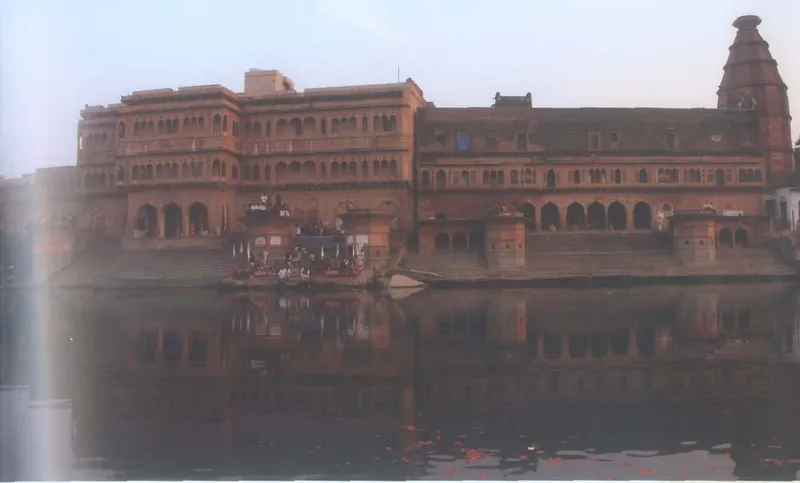
- What it is
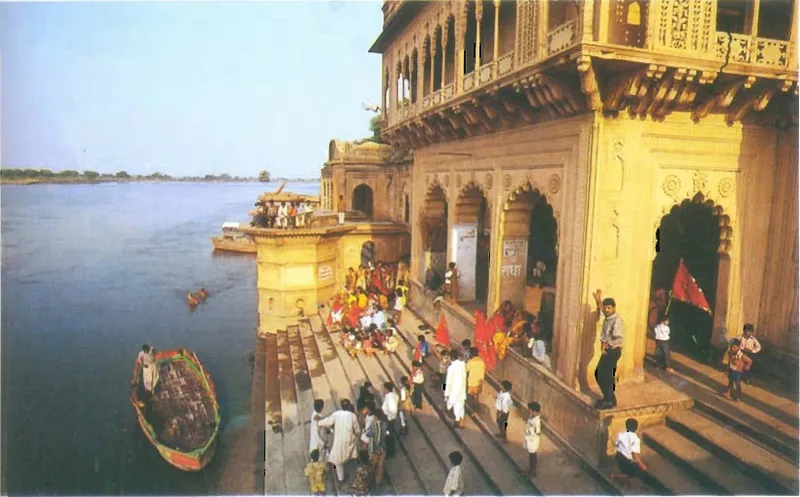
- Keśī-ghāṭa, also called Keśī-tīrtha, is a bathing place on the Yamunā in the north-west of Vṛndāvana, close to Cīra-ghāṭa.
- Visiting
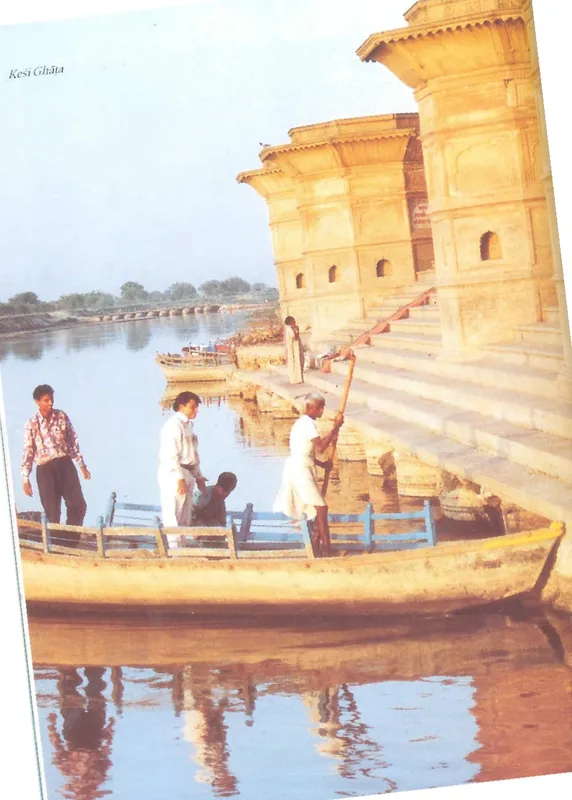
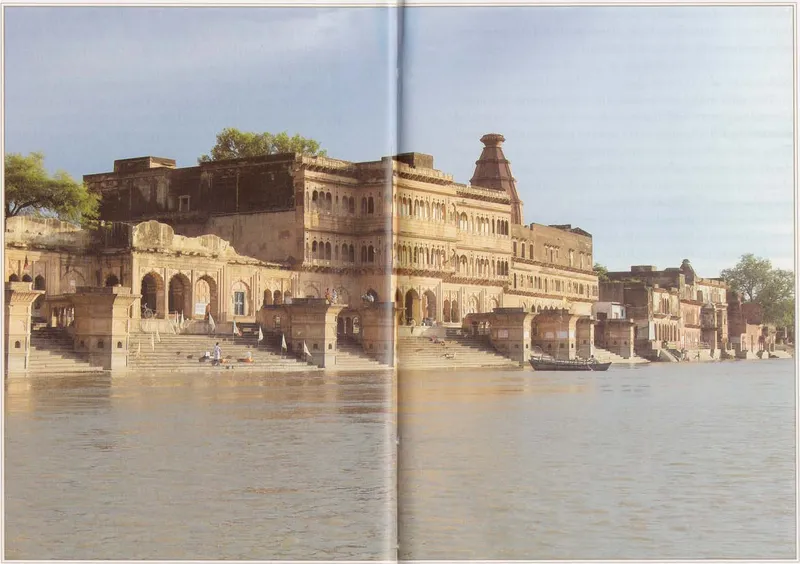
- The Color Guide to Vṛndāvana (2000) says that the Yamunā has flowed past Keśī-ghāṭa since ancient times while many other ghāṭas of the town are now dry, so that most pilgrims bathe here.
- Places here
- Gadādhara Paṇḍita's danta-samādhi
In short
Keśī-ghāṭa, also called Keśī-tīrtha, is a bathing place on the Yamunā in the north-west of Vṛndāvana, close to Cīra-ghāṭa.[1 +3] It is named after the horse demon Keśī, whom Kṛṣṇa killed. The Varāha Purāṇa praises the tīrtha in Vṛndāvana where Keśī was felled, and Śrīla Jīva Gosvāmī names this ghāṭa as the place.[5 +2] Śrīla Raghunātha dāsa Gosvāmī worships it as the place where Kṛṣṇa washed His hands after the killing.[8 +1] Śrī Caitanya Mahāprabhu spent a whole day here, and Śrīla Prabhupāda lived beside the ghāṭa before he moved to the Rādhā-Dāmodara temple.[10 +9]
Key facts
| Kind | ghāṭa |
|---|---|
| Region · area | Vṛndāvana |
| Also part of | Yamunā |
| Ācāryas | Śrī Caitanya Mahāprabhu, Śrīla Rūpa Gosvāmī, Śrīla Jīva Gosvāmī, Śrīla Raghunātha dāsa Gosvāmī, Śrīla Narahari Cakravartī Ṭhākura |
Why it is glorified
The Varāha Purāṇa speaks of a tīrtha in Vṛndāvana where Keśī was felled, whose merit is a hundredfold.
The Varāha Purāṇa speaks of a tīrtha in Vṛndāvana where Keśī was felled, whose merit is a hundredfold. Offering piṇḍa (food offered for the forefathers) at Keśī-tīrtha equals doing so at Gayā, and bathing, charity and fire offerings there bring the fruit of a great Vedic sacrifice (summarised here, not translated).[5] Śrīla Rūpa Gosvāmī quotes a similar verse from the Ādi-varāha in his Mathurā-māhātmya, and the Nārada Purāṇa says that whoever bathes where Kṛṣṇa playfully killed Keśī attains the abode of Viṣṇu.[7 +1]
In the Padma Purāṇa, Śiva sends Nārada to Vṛndā-devī, Govinda's attendant, who lives with her friends near Keśī-tīrtha, to hear from her the daily pastimes of Rādhā and Kṛṣṇa.[21]
नारद उवाच- हरेर्दैनंदिनीं लीलां श्रोतुमिच्छामि तत्त्वतः । लीलामजानता सेव्यो मनसा तु कथं हरिः ॥ 12 ॥ शिव उवाच- नाहं जानामि तां लीलां हरेर्नारदतत्त्वतः । वृंदादेवीमितो गच्छ सा ते लीलां प्रवक्ष्यति ॥ 13 ॥ अविदूर इतः स्थानात्केशीतीर्थसमीपतः । सखीसंघवृता सास्ते गोविंदपरिचारिका ॥ 14 ॥ सूत उवाच- इत्युक्तस्तं परिक्रम्य हृष्टो नत्वा पुनः पुनः । वृंदाश्रमं जगामाथ नारदो मुनिसत्तमः ॥ 15 ॥
nārada uvāca- harerdainaṁdinīṁ līlāṁ śrotumicchāmi tattvataḥ
līlāmajānatā sevyo manasā tu kathaṁ hariḥ śiva uvāca- nāhaṁ jānāmi tāṁ līlāṁ harernāradatattvataḥ
vṛṁdādevīmito gaccha sā te līlāṁ pravakṣyati avidūra itaḥ sthānātkeśītīrthasamīpataḥ
sakhīsaṁghavṛtā sāste goviṁdaparicārikā sūta uvāca- ityuktastaṁ parikramya hṛṣṭo natvā punaḥ punaḥ
vṛṁdāśramaṁ jagāmātha nārado munisattamaḥ
Śrīla Rūpa Gosvāmī places the form of Kṛṣṇa called Govinda near Keśī-tīrtha, in a verse that warns a worldly friend not to look at Him there. Śrīla Prabhupāda translates the place as the bank of the Yamunā at Keśī-ghāṭa:[22 +6]
tatra śrī-murtiḥ yathā-- smerāṃ bhaṅgī-traya-paricitāṃ sāci-vistīrṇa-dṛṣṭiṃ vaṃśī-nyastādhara-kiśalayām ujjvalāṃ candrakeṇa
govindākhyāṃ hari-tanum itaḥ keśi-tīrthopakaṇṭhe mā prekṣiṣṭhās tava yadi sakhe bandhu-sange 'sti raṅgaḥ ||
“My dear friend, if you are indeed attached to your worldly friends, do not look at the smiling face of Lord Govinda as He stands on the bank of the Yamunā at Keśīghāṭa. Casting sidelong glances, He places His flute to His lips, which seem like newly blossomed twigs. His transcendental body, bending in three places, appears very bright in the moonlight.”
Translation: Śrīla A.C. Bhaktivedanta Swami PrabhupādaIn the opening of Śrīla Rūpa Gosvāmī's drama Vidagdha-mādhava, the audience is a company of rasikas, devotees who relish Kṛṣṇa's pastimes, who have come from many lands to see Vṛndāvana and gathered near Keśī-tīrtha.[28] Śrīla Nārāyaṇa Bhaṭṭa Gosvāmī's Vraja-bhakti-vilāsa counts Keśī-ghāṭa among the stations of the Vṛndāvana pilgrimage and gives a prayer to say ten times when bathing here, with obeisances to Keśava, who gave Keśī liberation, and to Keśī-tīrtha itself.[29 +1]
Divine pastimes
The killing of Keśī
Śrīmad-Bhāgavatam (10.37) tells that Kaṁsa sent the demon Keśī to Vraja in the form of a huge horse. Keśī rushed at Kṛṣṇa, who caught him by the legs and threw him far away. When he attacked again with open mouth, Kṛṣṇa thrust His left arm into it; the arm grew inside him until he choked and fell dead, and the demigods showered flowers. The Bhāgavatam names no ghāṭa, and it tells no bath afterwards: Kṛṣṇa went on tending the cows with His friends.[31 +5]
keśī tu kaṃsa-prahitaḥ khurair mahīṃ
mahā-hayo nirjarayan mano-javaḥ
… saṭāvadhūtābhra-vimāna-saṅkulaṃ
kurvan nabho heṣita-bhīṣitākhilaḥ
taṃ trāsayantaṃ bhagavān sva-gokulaṃ
tad-dheṣitair vāla-vighūrṇitāmbudam
… ātmānam ājau mṛgayantam agra-ṇīr
upāhvayat sa vyanadan mṛgendra-vat
Śukadeva Gosvāmī said: The demon Keśī, sent by Kaṁsa, appeared in Vraja as a great horse. Running with the speed of the mind, he tore up the earth with his hooves. The hairs of his mane scattered the clouds and the demigods’ airplanes throughout the sky, and he terrified everyone present with his loud neighing.
Translation: Śrīla Prabhupāda's disciples (BBT)The Harivaṁśa and the Viṣṇu Purāṇa add that, because Kṛṣṇa killed Keśī, He would be known in the world as Keśava.[37 +2]
Where the commentators place it
Explaining this chapter, Śrīla Jīva Gosvāmī says that Kṛṣṇa put the frightened people of Vraja behind Him and went out by the road to the Yamunā to meet Keśī, because the ghāṭa north of Śrī Govinda's place is well known as the Keśī-ghāṭa tīrtha; he supports this with the Varāha's words on the place where Keśī was felled. Śrīla Sanātana Gosvāmī says that Keśī came in the morning while the cows were grazing in Vṛndāvana, and was killed on the bank of the Yamunā north of Śrī Govindadeva (both summarised here, not translated).[6 +5] Śrīla Śrīdhara Svāmī and Śrīla Viśvanātha Cakravartī Ṭhākura put the killing in the morning, Śrīla Śrīdhara Svāmī on the twelfth day of the lunar fortnight, the morning on which Akrūra set out for Vraja.[35 +3]
Other works tell it differently, as shown below under "Where the sources differ". The Harivaṁśa and the Viṣṇu Purāṇa say only that Keśī came to Vṛndāvana, and Śrīla Sanātana Gosvāmī notes that in their view he was killed near the Vraja settlement.[37 +4] Read more: How Kṛṣṇa killed the horse demon Keśī →
The bath after the killing
Śrīla Jīva Gosvāmī's Gopāla-campū tells that after Keśī's death everyone went with Kṛṣṇa to a ghāṭa of the Yamunā and bathed, the ghāṭa that pilgrims, he says, still know as Keśī-tīrtha. Then they rested at another ghāṭa a little upstream, which the old people called Cena-ghaṭṭa, the ghāṭa of rest, and the people of his day Cīra-ghaṭṭa.[2 +4]
Śrīla Raghunātha dāsa Gosvāmī, in his Vraja-vilāsa-stava, says that Kṛṣṇa split Keśī like a blade of grass, and worships Keśī-tīrtha as the place where He washed His two blood-stained hands (summarised here, not translated).[8 +1] The Bhakti-ratnākara quotes this verse when Śrīla Śrīnivāsa Ācārya is shown Keśī-tīrtha, says that the Purāṇas tell its glory, and adds that Kṛṣṇa joyfully washed His hands in the Yamunā here.[49] The Bengali Bhaktamāla of Kṛṣṇadāsa Bābājī (1905) also says that Kṛṣṇa came down to this ghāṭa after killing Keśī and cleansed His body.[50]
Śrī Caitanya Mahāprabhu at Keśī-tīrtha
The Caitanya-caritāmṛta tells that Śrī Caitanya Mahāprabhu went from Dvādaśāditya to Keśī-tīrtha. There He saw the place of the rāsa dance and fell unconscious in ecstatic love.[10 +3]
‘দ্বাদশ-আদিত্য’ হৈতে ‘কেশীতীর্থে’ আইলা ।
রাস-স্থলী দেখি’ প্রেমে মূর্চ্ছিত হইলা ॥ ৭২ ॥
‘dvādaśa-āditya’ haite ‘keśī-tīrthe’ āilā
rāsa-sthalī dekhi’ preme mūrcchita ha-ilā
After seeing the holy place called Praskandana, Śrī Caitanya Mahāprabhu went to Dvādaśāditya. From there He went to Keśī-tīrtha, and when He saw the place where the rāsa dance had taken place, He immediately lost consciousness due to ecstatic love.
Translation: Śrīla A.C. Bhaktivedanta Swami PrabhupādaWhen He came to His senses He rolled on the ground, laughed, cried, danced and chanted loudly, and He spent the whole day at Keśī-tīrtha before returning to Akrūra-tīrtha in the evening for His meal.[10 +3] Śrīmad-Bhāgavatam says that the rāsa dance began on the bank of the Yamunā, but does not name Keśī-tīrtha.[10 +2]
The same book tells of others who bathed here: the two brāhmaṇas of the story of Sākṣi-gopāla on their pilgrimage to Vṛndāvana, and Kṛṣṇadāsa, a Rājput villager, who bathed at Keśī-tīrtha on his way to Kāliya-daha and then saw Śrī Caitanya Mahāprabhu sitting at Āmli-talā.[53 +1]
Traditional accounts
The guidebooks say that Kṛṣṇa killed Keśī at this ghāṭa, and two of them add that He bathed here afterwards; Śrīla Prabhupāda, in …
The guidebooks say that Kṛṣṇa killed Keśī at this ghāṭa, and two of them add that He bathed here afterwards; Śrīla Prabhupāda, in a lecture quoted below, says that Keśī-ghāṭa is known because Kṛṣṇa killed Keśī.[1 +5] The Bengali Vṛndāvana-kathā (1920) reports that the paṇḍās, the local priests, showed a newly built temple near the ghāṭa as the place where the hair (keśa) of Satī fell. The author rejects this: the ghāṭa, he says, is named after Kṛṣṇa's killing of Keśī here, and no old Vaiṣṇava book knows such a place in Vṛndāvana.[59]
According to the Bengali Bhaktamāla of Kṛṣṇadāsa Bābājī (1905), the poet Śrī Jayadeva brought his Deity, Rādhā-Mādhava, to Vṛndāvana and stayed with Him near Keśī-ghāṭa, and long after his time a king took the Deity to Jaipur.[60]
The Gosvāmīs and ācāryas
Śrī Gadādhara Paṇḍita's danta-samādhi, a shrine over his tooth, stands at Keśī-ghāṭa, about fifty metres beyond the Vaṁśī-gopāla …
Śrī Gadādhara Paṇḍita's danta-samādhi, a shrine over his tooth, stands at Keśī-ghāṭa, about fifty metres beyond the Vaṁśī-gopāla Mandira towards the Yamunā, according to Vṛndāvana, the Playground of God (2010).[18 +2]
Śrīla Prabhupāda
Śrīla Prabhupāda lived at Keśī-ghāṭa, in a rooftop room of the Vaṁśī-gopālajī temple, before he moved to the Rādhā-Dāmodara …
Śrīla Prabhupāda lived at Keśī-ghāṭa, in a rooftop room of the Vaṁśī-gopālajī temple, before he moved to the Rādhā-Dāmodara Mandira; in 1960 he gave Keśī-ghāṭa as his headquarters.[14 +7] In 1976 he remembered his room there:[14]
Names this place“When I first came in Vṛndāvana I stayed in the Keśī-ghāṭa. That is very palatial building. My room was as big as this. Yes, as big. Plus one side room, plus one entrance room. I was paying fifteen rupees. And I could see whole Vṛndāvana, Yamunā, from the top my house.”
Śrīla Prabhupāda, Room Conversation, Vṛndāvana, 20 November 1976 · vedabase.io
In a 1968 letter he thanked the Gosāiñjī of Rādhā-Dāmodara for inviting him there from Keśī-ghāṭa, and his biography dates the move to July 1962.[72 +1] How long he had lived at Keśī-ghāṭa is told differently; the accounts are set side by side on the page of his rooms at the Vaṁśī-gopāla temple.[14 +5]
He explained the ghāṭa's name in a lecture of 1973:[37 +2]
Names this place“You know, in Vṛndāvana, there is Keśi-ghāṭa. That Keśi-ghāṭa is famous because Kṛṣṇa killed one asura of the name Keśi. He appeared in Vṛndāvana as a ferocious horse, and Kṛṣṇa killed him. Since then, His name is Keśava.”
Śrīla Prabhupāda, Lecture on Bhagavad-gītā 13.1–2, Bombay, 24 September 1973 · vedabase.io
From 1970 to 1974 he tried to acquire the Bharatpur Mahārāja's temple and palace on Keśī-ghāṭa, and in 1972 his devotees were living there. In March 1974 a devotee told him that there were too few men to clean and manage the big building, and he agreed that it was not possible for the present.[65 +2]
Names this place“We are trying to get one very huge and beautiful Palace of the Maharaja of Bharatapur, just on the Kesighat by Yamuna River in Vrindaban, and our devotees are living there now. He has promised to donate,”
Śrīla Prabhupāda, Letter to: Rupanuga, letter 1972-10-24 · vedabase.io
Songs
Śrīla Bhaktivinoda Ṭhākura's song, as the song book credits it, follows Śrīla Rūpa Gosvāmī's verse: if you wish to keep enjoying …
Śrīla Bhaktivinoda Ṭhākura's song, as the song book credits it, follows Śrīla Rūpa Gosvāmī's verse: if you wish to keep enjoying with your friends, do not go near Keśī-tīrtha-ghāṭa, where Govinda stands.[75]
bandhu-sańge yadi tava rańga parihāsa, thāke abhilāṣa (thāke abhilāṣa)
tabe mora kathā rākha, jeyo nāko jeyo nāko,
mathurāya keśī-tīrtha-ghāṭera sakāśa
govinda vigraha dhari’, tathāya āchena hari,
The song Jaya Rādhe Jaya Kṛṣṇa Jaya Vṛndāvana, which the song book credits to Kṛṣṇa dāsa, names Keśī-ghāṭa among the places of Kṛṣṇa's pastimes; Śrīla Prabhupāda sang it in 1972.[76 +1]
keśī-ghāṭa, baṁśi-baṭa, dwādaśa-kānan
jāhā saba līlā koilo śrī-nanda-nandan
Visiting today
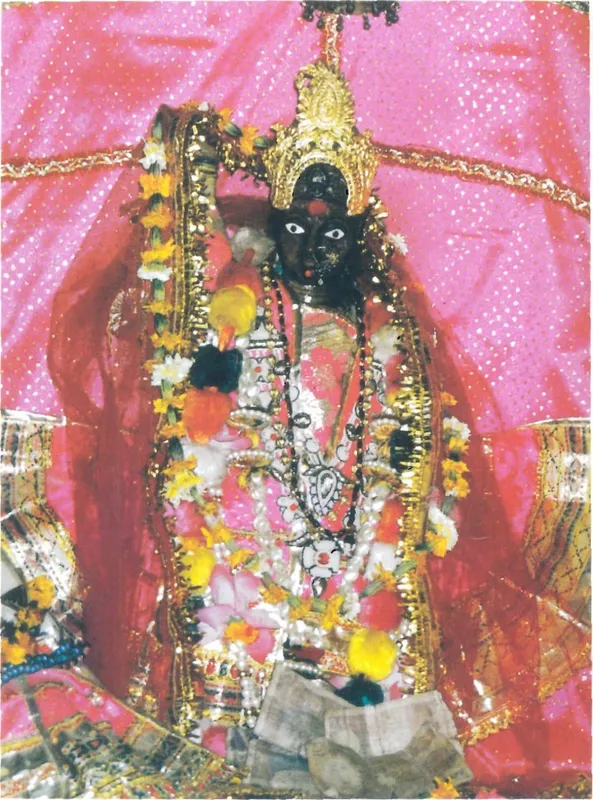
The Color Guide to Vṛndāvana (2000) says that the Yamunā has flowed past Keśī-ghāṭa since ancient times while many other ghāṭas of the town are now dry, so that most pilgrims bathe here.[78] The same guide and Vṛndāvana, the Playground of God (2010) describe an ārati, the offering of lamps, to Yamunā-devī every evening, and a Deity of Yamunā-devī at the ghāṭa.[55 +4]
The guidebooks place Bhramara-ghāṭa between Keśī-ghāṭa and Cīra-ghāṭa, and Dhīra-samīra near Keśī-ghāṭa to the east.[2 +7]
Location
| Where it is | a little east of Cīra-ghāṭa on the Yamunā bank; map label[88] north of Bhramara-ghāṭa in the north-western part of Śrī Vṛndāvana[89] |
|---|
Places at Keśī-ghāṭa
1 places
Nearby places
Cīra-ghāṭa (Vṛndāvana) · Bhramara-ghāṭa · Dhīra-samīra · Yugala-kiśora Mandira (Keśī-ghāṭa)
Pictures
5 pictures
History
The Bengali Vṛndāvana-kathā (1920) names the builder of the ghāṭa as Lachmī Rāṇī of Bharatpur, and F. S. Growse's list of 1883 gives the same name. Neither gives a date, and no inscription has been found.[61 +3] The Color Guide to Vṛndāvana (2000) counts it among the town's red-sandstone ghāṭas and gives the builder as a queen of Bharatpur, which is not certain, as it names no source or date; and Śrīla Prabhupāda's letters show that the Bharatpur ruling family owned a temple and a palace at the ghāṭa in 1970–72.[3 +5]
According to Vṛndāvana, the Playground of God (2010), at the end of the nineteenth century a Bengali lady, known as Pisimā, brought Śrīla Murāri Gupta's Gaura-Nitāi Deities to Vṛndāvana by boat; the book gives no source, so this local tradition is not certain. On landing at Keśī-ghāṭa she met a lady and her niece who had just built a temple and were looking for Deities to install; the book identifies their temple, at the western end of Loī-bāzār, as Śrīla Murāri Gupta's Gaura-Nitāi Mandira. It gives no exact date.[69]
Where the sources differ
When and where Keśī was killed
Accounts differ When and where Keśī was killed
- Śrīmad-Bhāgavatam 10.36–37Kaṁsa sends Keśī after Nārada's visit (after the Ariṣṭa killing, just before Akrūra's mission); Keśī terrifies Kṛṣṇa's Gokula; no place named.
- Harivaṁśa 67; Viṣṇu Purāṇa 5.16; Garga-saṁhitā 5.2Keśī comes to Vṛndāvana (Garga: the fight is in the courtyards of Vraja).
- Varāha Purāṇa 156.10–13There is a tīrtha 'in Vṛndāvana, where Keśī was felled': Keśī-tīrtha.
- Gopāla-campū Pūrva 32Vraja then lived from Nandīśvara hill onward; Keśī backed away to open ground reaching the Yamunā; afterwards all bathed at the ghāṭa now called Keśī-tīrtha.
The wording of these accounts is our summary of the sources, not a published translation.
Accounts differ Where Keśī was killed: the Canto 10 commentators' positions
- Śrīmad-Bhāgavatam 10.37.1–8, 10.37.25Keśī terrified Kṛṣṇa's Gokula; Kṛṣṇa went forward to meet him and killed him; afterwards He went on tending the cows; no place is named
- Śrīla Sanātana Gosvāmī on ŚB 10.37.2Keśī came in the morning during the cow-grazing within Vṛndāvana and was killed on the Yamunā bank north of Śrī Govindadeva
- Śrīla Jīva Gosvāmī (Laghu-vaiṣṇava-toṣaṇī) on ŚB 10.37.1–2; Vaṁśīdhara on ŚB 10.37.2Keśī went to Nanda's Vraja (Jīva, like Viśvanātha, supplies this on 10.37.1; Vaṁśīdhara does not); Kṛṣṇa put the frightened people behind Him and went out by the way to the Yamunā to meet Keśī; the ghāṭa north of Śrī Govinda's place is well known as Keśi-ghaṭṭa
- Śrīla Sanātana Gosvāmī on ŚB 10.37.25, on the Viṣṇu Purāṇa and the Harivaṁśain their view Keśī was killed near the Vraja settlement (so gopīs and gopa women saw it and praised Kṛṣṇa)
Accounts differ What Keśī-tīrtha commemorates: the killing itself, or Kṛṣṇa's bath and hand-washing afterwards
- Śrīla Jīva Gosvāmī (Laghu-vaiṣṇava-toṣaṇī), Vaṁśīdhara and Śrīla Sanātana Gosvāmī on ŚB 10.37.2, with the Ādi-varāha as quoted in Śrīla Rūpa Gosvāmī's Mathurā-māhātmya v.386the place where Keśī was felled; Jīva and Vaṁśīdhara tie the name Keśi-ghaṭṭa to the killing
- Śrīla Jīva Gosvāmī, Gopāla-campū Pūrva 32after the killing on open ground they all went with Kṛṣṇa to a Yamunā ghāṭa and bathed; that ghāṭa is known as Keśī-tīrtha
- Śrīla Raghunātha dāsa Gosvāmī, Vraja-vilāsa-stava 85; Bhakti-ratnākara (Fifth Wave)Keśī-tīrtha is where Kṛṣṇa washed His blood-stained hands after killing Keśī
- Śrīmad-Bhāgavatam 10.37.5–8, 10.37.25; Kṛṣṇa book ch. 37no bath or washing is told: the demigods showered flowers, and Kṛṣṇa went back to tending the cows
Accounts differ Whom Keśī attacked first
- Śrīmad-Bhāgavatam 10.37.3Keśī rushed at Kṛṣṇa and tried to strike 'the lotus-eyed Lord' with his (front) legs.
- Garga-saṁhitā 5.2.5Keśī struck Hari Himself, with his hind legs (paścima-pādābhyām).
- Śrī Vraja-maṇḍala Parikramā (2007) (no source given)Keśī, told by Kaṁsa to kill whoever wore the peacock feather and yellow cloth, attacked Madhumaṅgala dressed as Kṛṣṇa with his hind legs; Kṛṣṇa came to save him.
Accounts differ Whether Keśī-ghāṭa lies east of Cīra-ghāṭa or north beyond Bhramara-ghāṭa: Śrī Vraja-maṇḍala Parikramā (2007) gives both.
- Śrī Vraja-maṇḍala Parikramā (2007), Keśī-ghāṭa sectionKeśī-ghāṭa 'lies a little east of Cīra-ghāṭa on the bank of the Yamunā'.
- Śrī Vraja-maṇḍala Parikramā (2007), list of ghāṭasBhramara-ghāṭa 'is located north of Cīra-ghāṭa'; Keśī-ghāṭa 'is situated north of Bhramara-ghāṭa in the north-western part of Śrī Vṛndāvana'.
- Vṛndāvana, the Playground of God (2010)Bhramara-ghāṭa is 'more or less midway between Cīra-ghāṭa and the larger Keśi-ghāṭa'; Keśi-ghāṭa is 'very close by' Cīra-ghāṭa (no direction).
More on this place
How Kṛṣṇa killed the horse demon Keśī
References
89 references
- Śrī Vraja-maṇḍala Parikramā (2007), PDF p. 312
- Śrī Vraja-maṇḍala Parikramā (2007), PDF p. 343
- The Color Guide to Vṛndāvana (2000), Written and Photographed by Rājaśekhara dāsa Brahmacārī, PDF p. 31
- Vṛndāvana, the Playground of God (2010), Bhakti Caitanya Svāmī, PDF p. 178
- Varāha Purāṇa, adhyāya 156, verses 10–13, Sanskrit Wikisource
- Śrīla Jīva Gosvāmī: commentary Śrīla Jīva Gosvāmī, Laghu-vaiṣṇava-toṣaṇī, on ŚB 10.37.2, Bhagavata Vidya Pith edition, ed. Bhagavata Rishi and Krishna Shankar Shastri, 1996
- Śrīla Rūpa Gosvāmī, Mathurā-māhātmya v.386, quoting the Ādi-varāha
- Śrīla Raghunātha dāsa Gosvāmī, Vraja-vilāsa-stava, verse 85 (verse 84 in notes)
- Vṛndāvana-Dhāma Ki Jaya! (c. 1986), by Dhruva Mahārāja dāsa, PDF p. 73
- Śrīla Kṛṣṇadāsa Kavirāja Gosvāmī, Śrī Caitanya-caritāmṛta, Madhya-līlā 18.72, online edition · vedabase.io
- Śrīla Kṛṣṇadāsa Kavirāja Gosvāmī, Śrī Caitanya-caritāmṛta, Madhya-līlā 18.74, online edition · vedabase.io
- Śrīla Prabhupāda, Śrīmad-Bhāgavatam, Canto 1, Introduction, Introduction (life of Śrī Caitanya Mahāprabhu) · vedabase.io
- Śrīla Prabhupāda, Śrī Caitanya-caritāmṛta, Madhya-līlā 18, chapter summary (given, as the page says, by Śrīla Bhaktivinoda Ṭhākura in his Amṛta-pravāha-bhāṣya) · vedabase.io
- Śrīla Prabhupāda, Room Conversation, Vṛndāvana, 20 November 1976 · vedabase.io
- Śrīla Prabhupāda, Lecture [Intro by Dr. Kapoor], Vṛndāvana, 15 October 1972 · vedabase.io
- Śrīla Prabhupāda, Letter to: Visitors' Book, letter 60-09-18 (entry in the visitors' book of the Rādhā-Kṛṣṇa temple, Chippiwada, Delhi), 18 September 1960 · vedabase.io
- Satsvarūpa dāsa Gosvāmī, Śrīla Prabhupāda-līlāmṛta, vol. 1, ch. 9 · vedabase.io
- The Color Guide to Vṛndāvana (2000), Written and Photographed by Rājaśekhara dāsa Brahmacārī, PDF p. 117
- Śrīla Prabhupāda, Room Conversation, Vṛndāvana, 3 October 1976 · vedabase.io
- Nārada Purāṇa, उत्तरार्धः/अध्यायः 80 v.80-65–66 (Uttara-bhāga, chapter 80, verses 65–66)
Show all 89 references
- Padma Purāṇa, Pātāla-khaṇḍa, adhyāya 83, verses 12–15, Sanskrit Wikisource
- Śrīla Rūpa Gosvāmī, Bhakti-rasāmṛta-sindhu, 1.2.239, GRETIL
- Śrīla Prabhupāda, Śrī Caitanya-caritāmṛta, Ādi-līlā 5.224, purport · vedabase.io
- Śrīla Prabhupāda, The Nectar of Devotion, Chapter 13 'Five Potent Forms of Devotional Service' · vedabase.io
- Śrīla Prabhupāda, Lecture on Śrīmad-Bhāgavatam 7.9.9, Montreal, 4 July 1968 · vedabase.io
- Vṛndāvana, the Playground of God (2010), Bhakti Caitanya Svāmī, PDF p. 36
- Śrī Vraja-maṇḍala Parikramā (2007), PDF p. 325
- Śrīla Rūpa Gosvāmī, Vidagdha-mādhava, Act 1, prologue after v.2 veṇu-nāda-vilāsaḥ after v.2')
- Śrīla Nārāyaṇa Bhaṭṭa, Vraja-bhakti-vilāsa, Vṛndāvana section, printed p. 51, 1st ed., publ. Bābā Kṛṣṇadāsa, Kusuma-sarovara, Saṁvat 2008
- Śrīla Nārāyaṇa Bhaṭṭa, Vraja-bhakti-vilāsa, v.72, printed p. 227, 1st ed., publ. Bābā Kṛṣṇadāsa, Kusuma-sarovara, Saṁvat 2008
- Śrīmad-Bhāgavatam 10.37.1–2, GRETIL
- Śrīmad-Bhāgavatam 10.37.3–4, GRETIL
- Śrīla Prabhupāda, Kṛṣṇa, the Supreme Personality of Godhead, Chapter 37 'Killing the Keśī Demon and Vyomāsura' · vedabase.io
- Śrīmad-Bhāgavatam 10.37.5–8, GRETIL
- Śrīmad-Bhāgavatam 10.37.25, GRETIL
- Śrīla Prabhupāda, Kṛṣṇa, the Supreme Personality of Godhead (Kṛṣṇa book), Chapter 37, 'Killing the Keśī Demon and Vyomāsura' · vedabase.io
- Harivaṁśa, 67.4–7, GRETIL
- Viṣṇu Purāṇa, 5.16.1, GRETIL
- Śrīla Prabhupāda, Lecture on Bhagavad-gītā 13.1–2, Bombay, 24 September 1973 · vedabase.io
- Śrīla Jīva Gosvāmī, Gopāla-campū, Pūrva-campū, pūraṇa 32 (keśi-dhvaṃsana-śaṃsana), section 23, GRETIL
- Śrīla Sanātana Gosvāmī: commentary Śrīla Sanātana Gosvāmī, Bṛhad-vaiṣṇava-toṣaṇī, on ŚB 10.37.2, Bhagavata Vidya Pith edition, ed. Bhagavata Rishi and Krishna Shankar Shastri, 1996
- Śrīla Jīva Gosvāmī, Gopāla-campū, Pūrva-campū 32, Jīva Gosvāmī's paras [9], [20], [23]; the bath sentence is the second '[23]' of para 3136, GRETIL
- Śrīla Viśvanātha Cakravartī Ṭhākura: commentary on ŚB 10.38.1–2, opening verses, Bhagavata Vidya Pith edition, ed. Bhagavata Rishi and Krishna Shankar Shastri, 1996
- Śrīdhara Svāmī: commentary Śrīla Śrīdhara Svāmī, Bhāvārtha-dīpikā, on ŚB 10.37.26-27, Bhagavata Vidya Pith edition, ed. Bhagavata Rishi and Krishna Shankar Shastri, 1996
- Garga-saṁhitā, Mathurā-khaṇḍa (5) 2.1–3, Sanskrit Wikisource
- Śrīla Sanātana Gosvāmī: commentary Śrīla Sanātana Gosvāmī, Bṛhad-vaiṣṇava-toṣaṇī, on ŚB 10.37.25, Bhagavata Vidya Pith edition, ed. Bhagavata Rishi and Krishna Shankar Shastri, 1996
- Vṛndāvana, the Playground of God (2010), Bhakti Caitanya Svāmī, PDF p. 177
- The Color Guide to Vṛndāvana (2000), Written and Photographed by Rājaśekhara dāsa Brahmacārī, PDF p. 102
- Śrīla Narahari Cakravartī, Bhakti-ratnākara, Fifth Wave, printed pp. 325–326 (1912 edition), 2nd ed., 1912
- Śrī Śrī Bhaktamāla grantha, mālā 26 (Vṛndāvana-mahimā-varṇana), printed p. 349, left column
- Śrīmad-Bhāgavatam 10.33.2, GRETIL
- Śrīla Prabhupāda, Kṛṣṇa, the Supreme Personality of Godhead (Kṛṣṇa book), Chapter 33, 'Description of the Rāsa Dance' · vedabase.io
- Śrīla Kṛṣṇadāsa Kavirāja Gosvāmī, Śrī Caitanya-caritāmṛta, Madhya-līlā 5.14, online edition · vedabase.io
- Śrīla Kṛṣṇadāsa Kavirāja Gosvāmī, Śrī Caitanya-caritāmṛta, CC Madhya-līlā 18.83, online edition · vedabase.io
- The Color Guide to Vṛndāvana (2000), Written and Photographed by Rājaśekhara dāsa Brahmacārī, PDF p. 119
- The Color Guide to Vṛndāvana (2000), Written and Photographed by Rājaśekhara dāsa Brahmacārī, PDF p. 122
- Vṛndāvana-Dhāma Ki Jaya! (c. 1986), by Dhruva Mahārāja dāsa, PDF p. 71
- the undated parikramā notes Vṛndāvana, ¶226, ¶229
- Vṛndāvana-kathā, ch. 14, printed pp. 169–170, text and footnote
- Śrī Śrī Bhaktamāla grantha of Kṛṣṇadāsa, life of Jayadeva, printed p. 147, left-hand column
- Vṛndāvana-kathā, ch. 23, list of Vṛndāvana's ghāṭas, printed p. 276
- A. W. Entwistle, ch. 8 §66.34 'Keshi Ghat', printed p. 414, Egbert Forsten, Groningen, 1987
- A. W. Entwistle, ch. 8 §66 'Vrindaban' (sources line and introduction), printed p. 400, Egbert Forsten, Groningen, 1987
- Mathurá (1883), F. S. Growse, B.C.S., M.A. Oxon., C.I.E. (as the title page gives him, p. 270
- Śrīla Prabhupāda, Letter to: Gurudasa, letter 1970-11-07 · vedabase.io
- Śrīla Prabhupāda, Letter to: Rupanuga, letter 1972-10-24 · vedabase.io
- Śrīla Prabhupāda, Room Conversation, Bhubaneswar, 19 January 1977 · vedabase.io
- Mathurá (1883), F. S. Growse, B.C.S., M.A. Oxon., C.I.E. (as the title page gives him, p. 264
- Vṛndāvana, the Playground of God (2010), Bhakti Caitanya Svāmī, PDF p. 158
- Śrī Vraja-maṇḍala Parikramā (2007), PDF p. 345
- Vṛndāvana, the Playground of God (2010), Bhakti Caitanya Svāmī, PDF p. 176
- Satsvarūpa dāsa Gosvāmī, Śrīla Prabhupāda-līlāmṛta, vol. 1, ch. 10 · vedabase.io
- Śrīla Prabhupāda, Letter to: Gosainji, letter 68-05-17, 17 May 1968 · vedabase.io
- Śrīla Prabhupāda, Room Conversation with Sannyāsīs, Vṛndāvana, 15 March 1974 · vedabase.io
- Bandhu Sange Yadi Tava Ranga (Bhaktivinoda Ṭhākura (as the song book credits it)) · song book
- Jaya Rādhe Jaya Kṛṣṇa Jaya Vṛndāvana (Śrī Vraja-dhāma-mahimāmṛta) (Kṛṣṇa dāsa (as the song book credits it)) · song book
- Śrīla Prabhupāda, Jaya Rādhe Jaya Kṛṣṇa (recording), Los Angeles, 25 September 1972 · vedabase.io
- The Color Guide to Vṛndāvana (2000), Written and Photographed by Rājaśekhara dāsa Brahmacārī, PDF p. 29
- The Color Guide to Vṛndāvana (2000), Written and Photographed by Rājaśekhara dāsa Brahmacārī, PDF p. 28
- Vṛndāvana, the Playground of God (2010), Bhakti Caitanya Svāmī, PDF p. 180
- Vṛndāvana, the Playground of God (2010), Bhakti Caitanya Svāmī, PDF p. 181
- the undated parikramā notes Vṛndāvana, ¶226
- Śrī Vraja-maṇḍala Parikramā (2007), PDF p. 298
- Pulinbihārī Datta, ch. 19 (ūnaviṁśa pariccheda), section on Sawai Jai Singh of Jaipur, printed p. 221
- Śrī Vraja-maṇḍala Parikramā (2007), PDF p. 316
- Vṛndāvana, the Playground of God (2010), Bhakti Caitanya Svāmī, PDF p. 220
- The Color Guide to Vṛndāvana (2000), Written and Photographed by Rājaśekhara dāsa Brahmacārī, PDF p. 130
- Śrī Vraja-maṇḍala Parikramā (2007), p. 598-599
- Śrī Vraja-maṇḍala Parikramā (2007), p. 660-661