How Kṛṣṇa killed the horse demon Keśī
कृष्ण ने अश्वासुर केशी का वध कैसे किया
In short
Kṛṣṇa killed Keśī, a demon sent by Kaṁsa in the form of a huge horse. He pushed His arm into the horse's mouth until the demon choked (Śrīmad-Bhāgavatam 10.37). The commentators place the fight on the Yamunā bank, north of Śrī Govinda's place, at the bathing place Keśī-ghāṭa (Keshi Ghat, Vrindavan). Because of this victory Kṛṣṇa is called Keśava.[1–9]
On this page
At a glance
- Scripture: Śrīmad-Bhāgavatam 10.37.1–8 and 10.37.25, in the translation of Śrīla Prabhupāda's disciples, and Śrīla Prabhupāda's Kṛṣṇa book, chapter 37.[1 +4]
- Who sent him: Kaṁsa. Keśī came to Vraja as a great horse and filled Kṛṣṇa's Gokula with fear.[1]
- How he died: Kṛṣṇa's left arm grew inside his mouth until his breath stopped, and he fell dead.[1 +4]
- The name Keśava: in the Harivaṁśa and the Viṣṇu Purāṇa, two old scriptures, Nārada says that Kṛṣṇa will be known as Keśava because He killed Keśī.[7–9]
- The place: the Bhāgavatam names none. Śrīla Jīva Gosvāmī and Śrīla Sanātana Gosvāmī place it on the Yamunā bank north of Śrī Govinda.[5, 6]
- The day: the morning of a dvādaśī (the twelfth day of the moon's fortnight), according to Śrīdhara Svāmī. The killing of the demon Vyoma followed, and Akrūra arrived that evening.[10–13]
Who sent Keśī, and how did he come?
Kaṁsa sent him. The Bhāgavatam describes how the horse demon arrived in Vraja:[1]
keśī tu kaṃsa-prahitaḥ khurair mahīṃ
mahā-hayo nirjarayan mano-javaḥ
… saṭāvadhūtābhra-vimāna-saṅkulaṃ
kurvan nabho heṣita-bhīṣitākhilaḥ
taṃ trāsayantaṃ bhagavān sva-gokulaṃ
tad-dheṣitair vāla-vighūrṇitāmbudam
… ātmānam ājau mṛgayantam agra-ṇīr
upāhvayat sa vyanadan mṛgendra-vat
Śukadeva Gosvāmī said: The demon Keśī, sent by Kaṁsa, appeared in Vraja as a great horse. Running with the speed of the mind, he tore up the earth with his hooves. The hairs of his mane scattered the clouds and the demigods’ airplanes throughout the sky, and he terrified everyone present with his loud neighing.
Translation: Śrīla Prabhupāda's disciples (BBT)Śrīla Prabhupāda tells the same story in his Kṛṣṇa book:
General teaching (does not name the place)“He entered the area of Vṛndāvana with the speed of the mind, his great mane flying and his hooves digging up the earth. He began to whinny and terrify the whole forest.”
Śrīla Prabhupāda, Kṛṣṇa, the Supreme Personality of Godhead, Chapter 37 'Killing the Keśī Demon and Vyomāsura' · vedabase.io
The Harivaṁśa, the Viṣṇu Purāṇa and the Garga-saṁhitā also say that Keśī came to Vṛndāvana to attack. The Harivaṁśa adds that he troubled the cowherds and killed their cows and men (summarised here, not translated).[7 +2]
Śrīla Prabhupāda's Nectar of Devotion shows two moments of fear in Kṛṣṇa's home. Mother Yaśodā told Nanda Mahārāja that their restless child had better be kept locked up in the house. Nanda Mahārāja told her that her son, as delicate as a mallikā (jasmine) flower, had gone to kill a demon as strong as a mountain.[15, 16]
How did Kṛṣṇa kill Keśī?
Keśī saw Kṛṣṇa standing before him and rushed at Him in rage. His mouth gaped as if to swallow the sky, and he tried to strike Kṛṣṇa with his front legs.[2]
sa taṃ niśāmyābhimukho makhena khaṃ
pibann ivābhyadravad aty-amarṣaṇaḥ
… jaghāna padbhyām aravinda-locanaṃ
durāsadaś caṇḍa-javo duratyayaḥ
tad vañcayitvā tam adhokṣajo ruṣā pragṛhya dorbhyāṃ parividhya pādayoḥ / sāvajñam utsṛjya dhanuḥ-śatāntare yathoragaṃ tārkṣya-suto vyavasthitaḥ
Seeing the Lord standing before him, Keśī ran toward Him in extreme rage, his mouth gaping as if to swallow up the sky. Rushing with furious speed, the unconquerable and unapproachable horse demon tried to strike the lotus-eyed Lord with his two front legs.
Translation: Śrīla Prabhupāda's disciples (BBT)Kṛṣṇa dodged, caught him by the legs, whirled him round and threw him a hundred bow-lengths away. When the demon came to his senses, he got up and rushed at Kṛṣṇa again with his mouth wide open.[2, 4] Then, the Bhāgavatam says, the Lord smiled:
saḥ labdha-saṃjñaḥ punar utthito ruṣā
vyādāya keśī tarasāpatad dharim
amp;so 'py asya vaktre bhujam uttaraṃ smayan
praveśayām āsa yathoragaṃ bile
dantā nipetur bhagavad-bhuja-spṛśas
te keśinas tapta-maya-spṛśo yathā
… bāhuś ca tad-deha-gato mahātmano
yathāmayaḥ saṃvavṛdhe upekṣitaḥ
samedhamānena sa kṛṣṇa-bāhunā niruddha-vāyuś caraṇāṃś ca vikṣipan / prasvinna-gātraḥ parivṛtta-locanaḥ papāta laṇḍaṃ visṛjan kṣitau vyasuḥ
tad-dehataḥ karkaṭikā-phalopamād vyasor apākṛṣya bhujaṃ mahā-bhujaḥ / avismito 'yatna-hatārikaḥ suraiḥ prasūna-varṣair varṣadbhir īḍitaḥ
Upon regaining consciousness Keśī angrily got up, opened his mouth wide and again rushed to attack Lord Kṛṣṇa. But the Lord just smiled and thrust His left arm into the horse’s mouth as easily as one would make a snake enter a hole in the ground.
Translation: Śrīla Prabhupāda's disciples (BBT)At the touch of Kṛṣṇa's arm, Keśī's teeth fell out. The arm grew inside his body until his breath was blocked, and he fell dead. Kṛṣṇa drew out His arm without any pride, and the demigods worshipped Him with showers of flowers.[1 +4] Śrīla Prabhupāda paints the scene in his own words:
General teaching (does not name the place)“As soon as Keśī reached Him, Kṛṣṇa pushed His left arm within the horse’s mouth, and it looked as though a big snake had entered a hole in a field.”
Śrīla Prabhupāda, Kṛṣṇa, the Supreme Personality of Godhead (Kṛṣṇa book), Chapter 37, 'Killing the Keśī Demon and Vyomāsura' · vedabase.io
The Harivaṁśa adds a picture of its own. Kṛṣṇa's arm, wounded by Keśī's teeth, shone like an old palm tree in the forest marked by an elephant's tusks (summarised here, not translated).[7] Kaṁsa's reaction appears in The Nectar of Devotion:
General teaching (does not name the place)When the Keśī demon was assassinated by Kṛṣṇa, Kaṁsa became hopeless. He said, “Keśī-daitya was as dear to me as my own life, but he has been killed by some cowherd boy who is crude, uneducated and ignorant in fighting. Even though I have defeated the king of heaven without difficulty, still I do not know the value of life.”
Śrīla Prabhupāda, The Nectar of Devotion, Chapter 31 · vedabase.io
Why is Kṛṣṇa called Keśava?
The Harivaṁśa and the Viṣṇu Purāṇa give the name in the words of Nārada. Because Kṛṣṇa killed Keśī, He would be known in the world as Keśava.[7–9] Śrīla Prabhupāda said the same in a lecture in Bombay in 1973, and he linked the name with the ghāṭa:
Names this place“You know, in Vṛndāvana, there is Keśi-ghāṭa. That Keśi-ghāṭa is famous because Kṛṣṇa killed one asura of the name Keśi. He appeared in Vṛndāvana as a ferocious horse, and Kṛṣṇa killed him. Since then, His name is Keśava.”
Śrīla Prabhupāda, Lecture on Bhagavad-gītā 13.1–2, Bombay, 24 September 1973 · vedabase.io
After the killing, the Bhāgavatam tells, Nārada came to Kṛṣṇa in a quiet place and praised Him. Then Kṛṣṇa went on tending the cows with His happy friends and brought joy to Vraja.[1 +4]
bhagavān api govindo hatvā keśinam āhave / paśūn apālayat pālaiḥ prītair vraja-sukhāvahaḥ
After killing the demon Keśī in battle, the Supreme Personality of Godhead continued to tend the cows and other animals in the company of His joyful cowherd boyfriends. Thus He brought happiness to all the residents of Vṛndāvana.
Translation: Śrīla Prabhupāda's disciples (BBT)Śrīla Prabhupāda adds in the Kṛṣṇa book that Kṛṣṇa went back to tending the cows with His friends as though nothing had happened.[11]
Where did Kṛṣṇa kill Keśī?
The Bhāgavatam names no ghāṭa (bathing steps on the river) or riverbank for the fight.[1 +5] The commentators on the Tenth Canto, the great teachers who explained the Bhāgavatam verse by verse, do name it (summarised here, not translated). Śrīla Jīva Gosvāmī, on ŚB 10.37.2, says that Kṛṣṇa put the frightened people of the village behind Him. He went out along the way to the Yamunā and called Keśī to Himself. Śrīla Jīva Gosvāmī also gives the reason: a certain ghāṭa of the Yamunā, north of the place of Śrī Govinda, is well known as the tīrtha (holy bathing place) Keśī-ghāṭa.[5, 17] Śrīla Sanātana Gosvāmī says that Keśī came in the morning while the cows were being herded inside Vṛndāvana. Kṛṣṇa killed him on the Yamunā's bank north of Śrī Govindadeva.[10, 18]
Both of them quote the Varāha Purāṇa: the place where Keśī fell is a hundred times holier than the Gaṅgā.[5, 6] Śrīla Rūpa Gosvāmī's Mathurā-māhātmya quotes the same verse from the Ādi-varāha. It adds that offering piṇḍa (rice balls offered for one's ancestors) at Keśī-tīrtha gives the same result as offering it at Gayā.[17] The Nārada Purāṇa praises the tīrtha where Kṛṣṇa playfully killed Keśī in the form of a horse. It says that whoever bathes there reaches the abode of Viṣṇu.[19]
Other tellings set the fight in other places. Śrīla Sanātana Gosvāmī explains why the Viṣṇu Purāṇa and the Harivaṁśa have the gopīs (the cowherd girls) praise Kṛṣṇa afterwards: in their account Keśī was killed near the village.[18, 20] The Brahma-vaivarta Purāṇa puts the fight at Bhāṇḍīra, before the cowherds moved to Vṛndāvana (summarised here, not translated).[21] The accounts are set side by side below.[7 +2]
Keśī-ghāṭa, Keśī-tīrtha and Śrī Govinda
The same landmark, Śrī Govinda, appears in Śrīla Rūpa Gosvāmī's Bhakti-rasāmṛta-sindhu. It places the form of Hari (Kṛṣṇa) called Govinda near Keśī-tīrtha.[22–27] Śrīla Prabhupāda gives the verse in a purport (his explanation of a verse):
Names this place“One who is not satisfied with that so-called pleasure may seek the lotus feet of Govinda, who stands on the shore of the Yamunā at Keśītīrtha, or Keśīghāṭa, in Vṛndāvana”
Śrīla Prabhupāda, Śrī Caitanya-caritāmṛta, Ādi-līlā 5.224, purport · vedabase.io
The guidebooks say that Kṛṣṇa killed the horse demon at this ghāṭa. The Color Guide to Vṛndāvana (2000) adds that He bathed here afterwards.[28–33]
What happened at Keśī-tīrtha afterwards?
The Bhāgavatam tells of no bath and no washing of hands after the killing.[1 +4] The Gosvāmīs, Śrī Caitanya's leading followers in Vṛndāvana, and later books do. Śrīla Raghunātha dāsa Gosvāmī's Vraja-vilāsa-stava worships Keśī-tīrtha as the place where Kṛṣṇa washed His blood-stained hands. He had just split Keśī like a blade of grass.[34, 35] The Bhakti-ratnākara tells how Keśī-tīrtha was shown to Śrīla Śrīnivāsa Ācārya. It says that many Purāṇas tell the glory of the place, and that Kṛṣṇa killed Keśī there and happily washed His hands in the Yamunā.[36]
In his Gopāla-campū, Śrīla Jīva Gosvāmī tells that after Keśī's death everyone bathed with Kṛṣṇa at a ghāṭa of the Yamunā. In his day, he says, the best of pilgrims still knew it as Keśī-tīrtha. A little way upstream they rested at another ghāṭa. The elders called it Cena-ghaṭṭa and the people of his time Cīra-ghaṭṭa (today's Cīra-ghāṭa). In the speech of Mathurā, cena means the pleasure of rest (summarised here, not translated).[6 +4] The Bengali Bhaktamāla of 1905 says that at Keśī-ghāṭa Kṛṣṇa, after killing the demon, came down to the ghāṭa and cleaned His body.[41]
Nārāyaṇa Bhaṭṭa's Vraja-bhakti-vilāsa includes Keśī-ghāṭa in the walk around Vṛndāvana, after Kāliya-hrada and before Cīra-ghāṭa. It gives a prayer to say while bathing there, with obeisances to Keśava, who gave Keśī liberation.[42, 43]
On which day was Keśī killed?
The Bhāgavatam gives no date, but the commentators work out the day (summarised here, not translated). Śrīdhara Svāmī opens the next chapter with the order of events. Keśī was killed in the morning of the dvādaśī, and then Nārada left. After the killing of Vyoma, Akrūra reached Gokula in the evening.[10–13] Śrīla Viśvanātha Cakravartī Ṭhākura gives the same order and adds the month. On the ekādaśī (eleventh day) of the dark fortnight of Phālguna (February–March), Kaṁsa held his meeting, at which he sent Keśī and ordered Akrūra to go to Vraja.[10–13]
So two demons died on the same day. Śrīdhara Svāmī says that right after Keśī's death in the morning, Kṛṣṇa went back to herding the animals and killed Vyoma.[13] That pastime has its own article.[13] Read more: Where and when Kṛṣṇa killed Vyomāsura →
Keśī in the wider story of Vraja
The fear of Keśī reaches back into the family history of Nanda Mahārāja. Śrīla Viśvanātha Cakravartī Ṭhākura comments on Śrīla Kavi-karṇapūra's Ānanda-vṛndāvana-campū. He says that Nanda and the others lived at Bṛhadvana because Parjanya, Nanda's father, could not stay at Nandīśvara for fear of Keśī (summarised here, not translated).[44] Śrīla Jīva Gosvāmī's Gopāla-campū gives the fight its own map. Vraja then lived from Nandīśvara hill onward, and Keśī backed away to leave open ground as far as the Yamunā.[37]
In the Gosvāmīs' writings the tīrtha became a meeting place. In the Padma Purāṇa, Śiva tells Nārada that Vṛndā-devī, Govinda's attendant, lives with her friends near Keśī-tīrtha, and Nārada goes to meet her there.[45] Śrīla Rūpa Gosvāmī opens his play Vidagdha-mādhava with a group of rasikas (devotees who relish Kṛṣṇa's pastimes) from many lands. They have gathered near Keśī-tīrtha, eager to see Vṛndāvana.[46]
A devotional reading of the pastime is also reported. Vṛndāvana, the Playground of God (2010) says that Śrīla Bhaktivinoda Ṭhākura took Keśī as a picture of a devotee's pride. After a little progress, such a devotee thinks himself better than others. This is probably drawn from a Sanskrit verse credited to him in the song book, which speaks of such a person disrespecting the killer of Keśī.[47, 48]
Keśī-ghāṭa as the books describe it
The guidebooks of 2000 and 2010 describe Keśī-ghāṭa as Vṛndāvana's best-known bathing place, where an evening ārati (worship with lamps) is offered to Yamunā-devī.[30 +4] The Color Guide to Vṛndāvana (2000) says that the Yamunā has flowed at Keśī-ghāṭa since ancient times, while many other ghāṭas of Vṛndāvana are now dry. That, it says, is why most pilgrims bathe here.[52] The Bengali Vṛndāvana-kathā (1920) names Lachmī Rāṇī of Bharatpur as the builder of the ghāṭa, without a date.[53]
The Caitanya-caritāmṛta tells that Śrī Caitanya Mahāprabhu came to Keśī-tīrtha from Dvādaśāditya. When He saw the place of the rāsa dance, Kṛṣṇa's circle dance with the gopīs, He lost consciousness in ecstatic love.[54–57] It also mentions pilgrims bathing at Keśī-tīrtha.[58, 59] Śrīla Prabhupāda himself lived at Keśī-ghāṭa before he moved to the Rādhā-Dāmodara temple.[60–65] Read more: Śrīla Prabhupāda at the Rādhā-Dāmodara temple →
Where the sources differ
The Bhāgavatam, the Purāṇas, the Bengali life stories of Śrī Caitanya and the guidebooks tell differently when and where Keśī was killed. Śrīla Murāri Gupta and Śrīla Locana dāsa Ṭhākura, for example, set the killing at the Picchala hill in Kāmyavana.[7 +4]
Accounts differ When and where Keśī was killed
- Śrīmad-Bhāgavatam 10.36–37Kaṁsa sends Keśī after Nārada's visit (after the Ariṣṭa killing, just before Akrūra's mission); Keśī terrifies Kṛṣṇa's Gokula; no place named.
- Harivaṁśa 67; Viṣṇu Purāṇa 5.16; Garga-saṁhitā 5.2Keśī comes to Vṛndāvana (Garga: the fight is in the courtyards of Vraja).
- Varāha Purāṇa 156.10–13There is a tīrtha 'in Vṛndāvana, where Keśī was felled': Keśī-tīrtha.
- Gopāla-campū Pūrva 32Vraja then lived from Nandīśvara hill onward; Keśī backed away to open ground reaching the Yamunā; afterwards all bathed at the ghāṭa now called Keśī-tīrtha.
The wording of these accounts is our summary of the sources, not a published translation.
Here are the commentators' own views on the place, side by side.[5 +4]
Accounts differ Where Keśī was killed: the Canto 10 commentators' positions
- Śrīmad-Bhāgavatam 10.37.1–8, 10.37.25Keśī terrified Kṛṣṇa's Gokula; Kṛṣṇa went forward to meet him and killed him; afterwards He went on tending the cows; no place is named
- Śrīla Sanātana Gosvāmī on ŚB 10.37.2Keśī came in the morning during the cow-grazing within Vṛndāvana and was killed on the Yamunā bank north of Śrī Govindadeva
- Śrīla Jīva Gosvāmī (Laghu-vaiṣṇava-toṣaṇī) on ŚB 10.37.1–2; Vaṁśīdhara on ŚB 10.37.2Keśī went to Nanda's Vraja (Jīva, like Viśvanātha, supplies this on 10.37.1; Vaṁśīdhara does not); Kṛṣṇa put the frightened people behind Him and went out by the way to the Yamunā to meet Keśī; the ghāṭa north of Śrī Govinda's place is well known as Keśi-ghaṭṭa
- Śrīla Sanātana Gosvāmī on ŚB 10.37.25, on the Viṣṇu Purāṇa and the Harivaṁśain their view Keśī was killed near the Vraja settlement (so gopīs and gopa women saw it and praised Kṛṣṇa)
The sources also tell differently what Keśī-tīrtha remembers: the killing itself, or Kṛṣṇa's bath and the washing of His hands.[34 +4]
Accounts differ What Keśī-tīrtha commemorates: the killing itself, or Kṛṣṇa's bath and hand-washing afterwards
- Śrīla Jīva Gosvāmī (Laghu-vaiṣṇava-toṣaṇī), Vaṁśīdhara and Śrīla Sanātana Gosvāmī on ŚB 10.37.2, with the Ādi-varāha as quoted in Śrīla Rūpa Gosvāmī's Mathurā-māhātmya v.386the place where Keśī was felled; Jīva and Vaṁśīdhara tie the name Keśi-ghaṭṭa to the killing
- Śrīla Jīva Gosvāmī, Gopāla-campū Pūrva 32after the killing on open ground they all went with Kṛṣṇa to a Yamunā ghāṭa and bathed; that ghāṭa is known as Keśī-tīrtha
- Śrīla Raghunātha dāsa Gosvāmī, Vraja-vilāsa-stava 85; Bhakti-ratnākara (Fifth Wave)Keśī-tīrtha is where Kṛṣṇa washed His blood-stained hands after killing Keśī
- Śrīmad-Bhāgavatam 10.37.5–8, 10.37.25; Kṛṣṇa book ch. 37no bath or washing is told: the demigods showered flowers, and Kṛṣṇa went back to tending the cows
They also differ on whom Keśī attacked first. Śrī Vraja-maṇḍala Parikramā (2007) says that he attacked Madhumaṅgala dressed as Kṛṣṇa, which is not certain.[2 +2]
Accounts differ Whom Keśī attacked first
- Śrīmad-Bhāgavatam 10.37.3Keśī rushed at Kṛṣṇa and tried to strike 'the lotus-eyed Lord' with his (front) legs.
- Garga-saṁhitā 5.2.5Keśī struck Hari Himself, with his hind legs (paścima-pādābhyām).
- Śrī Vraja-maṇḍala Parikramā (2007) (no source given)Keśī, told by Kaṁsa to kill whoever wore the peacock feather and yellow cloth, attacked Madhumaṅgala dressed as Kṛṣṇa with his hind legs; Kṛṣṇa came to save him.
Places in this article
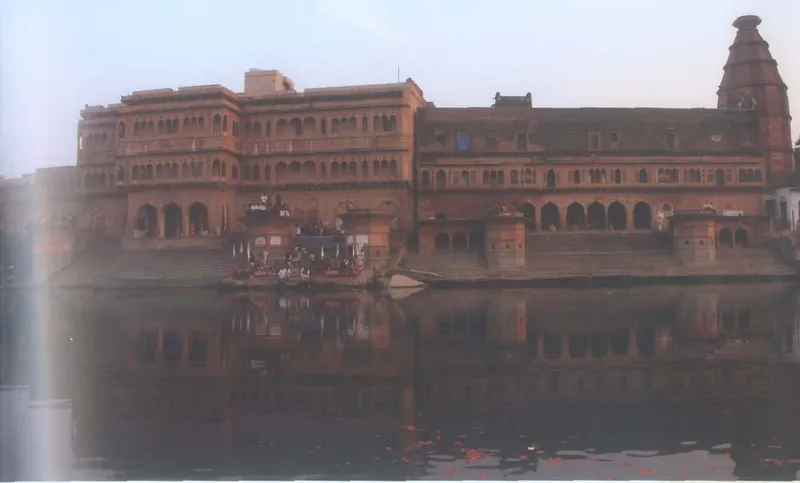
Keśī-ghāṭa
केशी-घाटKeśī-ghāṭa, also called Keśī-tīrtha, is a bathing place on the Yamunā in the north-west of Vṛndāvana, close to Cīra-ghāṭa.
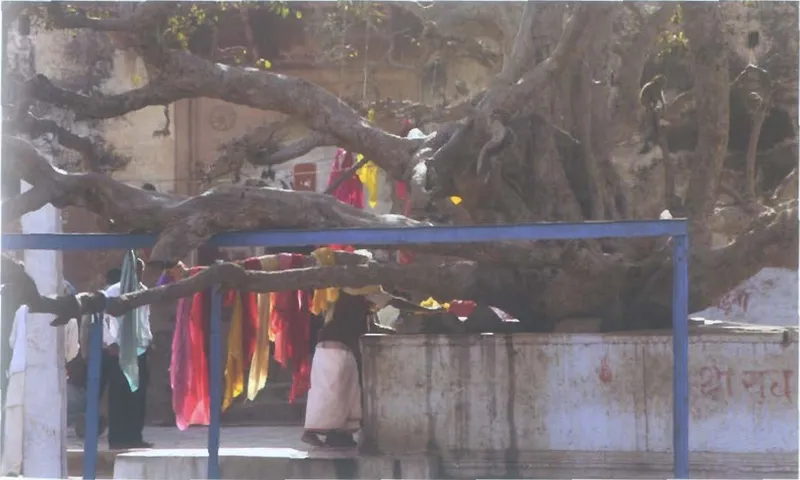
Cīra-ghāṭa (Vṛndāvana)
चीर-घाट (वृन्दावन)Cīra-ghāṭa is a bathing place on the Yamunā in Vṛndāvana, close to Keśī-ghāṭa.
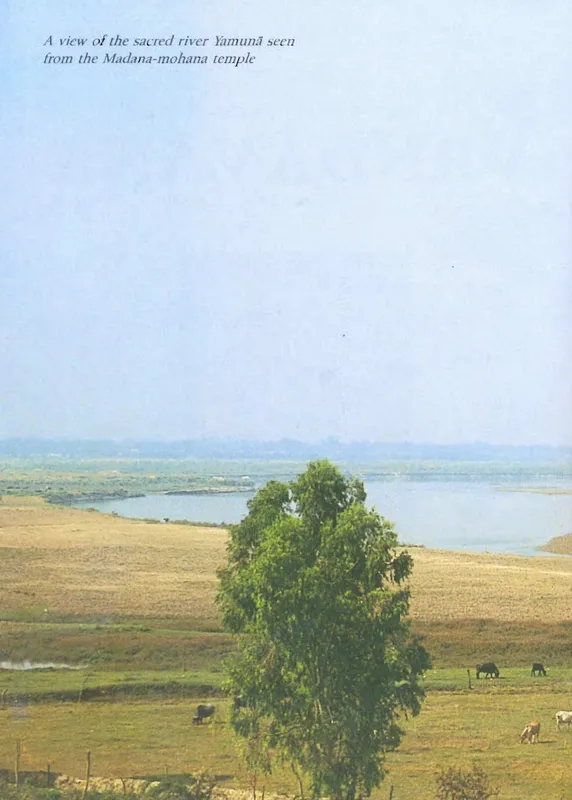
Yamunā
यमुनाThe Yamunā, also called the Kālindī, is the river that runs through Vraja-maṇḍala.
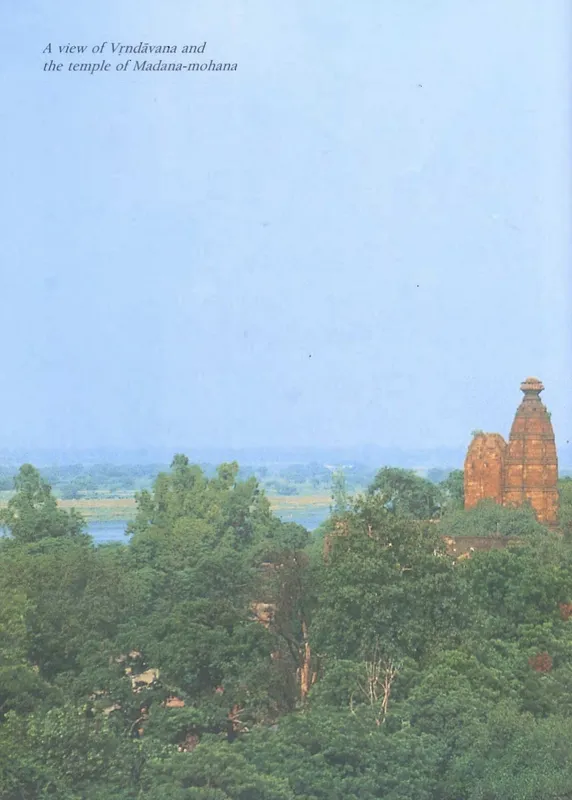
Vṛndāvana
वृन्दावनVṛndāvana is the forest on the bank of the Yamunā where Kṛṣṇa spent His childhood and youth, and the town of temples that stands in that forest today.
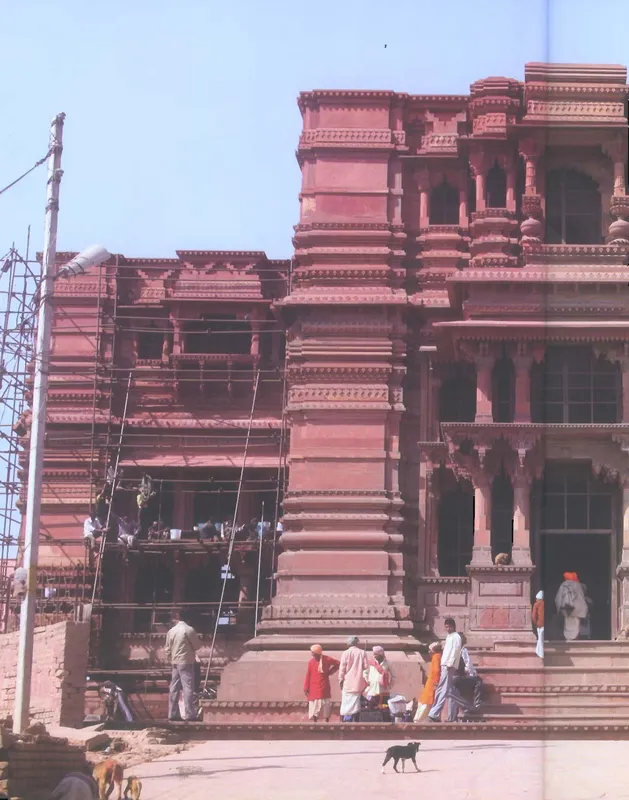
Rādhā-Govinda Mandira (Vṛndāvana, old)
राधा-गोविन्द मन्दिर (वृन्दावन, पुराना)The old Rādhā-Govinda Mandira is the great red-sandstone temple of Śrī Govindadeva in Vṛndāvana, built, as the guidebooks say, on top of Gomā-ṭīlā, a mound.
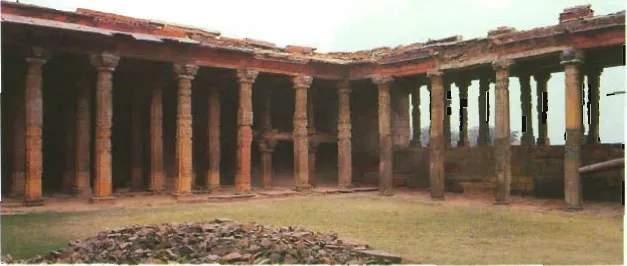
Kāmyavana
काम्यवनKāmyavana, also called Kāmavana, is one of the twelve forests of Vraja, around the town of Kāmā (Kāman).
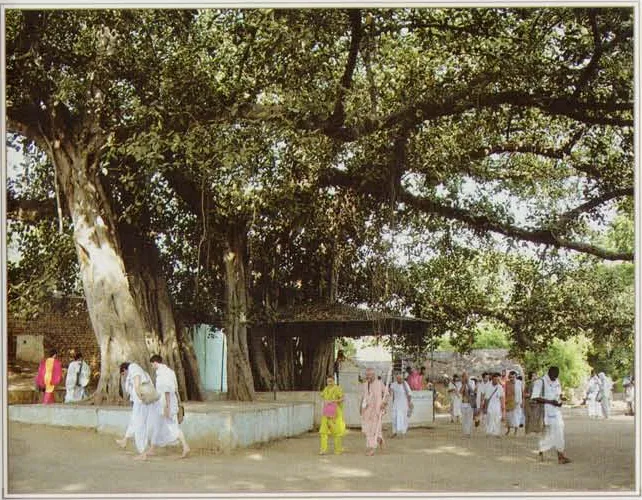
Bhāṇḍīravana
भाण्डीरवनBhāṇḍīravana, the forest of the Bhāṇḍīra banyan, is one of the twelve forests of Vraja, and Śrīla Prabhupāda counts it among the five forests on the eastern bank of the Y …
Questions and answers
The Bhāgavatam names no place. Śrīla Jīva Gosvāmī and Śrīla Sanātana Gosvāmī place it on the Yamunā bank north of Śrī Govinda's place, at the ghāṭa known as Keśī-ghāṭa in Vṛndāvana. Other texts give other places.[5 +2]
Because He killed Keśī. The Harivaṁśa and the Viṣṇu Purāṇa give the name in Nārada's words. Śrīla Prabhupāda said in 1973 that since then His name is Keśava.[7–9]
It is the holy bathing place on the Yamunā linked with Keśī's death. The Varāha Purāṇa, quoted by the Gosvāmīs, calls the place where Keśī fell a hundred times holier than the Gaṅgā.[5 +2]
According to Śrīdhara Svāmī, in the morning of a dvādaśī. Śrīla Viśvanātha Cakravartī Ṭhākura adds that Kaṁsa's meeting was on the ekādaśī of the dark fortnight of Phālguna. Vyoma was killed the same day.[10–13]
The Bhāgavatam does not say so. Śrīla Raghunātha dāsa Gosvāmī and the Bhakti-ratnākara say that He washed His hands there. Śrīla Jīva Gosvāmī's Gopāla-campū says that everyone bathed with Him at Keśī-tīrtha.[1 +9]
Kaṁsa. The Bhāgavatam says that the demon Keśī, sent by Kaṁsa, appeared in Vraja as a great horse.[1]
Sources
- Śrīmad-Bhāgavatam 10.37.1–2, GRETIL
- Śrīmad-Bhāgavatam 10.37.3–4, GRETIL
- Śrīla Prabhupāda, Kṛṣṇa, the Supreme Personality of Godhead, Chapter 37 'Killing the Keśī Demon and Vyomāsura' · vedabase.io
- Śrīmad-Bhāgavatam 10.37.5–8, GRETIL
- Śrīla Jīva Gosvāmī: commentary Śrīla Jīva Gosvāmī, Laghu-vaiṣṇava-toṣaṇī, on ŚB 10.37.2, Bhagavata Vidya Pith edition, ed. Bhagavata Rishi and Krishna Shankar Shastri, 1996
- Śrīla Jīva Gosvāmī, Gopāla-campū, Pūrva-campū, pūraṇa 32 (keśi-dhvaṃsana-śaṃsana), section 23, GRETIL
- Harivaṁśa, 67.4–7, GRETIL
- Viṣṇu Purāṇa, 5.16.1, GRETIL
- Śrīla Prabhupāda, Lecture on Bhagavad-gītā 13.1–2, Bombay, 24 September 1973 · vedabase.io
- Śrīmad-Bhāgavatam 10.37.25, GRETIL
- Śrīla Prabhupāda, Kṛṣṇa, the Supreme Personality of Godhead (Kṛṣṇa book), Chapter 37, 'Killing the Keśī Demon and Vyomāsura' · vedabase.io
- Śrīla Viśvanātha Cakravartī Ṭhākura: commentary on ŚB 10.38.1–2, opening verses, Bhagavata Vidya Pith edition, ed. Bhagavata Rishi and Krishna Shankar Shastri, 1996
- Śrīdhara Svāmī: commentary Śrīla Śrīdhara Svāmī, Bhāvārtha-dīpikā, on ŚB 10.37.26-27, Bhagavata Vidya Pith edition, ed. Bhagavata Rishi and Krishna Shankar Shastri, 1996
- Garga-saṁhitā, Mathurā-khaṇḍa (5) 2.1–3, Sanskrit Wikisource
- Śrīla Prabhupāda, The Nectar of Devotion, Chapter 48 (ecstasy of dread) · vedabase.io
- Śrīla Prabhupāda, The Nectar of Devotion, Chapter 50 · vedabase.io
- Śrīla Rūpa Gosvāmī, Mathurā-māhātmya v.386, quoting the Ādi-varāha
- Śrīla Sanātana Gosvāmī: commentary Śrīla Sanātana Gosvāmī, Bṛhad-vaiṣṇava-toṣaṇī, on ŚB 10.37.2, Bhagavata Vidya Pith edition, ed. Bhagavata Rishi and Krishna Shankar Shastri, 1996
- Nārada Purāṇa, उत्तरार्धः/अध्यायः 80 v.80-65–66 (Uttara-bhāga, chapter 80, verses 65–66)
- Śrīla Sanātana Gosvāmī: commentary Śrīla Sanātana Gosvāmī, Bṛhad-vaiṣṇava-toṣaṇī, on ŚB 10.37.25, Bhagavata Vidya Pith edition, ed. Bhagavata Rishi and Krishna Shankar Shastri, 1996
Show all 68 references
- Brahma-vaivarta Purāṇa, Kṛṣṇa-janma-khaṇḍa (4) 16.20–23, Sanskrit Wikisource
- Śrīla Rūpa Gosvāmī, Bhakti-rasāmṛta-sindhu, 1.2.239, GRETIL
- Śrīla Prabhupāda, Śrī Caitanya-caritāmṛta, Ādi-līlā 5.224, purport · vedabase.io
- Śrīla Prabhupāda, The Nectar of Devotion, Chapter 13 'Five Potent Forms of Devotional Service' · vedabase.io
- Śrīla Prabhupāda, Lecture on Śrīmad-Bhāgavatam 7.9.9, Montreal, 4 July 1968 · vedabase.io
- Vṛndāvana, the Playground of God (2010), Bhakti Caitanya Svāmī, PDF p. 36
- Śrī Vraja-maṇḍala Parikramā (2007), PDF p. 325
- Śrī Vraja-maṇḍala Parikramā (2007), PDF p. 312
- Vṛndāvana, the Playground of God (2010), Bhakti Caitanya Svāmī, PDF p. 178
- The Color Guide to Vṛndāvana (2000), Written and Photographed by Rājaśekhara dāsa Brahmacārī, PDF p. 119
- The Color Guide to Vṛndāvana (2000), Written and Photographed by Rājaśekhara dāsa Brahmacārī, PDF p. 122
- Vṛndāvana-Dhāma Ki Jaya! (c. 1986), by Dhruva Mahārāja dāsa, PDF p. 71
- the undated parikramā notes Vṛndāvana, ¶226, ¶229
- Śrīla Raghunātha dāsa Gosvāmī, Vraja-vilāsa-stava, verse 85 (verse 84 in notes)
- Vṛndāvana-Dhāma Ki Jaya! (c. 1986), by Dhruva Mahārāja dāsa, PDF p. 73
- Śrīla Narahari Cakravartī, Bhakti-ratnākara, Fifth Wave, printed pp. 325–326 (1912 edition), 2nd ed., 1912
- Śrīla Jīva Gosvāmī, Gopāla-campū, Pūrva-campū 32, Jīva Gosvāmī's paras [9], [20], [23]; the bath sentence is the second '[23]' of para 3136, GRETIL
- Śrī Vraja-maṇḍala Parikramā (2007), PDF p. 343
- Vṛndāvana, the Playground of God (2010), Bhakti Caitanya Svāmī, PDF p. 177
- The Color Guide to Vṛndāvana (2000), Written and Photographed by Rājaśekhara dāsa Brahmacārī, PDF p. 102
- Śrī Śrī Bhaktamāla grantha, mālā 26 (Vṛndāvana-mahimā-varṇana), printed p. 349, left column
- Śrīla Nārāyaṇa Bhaṭṭa, Vraja-bhakti-vilāsa, Vṛndāvana section, printed p. 51, 1st ed., publ. Bābā Kṛṣṇadāsa, Kusuma-sarovara, Saṁvat 2008
- Śrīla Nārāyaṇa Bhaṭṭa, Vraja-bhakti-vilāsa, v.72, printed p. 227, 1st ed., publ. Bābā Kṛṣṇadāsa, Kusuma-sarovara, Saṁvat 2008
- Ānanda-vṛndāvana-campū, stavaka 2, v.4, mūla and commentary
- Padma Purāṇa, Pātāla-khaṇḍa, adhyāya 83, verses 12–15, Sanskrit Wikisource
- Śrīla Rūpa Gosvāmī, Vidagdha-mādhava, Act 1, prologue after v.2 veṇu-nāda-vilāsaḥ after v.2')
- Vṛndāvana, the Playground of God (2010), Bhakti Caitanya Svāmī, PDF p. 180
- Nandgram Dham Vaiṣṇava song book (nandgramdham.org/songs/) (2026), various ācāryas (lyrics)
- The Color Guide to Vṛndāvana (2000), Written and Photographed by Rājaśekhara dāsa Brahmacārī, PDF p. 28
- Vṛndāvana, the Playground of God (2010), Bhakti Caitanya Svāmī, PDF p. 181
- the undated parikramā notes Vṛndāvana, ¶226
- The Color Guide to Vṛndāvana (2000), Written and Photographed by Rājaśekhara dāsa Brahmacārī, PDF p. 29
- Vṛndāvana-kathā, ch. 23, list of Vṛndāvana's ghāṭas, printed p. 276
- Śrīla Kṛṣṇadāsa Kavirāja Gosvāmī, Śrī Caitanya-caritāmṛta, Madhya-līlā 18.72, online edition · vedabase.io
- Śrīla Kṛṣṇadāsa Kavirāja Gosvāmī, Śrī Caitanya-caritāmṛta, Madhya-līlā 18.74, online edition · vedabase.io
- Śrīla Prabhupāda, Śrīmad-Bhāgavatam, Canto 1, Introduction, Introduction (life of Śrī Caitanya Mahāprabhu) · vedabase.io
- Śrīla Prabhupāda, Śrī Caitanya-caritāmṛta, Madhya-līlā 18, chapter summary (given, as the page says, by Śrīla Bhaktivinoda Ṭhākura in his Amṛta-pravāha-bhāṣya) · vedabase.io
- Śrīla Kṛṣṇadāsa Kavirāja Gosvāmī, Śrī Caitanya-caritāmṛta, Madhya-līlā 5.14, online edition · vedabase.io
- Śrīla Kṛṣṇadāsa Kavirāja Gosvāmī, Śrī Caitanya-caritāmṛta, CC Madhya-līlā 18.83, online edition · vedabase.io
- Śrīla Prabhupāda, Room Conversation, Vṛndāvana, 20 November 1976 · vedabase.io
- Śrīla Prabhupāda, Lecture [Intro by Dr. Kapoor], Vṛndāvana, 15 October 1972 · vedabase.io
- Śrīla Prabhupāda, Letter to: Visitors' Book, letter 60-09-18 (entry in the visitors' book of the Rādhā-Kṛṣṇa temple, Chippiwada, Delhi), 18 September 1960 · vedabase.io
- Satsvarūpa dāsa Gosvāmī, Śrīla Prabhupāda-līlāmṛta, vol. 1, ch. 9 · vedabase.io
- The Color Guide to Vṛndāvana (2000), Written and Photographed by Rājaśekhara dāsa Brahmacārī, PDF p. 117
- Śrīla Prabhupāda, Room Conversation, Vṛndāvana, 3 October 1976 · vedabase.io
- Kṛṣṇa-caitanya-caritāmṛta of Murāri Gupta, prakrama 4, sarga 10, vv.16-18
- Caitanya-maṅgala, Śeṣa-khaṇḍa, printed p. 177
- Śrī Vraja-maṇḍala Parikramā (2007), PDF p. 314
Further sources
- Śrīmad-Bhāgavatam 10.37, translation by the disciples of Śrīla Prabhupāda (BBT), and Śrīla Prabhupāda's Kṛṣṇa, chapter 37, and The Nectar of Devotion.
- The Canto 10 commentaries of Śrīdhara Svāmī, Śrīla Sanātana Gosvāmī, Śrīla Jīva Gosvāmī and Śrīla Viśvanātha Cakravartī Ṭhākura (Sanskrit), and Śrīla Jīva Gosvāmī's Gopāla-campū, summarised, not translated.
- Harivaṁśa, Viṣṇu Purāṇa, Brahma-vaivarta Purāṇa: summarised from the Sanskrit.