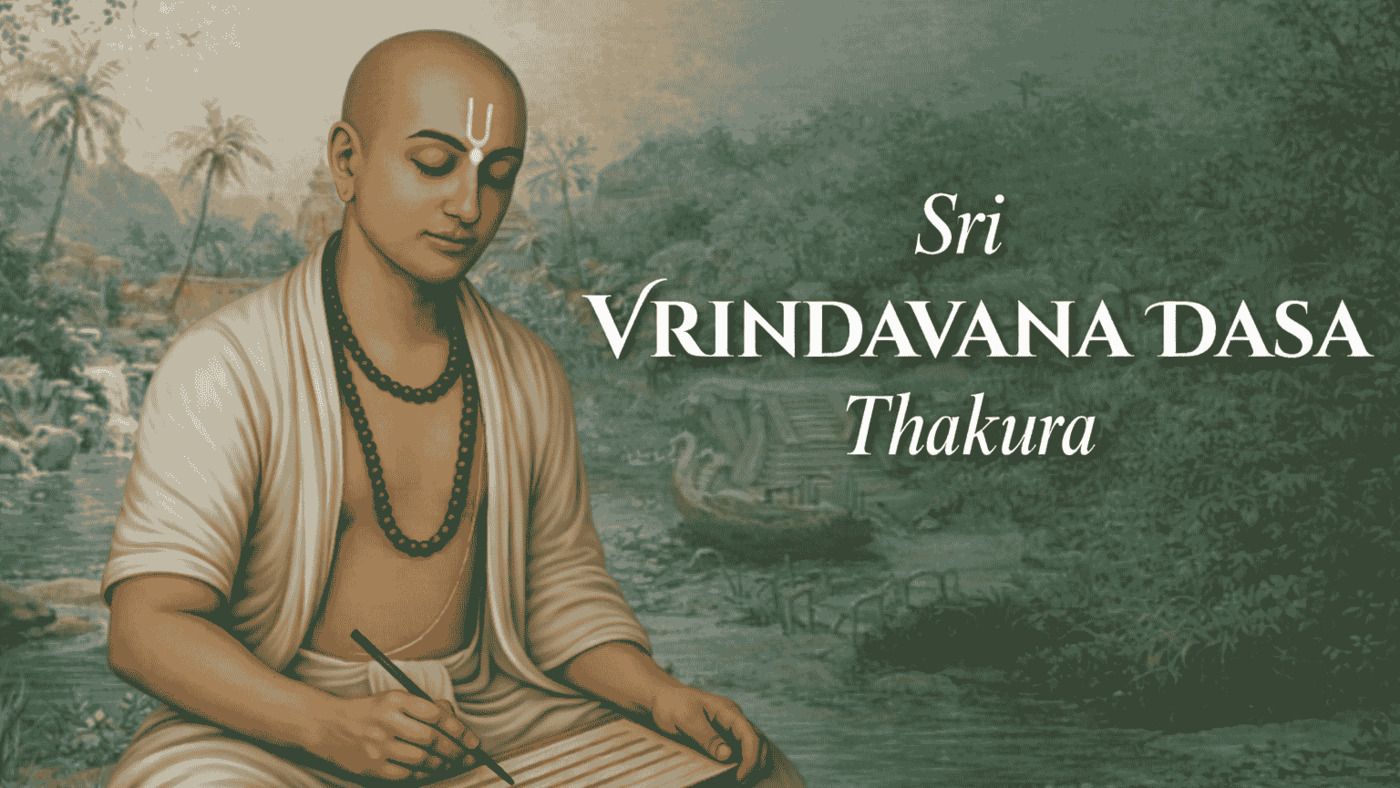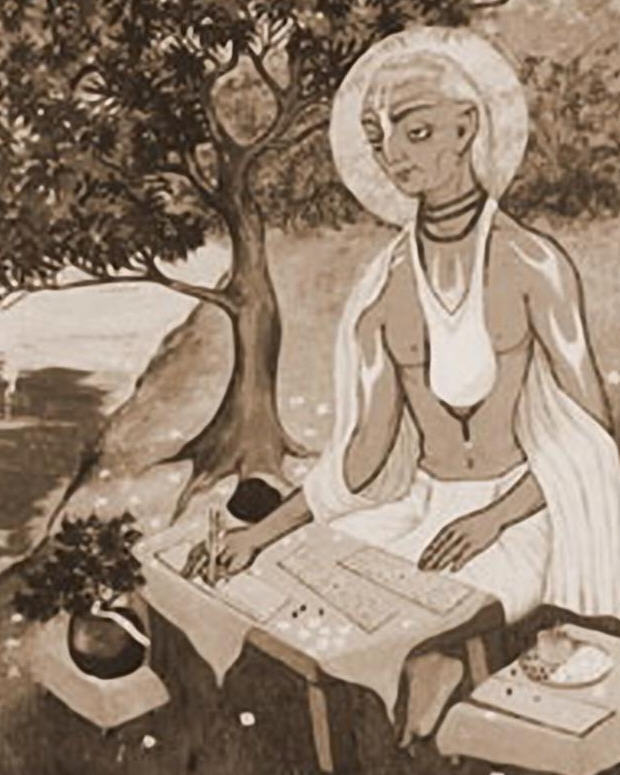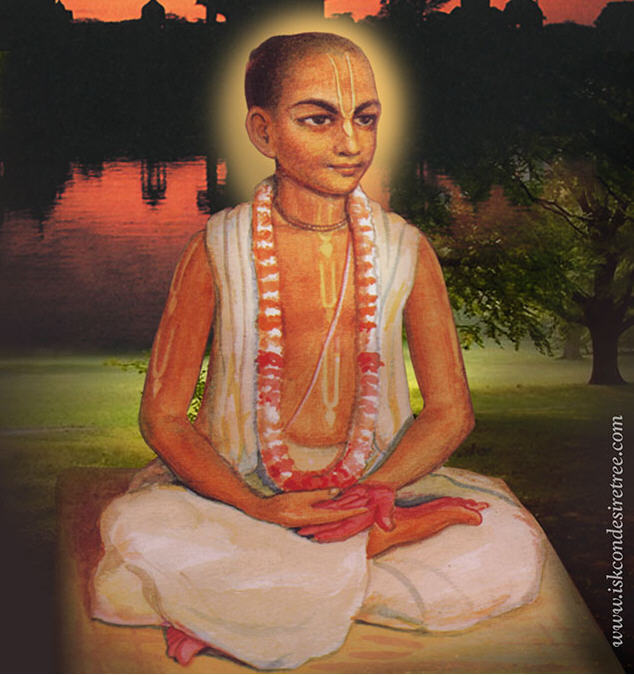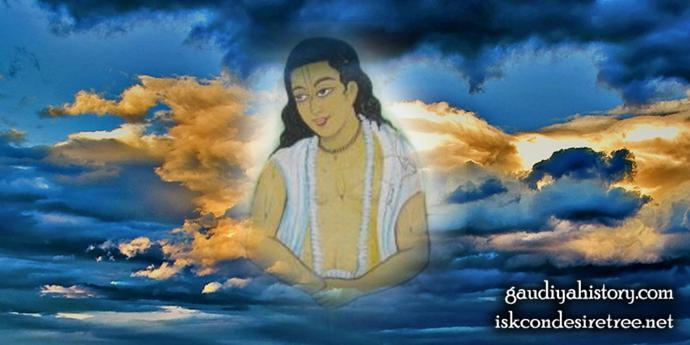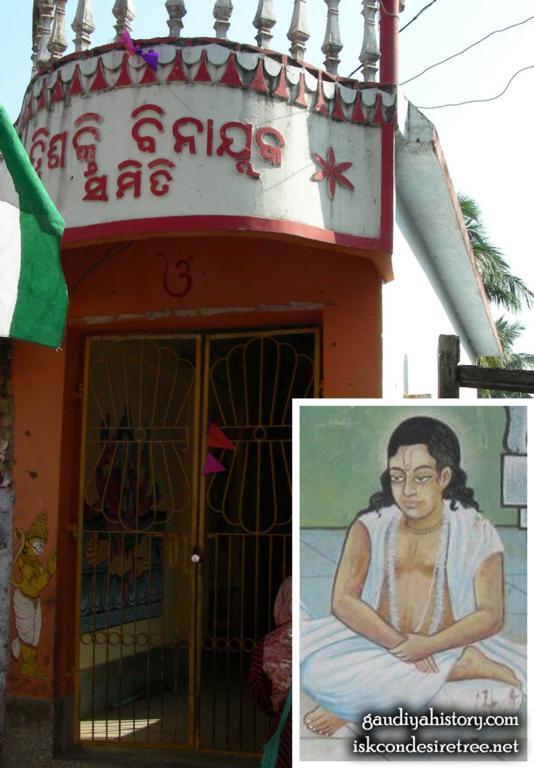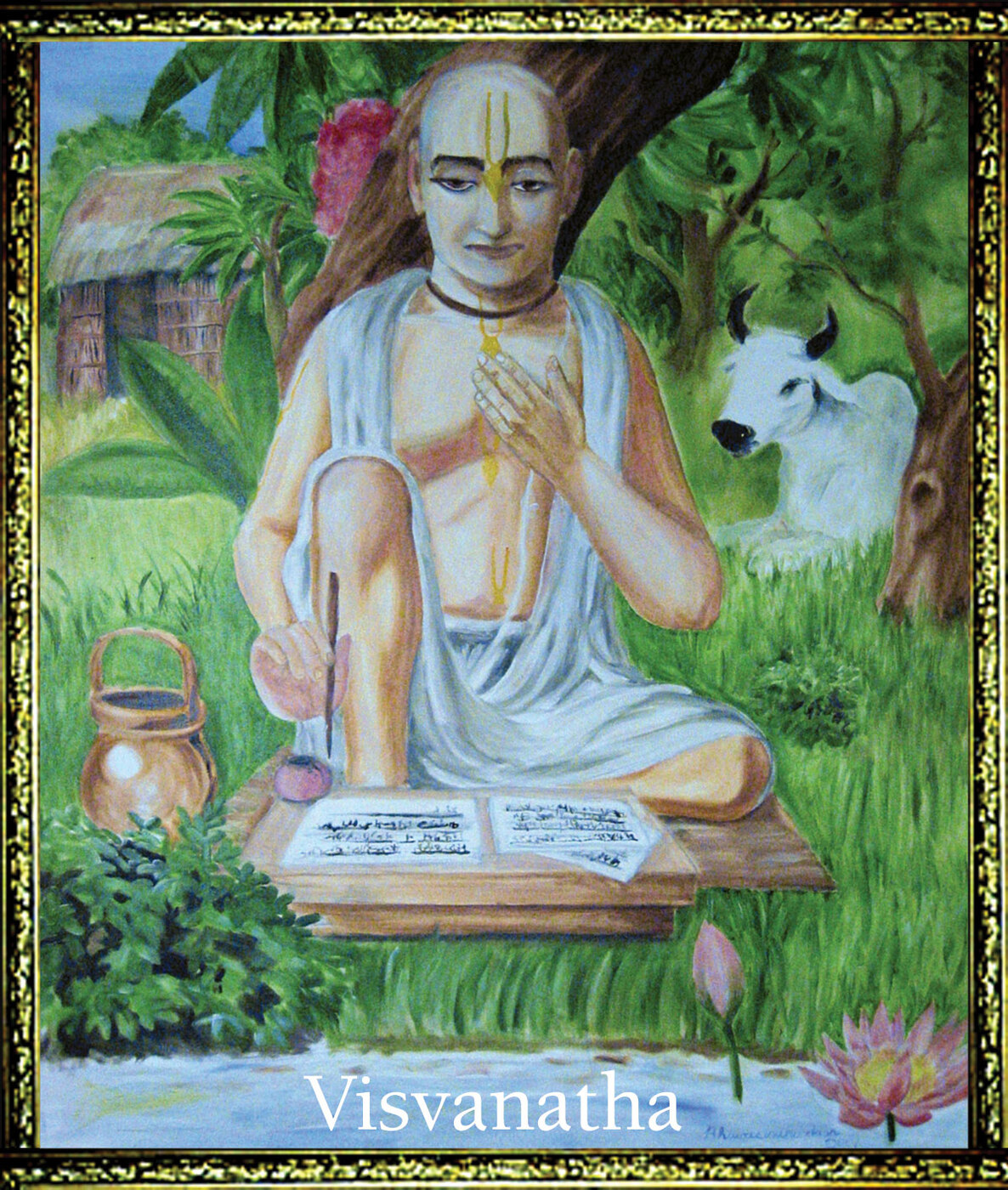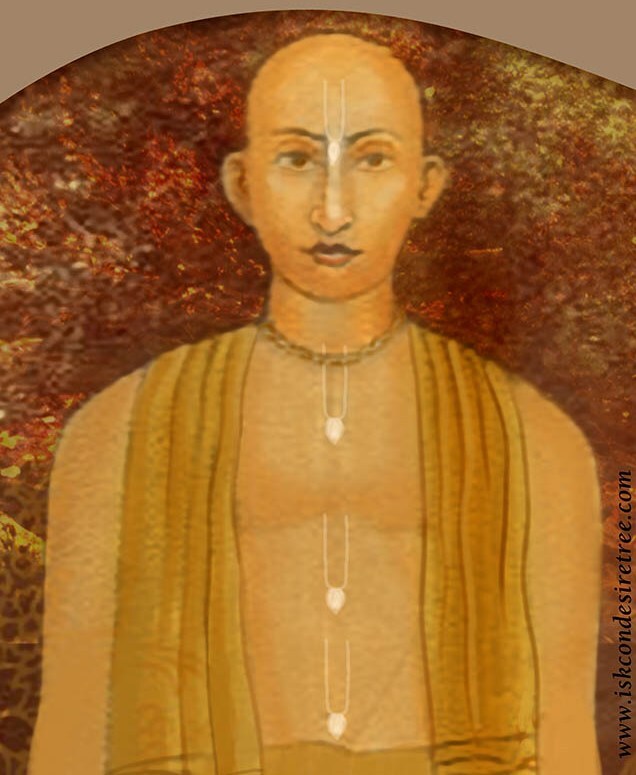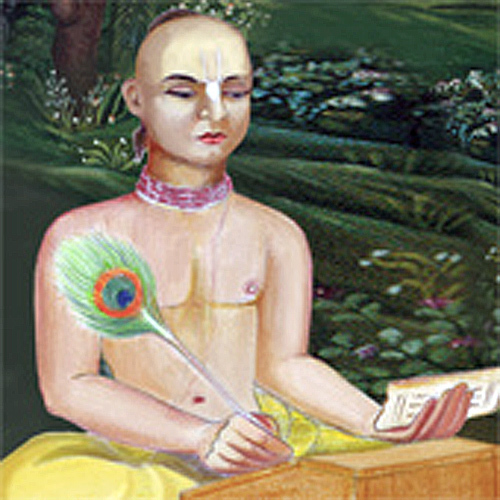
श्रील गोविन्द दास कविराज
बंगाल के पदावली कवि, 'भजहु रे मन' के रचयिता
अन्य नाम गोविन्द दास कविराज, गोविन्ददास, गोविन्द कविराज
“हे मन, केवल नन्द-नन्दन के उन चरण-कमलों की भक्ति करो, जो निर्भय बनाते हैं। इस दुर्लभ मनुष्य-जन्म को पाकर, साधु-पुरुषों की संगति से इस संसार-सागर को पार करो।”
'भजहु रे मन' की आरम्भिक पंक्तियाँ, जो गोविन्द दास कविराज का सबसे प्रसिद्ध पद है। अनुवाद श्रील प्रभुपाद के इस पद पर दिए गए तात्पर्यों से लिया गया है।
श्रील गोविन्द दास कविराज एक बंगाली वैष्णव कवि थे। वे श्री चैतन्य महाप्रभु के प्रत्यक्ष पार्षदों के बाद वाली पीढ़ी में हुए। उन्हें मुख्य रूप से उन भक्तिपूर्ण पदों (गीतों) के लिए स्मरण किया जाता है, जो उन्होंने राधा-कृष्ण और स्वयं चैतन्य महाप्रभु पर लिखे। उनकी सब रचनाओं में से एक पद आज तक सबसे अधिक याद किया जाता है: भजहु रे मन। यह आज भी गौड़ीय वैष्णव कीर्तन में गाया जाता है, और श्रील प्रभुपाद ने एक से अधिक तात्पर्यों में इसे विस्तार से समझाया है। श्री चैतन्य-चरितामृत में उन्हें सीधे "प्रसिद्ध वैष्णव कवि" कहा गया है। उन्हें कविराज की उपाधि से स्मरण किया जाता है। यह उपाधि श्रील जीव गोस्वामी ने उनकी कविता पढ़कर उन्हें दी थी।
| विवरण | जानकारी |
|---|---|
| पारम्परिक तिथियाँ | लगभग 1535-लगभग 1613 (गौण स्रोतों में सामान्यतः दोहराई गई; स्वयं श्री चैतन्य-चरितामृत में कोई तिथि नहीं दी गई) |
| पैतृक निवास | श्रीखण्ड, कटवा के निकट, बर्धमान जिला, बंगाल |
| माता-पिता | चिरञ्जीव (पिता) और सुनन्दा (माता) |
| गुरु | श्रीनिवास आचार्य |
| ज्येष्ठ भ्राता | रामचन्द्र कविराज, जो स्वयं भी श्रीनिवास आचार्य के शिष्य तथा नरोत्तम दास ठाकुर के घनिष्ठ सहचर थे |
| प्रमुख रचनाएँ | संगीत-माधव तथा गीतामृत |
| "कविराज" उपाधि | श्रील जीव गोस्वामी ने उनकी कविता के सम्मान में दी |
श्रीखण्ड का एक वैद्य परिवार #
श्री चैतन्य-चरितामृत में गोविन्द दास कविराज के परिवार के बारे में असामान्य रूप से स्पष्ट जानकारी मिलती है। चैतन्य महाप्रभु के अनेक अनुयायियों का वर्णन करते हुए कृष्णदास कविराज गोस्वामी रुककर ठीक-ठीक बताते हैं कि यह परिवार कौन था। इस परिवार का घर श्रीखण्ड में था। यह कटवा के निकट एक ग्राम था, जो उस समय तक बंगाल के सबसे महत्त्वपूर्ण वैष्णव केन्द्रों में से एक बन चुका था। इसी ग्राम के भक्तों का उल्लेख दूसरी जगहों पर भी मिलता है। लोचन दास ठाकुर ने वहाँ के नरहरि सरकार ठाकुर के मण्डल का वर्णन किया है। इसी ग्राम के भक्त रघुनन्दन ठाकुर के प्रसंग में भी आते हैं, जो श्रीखण्ड के वयोवृद्ध भक्त मुकुन्द दास के वंशज थे। गोविन्द दास के पिता चिरञ्जीव थे और माता सुनन्दा थीं। उनकी माता के पिता, दामोदर सेन कविराज, भी एक कवि थे और उन्होंने संगीत-दामोदर नामक ग्रन्थ लिखा था। इस प्रकार कविता की प्रतिभा उनके ननिहाल में पहले से ही थी। कुछ वृत्तान्तों के अनुसार यह परिवार बंगाल के वैद्य समुदाय से था। वैद्य वह पारम्परिक जाति थी, जिसमें पीढ़ी-दर-पीढ़ी चिकित्सा का काम होता था। यह बात चैतन्य-चरितामृत के एक दूसरे श्लोक से मेल खाती है। उस श्लोक में नित्यानन्द प्रभु के अनुयायियों में "गोविन्द" नाम के एक व्यक्ति को दो अन्य लोगों के साथ "कविराज, अर्थात् वैद्य" कहा गया है। लेकिन ग्रन्थ यह स्पष्ट नहीं करता कि वह श्लोक इसी कवि का नाम ले रहा है, या उनके किसी ऐसे सम्बन्धी का, जिसका नाम और पारिवारिक व्यवसाय भी यही था। इस अनिश्चितता को यहाँ अनुमान से भरा नहीं गया है, बल्कि खुला छोड़ा गया है। चैतन्य-चरितामृत दो बातें स्पष्ट रूप से कहता है। चिरञ्जीव के बड़े पुत्र रामचन्द्र कविराज थे, जिन्हें नरोत्तम दास ठाकुर के सबसे घनिष्ठ साथी के रूप में स्मरण किया जाता है। छोटे पुत्र गोविन्द दास कविराज थे, "प्रसिद्ध वैष्णव कवि।"
दोनों भाइयों के कृष्ण-भक्ति की ओर आने से पहले गोविन्द दास कविराज शाक्त थे, अर्थात् देवी दुर्गा के उपासक। उनका पालन-पोषण वैष्णव के रूप में नहीं हुआ था। यह स्थिति तब बदली, जब दोनों भाइयों ने श्रीनिवास आचार्य से दीक्षा ली। श्रीनिवास आचार्य उन प्रचारकों में से एक थे, जिन्हें चैतन्य महाप्रभु के प्रत्यक्ष पार्षदों ने षड्-गोस्वामियों की शिक्षा को वृन्दावन से बंगाल ले जाने का दायित्व सौंपा था। इसके बाद गोविन्द दास एक के बाद एक कुछ ग्रामों में रहे: पहले श्रीखण्ड, फिर गंगा के तट पर कुमारनगर, और अन्त में पद्मा नदी के दक्षिणी तट पर तेलिया बुधरी। चैतन्य-चरितामृत इन स्थान-परिवर्तनों को बिना किसी तिथि या कारण के दर्ज करता है। इस परिवार का पूरा वृत्तान्त, जिसमें इस परिवार में "कविराज" शब्द से जुड़ी अनिश्चितता भी शामिल है, श्रीखण्ड, परिवार, और वैष्णव-धर्म की ओर मोड़ पर बताया गया है।
वह पद जो जीव गोस्वामी तक पहुँचा #
गौड़ीय वैष्णव एक सरल प्रसंग को बार-बार सुनाते हैं। गोविन्द दास कविराज ने एक पद लिखा, जो भजहु रे मन, श्री नन्द-नन्दन अभय-चरणारविन्द रे, "हे मन, केवल नन्द-नन्दन के उन चरण-कमलों की भक्ति करो, जो निर्भय बनाते हैं," इन शब्दों से आरम्भ होता है। उन्होंने यह पद वृन्दावन में जीव गोस्वामी के पास भेजा। जीव गोस्वामी उसे पढ़कर बहुत प्रसन्न हुए। उन्होंने उत्तर में पत्र लिखकर गोविन्द दास से आग्रह किया कि वे इसी स्तर के कीर्तन रचते रहें। परम्परा के अनुसार, इसी पत्र-व्यवहार और उनकी प्रतिभा के प्रति जीव गोस्वामी के स्पष्ट सम्मान के कारण गोविन्द दास को कविराज की उपाधि मिली। यह पद एक ऐसे मन का चित्र खींचता है, जो गर्मी, सर्दी और वर्षा की रातों में बिना सोए क्षणिक सुखों के पीछे भागते-भागते थक चुका है। पद बार-बार उस मन को कृष्ण के निर्भय चरणों की शरण में लौटने के लिए पुकारता है। श्रील प्रभुपाद को यह पद स्पष्ट रूप से बहुत प्रिय था। उन्होंने 1967 में सैन फ्रांसिस्को में इस पर तात्पर्य दिया और फिर 1972 में लॉस एंजेल्स में दोबारा इसे समझाया। उन्होंने गोविन्द दास के नाम, "गोविन्द अर्थात् कृष्ण, और दास का अर्थ है सेवक," को ही एक शिक्षा के रूप में प्रस्तुत किया। इस पद की पूरी कथा, इसका अर्थ और श्रील प्रभुपाद के दोनों तात्पर्य वह पद जो जीव गोस्वामी तक पहुँचा पर बताए गए हैं।
संगीत-माधव, गीतामृत, तथा पदावली कवियों में एक स्थान #
उस एक प्रसिद्ध पद के अतिरिक्त गोविन्द दास कविराज ने दो ग्रन्थ भी लिखे: संगीत-माधव और गीतामृत। उनके अनेक अलग-अलग पद भी मिलते हैं, जिन्हें बंगाली संकलनकर्ता चार शताब्दियों से उनके नाम से सुरक्षित रखते आए हैं। उनकी रचनाएँ वैष्णव पदावली परम्परा की हैं (राधा-कृष्ण की प्रेम-कथा पर आधारित बंगला और ब्रजबुली के भक्ति-गीत)। साहित्य के इतिहासकार उन्हें इस परम्परा के सबसे श्रेष्ठ कवियों में गिनते हैं। प्रायः उनका नाम विद्यापति, चण्डीदास और ज्ञानदास ठाकुर के साथ लिया जाता है। कभी-कभी उन्हें बंगाल का "द्वितीय विद्यापति" भी कहा जाता है, क्योंकि उनकी कविता में उस पहले के कवि की कला बहुत गहराई से उतर आई थी। फिर भी "गोविन्द दास" नाम वाला हर पद निश्चित रूप से उन्हीं का नहीं माना जा सकता। भणिता वह अन्तिम पंक्ति होती है, जिसमें कवि अपना नाम देता है। इस युग के एक से अधिक वैष्णव कवियों ने भणिता में उनका नाम, या उससे बहुत मिलता-जुलता नाम, प्रयोग किया। इसलिए यहाँ का भक्ति-गीत संग्रह उनके केवल उन थोड़े-से गीतों को अलग रखता है, जो निश्चित रूप से उन्हीं के माने जा सकते हैं। भजहु रे मन भी इन्हीं में है। चैतन्य महाप्रभु पर लिखे पदों का एक कहीं बड़ा समूह इनसे अलग रखा गया है। वे पद एक दूसरे कवि के माने जाते हैं, जिन्होंने भी अपने पदों में स्वयं को गोविन्द दास कहा। पाठक गोविन्द दास कविराज को दो अन्य व्यक्तियों से भी अलग समझें। पहले हैं कृष्णदास कविराज गोस्वामी, जो श्री चैतन्य-चरितामृत के रचयिता थे। उनकी भी यही सम्मान-सूचक उपाधि थी, लेकिन वे एक अलग पीढ़ी के थे और उन्होंने बहुत अलग प्रकार का ग्रन्थ लिखा। दूसरे हैं गोविन्द घोष, जो पैतृक परम्परा से कीर्तन गाने वाले घोष बन्धुओं में से एक थे। ये बन्धु चैतन्य महाप्रभु के संकीर्तन में स्वयं साथ रहते थे। उनकी साहित्यिक प्रतिष्ठा और इसी नाम से जुड़ी कठिनाई का पूरा वृत्तान्त महान कवियों के मध्य एक पदावली कवि पर बताया गया है।
संक्षेप में
- बंगाल के श्रीखण्ड में एक वैद्य परिवार में जन्म; उनके नाना दामोदर सेन कविराज भी एक कवि थे।
- अपने बड़े भाई रामचन्द्र कविराज के साथ श्रीनिवास आचार्य से वैष्णव दीक्षा ली।
- भजहु रे मन की रचना की। जीव गोस्वामी ने इसकी इतनी प्रशंसा की कि इसी से गोविन्द दास को कविराज की उपाधि मिली।
- संगीत-माधव और गीतामृत के रचयिता; विद्यापति, चण्डीदास और ज्ञानदास के साथ पदावली परम्परा के सबसे सम्मानित कवियों में से एक।
- श्रील प्रभुपाद ने भजहु रे मन पर 1967 और 1972, दोनों वर्षों में तात्पर्य दिए। इससे पता चलता है कि गौड़ीय वैष्णव कीर्तन में इस पद का स्थान कितना स्थायी है।
वैष्णव गीत-संग्रह में गीत #
वैष्णव गीत-संग्रह में श्रील गोविन्द दास कविराज द्वारा रचित माने जाने वाले 2 गीत सम्मिलित हैं; यहाँ सम्पूर्ण लेखक-पृष्ठ देखें।
- Sri Chaitanya-charitamrita, Adi-lila 10.78-79, purport
- Sri Chaitanya-charitamrita, Adi-lila 11.51, purport
- Govinda Dasa Kaviraja | Gaudiya History
- Govinda Das Kaviraj - Vaishnav Songs | ISKCON Desire Tree
- Purport to Bhajahu Re Mana, San Francisco, 16 March 1967
- Purport to Bhajahu Re Mana, Los Angeles, 27 May 1972
अक्सर पूछे जाने वाले प्रश्न
श्रील गोविन्द दास कविराज का जन्म कब हुआ था?
श्रील गोविन्द दास कविराज का प्राकट्य लगभग 1535 ई. (गौण स्रोतों में प्रचलित पारम्परिक तिथि; स्वयं श्री चैतन्य-चरितामृत में यह उल्लिखित नहीं है) में, श्रीखण्ड, कटवा के निकट, बर्धमान जिला, बंगाल (उनके परिवार का पैतृक ग्राम) में हुआ।
श्रील गोविन्द दास कविराज के गुरु कौन थे?
श्रील गोविन्द दास कविराज के गुरु श्रील श्रीनिवास आचार्य थे।
श्रील गोविन्द दास कविराज का तिरोभाव कब और कहाँ हुआ?
श्रील गोविन्द दास कविराज का तिरोभाव लगभग 1613 ई. (पारम्परिक तिथि; हमें मिले किसी भी मूल स्रोत से पुष्टि नहीं), उपलब्ध स्रोतों से निर्धारित नहीं में हुआ।
श्रील गोविन्द दास कविराज की प्रमुख लीलाएँ कौन-सी हैं?
यहाँ इन लीलाओं पर पृष्ठ उपलब्ध हैं: श्रीखण्ड, परिवार, और वैष्णव-धर्म की ओर मोड़, वह पद जो जीव गोस्वामी तक पहुँचा, महान कवियों के मध्य एक पदावली कवि।