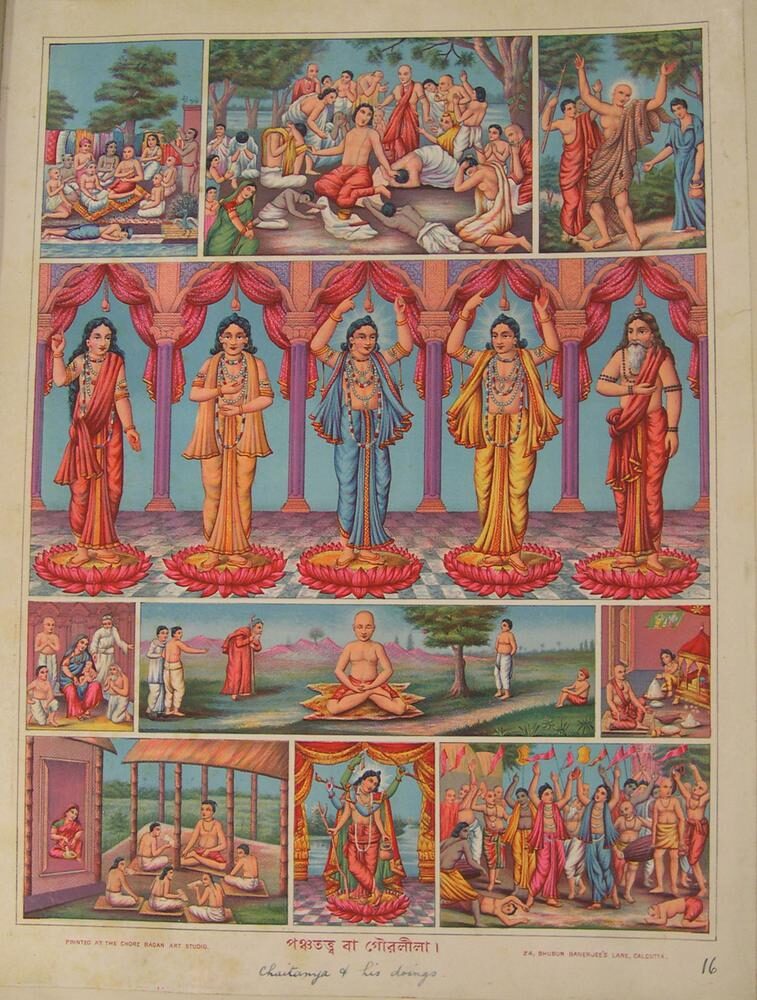
By the time He was twenty-four, Chaitanya Mahaprabhu had already transformed Nabadwip. A nightly gathering of devotees in a private courtyard had grown into open, town-wide sankirtana. The local Muslim government had withdrawn its opposition, and even the town's most notorious sinners had been saved. Yet in the eyes of most of Bengal, Nimai was still a brilliant young householder pandit. His mission was to give love of Krishna freely to every soul, whatever their caste or position in society. Nimai became convinced that this mission could not fully succeed while He remained a grihastha (householder). He was convinced of this because Bengali society automatically gave great honour and respect to a married brahmana scholar. That honour would always stand between Him and the most fallen people He most wished to reach.
| Detail | Description |
|---|---|
| Age at renunciation | Twenty-four |
| Place | Katwa, on the banks of the Ganges |
| Sannyasa guru | Keshava Bharati |
| Sannyasa name | Sri Krishna Chaitanya |
| Insignia received | Danda, kamandalu, kaupina and bahirvasa |
| Journey afterwards | Shantipura, then Jagannatha Puri |
Why the Renounced Order Was Necessary #
The renounced order of sannyasa gave exactly the opposite social message from that of a respected householder. A sannyasi renounces all family ties and all claim to caste privilege. He depends on the charity of others even for his food. So in the eyes of society he becomes the equal of anyone, high or low. By formally accepting sannyasa, Nimai would remove the last worldly difference that stood between Himself and the people He had come to deliver. This decision fitted everything He had already been doing in the sankirtana movement, but it went much further.
Sannyasa from Keshava Bharati at Katwa #
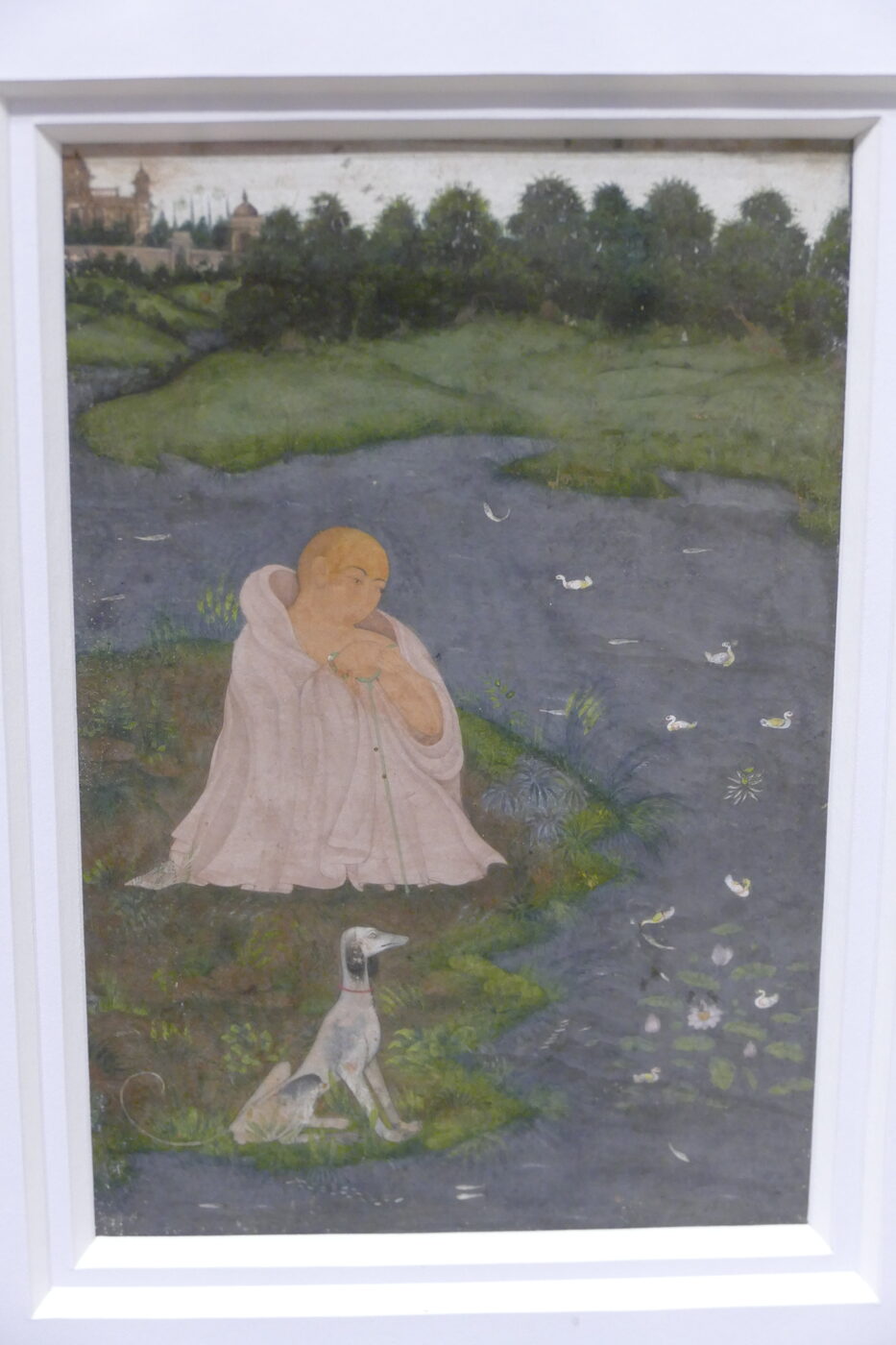
Once He had decided on this, He is said to have left home quietly at night, so that His mother and young wife would be spared the pain of watching Him go. He travelled from Nabadwip to the town of Katwa on the banks of the Ganges. At Katwa He went to the sannyasi Keshava Bharati and asked to be initiated into the renounced order. At first Keshava Bharati hesitated to accept as his disciple someone so clearly exalted. But Nimai insisted, and Keshava Bharati performed the sannyasa ceremony. Keshava Bharati shaved Nimai's head and gave Him the danda (the sannyasi's staff) and kamandalu (water pot). He dressed Him in the simple kaupina and bahirvasa of one who has renounced the world. Then he gave Him the sannyasa name by which He would be known for the rest of His life and for all the centuries since: Sri Krishna Chaitanya.
The Grief of Sachi Devi and Vishnupriya #
When the news reached Nabadwip, the devotees hurried to Katwa, led by Nityananda Prabhu and including Mukunda Datta and others. They arrived in time to see what happened just after the ceremony. When Sachi Devi and Vishnupriya learned that Nimai had renounced the world without even a final farewell, they were overcome with grief. The biographies do not soften this moment. They describe at length the household's pain at losing the son and husband on whom their whole home life had depended, all in a single night.
The Last Meeting at Shantipura #
Advaita Acharya and the assembled devotees eventually persuaded the new sannyasi Krishna Chaitanya to travel first to Shantipura, to the home of Advaita Acharya. They did this so that Sachi Devi could see her son once more in His new condition before He left for Puri. This meeting is remembered as one of the most tender and sorrowful in the entire Vaishnava literature. Through their tears, mother and son both accepted that His path now lay elsewhere.
Life as a Wandering Sannyasi #
From Katwa onward, Sri Krishna Chaitanya belonged to no one household and no caste, in the fullest social sense. He was a wandering sannyasi who lived on alms. For the following twenty-four years of His manifest presence, He first walked the length of India, teaching kings and outcastes with the same freedom. Then He finally settled at Jagannatha Puri for the last eighteen years. Gaudiya Vaishnavas do not regard His acceptance of sannyasa as a rejection of family life itself, which the tradition continues to honour. They regard it as a deliberate, personal sacrifice. Through it the Lord removed every remaining social barrier between Himself and the most fallen souls of the world He had come to deliver.
