Jāvaṭa
जावट Hindi name proposed
Also called Jāvaṭa-grāma, Yāvaṭa, Yāva-grāma
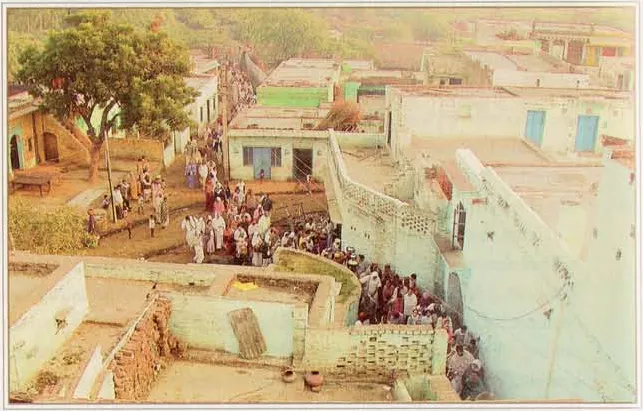
- What it is
- Jāvaṭa, also called Yāvaṭa or Yāva-grāma, is the village of Abhimanyu, his mother Jaṭilā and his sister Kuṭilā, where Śrī Rādhā lives in Kṛṣṇa's pastimes.
- Visiting
- Śrīla Viśvanātha Cakravartī Ṭhākura places Yāvaṭa at the north-east corner of Nandīśvara, and the Prema-vilāsa puts it one krośa from Nandīśvara (a krośa is an old measure of distance).
- Places here
- Khadiravana, Śeṣaśāī, Kokilāvana, Sāṅkhī, Muñjāṭavī +80 more
In short
Jāvaṭa, also called Yāvaṭa or Yāva-grāma, is the village of Abhimanyu, his mother Jaṭilā and his sister Kuṭilā, where Śrī Rādhā lives in Kṛṣṇa's pastimes.[1 +5] Śrīla Viśvanātha Cakravartī Ṭhākura places it at the north-east edge of Nandīśvara, the hill of Nanda Mahārāja at Nandagrāma, and calls it the town that King Vṛṣabhānu built for his daughter.[7] The name joins jāva or yāva, the red lac that decorates Śrī Rādhā's feet, with vaṭa, a banyan tree.[8 +1] The Vraja-bhakti-vilāsa counts Jāvaṭa among the twelve chief forests of Vraja, and the Gosvāmīs name it as the village where Śrī Rādhā is.[3 +5]
Key facts
| Kind | village |
|---|---|
| Ācāryas | Śrīla Rāghava Paṇḍita Gosvāmī of Govardhana, Śrīla Śrīnivāsa Ācārya, Śrīla Narottama dāsa Ṭhākura, Vīracandra Prabhu, Jāhnavā Mātā (Śrī Jāhnavā Īśvarī) |
Why it is glorified
Śrīla Nārāyaṇa Bhaṭṭa Gosvāmī's Vraja-bhakti-vilāsa gives a list of the twelve adhivanas, the chief forests of Vraja, from a text …
Śrīla Nārāyaṇa Bhaṭṭa Gosvāmī's Vraja-bhakti-vilāsa gives a list of the twelve adhivanas, the chief forests of Vraja, from a text it calls the Viṣṇu Purāṇa. The forest named Jāvavaṭa is the tenth, after Govardhana and before Vṛndāvana. Quoting another text, the Baudhāyana, it names Vrajavara as the presiding Deity of this forest. The list has not been found in the available edition of the Viṣṇu Purāṇa.[8 +3] Read more: The twelve forests of Vraja: the lists side by side →
In its fifth chapter the same book explains the name with a verse that it gives from the Bṛhad-gautamīya: the place became known as Jāvavaṭa because the lac slipped there from the soles of Śrī Rādhā's feet. It then gives a prayer for walking round Jāvavaṭa, which greets the place as born of Śrī Rādhā's lac and as the giver of good fortune; one who bows ten times with this prayer, the book says, always obtains happiness (summarised here, not translated).[8 +2] Śrīla Viśvanātha Cakravartī Ṭhākura explains the name another way, and the accounts are set side by side below.[9]
The banyan of Jāvaṭa
The Vraja-bhakti-vilāsa also names the Yāva-vaṭa, the banyan of Jāvaṭa, as the second of eight sacred banyans on one bank of the Yamunā, in a list it gives from a text it calls the Bhaviṣyottara; each of these banyans stands in the middle of its own forest. From a text it calls the Skanda Purāṇa (Uttara-khaṇḍa) it describes at the Yāva-vaṭa a circle for the rāsa dance, marked with the footprints of the ten sakhīs, Śrī Rādhā and Her companions, as they danced.[8 +3] The rāsa remembered at Jāvaṭa is told on the page of its Rāsa-maṇḍala. Under the heading of Vrajavara, the book quotes verses about such banyans in general: the dense forest around each is devoted to its service, and the banyan in the middle grants the boon of Kṛṣṇa's play (summarised here, not translated).[15]
In 2007 the guidebook Śrī Vraja-maṇḍala Parikramā listed Jāvaṭa among the sixteen banyans of Vraja of which pilgrims may have darśana. Whether the tree stands today has not been checked.[16]
Divine pastimes
Śrī Rādhā's village
The Gosvāmīs name Jāvaṭa as the village where Śrī Rādhā lives. In Śrīla Raghunātha dāsa Gosvāmī's Muktā-carita, Kṛṣṇa asks His messengers where She is, and they answer: "In the village called Yāvaṭa."[3 +2] Śrīla Rūpa Gosvāmī's Rādhā-Kṛṣṇa-gaṇoddeśa-dīpikā says that the messenger Vīrā, very dear to Jaṭilā and skilled in bringing Rādhā and Kṛṣṇa together, lives in the town called Jāvaṭa.[4 +3] A commentary on Śrīla Kṛṣṇadāsa Kavirāja Gosvāmī's Govinda-līlāmṛta places in Yāvaṭa the house to which old Mukharā, Śrī Rādhā's grandmother, comes at dawn; the path she took is shown on the page of Mukharā's pathway.[3 +2]
In his Vraja-rīti-cintāmaṇi, Śrīla Viśvanātha Cakravartī Ṭhākura calls Yāvaṭa the town that Vṛṣabhānu built for his daughter. When the elders keep them at home, he writes, Śrī Rādhā and Kṛṣṇa look at each other from the tops of their houses (summarised here, not translated).[7 +1] The guidebook's account of a palace built for Her at Jāvaṭa is discussed with Rādhikā's royal palace, on the page of Jaṭilā's house.[1 +5]
According to the Bhakti-ratnākara, Śrī Rādhā went from Her father's house at Varṣāṇā to Jāvaṭa by the path between Nandīśvara and Varṣāṇā, and from Jāvaṭa She came with Her sakhīs to Nanda's house. The same book places the forest of the cuckoos, Kokilāvana, west of Yāvaṭa.[2 +2]
Abhimanyu's home
The Bhakti-ratnākara calls Jāvaṭa Abhimanyu's home. By the influence of Śrī Yogamāyā, it says, Abhimanyu cannot touch even Śrī Rādhā's shadow. He stays among his cows and cowherds, Jaṭilā and Kuṭilā are always busy with their housework, and Kṛṣṇa comes to meet Śrī Rādhā without their knowing (summarised here, not translated).[1 +1]
Śrīla Jīva Gosvāmī explains the marriages of the gopīs to other cowherds in general. Yogamāyā herself, hidden as the ascetic Pūrṇimā (Paurṇamāsī), arranged them as an appearance only, and their seeming husbands never touched them, because māyā made likenesses of the gopīs for them (summarised here, not translated). He supports this with a verse of Śrīmad-Bhāgavatam, which does not name Jāvaṭa, Śrī Rādhā or Abhimanyu:[23 +3]
nāsūyan khalu kṛṣṇāya mohitās tasya māyayā / manyamānāḥ sva-pārśva-sthān svān svān dārān vrajaukasaḥ
The cowherd men, bewildered by Kṛṣṇa’s illusory potency, thought their wives had remained home at their sides. Thus they did not harbor any jealous feelings against Him.
Translation: Śrīla Prabhupāda's disciples (BBT)Kṛṣṇa's visits
According to the Bhakti-ratnākara, Kṛṣṇa meets Śrī Rādhā in Yāvaṭa most playfully, and Kuṭilā and Jaṭilā cannot see through His cleverness. The book quotes songs of Kṛṣṇa coming into the village in disguise; they are told on the page of Jaṭilā's house, with the pastime of Śrīla Rūpa Gosvāmī's Bhakti-rasāmṛta-sindhu, told by Śrīla Prabhupāda in The Nectar of Devotion, in which He dressed as Abhimanyu.[6 +5] His signals with the call of the cuckoo are told on the page of Beriyā.[2]
The place where a boon was given
This place, near Nārada-kuṇḍa, remembers a boon given to Śrī Rādhā. According to the Bhakti-ratnākara of Śrīla Narahari Cakravartī Ṭhākura, Śrīla Rāghava Paṇḍita Gosvāmī showed Śrīla Śrīnivāsa Ācārya Nārada-kuṇḍa at Yāvaṭa. Bathing here, he said, fulfils one's desire, and here the sage gave Rādhikā a boon, so that She became amṛta-hastā, "one whose hand makes nectar", as everyone knows; the book does not name the sage (summarised here, not translated).[33] The Caitanya-caritāmṛta and the Gosvāmīs' works say that the sage Durvāsā gave Rādhā the boon that whatever She cooks is sweeter than nectar, and that this is why Mother Yaśodā has Her brought to cook for Kṛṣṇa; they do not say where the boon was given.[34 +4]
Śrī Caitanya-caritāmṛta tells the boon in one verse, in Śrīla Prabhupāda's translation:[34 +4]
durvāsāra ṭhāñi teṅho pāñāchena vara
amṛta ha-ite pāka tāṅra adhika madhura
Śrīmatī Rādhārāṇī received from Durvāsā Muni the benediction that whatever She cooked would be sweeter than nectar. That is the special feature of Her cooking.
Translation: Śrīla A.C. Bhaktivedanta Swami PrabhupādaThe Padma Purāṇa (Pātāla-khaṇḍa, chapter 83) tells it more fully. Vṛndā explains to Nārada why Yaśodā calls Rādhā to cook every day although Rohiṇī and others are there: she has heard from Kātyāyanī that Durvāsā once blessed Rādhā that the food She cooks would, by his favour, be as sweet as nectar and give long life to the one who eats it, and Yaśodā, who loves her son, therefore calls Her (summarised here, not translated). The Purāṇa does not say where the boon was given.[39]
The Gosvāmīs tell the same reason. In Śrīla Rūpa Gosvāmī's drama Lalita-mādhava, when Gārgī asks why Rādhā is always brought to the house of the queen of Gokula, Yaśodā answers that she has heard of Durvāsā's boon: whoever eats what Rādhā has prepared lives long. In Śrīla Kṛṣṇadāsa Kavirāja Gosvāmī's Govinda-līlāmṛta, Yaśodā says the same in the morning to Kundalatā before sending her to bring Rādhā. Śrīla Raghunātha dāsa Gosvāmī adds that by Durvāsā's boon Her cooking gives long life, cows, good fortune and fame (all summarised here, not translated). None of them names the place.[34 +4]
The sources that name Durvāsā do not name the place, and the Bhakti-ratnākara, which names the place, does not name the sage. Where and on what occasion the boon was given is told differently in other books; those accounts are set side by side on the Pānī-ghāṭa page.[33 +5] Read more: The gopīs cross the Yamunā to feed Durvāsā →
Traditional accounts
In his Bengali Bhaktamāla (1905), Kṛṣṇadāsa Bābājī calls Yāvaṭa the ornament among the villages of Kiśorījī, Śrī Rādhā.
In his Bengali Bhaktamāla (1905), Kṛṣṇadāsa Bābājī calls Yāvaṭa the ornament among the villages of Kiśorījī, Śrī Rādhā. He describes Abhimanyu's house there as built of jewels, with wealth and cows beyond counting.[40]
The place of Padmāvatī's wedding
The Padmāvatī vivāha-sthala, the place of Padmāvatī's wedding, is known from Śrīla Nārāyaṇa Bhaṭṭa Gosvāmī's Vraja-bhakti-vilāsa. In its account of Jāvaṭa, which it calls Jāvavaṭa (chapter 5), the sakhīs, the cowherd girls of Vraja, held the wedding of the sakhī Padmāvatī with Kṛṣṇa, with wedding songs and festivity; the edition's Hindi rendering says that Śrī Rādhā arranged it. The book calls the place vaivāhika, "of the wedding". Its prayer bows to the place and to Nanda's son together with Padmāvatī, and the book says that one who recites it with eleven obeisances lives long and has the joy of a son's birth (summarised here, not translated).[41] The place concerns Padmāvatī. No scripture or work of the Gosvāmīs found so far tells this pastime; Śrī Vraja-maṇḍala Parikramā (2007) is the only other source found. It tells the same in its own words, without naming a source, calls Padmāvatī a sakhī of Candrāvalī, which the Vraja-bhakti-vilāsa does not say, and adds details of the celebration that were found in no other source; they are not repeated here.[41 +1]
The Gosvāmīs and ācāryas
According to the Bhakti-ratnākara, Śrīla Rāghava Paṇḍita Gosvāmī of Govardhana showed Jāvaṭa to Śrīla Śrīnivāsa Ācārya and Śrīla …
Śrīla Rāghava Paṇḍita Gosvāmī's tour
According to the Bhakti-ratnākara, Śrīla Rāghava Paṇḍita Gosvāmī of Govardhana showed Jāvaṭa to Śrīla Śrīnivāsa Ācārya and Śrīla Narottama dāsa Ṭhākura on their tour of Vraja. He said that no one could tell all the wonderful places of pastimes in Yāvaṭa, and showed them Abhimanyu's house.[1 +2] Right after it he showed the place where Kuṭilā plans to find fault with Śrī Rādhā (Kuṭilā dūṣaṇa-sthāna), the path by which She goes to the temple of the sun and the kadamba forest beside it (Kadamba-kānana).[42 +5] Then came the ponds of the village, among them Kṛṣṇa-kuṇḍa, Lāḍalī-kuṇḍa and Nārada-kuṇḍa, and the path by which Kṛṣṇa went out to herd the cows.[33 +2]
Later visits
According to Śrīla Narahari Cakravartī Ṭhākura's Narottama-vilāsa, Śrīla Jāhnavā Mātā, on her pilgrimage in Vraja, went from Rādhā-kuṇḍa, Mānasa-gaṅgā and Govardhana by way of Vṛṣabhānupura to Nandīśvara, and saw "the charming village Śrī Jābaṭa" before returning to Vṛndāvana. The book tells nothing more about her visit.[1 +4]
According to the Bhakti-ratnākara, Śrīla Vīracandra Prabhu bathed in Pāvana-sarovara, saw Khadiravana and came to Yāvaṭa on his pilgrimage of Vraja.[51]
Śrīla Prabhupāda
Śrīla Prabhupāda's words that bear on Jāvaṭa are general teachings.
Śrīla Prabhupāda's words that bear on Jāvaṭa are general teachings. In The Nectar of Devotion (chapter 45) he calls Abhimanyu the "so-called husband" of Śrī Rādhā, in a pastime set in Abhimanyu's house; the pastime is told on the page of Jaṭilā's house.[19 +1] In the Kṛṣṇa book (chapter 33) he explains the Bhāgavatam verse on the gopīs' husbands quoted above:[23 +3]
General teaching (does not name the place)“All their husbands thought that their wives were sleeping by their sides. The so-called husbands of the gopīs were already enamored with the influence of the external energy of Kṛṣṇa; so by dint of this very energy they could not understand that their wives had gone to dance with Kṛṣṇa.”
Śrīla Prabhupāda, Kṛṣṇa, the Supreme Personality of Godhead (Kṛṣṇa book), chapter 33 (Description of the Rāsa Dance) · vedabase.io
Songs
In his song Dekhite Dekhite Śrīla Bhaktivinoda Ṭhākura prays, as a devotee's own aspiration, to be born in Vṛṣabhānupura as a …
In his song Dekhite Dekhite Śrīla Bhaktivinoda Ṭhākura prays, as a devotee's own aspiration, to be born in Vṛṣabhānupura as a cowherd girl, to be married at Jāvaṭa and to have the mood of a gopī of Vraja as his very nature.[52] A song of the Prārthanā, which the song book credits to Śrīla Narottama dāsa Ṭhākura, prays in the same way to be married at Jāvaṭa and to live there (summarised here, not translated).[53]
Visiting today
Where it is
Śrīla Viśvanātha Cakravartī Ṭhākura places Yāvaṭa at the north-east corner of Nandīśvara, and the Prema-vilāsa puts it one krośa from Nandīśvara (a krośa is an old measure of distance).[7 +1] The guidebooks give the distance and the direction from Nandagaon differently, as shown below.
Śrī Vraja-maṇḍala Parikramā (2007) places Jaṭilā's house on a high hillock in the west of the village, Kṛṣṇa-kuṇḍa in the south, Kiśorī-kuṇḍa with a temple of Kiśorījī in the east, and Pārala-Gaṅgā in the north-west.[42 +5] The same book and the undated parikramā notes Yāvaṭa name a temple of Śrī Rādhā-Kāntajī in the village; it is described on the page of Jaṭilā's house.[45 +2]
Smaller places at Jāvaṭa
- The temple of Kiśorījī stands with Kiśorī-kuṇḍa in the eastern part of Jāvaṭa, according to Śrī Vraja-maṇḍala Parikramā (2007). The book gives no date, builder or history for it, and none was found.[47]
- Cīra-kuṇḍa and Hiṇḍolā-sthāna, "the place of the swing", are named by the same guidebook as attractive places near Kiśorī-kuṇḍa. It tells no pastime for either and does not explain the name Cīra.[42]
- Nārada-kuṇḍa: according to the Bhakti-ratnākara, bathing here fulfils one's desire, and here a sage gave Śrī Rādhā a boon by which Her hands make nectar; it does not name the sage. The boon and the sources that tell it are described below, with the place where a boon was given.[33]
- Pānihārī-kuṇḍa, north of Beriyā: according to Śrī Vraja-maṇḍala Parikramā (2007), the gopīs came here to fetch water, as the name says, and Kṛṣṇa sometimes met them. No older source for this pond was found.[45]
- Pārala-Gaṅgā, a pond in the north-west of the village: according to the local tradition recorded in Śrī Vraja-maṇḍala Parikramā (2007), Śrīmatī Rādhikā made a stream of the Gaṅgā appear here. On its western bank the same book describes an old pārijāta tree that blossoms in the month of Vaiśākha and that, by local tradition, Śrī Rādhā planted with Her own hands; the book says that it still stood in its time. No other source for either was found, so this is not certain.[42]
- A small Kālī temple at Jāvaṭa, and a Kālī episode connected with the village, are known only from guidebook accounts that differ from each other. They are set side by side on the page of Kuṭilā dūṣaṇa-sthāna, the place where, according to the Bhakti-ratnākara, Kuṭilā plans to find fault with Śrī Rādhā; that book tells no Kālī episode.[42 +2]
Other places of the region described here
- The Kṛṣṇa-kuṇḍa-ṭīlā, a mound: according to the Bhakti-ratnākara, Śrīla Rāghava Paṇḍita Gosvāmī said "here Nanda's son sports", climbed the mound, looked out in all four directions, and from it showed Śrīla Śrīnivāsa Ācārya the village of Magherā and the tamāla forest where Rādhā and Kṛṣṇa meet. Śrī Vraja-maṇḍala Parikramā (2007) describes the mound with that forest.[58 +1]
- Surukhurū-gaon, near Hārāsalī: according to the Bhakti-ratnākara, Śrīla Rāghava Paṇḍita Gosvāmī returned with Śrīla Śrīnivāsa Ācārya and Śrīla Narottama dāsa Ṭhākura from Hārāsalī to Nanda-ghāṭa, crossed the Yamunā and spent a day at Surukhuru. There he told them how Śrī Kṛṣṇa was gracious to the demigods, without naming the pastime, and pointed out distant villages; next morning they went on to Bhadravana.[60 +2]
- Guñjāvana, near Bhūṣaṇavana: according to Śrī Vraja-maṇḍala Parikramā (2007), the gopīs decorated Kṛṣṇa here with a necklace of guñjā berries, and He decorated Śrīmatī Rādhikā in the same way. The book gives no source, and no older text that names the place was found, so this is not certain.[63]
- Khāṅpura, one mile south of Bhādāvalī (Bhaṇḍāgora): according to the same guidebook, Śrī Rādhā and Kṛṣṇa and the sakhīs ate various foods here after playing Holī at Raṇavāḍī. No other source for the village or this pastime was found, so it is not certain.[64]
- Lalitā-kuṇḍa, outside Ludhaulī to the north, with a temple of Lalitā-Bihārījī on its eastern bank: according to Śrī Vraja-maṇḍala Parikramā (2007), the meeting of Rādhā and Kṛṣṇa that Lalitā arranged took place here. No date, builder or history of the temple was found. Other Lalitā-kuṇḍas of Vraja are other places.[65]
- A kadamba grove just north-west of Pīsāī, which the same book mentions without a name or a story. In 1987 the historian A. W. Entwistle reported that a Puṣṭimārga pilgrimage text of uncertain date includes a kadamba grove at Pīsāī; he does not say where it lies.[66 +2]
- Paya-sarovara and a grove of tamāla and kadamba trees, north of Paya-gaon, according to Śrī Vraja-maṇḍala Parikramā (2007), which tells the milk pastime of the village but none of the pond or the grove.[69]
Location
| Where it is | near Ter-kadamba, across the fields from Nandagrāma[70] This village is 3 Km northeast of Nandagaon.[57] |
|---|
Places at Jāvaṭa
105 places
Areas (55)
Khadiravana
खदिरवनKhadiravana, the forest of khadira trees, is one of the twelve forests of Vraja in every list found, on the western side of the Yamunā.
Śeṣaśāī
शेषशायीŚeṣaśāī, or Śeṣaśāyī, "the Lord who lies on Śeṣa", is a village at the northern edge of Vraja.
Kokilāvana
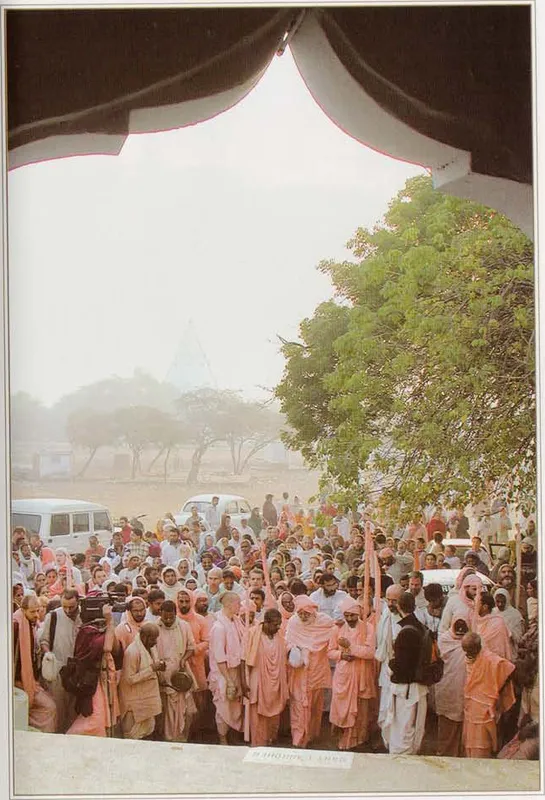
कोकिलावनKokilāvana, the forest of the cuckoo (kokila), lies west of Jāvaṭa.
Sāṅkhī
साँखीSāṅkhī is a village of Vraja connected with the killing of the demon Śaṅkhacūḍa.
Muñjāṭavī
मुंजाटवीThe Muñjāṭavī, also called the Iṣīkāṭavī, is the forest of tall reeds where Kṛṣṇa swallowed a forest fire to save His cowherd friends and their cows.
Umrāo
उमरावUmrāo is a village beside Chatravana.
Show all (55)
- Vatsavana (near Nanda-ghāṭa)
- Chatravana
- Karehlā
- Khelanvana
- Khāyaro
- Tapovana (near Gopī-ghāṭa)
- Pasaulī
- Unāī
- Sahāra
- Śakaroyā
- Bijavārī
- Āñjanauka
- Caumā
- Parkhama
- Pīsāī
- Baiṭhāna
- Bhaiyā
- Kosī
- Jainta
- Parsoṅ
- Bālahārā
- Kāmaī
- Narī-Semarī
- Sī
- Ūjānī
- Devī-āṭasa
- Baktharā
- Āgiyārā-gaon
- Kāmara
- Magherā
- Seī
- Khāmī-gaon
- Rasaulī
- Seyāno
- Bhaṇḍāgora
- Dhanaśiṅga
- Khayero
- Koṭvana
- Paya-gaon
- Baḍokhora
- Bāsosi (near Śeṣaśāī)
- Kāśraṭa
- Raṇavāḍī
- Āṭasa
- Ludhaulī
- Banachaulī
- Baraulī
- Barāhara
- Taraulī
Kuṇḍas
6 placesTemples and shrines
2 placesOther places
18 placesAlso described on this page
- Padmāvatī vivāha-sthala pastime site
- Place where a boon was given (Jāvaṭa) pastime site
Also listed here
- Cīra-kuṇḍa (Jāvaṭa) kuṇḍa
- Guñjāvana forest
- Hiṇḍolā-sthāna (Jāvaṭa) pastime site
- Kadamba grove (Pīsāī) grove
- Khāṅpura village
- Kiśorījī Mandira (Jāvaṭa) temple
- Kālī Mandira (Jāvaṭa) temple
- Kṛṣṇa-kuṇḍa-ṭīlā hill
- Lalitā-kuṇḍa (Ludhaulī) kuṇḍa
- Nārada-kuṇḍa (Jāvaṭa) kuṇḍa
- Paya-sarovara sarovara
- Pānihārī-kuṇḍa (Jāvaṭa) kuṇḍa
- Pārala-Gaṅgā kuṇḍa
- Surukhurū-gaon village
- Tamāla and kadamba grove (Paya-gaon) grove
- Vaṭa tree (Jāvaṭa) tree
- Lalitā-Bihārījī Mandira (Ludhaulī) temple
- Pārijāta tree (Pārala-Gaṅgā) tree
Nearby places
Nandagrāma · Ter-kadamba
History
In 1883 F. S. Growse recorded "Jáu", as Jāvaṭa was then called in the Kosī pargana, among the fifteen villages of the Mathurā district acquired by Lālā Bābū (Kṛṣṇacandra Siṁha), the Bengali devotee who built a temple in Vṛndāvana. He gives no date for the purchase.[43]
Where the sources differ
How the lac (jāvaka/yāva) gave Jāvaṭa its name.
Accounts differ How the lac (jāvaka/yāva) gave Jāvaṭa its name.
- Bṛhad-gautamīya, as quoted in the Vraja-bhakti-vilāsa (ch. 5)The lac slipped from the soles of Rādhā's feet there; hence Jāvavaṭa.
- Śrīla Viśvanātha Cakravartī, Vraja-rīti-cintāmaṇi 1.86Kṛṣṇa painted Rādhā's feet with lac at the root of a banyan there; hence Yāvaṭa.
- Śrī Vraja-maṇḍala Parikramā (2007)Kṛṣṇa decorated Himself with the lac from Rādhikā's feet, and the place is decorated by a banyan; hence Jāvaṭa or Yāva-grāma.
How far Jāvaṭa lies from Nandagaon, and in which direction.
Accounts differ Where Jāvaṭa lies from Nandagaon (Nandīśvara).
- Śrī Vraja-maṇḍala Parikramā (2007)Approximately two miles east of Nandagaon.
- the undated parikramā notes Yāvaṭa3 km north-east of Nandagaon.
- Śrīla Viśvanātha Cakravartī, Vraja-rīti-cintāmaṇi 1.83At the edge of the north-east ('Īśvara') corner of Nandīśvara.
- Prema-vilāsa, sixteenth vilāsa (printed p. 126)One krośa from Nandīśvara (from there), a daṇḍa's walk there and back; no direction given.
The wording of these accounts is our summary of the sources, not a published translation.
What Durvāsā's boon promised: the sources describe it in different words.
Accounts differ What Durvāsā's boon to Rādhā promised.
- Padma Purāṇa, Pātāla-khaṇḍa 83.32The food She cooks would be sweet, vying with nectar, and promote long life of the eater.
- Śrī Caitanya-caritāmṛta, Antya 6.116Whatever She cooked would be sweeter than nectar.
- Śrīla Rūpa Gosvāmī, Lalita-mādhava Act 1; Govinda-līlāmṛta 3.14Whoever eats what She prepares becomes long-lived; Her food is sweet as nectar.
- Śrīla Raghunātha dāsa Gosvāmī, Viśākhānandābhidha-stotra v.24By Durvāsā's boon Her cooking gives long life, cows, fortune and fame.
More on this place
The twelve forests of Vraja: the lists side by side · The gopīs cross the Yamunā to feed Durvāsā
References
70 references
- Śrīla Narahari Cakravartī, Bhakti-ratnākara, Fifth Wave (pañcama taraṅga), printed p. 232: Rāghava Paṇḍita shows Yāvaṭa to Śrīnivāsa, 2nd ed., 1912
- Śrīla Narahari Cakravartī, Bhakti-ratnākara, Fifth Wave, printed p. 241: Kṛṣṇa's signals at Abhimanyu's house, with the 'Padyāvalī' verse, 2nd ed., 1912
- Śrīla Raghunātha dāsa Gosvāmī, Muktā-carita, prose paragraphs 347-348 in the (Kṛṣṇa tells the story; Subala has brought Rādhā's letter), GRETIL
- Śrīla Rūpa Gosvāmī, Rādhā-Kṛṣṇa-gaṇoddeśa-dīpikā, part 2 vv.93 and 96
- Śrīla Kṛṣṇadāsa Kavirāja Gosvāmī, Govinda-līlāmṛta, sarga 2 v.42 and its ṭīkā
- Śrīla Narahari Cakravartī, Bhakti-ratnākara, Fifth Wave (pañcama taraṅga), printed p. 234: Rāghava Paṇḍita on Kṛṣṇa's meetings with Rādhikā in Yāvaṭa, 2nd ed., 1912
- Śrīla Viśvanātha Cakravartī Ṭhākura, Vraja-rīti-cintāmaṇi, sarga 1 (prathamaḥ sargaḥ) vv.83-84
- Śrīla Nārāyaṇa Bhaṭṭa Gosvāmī, Vraja-bhakti-vilāsa, chapter 5, 'the origin and glory of the Jāvavaṭa adhivana' (quoting the Bṛhad-gautamīya), printed p. 118) v.21, 1st ed., publ. Bābā Kṛṣṇadāsa, Kusuma-sarovara, Saṁvat 2008
- Śrīla Viśvanātha Cakravartī Ṭhākura, Vraja-rīti-cintāmaṇi, sarga 1 v.86
- Śrīla Nārāyaṇa Bhaṭṭa Gosvāmī, Vraja-bhakti-vilāsa, chapter 1, 'the twelve adhivanas' (quoted 'viṣṇupurāṇe'), vv.29-31, printed p. 3, 1st ed., publ. Bābā Kṛṣṇadāsa, Kusuma-sarovara, Saṁvat 2008
- Śrīla Nārāyaṇa Bhaṭṭa Gosvāmī, Vraja-bhakti-vilāsa, chapter 1, 'the presiding Deities of the twelve adhivanas' (quoted 'baudhāyane'), printed p. 6, 1st ed., publ. Bābā Kṛṣṇadāsa, Kusuma-sarovara, Saṁvat 2008
- Śrī Vraja-maṇḍala Parikramā (2007), PDF p. 21
- Śrīla Nārāyaṇa Bhaṭṭa Gosvāmī, Vraja-bhakti-vilāsa, chapter 2, v.20: 'the sixteen vaṭas on the north and south banks of the Yamunā' (quoting the 'Bhaviṣyottara'), printed p. 36, 1st ed., publ. Bābā Kṛṣṇadāsa, Kusuma-sarovara, Saṁvat 2008
- Śrīla Nārāyaṇa Bhaṭṭa Gosvāmī, Vraja-bhakti-vilāsa, chapter 2, v.56: the marks (sthāna-liṅga) of the sixteen vaṭas, quoting the 'Skanda, Uttara-khaṇḍa', printed p. 53; the verse number ॥५६॥ closes the list on printed p. 54, 1st ed., publ. Bābā Kṛṣṇadāsa, Kusuma-sarovara, Saṁvat 2008
- Śrīla Nārāyaṇa Bhaṭṭa Gosvāmī, Vraja-bhakti-vilāsa, part 5 (the mantras of the lords of the adhivanas), v.133: 'atha yāvabaṭādhibanādhipa brajavara mantraḥ', quoting the 'Śaunaka-saṁhitā', printed p. 28, 1st ed., publ. Bābā Kṛṣṇadāsa, Kusuma-sarovara, Saṁvat 2008
- Śrī Vraja-maṇḍala Parikramā (2007), PDF p. 25
- the undated parikramā notes Nandagrāma, ¶38
- Śrīla Rūpa Gosvāmī, Ujjvala-nīlamaṇi, chapter 1 (nāyaka-bheda), vv.17-19 in the GRETIL numbering (-1.19), GRETIL
- Śrīla Rūpa Gosvāmī, Bhakti-rasāmṛta-sindhu, 4.1.19: example of hasita (smiling), GRETIL
- Śrī Vraja-maṇḍala Parikramā (2007), PDF p. 214
Show all 70 references
- Śrī Vraja-maṇḍala Parikramā (2007), PDF p. 215
- Vṛndāvana-Dhāma Ki Jaya! (c. 1986), by Dhruva Mahārāja dāsa, PDF p. 55
- Gopāla-campū, Uttara-campū (1) ¶[38]
- Śrīla Narahari Cakravartī, Bhakti-ratnākara, Fifth Wave, printed p. 221: the path between Nandīśvara and Varṣāṇā, and the border of Nanda's settlement, 2nd ed., 1912
- the undated parikramā notes Kokilāvana, ¶4
- Laghu-vaiṣṇava-toṣaṇī (Śrīla Jīva Gosvāmī): commentary on ŚB 10.22.1-2, Bhagavata Vidya Pith edition, ed. Bhagavata Rishi and Krishna Shankar Shastri, 1996
- Śrīmad-Bhāgavatam ŚB 10.33.37, GRETIL
- Śrīla Prabhupāda, Kṛṣṇa, the Supreme Personality of Godhead (Kṛṣṇa book), chapter 33 (Description of the Rāsa Dance) · vedabase.io
- Śrīla Narahari Cakravartī, Bhakti-ratnākara, Fifth Wave, printed p. 235: song (gīta) of Kṛṣṇa entering Yāvaṭa-pura dressed as a garland-seller woman, 2nd ed., 1912
- Śrīla Narahari Cakravartī, Bhakti-ratnākara, Fifth Wave, printed p. 238: song of Kṛṣṇa coming to Yāvaṭa with Kundalatā, 2nd ed., 1912
- Śrīla Narahari Cakravartī, Bhakti-ratnākara, Fifth Wave, printed p. 240: song of Kṛṣṇa coming to Jaṭilā in Yāvaṭa dressed as a brāhmaṇa, 2nd ed., 1912
- Śrīla Prabhupāda, The Nectar of Devotion, chapter 45 (Laughing Ecstasy) · vedabase.io
- Śrīla Narahari Cakravartī, Bhakti-ratnākara, Fifth Wave (pañcama taraṅga) vv.1089-1090, printed p. 233: Nārada-kuṇḍa at Yāvaṭa, 2nd ed., 1912
- Śrīla Kṛṣṇadāsa Kavirāja Gosvāmī, Śrī Caitanya-caritāmṛta, Antya-līlā 6.116, online edition · vedabase.io
- Śrīla Rūpa Gosvāmī, Lalita-mādhava, Act 1, prose after v.43
- Śrīla Kṛṣṇadāsa Kavirāja Gosvāmī, Govinda-līlāmṛta, sarga 3 v.14, after the editions of Haridas Das and Haridas Shastri
- Raghunātha dāsa Gosvāmī, Stavāvalī (23) Viśākhānanda-stotra v.24
- Śrīla Prabhupāda, Śrī Caitanya-caritāmṛta, Antya-līlā 6.116, translation · vedabase.io
- Padma Purāṇa, Pātāla-khaṇḍa 83.31-33, Sanskrit Wikisource
- Śrī Śrī Bhaktamāla grantha, section headed 'অথ যাবট' (atha yāvaṭa), printed p. 327, right column
- Śrīla Nārāyaṇa Bhaṭṭa Gosvāmī, Vraja-bhakti-vilāsa, chapter 5, the Jāvavaṭa adhivana, v.24 (closing the chapter's Jāvavaṭa section), printed p. 119) v.24, 1st ed., publ. Bābā Kṛṣṇadāsa, Kusuma-sarovara, Saṁvat 2008
- Śrī Vraja-maṇḍala Parikramā (2007), PDF p. 220
- Mathurá (1883), F. S. Growse, B.C.S., M.A. Oxon., C.I.E. (as the title page gives him, p. 259
- Śrīla Narahari Cakravartī, Bhakti-ratnākara, Fifth Wave, printed p. 232, 2nd ed., 1912
- Śrī Vraja-maṇḍala Parikramā (2007), PDF p. 218
- Śrīla Rūpa Gosvāmī, Stava-mālā, Gītāvalī song in rāga Dhanāśrī ('na kuru kadarthanam …'), Grantha Mandira text part 33 v.1, after the edition of Bhakti Saranga Goswami and Purushottam Das, Vrindavan, 1959
- Śrī Vraja-maṇḍala Parikramā (2007), PDF p. 219
- the undated parikramā notes Yāvaṭa, Pastimes of Jatila by Srila Prabhupada (NOD), ¶72
- Śrīla Narahari Cakravartī, Bhakti-ratnākara, Fifth Wave, printed p. 233, 2nd ed., 1912
- Śrīla Narahari Cakravartī, Narottama-vilāsa, ninth vilāsa (নবম বিলাস), printed p. 79, couplets 34 and 52-53: Śrī Jāhnavā's pilgrimage, 1st ed., Baṅgābda 1314
- Śrīla Narahari Cakravartī, Bhakti-ratnākara, Thirteenth Wave (trayodaśa taraṅga), printed p. 1025: Vīracandra Prabhu's tour of Vraja, 2nd ed., 1912
- Dekhite Dekhite (Bhaktivinoda Ṭhākura (as the song book credits it)) · song book
- Hari Hari! Āra Ki Emana Daśā Haba (Narottama dāsa Ṭhākura (as the song book credits it; book 'Prarthana')) · song book
- Prema-vilāsa, sixteenth vilāsa (ষোড়শ বিলাস), printed p. 126, right column: distances between the places of the pastimes, Kolkata, 1913
- Śrī Vraja-maṇḍala Parikramā (2007), PDF p. 217
- A. W. Entwistle, §47 'Jao', printed p. 386, Egbert Forsten, Groningen, 1987
- the undated parikramā notes Yāvaṭa, Pastimes of Jatila by Srila Prabhupada (NOD), ¶3
- Śrīla Narahari Cakravartī, Bhakti-ratnākara, Fifth Wave (pañcama taraṅga), printed p. 271; Grantha Mandira text vv.1615-1619 and v.1625, 2nd ed., 1912
- Śrī Vraja-maṇḍala Parikramā (2007), PDF p. 247
- Śrīla Narahari Cakravartī, Bhakti-ratnākara, Fifth Wave (pañcama taraṅga), printed p. 271: Harāsalī, then back to Nanda-ghāṭa, 2nd ed., 1912
- Śrīla Narahari Cakravartī, Bhakti-ratnākara, Fifth Wave (pañcama taraṅga), printed p. 274: across the Yamunā to Surukhuru; on to Bhadravana, 2nd ed., 1912
- Śrī Vraja-maṇḍala Parikramā (2007), PDF p. 248
- Śrī Vraja-maṇḍala Parikramā (2007), PDF p. 239
- Śrī Vraja-maṇḍala Parikramā (2007), PDF p. 232
- Śrī Vraja-maṇḍala Parikramā (2007), PDF p. 226
- Śrī Vraja-maṇḍala Parikramā (2007), PDF p. 227
- A. W. Entwistle, printed p. 267, Egbert Forsten, Groningen, 1987
- A. W. Entwistle, printed p. 268, Egbert Forsten, Groningen, 1987
- Śrī Vraja-maṇḍala Parikramā (2007), PDF p. 235
- Vṛndāvana-Dhāma Ki Jaya! (c. 1986), by Dhruva Mahārāja dāsa, p. 37