ब्रह्मा द्वारा बछड़ों और ग्वालबालों का हरण
लीला और उसके स्थान
संक्षेप में
ब्रह्म-विमोहन-लीला, यानी ब्रह्मा के मोह की लीला (श्रीमद्भागवतम् 10.13 और 10.14), में ब्रह्मा ने कृष्ण की शक्ति परखने के लिए उनके बछड़े और ग्वालबाल छिपा लिए। एक वर्ष तक कृष्ण स्वयं वे सब बने रहे। फिर ब्रह्मा ने उन्हें वृन्दावन में देखा, आँसुओं से उनके चरण धोए और स्तुति की। भागवतम् वृन्दावन और एक नदी-तट का नाम लेता है, पर किसी कुण्ड (पवित्र सरोवर) का नहीं।[1–6]
इस पृष्ठ पर
एक नज़र में
- शास्त्र: श्रीमद्भागवतम् 10.13, श्रील प्रभुपाद के अपने अनुवाद में, और 10.14, उनके शिष्यों के अनुवाद में; श्रील प्रभुपाद की कृष्ण बुक, अध्याय 13 और 14।[1–7]
- क्यों: ब्रह्मा चकित थे कि कृष्ण ने अघासुर को मुक्त कर दिया। वे कृष्ण की और शक्ति देखना चाहते थे, और अपनी भी कुछ दिखाना चाहते थे।[1]
- कितने समय: ब्रह्मा के समय का एक क्षण, पर मनुष्यों की गिनती में पूरा एक वर्ष। उस पूरे समय कृष्ण स्वयं बछड़े और बालक बने रहे।[2, 3]
- ब्रह्मा ने क्या देखा: वृन्दावन, और उसमें अकेले कृष्ण को एक ग्वाल-बालक के रूप में, हाथ में भोजन का एक कौर लिए बछड़ों को खोजते हुए।[4, 5]
- उनकी प्रार्थना: गोकुल के वन में कोई भी जन्म मिले, और वहाँ के लोगों के चरणों की धूल उन्हें छू सके।[8]
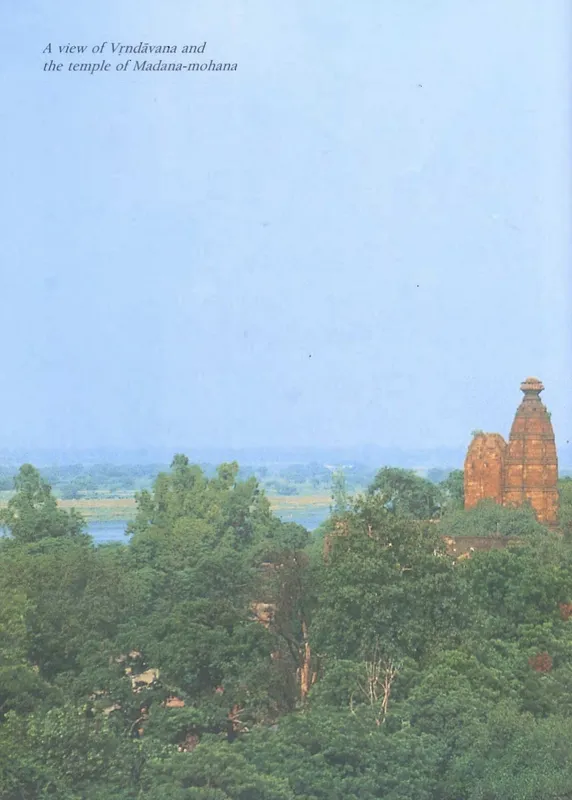
- स्थान: मार्गदर्शिका पुस्तकें और पुराने ग्रन्थ वत्सवन, चौमा, ब्रह्म-घाट और दो ब्रह्म-कुण्डों को इस लीला से जोड़ते हैं। भागवतम् इनमें से किसी का नाम नहीं लेता।[1 +9]
ब्रह्मा ने बछड़े और ग्वालबाल क्यों चुराए?
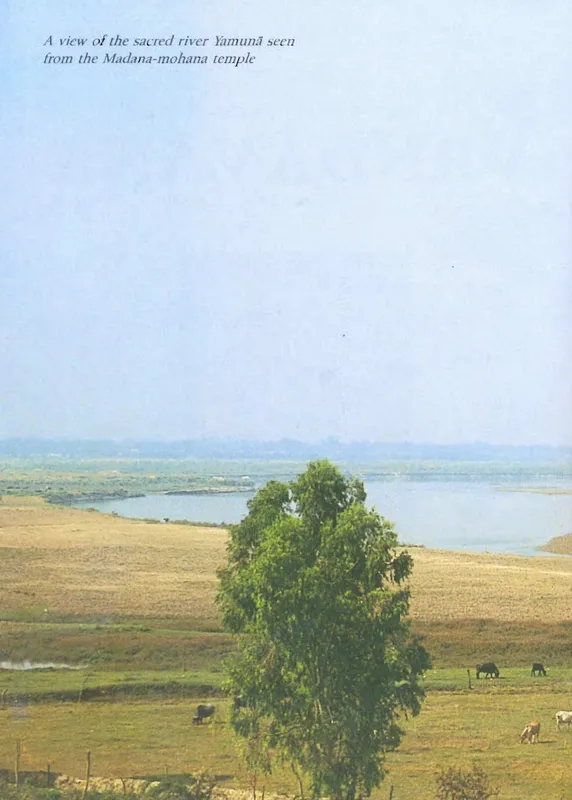
दिन एक वन-भोज से आरम्भ हुआ। कृष्ण ने अभी-अभी अघासुर को मुक्त किया था। वे अपने सखाओं को साफ़ और कोमल रेत वाले एक नदी-तट पर ले आए और कहा कि यह खेलने और दोपहर का भोजन करने का सबसे अच्छा स्थान है।[13, 14] श्रील प्रभुपाद अपने तात्पर्य (श्लोक की व्याख्या) में इस भोजन का चित्र खींचते हैं (अंग्रेज़ी शब्द):
सामान्य उपदेश (स्थान का नाम नहीं लेता)When Kṛṣṇa was eating with His cowherd boyfriends, a certain bumblebee came there to take part in the eating. Thus Kṛṣṇa joked, “Why have you come to disturb My brāhmaṇa friend Madhumaṅgala? You want to kill a brāhmaṇa. This is not good.” All the boys would laugh and enjoy, speaking such joking words while eating.
Śrīla Prabhupāda, Śrīmad-Bhāgavatam, ŚB 10.13.11, purport · vedabase.ioमूल अंग्रेज़ी उद्धरण; इसका प्रकाशित हिन्दी अनुवाद यहाँ नहीं दिया गया।
जब बालक भोजन कर रहे थे, बछड़े चरते-चरते वन में दूर निकल गए, और कृष्ण उन्हें खोजने गए।[1 +4] श्रील प्रभुपाद अपने तात्पर्य में बताते हैं कि कृष्ण ने स्वयं अपने सखाओं के बछड़े खोजने का ध्यान रखा, और यह उनकी अहैतुकी कृपा थी (सारांश)।[18] उसी क्षण ब्रह्मा ने अपना काम किया (अंग्रेज़ी अनुवाद):
O Mahārāja Parīkṣit, Brahmā, who resides in the higher planetary system in the sky, had observed the activities of the most powerful Kṛṣṇa in killing and delivering Aghāsura, and he was astonished. Now that same Brahmā wanted to show some of his own power and see the power of Kṛṣṇa, who was engaged in His childhood pastimes, playing as if with ordinary cowherd boys. Therefore, in Kṛṣṇa’s absence, Brahmā took all the boys and calves to another place. Thus he became entangled, for in the very near future he would see how powerful Kṛṣṇa was.
अनुवाद: Śrīla A.C. Bhaktivedanta Swami Prabhupādaकृष्ण बुक में श्रील प्रभुपाद बताते हैं कि कृष्ण बछड़ों को नहीं खोज पाए। वे यमुना के किनारे, जहाँ सखा भोजन कर रहे थे, अपने सखाओं को भी नहीं पा सके (सारांश)।[7]
बछड़े और बालक कितने समय छिपे रहे?
कृष्ण ने बहुत देर तक नहीं खोजा। ब्रह्मा को और बछड़ों तथा बालकों की माताओं को, दोनों को प्रसन्न करने के लिए, उन्होंने स्वयं का विस्तार किया और बछड़े और बालक बन गए।[1 +5]
tataḥ kṛṣṇo mudaṃ kartuṃ tan-mātṝṇāṃ ca kasya ca / ubhayāyitam ātmānaṃ cakre viśva-kṛd īśvaraḥ
Thereafter, just to create pleasure both for Brahmā and for the mothers of the calves and cowherd boys, Kṛṣṇa, the creator of the entire cosmic manifestation, expanded Himself as calves and boys.
अनुवाद: Śrīla A.C. Bhaktivedanta Swami Prabhupādaश्रील रघुनाथ दास गोस्वामी कहते हैं कि पूरे एक वर्ष हरि (कृष्ण) उनमें से हर एक बने रहे और उनकी माताओं को आनन्द दिया।[10] ब्रह्मा उस समय के बाद लौटे जो उनके लिए केवल एक क्षण था। उन्होंने देखा कि कृष्ण पहले की तरह खेल रहे हैं, ऐसे बालकों और बछड़ों के साथ जो उन्हीं के विस्तार थे।[3]
बलराम को क्यों नहीं ले जाया गया
बलराम उन बालकों में नहीं थे जिन्हें ब्रह्मा ले गए। ब्रह्मा के लौटने के श्लोक पर तात्पर्य में श्रील प्रभुपाद कारण बताते हैं:
सामान्य उपदेश (स्थान का नाम नहीं लेता)“On the day when Lord Brahmā had first come, Baladeva could not go with Kṛṣṇa and the cowherd boys, for it was His birthday, and His mother had kept Him back for the proper ceremonial bath, called śāntika-snāna. Therefore Lord Baladeva was not taken by Brahmā at that time.”
श्रील प्रभुपाद, श्रीमद्भागवतम्, 10.13.40, तात्पर्य · vedabase.ioमूल अंग्रेज़ी उद्धरण; इसका प्रकाशित हिन्दी अनुवाद यहाँ नहीं दिया गया।
श्रील विश्वनाथ चक्रवर्ती ठाकुर और श्रील बलदेव विद्याभूषण उस दिन के बारे में यही कहते हैं (यहाँ सारांश दिया गया है, अनुवाद नहीं)। उनकी माता ने उनके जन्म-नक्षत्र के अनुष्ठानों के लिए उन्हें घर पर रखा था।[20] कृष्ण बुक अघासुर वाली सुबह का वर्णन करते हुए बलराम को उन बालकों में गिनती है जिन्हें वह नाग निगलना चाहता था। ये विवरण नीचे साथ-साथ दिए गए हैं।[21]
ब्रह्मा ने क्या देखा?
कृष्ण ने अपनी योगमाया (अपनी अन्तरंग शक्ति) का परदा हटा लिया। तब ब्रह्मा ने चारों ओर देखा और अपने सामने वृन्दावन पाया। वह ऐसे वृक्षों से भरा था जो उसके निवासियों का पालन करते हैं, और हर ऋतु में मनभावन था।[4] इन श्लोकों में भागवतम् केवल इसी स्थान का नाम लेता है।[1–6] फिर उन्होंने स्वयं परम सत्य को देखा (अंग्रेज़ी अनुवाद):
Then Lord Brahmā saw the Absolute Truth — who is one without a second, who possesses full knowledge and who is unlimited — assuming the role of a child in a family of cowherd men and standing all alone, just as before, with a morsel of food in His hand, searching everywhere for the calves and His cowherd friends.
अनुवाद: Śrīla A.C. Bhaktivedanta Swami Prabhupādaब्रह्मा जल्दी से अपने हंस से उतरे और सोने के एक दण्ड की तरह धरती पर गिर पड़े। उन्होंने अपने चारों मुकुटों से कृष्ण के चरण छुए और आनन्द के आँसुओं से उन्हें धोया।[6]
dṛṣṭvā tvareṇa nija-dhoraṇato 'vatīrya / pṛthvyāṃ vapuḥ kanaka-daṇḍam ivābhipātya / spṛṣṭvā catur-mukuṭa-koṭibhir aṅghri-yugmaṃ / natvā mud-aśru-sujalair akṛtābhiṣekam
After seeing this, Lord Brahmā hastily got down from his swan carrier, fell down like a golden rod and touched the lotus feet of Lord Kṛṣṇa with the tips of the four crowns on his heads. Offering his obeisances, he bathed the feet of Kṛṣṇa with the water of his tears of joy.
अनुवाद: Śrīla A.C. Bhaktivedanta Swami Prabhupādaश्रील प्रभुपाद कृष्ण बुक में यह क्षण बताते हैं (अंग्रेज़ी शब्द):
सामान्य उपदेश (स्थान का नाम नहीं लेता)“Immediately Brahmā descended from his great swan carrier and fell down before the Lord just like a golden stick. … All the four helmets on the heads of Brahmā touched the lotus feet of Kṛṣṇa. Brahmā, being very joyful, began to shed tears, and he washed the lotus feet of Kṛṣṇa with his tears.”
Śrīla Prabhupāda, Kṛṣṇa, the Supreme Personality of Godhead (Kṛṣṇa book), Chapter 13, 'The Stealing of the Boys and Calves by Brahmā' · vedabase.ioमूल अंग्रेज़ी उद्धरण; इसका प्रकाशित हिन्दी अनुवाद यहाँ नहीं दिया गया।
टीकाकार, यानी वे आचार्य जिन्होंने भागवतम् को श्लोक-दर-श्लोक समझाया, समझाते हैं कि ब्रह्मा के कृष्ण को स्नान कराने का अर्थ है कि उन्होंने आँसुओं से कृष्ण के दोनों चरण धोए (यहाँ सारांश दिया गया है, अनुवाद नहीं)। उनमें से कोई किसी सरोवर का नाम नहीं लेता।[23]
ब्रह्मा की स्तुतियाँ क्या हैं?
ब्रह्मा धीरे से उठे और अपनी आँखें पोंछीं। सिर झुकाए, काँपते शरीर से, वे काँपती आवाज़ में कृष्ण की स्तुति करने लगे।[24] उनकी स्तुतियाँ दशम स्कन्ध का पूरा चौदहवाँ अध्याय हैं। श्रील प्रभुपाद उनका आरम्भ देते हैं (अंग्रेज़ी शब्द):
सामान्य उपदेश (स्थान का नाम नहीं लेता)Brahmā said, “My dear Lord, You are the only worshipable Supreme Lord, the Personality of Godhead; therefore I am offering my humble obeisances and prayers just to please You.”
Śrīla Prabhupāda, Kṛṣṇa, the Supreme Personality of Godhead, chapter 14, 'Prayers Offered by Lord Brahmā to Lord Kṛṣṇa' (opening) · vedabase.ioमूल अंग्रेज़ी उद्धरण; इसका प्रकाशित हिन्दी अनुवाद यहाँ नहीं दिया गया।
इन स्तुतियों में ब्रह्मा क्षमा माँगते हैं। श्रील प्रभुपाद लिखते हैं कि ब्रह्मा ने भगवान से प्रार्थना की कि वे उन्हें अपने अधीन एक सेवक मानें और उनकी छोटी सी भूल और अशिष्टता क्षमा करें (सारांश)।[25] स्तुतियों में सबसे अधिक याद की जाने वाली उनकी स्वयं वृन्दावन की इच्छा है (अंग्रेज़ी अनुवाद):
tad bhūri-bhāgyam iha janma kim apy aṭavyāṃ / yad gokule 'pi katamāṅghri-rajo-'bhiṣekam / yaj-jīvitaṃ tu nikhilaṃ bhagavān mukundas / tv adyāpi yat-pada-rajaḥ śruti-mṛgyam eva
My greatest possible good fortune would be to take any birth whatever in this forest of Gokula and have my head bathed by the dust falling from the lotus feet of any of its residents. Their entire life and soul is the Supreme Personality of Godhead, Mukunda, the dust of whose lotus feet is still being searched for in the Vedic mantras.
अनुवाद: Śrīla Prabhupāda's disciples (BBT)श्रील विश्वनाथ चक्रवर्ती ठाकुर इस श्लोक को क्रम से समझाते हैं (यहाँ सारांश दिया गया है, अनुवाद नहीं)। पहले ब्रह्मा वृन्दावन में कोमल घास के रूप में भी जन्म माँगते हैं, जहाँ कृष्ण के सखाओं के चरण उन्हें छू सकें। फिर, मानो उनसे अपने योग्य कुछ माँगने को कहा गया हो, वे गोकुल की सीमा पर एक पत्थर की शिला या लकड़ी का तख़्ता बनना माँगते हैं। वहाँ कृष्ण के किसी एक विनम्र सेवक के चरणों की धूल भी उन्हें नहला देगी। वे यह इसलिए माँगते हैं कि उन लोगों के प्राण ही मुकुन्द (कृष्ण) हैं, जिनके चरणों की धूल वेद आज भी खोजते हैं।[8 +2] श्रील प्रभुपाद यही इच्छा अपने शब्दों में देते हैं (अंग्रेज़ी शब्द):
इस स्थान का नाम लेता है“I am most humbly praying at Your lotus feet for You to please give me any sort of birth within this Vṛndāvana forest so that I may be able to be favored by the dust of the feet of some of the devotees of Vṛndāvana.”
Śrīla Prabhupāda, Kṛṣṇa, the Supreme Personality of Godhead (Kṛṣṇa book), Chapter 14, 'Prayers Offered by Lord Brahmā to Lord Kṛṣṇa' · vedabase.ioमूल अंग्रेज़ी उद्धरण; इसका प्रकाशित हिन्दी अनुवाद यहाँ नहीं दिया गया।
अन्त में ब्रह्मा ने कृष्ण की तीन बार परिक्रमा की, उनके चरणों में दण्डवत् किया और अपने लोक लौट गए।[28] कृष्ण ने बछड़ों को लिया, जो अब भी वहीं थे जहाँ एक वर्ष पहले थे, और उन्हें नदी-तट पर वापस ले आए। वहाँ उनके सखा भोजन पर ऐसे बैठे थे मानो कोई समय बीता ही न हो।[29, 30]
व्रज के कौन से स्थान इस लीला से जुड़े हैं?
भागवतम् स्वयं वृन्दावन और एक नदी-तट का नाम लेता है, पर किसी कुण्ड, घाट (नदी पर स्नान की सीढ़ियाँ) या गाँव का नहीं।[1–6] स्थान बाद के ग्रन्थों से आते हैं, और वे आपस में एकमत नहीं हैं।
वत्सवन, बलिहारा, सेई और चौमा
श्रील रघुनाथ दास गोस्वामी का व्रज-विलास-स्तव दो स्थानों की स्तुति करता है, पर यह नहीं बताता कि वे कहाँ हैं। श्लोक 96 उस स्थान की पूजा करता है जहाँ बछड़े चुराए गए, जहाँ हरि उनमें से हर एक बने और उनकी माताओं को आनन्द दिया।[10] श्लोक 97 भीरु-चतुर्मुख (डरे हुए चार मुख वाले) नाम के स्थान को नमन करता है। वहाँ अपने अपराध से डरे ब्रह्मा धरती पर गिरे और आँसुओं के साथ मुकुन्द की स्तुति की।[12]
भक्ति-रत्नाकर ये स्थान वृन्दावन के उत्तर में श्रील राघव पण्डित गोस्वामी की यात्रा में बताता है। वे श्रील श्रीनिवास आचार्य को वत्सवन दिखाते हैं, जहाँ ब्रह्मा ने बछड़े चुराए। फिर बालकों के हरण के लिए बलिहारा गाँव आता है, और सेई नाम का एक स्थान, जहाँ ब्रह्मा मोहित हुए। अन्त में वह गाँव है जो एचोमुहा छपा है, जहाँ ब्रह्मा कृष्ण के पास आए और स्तुति की।[9–12] मार्गदर्शिका पुस्तक Śrī Vraja-maṇḍala Parikramā (2007) इस गाँव को चौमुँहा पढ़ती है, जो आज चौमा है और जिसका नाम ब्रह्मा के चार मुखों से पड़ा।[31]
नारायण भट्ट का व्रज-भक्ति-विलास तीर्थयात्रियों से वैशाख शुक्ल सप्तमी (अप्रैल-मई) को वत्सवन जाने को कहता है। वे उस वन की प्रार्थना करते हैं जहाँ बछड़े ले जाए गए थे, गोपाल-कुण्ड में स्नान करते हैं और उस स्थान की दो कोस (दूरी की एक पुरानी नाप) की परिक्रमा करते हैं।[32, 33] 2007 की वही मार्गदर्शिका पुस्तक नन्द-घाट से चार मील दक्षिण-पश्चिम के वत्सवन को वह स्थान बताती है जहाँ ब्रह्मा ने बछड़े और बालक दोनों चुराए।[31, 34]
वृन्दावन का ब्रह्म-कुण्ड
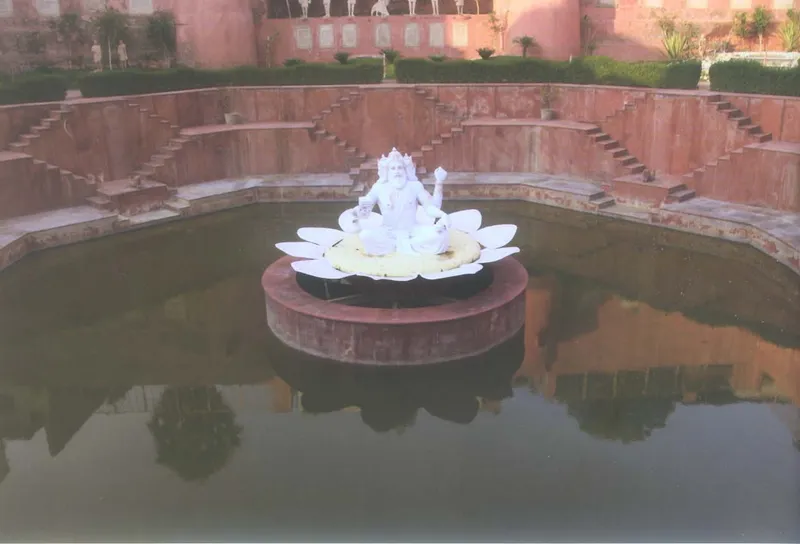
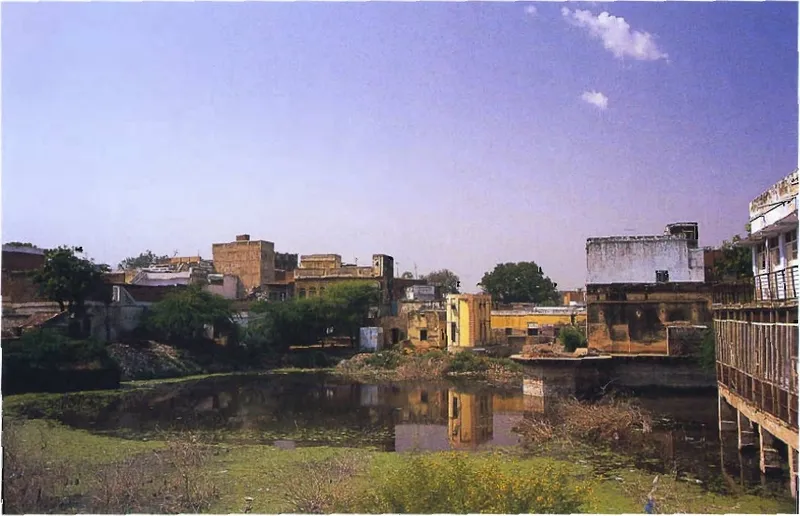
नारद पुराण (एक प्राचीन संस्कृत शास्त्र) की वृन्दावन-स्तुति एक ब्रह्म-कुण्ड को ब्रह्मा के मोह के अन्त से जोड़ती है। वह कहती है कि वृन्दावन के वन का पवित्र ब्रह्म-कुण्ड वह स्थान है जहाँ ब्रह्मा को सत्य दिखाया गया। जो वहाँ भगवान के मूल रूप का स्मरण करते हुए स्नान करता है, वह उनकी महिमा का कुछ अंश देखता है।[35] मार्गदर्शिका पुस्तकें इस कुण्ड को वृन्दावन नगर में श्री रंगजी मन्दिर के उत्तर में बताती हैं, और उनमें से कुछ ब्रह्मा की स्तुतियाँ वहीं रखती हैं। उनके विवरण नीचे दिए गए हैं।[36–38]
इस कुण्ड के अपने दूसरे सम्बन्ध भी हैं। श्रील प्रभुपाद लिखते हैं कि श्रील बिल्वमंगल ठाकुर सात सौ वर्ष तक वृन्दावन में ब्रह्म-कुण्ड के पास रहे, जो स्नान का एक कुण्ड है और आज भी मौजूद है (सारांश)।[39–43]
गोवर्धन का ब्रह्म-कुण्ड और ब्रह्म-घाट
व्रज-भक्ति-विलास कहता है कि गोवर्धन पर ब्रह्मा और देवता आए, और ब्रह्मा ने स्तुतियों और साम-वेद के मन्त्रों के साथ हरि का अभिषेक (विधि से स्नान) किया। इसी से वहाँ का ब्रह्म-कुण्ड बना।[44] और पढ़ें: गोवर्धन के श्रीहरिदेव: विग्रह, श्रीचैतन्य का दर्शन और मन्दिर → गोवर्धन उठाने के बाद कृष्ण के स्नान पर टीकाकार जोड़ते हैं कि ब्रह्मा उस स्नान में नहीं आए, क्योंकि उन्हें पहले की तरह अपराध का डर था (यहाँ सारांश दिया गया है, अनुवाद नहीं)।[45] और पढ़ें: गोवर्धन-धारण, इन्द्र की स्तुति और गोविन्द नाम → मार्गदर्शिका पुस्तक Śrī Vraja-maṇḍala Parikramā (2007) राम-घाट के पास एक ब्रह्म-घाट का नाम भी लेती है, जहाँ कहा जाता है कि ब्रह्मा ने क्षमा माँगने के लिए कृष्ण की पूजा की।[11, 12]
पद्म पुराण यह लीला अपने ढंग से बताता है, जिसका भागवतम् अनुसरण नहीं करता। वहाँ ब्रह्मा ने बछड़े और बालक तब लिए जब बलराम और कृष्ण सो रहे थे। एक वर्ष बाद उन्होंने स्वयं उन्हें लौटाया और अपने बड़े अपराध के लिए क्षमा माँगी (यहाँ सारांश दिया गया है, अनुवाद नहीं)।[46–48]
जहाँ स्रोत अलग-अलग बताते हैं
ब्रह्मा ने स्तुति कहाँ की, और क्या उनके आँसुओं से कोई कुण्ड बना, यह ग्रन्थ अलग-अलग बताते हैं। दो मार्गदर्शिका पुस्तकें कहती हैं कि उनके आँसुओं से वृन्दावन का ब्रह्म-कुण्ड बना। कोई शास्त्र या गोस्वामी-ग्रन्थ ऐसा कहता हुआ ज्ञात नहीं है, और किस स्थान से आशय है, यह निश्चित नहीं है।[6 +6]
विवरण भिन्न हैं Where Brahmā offered his prayers after stealing the calves and boys, and whether his tears formed Brahma-kuṇḍa.
- Vṛndāvana, the Playground of God (2010)The brahmā-vimohana-līlā took place here; as Brahmā prayed he cried tears of ecstasy, and these tears formed the waters of this kuṇḍa.
- The Color Guide to Vṛndāvana (2000)This is where Brahmā offered his prayers; the kuṇḍa was created from his tears.
- Vṛndāvana-Dhāma Ki Jaya! (c. 1986) (Vrindavana dhama Ki Jaya)The place where Brahmā offered prayers is known as Brahma-kuṇḍa (with Vraja-vilāsa-stava 97).
- Bhakti-ratnākara, Fifth Wave, printed pp. 269–270Brahmā stole the calves at Vatsavana (printed p. 269, with Vraja-vilāsa-stava 96) and the boys at Balihārā village, and came to Kṛṣṇa and offered prayers at Ecomuhā village (printed 'এচোমুহা', one word; p. 270, with Vraja-vilāsa-stava 97).
बछड़े और बालक कहाँ चुराए गए, और कौन सा स्थान वत्सवन है, यह भी अलग-अलग बताया गया है।[9 +3]
विवरण भिन्न हैं Where Brahmā stole the calves and the cowherd boys, and which place is 'Vatsavana'.
- Śrīmad-Bhāgavatam 10.13.12-16The calves strayed deep into the forest while the boys ate; the boys were taken from the riverbank; Brahmā took both 'to another place'; no place is named.
- Kṛṣṇa book ch. 13 (Śrīla Prabhupāda)The calves entered the deep forest; the boys were lost on the bank of the Yamunā, where they had been taking their lunch.
- Garga-saṁhitā 2.7.2-7, 28-34The calves went far into a thicket (gahvara) while the boys ate on the Yamunā's sandy bank; Brahmā took the calves and gopas from here; no place is named.
- Bhakti-ratnākara, Fifth Wave (1912, pp. 269-270)The calves were stolen at Vatsavana; the boys at Balihārā.
इन विवरणों के शब्द स्रोतों का हमारा सारांश हैं, कोई प्रकाशित अनुवाद नहीं।
उस दिन बलराम कृष्ण के साथ थे या नहीं, यह श्रील प्रभुपाद का तात्पर्य, टीकाकार और कृष्ण बुक अलग-अलग बताते हैं।[20 +3]
विवरण भिन्न हैं Whether Balarāma was with Kṛṣṇa and the cowherd boys on the day of Aghāsura and of the lunch during which Brahmā took the calves and the boys, as Vṛndāvana, the Playground of God (2010) tells the pastime at Brahma-kuṇḍa.
- Vṛndāvana, the Playground of God (2010), Brahmā-kuṇḍaThe pastime 'took place on Lord Balarāma's birthday, and He was not with Kṛṣṇa and the cowherd boys' at the lunch.
- Śrīla Viśvanātha Cakravartī and Śrīla Baladeva Vidyābhūṣaṇa on ŚB 10.12.1 (and, for the day of Brahmā's return, Viśvanātha, Śrīla Sanātana Gosvāmī and Śrīla Jīva Gosvāmī on ŚB 10.13.40)On that day Balarāma's mother kept Him at home for the propitiatory bath and other rites of His birth-star; on the day of Brahmā's return a year later Baladeva again was not with Kṛṣṇa.
- Śrīla Prabhupāda, ŚB 10.13.40, purport (Bhaktivedanta purport)'On the day when Lord Brahmā had first come, Baladeva could not go with Kṛṣṇa and the cowherd boys, for it was His birthday, and His mother had kept Him back for the proper ceremonial bath, called śāntika-snāna.' A year later, on the same day, Baladeva was again kept at home.
- Śrīmad-Bhāgavatam 10.12.1–10.13.27Names Kṛṣṇa and the cowherd boys for that day, not Balarāma ('sa-balam' in 10.12.14 is translated along with His assistants, the other cowherd boys); Balarāma is named again in 10.13.28, near the end of the year.
इन विवरणों के शब्द स्रोतों का हमारा सारांश हैं, कोई प्रकाशित अनुवाद नहीं।
बछड़े और बालक कैसे ले जाए गए और कैसे लौटाए गए, यह पद्म पुराण भागवतम् से अलग बताता है।[46–48]
विवरण भिन्न हैं How Brahmā took the calves and boys and how they were returned: the Padma Purāṇa tells it differently from the Bhāgavatam.
- Śrīmad-Bhāgavatam 10.13.15, 10.14.42while Kṛṣṇa was away searching for the calves, Brahmā took the boys and calves; after Brahmā's prayers and departure Kṛṣṇa Himself brought the calves back to the riverbank where His friends sat at their meal.
- Padma Purāṇa, Uttara-khaṇḍa 245.100-107, 122-123Brahmā took the calves and boys while Balarāma and Kṛṣṇa slept under a jambu tree; after a year he gave them back himself and then prayed for forgiveness.
इस लेख के स्थान
प्रश्न और उत्तर
ब्रह्मा चकित थे कि कृष्ण ने अघासुर को मुक्त कर दिया। वे अपनी कुछ शक्ति दिखाना और कृष्ण की और शक्ति देखना चाहते थे। इसलिए जब कृष्ण दूर थे, उन्होंने बछड़ों और बालकों को दूसरे स्थान पर ले जाकर छिपा दिया।[1]
ब्रह्मा के समय का एक क्षण, जो मनुष्यों की गिनती में पूरा एक वर्ष था। श्रील रघुनाथ दास गोस्वामी कहते हैं कि उस वर्ष कृष्ण स्वयं सारे बछड़े और बालक बने और उनकी माताओं को आनन्द दिया।[2 +2]
भागवतम् केवल वृन्दावन और भोजन वाले नदी-तट का नाम लेता है। भक्ति-रत्नाकर बछड़ों के लिए वत्सवन, बालकों के लिए बलिहारा और स्तुतियों के लिए एचोमुहा का नाम लेता है। मार्गदर्शिका पुस्तकें दूसरे स्थान बताती हैं।[1 +8]
उन्होंने वृन्दावन देखा, और उसमें अकेले कृष्ण को एक ग्वाल-बालक के रूप में। कृष्ण हाथ में भोजन का एक कौर लिए हर जगह बछड़ों और अपने सखाओं को खोज रहे थे। तब ब्रह्मा उनके चरणों में गिरे और आँसुओं से उन्हें धोया।[4–6]
वे दशम स्कन्ध का पूरा चौदहवाँ अध्याय हैं। उनमें ब्रह्मा क्षमा माँगते हैं। वे गोकुल के वन में कोई भी जन्म पाने की प्रार्थना करते हैं, ताकि वहाँ के लोगों के चरणों की धूल उन्हें छू सके।[8, 25]
भक्ति-रत्नाकर वत्सवन, बलिहारा और एचोमुहा का नाम लेता है, जिसे आज चौमा पढ़ा जाता है। नारद पुराण और मार्गदर्शिका पुस्तकें वृन्दावन के ब्रह्म-कुण्ड का नाम लेती हैं। एक मार्गदर्शिका पुस्तक ब्रह्म-घाट और गोवर्धन के ब्रह्म-कुण्ड का नाम लेती है।[9 +4]
स्रोत
- Śrīmad-Bhāgavatam 10.13.15, Bhagavata Vidya Pith edition, ed. Bhagavata Rishi and Krishna Shankar Shastri, 1996
- Śrīmad-Bhāgavatam 10.13.18, GRETIL
- Śrīmad-Bhāgavatam 10.13.40, GRETIL
- Śrīmad-Bhāgavatam 10.13.59, GRETIL
- Śrīmad-Bhāgavatam 10.13.61, Bhagavata Vidya Pith edition, ed. Bhagavata Rishi and Krishna Shankar Shastri, 1996
- Śrīmad-Bhāgavatam 10.13.62, GRETIL
- Śrīla Prabhupāda, Kṛṣṇa, the Supreme Personality of Godhead, Chapter 13, 'The Stealing of the Boys and Calves by Brahmā' · vedabase.io
- Śrīmad-Bhāgavatam 10.14.34, GRETIL
- Śrīla Narahari Cakravartī, Bhakti-ratnākara, Fifth Wave, printed p. 269: Vatsavana, 2nd ed., 1912
- Raghunātha dāsa Gosvāmī, Stavāvalī (9) Vraja-vilāsa-stava v.96
- Śrīla Narahari Cakravartī, Bhakti-ratnākara, Fifth Wave, printed p. 270 (1912 edition), 2nd ed., 1912
- Śrīla Raghunātha dāsa Gosvāmī, Vraja-vilāsa-stava, Stavāvalī (9) Vraja-vilāsa-stava v.97
- Śrīmad-Bhāgavatam, 10.13.5, online edition · vedabase.io
- Śrīla Prabhupāda, Kṛṣṇa, the Supreme Personality of Godhead (Kṛṣṇa book), Chapter 13, 'The Stealing of the Boys and Calves by Brahmā' · vedabase.io
- Śrīmad-Bhāgavatam 10.13.12, Bhagavata Vidya Pith edition, ed. Bhagavata Rishi and Krishna Shankar Shastri, 1996
- Śrīmad-Bhāgavatam 10.13.16, Bhagavata Vidya Pith edition, ed. Bhagavata Rishi and Krishna Shankar Shastri, 1996
- Śrīmad-Bhāgavatam 10.13.18, Bhagavata Vidya Pith edition, ed. Bhagavata Rishi and Krishna Shankar Shastri, 1996
- Śrīla Prabhupāda, Śrīmad-Bhāgavatam, 10.13.14, purport · vedabase.io
- Śrīmad-Bhāgavatam 10.13.15, Bhagavata Vidya Pith edition, ed. Bhagavata Rishi and Krishna Shankar Shastri, 1996
- Śrīla Viśvanātha Cakravartī Ṭhākura: commentary on ŚB 10.12.1, Bhagavata Vidya Pith edition, ed. Bhagavata Rishi and Krishna Shankar Shastri, 1996
सभी 52 संदर्भ दिखाएँ
- Śrīla Prabhupāda, Kṛṣṇa, the Supreme Personality of Godhead (Kṛṣṇa book), Chapter 12, 'The Killing of the Aghāsura Demon' · vedabase.io
- Śrīmad-Bhāgavatam 10.13.61, Bhagavata Vidya Pith edition, ed. Bhagavata Rishi and Krishna Shankar Shastri, 1996
- Śrīla Sanātana Gosvāmī: commentary on ŚB 10.13.62, Bhagavata Vidya Pith edition, ed. Bhagavata Rishi and Krishna Shankar Shastri, 1996
- Śrīmad-Bhāgavatam 10.13.64, GRETIL
- Śrīla Prabhupāda, Kṛṣṇa, the Supreme Personality of Godhead, ch. 14 'Prayers Offered by Lord Brahmā to Lord Kṛṣṇa' · vedabase.io
- Śrīla Viśvanātha Cakravartī Ṭhākura: commentary on ŚB 10.14.34, Bhagavata Vidya Pith edition, ed. Bhagavata Rishi and Krishna Shankar Shastri, 1996
- Vṛndāvana, the Playground of God (2010), Bhakti Caitanya Svāmī, PDF p. 198
- Śrīmad-Bhāgavatam 10.14.41, GRETIL
- Śrīmad-Bhāgavatam 10.14.42, GRETIL
- Śrīla Prabhupāda, Kṛṣṇa, the Supreme Personality of Godhead (Kṛṣṇa book), Chapter 14, 'Prayers Offered by Lord Brahmā to Lord Kṛṣṇa' (end of the prayers) · vedabase.io
- Śrī Vraja-maṇḍala Parikramā (2007), PDF p. 246
- Śrīla Nārāyaṇa Bhaṭṭa, Vraja-bhakti-vilāsa, printed pp. 244-245, section 57, 1st ed., publ. Bābā Kṛṣṇadāsa, Kusuma-sarovara, Saṁvat 2008
- Śrīla Nārāyaṇa Bhaṭṭa, Vraja-bhakti-vilāsa, ch. 2 v.56 (the 'signs', liṅga, of the forests), printed p. 52, 1st ed., publ. Bābā Kṛṣṇadāsa, Kusuma-sarovara, Saṁvat 2008
- Śrī Vraja-maṇḍala Parikramā (2007), PDF p. 245
- Nārada Purāṇa, उत्तरार्धः/अध्यायः 80 v.80-58–80-60
- Śrī Vraja-maṇḍala Parikramā (2007), PDF p. 345
- Śrī Vraja-maṇḍala Parikramā (2007), PDF p. 321
- The Color Guide to Vṛndāvana (2000), Written and Photographed by Rājaśekhara dāsa Brahmacārī, PDF p. 136
- Śrīla Prabhupāda, Śrī Caitanya-caritāmṛta, Ādi-līlā 1.57, purport · vedabase.io
- Vṛndāvana, the Playground of God (2010), Bhakti Caitanya Svāmī, PDF p. 190
- The Color Guide to Vṛndāvana (2000), Written and Photographed by Rājaśekhara dāsa Brahmacārī, PDF p. 125
- Vṛndāvana-Dhāma Ki Jaya! (c. 1986), by Dhruva Mahārāja dāsa, PDF p. 79
- the undated parikramā notes Vṛndāvana, ¶245
- Śrīla Nārāyaṇa Bhaṭṭa, Vraja-bhakti-vilāsa, Govardhana section, printed p. 113, after mantra 4, 1st ed., publ. Bābā Kṛṣṇadāsa, Kusuma-sarovara, Saṁvat 2008
- Śrīla Jīva Gosvāmī: commentary on ŚB 10.27.21, Bhagavata Vidya Pith edition, ed. Bhagavata Rishi and Krishna Shankar Shastri, 1996
- Padma Purāṇa, Uttara-khaṇḍa (6) ch. 245, vv.101-102, Sanskrit Wikisource
- Padma Purāṇa, Uttara-khaṇḍa (6) ch. 245, vv.106-107, Sanskrit Wikisource
- Padma Purāṇa, Uttara-khaṇḍa (6) ch. 245, vv.122-123, Sanskrit Wikisource
- The Color Guide to Vṛndāvana (2000), Written and Photographed by Rājaśekhara dāsa Brahmacārī, PDF p. 135
- Śrī Vraja-maṇḍala Parikramā (2007), PDF p. 239
- Śrīla Prabhupāda, Śrīmad-Bhāgavatam, 10.13.40, purport · vedabase.io
- Vṛndāvana, the Playground of God (2010), Bhakti Caitanya Svāmī, PDF p. 196
अन्य स्रोत
- श्रीमद्भागवतम् 10.13 (श्रील प्रभुपाद का अनुवाद और तात्पर्य) और 10.14 (उनके शिष्यों का अनुवाद), भक्तिवेदान्त बुक ट्रस्ट; श्रील प्रभुपाद की कृष्ण बुक, अध्याय 12 से 14।
- भक्ति-रत्नाकर (बांग्ला, 1912 का संस्करण), पाँचवीं तरंग; श्रील रघुनाथ दास गोस्वामी का व्रज-विलास-स्तव; नारद और पद्म पुराण: यहाँ सारांश दिया गया है, अनुवाद नहीं।