Kṛṣṇa and the wives of the brāhmaṇas: the pastime and its places
कृष्ण और याज्ञिक ब्राह्मणों की पत्नियाँ: लीला और उसके स्थान
In short
In Śrīmad-Bhāgavatam 10.22–10.23, hungry cowherd boys asked for food from brāhmaṇas (priests) performing a sacrifice. The brāhmaṇas ignored them, but their wives brought food to Kṛṣṇa in an aśoka grove by the Yamunā. The Bhāgavatam names no place. Later texts remember the meal at Bhojana-sthala near Akrūra, the village the guidebooks call Bhātrola (Bhatrol).[1–15]
On this page
At a glance
- Scripture: Śrīmad-Bhāgavatam 10.22.29–10.23.52, in the translation of Śrīla Prabhupāda's disciples, and Śrīla Prabhupāda's Kṛṣṇa book, chapter 23.[2 +6]
- The setting: a good distance from Vṛndāvana, after the pastime of the gopīs' (cowherd girls') garments, in a small forest by the Yamunā.[1, 2]
- The refusal: the brāhmaṇas were busy with the Āṅgirasa sacrifice and ignored the boys' request for food.[1–6]
- The wives: they brought four kinds of food at once and met Kṛṣṇa in a grove adorned with aśoka shoots.[4, 7–9]
- The lesson: love for Kṛṣṇa grows by hearing, seeing, meditating and chanting, not by being near Him in body.[8]
- The places: the Bhakti-ratnākara names a Bhojana-sthala near the Akrūra village. The guidebooks name Bhātrola, Yajña-sthala and the Batharan-bihārī temple.[5 +9]
Why were the cowherd boys hungry?
The pastime follows the gopīs' (cowherd girls') vow and the return of their garments. Some time later, the Bhāgavatam says, Kṛṣṇa went with Balarāma and the cowherd boys a good distance from Vṛndāvana, herding the cows.[1] Read more: The Kātyāyanī vow and the gopīs' clothes: the pastime and its places → They came through the trees to the Yamunā, and the cows and boys drank. The boys grazed the animals in a small forest along the river until they grew very hungry.[2]
iti pravāla-stabaka- phala-puṣpa-dalotkaraiḥ / tarūṇāṃ namra-śākhānāṃ madhyato yamunāṃ gataḥ
… tasyā upavane kāmaṃ cārayantaḥ paśūn nṛpa / kṛṣṇa-rāmāv upāgamya kṣudh-ārtā idam abravan
Then, O King, the cowherd boys began herding the animals in a leisurely way within a small forest along the Yamunā. But soon they became afflicted by hunger and, approaching Kṛṣṇa and Balarāma, spoke as follows.
Translation: Śrīla Prabhupāda's disciples (BBT)The commentators, the teachers who explained the Bhāgavatam verse by verse, add why they were so far from home (summarised here, not translated). Śrīla Sanātana Gosvāmī calls the wives women of Mathurā. He says that Kṛṣṇa went far from Vṛndāvana to come near their homes. Śrīla Jīva Gosvāmī says that He first went to the hilly Kāmyaka forest and then came to the Yamunā, keeping Vraja on His right. In this way He missed the midday meal sent from home, for the sake of His mercy to these ladies.[21] Śrīla Sanātana Gosvāmī, Śrīla Jīva Gosvāmī and Śrīla Viśvanātha Cakravartī Ṭhākura take the grove where the boys grew hungry to be the aśoka grove where the wives later met Kṛṣṇa. Its trees gave no fruit to eat.[2 +4]
Why did the brāhmaṇas refuse to give food?
Kṛṣṇa sent the boys to a nearby place where a sacrifice (a fire ritual) was being held:[3]
prayāta deva-yajanaṃ brāhmaṇā brahma-vādinaḥ / satram āṅgirasaṃ nāma hy āsate svarga-kāmyayā
tatra gatvaudanaṃ gopā yācatāsmad-visarjitāḥ / kīrtayanto bhagavata āryasya mama cābhidhām
[Lord Kṛṣṇa said:] Please go to the sacrificial arena where a group of brāhmaṇas, learned in the Vedic injunctions, are now performing the Āṅgirasa sacrifice to gain promotion to heaven.
Translation: Śrīla Prabhupāda's disciples (BBT)The boys told the brāhmaṇas that Rāma and Acyuta (Balarāma and Kṛṣṇa) were tending the cows not far away and were hungry. They asked them, if they had faith, to give some food.[10] The brāhmaṇas did not answer them.[1–6] Śrīla Prabhupāda tells Kṛṣṇa's instruction in the Kṛṣṇa book:
Names this place“My dear friends, please go to the house of the brāhmaṇas nearby. They are now engaged in performing the Vedic sacrifice known as Āṅgirasa, for they desire elevation to the heavenly planets.”
Śrīla Prabhupāda, Kṛṣṇa, the Supreme Personality of Godhead, Chapter 23, 'Delivering the Wives of the Brāhmaṇas Who Performed Sacrifices' · vedabase.io
Who were the wives of the brāhmaṇas, and where did they meet Kṛṣṇa?
Kṛṣṇa sent the boys a second time. Now they went to the wives' quarters and spoke to the ladies directly.[11]
gatvātha patnī-śālāyāṃ dṛṣṭvāsīnāḥ sv-alaṅkṛtāḥ / natvā dvija-satīr gopāḥ praśritā idam abruvan
… namo vo vipra-patnībhyo nibodhata vacāṃsi naḥ / ito 'vidūre caratā kṛṣṇeneheṣitā vayam
… gāś cārayan sa gopālaiḥ sa-rāmo dūram āgataḥ / bubhukṣitasya tasyānnaṃ sānugasya pradīyatām
[The cowherd boys said:] Obeisances unto you, O wives of the learned brāhmaṇas. Kindly hear our words. We have been sent here by Lord Kṛṣṇa, who is passing by not far from here.
Translation: Śrīla Prabhupāda's disciples (BBT)The boys told the wives that Kṛṣṇa "has come a long way". The commentators read these words in two ways (summarised here, not translated). Śrīla Sanātana Gosvāmī and Śrīla Jīva Gosvāmī explain them as "far from home", so that no food could be brought from there. Or, reading the same letters as "not far", they say the words were repeated to stress how near He was, so that the wives would come. Śrīla Viśvanātha Cakravartī Ṭhākura and Śrīla Baladeva Vidyābhūṣaṇa read only "not far": He has come quite near.[24]
The wives brought the four kinds of food at once.[4, 7–9] Śrīla Prabhupāda describes their state of mind:
Names this place“Being advanced by thinking of Kṛṣṇa constantly, they were performing the greatest form of mystic meditation. All the wives then became very busily engaged in filling up different pots with nice food.”
Śrīla Prabhupāda, Kṛṣṇa, the Supreme Personality of Godhead, Chapter 23, 'Delivering the Wives of the Brāhmaṇas Who Performed Sacrifices' · vedabase.io
They found Him along the river Yamunā, in a garden decorated with buds of aśoka trees, walking with the cowherd boys and Balarāma.[7] The Bhāgavatam describes Him as they saw Him:
śyāmaṃ hiraṇya-paridhiṃ vanamālya-barha- … dhātu-pravāla-naṭa-veṣam anavratāṃse … vinyasta-hastam itareṇa dhunānam abjaṃ … karṇotpalālaka-kapola-mukhābja-hāsam
His complexion was dark blue and His garment golden. Wearing a peacock feather, colored minerals, sprigs of flower buds, and a garland of forest flowers and leaves, He was dressed just like a dramatic dancer. He rested one hand upon the shoulder of a friend and with the other twirled a lotus. Lilies graced His ears, His hair hung down over His cheeks, and His lotuslike face was smiling.
Translation: Śrīla Prabhupāda's disciples (BBT)Śrīla Prabhupāda sets the meeting in the forest of Vṛndāvana on the bank of the Yamunā:
Names this place“The women entered the forest of Vṛndāvana on the bank of the Yamunā, which was verdant with vegetation and newly grown vines and flowers. Within that forest they saw Kṛṣṇa and Balarāma engaged in tending the cows along with Their very affectionate boyfriends.”
Śrīla Prabhupāda, Kṛṣṇa, the Supreme Personality of Godhead, Chapter 23, 'Delivering the Wives of the Brāhmaṇas Who Performed Sacrifices' · vedabase.io
Śrīla Jīva Gosvāmī's Gopāla-campū keeps the Bhāgavatam's aśoka grove by the river as the meeting place. It says that the grove became a-śoka, free from sorrow, when the wives came to it, and it gives a song for the scene.[26]
What did Kṛṣṇa tell the wives?
Kṛṣṇa told the wives to go back to the place of sacrifice. Their husbands, as householders, needed them to finish their sacrifices.[12] Śrīla Sanātana Gosvāmī and Śrīla Jīva Gosvāmī point out that He said "go to the sacrifice" and not "go home". Śrīla Jīva Gosvāmī adds that the wives went back to their husbands only on His order (summarised here, not translated).[8 +2] He told them that they would lose nothing by going:
śravaṇād darśanād dhyānān mayi bhāvo 'nukīrtanāt / na tathā sannikarṣeṇa pratiyāta tato gṛhān
It is by hearing about Me, seeing My Deity form, meditating upon Me and chanting My names and glories that love for Me develops, not by physical proximity. Therefore please go back to your homes.
Translation: Śrīla Prabhupāda's disciples (BBT)The wives returned to the place of sacrifice. The brāhmaṇas found no fault with them and completed the sacrifice together with them.[8 +4] Śrīla Prabhupāda writes that all the wives returned home to their husbands, who were pleased to see them back.[29]
The lady who was held back
One lady could not go. The Bhāgavatam says that one wife, held back by her husband, embraced Kṛṣṇa in her heart and gave up her body.[9] The commentators explain that she was in the sacrificial enclosure when the others left, because she had stayed behind or set out last (summarised here, not translated).[9, 30]
The meal in the aśoka grove
After the wives had gone, Govinda (Kṛṣṇa) fed the cowherd boys with the four kinds of food and then ate Himself.[4, 9] Śrīla Sanātana Gosvāmī describes the scene. Kṛṣṇa Himself served the boys and ate with them. They sat around Him in a circle like rows of lotus petals, with Him in the middle like the centre of the flower. Śrīla Jīva Gosvāmī and Śrīla Viśvanātha Cakravartī Ṭhākura add that the food was little for so many cowherds, yet by His power it filled them all (summarised here, not translated).[9, 31] Śrīla Prabhupāda closes the scene:
General teaching (does not name the place)“In this way the ever-joyful Personality of Godhead exhibited His transcendental pastimes in the guise of an ordinary human being in order to attract the common people to Kṛṣṇa consciousness. With His words and beauty He attracted all the cows, cowherd boys and damsels in Vṛndāvana.”
Śrīla Prabhupāda, Kṛṣṇa, the Supreme Personality of Godhead (Kṛṣṇa book), Chapter 23, 'Delivering the Wives of the Brāhmaṇas Who Performed Sacrifices' · vedabase.io
The Bhāgavatam closes Kṛṣṇa's part in the episode with one verse:[32]
evaṃ līlā-nara-vapur nr-lokam anuśīlayan / reme go-gopa-gopīnāṃ ramayan rūpa-vāk-kṛtaiḥ
Thus the Supreme Lord, appearing like a human being to perform His pastimes, imitated the ways of human society. He enjoyed pleasing His cows, cowherd boyfriends and cowherd girlfriends with His beauty, words and actions.
Translation: Śrīla Prabhupāda's disciples (BBT)Śrīla Sanātana Gosvāmī and Śrīla Jīva Gosvāmī read this verse as a summing up. All of it, the favour to the wives included, was for the joy of the people of Vraja. Śrīla Viśvanātha Cakravartī Ṭhākura and Śrīla Baladeva Vidyābhūṣaṇa explain that the gopīs of the verse are the young gopīs of Vraja, not the brāhmaṇa ladies (summarised here, not translated).[32]
What did the brāhmaṇas understand afterwards?
When the brāhmaṇas heard what had happened, they blamed themselves:
dṛṣṭvā strīṇāṃ bhagavati kṛṣṇe bhaktim alaukikīm / ātmānaṃ ca tayā hīnam anutaptā vyagarhayan
dhig janma nas tri-vṛd yat tad dhig vrataṃ dhig bahu-jñatām / dhik kulaṃ dhik kriyā-dākṣyaṃ vimukhā ye tv adhokṣaje
[The brāhmaṇas said:] To hell with our threefold birth, our vow of celibacy and our extensive learning! To hell with our aristocratic background and our expertise in the rituals of sacrifice! These are all condemned because we were inimical to the transcendental Personality of Godhead.
Translation: Śrīla Prabhupāda's disciples (BBT)They became eager to see Kṛṣṇa. But they were afraid of King Kaṁsa and did not dare go to Vraja.[8 +4] Śrīla Prabhupāda writes:
General teaching (does not name the place)“They wanted to go personally to offer their obeisances unto Him, but being afraid of Kaṁsa, they could not go to Kṛṣṇa and surrender unto Him.”
Śrīla Prabhupāda, Kṛṣṇa, the Supreme Personality of Godhead (Kṛṣṇa book), Chapter 23, 'Delivering the Wives of the Brāhmaṇas Who Performed Sacrifices' · vedabase.io
Śrīla Jīva Gosvāmī explains the fear by where they lived. In his Prīti-sandarbha he says that Kṛṣṇa came along the Yamunā to a paved platform called Bhakta-krīḍana. The sacrificing brāhmaṇas lived to the south of it and to the north of Mathurā, near Kaṁsa (summarised here, not translated).[28 +4] In other comments Śrīla Sanātana Gosvāmī and Śrīla Jīva Gosvāmī place that platform at the edge of Vṛndāvana, toward Mathurā. No source gives it a present-day name.[34 +2]
How do the other Purāṇas tell it?
Three other Purāṇas, old scriptures like the Bhāgavatam, tell or touch on the pastime, each in its own way (summarised here from the Sanskrit, not translated).[38–47]
The Garga-saṁhitā places it right after a forest fire in the Muñja forest. Having swallowed the fire, Kṛṣṇa led the cowherds and the cows to a beautiful aśoka forest on the far side of the Yamunā. The episode of the wives follows there. The wives carried the food in many vessels to Him in the aśoka forest on the river bank. He told them that by their power their husbands would at once gain the fruit of the sacrifice and go with them to Goloka (Kṛṣṇa's eternal abode). After the meal He went on with Balarāma and the boys to Vṛndāraṇya. In another book of the same work, the aśoka forest on the Yamunā is reached from Bhāṇḍīra.[38–41] Like the Bhāgavatam, the Garga-saṁhitā gives the place no name.[38–41]
The Brahma-vaivarta Purāṇa tells it differently again. Kṛṣṇa goes with Balarāma and the boys to Śrī-Madhuvana by the Yamunā. The brāhmaṇas of the Āṅgirasa line perform their sacrifice in their own āśrama (hermitage). The boys tell the wives that Rāma and Keśava are waiting not far away, at the root of a banyan in Bhāṇḍīra, in Madhuvana. After the meal the wives go to Goloka in a chariot, and Kṛṣṇa sends shadow forms of them to the brāhmaṇas' homes.[42–46] In the Bhāgavatam, by contrast, the wives go back and complete the sacrifice with their husbands.[13]
The Padma Purāṇa does not tell the story. It pictures Vṛndāvana as a lotus of eight petals. The seventh petal, in the west, grants the wished-for boon to the wives of the sacrificers. It is the same petal that holds Brahma-mohana and Brahma-hrada, and no Yajña-sthala or Bhojana-sthala is named. Its list of the places of Mathurā-maṇḍala (the land around Mathurā) also has a "place of eating", without saying which meal is meant.[47, 48]
Where is the place of this pastime remembered?
The Bhāgavatam names no site. Besides the grove by the Yamunā, it gives only distances and common words. The cows were "not far" from the sacrifice, the boys found the wives in their quarters, and the place of the sacrifice is called the sacrificial arena or enclosure.[2 +5]
Later texts name places. Śrīla Raghunātha dāsa Gosvāmī's Vraja-vilāsa-stava bows to the place where the wives of the sacrificers fed Kṛṣṇa, Balarāma and their friends with plenty of food. It bows to those wives too, without naming the place.[15 +2] The Bhakti-ratnākara tells of a place that Śrīla Rāghava Paṇḍita showed Śrīla Śrīnivāsa Ācārya right after the Akrūra village. There, it says, the sages headed by Aṅgirā performed a sacrifice and Kṛṣṇa ate with His companions, and everyone knows the place as Bhojana-sthala, the place of eating.[14, 15] Śrīla Murāri Gupta's account of Śrī Caitanya's tour ends its round of Vṛndāvana with the place where Kṛṣṇa took food from the brāhmaṇas' wives (summarised here, not translated).[51]
Nārāyaṇa Bhaṭṭa's Vraja-bhakti-vilāsa includes a Yajña-patnī-sthala, the place of the brāhmaṇas' wives, in the walk around Vṛndāvana, just before Akrūra-ghāṭa, with its own prayer.[17, 52] Read more: Akrūra's vision in the Yamunā → Śrī Vraja-maṇḍala Parikramā (2007) names two places. One is Yajña-sthala, the sacrificial arena near Akrūra-ghāṭa. The other is Bhojana-sthala, which it calls Bhātrola-gaon, where Kṛṣṇa enjoyed the food.[5 +4] According to Vṛndāvana, the Playground of God (2010) and The Color Guide to Vṛndāvana (2000), the Batharan-bihārī Mandira marks the place where Kṛṣṇa and the boys ate the food. So it is also called Bhojana Sthālī, the eating place.[6 +4]
What the old books saw at Bhātrola
The oldest dated notices of a temple here are in historians' records. The historian A. W. Entwistle (1987) reports on Gokuldās Pārikh, treasurer of Gwalior State. Pārikh first wanted to install the Deity (the sacred form of the Lord) he had brought to Mathurā in a walled garden opposite the temple of Bhatror, on the edge of Vṛndāvana. The site proved inconvenient, and his Dvārakādhīśa temple was built in the centre of Mathurā in 1814–15. The historian Prabhudayāl Mītal (1966) says that Pārikh camped near Bhatarod, between Mathurā and Vṛndāvana. There he made a temporary arrangement for Śrī Dvārakādhīśa's worship in a garden, before installing Him in Mathurā in Saṁvat 1871 (a year of the Indian Vikrama calendar). He names no temple there.[53, 54] F. S. Growse (1883) describes the temple of Bhat-rond in the hamlet of Akrūr, on the edge of a cliff above the river flats. He tells of a single tower with an image of Bihārī Jī and a large garden of the Seths opposite. A fair, the Bhat-mela, was held on the road between them on the full moon of Kārttika (October–November). The district gazetteer of 1911 repeats the description. No source says whether this is the temple the guidebooks call Batharan-bihārī.[55, 56]
The Vṛndāvana-kathā (1920) reports what the Vrajavāsīs (the people of Vraja) said: Kṛṣṇa ate the food with His friends at Bhojana-ṭīlā, an old mound called Bhātarol a little way from Akrūra-ghāṭa. It describes the temple on the mound as then in ruins, with its Deity of the Vallabha tradition moved to Mathurā.[57] The historian A. W. Entwistle (1987) places the temple of Bhatror Bihari on a mound near the parikramā path (the pilgrims' walk around Vṛndāvana), in the area called Hanuman Nagar.[58]
Śrī Vraja-maṇḍala Parikramā (2007) adds that after the meal Kṛṣṇa and His friends walked back toward their home. At Aṭalavana, it says, He told them that the food had made Him unable to move. This is a local account, and it is not certain.[16] The Bhāgavatam tells of no walk back after the meal and no such remark, and the commentators do not mention one either.[31, 32]
Where the sources differ
The texts tell differently which site honours the sacrifice and which the meal, and whether they are one place or two.[5 +5]
Accounts differ Which site honours the sacrifice and which the meal of the brāhmaṇas' wives' pastime (one place or two, and their names).
- Śrī Vraja-maṇḍala Parikramā (2007)Two places: Yajña-sthala, the sacrificial arena of the Mathurā brāhmaṇas near Akrūra-ghāṭa, where the brāhmaṇas refused the sakhās; and Bhojana-sthala (Bhātrola-gaon), where Kṛṣṇa relished the food the yajña-patnīs brought.
- Vṛndāvana-Dhāma Ki Jaya! (c. 1986)One heading, 'Yajña-sthāna', tells both the refusal and the feeding, and closes with Vraja-vilāsa-stava 86, which bows to 'the place where Lord Kṛṣṇa enjoyed this pastime' (the feeding).
- Bhakti-ratnākara, Fifth Wave, p. 289One place near the Akrūra village: there the Aṅgiras sages sacrificed, the wives brought the food and Kṛṣṇa ate right here; everyone knows this place by the name Bhojana-sthala. Vraja-vilāsa-stava 86 is quoted for it.
- Vṛndāvana, the Playground of God (2010) and The Color Guide to Vṛndāvana (2000)The Batharan-bihārī temple marks the place where Kṛṣṇa ate (with Balarāma and the boys) after the wives' visit; it is 'also known as Bhojana Sthālī' (Vṛndāvana, the Playground of God (2010): the wives came 'here on the banks of the River Yamunā'). Neither book names Bhātrola or Yajña-sthala.
The wording of these accounts is our summary of the sources, not a published translation.
The scriptures and the Gosvāmīs (the great teachers of Vṛndāvana) also set the pastime in different places. The Garga-saṁhitā has an aśoka forest on the far side of the Yamunā, and the Brahma-vaivarta Purāṇa sets it at Madhuvana and Bhāṇḍīra.[38–46]
Accounts differ Where the scriptures and the Gosvāmīs set the pastime of the brāhmaṇas' wives.
- Śrīmad-Bhāgavatam 10.22.29-38, 10.23.7, 10.23.21A good distance from Vṛndāvana, in a small forest by the Yamunā; the sacrificial arena 'not far'; the wives meet Kṛṣṇa in a grove by the Yamunā adorned with aśoka shoots. No name.
- Garga-saṁhitā, Mādhurya-khaṇḍa 21.6, 15, 21After the forest fire in the Muñjāṭavī, an aśoka forest 'on the far side of the Yamunā'; after the meal Kṛṣṇa 'came to Vṛndāraṇya' (which suggests it lay outside it; not stated).
- Garga-saṁhitā, Balabhadra-khaṇḍa 6.13From Bhāṇḍīra to the bank of the Yamunā, to an aśoka forest there.
- Brahma-vaivarta Purāṇa, Śrīkṛṣṇa-janma-khaṇḍa 18.5, 10, 21Kṛṣṇa went to Śrī-Madhuvana by the Yamunā; the Āṅgirasa brāhmaṇas' āśrama was near 'Śrīvana'; Kṛṣṇa waited at the root of a banyan in Madhuvana, in Bhāṇḍīra, far from here.
The wording of these accounts is our summary of the sources, not a published translation.
The texts tell in different ways how many wives were held back, and what became of the wives afterwards; in the Brahma-vaivarta the wives go to Goloka.[8 +9]
Accounts differ How many wives were kept back by their husbands and gave up their bodies.
- Śrīmad-Bhāgavatam 10.23.35One lady (ekā), held back by her husband, embraced Kṛṣṇa in her heart and gave up her body.
- Śrīla Prabhupāda, Kṛṣṇa book ch. 23'One of the brāhmaṇas' wives … who had been forcibly checked' gave up her body (summary of the chapter text).
- Śrī Vraja-maṇḍala Parikramā (2007)'Some brāhmaṇas forcefully locked their wives in their houses, but these women gave up their bodies in the fire of separation' and went to meet Him (plural).
Accounts differ What became of the wives after they met Kṛṣṇa.
- Śrīmad-Bhāgavatam 10.23.34They returned to the place of sacrifice; their husbands found no fault and finished the sacrifice with them.
- Garga-saṁhitā 4.21.18-19Kṛṣṇa promised that their husbands would reach Goloka with them; they returned to the circle of the sacrifice.
- Brahma-vaivarta 4.18.61-63They went to Goloka in a celestial chariot, becoming gopīs; Kṛṣṇa sent shadow forms of them to the brāhmaṇas' homes.
Places in this article
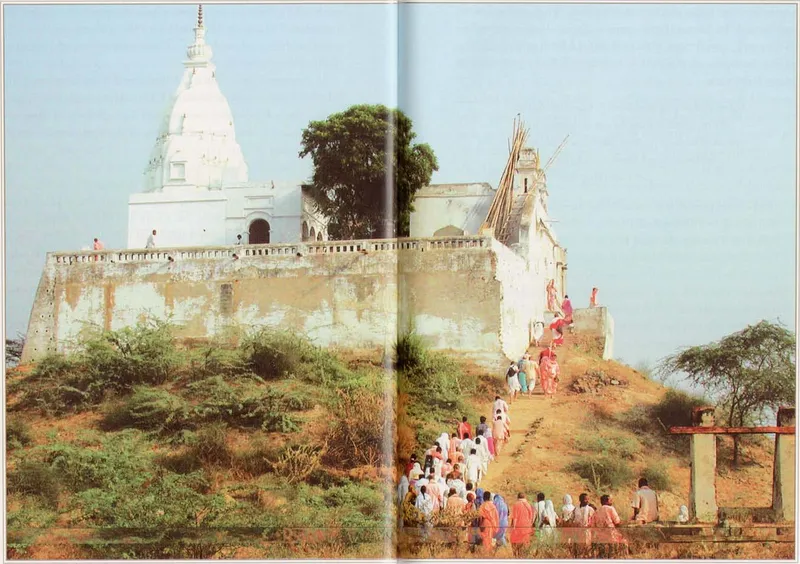
Bhātrola
भतरौडBhātrola, also called Bhojana-sthala, "the place of the meal", is the village of Vṛndāvana where, according to Śrī Vraja-maṇḍala Parikramā (2007), Kṛṣṇa ate the food brou …
Yajña-sthala
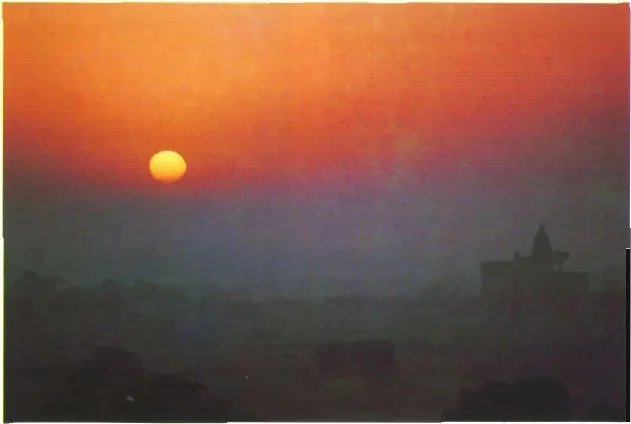
यज्ञ-स्थलYajña-sthala, "the place of the sacrifice", is the spot near Akrūra-ghāṭa, between Mathurā and Vṛndāvana, where, according to Śrī Vraja-maṇḍala Parikramā (2007), the brāh …
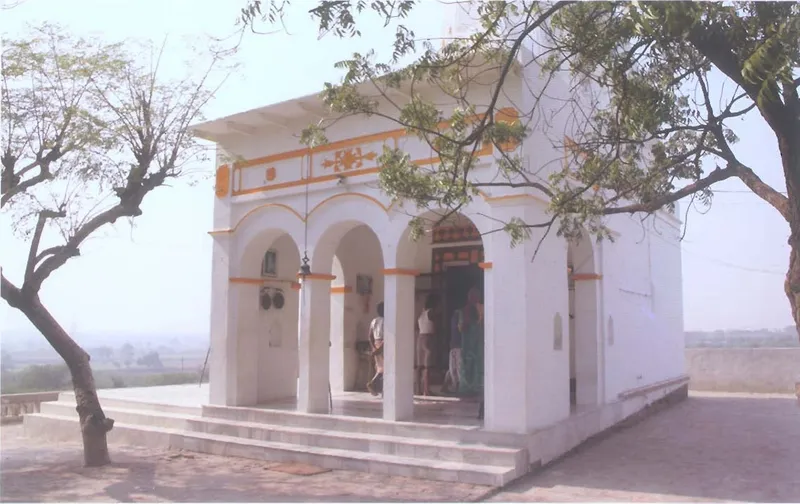
Batharan-bihārī Mandira
भतरौड-बिहारी मन्दिरThe Batharan-bihārī Mandira is a small temple with a standing Deity of Kṛṣṇa playing the flute.
Aṭalavana
अटलवन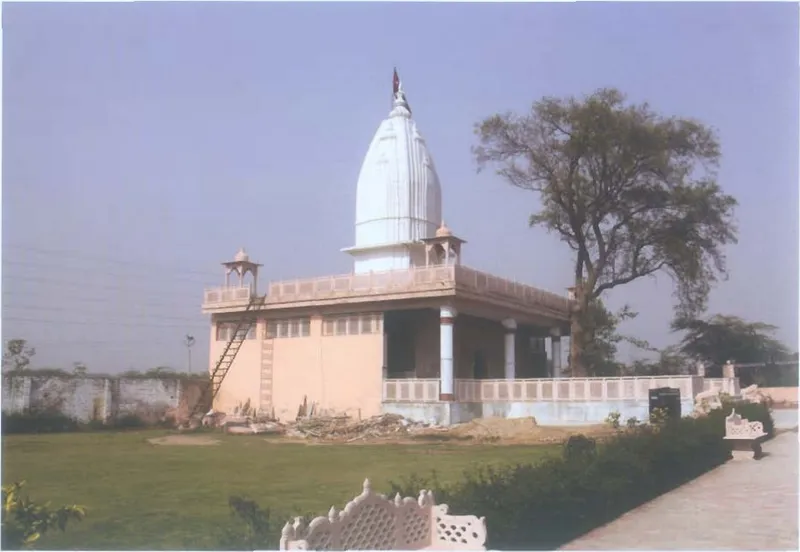
Akrūra-ghāṭa
अक्रूर-घाटAkrūra-ghāṭa, also called Akrūra-tīrtha, is a bathing place on the old bank of the Yamunā, on the road between Vṛndāvana and Mathurā.
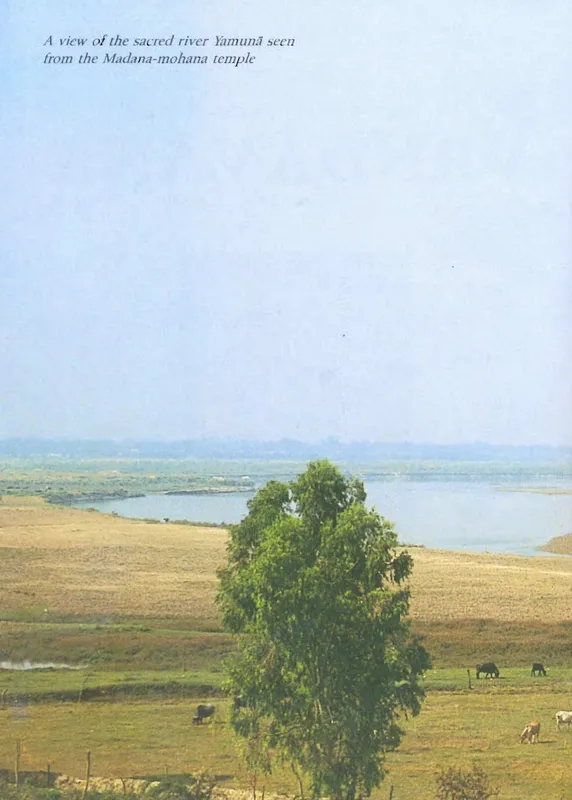
Yamunā
यमुनाThe Yamunā, also called the Kālindī, is the river that runs through Vraja-maṇḍala.
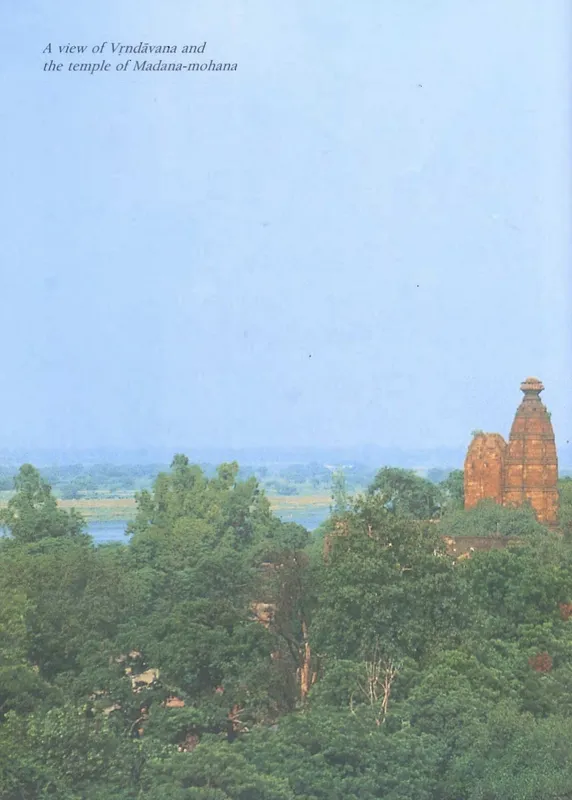
Vṛndāvana
वृन्दावनVṛndāvana is the forest on the bank of the Yamunā where Kṛṣṇa spent His childhood and youth, and the town of temples that stands in that forest today.
Questions and answers
They were the wives of brāhmaṇas performing the Āṅgirasa sacrifice near Kṛṣṇa's grazing ground. Śrīla Sanātana Gosvāmī calls them women of Mathurā. When their husbands ignored the hungry boys, they brought Kṛṣṇa the food themselves.[1–6, 21]
The Bhāgavatam says they did not answer the boys at all. Afterwards they blamed their learning and their rituals, because these had made them neglect Kṛṣṇa.[1–6, 33]
In a grove by the Yamunā decorated with buds of aśoka trees. Śrīla Prabhupāda calls it the forest of Vṛndāvana on the bank of the Yamunā.[4, 7]
Her husband held her back, so she embraced Kṛṣṇa in her heart and gave up her body, the Bhāgavatam says. The commentators say she was in the sacrificial enclosure when the others left.[9, 30]
The Bhāgavatam names none. The Bhakti-ratnākara names Bhojana-sthala near the Akrūra village. The guidebooks name Bhātrola, Yajña-sthala near Akrūra-ghāṭa and the Batharan-bihārī temple.[5 +9]
That their threefold birth, their vows and their learning deserved condemnation, because they had been against Kṛṣṇa. They wanted to see Him, but they were afraid of Kaṁsa and did not dare go to Vraja.[28, 33]
Sources
- Śrīmad-Bhāgavatam 10.22.29, GRETIL
- Śrīmad-Bhāgavatam 10.22.36-38, GRETIL
- Śrīmad-Bhāgavatam 10.23.3-4, GRETIL
- Śrīla Prabhupāda, Kṛṣṇa, the Supreme Personality of Godhead, Chapter 23, 'Delivering the Wives of the Brāhmaṇas Who Performed Sacrifices' · vedabase.io
- Śrī Vraja-maṇḍala Parikramā (2007), PDF p. 286
- Vṛndāvana, the Playground of God (2010), Bhakti Caitanya Svāmī, PDF p. 239
- Śrīmad-Bhāgavatam 10.23.20-21, GRETIL
- Śrīmad-Bhāgavatam 10.23.33, GRETIL
- Śrīmad-Bhāgavatam 10.23.35-36, GRETIL
- Śrīmad-Bhāgavatam 10.23.7, GRETIL
- Śrīmad-Bhāgavatam 10.23.15-17, GRETIL
- Śrīmad-Bhāgavatam 10.23.28, GRETIL
- Śrīmad-Bhāgavatam 10.23.34, GRETIL
- Śrīla Narahari Cakravartī, Bhakti-ratnākara, Fifth Wave (pañcama taraṅga), 1912 ed. p. 289, 2nd ed., 1912
- Śrīla Narahari Cakravartī, Bhakti-ratnākara, Fifth Wave, 1912 ed. pp. 289-290: Vraja-vilāsa-stava 86 as quoted, 2nd ed., 1912
- Śrī Vraja-maṇḍala Parikramā (2007), PDF p. 340
- Śrīla Nārāyaṇa Bhaṭṭa Gosvāmī, Vraja-bhakti-vilāsa, Vṛndāvana-yātrā section (begins printed p. 226), item numbered 77, 1st ed., publ. Bābā Kṛṣṇadāsa, Kusuma-sarovara, Saṁvat 2008
- Vṛndāvana, the Playground of God (2010), Bhakti Caitanya Svāmī, PDF p. 240
- The Color Guide to Vṛndāvana (2000), Written and Photographed by Rājaśekhara dāsa Brahmacārī, PDF p. 153
- The Color Guide to Vṛndāvana (2000), Written and Photographed by Rājaśekhara dāsa Brahmacārī, PDF p. 154
Show all 58 references
- Śrīla Sanātana Gosvāmī: commentary on ŚB 10.22.29, Bhagavata Vidya Pith edition, ed. Bhagavata Rishi and Krishna Shankar Shastri, 1996
- Śrīla Sanātana Gosvāmī, Śrīla Jīva Gosvāmī, Śrīla Viśvanātha Cakravartī Ṭhākura: commentary on ŚB 10.22.38, Bhagavata Vidya Pith edition, ed. Bhagavata Rishi and Krishna Shankar Shastri, 1996
- Śrīla Sanātana Gosvāmī, Śrīla Jīva Gosvāmī, Śrīla Viśvanātha Cakravartī Ṭhākura: commentary on ŚB 10.23.52, Bhagavata Vidya Pith edition, ed. Bhagavata Rishi and Krishna Shankar Shastri, 1996
- Śrīla Sanātana Gosvāmī, Śrīla Viśvanātha Cakravartī Ṭhākura, Baladeva Vidyābhūṣaṇa: commentary on ŚB 10.23.17; also on 10.23.7 and 10.23.16, Bhagavata Vidya Pith edition, ed. Bhagavata Rishi and Krishna Shankar Shastri, 1996
- Śrīmad-Bhāgavatam 10.23.22, GRETIL
- Śrīla Jīva Gosvāmī, Gopāla-campū, Pūrva-campū 22.19-20, GRETIL
- Śrīla Sanātana Gosvāmī: commentary on ŚB 10.23.28, Bhagavata Vidya Pith edition, ed. Bhagavata Rishi and Krishna Shankar Shastri, 1996
- Śrīmad-Bhāgavatam 10.23.52, GRETIL
- Śrīla Prabhupāda, Kṛṣṇa, the Supreme Personality of Godhead (Kṛṣṇa book), Chapter 23, 'Delivering the Wives of the Brāhmaṇas Who Performed Sacrifices' · vedabase.io
- Śrīla Jīva Gosvāmī, the Bṛhat-krama-sandarbha, Śrīla Viśvanātha Cakravartī Ṭhākura: commentary on ŚB 10.23.35, Bhagavata Vidya Pith edition, ed. Bhagavata Rishi and Krishna Shankar Shastri, 1996
- Śrīla Sanātana Gosvāmī, Śrīla Jīva Gosvāmī, Śrīla Viśvanātha Cakravartī Ṭhākura: commentary on ŚB 10.23.36, Bhagavata Vidya Pith edition, ed. Bhagavata Rishi and Krishna Shankar Shastri, 1996
- Śrīmad-Bhāgavatam 10.23.37, GRETIL
- Śrīmad-Bhāgavatam 10.23.39-40, GRETIL
- Śrīla Jīva Gosvāmī: commentary on ŚB 10.22.29'), Bhagavata Vidya Pith edition, ed. Bhagavata Rishi and Krishna Shankar Shastri, 1996
- Śrīla Jīva Gosvāmī, Gopāla-campū, Pūrva-campū, pūraṇa 22 ('yajña-bhāryā-sad-upacaryā-paryāptiḥ'), sections [12]-[13], GRETIL
- Śrīla Sanātana Gosvāmī: commentary on ŚB 10.11.29, Bhagavata Vidya Pith edition, ed. Bhagavata Rishi and Krishna Shankar Shastri, 1996
- Śrīla Jīva Gosvāmī: commentary on ŚB 10.11.34-35, Bhagavata Vidya Pith edition, ed. Bhagavata Rishi and Krishna Shankar Shastri, 1996
- Garga-saṁhitā, Mādhurya-khaṇḍa (4) 21.6, Sanskrit Wikisource
- Garga-saṁhitā, Mādhurya-khaṇḍa (4) 21.14-15, Sanskrit Wikisource
- Garga-saṁhitā, Mādhurya-khaṇḍa (4) 21.18-21, Sanskrit Wikisource
- Garga-saṁhitā, Balabhadra-khaṇḍa (8) 6.13, Sanskrit Wikisource
- Brahma-vaivarta Purāṇa, Śrīkṛṣṇa-janma-khaṇḍa (4) 18.5, Sanskrit Wikisource
- Brahma-vaivarta Purāṇa, Śrīkṛṣṇa-janma-khaṇḍa (4) 18.9-10, Sanskrit Wikisource
- Brahma-vaivarta Purāṇa, Śrīkṛṣṇa-janma-khaṇḍa (4) 18.20-22, Sanskrit Wikisource
- Brahma-vaivarta Purāṇa, Śrīkṛṣṇa-janma-khaṇḍa (4) 18.53-54, Sanskrit Wikisource
- Brahma-vaivarta Purāṇa, Śrīkṛṣṇa-janma-khaṇḍa (4) 18.61-63, Sanskrit Wikisource
- Padma Purāṇa, Pātāla-khaṇḍa (5) 69.32-34, Sanskrit Wikisource
- Padma Purāṇa, Pātāla-khaṇḍa (5) 69.19-20, Sanskrit Wikisource
- Śrīla Raghunātha dāsa Gosvāmī, Vraja-vilāsa-stava, verse 86
- Vṛndāvana-Dhāma Ki Jaya! (c. 1986), by Dhruva Mahārāja dāsa, PDF p. 78
- Kṛṣṇa-caitanya-caritāmṛta, prakrama 4, sarga 7, verse 21 (4.7.21), PDF page 573
- Śrīla Nārāyaṇa Bhaṭṭa Gosvāmī, Vraja-bhakti-vilāsa, list of the forests and their sites, Vṛndāvana entry, 1st ed., publ. Bābā Kṛṣṇadāsa, Kusuma-sarovara, Saṁvat 2008
- A. W. Entwistle, ch. 5, §5.38 'The Pushtimarg in modern times', printed p. 222, the paragraph beginning 'Nowadays the most important temple of the Pushtimarg in Mathura', Egbert Forsten, Groningen, 1987
- Prabhudayāl Mītal, part 2 (history), 'Ādhunik kāl' (the modern period), section 'Gokuladās Pārikh', printed p. 269, third paragraph
- Mathurá (1883), F. S. Growse, B.C.S., M.A. Oxon., C.I.E. (as the title page gives him, p. 186
- Muttra (1911), D. L. Drake-Brockman, I.C.S. (edited and compiled), p. 241
- Vṛndāvana-kathā, chapter 16 (ṣoḍaśa pariccheda), item 5 'Bhojana ṭīlā', printed p. 192
- A. W. Entwistle, ch. 8 §66.41 'Bhatror', printed p. 417, first sentence of the entry, Egbert Forsten, Groningen, 1987
Further sources
- Śrīmad-Bhāgavatam 10.22.29–10.23.52, translation by the disciples of Śrīla Prabhupāda (BBT), and Śrīla Prabhupāda's Kṛṣṇa, chapter 23.
- The Canto 10 commentaries and Śrīla Jīva Gosvāmī's Prīti-sandarbha and Gopāla-campū (Sanskrit), summarised, not translated.
- Garga-saṁhitā and Brahma-vaivarta Purāṇa: summarised from the Sanskrit.