The cowherds' vision at Brahma-hrada
ब्रह्म-ह्रद: ग्वालों ने कृष्ण का धाम देखा
In short
When Varuṇa, the lord of the waters, carried Nanda Mahārāja away, Kṛṣṇa brought His father back. Then He took the cowherd men to Brahma-hrada, a lake of the Yamunā, dipped them in it, lifted them out and showed them His own spiritual abode. The Bhāgavatam places it where Akrūra had his vision; some teachers (ācāryas) call it the Akrūra-tīrtha.[1–8]
On this page
At a glance
- Scripture: Śrīmad-Bhāgavatam 10.28, the rescue of Nanda and the cowherds' vision.[1–5]
- The cause: Nanda bathed in the Yamunā at night, at an inauspicious time, and a servant of Varuṇa seized him.[2]
- The vision: the cowherd men saw Kṛṣṇa's abode and Kṛṣṇa Himself praised by the personified Vedas.[9]
- The place: Brahma-hrada, "where Akrūra saw" the spiritual world; Śrīla Prabhupāda calls it the lake where Akrūra would later be shown Vaikuṇṭha.[6, 7]
- The day: the full moon of Kārttika (October–November), according to Śrīla Jīva Gosvāmī and Śrīla Viśvanātha Cakravartī Ṭhākura.[10–12]
- Śrī Caitanya: at Akrūra-tīrtha He remembered that the people of Vraja saw Goloka there.[13]
Why did Varuṇa take Nanda Mahārāja?
The story begins with a vow. Nanda Mahārāja fasted on Ekādaśī, the eleventh day of the moon, and worshipped the Lord. The next day, Dvādaśī, he went into the Yamunā to bathe:[1–5]
ekādaśyāṃ nirāhāraḥ samabhyarcya janārdanam / snātuṃ nandas tu kālindyāṃ dvādaśyāṃ jalam āviśat
Śrī Bādarāyaṇi said: Having worshiped Lord Janārdana and fasted on the Ekādaśī day, Nanda Mahārāja entered the water of the Kālindī on the Dvādaśī to take his bath.
Translation: Śrīla Prabhupāda's disciples (BBT)He went into the water in the dark of night, at a time the scriptures call inauspicious. A servant of Varuṇa seized him and took him to his master.[2] Śrīla Prabhupāda tells it a little differently in his Kṛṣṇa book: Nanda went early in the morning, a little too early, before sunrise.[14, 15]
The cowherd men could not find Nanda and cried out to Kṛṣṇa and Balarāma. Kṛṣṇa understood at once what had happened and went to Varuṇa's court:[3]
cukruśus tam apaśyantaḥ kṛṣṇa rāmeti gopakāḥ / bhagavāṃs tad upaśrutya pitaraṃ varuṇāhṛtam / tad-antikaṃ gato rājan svānām abhaya-do vibhuḥ
O King, not seeing Nanda Mahārāja, the cowherd men loudly cried out, “O Kṛṣṇa! O Rāma!” Lord Kṛṣṇa heard their cries and understood that His father had been captured by Varuṇa. Therefore the almighty Lord, who makes His devotees fearless, went to the court of Varuṇadeva.
Translation: Śrīla Prabhupāda's disciples (BBT)Śrīla Viśvanātha Cakravartī Ṭhākura and Śrīla Baladeva Vidyābhūṣaṇa add that the guards showed Kṛṣṇa where Nanda had gone under. He dived from that very bank to Varuṇa's world, they say (summarised here, not translated).[1, 16] Varuṇa received Kṛṣṇa with great honour and begged His pardon for his servant's mistake.[4] Kṛṣṇa, pleased, took His father home, and the family was overjoyed.[5]
What did the cowherd men see at Brahma-hrada?
After Nanda was home again, Kṛṣṇa showed the cowherd men His own abode, beyond the darkness of this material world.[17] The Bhāgavatam describes it in one verse:[6, 7]
iti sañcintya bhagavān mahā-kāruṇiko hariḥ / darśayām āsa lokaṃ svaṃ gopānāṃ tamasaḥ param
… te tu brahma-hradam nītā magnāḥ kṛṣṇena coddhṛtāḥ / dadṛśur brahmaṇo lokaṃ yatrākrūro 'dhyagāt purā
The cowherd men were brought by Lord Kṛṣṇa to the Brahma-hrada, made to submerge in the water, and then lifted up. From the same vantage point that Akrūra saw the spiritual world, the cowherd men saw the planet of the Absolute Truth.
Translation: Śrīla Prabhupāda's disciples (BBT)The next verse tells what they felt. They were full of joy, and amazed to see Kṛṣṇa Himself there, praised by the personified Vedas:[9]
nandādayas tu taṃ dṛṣṭvā paramānanda-nivṛtāḥ / kṛṣṇaṃ ca tatra cchandobhiḥ stūyamānaṃ su-vismitāḥ
Nanda Mahārāja and the other cowherd men felt the greatest happiness when they saw that transcendental abode. They were especially amazed to see Kṛṣṇa Himself there, surrounded by the personified Vedas, who were offering Him prayers.
Translation: Śrīla Prabhupāda's disciples (BBT)Śrīla Prabhupāda tells the scene in his own words in the Kṛṣṇa book:[6, 7]
Names this place“Thus Kṛṣṇa led all the cowherd men, headed by Nanda Mahārāja, to the lake where Akrūra would later be shown the Vaikuṇṭha planetary system. They took their bath immediately and saw the real nature of the Vaikuṇṭha-lokas. … upon coming out of the lake they saw Kṛṣṇa, who was being worshiped with excellent prayers.”
Śrīla Prabhupāda, Kṛṣṇa, the Supreme Personality of Godhead (Kṛṣṇa book), Chapter 28, 'Releasing Nanda Mahārāja from the Clutches of Varuṇa' · vedabase.io
What the ācāryas add
The ācāryas, the great teachers of the tradition, explain why the vision was given (summarised here, not translated).[18–20]
- Śrīla Rūpa Gosvāmī, in a hymn on the rescue of Nanda, says that Kṛṣṇa showed the cowherds the highest world and then led them back home. He did so to show that no world is more charming than the Vṛndāvana forest. Śrīla Viśvanātha Cakravartī Ṭhākura gives this verse as the meaning of the chapter.[18, 19]
- Śrīla Viśvanātha Cakravartī Ṭhākura says that the cowherds were happy because the Vṛndāvana they saw there was like their own Vṛndāvana. Then they looked for their Kṛṣṇa, found Him praised by the Vedas, and wondered where they had come.[19]
- Śrīla Jīva Gosvāmī, in his commentary, says that after coming out of the water they saw Śrī Vṛndāvana itself in an extraordinary way.[21]
- In his Kṛṣṇa-sandarbha he adds that Kṛṣṇa could have shown them Goloka anywhere in Vṛndāvana. He dipped them in that lake to make the greatness of that tīrtha, that holy bathing place, known, or simply for play.[20]
Is Brahma-hrada the same as Akrūra-tīrtha?
This is the main question about the place, and the ācāryas answer it in different ways. The Bhāgavatam names Brahma-hrada, "the lake of Brahman", and says it is where Akrūra saw the spiritual world; it does not use the name Akrūra-tīrtha.[6 +2]
The ācāryas who say yes
- Śrīla Jīva Gosvāmī, in his Kṛṣṇa-sandarbha, says the cowherds were taken to "Brahma-hrada, the Akrūra-tīrtha" and lifted out of it. They were brought to the middle of Vṛndāvana, where they saw Goloka.[8]
- In his Gopāla-campū, his poetic retelling of Kṛṣṇa's life, Paurṇamāsī gives the same reading. The cowherds saw the abode in Vṛndāvana, she says, not in the middle of the water, as Akrūra did.[22]
- Śrīla Baladeva Vidyābhūṣaṇa answers the question "which is this Brahma-hrada?" plainly: the one called Akrūra-tīrtha.[21]
The ācāryas who read it another way
- Śrīla Śrīdhara Svāmī first explains Brahma-hrada as Brahman itself, the Lord's spiritual light. It is called a lake, he says, because one who enters it loses all separate sight. The Yamunā pool is his second reading.[21]
- Śrīla Sanātana Gosvāmī takes it first as Vaikuṇṭha. In his second reading the cowherds bathed in a pool outside Vraja, which he does not name.[21]
- Śrīla Viśvanātha Cakravartī Ṭhākura follows only the first reading: Brahman is the lake, and Kṛṣṇa lifted the people of Vraja out of it to show them Vaikuṇṭha.[21]
Śrīla Prabhupāda's Kṛṣṇa book, as quoted above, sets the vision at the lake where Akrūra would later be shown Vaikuṇṭha.[14] The Caitanya-caritāmṛta also joins the two pastimes at one bathing place, in Śrīla Prabhupāda's translation:[13 +2]
এই ঘাটে অক্রূর বৈকুণ্ঠ দেখিল ।
ব্রজবাসী লোক ‘গোলোক’ দর্শন কৈল ॥ ১৩৬ ॥
ei ghāṭe akrūra vaikuṇṭha dekhila
vrajavāsī loka ‘goloka’ darśana kaila
Śrī Caitanya Mahāprabhu thought, “At this bathing place, Akrūra saw Vaikuṇṭha, the spiritual world, and all the inhabitants of Vraja saw Goloka Vṛndāvana.”
Translation: Śrīla A.C. Bhaktivedanta Swami PrabhupādaThe readings are set side by side here, without choosing between them:
Accounts differ What 'Brahma-hrada' (ŚB 10.28.16) is: a pool of the Yamunā (the Akrūra-tīrtha) or Brahman likened to a lake.
- Śrīla Jīva Gosvāmī (Laghu-toṣaṇī, second reading; Krama-sandarbha; Kṛṣṇa-sandarbha 116) and Śrīla Baladeva Vidyābhūṣaṇa (on ŚB 10.28.16, and in his ṭīkā on the Stava-mālā: 'the divine lake, the Akrūra-tīrtha')The Akrūra-tīrtha (Jīva gives the Brahman reading first in his Laghu-toṣaṇī).
- Bṛhat-krama-sandarbha (attributed to Śrīla Jīva Gosvāmī)The pool of the Yamunā in which Akrūra, submerged, saw Nārāyaṇa on Śeṣa and then Śrī Kṛṣṇa.
- Śrīla Śrīdhara Svāmī on ŚB 10.28.16; VaṁśīdharaFirst Brahman itself, called a lake; or else the Yamunā pool of Akrūra's vision named Brahma-hrada, a reading that needs a displaced word order and an assumption not well known. Vaṁśīdhara prefers the pool.
- Śrīla Sanātana Gosvāmī on ŚB 10.28.16Vaikuṇṭha, the great treasury; or a pool in which they bathed, outside Vraja-bhūmi, which he does not name.
The wording of these accounts is our summary of the sources, not a published translation.
On which day did it happen?
The Bhāgavatam gives no date. Two commentators give the same one (summarised here, not translated). Śrīla Viśvanātha Cakravartī Ṭhākura and Śrīla Jīva Gosvāmī place the cowherds' vision on the full moon of Kārttika, when Kṛṣṇa was seven years old. Śrīla Jīva Gosvāmī says it was the start of His eighth year. He chose that day because the Varāha Purāṇa, an old scripture, praises the tīrtha on it.[10–12] The Varāha Purāṇa indeed says that rites at Akrūra-tīrtha on the full moon of Kārttika deliver one's family and ancestors.[25–27] Śrīla Jīva Gosvāmī counts the days. Govinda was bathed after the lifting of Govardhana on Ekādaśī, and He went to Varuṇa's world on Dvādaśī. The immersion in Brahma-hrada was on the full moon.[11] Read more: The lifting of Govardhana Hill, Indra's homage and the name Govinda →
Śrīla Prabhupāda reckons the same days in his Kṛṣṇa book, from Govardhana-pūjā after the dark moon of Kārttika to the showing of the spiritual sky:[12]
General teaching (does not name the place)“the festival of Govardhana-pūjā was performed just after the dark-moon night of the month of Kārttika … Then Nanda Mahārāja, along with the cowherd men, was shown the spiritual sky. … In this way, the full-moon night of the śarat season came to an end.”
Śrīla Prabhupāda, Kṛṣṇa, the Supreme Personality of Godhead (Kṛṣṇa book), Chapter 29, 'The Rāsa Dance: Introduction' · vedabase.io
Which places remember the pastime?
Three places are connected with this chapter of the Bhāgavatam.[6 +3]
- Nanda-ghāṭa: according to the Bhakti-ratnākara, this is where Nanda bathed and was carried off by Varuṇa's messenger, and where Kṛṣṇa brought him back.[28] Śrī Vraja-maṇḍala Parikramā (2007) places it two miles south of Gopī-ghāṭa and one mile south-east of Akṣayavaṭa.[30–33]
- Akrūra-ghāṭa: the Akrūra-tīrtha on the road between Vṛndāvana and Mathurā, which Śrīla Jīva Gosvāmī and Śrīla Baladeva Vidyābhūṣaṇa identify with Brahma-hrada.[8 +2] The Color Guide to Vṛndāvana (2000) describes a temple there with Deities of Kṛṣṇa and Balarāma, and Akrūra standing between Them. The Yamunā once flowed past it, the book says, but has moved about a kilometre away.[34–37] Akrūra's own vision there is told in its own article.[35 +5] Read more: Akrūra's vision in the Yamunā →
- Brahma-kuṇḍa in Vṛndāvana: according to Śrīla Murāri Gupta's account of Śrī Caitanya's journey, His guide showed Him Brahma-kuṇḍa. This was the place, the guide said, where Kṛṣṇa had His people bathe after bringing Nanda back. There they saw the world of Brahman (summarised here, not translated).[6, 29]
The Nārada Purāṇa also names, in the water of the Yamunā, a tīrtha called Tattva-prakāśa, "the revelation of the truth", where Nanda and the cowherds saw the Lord's glory. It does not say where it lies.[43] The Bhakti-ratnākara adds that the young Śrīla Jīva Gosvāmī once lived unknown at Nanda-ghāṭa in a hut of leaves. It also says that Śrī Vīracandra Prabhu visited Nanda-ghāṭa on his pilgrimage of Vraja.[44–48] One guidebook, Vṛndāvana-Dhāma Ki Jaya!, prints a photograph of the Deity of Nanda Mahārāja at Nanda-ghāṭa.[49]
A guidebook note needs one correction. Vṛndāvana, the Playground of God (2010) gives, as words of the Bhāgavatam, the cowherds' cries of wonder in Kṛṣṇa's abode. Those words are in fact Śrīla Viśvanātha Cakravartī Ṭhākura's commentary on ŚB 10.28.17.[9 +2]
Where the sources differ
The books differ on where the cowherds saw the abode and on what they saw. The Bhāgavatam speaks of the world of the Absolute Truth. Śrīla Jīva Gosvāmī says they saw Goloka in Vṛndāvana after coming out of the water. Śrīla Prabhupāda's purport says they saw the Vaikuṇṭha planets within the water. The Garga-saṁhitā has Kṛṣṇa take them to Vaikuṇṭha with no lake at all.[8 +3]
Accounts differ Where and what the cowherd men saw after Nanda's rescue.
- Śrīmad-Bhāgavatam 10.28.16Brought to Brahma-hrada, submerged and lifted out, they saw 'the world of Brahman' where Akrūra saw (place of the vision not stated more exactly).
- Śrīla Jīva Gosvāmī, Kṛṣṇa-sandarbha 116 and Gopāla-campūLifted out of the Akrūra-tīrtha and brought to the middle of Vṛndāvana, they saw Goloka there — not in the water as Akrūra did.
- Caitanya-caritāmṛta Madhya 18.136At this bathing place the Vrajavāsīs saw Goloka.
- Śrīla Prabhupāda, CC Madhya 18.135 purportThe inhabitants of Vṛndāvana also saw the Vaikuṇṭha planets within the water.
Places in this article
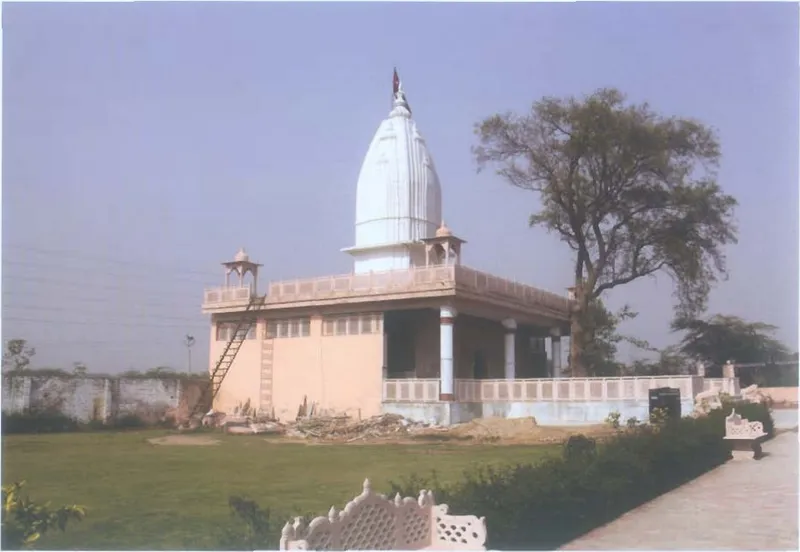
Akrūra-ghāṭa
अक्रूर-घाटAkrūra-ghāṭa, also called Akrūra-tīrtha, is a bathing place on the old bank of the Yamunā, on the road between Vṛndāvana and Mathurā.
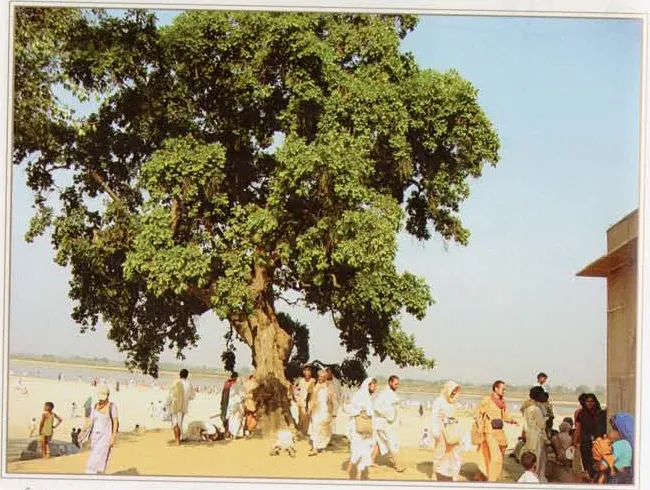
Cīra-ghāṭa (near Śergarh)
चीर-घाट (शेरगढ़ के पास)This Cīra-ghāṭa is a bathing place on the Yamunā up the river from Vṛndāvana, near Śergarh.
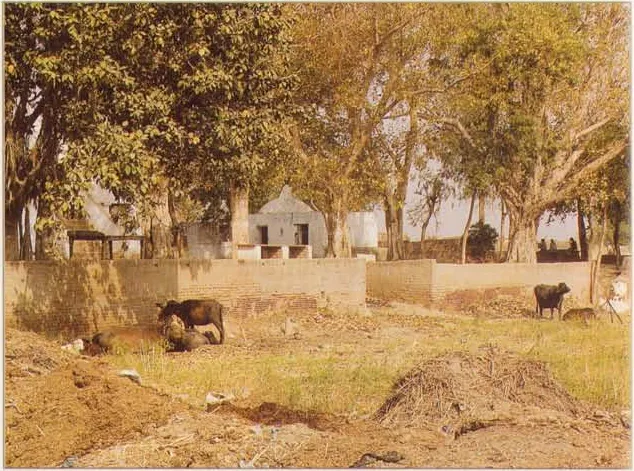
Nanda-ghāṭa
नन्द-घाटNanda-ghāṭa is a bathing place on the Yamunā.
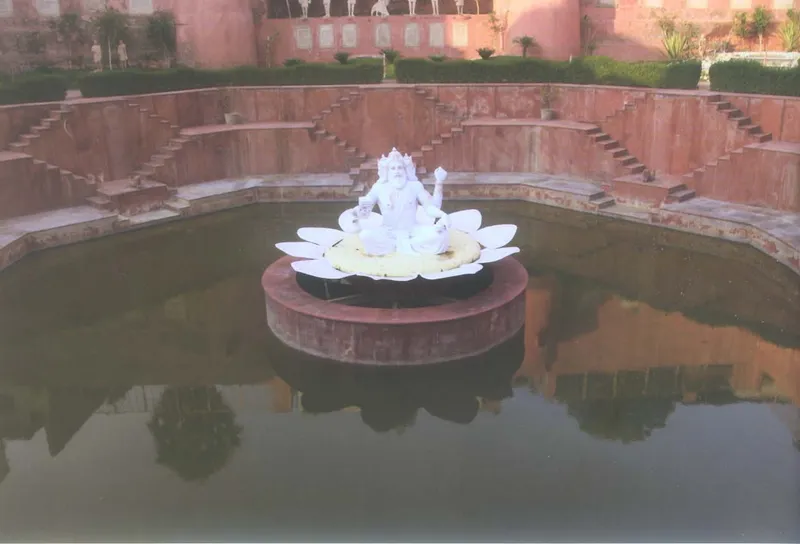
Brahma-kuṇḍa (Vṛndāvana)
ब्रह्म-कुण्ड (वृन्दावन)Brahma-kuṇḍa is a tank in Vṛndāvana, north of the Raṅgajī temple.
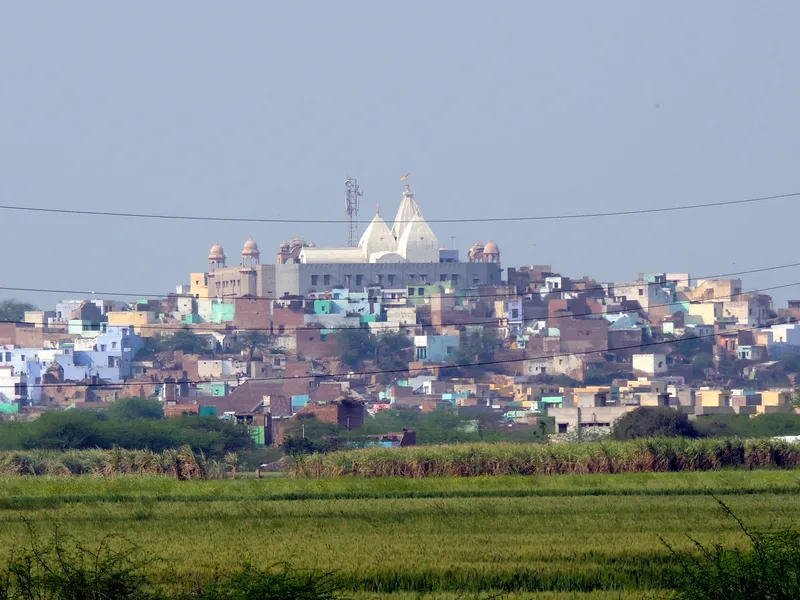
Nandagrāma
नन्दग्रामNandagrāma, today Nandagaon, is the village of Nanda Mahārāja, Kṛṣṇa's father in Vraja, on and around Nandīśvara Hill.
Questions and answers
Kṛṣṇa's own spiritual abode, and Kṛṣṇa Himself there, praised by the personified Vedas. They were full of joy and amazement.[9, 17]
Nanda went into the Yamunā to bathe in the dark of night, at an inauspicious time, and a servant of Varuṇa seized him. Varuṇa later begged Kṛṣṇa's pardon for his servant's mistake.[2, 4]
Śrīla Jīva Gosvāmī and Śrīla Baladeva Vidyābhūṣaṇa say yes. Śrīla Śrīdhara Svāmī, Śrīla Sanātana Gosvāmī and Śrīla Viśvanātha Cakravartī Ṭhākura first read "Brahma-hrada" as Brahman or Vaikuṇṭha itself.[8, 21]
On the full moon of Kārttika, according to Śrīla Jīva Gosvāmī and Śrīla Viśvanātha Cakravartī Ṭhākura, a few days after the lifting of Govardhana.[10–12]
That when Śrī Caitanya Mahāprabhu came to the Akrūra bathing place, He remembered that Akrūra saw Vaikuṇṭha there and all the people of Vraja saw Goloka Vṛndāvana.[13]
On the Yamunā, two miles south of Gopī-ghāṭa and one mile south-east of Akṣayavaṭa, according to Śrī Vraja-maṇḍala Parikramā (2007); the Bhakti-ratnākara names it as the place of Nanda's bath.[28 +4]
Sources
- Śrīmad-Bhāgavatam 10.28.1, GRETIL
- Śrīmad-Bhāgavatam 10.28.2, GRETIL
- Śrīmad-Bhāgavatam 10.28.3, GRETIL
- Śrīmad-Bhāgavatam 10.28.7, GRETIL
- Śrīmad-Bhāgavatam 10.28.9, GRETIL
- Śrīmad-Bhāgavatam 10.28.16, GRETIL
- Śrīla Prabhupāda, Kṛṣṇa, the Supreme Personality of Godhead (Kṛṣṇa book), Chapter 28 (the cowherds' vision) · vedabase.io
- Śrīla Jīva Gosvāmī, Kṛṣṇa-sandarbha, anuccheda 116 (on ŚB 10.28.14–17), GRETIL
- Śrīmad-Bhāgavatam 10.28.17, GRETIL
- Śrīla Viśvanātha Cakravartī Ṭhākura: commentary on ŚB 10.29.1
- Śrīla Jīva Gosvāmī: commentary on ŚB 10.45.3, Bhagavata Vidya Pith edition, ed. Bhagavata Rishi and Krishna Shankar Shastri, 1996
- Śrīla Prabhupāda, Kṛṣṇa, the Supreme Personality of Godhead (Kṛṣṇa book), Chapter 29, 'The Rāsa Dance: Introduction' · vedabase.io
- Śrīla Kṛṣṇadāsa Kavirāja Gosvāmī, Śrī Caitanya-caritāmṛta, Madhya-līlā 18.136, online edition · vedabase.io
- Śrīla Prabhupāda, Kṛṣṇa, the Supreme Personality of Godhead (Kṛṣṇa book), Chapter 28, 'Releasing Nanda Mahārāja from the Clutches of Varuṇa' · vedabase.io
- Śrīla Prabhupāda, Kṛṣṇa, the Supreme Personality of Godhead (Kṛṣṇa book), Chapter 28 (the time of Nanda's bath) · vedabase.io
- Sārārtha-darśinī (Śrīla Viśvanātha Cakravartī Ṭhākura): commentary on ŚB 10.28.3, Bhagavata Vidya Pith edition, ed. Bhagavata Rishi and Krishna Shankar Shastri, 1996
- Śrīmad-Bhāgavatam 10.28.14 and 10.28.16, GRETIL
- Śrīla Rūpa Gosvāmī, Stava-mālā, part 26 v.28-29 of the text (the Chando'ṣṭādaśaka hymns; v.29 as numbered there), after the edition of Bhakti Saranga Goswami and Purushottam Das, Vrindavan, 1959
- Śrīla Viśvanātha Cakravartī: commentary on ŚB 10.28.17, Bhagavata Vidya Pith edition, ed. Bhagavata Rishi and Krishna Shankar Shastri, 1996
- Śrīla Jīva Gosvāmī, Kṛṣṇa-sandarbha, anuccheda 116, GRETIL
Show all 50 references
- Śrīla Jīva Gosvāmī: commentary on ŚB 10.28.16, Bhagavata Vidya Pith edition, ed. Bhagavata Rishi and Krishna Shankar Shastri, 1996
- Śrīla Jīva Gosvāmī, Gopāla-campū, Uttara-campū, pūraṇa 29, section [82], GRETIL
- Śrīla Kṛṣṇadāsa Kavirāja Gosvāmī, Śrī Caitanya-caritāmṛta, Madhya-līlā 18.135, online edition · vedabase.io
- Śrīla Prabhupāda, Śrī Caitanya-caritāmṛta, Madhya-līlā 18.135, purport · vedabase.io
- Varāha Purāṇa, adhyāya 155 ('akrūra-tīrtha-prabhāva'), verses 3–6, Sanskrit Wikisource
- Varāha Purāṇa, adhyāya 155, verses 1–2 (chapter heading), Sanskrit Wikisource
- Varāha Purāṇa, adhyāya 155, verses 71–75 and colophon, Sanskrit Wikisource
- Śrīla Narahari Cakravartī, Bhakti-ratnākara, Fifth Wave (pañcama taraṅga), printed p. 269: Rāghava Paṇḍita shows Nanda-ghāṭa to Śrīnivāsa, 2nd ed., 1912
- Kṛṣṇa-caitanya-caritāmṛta of Murāri Gupta, prakrama 4, sarga 9 ('mahā-rāsa-sthalī-darśanam'), verses 4.9.2–4.9.4, PDF page 581
- Śrī Vraja-maṇḍala Parikramā (2007), PDF p. 243
- Śrī Vraja-maṇḍala Parikramā (2007), PDF p. 244
- the undated parikramā notes Nanda-ghāṭa, ¶5
- the undated parikramā notes Nanda-ghāṭa, ¶9
- Vṛndāvana, the Playground of God (2010), Bhakti Caitanya Svāmī, PDF p. 244
- The Color Guide to Vṛndāvana (2000), Written and Photographed by Rājaśekhara dāsa Brahmacārī, PDF p. 155
- Vṛndāvana-Dhāma Ki Jaya! (c. 1986), by Dhruva Mahārāja dāsa, PDF p. 77
- Śrī Vraja-maṇḍala Parikramā (2007), PDF p. 285
- Śrīmad-Bhāgavatam 10.39.40, GRETIL
- Śrīmad-Bhāgavatam 10.39.41, GRETIL
- Śrīla Prabhupāda, Kṛṣṇa, the Supreme Personality of Godhead, Chapter 39, 'Akrūra's Return Journey and His Vision of Viṣṇuloka Within the Yamunā River' · vedabase.io
- Śrī Vraja-maṇḍala Parikramā (2007), PDF p. 284
- Vṛndāvana, the Playground of God (2010), Bhakti Caitanya Svāmī, PDF p. 242
- Nārada Purāṇa, Uttara-bhāga, adhyāya 80, vv.62-63
- Śrīla Narahari Cakravartī, Bhakti-ratnākara, Fifth Wave, printed p. 271: the party returns to Nanda-ghāṭa; Jīva Gosvāmī's stay begins, 2nd ed., 1912
- Śrīla Narahari Cakravartī, Bhakti-ratnākara, Fifth Wave, printed p. 272: Vallabha Bhaṭṭa, the debate, and Rūpa Gosvāmī's instruction, 2nd ed., 1912
- Śrīla Narahari Cakravartī, Bhakti-ratnākara, Fifth Wave, printed p. 273: Jīva's austerity at Nanda-ghāṭa; Sanātana Gosvāmī finds him, 2nd ed., 1912
- Śrīla Narahari Cakravartī, Bhakti-ratnākara, Fifth Wave, printed p. 274: Jīva brought back and nursed; the digvijayī; 'this is his hut', 2nd ed., 1912
- Śrīla Narahari Cakravartī, Bhakti-ratnākara, Thirteenth Wave (trayodaśa taraṅga), printed p. 1025: Vīracandra Prabhu's tour of Vraja, 2nd ed., 1912
- Vṛndāvana-Dhāma Ki Jaya! (c. 1986), by Dhruva Mahārāja dāsa, PDF p. 59
- Garga-saṁhitā, Mādhurya-khaṇḍa (4) 22.10–11, Sanskrit Wikisource
Further sources
- Śrīmad-Bhāgavatam 10.28, translation by the disciples of Śrīla Prabhupāda (BBT).
- Śrīla Prabhupāda, Kṛṣṇa, the Supreme Personality of Godhead, chapters 28 and 29; Śrī Caitanya-caritāmṛta, Madhya-līlā 18.135–136, with his translation and purport (BBT).
- The Canto 10 commentaries of Śrīla Śrīdhara Svāmī, Śrīla Sanātana Gosvāmī, Śrīla Jīva Gosvāmī, Śrīla Viśvanātha Cakravartī Ṭhākura and Śrīla Baladeva Vidyābhūṣaṇa; Śrīla Jīva Gosvāmī's Kṛṣṇa-sandarbha and Gopāla-campū; Śrīla Rūpa Gosvāmī's Stava-mālā: summarised from the Sanskrit, not translated.