Gopīnātha and the banyan of Vaṁśīvaṭa
How the Deity appeared and the tree was replanted
In short
Vaṁśīvaṭa, "the banyan of the flute", is a sacred banyan on the Yamunā in Vṛndāvana. According to the Sādhana-dīpikā and the Bhakti-ratnākara, the Deity (sacred form) Śrī Gopīnātha appeared there, and Śrī Madhu Paṇḍita received His service. The Bhakti-ratnākara says that after a flood a branch of the old tree was planted again.[1–9]
On this page
At a glance
- The place: Vaṁśīvaṭa, on the bank of the Yamunā near the Gopīśvara Mahādeva temple.[1 +3]
- The Deity: Śrī Gopīnātha, "the Lord of the gopīs". According to the Sādhana-dīpikā, He was manifested on the bank at Vaṁśīvaṭa.[5, 13]
- His servant: Śrī Madhu Paṇḍita. Śrīla Prabhupāda writes that he built the temple of Gopīnāthajī in Vṛndāvana.[14]
- The tree: according to the Bhakti-ratnākara, the old banyan was lost in a flood, and a branch was planted near the old spot.[9]
- The original Deity: taken to Jaipur in Aurangzeb's time, Śrīla Prabhupāda said. A pratibhū (representative) form is served in Vṛndāvana.[15–21]
- The guidebooks: they add Vajranābha, sand, floods and years that the older books do not give.[2 +5]
What is Vaṁśīvaṭa?
The name means the banyan (vaṭa) of the flute (vaṁśī). As the guidebooks explain it, this is the tree under which Kṛṣṇa played His flute to call the gopīs, the cowherd girls of Vraja.[1–4] In his Kṛṣṇa book Śrīla Prabhupāda writes about the autumn full-moon night. Hearing the flute, the gopīs rushed toward the place known as Vaṁśīvaṭa.[26, 27]
Śrīmad-Bhāgavatam tells of the flute call and the rāsa dance (Kṛṣṇa's circle dance with the gopīs), but it names no tree. Where the ācāryas, the spiritual teachers, set those pastimes is the subject of its own article.[28–33] Read more: Where the autumn rāsa took place →
Śrīla Nārāyaṇa Bhaṭṭa Gosvāmī wrote the Vraja-bhakti-vilāsa. It counts the Vaṁśīvaṭa as the fifth of sixteen sacred banyans of Vraja, and names its presiding Deity Vaṁśīdhara, the holder of the flute. On the Vṛndāvana circuit the pilgrim honours the tree. The book says it is marked with the footprints of the ten-year-old Kṛṣṇa. Whether the Purāṇa verses it quotes for these lists are in the Purāṇas themselves is not certain.[34–36]
This article tells a later story. A Deity (a sacred form of Kṛṣṇa for worship) appeared at that tree in the time of the Gosvāmīs, the saintly followers of Śrī Caitanya in Vṛndāvana. It also tells who served Him, and what happened to the banyan itself.[7–9]
How did the Deity of Gopīnātha appear?
The books that tell it are of different ages and kinds. They are given here from the oldest. None of them is scripture, and their words are summarised here, not translated.[5–8]
The Sādhana-dīpikā
Of the books cited here, the oldest account is a verse of the Sādhana-dīpikā. Its author, Śrī Rādhā-kṛṣṇa Gosvāmī, was a priest of the Govinda temple. The book records how the services of the Vṛndāvana Deities were made manifest. It says that Gopīnātha, the ocean of mercy, was quickly manifested on the bank at the Vaṁśīvaṭa, beside the Yamunā. This was done by Paramānanda, a student of Śrī Gadādhara Paṇḍita.[5, 13]
A prose line that follows adds that Śrī Paramānanda Gosvāmī then handed the service of Śrī Gopīnātha to Śrī Madhu Paṇḍita Gosvāmī.[6] The book does not say how the Deity was found.[5–7]
The Bhakti-ratnākara
Śrīla Narahari Cakravartī Ṭhākura tells the same in his Bhakti-ratnākara, as part of what was told to Śrīla Śrīnivāsa Ācārya. The Lord made Himself known through Śrī Paramānanda Bhaṭṭācārya and Śrī Madhu Paṇḍita, who were both bound by love for Kṛṣṇa. Near Vaṁśīvaṭa, he says, Gopīnātha sports in great joy.[7] He then quotes the Sādhana-dīpikā verse without its first line. So his text does not name the one by whom the Deity was manifested.[5, 13]
He says that Gopīnātha suddenly gave darśana out of mercy. (Darśana means the sight of the Lord, or of a holy person.) Śrī Madhu Paṇḍita became entitled to His service, and Śrī Paramānanda Bhaṭṭācārya had great affection for him. Lakhs of people, he adds, run to see Gopīnātha, and whoever hears His story even once is freed from suffering.[7, 8]
Later in the same book he recalls that he has already told of Gopīnātha's appearance with Śrī Rādhikā near Vaṁśīvaṭa. He calls Govinda, Gopīnātha and Madana-mohana the life and wealth of the Gauḍīya Vaiṣṇavas, the devotees in Śrī Caitanya's line.[8]
The Bhaktamāla traditions
Two Bhaktamāla traditions tell the appearance as a meeting with Śrī Madhu Paṇḍita himself. The first is in Śrī Priyādāsa's verses and Śrī Rūpakalā's prose in the Hindi Bhaktamāla (1904). According to them, he came from Bengal longing to see Kṛṣṇa with his own eyes, and he searched the forests and bowers. Near the Vaṁśīvaṭa, the swollen Yamunā was cutting away its banks. There the Lord gave him darśana. He took Him in his arms, and the Lord stayed there as the Deity Gopīnātha.[37, 38]
The second is the Bengali Bhaktamāla of Kṛṣṇadāsa Bābājī (1905). According to it, Śrī Madhu Paṇḍita searched without success and then lay fasting under the Vaṁśīvaṭa. Gopīnātha Himself came in the form of a Deity and gave him darśana. He carried Him away and arranged His service on the Yamunā's bank near Keśī-ghāṭa, where in time a temple was built.[39]
The Bengali book Vṛndāvana-kathā (1920) says simply that Śrī Madhu Paṇḍita found the image at this place.[40] The guidebooks tell the finding in still other ways. They speak of sand, a flood or the planting of a branch, and name Śrī Paramānanda or Śrī Madhu Paṇḍita as the finder. The accounts differ, and they are set side by side here:
Accounts differ Who found the Deity of Gopīnātha at Vaṁśīvaṭa, and how
- Bhakti-ratnākara, Second Wave (quoting the Sādhana-dīpikā)Gopīnātha was manifested by him on the bank at Vaṁśīvaṭa and suddenly gave darśana; Śrī Madhu Paṇḍita became His servant (finder not named)
- Sādhana-dīpikā (Rādhā-kṛṣṇa Gosvāmī), part 1 v.20 and the prose after v.21Gopīnātha was quickly manifested on the bank at the Vaṁśīvaṭa by Paramānanda, a student of Rādhā-Gadādhara; Paramānanda Gosvāmī entrusted His service to Śrī Madhu Paṇḍita Gosvāmī (how He was found is not told)
- Śrī Vraja-maṇḍala Parikramā (2007)Mādhu Paṇḍita found Gopīnātha here while engaged in bhajana
- Śrī Vraja-maṇḍala Parikramā (2007)the Yamunā cut its bank and revealed the Deity; Paramānanda Bhaṭṭācārya found Him when he came to bathe and entrusted Him to Śrī Madhu Paṇḍita
The wording of these accounts is our summary of the sources, not a published translation.
Who was Śrī Madhu Paṇḍita?
Śrīla Prabhupāda names Śrī Madhu Paṇḍita among the followers of Śrī Gadādhara Paṇḍita. He does so in his purport (explanation) on the list of the Śākhā-nirṇaya:[5 +6]
General teaching (does not name the place)“Madhu Paṇḍita (this famous devotee lived near Khaḍadaha, in the village known as Sāṅibonā-grāma, about two miles east of the Khaḍadaha station, and constructed the temple of Gopīnāthajī in Vṛndāvana)”
Śrīla Prabhupāda, Śrī Caitanya-caritāmṛta, Ādi-līlā 12.88, purport · vedabase.io
The same list names Śrī Paramānanda Bhaṭṭācārya as another follower of Śrī Gadādhara Paṇḍita. The guidebooks tell differently how the two were related:[14]
Accounts differ Relation between Śrī Madhu Paṇḍita and Paramānanda Bhaṭṭācārya
- Vṛndāvana, the Playground of God (2010)close friends, both disciples of Śrī Gadādhara Paṇḍita
- Vṛndāvana-Dhāma Ki Jaya! (c. 1986)Śrī Madhu Paṇḍita was Paramānanda Bhaṭṭācārya's disciple
- CC Ādi 12.88 purport (Śākhā-nirṇaya)both are listed among the branches of Śrī Gadādhara Paṇḍita
- Bhakti-ratnākara, Second WaveParamānanda Bhaṭṭācārya had great affection (sneha) for Śrī Madhu Paṇḍita
In another purport Śrīla Prabhupāda quotes the Bhakti-ratnākara's list of the Vaiṣṇavas who were with Śrīla Rūpa Gosvāmī in Vraja:[41]
General teaching (does not name the place)“The following Vaiṣṇavas were present with Śrīla Rūpa Gosvāmī: … Śrī Paramānanda Bhaṭṭācārya; Śrī Madhu Paṇḍita, whose characteristics are all wonderful;”
Śrīla Prabhupāda, Śrī Caitanya-caritāmṛta, Madhya-līlā 18.52, purport (Śrīla Prabhupāda quotes and translates a list from the Bhakti-ratnākara, Sixth Wave) · vedabase.io
The Bhakti-ratnākara shows him serving Gopīnātha for many years. Śrīla Jīva Gosvāmī once brought Śrīla Śrīnivāsa Ācārya for darśana, and Śrī Paramānanda and Śrī Madhu Paṇḍita received him. Before Śrīnivāsa left for Gauḍa (Bengal) with the Gosvāmīs' books, Śrī Madhu Paṇḍita brought him Gopīnātha's garland of permission. He was still Gopīnātha's servant in charge when Śrīla Vīracandra Prabhu came to Vṛndāvana.[42–44]
In 1920 the Vṛndāvana-kathā wrote that no life of Śrī Madhu Paṇḍita could be found. It said that his samādhi (his tomb) stands in an eight-sided room near the old gate of the temple.[45]
Is the banyan at Vaṁśīvaṭa the original tree?
According to the Bhakti-ratnākara, it is not. In its Fifth Wave (fifth chapter) the guide shows Śrīla Śrīnivāsa Ācārya the Vaṁśīvaṭa near the Yamunā, whose shade takes away the world's suffering. Then he tells him that the Yamunā flooded the site, and the banyan vanished into the river. "The gosvāmī himself" brought one of its branches and planted it near the former spot.[9] The book names no gosvāmī and gives no date.[9]
The Vṛndāvana-kathā (1920) tells it from the local side. The Yamunā wore away the bank, and the old banyan broke away. Then the pūjārīs (the temple priests) took one of its branches and planted it here, and the present tree grew from it. This book too gives no source or date.[40]
The guidebooks name the planter and give a time for the flood, and they differ from each other:
Accounts differ Who replanted the Vaṁśīvaṭa after the Yamunā flood, and when
- Bhakti-ratnākara, Fifth Wave (1912 ed. p. 327)the gosvāmī himself brought one branch and planted it near the former spot (no name, no date)
- Śrī Vraja-maṇḍala Parikramā (2007)Vajranābha planted a tree; after the Yamunā flooded it, Mādhu Paṇḍita, disciple of Śrī Gadādhara Paṇḍita, planted one of its branches 'five hundred and fifty years ago'
- The Color Guide to Vṛndāvana (2000)the tree from Kṛṣṇa's time was washed away 'about 450 years ago'; Paramānanda Gosvāmī planted a branch at the same spot
- Vṛndāvana, the Playground of God (2010)the tree Lord Caitanya saw was washed away 'shortly after'; devotees found it washed up the next day, still partly alive, and planted a branch
The wording of these accounts is our summary of the sources, not a published translation.
What the guidebooks add: Vajranābha and the first tree
The guidebooks record a local tradition about Kṛṣṇa's descendant Vajra, whom they call Vajranābha. According to it, he planted a tree here in memory of the rāsa, or installed the first Deity of Gopīnātha. No early source is known to tell either.[2 +5] The Bhāgavatam names Vajra as the son of Aniruddha, whom Mahārāja Yudhiṣṭhira made king at Mathurā:[2 +5]
मथुरायां तथा वज्रं शूरसेनपतिं तत: ।
प्राजापत्यां निरूप्येष्टिमग्नीनपिबदीश्वर: ॥ ३९ ॥
mathurāyāṁ tathā vajraṁ
śūrasena-patiṁ tataḥ
prājāpatyāṁ nirūpyeṣṭim
agnīn apibad īśvaraḥ
Then he posted Vajra, the son of Aniruddha [grandson of Lord Kṛṣṇa], at Mathurā as the King of Śūrasena. Afterwards Mahārāja Yudhiṣṭhira performed a Prājāpatya sacrifice and placed in himself the fire for quitting household life.
Translation: Śrīla A.C. Bhaktivedanta Swami PrabhupādaIn his purport Śrīla Prabhupāda calls him the great-grandson of Lord Kṛṣṇa. The guidebooks call him the grandson or the great-grandson.[47]
The Skanda Purāṇa's Bhāgavata-māhātmya speaks of Vajra in general. By the grace of the sage Śāṇḍilya, it says, he identified and established the places of Kṛṣṇa's pastimes, settled villages and installed Deities. It does not name Vaṁśīvaṭa, a tree or Gopīnātha.[2 +6]
Accounts differ Vajranābha's relation to Kṛṣṇa and what he did at Vaṁśīvaṭa.
- Śrī Vraja-maṇḍala Parikramā (2007)Kṛṣṇa's great-grandson Vajranābha planted a tree here in remembrance of the rāsa.
- The Color Guide to Vṛndāvana (2000)The Gopīnātha Deity was installed 5,000 years ago by Vajranaba, 'the grandson of Lord Krishna'; the tree stood here from Kṛṣṇa's time.
Śrī Vraja-maṇḍala Parikramā (2007) adds more. After Kṛṣṇa's pastimes the place became forest and was lost. Vajranābha recovered it with Śāṇḍilya and others. When it was lost again, Śrī Caitanya Mahāprabhu revealed it once more, Himself and through Śrīla Rūpa and Śrīla Sanātana Gosvāmī.[23 +2]
The Vṛndāvana-kathā (1920) reports an unnamed opinion. It says that Śrī Hita Harivaṁśa, the founder of the Rādhāvallabha line, may have been the first to reveal the place. It gives no source, so this is not certain.[51]
Where is the original Gopīnātha now?
Śrīla Prabhupāda told in a lecture of June 1970 how the Deity left Vṛndāvana:[15]
Names this place“The king of Jaipur took away, when Aurangzeb was harassing Hindus and he was breaking some of the Hindu temple, at that time from Vṛndāvana the Govinda mūrti—not only Govinda, but Govinda Gopinatha and Madana-mohana—these mūrtis were taken from Vṛndāvana to Jaipur.”
Śrīla Prabhupāda, Lecture on the appearance day of Śrīla Baladeva Vidyābhūṣaṇa, Los Angeles, 14 June 1970 · vedabase.io
All the guidebooks say that the original Gopīnātha is now worshipped in Jaipur, and that a pratibhū Deity, a representative form, stands in Vṛndāvana.[16–21] Śrī Vraja-maṇḍala Parikramā (2007) dates the pratibhū Deities to 1748. It dates the newer temple, built behind or beside the old Rādhā-Gopīnātha Mandira, to 1819.[18 +3] The journeys of the main Vṛndāvana Deities in that period are told in their own article.[15] Read more: The temples of Vṛndāvana in Mughal times →
Two Rādhikās stand beside Gopīnātha. How the second came from Bengal at the wish of Śrīla Jāhnavā-devī is told in its own article.[7, 8] Read more: Śrī Jāhnavā-devī's Rādhikā for Śrī Gopīnātha →
What the books describe at Vaṁśīvaṭa
In 1920 the Vṛndāvana-kathā described a temple near the tree, built by an unnamed old devotee, with a Deity called Vaṁśīvaṭa-vihārī. It also described four small corner temples with images of the founders of the four sampradāyas (the four main Vaiṣṇava lines of teachers): Śrī Rāmānujācārya, Śrīla Madhvācārya, Śrī Viṣṇusvāmī and Śrī Nimbāditya.[40]
Śrī Vraja-maṇḍala Parikramā (2007) says that the corner temples then held other deities. It says the place passed from Gauḍīya care to the Nimbārka sampradāya when a Brahmacārījī, the guru of a king of Gwalior, bought it. It gives no date or document, so this is not certain.[22] The historian A. W. Entwistle (1987) records that Giridharisharan, called Brahmachariji, a nineteenth-century teacher of the Nimbārka line, first settled in Vṛndāvana at the Vaṁśīvaṭa.[52]
The guidebooks of 2000 and 2010 describe what a visitor saw then. There was a huge old banyan on a raised, whitewashed platform in a walled courtyard, with a separate platform for the rāsa. The Color Guide to Vṛndāvana (2000) printed darśana hours, which may have changed since.[1 +3]
Timeline
- 1748
Śrī Vraja-maṇḍala Parikramā (2007) dates the pratibhū Deities to 1748.
Read in the article: Where is the original Gopīnātha now? → - 1819
It dates the newer temple, built behind or beside the old Rādhā-Gopīnātha Mandira, to 1819.
Read in the article: Where is the original Gopīnātha now? → - 1920
In 1920 the Vṛndāvana-kathā described a temple near the tree, built by an unnamed old devotee, with a Deity called Vaṁśīvaṭa-vihārī.
Read in the article: What the books describe at Vaṁśīvaṭa → - 2000
The guidebooks of 2000 and 2010 describe what a visitor saw then.
Read in the article: What the books describe at Vaṁśīvaṭa →
Places in this article
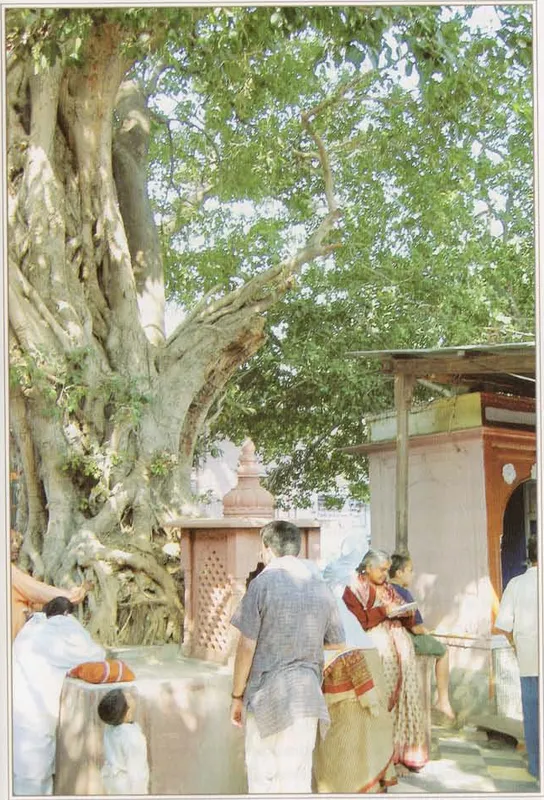
Vaṁśīvaṭa (Vṛndāvana)
वंशीवट (वृन्दावन)Vaṁśīvaṭa, "the banyan of the flute", stands on the bank of the Yamunā in Vṛndāvana, near the Gopīśvara Mahādeva temple.
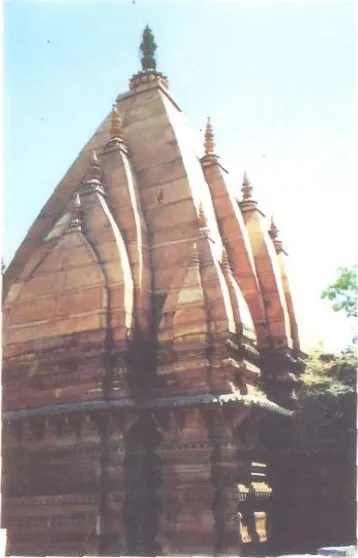
Rādhā-Gopīnātha Mandira (Vṛndāvana)
राधा-गोपीनाथ मन्दिर (वृन्दावन)The Rādhā-Gopīnātha Mandira is one of the seven original Gauḍīya Vaiṣṇava temples of Vṛndāvana.
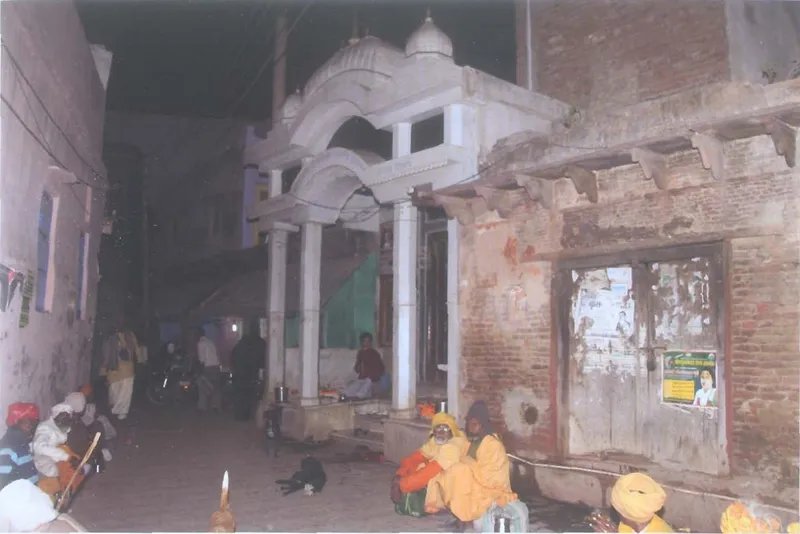
Gopīśvara Mahādeva Mandira (Vṛndāvana)
गोपीश्वर महादेव मन्दिर (वृन्दावन)The Gopīśvara Mahādeva temple is the shrine of Lord Śiva as Gopīśvara, "the lord of the gopīs", near Vaṁśīvaṭa in Vṛndāvana.
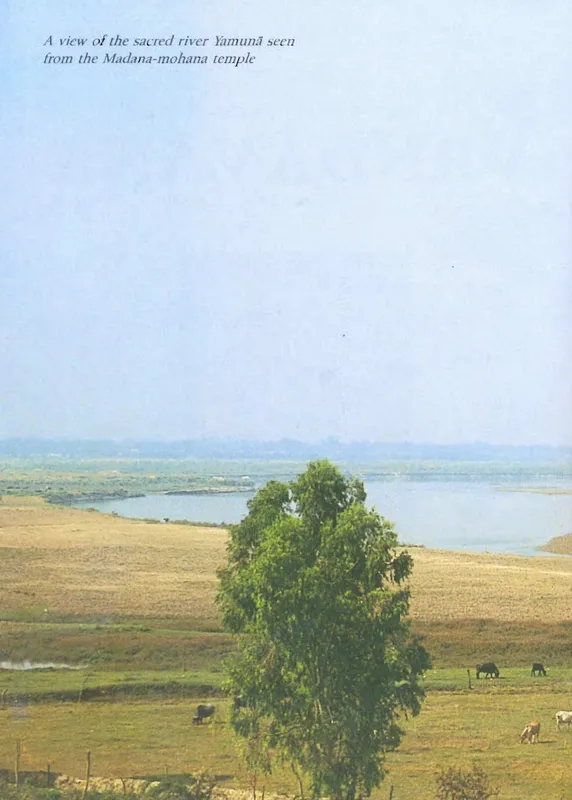
Yamunā
यमुनाThe Yamunā, also called the Kālindī, is the river that runs through Vraja-maṇḍala.
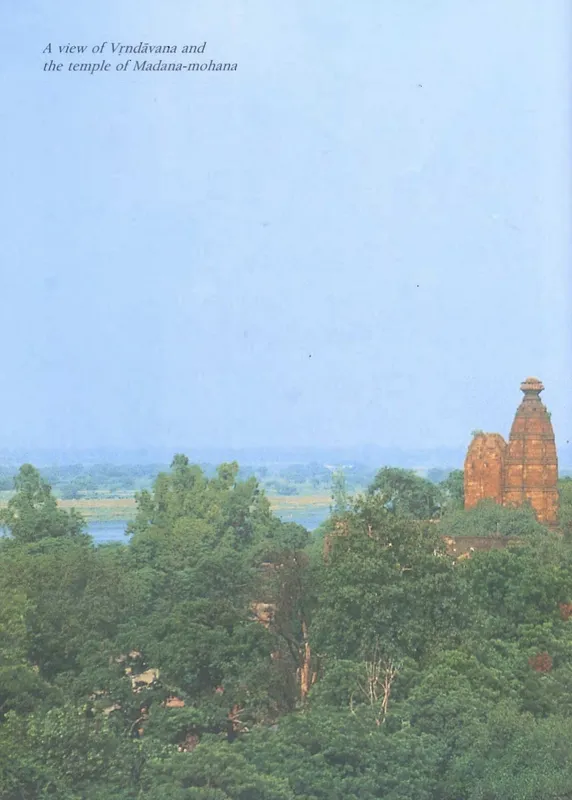
Vṛndāvana
वृन्दावनVṛndāvana is the forest on the bank of the Yamunā where Kṛṣṇa spent His childhood and youth, and the town of temples that stands in that forest today.
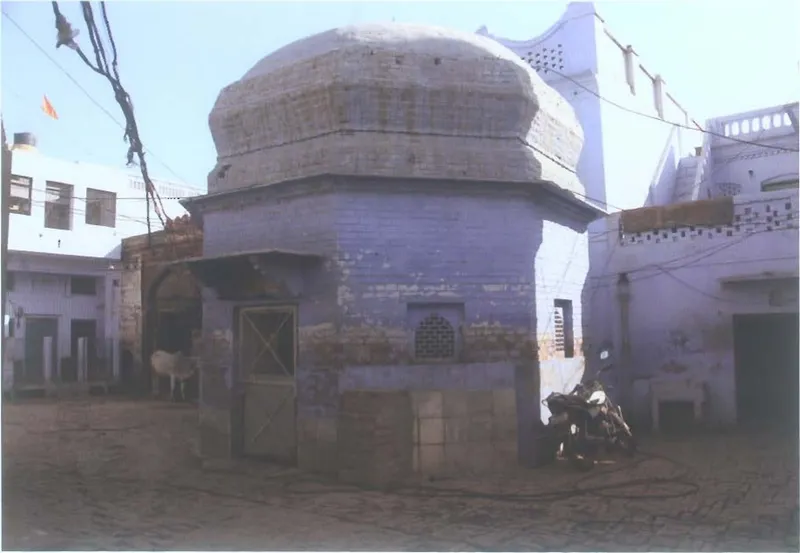
Madhu Paṇḍita's samādhi
मधु पण्डित की समाधिThe samādhi (tomb) of Śrī Madhu Paṇḍita stands in the compound of the Rādhā-Gopīnātha Mandira in Vṛndāvana, east of the new temple and near the old main gate.
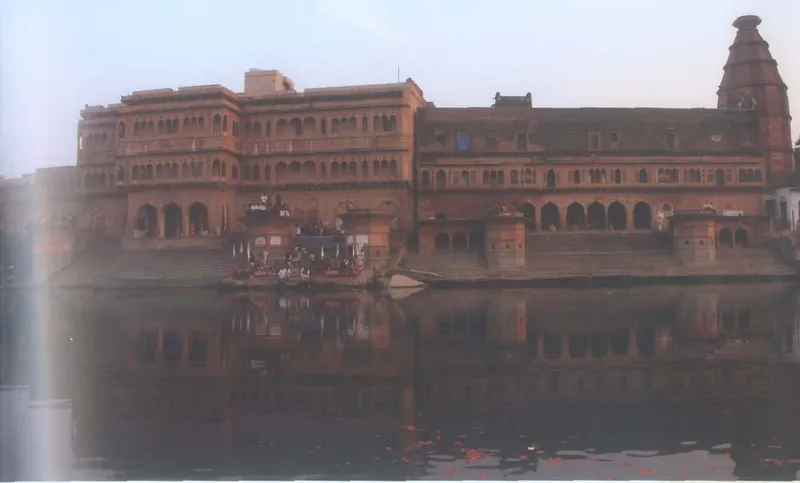
Keśī-ghāṭa
केशी-घाटKeśī-ghāṭa, also called Keśī-tīrtha, is a bathing place on the Yamunā in the north-west of Vṛndāvana, close to Cīra-ghāṭa.
Questions and answers
It is a sacred banyan on the bank of the Yamunā in Vṛndāvana, near the Gopīśvara Mahādeva temple. The name means the banyan of the flute. Śrīla Prabhupāda's Kṛṣṇa book names it as the place to which the gopīs ran at the sound of Kṛṣṇa's flute.[1 +8]
According to the Sādhana-dīpikā, Gopīnātha was manifested on the bank at Vaṁśīvaṭa by Paramānanda, a student of Śrī Gadādhara Paṇḍita. Paramānanda gave His service to Śrī Madhu Paṇḍita. The Bhaktamāla traditions say that the Lord appeared to Śrī Madhu Paṇḍita himself.[5 +4]
He was a follower of Śrī Gadādhara Paṇḍita, from Sāṅibonā-grāma near Khaḍadaha in Bengal. Śrīla Prabhupāda writes that he built the temple of Gopīnāthajī in Vṛndāvana. The Bhakti-ratnākara shows him serving Gopīnātha for many years.[14 +3]
No. According to the Bhakti-ratnākara, the Yamunā flooded the site and the old banyan vanished. A gosvāmī planted one of its branches near the old spot. The Vṛndāvana-kathā (1920) says that the pūjārīs planted it.[9, 40]
The Bhakti-ratnākara says only "the gosvāmī himself", without a name or date. The guidebooks name Śrī Madhu Paṇḍita or Śrī Paramānanda, and they give different dates.[9]
That is the guidebooks' tradition. The Bhāgavata-māhātmya says only in general that Vajra established the places of Kṛṣṇa's pastimes. No source names this tree, so it is not certain.[2 +5]
Śrīla Prabhupāda said that the king of Jaipur took Gopīnātha, with Govinda and Madana-mohana, from Vṛndāvana to Jaipur when Aurangzeb was breaking temples. The guidebooks say that He is worshipped in Jaipur, and that a pratibhū Deity is served in Vṛndāvana.[15–21]
Sources
- Vṛndāvana, the Playground of God (2010), Bhakti Caitanya Svāmī, PDF p. 204
- The Color Guide to Vṛndāvana (2000), Written and Photographed by Rājaśekhara dāsa Brahmacārī, PDF p. 131
- Garga-saṁhitā, Goloka-khaṇḍa (1), adhyāya 2 (description of Goloka), verse 35, Sanskrit Wikisource
- Śrīla Kṛṣṇadāsa Kavirāja Gosvāmī, Śrī Caitanya-caritāmṛta, Madhya-līlā 1.5, online edition · vedabase.io
- Śrīla Rādhā-kṛṣṇa Gosvāmī, Sādhana-dīpikā, part 1 (prathama-kakṣā), v.20
- Śrīla Rādhā-kṛṣṇa Gosvāmī, Sādhana-dīpikā, part 1 (prathama-kakṣā), prose after v.21
- Śrīla Narahari Cakravartī, Bhakti-ratnākara, taraṅga 2, printed p. 94, 2nd ed., 1912
- Śrīla Narahari Cakravartī, Bhakti-ratnākara, taraṅga 6, printed p. 461, 2nd ed., 1912
- Śrīla Narahari Cakravartī, Bhakti-ratnākara, taraṅga 5, printed p. 326-327, 2nd ed., 1912
- Śrī Vraja-maṇḍala Parikramā (2007), PDF p. 345
- Vṛndāvana, the Playground of God (2010), Bhakti Caitanya Svāmī, PDF p. 200
- The Color Guide to Vṛndāvana (2000), Written and Photographed by Rājaśekhara dāsa Brahmacārī, PDF p. 130
- Śrīla Narahari Cakravartī, Bhakti-ratnākara, Second Wave (dvitīya taraṅga), 1912 ed. p. 94, quoting the Sādhana-dīpikā, 2nd ed., 1912
- Śrīla Prabhupāda, Śrī Caitanya-caritāmṛta, Ādi-līlā 12.88, purport · vedabase.io
- Śrīla Prabhupāda, Lecture on the appearance day of Śrīla Baladeva Vidyābhūṣaṇa, Los Angeles, 14 June 1970 · vedabase.io
- Vṛndāvana, the Playground of God (2010), Bhakti Caitanya Svāmī, PDF p. 44
- Vṛndāvana, the Playground of God (2010), Bhakti Caitanya Svāmī, PDF p. 12
- The Color Guide to Vṛndāvana (2000), Written and Photographed by Rājaśekhara dāsa Brahmacārī, PDF p. 122
- Śrī Vraja-maṇḍala Parikramā (2007), PDF p. 330
- Vṛndāvana-Dhāma Ki Jaya! (c. 1986), by Dhruva Mahārāja dāsa, PDF p. 73
Show all 54 references
- The Colour Guide to Rādhā-kuṇḍa (1999), Rājaśekhara dāsa Brahmacārī, PDF p. 167
- Śrī Vraja-maṇḍala Parikramā (2007), PDF p. 319
- Śrī Vraja-maṇḍala Parikramā (2007), PDF p. 295
- Vṛndāvana, the Playground of God (2010), Bhakti Caitanya Svāmī, PDF p. 42
- the undated parikramā notes Vṛndāvana, ¶232
- Śrīla Prabhupāda, Kṛṣṇa, the Supreme Personality of Godhead, Chapter 29, 'The Rāsa Dance: Introduction' · vedabase.io
- Vṛndāvana-Dhāma Ki Jaya! (c. 1986), by Dhruva Mahārāja dāsa, PDF p. 83
- Śrīmad-Bhāgavatam 10.29.3, GRETIL
- Śrīmad-Bhāgavatam 10.29.4, GRETIL
- Śrīmad-Bhāgavatam 10.29.21–22 (vedabase prints them together), GRETIL
- Śrīmad-Bhāgavatam 10.29.45, GRETIL
- Śrīmad-Bhāgavatam 10.29.48, GRETIL
- Śrīmad-Bhāgavatam 10.30.44, GRETIL
- Śrīla Nārāyaṇa Bhaṭṭa, Vraja-bhakti-vilāsa, list of the sixteen vaṭas of Vraja, printed p. 32, item 8, quoting 'Pādme', 1st ed., publ. Bābā Kṛṣṇadāsa, Kusuma-sarovara, Saṁvat 2008
- Śrīla Nārāyaṇa Bhaṭṭa, Vraja-bhakti-vilāsa, presiding deities of the sixteen vaṭas, printed p. 34, quoting 'Skānde Bhūmikhaṇḍe', 1st ed., publ. Bābā Kṛṣṇadāsa, Kusuma-sarovara, Saṁvat 2008
- Śrīla Nārāyaṇa Bhaṭṭa, Vraja-bhakti-vilāsa, Vṛndāvana circuit (vana-yātrā), printed p. 227, item 74, 1st ed., publ. Bābā Kṛṣṇadāsa, Kusuma-sarovara, Saṁvat 2008
- Bhaktamāla of Nābhā dāsa with Priyādāsa's Bhakti-rasa-bodhinī kavittas and Rūpakalā's Bhakti-sudhā-svāda tilaka, Priyādāsa's kavitta 380 'श्री मधुगुसांई जी' (running no. 474 of the book), part 2, printed p. 899
- Bhaktamāla of Nābhā dāsa with Priyādāsa's Bhakti-rasa-bodhinī kavittas and Rūpakalā's Bhakti-sudhā-svāda tilaka, Rūpakalā's vārtika tilaka on Priyādāsa's kavitta 380, part 2, printed p. 900
- Śrī Śrī Bhaktamāla grantha, second mālā, 'চরিত্র শ্রীমধুপণ্ডিত ঠাকুরের', printed p. ২১ (21), right column
- Vṛndāvana-kathā, chapter 16 (ষোড়শ পরিচ্ছেদ), no. 1 'বংশীবট', printed p. 181
- Śrīla Prabhupāda, Śrī Caitanya-caritāmṛta, Madhya-līlā 18.52, purport (Śrīla Prabhupāda quotes and translates a list from the Bhakti-ratnākara, Sixth Wave) · vedabase.io
- Śrīla Narahari Cakravartī, Bhakti-ratnākara, taraṅga 4, printed p. 143, 2nd ed., 1912
- Śrīla Narahari Cakravartī, Bhakti-ratnākara, taraṅga 6, printed p. 480, 2nd ed., 1912
- Śrīla Narahari Cakravartī, Bhakti-ratnākara, taraṅga 13, printed p. 1021, 2nd ed., 1912
- Vṛndāvana-kathā, ch. 4 'Gopīnāthajī', printed p. 75
- Śrīmad-Bhāgavatam, 1.15.39, online edition
- Śrīla Prabhupāda, Śrīmad-Bhāgavatam, 1.15.39, translation and purport · vedabase.io
- Bhāgavata-māhātmya, Skanda Bhāgavata-māhātmya 2.4-6, Sanskrit Wikisource
- Śrī Vraja-maṇḍala Parikramā (2007), PDF p. 148
- the undated parikramā notes Kāmyavana, ¶9
- Pulinbihārī Datta, ch. 10 (daśama pariccheda) 'Rādhāvallabhajī', printed p. 136
- A. W. Entwistle, printed p. 220, Egbert Forsten, Groningen, 1987
- Vṛndāvana, the Playground of God (2010), Bhakti Caitanya Svāmī, PDF p. 205
- Śrī Vraja-maṇḍala Parikramā (2007), PDF p. 318
Further sources
- Sādhana-dīpikā of Śrī Rādhā-kṛṣṇa Gosvāmī (Sanskrit, one edition) and the Bhakti-ratnākara, Second, Fifth and Sixth Waves (Bengali, 1912): summarised, not translated.
- The Hindi Bhaktamāla with Śrī Priyādāsa's and Śrī Rūpakalā's commentaries (1904); the Bengali Bhaktamāla of Kṛṣṇadāsa Bābājī (1905): attributed traditions, summarised.
- Śrī Caitanya-caritāmṛta and Śrīmad-Bhāgavatam, First Canto, with Śrīla Prabhupāda's translations and purports (BBT); his lectures (vedabase.io).