How Kṛṣṇa subdued the serpent Kāliya
कृष्ण ने कालिय नाग का दमन कैसे किया
In short
Kṛṣṇa subdued the serpent Kāliya in a lake within the Yamunā at Vṛndāvana, remembered at Kāliya-ghāṭa (Kaliya Ghat, Vrindavan). According to Śrīmad-Bhāgavatam (10.15–10.17), He jumped from a kadamba tree into the poisoned water and danced on the serpent's heads. He accepted the prayers of Kāliya's wives, sent him to Ramaṇaka Island and made the Yamunā pure.[1–21]
On this page
At a glance
- Scripture: Śrīmad-Bhāgavatam 10.15.47–10.17.19, in the translation of Śrīla Prabhupāda's disciples, and Śrīla Prabhupāda's Kṛṣṇa book, chapters 15 to 17.[22, 23]
- The place: a lake within the Kālindī (Yamunā). Śrīla Prabhupāda identifies it with the bathing place called Kāliya-ghāṭa.[1 +7]
- Why Kāliya was there: he had fled from Garuḍa, the great eagle who carries Viṣṇu, to the one lake Garuḍa could not enter, because of the curse of Saubhari Muni.[26–31]
- The kadamba (a tree with round, fragrant flowers): according to the Bhāgavatam and its commentators, the only tree that survived the poison. Kṛṣṇa climbed it and jumped into the lake.[7 +6]
- Balarāma: He was not with Kṛṣṇa that day. The commentators give different reasons.[22, 34]
- The end: Kāliya left for Ramaṇaka Island with his family, and the Yamunā became free of poison.[6 +4]
- The blessing: Kṛṣṇa said that whoever bathes in this place of His pastimes is freed from all sinful reactions.[33 +2]
Where did Kṛṣṇa subdue Kāliya?
Śrīmad-Bhāgavatam describes the place in two verses. It was a lake within the river Kālindī, another name of the Yamunā. The serpent's fiery poison made it boil, and it was so deadly that birds flying over it fell in.[1–6]
śrī-śuka uvāca kālindyāṃ kāliyasyāsīd hradaḥ kaścid viṣāgninā / śrapyamāṇa-payā yasmin patanty upari-gāḥ khagāḥ
Śrī Śukadeva Gosvāmī said: Within the river Kālindī [Yamunā] was a lake inhabited by the serpent Kāliya, whose fiery poison constantly heated and boiled its waters. Indeed, the vapors thus created were so poisonous that birds flying over the contaminated lake would fall down into it.
Translation: Śrīla Prabhupāda's disciples (BBT)The wind carried drops from the lake to the shore, and every plant and creature that touched that breeze died.[2] Śrīla Prabhupāda describes the same scene in his Kṛṣṇa book:
Names this place“Within the river Yamunā there was a great lake, and in that lake the black serpent Kāliya used to live. … Lord Kṛṣṇa saw the effect of the great serpent’s poison: the whole river that ran before Vṛndāvana was now deadly.”
Śrīla Prabhupāda, Kṛṣṇa, the Supreme Personality of Godhead (Kṛṣṇa book), Chapter 16 (Subduing Kāliya) · vedabase.io
The commentators on the Tenth Canto, the teachers who explained it verse by verse, locate the lake without naming a ghāṭa (bathing steps) (summarised here, not translated). Śrīla Sanātana Gosvāmī, Śrīla Jīva Gosvāmī, Śrīla Viśvanātha Cakravartī Ṭhākura and Śrīla Baladeva Vidyābhūṣaṇa place it on the southern side of the Kālindī. It lay apart from her main current, which flowed to the north of it; otherwise, they say, the poison would have reached Mathurā. They also place it within Śrī Vṛndāvana.[37–42] The Harivaṁśa speaks of a lake a yojana (an old measure of several miles) wide, deep and still like the ocean. It tells of a poison-fire that burnt every blade of grass that fell into it.[3, 4]
The Caitanya-caritāmṛta names Kāliya-hrada, the lake of Kāliya. Śrīla Prabhupāda explains it as the bathing place on the bank of the Yamunā known as Kāliya-ghāṭa.[24, 25] In 2000 a guidebook noted that the Yamunā no longer flowed at Kāliya-ghāṭa except in the floods of the rainy season.[43–48]
Why did Kāliya live in the Yamunā?
The Bhāgavatam answers at the end of the story. Beaten by Garuḍa's wing, Kāliya took shelter in a lake beside the Yamunā that Garuḍa (the great eagle who carries Viṣṇu) could not enter or even approach.[19] In that lake Garuḍa had once seized a fish. The sage Saubhari, who was meditating there in the water, had forbidden it.[26] Saubhari saw the fish grieve for their leader, and he cursed Garuḍa: if he ever entered the lake again and ate the fish, he would die at once.[27, 28]
Of all the serpents only Kāliya knew of this. So, in fear of Garuḍa, he lived in that lake until Kṛṣṇa drove him out.[20 +6] The Garga-saṁhitā and the Brahma-vaivarta Purāṇa, an old scripture, tell the same curse in their own words.[26–31] Śrīla Prabhupāda adds a lesson in his retelling:
Names this place“There was, however, a great yogī known as Saubhari Muni who used to meditate within the water there and who was sympathetic with the fish. … Due to this offense, Saubhari fell down from his yogic position and afterwards became a householder, a sense enjoyer in the material world.”
Śrīla Prabhupāda, Kṛṣṇa, the Supreme Personality of Godhead, Chapter 17 (Extinguishing the Forest Fire) · vedabase.io
The day Kṛṣṇa went without Balarāma
The pastime begins with a plain line: once, with His friends around Him, Kṛṣṇa went to the Yamunā without Balarāma.[22] Śrīla Prabhupāda's Kṛṣṇa book sets the day in the summer. The thirsty boys and cows drank the river's water, poisoned by Kāliya's venom.[23] They fell lifeless at the water's edge. Kṛṣṇa, the master of all mystic power, brought them back to life with His nectar-like glance.[22 +2]
The commentators explain in different ways why Balarāma was absent (summarised here, not translated). Śrīla Viśvanātha Cakravartī Ṭhākura and Śrīla Baladeva Vidyābhūṣaṇa say that it was the day of His birth-star, and He was kept at home for its rites. Śrīla Sanātana Gosvāmī says that Kṛṣṇa went without Him because otherwise all of Vraja would have come to harm by entering the lake. Śrīla Jīva Gosvāmī says that Balarāma would have stopped Kṛṣṇa from entering it.[34]
In his Gopāla-campū Śrīla Jīva Gosvāmī tells the day as the monthly festival of Balarāma's birth-star, when Kṛṣṇa went to the forest with Śrīdāma and other friends.[44 +2]
The jump from the kadamba tree
Kṛṣṇa saw how the serpent had polluted the river. He had come especially to subdue envious demons. So He climbed a very high kadamba tree (a tree with round, fragrant flowers), tightened His belt, slapped His arms and jumped into the poisonous water.[7–11]
taṃ caṇḍa-vega-viṣa-vīryam avekṣya tena
duṣṭāṃ nadīṃ ca khala-saṃyamanāvatāraḥ … kṛṣṇaḥ kadambam adhiruhya tato 'ti-tuṅgam
āsphoṭya gāḍha-raśano nyapatad viṣode
Lord Kṛṣṇa saw how the Kāliya serpent had polluted the Yamunā River with his terribly powerful poison. Since Kṛṣṇa had descended from the spiritual world specifically to subdue envious demons, the Lord immediately climbed to the top of a very high kadamba tree and prepared Himself for battle. He tightened His belt, slapped His arms and then jumped into the poisonous water.
Translation: Śrīla Prabhupāda's disciples (BBT)The force of His jump made the lake overflow for a hundred bow-lengths in poisonous waves. As He played in it like a lordly elephant, Kāliya heard the sound and came forward.[53, 54] The Viṣṇu Purāṇa tells the same jump from a broad-branched kadamba not far from the lake. The Garga-saṁhitā adds that Kṛṣṇa tied His yellow cloth at His waist.[7–11]
Why did the kadamba survive the poison?
The kadamba was the only living tree on that poisoned shore. Śrīla Prabhupāda gives two explanations without naming their sources:
Names this place“The kadamba tree from which Kṛṣṇa jumped was the only tree there which was not dead. Some commentators say that due to being touched by the lotus feet of Kṛṣṇa, the tree immediately became alive. In some other Purāṇas it is stated that Garuḍa … put some nectar on this tree to preserve it.”
Śrīla Prabhupāda, Kṛṣṇa, the Supreme Personality of Godhead, Chapter 16 (Subduing Kāliya) · vedabase.io
The commentators name theirs (summarised here, not translated). Śrīdhara Svāmī, followed by Śrīla Viśvanātha Cakravartī Ṭhākura and Śrīla Baladeva Vidyābhūṣaṇa, gives two reasons. One is the coming touch of Kṛṣṇa's feet. The other, from another Purāṇa, is that Garuḍa had rested on the tree while carrying the nectar. Śrīla Jīva Gosvāmī says that it was Kṛṣṇa's own tree, kept by Him for His pastime.[32, 33] In the Gopāla-campū he says that Garuḍa had sprinkled nectar on it.[55] Some manuscripts of the Harivaṁśa add lines in which Kṛṣṇa says that by the touch of His soles the kadamba would live long and be worthy of worship.[9]
The kadamba at Kāliya-ghāṭa
Śrīla Jīva Gosvāmī and the Bhakti-ratnākara quote a verse as from the Varāha Purāṇa. It speaks of a great, revered kadamba east of Kāliya-hrada, with a hundred branches and a sweet scent, that blossoms all twelve months. The Bhakti-ratnākara applies it to the tree from which Kṛṣṇa jumped.[36 +2] Śrīla Rūpa Gosvāmī's Mathurā-māhātmya quotes the same verse.[58] Śrīla Jīva Gosvāmī teaches that such divine trees of Vṛndāvana are even now seen directly by great devotees.[36 +2]
The guidebooks of 1986 to 2010 present the tree then standing at Kāliya-ghāṭa as the one Kṛṣṇa climbed. The Color Guide to Vṛndāvana (2000) says it is said to be the same tree.[43 +3] The Bhakti-ratnākara calls the tree the keli-kadamba, the kadamba of His pastime.[61–63] It has its own page, the kadamba tree at Kāliya-ghāṭa.[43 +3]
In the coils of Kāliya
Kāliya saw Kṛṣṇa playing fearlessly in the water, His body shining like a cloud and His face smiling. The envious serpent bit Him on the chest and wrapped Him in his coils.[12–17] The people of Vraja hurried to the bank. From afar they saw Kṛṣṇa lying still in the lake, inside the black serpent's coils. The cowherd boys had fallen unconscious, and the animals were crying out for Him.[64]
Balarāma knew His brother's real power. He held back Nanda Mahārāja and the other cowherd men from entering the lake.[12–17] Śrīla Viśvanātha Cakravartī Ṭhākura says that He reminded them of Garga Muni's words: through Kṛṣṇa they would cross all difficulties (summarised here, not translated).[13, 65] Śrīla Prabhupāda writes:
General teaching (does not name the place)“For two hours Kṛṣṇa remained like an ordinary child gripped in the coils of Kāliya, but when He saw that all the inhabitants of Gokula … were just on the point of death … Kṛṣṇa immediately freed Himself.”
Śrīla Prabhupāda, Kṛṣṇa, the Supreme Personality of Godhead (Kṛṣṇa book), Chapter 16 (Subduing Kāliya) · vedabase.io
The Bhāgavatam gives the reason Kṛṣṇa rose. He understood that the women, children and other people of Gokula were suffering because of their love for Him.[14] In his commentary Śrīla Sanātana Gosvāmī even reads the serpent's anger as a kind of love (summarised here, not translated).[52 +5]
The dance on Kāliya's heads
Kṛṣṇa circled the serpent until he grew tired. Then He pushed down his raised shoulders, climbed onto his heads and began to dance. His lotus feet turned red from the jewels on the serpent's heads.[12–17]
Having severely depleted the serpent’s strength with His relentless circling, Śrī Kṛṣṇa, the origin of everything, pushed down Kāliya’s raised shoulders and mounted his broad serpentine heads. Thus Lord Śrī Kṛṣṇa, the original master of all fine arts, began to dance, His lotus feet deeply reddened by the touch of the numerous jewels upon the serpent’s heads.
Translation: Śrīla Prabhupāda's disciples (BBT)Śrīla Prabhupāda describes the celebration around Him:
General teaching (does not name the place)“Then He who is the original artist of all fine arts, such as dancing, began to dance upon the hoods of the serpent, although they were moving to and fro. Upon seeing this, the denizens of the upper planets showered flowers, beat drums, played different types of flutes and sang various prayers and songs.”
Śrīla Prabhupāda, Kṛṣṇa, the Supreme Personality of Godhead (Kṛṣṇa book), Chapter 16 (Subduing Kāliya) · vedabase.io
When one of the heads would not bow, Kṛṣṇa struck it down with His feet. At last Kāliya, his hoods broken and vomiting blood, recognised Him as the Supreme Lord, Nārāyaṇa, and took shelter of Him in his mind.[16, 17] In that verse the Bhāgavatam calls Kṛṣṇa the one who punishes cruel wrongdoers.[16] The Harivaṁśa, the Viṣṇu Purāṇa and the Garga-saṁhitā tell the dance with other details. They are set out below.[12–17]
What did Kāliya's wives pray?
Kāliya's wives came before Kṛṣṇa with their children and offered obeisances (they bowed down). In Śrīla Prabhupāda's words they fell down on the bank of the Yamunā.[42] Their long prayer includes this verse:
kasyānubhāvo 'sya na deva vidmahe tavāṅghri-reṇu-sparaśādhikāraḥ / yad-vāñchayā śrīr lalanācarat tapo vihāya kāmān su-ciraṃ dhṛta-vratā
O Lord, we do not know how the serpent Kāliya has attained this great opportunity of being touched by the dust of Your lotus feet. For this end, the goddess of fortune performed austerities for centuries, giving up all other desires and observing austere vows.
Translation: Śrīla Prabhupāda's disciples (BBT)The commentators explain why the serpent received such mercy (summarised here, not translated). Śrīla Jīva Gosvāmī names two causes. One was the company of his wives, who were great devotees. The other was that he lived in the Yamunā within Śrī Vṛndāvana. Śrīla Viśvanātha Cakravartī Ṭhākura adds that Kṛṣṇa forgave Kāliya's offence against Garuḍa out of regard for his wives' love.[40 +3]
One more detail comes from Śrīla Rūpa Gosvāmī. His Rādhā-Kṛṣṇa-gaṇoddeśa-dīpikā says that Kṛṣṇa's Kaustubha gem, the jewel He wears on His chest, came from the serpent's lake. Kāliya's wives gave it to Him with their own hands.[75]
The Lord had made His Kaustubha gem enter the serpent’s lake, and then He arranged for it to be presented to Himself by the hands of Kāliya’s wives.
Translation: Śrīla Prabhupāda's disciples (BBT)Where did Kāliya go afterwards?
Kṛṣṇa told the serpent that he could not stay. He should go back to the ocean with his family and leave the river to the cows and the people.[77] He also took away his old fear:
dvīpaṃ ramaṇakaṃ hitvā hradam etam upāśritaḥ / yad-bhayāt sa suparṇas tvāṃ nādyān mat-pāda-lāñchitam
Out of fear of Garuḍa, you left Ramaṇaka Island and came to take shelter of this lake. But because you are now marked with My footprints, Garuḍa will no longer try to eat you.
Translation: Śrīla Prabhupāda's disciples (BBT)Kāliya went with his wives, friends and children to his island in the sea. At that moment the Yamunā became as she was before, free from poison and full of nectar-like water.[6 +5] Śrīla Sanātana Gosvāmī and Śrīla Jīva Gosvāmī give one reading of this (summarised here, not translated). Serpents may not live in Śrī Vṛndāvana, the Lord's own abode, they explain, and Kṛṣṇa's next words were a blessing to purify the lake.[39 +3]
yo 'smin snātvā mad-ākrīḍe devādīṃs tarpayej jalaiḥ / upoṣya māṃ smarann arcet sarva-pāpaiḥ pramucyate
If one bathes in this place of My pastimes and offers the water of this lake to the demigods and other worshipable personalities, or if one observes a fast and duly worships and remembers Me, he is sure to become free from all sinful reactions.
Translation: Śrīla Prabhupāda's disciples (BBT)Śrīla Prabhupāda gives the same promise in his Kṛṣṇa book:
Names this placeThe Lord also declared, “If one takes a bath in the Kāliya lake, where My cowherd boyfriends and I have bathed, or if one fasts for a day and offers oblations to the forefathers from the water of this lake, he will be relieved from all kinds of sinful reactions.”
Śrīla Prabhupāda, Kṛṣṇa, the Supreme Personality of Godhead, Chapter 16 (Subduing Kāliya) · vedabase.io
Kṛṣṇa then rose out of the lake wearing divine garlands, garments and jewels. The people of Vraja embraced Him, as if their life had come back.[81, 82] On the advice of the brāhmaṇas (priests), Nanda Mahārāja gave them cows and gold for his son's safety.[6, 83] That night the Vrajavāsīs (the people of Vraja) stayed near the bank, and a forest fire surrounded them. That pastime has its own article.[6 +3] Read more: Kṛṣṇa swallows the forest fire on the night after Kāliya →
After the lake: the twelve suns of Dvādaśāditya
The commentators explain briefly how Kṛṣṇa came out of the lake (summarised here, not translated). Śrīla Jīva Gosvāmī and Śrīla Viśvanātha Cakravartī Ṭhākura say that He passed lightly over the surface of the water.[86–88] They and Śrīla Sanātana Gosvāmī add that the pastime and the Vrajavāsīs' meeting with Him lasted until the end of the day.[84 +2]
The places beside the lake remember what followed. Śrīla Raghunātha dāsa Gosvāmī's Vraja-vilāsa-stava praises the tīrtha (holy place) of the twelve suns. There the suns served Kṛṣṇa with strong heat when He was cold. The Bhakti-ratnākara says that this happened on the nearby hill, after He had subdued Kāliya and come up from the lake.[59 +7] According to the same hymn, the heat made Him sweat, and from that sweat came the Praskandana tīrtha.[59 +4] The hill is Dvādaśāditya-ṭīlā.
The Varāha Purāṇa joins the two places in its own way. It says that at the sun-tīrthas called Dvādaśāditya, Kāliya played in the Kālindī and was subdued, and the Lord set up the Ādityas (the sun-gods) there (summarised here, not translated).[100] The Padma Purāṇa describes Vṛndāvana as a lotus. It gives Dvādaśāditya and Kālī-hrada two neighbouring petals, the northern and the north-western.[101]
The lake also marked the edge of Nanda's village. Śrīla Rūpa Gosvāmī's play Vidagdha-mādhava describes the cowherd village as stretching from the slope of Govardhana to Kāliya-hrada. The commentators on Śrīmad-Bhāgavatam 10.11.35 use the lake as the landmark from which they measure it (summarised here, not translated).[102 +1]
Kāliya-hrada in the Gosvāmīs' writings and in Śrī Caitanya's visit
The Gosvāmīs remember the lake in their prayers and handbooks. Śrīla Raghunātha dāsa Gosvāmī's Vraja-vilāsa-stava worships Kāliya-hrada as the place where Hari (Kṛṣṇa), dancing, crushed the Kāliya who had offended His dear ones.[104] Śrīla Rūpa Gosvāmī's Mathurā-māhātmya gives the lake a section of its own. It quotes the Ādi-varāha, Varāha and Saura Purāṇas on bathing there (summarised here, not translated).[105–107] The Padma Purāṇa places Kālī-hrada on the north-western petal of the lotus of Vṛndāvana, and the Nārada Purāṇa counts it among the tīrthas of Vṛndāvana.[101 +1]
According to the Caitanya-caritāmṛta, Śrī Caitanya Mahāprabhu bathed at Kāliya-hrada while He stayed at Akrūra-tīrtha.[109–111] The same book tells that during that stay crowds went to the lake at night. They thought that Kṛṣṇa had appeared again, dancing on Kāliya's hoods. It was a fisherman with a torch in his boat.[110 +3] Śrīla Prabhupāda draws the lesson:
Names this place“The puzzled people who visited Śrī Caitanya Mahāprabhu were actually seeing Lord Kṛṣṇa, but they were mistaken in thinking that Lord Kṛṣṇa had come to Kālīya Lake. … This incident at Kālīya-daha is very instructive for those eager to advance in Kṛṣṇa consciousness.”
Śrīla Prabhupāda, Śrī Caitanya-caritāmṛta, Madhya-līlā 18.99, purport · vedabase.io
The Bhakti-ratnākara says that the Kāliya-tīrtha destroys sin, and Śrīla Prabhupāda quotes and translates its couplet in his purport (his explanation of a verse).[36 +2] Śrīla Murāri Gupta's Kṛṣṇa-caitanya-caritāmṛta and Śrīla Locana dāsa Ṭhākura's Caitanya-maṅgala tell that Śrī Caitanya's guide showed Him the lake and an image of the subduer of Kāliya (summarised here, not translated).[117–119] The guidebooks list several places near Kāliya-ghāṭa, in their route order. They are the kadamba tree, Śrīla Prabodhānanda Sarasvatī's bhajana-kuṭī (hut for worship) and samādhi (tomb), the Kāliya-mardana Mandira and Dvādaśāditya-ṭīlā with the old Madana-mohana temple. The historian A. W. Entwistle (1987) reports an inscription that names Holkar Rao as the builder of the ghāṭa's steps.[47 +6] Read more: How Madana-mohana came to Śrīla Sanātana Gosvāmī →
Where the sources differ
The texts agree on the pastime and differ on its details. Each account is given with its source. On the day, and on why Balarāma stayed behind, the Bhāgavatam, the Kṛṣṇa book and the commentators give different answers.[34 +3]
Accounts differ On what day Kṛṣṇa went to Kāliya's lake without Balarāma.
- Śrīmad-Bhāgavatam 10.15.47–48'once' Kṛṣṇa went to the Kālindī with His friends but without Balarāma; the cows and boys were distressed by the summer sun
- Kṛṣṇa book ch. 15 (Śrīla Prabhupāda)Kṛṣṇa sometimes went to the Yamunā with His friends and Balarāma and sometimes with His friends alone; 'one day' in the summer season the boys and cows drank the poisoned water (no special reason for Balarāma's absence)
- Śrīla Viśvanātha Cakravartī and Śrīla Baladeva Vidyābhūṣaṇa on ŚB 10.15.47a day in the hot season after the Kārttika Gopāṣṭamī of the same year; Balarāma had been kept at home because it was the day of His birth-star (Viśvanātha: by the two mothers, for its propitiatory bath; Baladeva: by His mother)
- Śrīla Sanātana Gosvāmī on ŚB 10.15.47at the end of Kṛṣṇa's sixth year, in the hot season; Kṛṣṇa went without Balarāma because otherwise all the people of Vraja would have come to harm by entering Kāliya's lake, as will become clear later (on 10.16.22 he calls Balarāma the one the Lord had kept at home for the protection of Vraja)
The wording of these accounts is our summary of the sources, not a published translation.
The Purāṇas tell differently from the Bhāgavatam what Balarāma did while Kṛṣṇa lay in the coils, and what made Kṛṣṇa rise.[12 +6]
Accounts differ What Balarāma did while Kṛṣṇa lay in Kāliya's coils, and what made Kṛṣṇa rise.
- Śrīmad-Bhāgavatam 10.16.16, 10.16.22–23Balarāma, knowing Kṛṣṇa's power, smiled and said nothing, and stopped Nanda and the others from entering the lake; after a short time Kṛṣṇa, seeing His Gokula in distress on His account, rose from the coils
- Śrīla Viśvanātha Cakravartī on ŚB 10.16.16 and 10.16.22Balarāma laughed at Kṛṣṇa's wish to play with Kāliya rather than with Śeṣa, and stopped the Vrajavāsīs by reminding them of Garga's words
- Kṛṣṇa book ch. 16 (Śrīla Prabhupāda)Balarāma stood smiling and checked Nanda and the cowherd men; after two hours Kṛṣṇa, seeing the inhabitants of Gokula on the point of death, freed Himself
- Harivaṁśa (critical edition) 56.26–29Saṅkarṣaṇa, angered, told Kṛṣṇa to subdue the serpent quickly, since their kinsmen, thinking Him human, were lamenting; hearing Rauhiṇeya's words, Kṛṣṇa broke the coils
The texts differ on how many heads Kāliya had and how the dance is told.[12–17]
Accounts differ Who danced on Kāliya's heads, and how the dance is told (the subject of the Kāliya-mardana temple's Deity).
- Śrīmad-Bhāgavatam 10.16.26–30Kṛṣṇa alone mounted the heads and danced, crushing with His feet each head that would not bow; the celestials accompanied Him with drums, songs, flowers and prayers; Kāliya was 'śataika-śīrṣṇaḥ' (10.16.28: '101 prominent heads' in the disciples' translation, 'a hundred chief heads' in Śrīdhara's, Śrīla Jīva's and Baladeva's reading) and had a thousand hoods (10.16.30)
- Śrīla Viśvanātha Cakravartī on ŚB 10.16.26the display of His art was meant for the girls of Vraja who had begun to love Him (shown to them; they do not dance)
- Kṛṣṇa book ch. 16 (Śrīla Prabhupāda)Kṛṣṇa danced on the hoods while the denizens of the upper planets showered flowers, beat drums, played flutes and sang; Kāliya had about a hundred hoods
- Harivaṁśa (critical edition) 56.6, 56.30–32Kāliya had five heads; Kṛṣṇa bent down the middle head with His hand, mounted it and danced
On why the kadamba survived, the commentators and the Kṛṣṇa book give several reasons.[32, 33]
Accounts differ Why the kadamba survived Kāliya's poison.
- Śrīla Śrīdhara Svāmī on ŚB 10.16.6 (quoted by Śrīla Viśvanātha Cakravartī; Śrīla Baladeva Vidyābhūṣaṇa the same)by the good fortune of the touch of Kṛṣṇa's feet that was to come; or, according to another Purāṇa, because Garuḍa, carrying the nectar, had stepped (Baladeva: sat) on it
- Śrīla Jīva Gosvāmī, Laghu-vaiṣṇava-toṣaṇī on ŚB 10.16.6because it is Kṛṣṇa's own tree, kept by Him for His pastime (a saying: 'the kadamba near Kāliya-hrada is Kṛṣṇa's tree'); the trees near it did not die either
- Śrīla Jīva Gosvāmī, Gopāla-campū, Pūrva 13.19Garuḍa had sprinkled nectar on it
- Śrīla Viśvanātha Cakravartī and Śrīla Jīva Gosvāmī on ŚB 10.17.15no trees grew on the bank or near the lake
The wording of these accounts is our summary of the sources, not a published translation.
On where the wives bowed down, the commentators tell of an island in the lake and the Kṛṣṇa book of the bank.[37–42]
Accounts differ Where Kāliya's wives bowed down to Kṛṣṇa.
- Śrīmad-Bhāgavatam 10.16.32they laid their bodies on the ground (bhuvi) and bowed down (disciples' translation: 'laying their bodies flat upon the ground')
- Śrīla Śrīdhara Svāmī on ŚB 10.16.32 (Vaṁśīdhara explains both options)on the ground (bhuvi): at that place, either under the water or on the bank (jalādhastād vā tīre vā)
- Śrīla Viśvanātha Cakravartī, Śrīla Jīva Gosvāmī (Laghu-toṣaṇī; Krama-sandarbha) and Śrīla Baladeva Vidyābhūṣaṇa on ŚB 10.16.32 (Vaṁśīdhara as another reading)on the ground implies an island in the middle of the lake, where Kṛṣṇa in Kāliya's coils was seen by the people of Gokula
- Kṛṣṇa book ch. 16 (Śrīla Prabhupāda)they offered obeisances 'falling down on the bank of the Yamunā'
The wording of these accounts is our summary of the sources, not a published translation.
The Purāṇas, the Gosvāmīs and the later books describe differently whether Kāliya was subdued at Dvādaśāditya or at a separate lake.[100 +1]
Accounts differ Where Kāliya was subdued, in relation to Dvādaśāditya.
- Śrīmad-Bhāgavatam 10.16.4 and 10.16.29, with Śrīla Sanātana GosvāmīIn a lake (hrada) of the serpent Kāliya within the river Kālindī (Yamunā); Śrīla Sanātana Gosvāmī: 'within Śrī Vṛndāvana, in the lake of the Śrī Yamunā'. No tīrtha called Dvādaśāditya is named.
- Varāha Purāṇa 156.14–15At the sun-tīrtha called Dvādaśāditya, where Kāliya sported in the Kālindī's water: there Kāliya was subdued, and the Ādityas were established by Me.
- Padma Purāṇa, Pātāla-khaṇḍa 69.30–31In the thousand-petalled lotus called Gokula (69.23), Dvādaśāditya is the fifth petal (north) and Kālī-hrada the sixth (north-west): two different petals.
- Śrīla Rūpa Gosvāmī, Mathurā-māhātmya v.387–396Separate sections for Kāliya-hrada (v.387–393) and Dvādaśāditya (v.394–396); the bathing verse that the Varāha text has in its Dvādaśāditya passage (156.17) is quoted under Kāliya-hrada, where it speaks of going to Kāliya's lake.
The wording of these accounts is our summary of the sources, not a published translation.
Places in this article

Kāliya-ghāṭa
कालिय-घाटKāliya-ghāṭa is the bathing place on the old bank of the Yamunā in Vṛndāvana that marks Kāliya's lake, the Kāliya-hrada of the scriptures, today called Kāliya-daha.
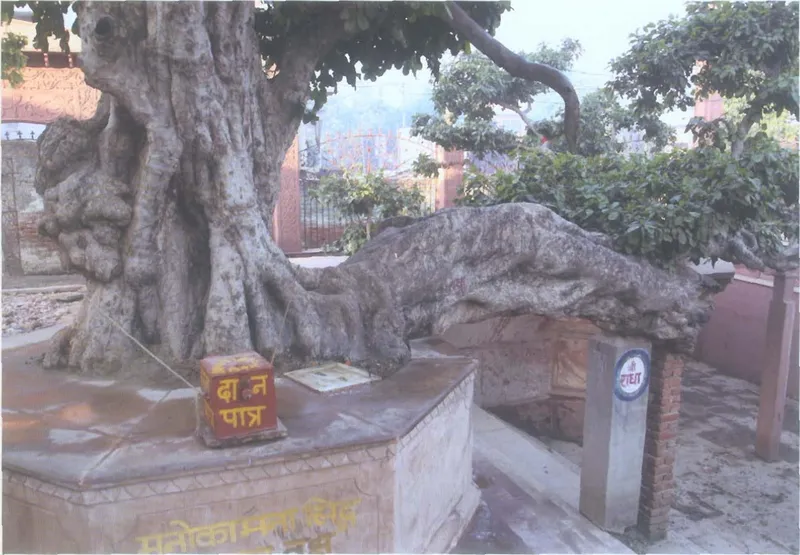
Kadamba tree at Kāliya-ghāṭa
कालिय-घाट का कदम्ब वृक्षAn old kadamba tree stands at Kāliya-ghāṭa in Vṛndāvana, by the old bank of the Yamunā.
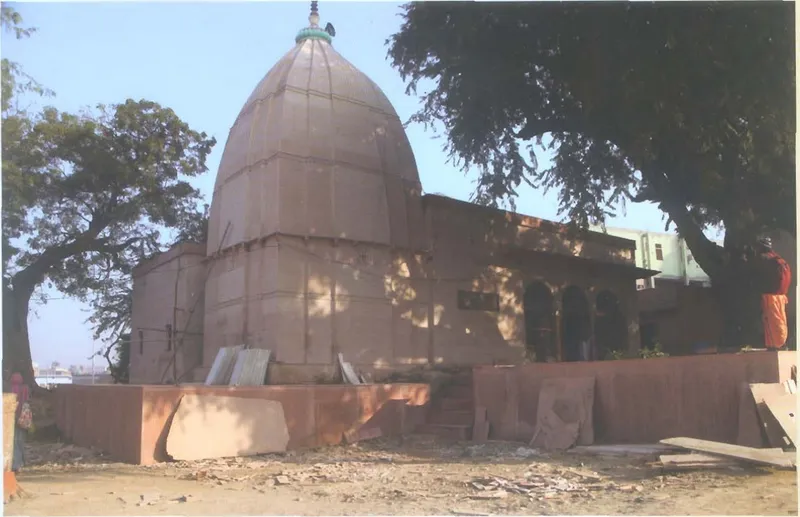
Kāliya-mardana Mandira
कालिय-मर्दन मन्दिरThe Kāliya-mardana Mandira is a temple in Vṛndāvana dedicated to Kṛṣṇa's subduing of the serpent Kāliya, the pastime of Kāliya-ghāṭa.
Kāliya-damanavana
कालिय-दमनवनKāliya-damanavana, "the forest of the subduing of Kāliya", is one of the twelve small forests within the parikramā (the walk around) of Vṛndāvana town.
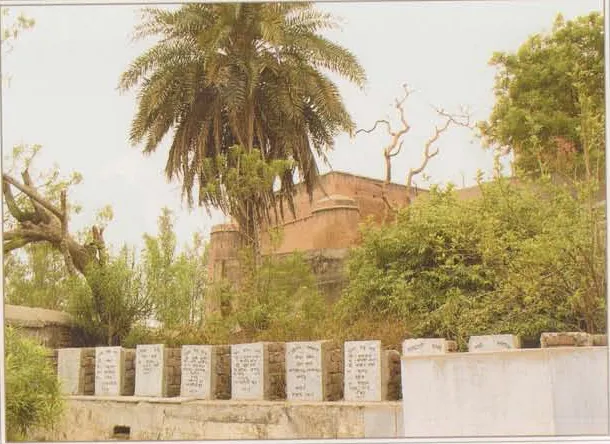
Dvādaśāditya-ṭīlā
द्वादशादित्य-टीलाDvādaśāditya-ṭīlā, the Hill of the Twelve Suns, is the hill in Vṛndāvana on which the old Madana-mohana Mandira stands, near Kāliya's lake by the Yamunā.
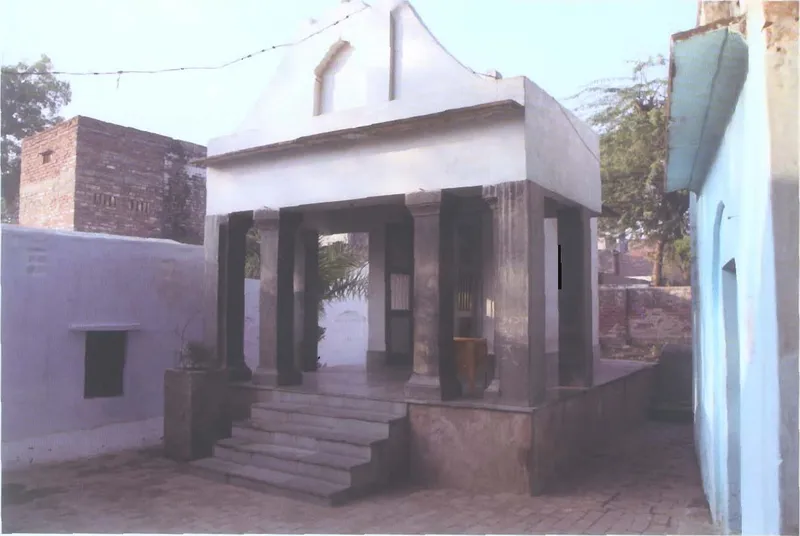
Prabodhānanda Sarasvatī's samādhi
प्रबोधानन्द सरस्वती की समाधिThe samādhi (tomb) of Śrīla Prabodhānanda Sarasvatī stands a few metres from Kāliya-ghāṭa in Vṛndāvana, behind the great kadamba tree.
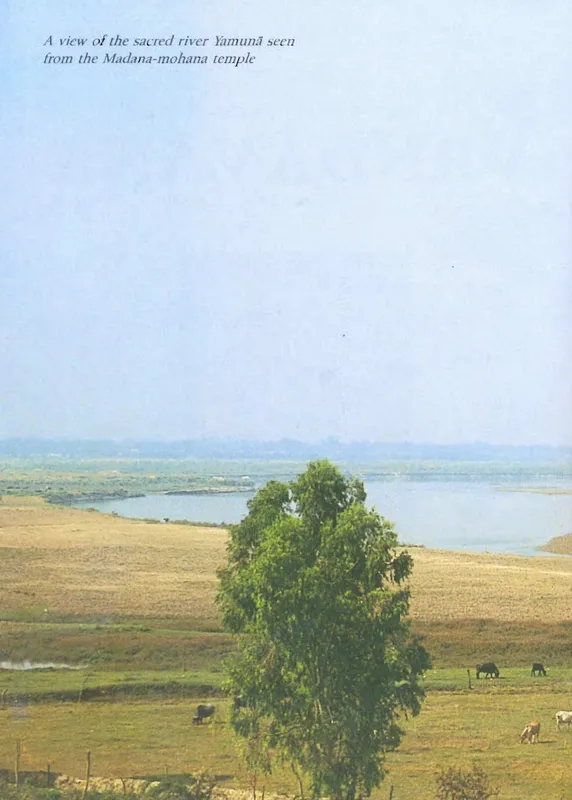
Yamunā
यमुनाThe Yamunā, also called the Kālindī, is the river that runs through Vraja-maṇḍala.
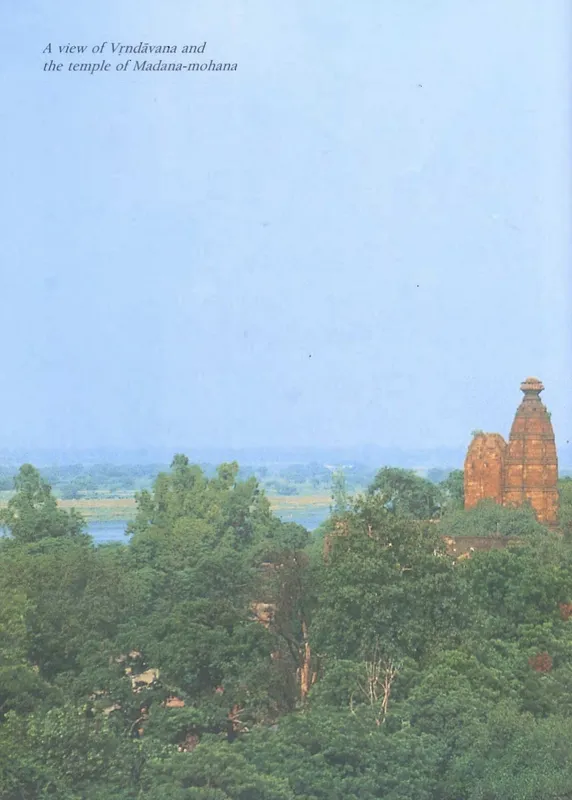
Vṛndāvana
वृन्दावनVṛndāvana is the forest on the bank of the Yamunā where Kṛṣṇa spent His childhood and youth, and the town of temples that stands in that forest today.
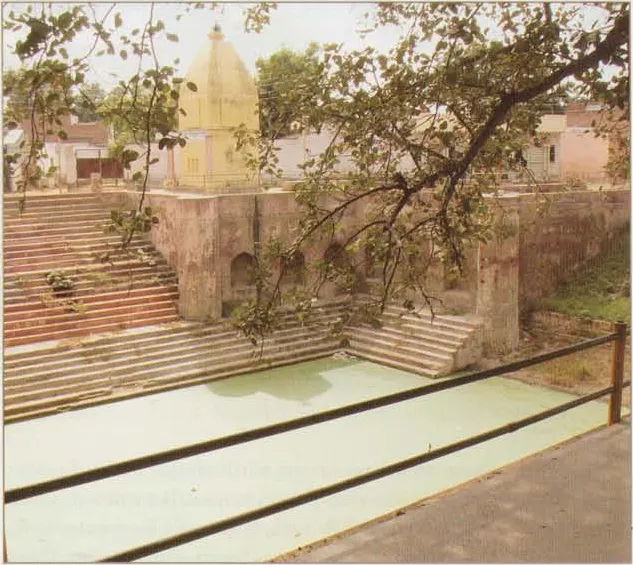
Dāvānala-kuṇḍa
दावानल-कुण्डDāvānala-kuṇḍa is a pond in Kevārivana, a little east of Kāliya-daha, in south-western Vṛndāvana.
Sonaraka
सोनरकSonaraka is a place on the Yamunā at Vṛndāvana, about a mile west of today's Kāliya-ghāṭa, that the guidebook Śrī Vraja-maṇḍala Parikramā (2007) calls the hermitage of th …
Questions and answers
In a lake within the Yamunā at Vṛndāvana. Śrīla Prabhupāda identifies that Kāliya-hrada with the bathing place called Kāliya-ghāṭa. The commentators place the lake on the southern side of the river.[24 +7]
He had fled from Garuḍa. The sage Saubhari, meditating in that lake, had cursed Garuḍa for seizing a fish there. So Garuḍa could not enter it, and Kāliya took shelter in it.[26–31]
Śrīla Prabhupāda gives two explanations: commentators say the touch of Kṛṣṇa's feet revived it, and other Purāṇas say Garuḍa had put nectar on it. Śrīla Jīva Gosvāmī says it was Kṛṣṇa's own tree, kept for His pastime.[32, 33]
The Bhāgavatam says only that Kṛṣṇa went without Him. Several commentators say Balarāma was kept at home for the rites of His birth-star. Śrīla Jīva Gosvāmī's Gopāla-campū tells the same day.[22 +4]
They praised Kṛṣṇa and asked Him to spare their husband. They wondered what pious act had let Kāliya touch the dust of His feet, for which the goddess of fortune had performed austerities for centuries.[42 +3]
To Ramaṇaka Island in the ocean, with his family. Kṛṣṇa told him that because he now bore His footprints, Garuḍa would no longer try to eat him.[6 +4]
The guidebooks of 1986 to 2010 present the tree then standing there as the one Kṛṣṇa climbed. Śrīla Jīva Gosvāmī and the Bhakti-ratnākara quote a Varāha Purāṇa verse on an eternal kadamba east of the lake.[36 +6]
Sources
- Śrīmad-Bhāgavatam 10.16.4, GRETIL
- Śrīmad-Bhāgavatam 10.16.5, GRETIL
- Harivaṁśa, 55.40-41, GRETIL
- Harivaṁśa, 55.45-46, GRETIL
- Viṣṇu Purāṇa, 5.7.3-4, GRETIL
- Śrīla Prabhupāda, Kṛṣṇa, the Supreme Personality of Godhead, Chapter 17 (Extinguishing the Forest Fire) · vedabase.io
- Śrīmad-Bhāgavatam 10.16.6, GRETIL
- Garga-saṁhitā, Vṛndāvana-khaṇḍa 12.4, Sanskrit Wikisource
- Harivaṁśa, 55.57 and 56.1 (constituted text), with the star passage that the text prints between them (lines marked '|', in segment HV_56.1), GRETIL
- Viṣṇu Purāṇa, 5.7.10-11, GRETIL
- Brahma-vaivarta Purāṇa, Śrī-kṛṣṇa-janma-khaṇḍa 19.8-9, Sanskrit Wikisource
- Śrīmad-Bhāgavatam 10.16.9, Bhagavata Vidya Pith edition, ed. Bhagavata Rishi and Krishna Shankar Shastri, 1996
- Śrīmad-Bhāgavatam 10.16.22, GRETIL
- Śrīmad-Bhāgavatam 10.16.23, Bhagavata Vidya Pith edition, ed. Bhagavata Rishi and Krishna Shankar Shastri, 1996
- Śrīmad-Bhāgavatam 10.16.26, Bhagavata Vidya Pith edition, ed. Bhagavata Rishi and Krishna Shankar Shastri, 1996
- Śrīmad-Bhāgavatam 10.16.28, Bhagavata Vidya Pith edition, ed. Bhagavata Rishi and Krishna Shankar Shastri, 1996
- Śrīmad-Bhāgavatam 10.16.30, GRETIL
- Śrīmad-Bhāgavatam 10.16.63, GRETIL
- Śrīmad-Bhāgavatam 10.17.8, GRETIL
- Śrīmad-Bhāgavatam 10.17.12, GRETIL
Show all 122 references
- Garga-saṁhitā, Vṛndāvana-khaṇḍa 12.23, Sanskrit Wikisource
- Śrīmad-Bhāgavatam 10.15.47, GRETIL
- Śrīla Prabhupāda, Kṛṣṇa, the Supreme Personality of Godhead (Kṛṣṇa book), Chapter 15, 'The Killing of Dhenukāsura' (next-to-last paragraph) · vedabase.io
- Śrīla Kṛṣṇadāsa Kavirāja Gosvāmī, Śrī Caitanya-caritāmṛta, Madhya-līlā 5.14, online edition · vedabase.io
- Śrīla Prabhupāda, Śrī Caitanya-caritāmṛta, Madhya-līlā 5.14, synonyms and translation · vedabase.io
- Śrīmad-Bhāgavatam 10.17.9, GRETIL
- Śrīmad-Bhāgavatam 10.17.10, GRETIL
- Śrīmad-Bhāgavatam ŚB 10.17.11, GRETIL
- Garga-saṁhitā, Vṛndāvana-khaṇḍa (2) 14.27, Sanskrit Wikisource
- Garga-saṁhitā, Vṛndāvana-khaṇḍa (2) 14.28, Sanskrit Wikisource
- Garga-saṁhitā, Vṛndāvana-khaṇḍa (2) 14.29, Sanskrit Wikisource
- Śrīdhara Svāmī: commentary on ŚB 10.16.6, Bhagavata Vidya Pith edition, ed. Bhagavata Rishi and Krishna Shankar Shastri, 1996
- Śrīla Prabhupāda, Kṛṣṇa, the Supreme Personality of Godhead, Chapter 16 (Subduing Kāliya) · vedabase.io
- Śrīla Viśvanātha Cakravartī Ṭhākura: commentary on ŚB 10.15.47, Bhagavata Vidya Pith edition, ed. Bhagavata Rishi and Krishna Shankar Shastri, 1996
- Śrīmad-Bhāgavatam 10.16.62, GRETIL
- Śrīla Narahari Cakravartī, Bhakti-ratnākara, Fifth Wave (pañcama taraṅga), 1912 ed. p. 302, 2nd ed., 1912
- Śrīla Sanātana Gosvāmī: commentary on ŚB 10.16.4, Bhagavata Vidya Pith edition, ed. Bhagavata Rishi and Krishna Shankar Shastri, 1996
- Śrīla Sanātana Gosvāmī: commentary on ŚB 10.16.19, Bhagavata Vidya Pith edition, ed. Bhagavata Rishi and Krishna Shankar Shastri, 1996
- Śrīla Sanātana Gosvāmī: commentary on ŚB 10.16.29, Bhagavata Vidya Pith edition, ed. Bhagavata Rishi and Krishna Shankar Shastri, 1996
- Śrīla Jīva Gosvāmī: commentary on ŚB 10.16.36, Bhagavata Vidya Pith edition, ed. Bhagavata Rishi and Krishna Shankar Shastri, 1996
- Śrīla Viśvanātha Cakravartī Ṭhākura: commentary on ŚB 10.16.32, Bhagavata Vidya Pith edition, ed. Bhagavata Rishi and Krishna Shankar Shastri, 1996
- Śrīla Prabhupāda, Kṛṣṇa, the Supreme Personality of Godhead (Kṛṣṇa book), Chapter 16 (Subduing Kāliya) · vedabase.io
- The Color Guide to Vṛndāvana (2000), Written and Photographed by Rājaśekhara dāsa Brahmacārī, PDF p. 54
- Vṛndāvana, the Playground of God (2010), Bhakti Caitanya Svāmī, PDF p. 124
- Vṛndāvana, the Playground of God (2010), Bhakti Caitanya Svāmī, PDF p. 18
- Śrī Vraja-maṇḍala Parikramā (2007), PDF p. 342
- Śrī Vraja-maṇḍala Parikramā (2007), PDF p. 299
- Pulinbihārī Datta, chapter 23 ('upasaṁhāra'), printed p. 274
- Śrīmad-Bhāgavatam 10.15.49-50, GRETIL
- Garga-saṁhitā, Vṛndāvana-khaṇḍa 12.1, Sanskrit Wikisource
- Śrīla Jīva Gosvāmī, Gopāla-campū, Pūrva-campū 13 (pūraṇa 13), prose 7-8, GRETIL
- Vṛndāvana, the Playground of God (2010), Bhakti Caitanya Svāmī, PDF p. 125
- Śrīmad-Bhāgavatam 10.16.7, Bhagavata Vidya Pith edition, ed. Bhagavata Rishi and Krishna Shankar Shastri, 1996
- Śrīmad-Bhāgavatam 10.16.8, Bhagavata Vidya Pith edition, ed. Bhagavata Rishi and Krishna Shankar Shastri, 1996
- Śrīla Jīva Gosvāmī, Gopāla-campū, Pūrva-campū 13, prose 19-20, GRETIL
- Śrīla Jīva Gosvāmī, Kṛṣṇa-sandarbha, anuccheda 106, GRETIL
- Śrīla Jīva Gosvāmī, Gopāla-campū, Uttara-campū, pūraṇa 29, prose 88, GRETIL
- Śrīla Rūpa Gosvāmī, Mathurā-māhātmya, v.390–391
- Vṛndāvana-Dhāma Ki Jaya! (c. 1986), by Dhruva Mahārāja dāsa, PDF p. 63
- the undated parikramā notes Vṛndāvana, ¶32
- Śrīla Narahari Cakravartī, Bhakti-ratnākara, Fifth Wave (pañcama taraṅga), 1912 ed. p. 301, 2nd ed., 1912
- Śrī Vraja-maṇḍala Parikramā (2007), PDF p. 341
- Śrī Vraja-maṇḍala Parikramā (2007), PDF p. 346
- Śrīmad-Bhāgavatam 10.16.19, Bhagavata Vidya Pith edition, ed. Bhagavata Rishi and Krishna Shankar Shastri, 1996
- Śrīla Viśvanātha Cakravartī Ṭhākura: commentary on ŚB 10.16.22, Bhagavata Vidya Pith edition, ed. Bhagavata Rishi and Krishna Shankar Shastri, 1996
- Śrīla Sanātana Gosvāmī: commentary on ŚB 10.16.9, Bhagavata Vidya Pith edition, ed. Bhagavata Rishi and Krishna Shankar Shastri, 1996
- Śrīla Viśvanātha Cakravartī Ṭhākura: commentary on ŚB 10.16.10, Bhagavata Vidya Pith edition, ed. Bhagavata Rishi and Krishna Shankar Shastri, 1996
- Śrīla Viśvanātha Cakravartī Ṭhākura: commentary on ŚB 10.16.16, Bhagavata Vidya Pith edition, ed. Bhagavata Rishi and Krishna Shankar Shastri, 1996
- Śrīla Sanātana Gosvāmī: commentary on ŚB 10.16.30, Bhagavata Vidya Pith edition, ed. Bhagavata Rishi and Krishna Shankar Shastri, 1996
- Vṛndāvana, the Playground of God (2010), Bhakti Caitanya Svāmī, PDF p. 126
- Śrīmad-Bhāgavatam 10.16.26, Bhagavata Vidya Pith edition, ed. Bhagavata Rishi and Krishna Shankar Shastri, 1996
- Śrīmad-Bhāgavatam 10.16.36, GRETIL
- Śrīla Viśvanātha Cakravartī Ṭhākura: commentary on ŚB 10.16.31, Bhagavata Vidya Pith edition, ed. Bhagavata Rishi and Krishna Shankar Shastri, 1996
- Śrī Vraja-maṇḍala Parikramā (2007), PDF p. 300
- Rūpa Gosvāmī, part 2, v.131; quoted by Viśvanātha Cakravartī and Vaṁśīdhara on ŚB 10.16.65
- Rūpa Gosvāmī, part 2, v.131; quoted by Viśvanātha Cakravartī and Vaṁśīdhara on ŚB 10.16.65
- Śrīmad-Bhāgavatam 10.16.60, GRETIL
- Śrīmad-Bhāgavatam 10.16.67 (vedabase: Texts 65–67), GRETIL
- Śrīla Sanātana Gosvāmī: commentary on ŚB 10.16.60, Bhagavata Vidya Pith edition, ed. Bhagavata Rishi and Krishna Shankar Shastri, 1996
- Śrīla Sanātana Gosvāmī: commentary on ŚB 10.16.62, Bhagavata Vidya Pith edition, ed. Bhagavata Rishi and Krishna Shankar Shastri, 1996
- Śrīmad-Bhāgavatam 10.17.13 (vedabase: Texts 13–14), GRETIL
- Śrīla Prabhupāda, Kṛṣṇa, the Supreme Personality of Godhead (Kṛṣṇa book), Chapter 17 (Extinguishing the Forest Fire) · vedabase.io
- Śrīmad-Bhāgavatam 10.17.18, GRETIL
- Śrīmad-Bhāgavatam 10.17.20, Bhagavata Vidya Pith edition, ed. Bhagavata Rishi and Krishna Shankar Shastri, 1996
- Śrīmad-Bhāgavatam 10.17.25, GRETIL
- Śrīla Viśvanātha Cakravartī Ṭhākura: commentary on ŚB 10.17.13, Bhagavata Vidya Pith edition, ed. Bhagavata Rishi and Krishna Shankar Shastri, 1996
- Śrīla Viśvanātha Cakravartī Ṭhākura: commentary on ŚB 10.16.65, Bhagavata Vidya Pith edition, ed. Bhagavata Rishi and Krishna Shankar Shastri, 1996
- Śrīmad-Bhāgavatam 10.17.13–14, GRETIL
- Śrīla Sanātana Gosvāmī: commentary on ŚB 10.17.20, Bhagavata Vidya Pith edition, ed. Bhagavata Rishi and Krishna Shankar Shastri, 1996
- Śrīla Prabhupāda, Kṛṣṇa, the Supreme Personality of Godhead (Kṛṣṇa book), Chapter 17, 'Extinguishing the Forest Fire' (fifth and seventh paragraphs) · vedabase.io
- Śrīla Raghunātha dāsa Gosvāmī, Vraja-vilāsa-stava, verse 82
- Śrīla Narahari Cakravartī, Bhakti-ratnākara, Fifth Wave, 1912 ed. p. 303, 2nd ed., 1912
- Śrī Vraja-maṇḍala Parikramā (2007), PDF p. 302
- Vṛndāvana, the Playground of God (2010), Bhakti Caitanya Svāmī, PDF p. 17
- The Color Guide to Vṛndāvana (2000), Written and Photographed by Rājaśekhara dāsa Brahmacārī, PDF p. 56
- Śrīla Narahari Cakravartī, Bhakti-ratnākara, Fifth Wave (pañcama taraṅga), 1912 ed. p. 303, 2nd ed., 1912
- the undated parikramā notes Vṛndāvana, ¶51
- Śrīla Raghunātha dāsa Gosvāmī, Vraja-vilāsa-stava, verse 83
- Vṛndāvana, the Playground of God (2010), Bhakti Caitanya Svāmī, PDF p. 137
- Varāha Purāṇa, adhyāya 156, verses 14–17, Sanskrit Wikisource
- Padma Purāṇa, Pātāla-khaṇḍa 69.31-32, Sanskrit Wikisource
- Śrīla Rūpa Gosvāmī, Vidagdha-mādhava, Act 1 (veṇu-nāda-vilāsa), v.19
- Śrīla Sanātana Gosvāmī: commentary on ŚB 10.11.35, Bhagavata Vidya Pith edition, ed. Bhagavata Rishi and Krishna Shankar Shastri, 1996
- Śrīla Raghunātha dāsa Gosvāmī, Vraja-vilāsa-stava v.81 (hymn (9) of the Grantha Mandira Stavāvalī)
- Śrīla Rūpa Gosvāmī, Mathurā-māhātmya, v.387
- Śrīla Rūpa Gosvāmī, Mathurā-māhātmya, v.388–389
- Śrīla Rūpa Gosvāmī, Mathurā-māhātmya, v.392–393
- Nārada Purāṇa, Uttara-bhāga 80.63-64
- Śrīla Kṛṣṇadāsa Kavirāja Gosvāmī, Śrī Caitanya-caritāmṛta, Madhya-līlā 18.71, online edition · vedabase.io
- Śrīla Prabhupāda, Śrī Caitanya-caritāmṛta, Madhya-līlā, Chapter 18, chapter summary · vedabase.io
- Śrīla Prabhupāda, Śrīmad-Bhāgavatam, Canto 1, Introduction, Introduction (life of Śrī Caitanya Mahāprabhu) · vedabase.io
- Śrīla Kṛṣṇadāsa Kavirāja Gosvāmī, Śrī Caitanya-caritāmṛta, Madhya-līlā 18.94, online edition · vedabase.io
- Śrīla Kṛṣṇadāsa Kavirāja Gosvāmī, Śrī Caitanya-caritāmṛta, CC Madhya-līlā 18.104, online edition · vedabase.io
- Śrīla Prabhupāda, Śrī Caitanya-caritāmṛta, Madhya-līlā 18.99, purport · vedabase.io
- Śrīla Prabhupāda, Śrī Caitanya-caritāmṛta, Madhya-līlā 18.71, purport · vedabase.io
- Vṛndāvana-Dhāma Ki Jaya! (c. 1986), by Dhruva Mahārāja dāsa, PDF p. 62
- Kṛṣṇa-caitanya-caritāmṛta, prakrama 4, sarga 7, verse 8
- Kṛṣṇa-caitanya-caritāmṛta, prakrama 4, sarga 7, verses 9–10 (4.7.9–10), PDF page 569
- Śrīla Locana dāsa Ṭhākura, Caitanya-maṅgala, Śeṣa-khaṇḍa, 1903 ed. p. 173: left column, last line; right column, lines 1–6
- The Color Guide to Vṛndāvana (2000), Written and Photographed by Rājaśekhara dāsa Brahmacārī, PDF p. 55
- A. W. Entwistle, ch. 8 §66.1 'Kalidah Ghat', printed p. 401, Egbert Forsten, Groningen, 1987
- Mathurá (1883), F. S. Growse, B.C.S., M.A. Oxon., C.I.E. (as the title page gives him, p. 270
Further sources
- Śrīmad-Bhāgavatam, Tenth Canto, chapters 15–17, translation by the disciples of Śrīla Prabhupāda (BBT), and Śrīla Prabhupāda's Kṛṣṇa, the Supreme Personality of Godhead, chapters 15–17.
- The Canto 10 commentaries of Śrīdhara Svāmī, Śrīla Sanātana Gosvāmī, Śrīla Jīva Gosvāmī, Śrīla Viśvanātha Cakravartī Ṭhākura and Śrīla Baladeva Vidyābhūṣaṇa (Sanskrit), summarised, not translated.
- Harivaṁśa, Viṣṇu Purāṇa, Garga-saṁhitā and Brahma-vaivarta Purāṇa: summarised from the Sanskrit unless a published translation is shown.